
How to Stretch a Tire: What It Is, Risks & How It’s Done
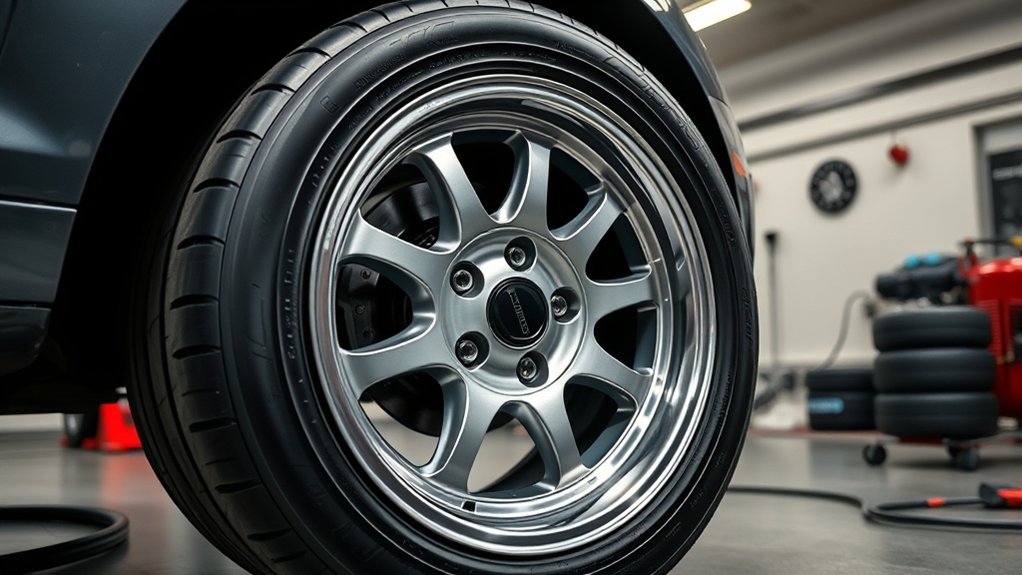
A stretched tire is one that’s narrower than the wheel, so the sidewall pulls tight against the rim for a cleaner, lower-profile look. You fit it by matching wheel diameter, selecting a smaller tire width, and confirming the load rating before mounting. This setup can sharpen steering, but it also reduces grip, sidewall protection, and bead security. Check local laws and PSI carefully, because the details matter more than the style, and the tradeoffs don’t stop there.
Key Takeaways
- Tire stretching means fitting a tire narrower than the wheel, pulling the sidewalls tight for a low-profile, exposed-rim look.
- It is mostly a style modification used in stance and camber builds, with little to no performance benefit.
- Stretched tires can reduce traction, weaken sidewall support, and raise the risk of bead separation or blowouts.
- Proper fitment requires matching wheel size, load rating, and driving conditions, ideally with professional guidance.
- Check local laws and insurance rules first, and avoid stretching for regular driving on rough roads or highways.
What Is a Stretched Tire?
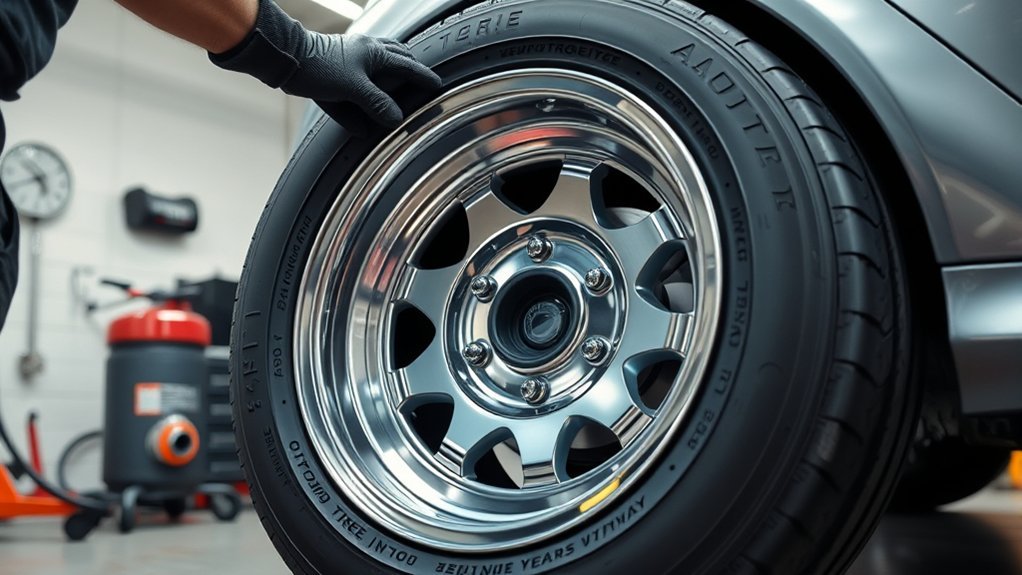
A stretched tire is a tire that is narrower than the wheel it is mounted on, often by one to three inches compared with the manufacturer’s recommended fitment. You choose a smaller tire width so the sidewall pulls tight to the rim edge, exposing more wheel and less rubber. In car culture, especially stance and excessive camber builds, stretched tires create a sharp, show-oriented look that many car enthusiasts value. You’ll also see the setup on trucks and other builds, not just sports cars. This setup offers little in performance benefits; in fact, it often reduces traction and degrades handling. Because the sidewall sits under extra tension, you should treat the change as a visual modification, not an upgrade. If you pursue it, inspect fitment carefully and keep proper safety equipment nearby during installation and use. Maintaining consistent traction year-round is crucial, as stretched tires can compromise grip in various conditions.
Why Do People Stretch Tires?
People stretch tires mainly for appearance: by choosing a narrower tire, you reduce visible sidewall, expose more of the rim, and create the clean, show-focused look associated with stance and excessive camber builds. You use this stretched aesthetic to push your car beyond factory norms and claim a sharper visual profile.
People stretch tires for appearance, exposing more rim and creating a cleaner, show-focused stance.
- You highlight wheel lips and reduce sidewall bulk.
- You align the fender with the rim for a tighter fit.
- You often spend less on smaller tires, lowering customization cost.
- You apply the same look to off-road vehicles for broader style.
In this scene, visual impact usually outranks performance, so you accept that vehicle performance isn’t the priority. The result is a deliberate, liberated expression: your tires become part of the bodywork, not just a functional contact patch. Additionally, many enthusiasts appreciate how all-terrain tires enhance the overall driving experience while maintaining an eye-catching aesthetic.
Are Stretched Tires Safe?
Stretched tires aren’t inherently safe, and the margin for error gets smaller as the fit becomes more aggressive. When you stretch a tire, you reduce sidewall integrity and raise the chance of bead separation, especially if you hit potholes or push hard in corners. That means you can’t assume stretched tires are safe for everyday use because traction drops as the contact patch shrinks. At higher speeds, steering response can feel sharper, but the tire has less room to absorb impacts, so safety concerns grow fast. You also face more risk of tread separation, sidewall cuts, and blowouts, which can leave you stranded or cause a crash. Long trips make the gamble worse because heat and wear build up. Even if no law bans the setup, insurance coverage may be disputed after a wreck. If you want freedom, you still need to respect the limits of the rubber you choose and keep expectations realistic. Proper tire maintenance, such as regular rotations and inflation checks, is crucial for ensuring safety and longevity, especially with stretched setups.
How to Choose the Right Wheel and Tire
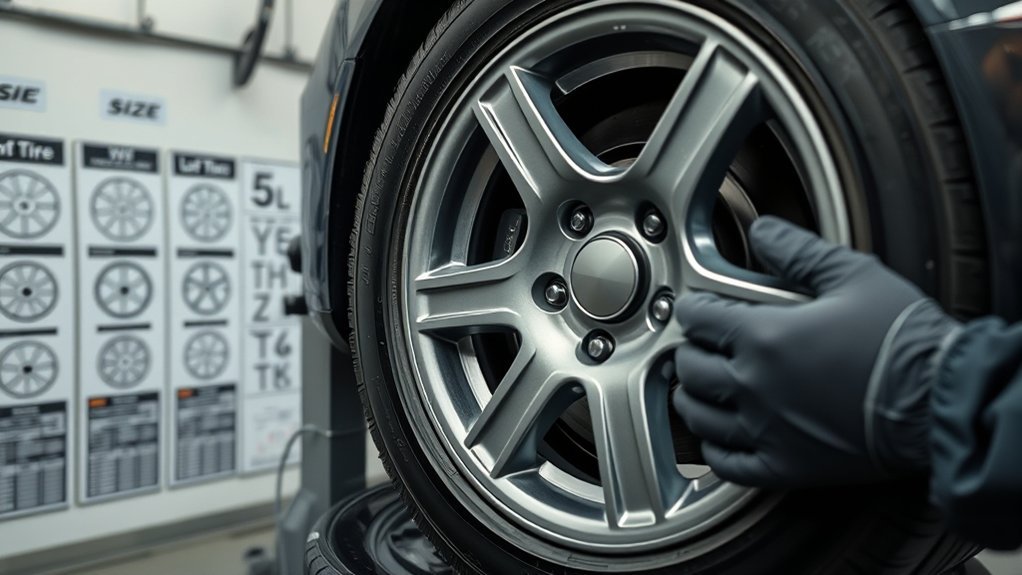
Start by matching the wheel diameter and tire size correctly, because the stretch depends on a compatible fit and usually needs a wheel that’s about one to three inches wider than the tire. You need wheel size compatibility before any tire stretching, or you’ll compromise fit and handling. Choose a lower tire aspect ratio if you want a tighter profile without excessive sidewall flex, but keep your specific fitment style in mind. Check that the tread pattern suits your roads and driving demands, since it affects grip and control. Verify the load rating meets or exceeds your vehicle’s needs; stretched setups can add stress, and failure isn’t liberation. Additionally, consider the benefits of all-season traction to ensure reliable performance across various driving conditions.
- Match diameter and width.
- Favor a lower aspect ratio.
- Confirm load rating.
- Get professional consultation.
That advice protects vehicle performance while helping you build the look you want.
What PSI Do Stretched Tires Need?
Once you’ve matched the wheel and tire correctly, the next variable is pressure, because stretched tires usually need more air than a standard setup. In practice, many drivers run about 40-50 PSI to help keep the bead seated firmly on the rim. That higher pressure reduces sidewall flex from the stretch, so your tire stays stable under load and doesn’t lose performance.
You should always check the tire’s maximum pressure rating on the sidewall and never exceed it. Staying within that limit protects safety while still giving you the support stretched tires need. Monitor pressure often, because these setups can leak down faster than conventional fitments. If you drive hard or plan a long trip, verify PSI before you leave and adjust as needed. Additionally, consider the importance of tire selection to ensure optimal performance and safety.
Treat pressure as part of your control system: precise, repeatable, and essential for liberated driving with confidence.
What Are the Risks of Stretched Tires?
Even if the fitment looks aggressive and clean, stretched tires carry real tradeoffs: they can weaken bead integrity, making a tire more likely to debead or lose air when you hit potholes or other road impacts. You’re also reducing the contact patch, so traction drops and hydroplaning becomes more likely in wet conditions. The main risks stack up fast:
- Bead integrity loss and sudden air loss
- Overstressed sidewalls that can tear
- Irregular tread wear and shorter service life
- Blowouts from heat and repeated flexing
Those risks aren’t abstract—they affect control, braking, and durability every mile. If you drive hard, corner aggressively, or commute in rough weather, the margin gets thinner. Insurance companies may also flag stretched tires as unauthorized modifications, which can create coverage problems and warranty disputes. If you want the look, you need to understand the mechanical cost and drive accordingly. Additionally, stretched tires may have diminished traction performance, especially when compared to properly fitted winter tires.
Are Stretched Tires Legal?
Are stretched tires legal? Usually, yes, but only within your state’s safety standards and local regulations. You won’t find a universal ban on stretched tires, yet you can still trigger legal issues if your wheel-and-tire setup extends beyond the vehicle’s body or violates equipment rules. Before you make any tire modifications, check your state code and the manufacturer’s guidelines so you know what’s permitted. If you ignore those limits, you may face fines, penalties, or a stop-and-inspect order. You should also think about insurance coverage: many insurers treat stretched tires as unauthorized modifications and may reduce protection after a claim. Even when the law doesn’t specifically outlaw them, an officer can still deem them unsafe during a traffic stop and issue a citation. If you want freedom on the road, verify the rules first, then decide whether the tradeoff fits your build and your risk tolerance. Additionally, consider how fuel-efficient tires can affect your overall vehicle performance and safety when making modifications.
Stretched Tires vs. Low-Profile Tires
Stretched tires and low-profile tires may look similar at a glance, but they serve different purposes and come with very different tradeoffs. With stretched tires, you mount a narrow tread on a wider rim for style; with low-profile tires, you keep a more balanced fit that supports performance and road control. If you care about freedom with control, note the difference: stretched tires shrink the contact patch, while low-profile tires keep it broader for grip and stability.
Stretched tires trade grip for style, while low-profile tires preserve a broader contact patch for better control.
- Stretched tires can raise risks of blowouts and hydroplaning.
- Low-profile tires usually preserve safer vehicle performance.
- Stretched setups often need higher PSI to protect the bead.
- Low-profile tires keep a usable sidewall and follow standard inflation.
Additionally, all-terrain tires offer a practical compromise for those seeking both style and performance without sacrificing safety. You may love the stance, but low-profile tires deliver the sporty look without the same risks. That makes them the more practical choice for everyday driving and predictable vehicle performance.
When to Avoid Tire Stretching
Avoid tire stretching when you regularly drive on rough roads, cover long highway distances, or need dependable traction for everyday commuting, because the reduced sidewall support and contact patch can increase the risk of bead separation, blowouts, and poor handling. In these driving conditions, tire stretching can expose the sidewall to impact damage, reduce performance, and weaken reliability. If you value safety, don’t trade away stability for appearance; the narrower contact patch can hurt grip during sudden braking or evasive maneuvers. You should also avoid it if you’re unsure about local rules, since illegal tire modifications can create insurance complications and penalties. For daily use, standard fitment gives you better control, predictable wear, and fewer maintenance surprises. Additionally, consider the tire fitment guidelines to ensure safety and optimal performance. Keep your setup practical, and choose tires that match your roads, load, and speed demands. That way, you preserve freedom without sacrificing safety, durability, or confidence behind the wheel.
Frequently Asked Questions
What Are the Risks of Stretching Tires?
You risk sidewall damage, sidewall tearing, debeading, blowouts, and reduced traction when you stretch tires. You’ll also see uneven tire wear, handling issues, and a real performance impact, especially in rain or at speed. These safety concerns can trigger insurance implications after a crash. Installation challenges often hide the problem until failure. If you want aesthetic appeal, weigh it against shorter tire life and catastrophic structural stress.
Is It Illegal to Have Stretched Tires?
No, stretched tires aren’t universally illegal, but you’ll need to check tire regulations where you live. Think of a car skating on a razor’s edge: vehicle modifications like this can miss safety standards, trigger legal consequences, and affect insurance implications. You’ll also see performance impact, even if you value the aesthetic appeal. Review local laws, inspect fitment, and confirm your policy before you commit to the change.
Are There Any Benefits to Stretched Tires?
Yes—stretched tires can give you aesthetic appeal and unique styling, and you might use them to fit wider wheels for customization trends. In some setups, you could get modest grip improvement and handling stability from the altered footprint, but real performance enhancement isn’t guaranteed. You should expect faster tire wear and reduced safety margins. If you want liberation through fitment, treat them as a visual modification, not a universal upgrade.
What Is the 3 Tire Rule?
The 3 Tire Rule is your compass for tire stretch: keep the tire width at least 3 inches smaller than the wheel diameter. You use it to protect tire pressure, wheel compatibility, and suspension alignment while preserving driving performance and aesthetic appeal. It also helps limit tread wear and keep you within safety standards. Push past that gap, and you invite sidewall stress, de-beading, and blowouts on the road.
Conclusion
If you’re considering a stretched tire setup, make sure the wheel, tire, and pressure all line up correctly before you drive. A clean fit can look sharp, but even a small mismatch can reduce safety, handling, and tire life. You’ll notice the difference most when the road changes under you, and that’s no coincidence. Check local laws, inspect your setup often, and avoid stretching when load, speed, or weather conditions push the limits.

Related Articles
How Heavy Is a Nascar Tire: Complete Guide, Tips & Expert Advice
Meta description: NASCAR tire weight varies more than you think—discover what makes it heavy, how it affects performance, and why the details matter.
Read More
How Big Is a 315 70R17 Tire? Full Size Breakdown & Dimensions
Discover the true dimensions of a 315/70R17 tire and why its size could change your ride—see the full breakdown next.
Read More
How Big Is a 285 75R16 Tire? Full Size Breakdown & Dimensions
Learn how a 285 75R16 tire measures up in height, width, and fitment—then discover what that means for your vehicle’s performance.
Read More