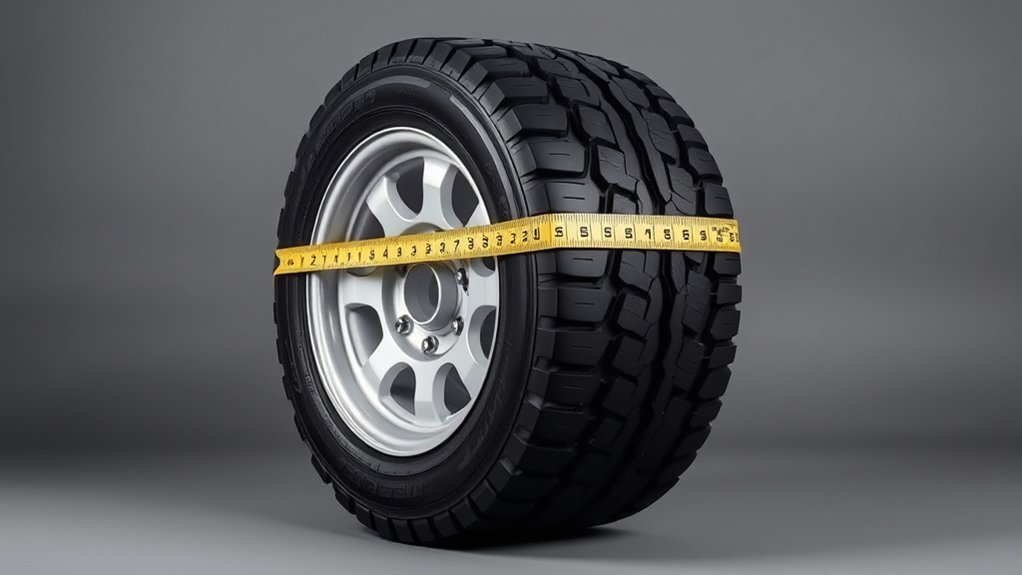
A 285/75R16 tire is a popular light-truck and SUV size that measures about 32.8 inches tall and 11.2 inches wide on paper. It fits a 16-inch wheel, usually within a 7.5 to 9-inch approved rim-width range, but real-world fitment still depends on your vehicle, wheel offset, suspension, and tire model.
Quick Answer
A 285/75R16 tire is about 32.8 inches tall, 11.2 inches wide, and has an 8.4-inch sidewall. It is close to a 33-inch tire, but not a true 33. It fits 16-inch wheels and usually needs about 7.5 to 9 inches of rim width.
Key Takeaways
- A 285/75R16 tire is roughly 32.8 inches in diameter, 11.2 inches in section width, and 103.1 inches in circumference.
- The 285 number is the nominal section width in millimeters, not the exact tread width.
- The 75 aspect ratio gives this tire an 8.4-inch sidewall, which helps with ride comfort and off-road cushion.
- A 285/75R16 is close to a 33-inch tire, but it is usually a little shorter than a true 33.
- If you are upsizing, check wheel width, offset, load rating, clearance, gearing, and speedometer error before buying.
285/75R16 Tire Size Meaning
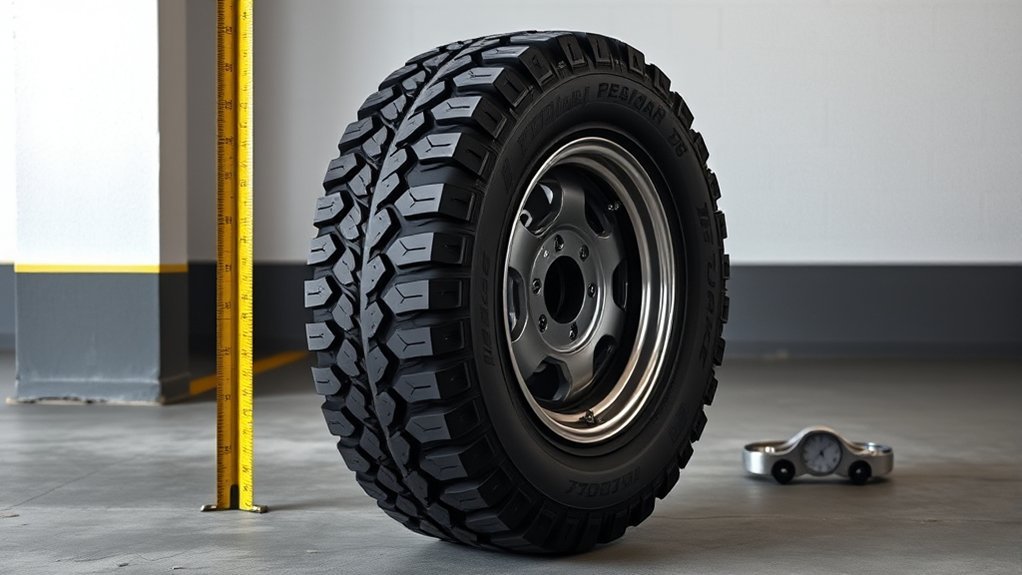
The 285/75R16 tire size tells you the tire’s nominal section width, sidewall ratio, construction type, and wheel diameter. According to Tire Rack’s tire sidewall guide, the three-digit number is the section width in millimeters, the two-digit number after the slash is the aspect ratio, the letter shows construction, and the final number is the matching wheel diameter.
- 285 means the tire is about 285 mm wide at the sidewall section, which equals about 11.2 inches.
- 75 means the sidewall height is 75% of the section width.
- R means radial construction.
- 16 means the tire is made for a 16-inch wheel.
Note: The 285 mm number is not the exact tread width. Actual tread width, mounted diameter, and weight vary by tire brand, tread pattern, load range, and measuring rim width.
285/75R16 Tire Size Breakdown in Inches
Using the standard tire-size formula, a 285/75R16 tire works out to about 32.8 inches tall, 11.2 inches wide, and 8.4 inches of sidewall. These numbers are close enough for planning, but always confirm the exact tire model’s spec sheet before buying.
| Overall Diameter | About 32.8 inches |
| Section Width | About 11.2 inches |
| Sidewall Height | About 8.4 inches |
| Circumference | About 103.1 inches |
| Revolutions Per Mile | About 614 to 615 |
| Typical Rim Width Range | Usually about 7.5 to 9 inches, depending on the tire model |
How the Size Is Calculated
The math is simple. First, convert 285 mm to inches: 285 ÷ 25.4 = about 11.22 inches. Then multiply the width by the aspect ratio: 11.22 × 0.75 = about 8.42 inches of sidewall. Add two sidewalls to the 16-inch wheel: 16 + 8.42 + 8.42 = about 32.8 inches overall.
Will 285/75R16 Tires Fit Your Wheels?
A 285/75R16 tire will only fit if your wheel and vehicle have enough room for it. The tire requires a 16-inch wheel diameter, and many 285/75R16 tires are approved for about 7.5 to 9-inch-wide wheels. Still, the wheel width is only one part of the fitment check.
| Check | What to Confirm |
|---|---|
| Wheel diameter | Must be 16 inches. |
| Rim width | Usually 7.5 to 9 inches, but check the tire manufacturer’s spec sheet. |
| Offset and backspacing | Too much inward or outward position can cause rubbing on control arms, fenders, mud flaps, or liners. |
| Load and speed rating | Match or exceed your vehicle’s required ratings. |
| Clearance | Check full steering lock, suspension compression, brake clearance, and spare-tire storage. |
Warning: Do not choose a 285/75R16 tire by size alone. NHTSA recommends using the original tire size or another size recommended by the vehicle manufacturer. When in doubt, check the owner’s manual, door-jamb tire label, wheel specs, and a qualified tire installer.
[Products Worth Considering]

The Chemical Guys Big Blue Stiffy Heavy Duty Cleaning Brush is designed for deep scrubbing of tires, upholstery, and carpets. Stiff synthetic bristles help lift tough dirt, grime, and tar while the ergonomic grip makes scrubbing comfortable and controlled. Use it with wheel and tire cleaners followed by dressings and protectants to help enhance and extend a lasting shine.

Keep your tires properly inflated with this analog VONDIOR tire pressure gauge, designed for fast, easy readings without batteries. The swiveling, two-axis hose and large glow dial help you measure at any tire angle with instant visibility. Built with a protective rubber shield, it supports durable, low-maintenance use for cars and trucks.
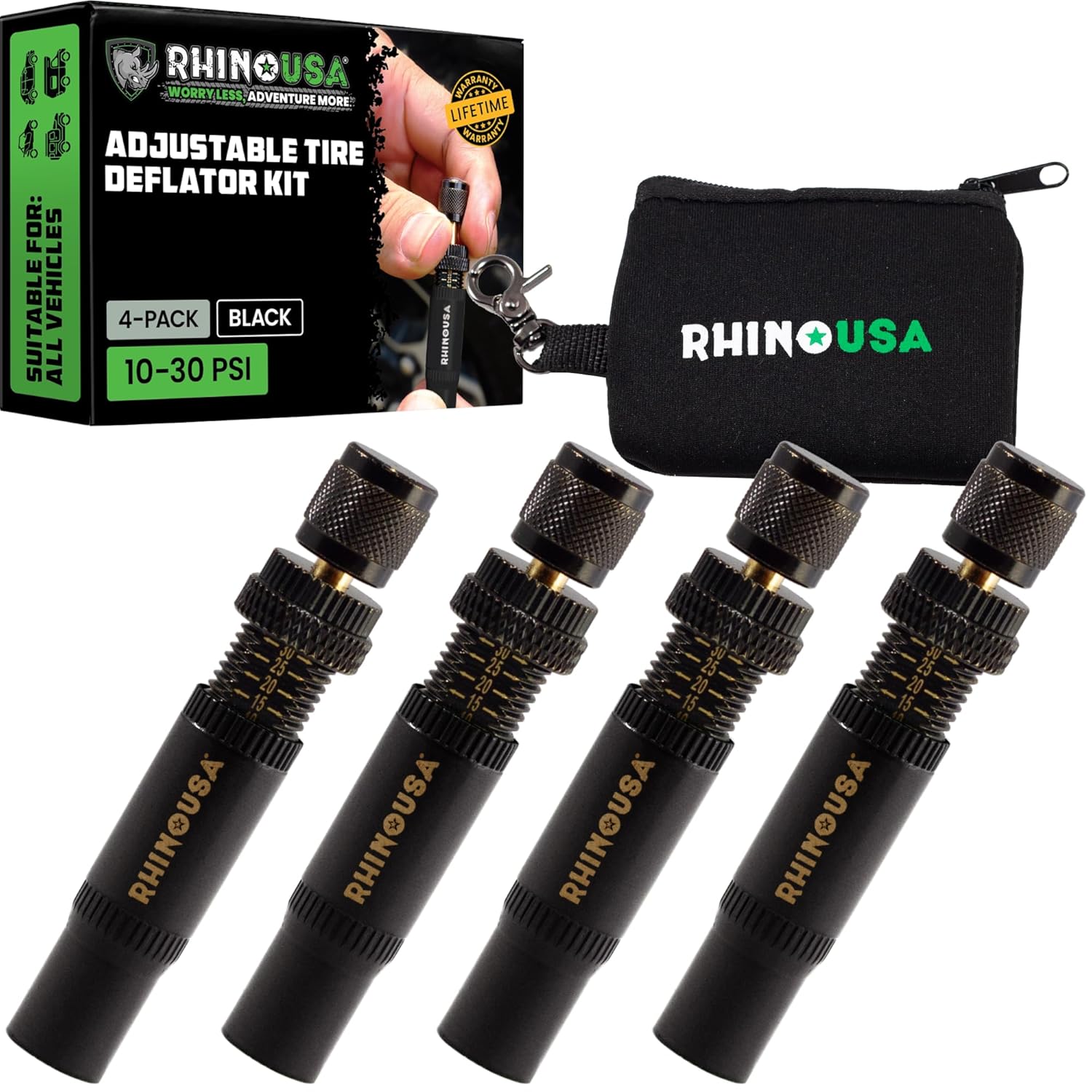
Use the Rhino USA adjustable tire deflators to air down all four tires at once by screwing one deflator onto each valve stem, letting you step away while the tires reach your preset pressure. Each deflator independently adjusts across a 10–30 PSI range with laser-etched indicators for quick setup and verification, making it ideal for beach, sand, and rocky off-road trails.
How 285/75R16 Tires Affect Handling and MPG
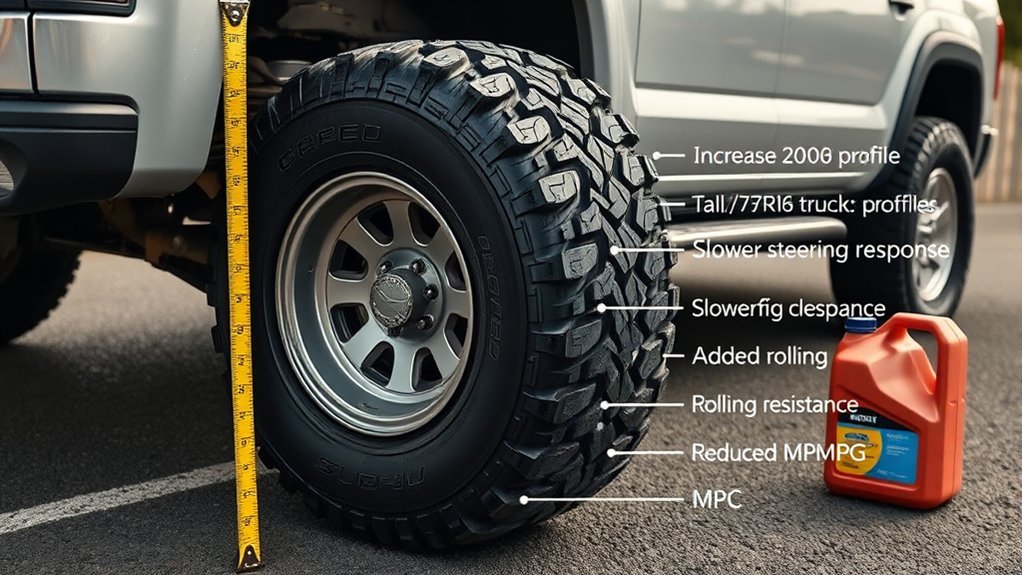
A 285/75R16 tire can change how your vehicle steers, accelerates, brakes, and rides. The taller sidewall can add cushion on rough roads, while the wider section width can increase the contact patch. The tradeoff is that many tires in this size are heavier than smaller factory sizes, especially in LT load ranges and aggressive all-terrain or mud-terrain patterns.
Handling Changes
Compared with many smaller 16-inch factory sizes, a 285/75R16 can add ground clearance and improve traction on dirt, gravel, mud, and rocks. It can also make steering feel heavier, slow down steering response, and raise the vehicle slightly. On pavement, that can mean more body motion and a less crisp feel during quick lane changes.
- More sidewall: Better impact cushion and off-road flex.
- More width: More contact patch, but more chance of rubbing.
- More weight: Slower acceleration and more load on brakes, steering, and suspension.
Speedometer and Odometer Impact
If you move from a smaller tire to a 285/75R16, your speedometer may read low because the tire travels farther per rotation. For example, switching from a 265/75R16, which is about 31.6 inches tall, to a 285/75R16 at about 32.8 inches is roughly a 3.7% increase in diameter. When your speedometer shows 60 mph, your actual speed may be about 62 mph.
Pro Tip: Use this quick formula for speedometer error: new tire diameter ÷ old tire diameter × indicated speed = estimated actual speed.
MPG Impact
A 285/75R16 tire may reduce fuel economy, but there is no single MPG loss that applies to every vehicle. Tire weight, tread design, air pressure, rolling resistance, gearing, driving speed, and load all matter. FuelEconomy.gov notes that proper tire inflation helps fuel economy, and NHTSA also explains that tire design and rolling resistance affect efficiency.
If fuel economy is a priority, compare the tire’s weight, tread type, and load range before buying. A highway-terrain 285/75R16 will usually feel different from a heavy mud-terrain tire in the same size.
Is 285/75R16 a True 33-Inch Tire?
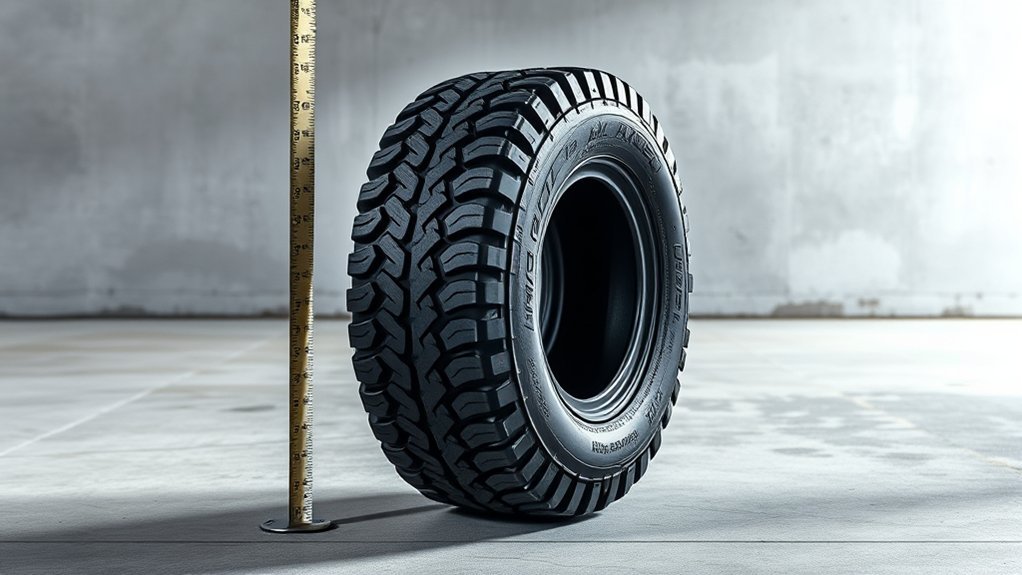
No. A 285/75R16 is close to a 33-inch tire, but it is usually not a true 33. The calculated diameter is about 32.8 inches. Some individual tires may measure slightly taller or shorter once mounted, inflated, and loaded, so brand specs matter.
A 285/75R16 sits in the 33-inch tire class, but it is better described as a 32.8-inch tire when you are checking clearance, gearing, and speedometer error.
That small difference matters when you are tight on fender clearance or trying to avoid rubbing at full steering lock. If your setup barely clears a true 33, it will likely clear some 285/75R16 tires more easily, but you should still test fitment.
285/75R16 Vs Similar Tire Sizes
The 285/75R16 is taller and wider than many common 16-inch factory truck sizes. It is close in height to a 305/70R16, while a 33×11.50R16 is usually a little taller on paper. Use diameter first for speedometer and gearing, then width for rubbing and clearance.
| Tire Size | Approx. Diameter | Approx. Width | Main Difference |
|---|---|---|---|
| 265/75R16 | 31.6 in | 10.4 in | Smaller, easier fitment, less speedometer change. |
| 275/70R16 | 31.2 in | 10.8 in | Wider than 265/75R16, but much shorter than 285/75R16. |
| 285/75R16 | 32.8 in | 11.2 in | Near-33-inch size with strong sidewall height. |
| 305/70R16 | 32.8 in | 12.0 in | Similar height, noticeably wider. |
| 255/85R16 | 33.1 in | 10.0 in | Taller and narrower, often chosen for clearance and trail use. |
| 33×11.50R16 | 33.0 in nominal | 11.5 in nominal | Flotation-style sizing, slightly taller and wider on paper. |
[Products Worth Considering]

These aluminum alloy tire valve stem caps with an O-ring seal help protect valve stems from corrosion while adding a clean, stylish look to your vehicle. The universal fit works across cars, trucks, motorcycles, bicycles, and more, making them an easy upgrade for everyday driving and off-road use. Installation is quick, and the included four-pack keeps all your tires dressed and protected.

This professional wheel and rim cleaning brush set lifts brake dust, grime, and dirt with soft, scratch-free microfiber and synthetic wool fibers. The rim brush bends up to 360 degrees for easy access to hard-to-reach areas around spokes, lips, and faces. Ideal for thorough cleaning of car, truck, motorcycle, bicycle, RV, and more wheel and tire surfaces.

The Big Rig Defense Tire Thumper is a truck tire pressure checker that lets you quickly check multiple tires by giving them a firm whack. Listen for a reassuring thump and feel the stick bounce when a tire is fully inflated, helping you get back on the road safely. It features a comfortable, glove-friendly handle and a secure wrist strap for confident use on busy routes.
Diameter Comparisons
The 285/75R16 is about 1.2 inches taller than a 265/75R16 and about 1.7 inches taller than a 275/70R16. That extra diameter can improve ground clearance, but it also changes effective gearing and speedometer readings.
Width Differences
At about 11.2 inches wide, the 285/75R16 is wider than a 265/75R16 and 275/70R16. That can help traction, but it can also create rubbing on fender liners, upper control arms, sway bars, or mud flaps if the wheel offset is not right.
Closest Match Options
The closest height match is usually a 305/70R16, but that size is wider. A 33×11.50R16 is the closest old-style 33-inch comparison, while a 255/85R16 gives a taller and narrower option for drivers who want clearance without as much width.
Best Vehicles And Terrain For 285/75R16
The 285/75R16 size is most common on light trucks, older full-size trucks, off-road SUVs, and trail-focused builds that still use 16-inch wheels. It can suit vehicles such as some Toyota Tacoma, Toyota 4Runner, Jeep, Ford F-150, Chevrolet Silverado, GMC Sierra, Nissan Frontier, and Ram setups, but fitment depends heavily on generation, trim, suspension height, wheel offset, and tire model.
For terrain, this size works well when you want more sidewall for rough roads, trails, gravel, rocks, mud, and sand. A highway-terrain tire in 285/75R16 will be quieter and usually more efficient on pavement. An all-terrain tire can balance daily driving and trail use. A mud-terrain tire can add grip in deep mud and rocks, but it may add noise, weight, and faster fuel use.
Manufacturer tire pages, such as Toyo’s Open Country A/T III, show how the same tire size can be offered in different constructions, ratings, warranties, and intended uses. That is why you should compare the exact tire, not just the size code.
[Products Worth Considering]

This digital tire pressure gauge with built-in inflator helps you accurately check and adjust tire pressure for safer driving and better fuel efficiency. It supports multiple units (PSI, KPA, BAR, KG/CM²) and reads within 1% for reliable results. The 3-in-1 design inflates, deflates, and measures, with a quick-connect air chuck and compatible hose setup for cars, trucks, SUVs, RVs, and motorcycles.

Vigorder rubber cement glue delivers superior adhesion and cures quickly within about 30 seconds for seamless rubber bonding. Once cured, it helps provide a strong, durable, waterproof seal that holds up to vehicle weight, pressure, and heat. Suitable for cars, motorcycles, trucks, bicycles, and off-road tires, it’s designed for emergency patch and maintenance repairs.

This portable cordless tire inflator delivers rapid inflation up to 150 PSI with a built-in pressure gauge for accurate readings. It offers multiple preset modes for car, bike, motorcycle, and ball inflation, plus an LED light system for visibility in dark conditions. The auto shut-off helps stop pumping when your preset pressure is reached, and it supports several pressure units for convenience.
Frequently Asked Questions
Is a 285/75/16 the same as a 33?
No. A 285/75R16 is close to a 33-inch tire, but it usually measures about 32.8 inches tall on paper. It belongs in the 33-inch class, but it is slightly shorter than a true 33-inch tire.
Is a 285 tire equal to a 33?
Not always. The 285 only tells you the nominal section width in millimeters. The tire’s height also depends on the aspect ratio and wheel size. A 285/75R16 is about 32.8 inches tall, while a 285/70R17 is about 32.7 inches tall.
What is a 285/75R16 equivalent to?
A 285/75R16 is close to a 33×11.50R16 in overall size, though the 285/75R16 is usually a little shorter and slightly narrower on paper. A 305/70R16 is very close in height but wider.
How tall and wide is a 285/75 tire?
A 285/75R16 tire is about 32.8 inches tall and 11.2 inches wide. The sidewall is about 8.4 inches. Actual measurements can vary by manufacturer, tread design, inflation pressure, and wheel width.
Will 285/75R16 tires rub?
They can rub if your vehicle lacks fender, suspension, or steering clearance. Rubbing is more likely with low offset wheels, factory-height suspension, large mud flaps, tight fender liners, or aggressive tread patterns. Check clearance at full steering lock and during suspension compression.
Do 285/75R16 tires need a lift?
Some trucks and SUVs can fit them with the right wheel offset and minor trimming, while others need a lift or leveling kit. The answer depends on the vehicle generation, suspension, wheel specs, and tire model.
Conclusion
A 285/75R16 tire is roughly a 32.8-inch tire with an 11.2-inch section width and an 8.4-inch sidewall. It is close to a 33-inch tire, but it is not quite a true 33. The size can add clearance, traction, and a stronger off-road stance, but it can also affect steering feel, MPG, gearing, and speedometer accuracy.
Before you commit, check your wheel width, offset, load rating, speed rating, tire pressure requirements, and full clearance. The size is simple on paper, but the fitment has to work on your specific vehicle.
Sources
- Tire Rack: How Do I Read My Tire Size On My Sidewall? — supports tire-code meaning, section width, aspect ratio, radial construction, and wheel diameter.
- TireSize.com: 285/75R16 Tires — supports nominal calculated dimensions, circumference, revolutions per mile, and typical rim-width range.
- NHTSA: Tire Safety Ratings and Awareness — supports tire-size safety, tire label guidance, tire pressure, tread, balance, alignment, and tire maintenance.
- FuelEconomy.gov: Keeping Your Vehicle in Shape — supports the relationship between tire inflation and fuel economy.
- Toyo Tires: Open Country A/T III — supports all-terrain tire use cases and manufacturer-specific variation in tire construction, ratings, and intended use.