
How Tall Is a 285 60R20 Tire? Exact Height, Width & Dimensions
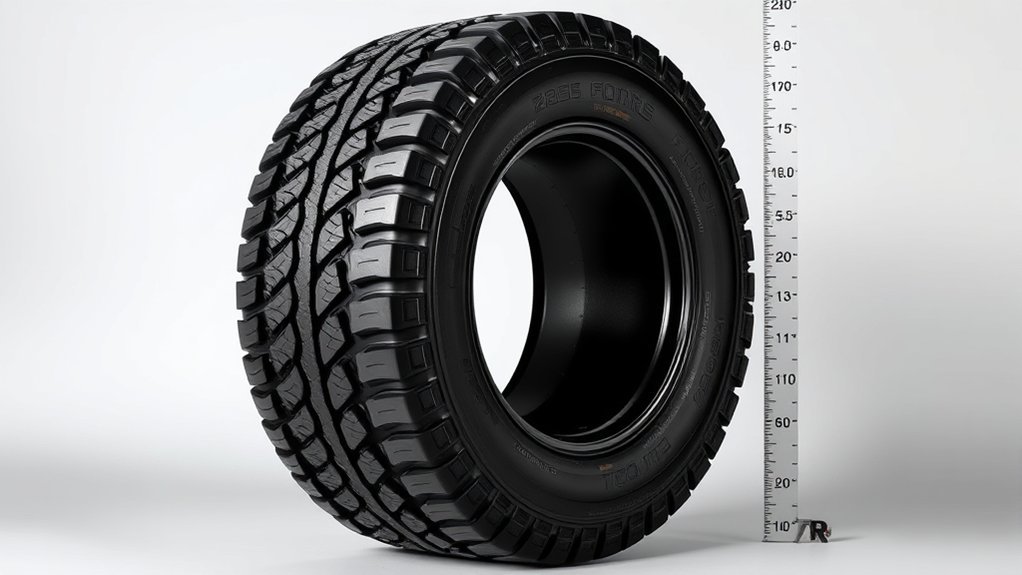
A 285/60R20 tire is about 33.5 inches tall overall, with a section width of 285 mm, or 11.2 inches. Its sidewall height is roughly 171 mm, which equals 6.7 inches, and it fits a 20-inch rim. The “60” means the sidewall is 60% of the tread width, so you get a taller profile and slightly softer ride. If you’re comparing sizes, a few related measurements can change fitment and speedometer accuracy.
Key Takeaways
- A 285/60R20 tire is about 33.5 inches tall overall, with an exact diameter around 33.46 inches.
- Its section width is 285 mm, or about 11.2 inches, measuring the tire’s widest point.
- The 60 aspect ratio means the sidewall height is about 171 mm, or 6.7 inches.
- It fits a 20-inch rim and typically works with 8.0- to 10.0-inch-wide wheels.
- Compared with stock tires, it can slightly affect speedometer accuracy, usually by about 2% if larger.
What Does 285/60R20 Mean?
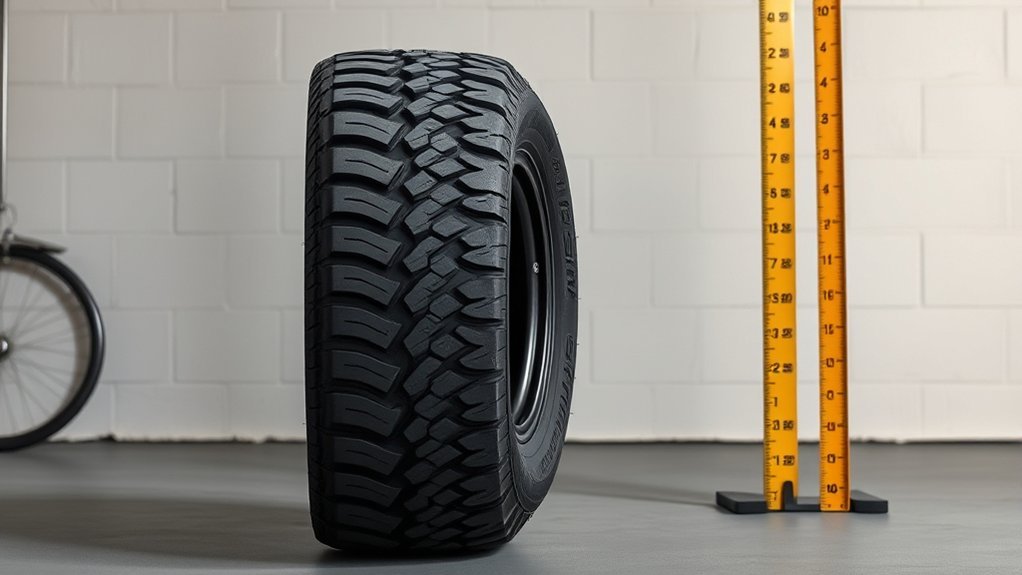
A 285/60R20 tire uses a standard sizing code that tells you its key dimensions at a glance. In this tire size, 285 means the tread width measures 285 millimeters across, so you’re dealing with a wide contact patch. The 60 is the aspect ratio: the sidewall height equals 60% of the width, or about 171 mm. That ratio helps you evaluate how the tire responds under load and steering input. The R identifies radial construction, the dominant design in modern tires, and it shapes how the carcass flexes. The 20 indicates the diameter of the wheel in inches, so this tire fits a 20-inch rim. When you read 285/60R20 correctly, you can compare options with precision and choose the setup that supports your vehicle’s performance without surrendering control or clarity. Additionally, proper tire selection can greatly enhance all-season traction for varying driving conditions.
How Tall Is a 285/60R20 Tire?
Knowing the size code lets you calculate the tire’s true stature: a 285/60R20 stands about 33.5 inches tall overall, or roughly 850 mm from the tread to the top of the sidewall. You can verify that with a Tire Size calculator, which converts the metric designation into real-world dimensions without guesswork. The 60 aspect ratio means the sidewall measures about 6.7 inches, or 171 mm, because it equals 60% of the 285 mm section width. The 20 in the Size code tells you this Tire mounts on a 20-inch wheel, so the diameter matches the rim plus both sidewalls. That height gives you a useful balance of ground clearance, stance, and rotational leverage, and it can influence handling response and fuel economy. If you’re tuning your setup for autonomy and precision, this measurement is the baseline you need. Additionally, selecting tires with reliable wet and dry traction can enhance overall driving performance.
How Wide Is a 285/60R20 Tire?
A 285/60R20 tire has a section width of 285 mm, which converts to about 11.2 inches. You can use that width to gauge sidewall-to-sidewall span, which directly affects stability, traction, and handling. In real-world fitment, you’ll also need to account for slight section-width variation by wheel width and manufacturer design. Additionally, selecting the right tire can enhance ride comfort and fuel economy, making it crucial for optimal performance.
Section Width In Millimeters
The 285/60R20 tire has a section width of 285 millimeters, or about 11.2 inches, making it a relatively wide tire size. You should treat that measurement as a fitment variable, not a guess. Your rim width, wheel-well clearance, and intended use all depend on it. A size calculator helps you verify whether this width aligns with your vehicle’s platform and prevents avoidable interference. Because the section width affects contact patch behavior, you can expect its influence on handling, stability, and traction. Wider tires often improve grip, especially when terrain or weather reduces surface adherence. For a 285/60R20, you’ll typically pair it with 8.00 to 10.00 inch rims to maintain proper seating and control.
Width In Inches
Converting the 285 mm section width gives you a tire that’s about 11.2 inches wide, measured sidewall to sidewall. That’s the tire’s section width, and it tells you how much lateral space the 285/60R20 occupies. Wider construction can increase traction, sharpen handling, and improve stability, especially when you’re driving beyond pavement.
- Section width equals sidewall-to-sidewall measurement.
- Tread width is slightly narrower than section width.
- Rim width should typically stay between 8.00 and 10.00 inches.
You can treat this width as a key performance variable, not just a dimension. It helps you evaluate grip, steering response, and load balance with precision.
Real-World Fitment Range
At roughly 11.2 inches wide, a 285/60R20 tire has a real-world fitment range that works well on many light trucks and SUVs, but the exact clearance depends on wheel width, suspension geometry, and the vehicle’s available fender space. You’ll usually want an 8.0- to 10.0-inch rim, which lets the tire seat correctly and keeps sidewall behavior predictable. Because the tire stands about 33.5 inches tall and has a 6.7-inch sidewall, it can alter gearing feel, handling response, and speedometer readings. Actual section width may shift slightly with pressure and manufacturer design, so you should verify measurements on your specific platform. That’s how you keep fitment honest, maximize clearance, and preserve the freedom to build without unnecessary compromise or interference.
What Is the Sidewall Height of 285/60R20?
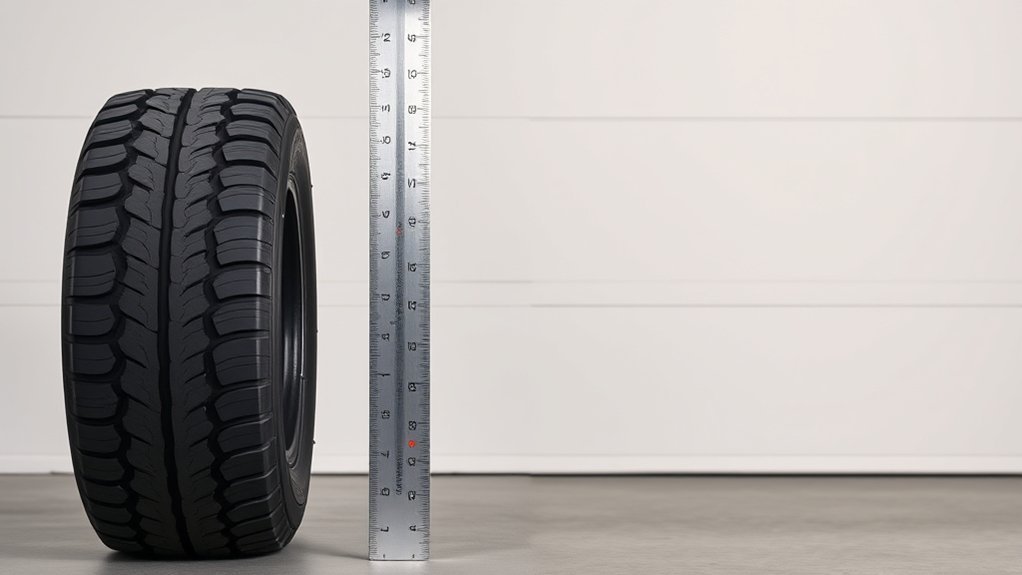
For a 285/60R20 tire, the sidewall height is about 6.73 inches, because the 60 aspect ratio means the sidewall measures 60% of the 285 mm tread width. You can treat that sidewall height as the tire’s vertical cushion, and it directly shapes ride compliance, steering response, and load support.
- 285 mm width × 0.60 = 171 mm sidewall height
- 171 mm ÷ 25.4 = 6.73 inches
- Larger sidewalls usually add more flex and comfort
You’re looking at a metric that matters on light trucks and SUVs, where balance is key. A taller sidewall can absorb impacts better, while still keeping control precise enough for demanding use. That makes the 285/60R20 a practical choice when you want capability without giving up refinement. Additionally, it’s important to consider the impact on handling and comfort that different tire sizes can have on your vehicle.
285/60R20 in Inches and Millimeters
A 285/60R20 tire measures about 11.2 inches wide, or 285 mm, and its sidewall height is roughly 6.7 inches, or 171 mm. You can treat these figures as the core metrics in tire construction because they define fit, load profile, and clearance. The 60 aspect ratio means the sidewall equals 60% of the section width, so you get a controlled, proportional structure rather than a vague estimate. When you combine both sidewalls with the 20-inch wheel, the tire’s overall diameter comes to about 33.5 inches, or 850 mm. That conversion gives you a clear metric-and-imperial reference for comparison across specs. If you want freedom from guesswork, these numbers let you evaluate compatibility with precision. Additionally, choosing the right tires influences braking and fuel efficiency, ensuring optimal performance on the road. You’re not just reading a size code; you’re decoding a dimensional system that tells you exactly how the tire occupies space on the vehicle.
How Does 285/60R20 Affect Speedometer Readings?
Your stock tire size sets the speedometer baseline, so a 285/60R20 only reads correctly if its diameter matches that original calibration. Because this tire measures about 33.46 inches tall, the diameter change can shift the indicated speed slightly higher or lower than actual. In practice, you may see about a 2% speed variance, so your displayed speed can differ enough to affect compliance and driving accuracy. Additionally, tire size adjustments can impact vehicle handling and fuel efficiency.
Stock Speedometer Baseline
Switching to a 285/60R20 tire changes the stock speedometer baseline because its overall diameter is about 33.5 inches and its circumference is roughly 105.13 inches, both of which alter revolutions per mile. You’ll notice the gauge can under-read unless you verify speedometer calibration. That means your actual speed may exceed the displayed value, so you need to treat the factory reading as a reference, not authority.
- Larger circumference lowers tire rotations per mile.
- The indicated speed can miss real speed by 2-3%.
- Calibration restores precise, liberated control over speed monitoring.
When you compare the stock baseline with this tire size, you’re recalibrating the measurement system, not just changing rubber.
Diameter Change Impact
Because a 285/60R20 tire measures about 33.5 inches in diameter, it changes revolutions per mile to roughly 621.55 and can make your speedometer read lower than your actual speed if the stock tire was smaller. You’re no longer matching the factory calibration, so each mile registers with fewer wheel turns. That distortion can undermine your control, compliance, and efficiency. Use a tire calculator to compare your current diameter with the original size and quantify the variance before you drive. If the new tire is taller, the speedometer and odometer both undercount distance and speed. You can restore accuracy by recalibrating the vehicle or choosing a size that preserves the original rolling circumference. Precision keeps your machine honest and your road freedom intact.
Actual Speed Difference
A 285/60R20 tire measures about 33.46 inches in overall diameter, so it can skew speedometer readings when it replaces a smaller stock tire. You’ll usually see the speedometer read lower than your true road speed because each revolution covers more distance. That gap depends on the original tire size, inflation, and tread pattern, but the direction of error stays the same.
- Bigger diameter = fewer revolutions per mile
- Lower indicated speed = higher actual speed
- Recalibration restores accurate, liberated control
If you want precise performance data, adjust the speedometer or use a calibration tool. Otherwise, fuel economy calculations, handling feedback, and compliance checks can all drift from reality. By correcting the system, you keep your vehicle honest and your decisions free.
What Are the Best Replacement Sizes for 285/60R20?
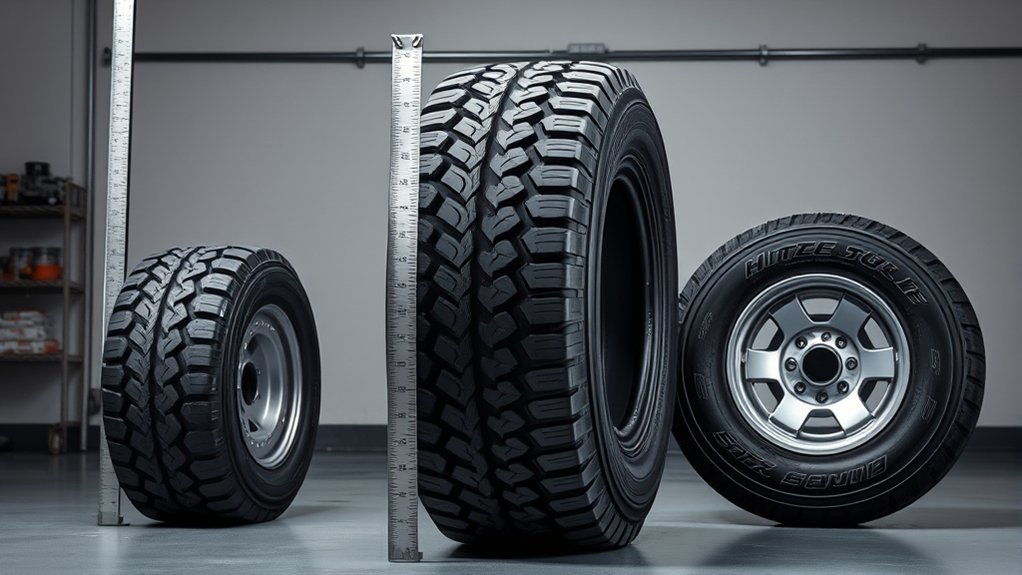
When you’re looking for the best replacement sizes for a 285/60R20, aim for options that stay within a 3% diameter variance to preserve speedometer accuracy and overall drivability. The most balanced replacement sizes are 265/60R20 at 32.52 inches and 295/55R20 at 32.78 inches, both close enough to keep your vehicle’s dynamics nearly unchanged. If you want a slightly larger footprint, 325/50R20 measures 32.80 inches and still fits the same performance envelope. You can also consider 275/60R20 at 32.99 inches, 33×12.50R20 at 33.02 inches, or 33×10.50R20 at 33.03 inches for similar outcomes. These replacement sizes give you room to tune stance, traction, and ride character without sacrificing control. By staying near the original diameter, you keep your setup technically coherent and protect the freedom your vehicle’s calibration was built to deliver. Additionally, choosing all-terrain tires can enhance your vehicle’s off-road capability while maintaining on-road comfort.
What Should You Check Before Buying 285/60R20 Tires?
Before you buy 285/60R20 tires, verify that they match your vehicle’s fitment and performance requirements, starting with overall diameter, section width, load index, tread warranty, and speed rating. The tire should measure about 33.5 inches tall, so you can confirm clearance and preserve correct gearing. Its 11.22-inch section width must fit your wheel well without contact under steering or suspension travel.
Verify 285/60R20 fitment by checking diameter, width, load index, and clearance before you buy.
- Check that the load index 125/122 supports your axle weight and cargo demands.
- Compare the tread warranty, usually 50,000 to 60,000 miles, with how long you expect to keep the tires.
- Match the speed rating to your driving profile and factory specifications.
When you evaluate these metrics together, you make an informed, independent choice. That precision protects performance, avoids fitment surprises, and lets you move with confidence rather than compromise. Additionally, consider the tread life warranty offered by different tire brands to ensure you select a reliable option.
What Tire Pressure Works Best for 285/60R20?
For a 285/60R20 tire, the best tire pressure usually falls between 30 and 35 PSI, but the correct setting depends on your vehicle’s weight, axle load, and manufacturer guidance. You should verify the tire pressure on the door placard or in the owner’s manual, because that specification matches your truck or SUV’s chassis calibration. If you run lighter loads, you may stay near the lower end; if you tow, haul, or carry passengers, you’ll often need a higher setting within the approved range. Proper tire pressure improves fuel efficiency, stabilizes handling, and extends tread life. Under-inflation raises flexing, heat, and blowout risk, while over-inflation reduces contact patch and creates harsh, uneven wear. Additionally, maintaining the correct tire pressure can also optimize fuel-efficient tires that contribute to better overall vehicle performance. Check your tire pressure at least monthly, and always measure when the tires are cold. That habit gives you control, protects your machine, and supports safer, more efficient driving.
Frequently Asked Questions
Is 285-60 R20 a 33 Inch Tire?
Yes, you can treat a 285/60R20 as a 33-inch tire. Its Tire Specifications show an overall diameter of about 33.5 inches, so you’re getting a true near-33 fit, not an exact 33. The tread width measures roughly 11.2 inches, and the sidewall adds about 6.7 inches. For your build, that means you can plan confidently, while remembering manufacturer variation can shift the actual height slightly.
How Tall Are 285-60 R20 Tires?
They’re about 33.5 inches tall, and that number matters more than you might think. You’re looking at one of the most balanced Tire Specifications for light trucks and SUVs: 285 mm width, 60% aspect ratio, and a 20-inch wheel. The sidewall adds roughly 6.7 inches per side, giving you precise fitment data. With that height, you can choose with confidence and keep your setup free from guesswork.
Is a 285 60 20 Taller Than a 275 60 20?
Yes, a 285/60R20 is taller than a 275/60R20. In this Tire Comparison, you’ll see the 285 measures about 33.5 inches in diameter, while the 275 measures about 32.8 inches, so you gain roughly 0.7 inches. You also get a wider tread and slightly taller sidewall. That extra size can change stance, clearance, and handling, so you can choose with more informed freedom.
Is a 285 Tire the Same Height as a 33 Inch Tire?
Yes, a 285 tire isn’t always exactly the same height as a 33-inch tire, but your Tire Comparison shows a 285/60R20 is very close. You’ll usually see about 33.5 inches of overall diameter, so it can function like a 33-inch tire in fitment and stance. Actual measurements vary by brand, tread, and load rating, so you should verify specs before you choose.
Conclusion
In the end, your 285/60R20 tire is more than a number—it’s a measured circle that shapes how your vehicle carries you forward. When you check its height, width, sidewall, and pressure, you’re really tuning the balance between control and comfort. Think of it as the steady footprint beneath your journey: if it’s right, every mile feels aligned. If it’s off, even a small mismatch can shift the whole road beneath you.

Related Articles
How Tall Is a 285 55R20 Tire? Exact Height, Width & Dimensions
Overall, a 285 55R20 tire’s exact height, width, and dimensions may surprise you—discover the full fitment details next.
Read More
How Tall Is a 275 70 18 Tire? Exact Height, Width & Dimensions
A 275/70R18 tire’s exact height, width, and fitment details may surprise you—find out why this “33-inch” size isn’t quite what it seems.
Read More
How Tall Is a 275 65 R20 Tire? Exact Height, Width & Dimensions
Worried about whether a 275 65 R20 tire will fit your truck? Discover the exact height, width, and dimensions before you buy.
Read More