
Are Tire Valve Caps Necessary? Why They Matter More Than You Think
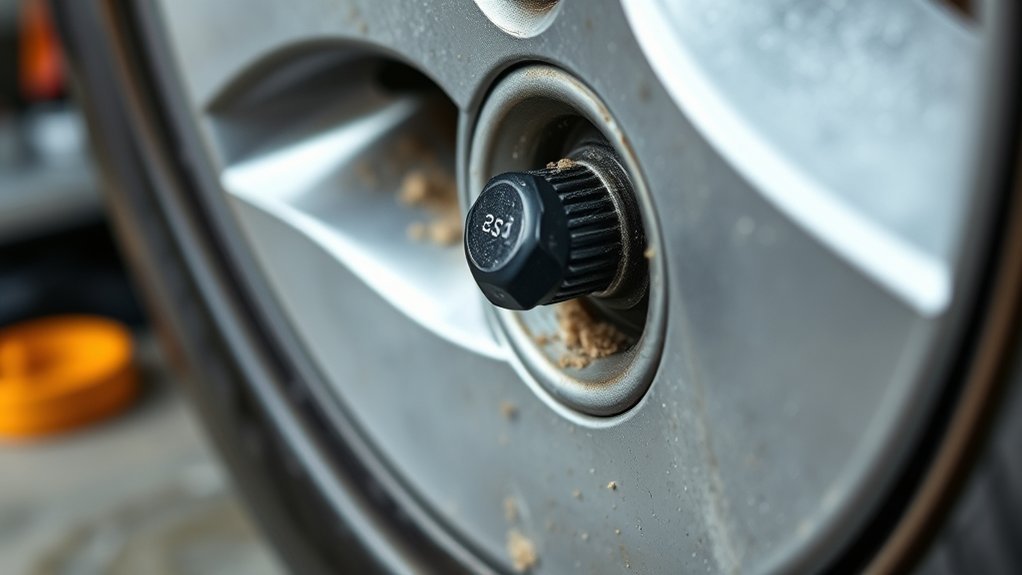
A missing tire valve cap looks like a small problem, but you should not ignore it. The valve core is the main part that holds air inside the tire, while the cap protects that valve core from dirt, water, road salt, and grit. You can usually drive a short distance without one if the tire is properly inflated, but you should replace the cap soon and check the tire pressure.
Quick Answer
Yes, tire valve caps are necessary because they protect the valve stem and valve core from dirt, moisture, and corrosion. They are not the tire’s main air seal, but a snug cap, especially one with an O-ring or gasket, helps keep the valve clean and may reduce contamination-related slow leaks.
Key Takeaways
- Tire valve caps protect the valve core from dirt, water, road salt, mud, and small debris.
- The valve core holds air inside the tire; the cap works as a protective cover and secondary seal.
- A missing cap usually will not make a healthy tire go flat right away, but it can let contaminants reach the valve.
- Check tire pressure with a gauge after you notice a missing cap, especially before highway driving.
- Plastic caps work well for most drivers, while O-ring caps add better protection in wet, salty, or dirty conditions.
At a Glance
| Time Required | Less than 1 minute per tire; 3 to 5 minutes if you also check for leaks |
| Difficulty | Very easy |
| Tools Needed | Replacement cap, tire pressure gauge, clean cloth, and soapy water if you suspect a leak |
| Cost | Low-cost replacement part |
What Tire Valve Caps Do
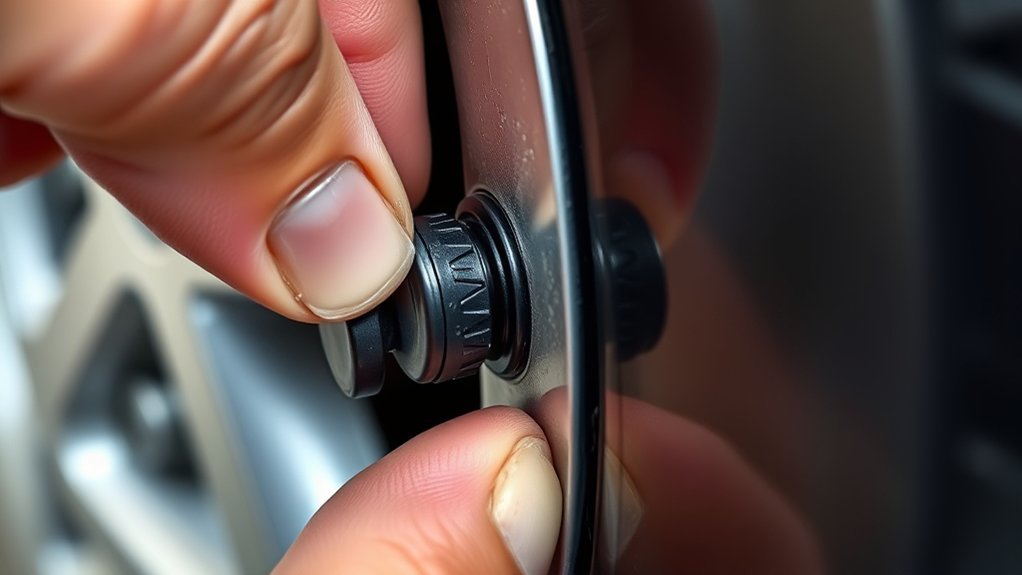
Tire valve caps cover the exposed end of the valve stem. Their main job is simple: they keep dirt, sand, water, and road salt away from the valve core. That matters because a dirty or corroded valve core may not seal as cleanly when you check pressure or add air.
The cap is not the main part holding air inside the tire. The valve core does that job. Still, a cap adds a layer of protection, and caps with rubber gaskets or O-rings can provide a tighter secondary seal. If you drive in rain, snow, salted roads, mud, or dusty areas, that extra protection becomes more useful.
Think of the cap as cheap protection for a small but important tire part. It helps keep the valve clean, makes tire pressure checks more reliable, and supports better long-term tire maintenance. If you already compare sealing performance between cap styles, focus on fit, O-ring quality, and corrosion resistance first.
[Products Worth Considering]

Upgrade your tires with authentic 40mm caliber bullet-shaped stem caps designed to help keep inflation consistent and secure. The patented insert helps protect TPMS and the lacquer coating resists tarnishing for a stylish look. Easy to install on standard Schrader valve stems, these caps fit cars, trucks, SUVs, motorcycles, BMX and bicycles.
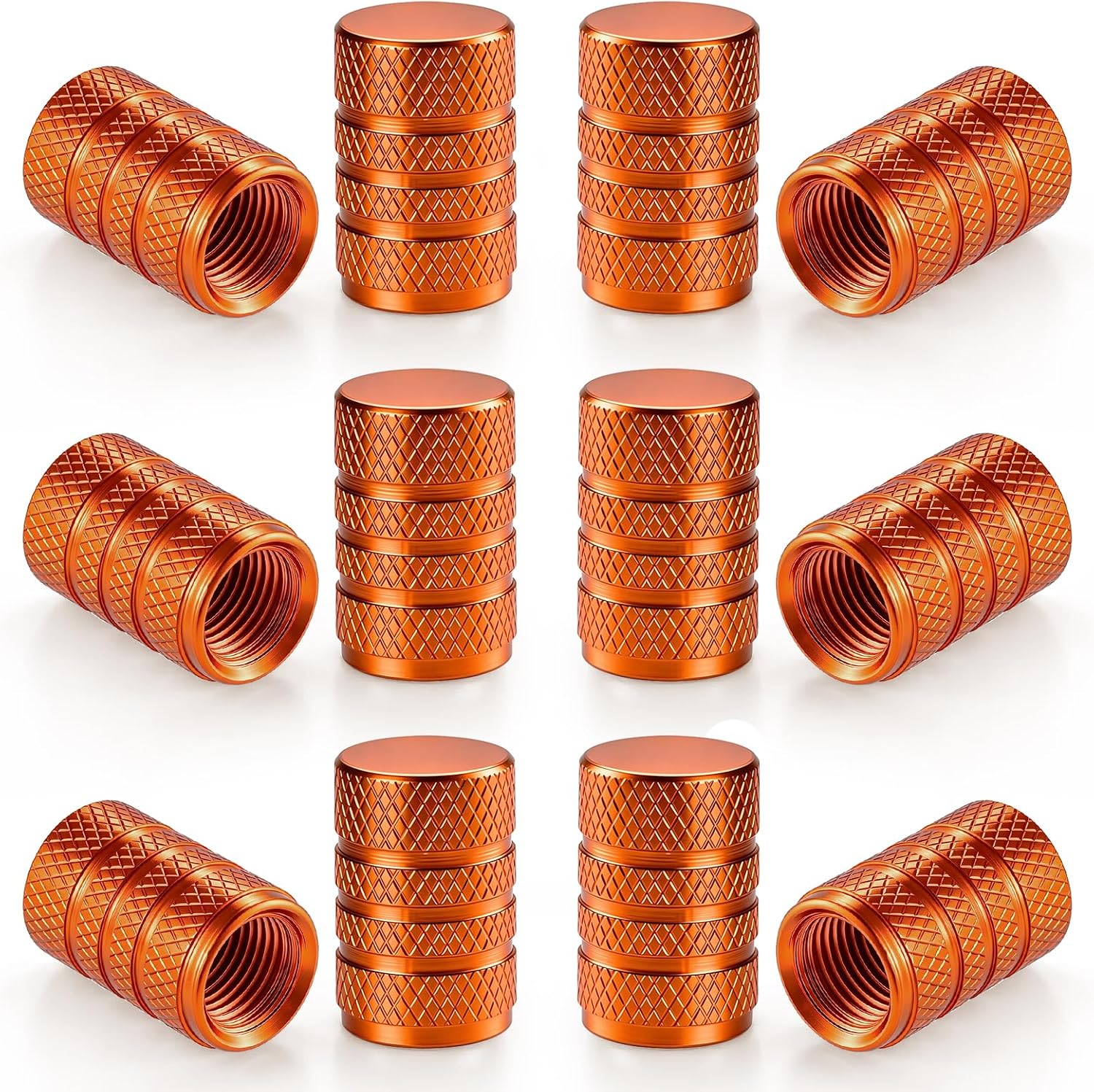
Upgrade your vehicles with these universal aluminum alloy tire valve stem caps designed to help keep dust out and maintain stable tire pressure. Each cap features an internal rubber seal for long-lasting leak protection and features an easy screw-on installation that won’t damage the valve stem threads. Suitable for cars, trucks, motorcycles, and bicycles, they also add a personalized decorative touch to your wheels.

Upgrade your ride with Tactilian American Flag tire valve stem caps featuring a subdued USA design and matte black aluminum look. The set of four includes rubber O-rings for a leakproof fit and is suitable for cars, trucks, bikes, motorcycles, and other wheels. Show patriotism while keeping valve caps secure and stylish.
Valve Cap vs. Valve Core: What Actually Holds Air?
The valve core is the spring-loaded part inside a Schrader valve. When you press the center pin, air moves in or out. When you release it, the valve core closes and holds pressure. The cap screws over the outside threads to protect that opening.
This difference matters because a missing cap does not always mean the tire will go flat right away. If the valve core is healthy, the tire may hold air normally for a while. The risk grows when dirt, moisture, or corrosion reaches the valve and stops it from sealing properly later.
Note: If you hear hissing from the valve stem, see bubbles after applying soapy water, or notice repeated pressure loss, the problem is not just the missing cap. Have the valve core, valve stem, tire, and wheel checked.
Will a Missing Valve Cap Cause Air Loss?
A missing valve cap usually does not release air from a healthy tire by itself. The valve core should hold the pressure. That is why many drivers notice a missing cap only after a pressure check, tire rotation, car wash, or air fill-up.
The problem is what can happen later. Without a cap, dirt and moisture can settle around the valve opening. When you attach a pressure gauge or air hose, that grit can move into the valve area and make the valve core seal less cleanly. Over time, that can contribute to a slow leak.
If the tire loses pressure soon after a cap goes missing, do not blame the cap alone. Check for a puncture, cracked valve stem, loose valve core, wheel damage, or a TPMS valve issue.
Why Missing Tire Valve Caps Matter
Missing valve caps leave the valve stem exposed. That allows grit, moisture, and road salt to collect around the valve core. Over time, those contaminants can make pressure checks messy, cause the valve to stick, or contribute to slow air loss.
Low tire pressure is the bigger safety issue. The National Highway Traffic Safety Administration says proper tire pressure affects safety, tire durability, and fuel consumption. NHTSA also recommends checking all tires, including the spare, at least once a month when the tires are cold.
That does not mean one missing cap will instantly cause a blowout. It means you should not ignore it. Poor tire maintenance and underinflation can lead to flats, blowouts, or tread separation. Replacing a missing cap is one easy step that helps keep the valve clean and your pressure checks accurate.
Warning: Do not keep driving on a tire that looks low, triggers a TPMS warning, or loses pressure repeatedly. Replace the cap, check the pressure with a gauge, and inspect the tire before longer or faster driving.
How Tire Valve Caps Help Protect Tire Pressure
A valve cap helps protect tire pressure indirectly. It blocks the dirt and moisture that can interfere with the valve core’s sealing surface. That is why the cap matters even though the valve core is the primary air seal.
When the cap is secure, the valve area stays cleaner during rain, car washes, winter road salt, gravel driving, and everyday road spray. That makes it less likely that grit will enter the valve when you remove the cap to check pressure or add air. A clean valve also helps your tire pressure gauge seat better.
NHTSA says you should use the vehicle manufacturer’s recommended cold tire pressure, which appears on the driver-side door label or in the owner’s manual. Do not inflate based only on the maximum pressure molded on the tire sidewall. If you need a better gauge for regular tire pressure checks, choose one you can read easily and keep it in the vehicle.
The cap is not a substitute for tire pressure checks. It protects the valve so those checks stay easier, cleaner, and more reliable.
Which Tire Valve Cap Should You Choose?
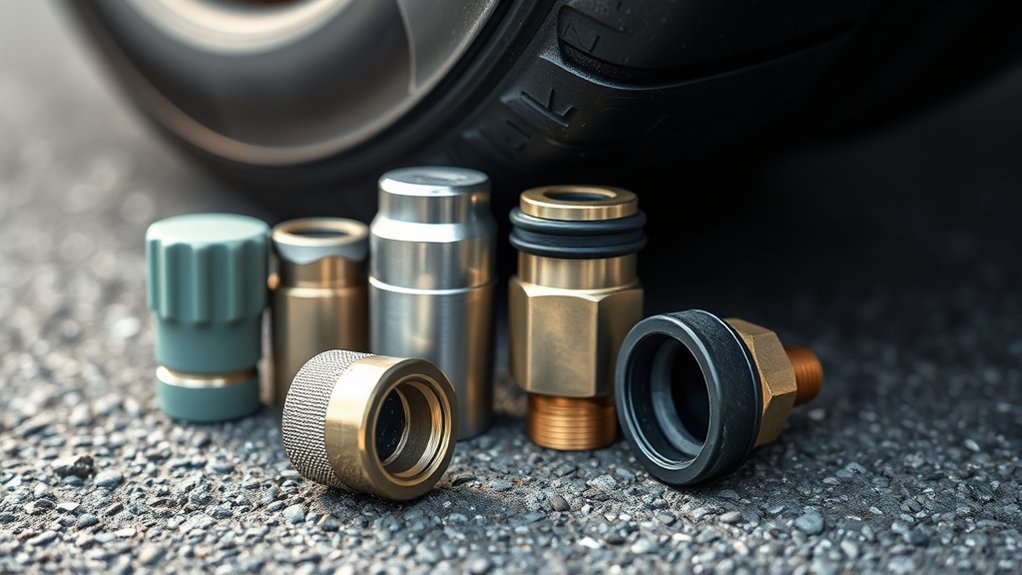
For most cars, SUVs, trucks, motorcycles, ATVs, and bikes with Schrader valves, a standard plastic valve cap works well. It is light, inexpensive, corrosion-resistant, and easy to replace. If you only need basic protection, plastic caps are the safest simple choice.
If you want a better seal, choose caps with a rubber gasket or O-ring inside. These caps press more tightly against the valve opening and help block water and debris. They are a smart choice for winter driving, muddy roads, and vehicles that sit outside.
Metal caps can look better and may feel more durable, but choose them carefully. On some TPMS valve stems, low-quality or mismatched metal caps can seize due to corrosion. TPMS service guidance warns that chrome or steel caps on aluminum stems can create galvanic action and stick to the stem. If your vehicle has direct TPMS sensors, use plastic caps unless your owner’s manual or tire shop confirms that the metal cap is compatible.
Decorative caps are fine as long as they fit correctly, do not interfere with the valve, and do not loosen while driving. Style should come after function. If a decorative cap is heavy, poorly threaded, or hard to remove, skip it.
| Cap Type | Best For | Watch Out For |
| Plastic cap | Most daily drivers and TPMS valve stems | Replace it if the threads strip or the cap cracks |
| O-ring or gasket cap | Wet, salty, muddy, or dusty conditions | The seal should sit flat and not fall out |
| Metal cap | Style, durability, and compatible metal valve stems | Can seize on some TPMS stems if metals are mismatched |
| Decorative cap | Cosmetic upgrades | Avoid heavy, loose, sharp, or poorly threaded caps |
What to Do When a Cap Goes Missing
If you notice a missing cap, replace it as soon as you reasonably can. You do not need a complicated repair, but you should take a minute to make sure the tire is still holding pressure.
- Look at the valve stem for mud, salt, cracks, corrosion, or obvious damage.
- Wipe the valve opening gently if it looks dirty.
- Check the tire pressure with a gauge when the tire is cold, if possible.
- Inflate the tire to the vehicle manufacturer’s recommended pressure if it is low.
- Screw on a replacement cap by hand until it is snug. Do not overtighten it with tools.
- Recheck the tire later if it was low or if the TPMS light came on.
Keep a few spare caps in the glove box, center console, or roadside kit. They take almost no space, and they are useful after tire service, pressure checks, or car washes. If you already carry emergency gear such as tire plug kits, spare valve caps are an easy add-on.
Pro Tip: After any tire rotation, tire repair, or pressure check, walk around the vehicle and confirm every valve cap is back in place. Caps are easy to misplace during service.
[Products Worth Considering]

Upgrade your Toyota tire setup with these corrosion-resistant, leak-proof valve stem caps designed to help protect the valve core from water, snow, and road grime. The caps feature a snug rubber seal and durable copper alloy construction to resist rust and oxidation while maintaining stable tire pressure. Ideal for replacing worn original caps and keeping your wheels looking clean and stylish.

These universal tire valve stem caps help protect your valve core from dust, debris, moisture, and corrosion, supporting more stable tire pressure. The aluminum alloy design resists long-term wear, while the sealing construction helps help prevent air leakage. They twist on easily for quick installation and help safeguard driving safety across cars, SUVs, trucks, and motorcycles.
How to Check for a Leaking Valve Stem
If a tire keeps losing pressure after you replace the cap, check the valve area before you assume the tire itself is fine. A quick bubble test can show whether air is escaping from the valve stem or valve core.
- Park safely and let the tire cool if you can.
- Mix a small amount of dish soap with water.
- Apply the soapy water around the valve opening and the base of the valve stem.
- Watch for growing bubbles. Bubbles that keep forming usually mean air is leaking.
- If you see bubbles, install a cap only as temporary protection and have a tire shop inspect the valve.
A cap cannot repair a damaged valve core, cracked rubber stem, corroded TPMS stem, punctured tire, or leaking wheel bead. If pressure drops again after inflation, get the tire inspected before long-distance or highway driving.
Can You Drive Without a Tire Valve Cap?
You can usually drive a short distance without a tire valve cap if the tire is properly inflated and the valve is not leaking. The missing cap itself does not normally release air from a healthy valve core.
Still, driving without a cap should be temporary. The longer the stem stays exposed, the more chance dirt and moisture have to reach the valve. That can make future pressure checks less reliable and may contribute to slow leaks.
If the tire looks low, feels unstable, or triggers the TPMS warning light, do not assume the missing cap is the only issue. Check the pressure and inspect the tire. NHTSA explains that TPMS warnings appear when tire pressure is significantly underinflated, but TPMS is not a replacement for regular tire maintenance.
Special Notes for TPMS, Bikes, and Harsh Weather
If your vehicle has direct TPMS, the sensor may be attached to the valve stem inside the wheel. That makes the valve area more expensive to repair if corrosion damages it. Use caps that match the valve stem material, avoid forcing stuck metal caps, and ask a tire shop for help if a cap will not turn by hand.
For bicycles, the answer depends on valve type. Schrader bike valves use caps much like car tires. Presta valve caps mainly protect the delicate valve tip and keep dirt out, but they are not usually needed to hold pressure. Still, keeping a cap installed helps prevent damage when the bike is stored, transported, or leaned against other gear.
In harsh weather, valve caps matter more. Road salt, slush, mud, beach sand, and heavy rain all increase contamination around the valve stem. If you drive in those conditions, inspect caps during seasonal tire changes and whenever you check pressure. The same habit supports better results from your tires, whether you run commuting tires, winter tires, or all-season tires.
How to Tell If a Valve Cap or Valve Stem Needs Replacement
Replace the cap if it is cracked, missing, stripped, loose, or packed with dirt. A cap should screw on smoothly by hand and stay snug without wobbling. If it keeps falling off, the cap may be worn or the valve stem threads may be damaged.
The valve stem needs closer attention if you see cracking rubber, greenish or white corrosion, bubbling during a leak test, or repeated pressure loss. A cap cannot fix a damaged valve stem or faulty valve core. In that case, a tire technician should inspect the valve and tire.
Good caps help maintain a cleaner valve area, which supports your overall driving experience by making pressure checks and routine tire care easier. They are small parts, but they belong on every valve stem.
Frequently Asked Questions
Is it okay to drive without tire valve caps?
You can usually drive a short distance without a tire valve cap if the tire is properly inflated and the valve is not leaking. Replace the cap soon, though. An exposed valve stem can collect dirt, water, and salt, which may cause problems later.
What happens if you do not have valve caps?
Without valve caps, the valve stem stays exposed. Dirt and moisture can build up around the valve core, making pressure checks harder and increasing the chance of contamination-related leaks. The tire will not always go flat right away, but you should not leave the stem uncovered long term.
Can a valve cap stop a slow leak?
A cap with a good O-ring may slow minor seepage from a weak valve core, but it should not be treated as a repair. If the tire keeps losing pressure, have the valve core, valve stem, tire, and wheel inspected.
Do tire valve caps fit all cars?
Most passenger cars, SUVs, trucks, motorcycles, and many bikes use Schrader-style valve stems, so standard valve caps usually fit. Still, choose caps that thread smoothly by hand and match your valve stem material, especially on vehicles with TPMS sensors.
Why do people steal tire valve stem caps?
Valve caps are sometimes taken because they are decorative, easy to remove, or needed as a quick replacement for another vehicle or bike. Caps also disappear during tire service, air fill-ups, car washes, and pressure checks, so a missing cap is not always theft.
How often should I replace valve caps?
Replace valve caps whenever they are missing, cracked, stripped, loose, packed with dirt, or hard to remove by hand. During normal tire pressure checks, make sure each cap is present and snug. Keeping a few spare caps in your vehicle makes replacement quick.
Are metal tire valve caps better than plastic caps?
Not always. Plastic caps are corrosion-resistant and work well for most drivers. Metal caps can be durable and stylish, but poor-quality or mismatched metal caps may seize on some valve stems, especially around salt and moisture. For vehicles with TPMS valve stems, plastic caps are usually the safer simple choice.
Should I replace all four valve caps at the same time?
You do not have to replace all four if only one is missing, but it is often easier to install a matching set. Replace any cap that is cracked, loose, stripped, or hard to remove. Matching caps also make it easier to spot a missing one during a walkaround.
Conclusion
Tire valve caps are necessary because they protect the valve stem and valve core from dirt, moisture, salt, and debris. They are not the tire’s main air seal, but they help keep the valve clean and reduce the chance of contamination-related slow leaks.
If a cap goes missing, replace it soon and check the tire pressure with a gauge. Use a basic plastic cap for everyday driving, or choose an O-ring cap if you want a tighter secondary seal. A small cap will not replace regular tire maintenance, but it helps keep that maintenance simple and reliable.
Sources
- NHTSA TireWise tire safety guide — supports tire pressure, monthly cold pressure checks, TPMS limitations, blowout risk, and proper inflation guidance.
- UnderhoodService TPMS sensor corrosion guide — supports cautions about metal caps, aluminum TPMS stems, galvanic corrosion, and stuck caps.
- Schrader valve reference — supports general valve-core and valve-cap function background.
- Presta valve reference — supports bicycle-specific Presta valve cap context.

Related Articles
AWD Tire Rotation Pattern: How Often and How to Do It
W**ondering the right AWD tire rotation pattern and timing? Discover the simple method, ideal schedule, and mistakes to avoid before your tires wear unevenly.
Read More
Wheel Damage: Types, Repair Options, and Costs
Many wheel damages look minor, but some hide costly safety risks—learn which repairs are worth it and when replacement is smarter.
Read More
Tire Balancing Weights: Types, Cost, and Why You Need Them
Precisely chosen tire balancing weights reduce vibration and wear, but which type fits your wheels and what it really costs may surprise you.
Read More