What Does 95H Mean on a Tire? Load, Speed & Rating Guide
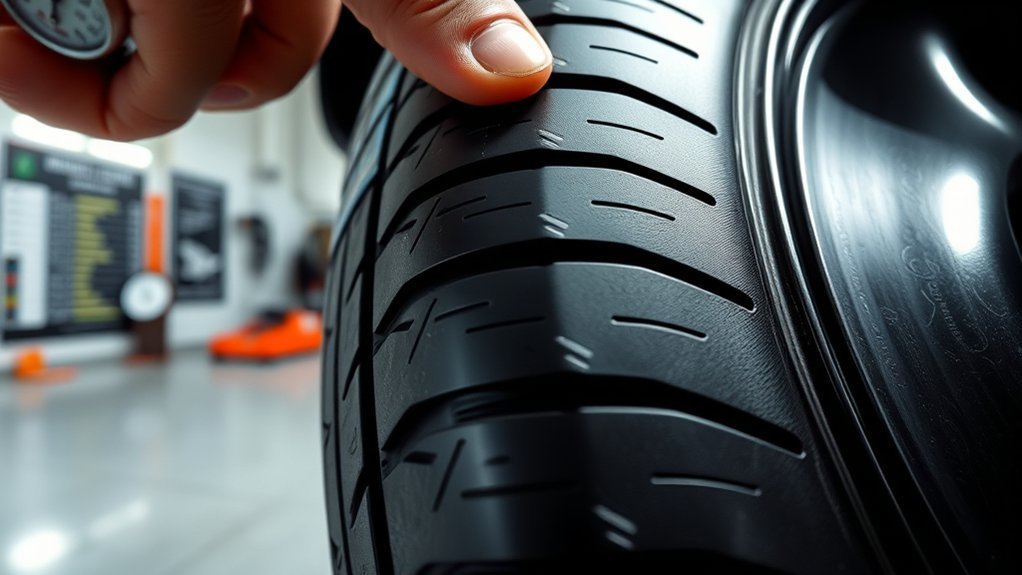
95H on a tire means the tire’s load index is 95 and its speed rating is H. You can safely carry about 1,521 pounds per tire when it’s properly inflated, and you can drive up to 130 mph under rated conditions. This combination suits many passenger vehicles that need solid load capacity and highway performance. Always match your vehicle’s specs, because the right tire details affect safety, handling, and wear, and there’s more to compare.
Key Takeaways
- 95 is the tire’s load index, meaning each tire supports about 1,521 pounds when properly inflated.
- H is the speed rating, indicating the tire can safely handle speeds up to 130 mph.
- Together, 95H shows a balance of load capacity, comfort, and highway performance.
- Always match the tire’s load and speed ratings to your vehicle’s requirements for safety and handling.
- Check tire pressure and tread regularly, and replace tires at 2/32 inch tread depth or if damaged.
What Does 95H Mean on a Tire?
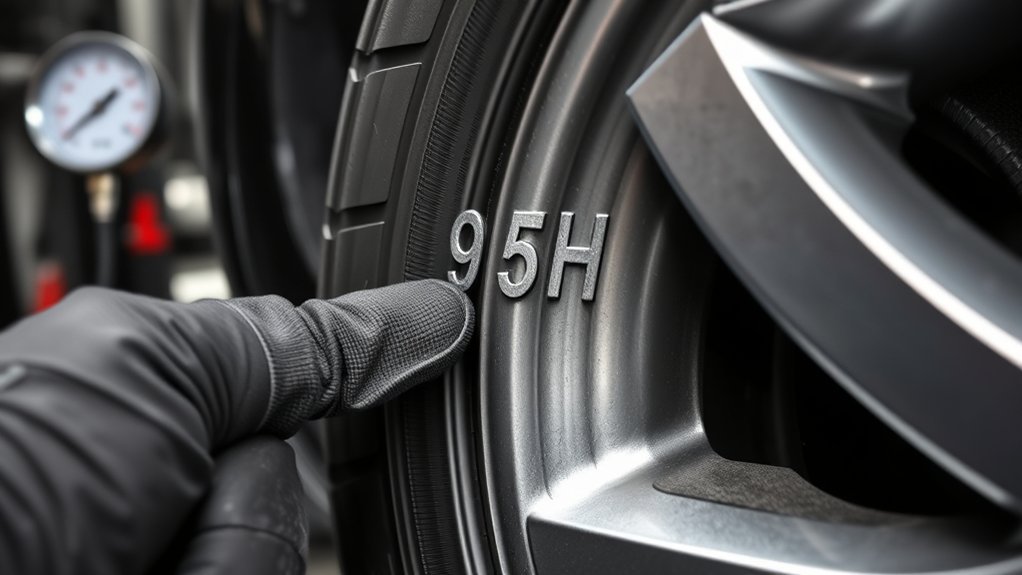
When you see 95H on a tire sidewall, it tells you two key things about performance and capacity: 95 is the load index, meaning the tire can carry about 1,521 pounds when properly inflated, and H is the speed rating, meaning it’s built to handle speeds up to 130 mph. For you, that means the tire’s tire capacity matches a moderate load index for many passenger vehicles. The maximum weight figure helps you avoid overloading, while the speed rating tells you the tire can manage heat and stress at highway speeds. You shouldn’t treat 95H as a random code; it’s a direct spec for tire performance and safety. When you match the right load index and speed rating to your vehicle, you choose tires that support your driving needs, protect your freedom on the road, and keep performance aligned with real-world use. Additionally, choosing tires with a higher UTQG rating can enhance durability and tread life, ensuring optimal performance over time.
How to Read 95H on the Sidewall
When you read 95H on the sidewall, the 95 is the load index, which tells you the tire can carry up to 1,521 pounds when properly inflated. The H is the speed rating, meaning the tire’s rated for sustained speeds up to 130 mph. You need both values to match the tire to your vehicle’s load demands and driving conditions. Additionally, selecting a tire with a proper UTQG rating ensures you get the expected durability and performance for your driving needs.
Load Index 95
On a sidewall marked 95H, the 95 is the load index, and it tells you the tire can carry up to 1,521 pounds when properly inflated. You use this number to judge tire capacity, not tire size, because load index reflects maximum load per tire. For passenger vehicles, load indices usually fall between 75 and 105, so 95 sits in a practical middle range. When you choose tires, match the load index to your vehicle’s weight, passenger count, and cargo needs. That helps preserve vehicle safety and stable handling under real-world conditions. The load index often appears with the speed rating, but here you only need to read the 95 as the tire’s load-bearing limit.
Speed Rating H
- Choose H when your driving calls for steady high-speed capability.
- Check both numbers, not just the sidewall’s look.
- Match the tire to your vehicle, not the other way around.
When you read 95H together, you get a clear, practical spec for safer driving.
What Load Index 95 Means
Load index 95 means your tire can carry up to 1,521 pounds, or 690 kg, when it’s properly inflated. That rating sits within the typical passenger-car range, and each load-index step maps to a specific weight capacity. You need to match this value to your vehicle’s specifications to maintain fit and safety, because overloading can cause tire failure. Additionally, understanding the UTQG ratings can help you choose tires with the right durability for your driving needs.
Load Capacity Explained
A load index of 95 means the tire can carry up to 1,521 pounds (690 kg) when it’s properly inflated. You use this load index to verify load capacity against your weight requirements, so the tire can support your vehicle without strain. Passenger-vehicle load indices usually run from 75 to 105, and each number maps to a specific weight limit.
- Check the placard: it tells you the load capacity you need.
- Match the tire to your vehicle’s axle load, not guesswork.
- Keep inflation correct so safety features and structure work as designed.
If you fit a lower index, you raise the risk of tire failure, heat buildup, and poor handling. Choosing the right rating lets you drive with confidence and freedom.
95 Rating Value
With a load index of 95, you’re looking at a tire that can carry up to 1,521 pounds (690 kg) when it’s properly inflated. That 95 load index sits within the passenger-vehicle range, where higher numbers mean greater maximum load capacity. You need this rating to match your vehicle’s weight and cargo demands, because a tire below spec can compromise safety, reduce performance, and increase failure risk under stress. Check the load index together with the speed rating and the rest of the tire markings; they work as a system, not in isolation. When you choose the correct 95-rated tire, you support stable handling, reliable load carrying, and the freedom to drive without unnecessary mechanical limits.
Vehicle Fit And Safety
When a tire carries a load index of 95, it can support up to 1,521 pounds when properly inflated, which is why it’s typically a fit for many passenger vehicles. You need this load index to match your vehicle fit, because tire specifications affect safety, stability, and braking under real-world use. Keep tire pressure at the level your placard lists so the tire can carry its rated load. A matching speed rating also helps preserve control at highway speeds.
- Check your owner manual before buying.
- Match load index to axle demands.
- Replace mismatched tires before they compromise safety.
If you overload a tire or choose the wrong rating, handling drops fast and failure risk climbs.
What the H Speed Rating Means
The H speed rating means a tire can safely sustain speeds up to 130 mph (209 km/h), making it suitable for vehicles that need a blend of performance and everyday comfort. When you read 95H, the H tells you the tire’s speed rating, while the load index shows how much weight it can carry. You should match both specs to your vehicles’ requirements, because the right setup supports stable handling and consistent performance. H-rated tires also manage heat better at sustained high speeds, which helps preserve tread integrity under load. Keep tire pressure within the manufacturer’s range, since underinflation can raise temperature and reduce control. If you mix ratings on one axle, the lower-rated tire limits overall capability. For drivers who want responsive road feel without sacrificing daily usability, H-rated tires offer a practical balance of durability, performance, and safety. Choose them when your driving demands precision and freedom. Additionally, tire maintenance such as regular rotations can enhance their longevity and performance.
Why 95H Matters for Safety
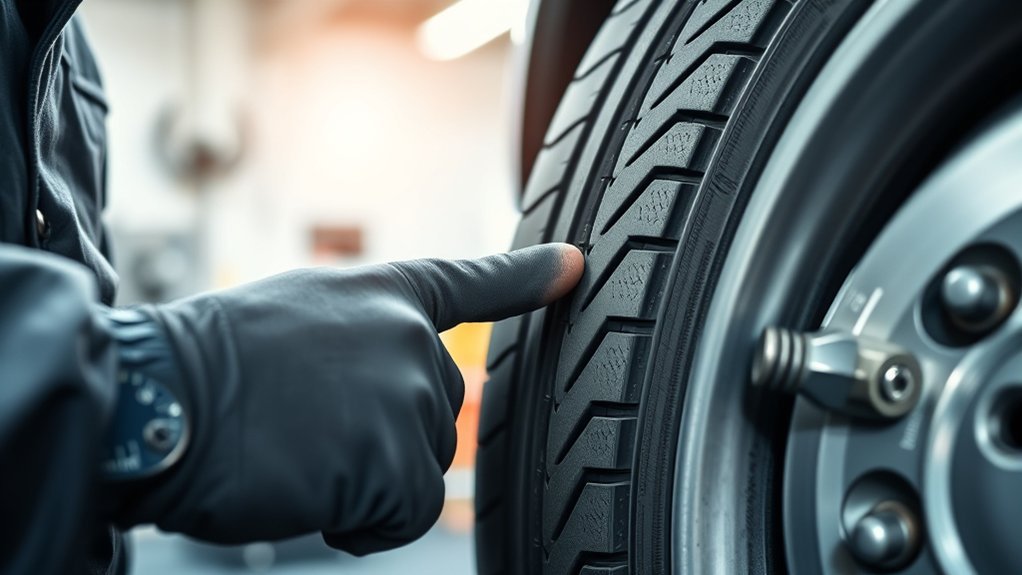
A 95H tire matters for safety because its load index and speed rating tell you exactly how much weight it can carry and how fast it can sustain that load. When you choose 95H, you’re matching the tire to the vehicle’s demand, which supports safe handling and reduces the risk of tire failure. The 95 load index means 1,521 pounds per tire when properly inflated, while the H speed rating covers sustained speeds up to 130 mph. That combination helps you maintain control, especially in hard braking or emergency maneuvers.
A 95H tire supports safe handling, proper load, and reliable control at highway speeds.
- You get predictable handling when the tire meets the manufacturer’s specs.
- You lower heat buildup that can trigger tire failure.
- You preserve peak performance and tire life.
- Choosing tires with balanced rolling resistance can further enhance fuel efficiency.
If you want freedom on the road, don’t guess at ratings. Use the right 95H tire, keep pressure correct, and protect your safety, your vehicle, and everyone riding with you.
Can You Mix 95H With Other Ratings?
Mixing a 95H tire with other speed ratings can affect handling and safety because the vehicle’s overall speed capacity drops to the lowest-rated tire. When you’re mixing tires, you’re also blending different performance characteristics, which can reduce grip and cornering stability. For predictable handling, keep uniform speed ratings on all four wheels whenever possible. If you have to combine ratings, place the lower speed-rated tires on the front axle so you reduce the chance of oversteer and keep the vehicle easier to control. That setup won’t erase the mismatch, but it can make the car more manageable in real-world driving. Don’t guess at fitment or assume all tires behave the same under load. Check your owner’s manual and follow manufacturer recommendations before you install any non-matching set. The safest path is simple: match the 95H specification, preserve control, and keep your vehicle’s performance characteristics consistent. Additionally, consider the tread pattern of off-road tires, as it significantly influences grip and handling on various surfaces.
How 95H Affects Ride and Wear
Because 95H combines a 95 load index with an H speed rating, it gives you a practical balance of carrying capacity, ride comfort, and highway-ready performance. You get a tire that supports about 1,521 pounds when properly inflated, which suits most passenger vehicles without sacrificing everyday control. The H speed rating lets you drive up to 130 mph safely, so tire performance stays stable when conditions demand more.
95H offers a balanced mix of load capacity, comfort, and highway-ready performance for confident everyday driving.
- Your ride quality stays firm yet compliant on normal roads.
- The matched load index and speed rating help prevent premature wear.
- You keep safety and handling consistent during fast, steady cruising.
- When choosing tires for your vehicle, consider load index specifications to ensure optimal performance and safety.
When you use 95H correctly, the tire can flex and cool as designed, which reduces stress on the tread and carcass. That means less irregular wear, better grip, and a more confident feel behind the wheel. For you, it’s a balanced setup that supports freedom on the road without inviting unnecessary risk.
What Else to Check Before Buying Tires
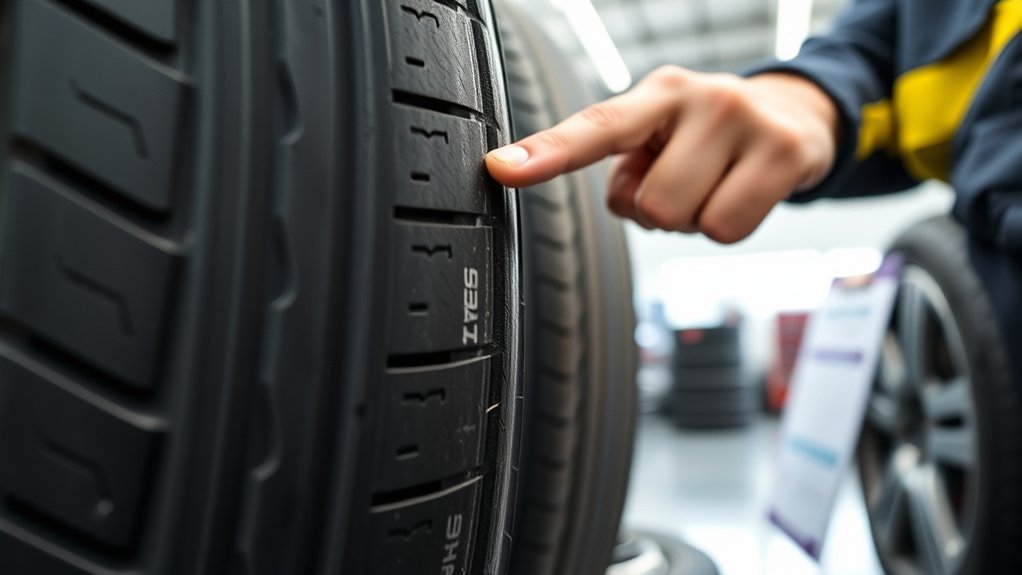
Before you buy tires, check three essentials: size, load index, and speed rating. Match the tire size on the sidewall, such as P215/65R15, to your vehicle’s spec so you keep control and freedom on the road. Confirm the load index meets or exceeds your vehicle’s demand, and make sure the speed rating fits your normal driving. Next, inspect tread depth and tire condition for cuts, bulges, or uneven wear. Additionally, consider the treadwear warranty to ensure long-term value.
| Check | What to look for | Why it matters |
|---|---|---|
| tire size | Sidewall match | Fit and clearance |
| load index | Meets spec | Weight support |
| speed rating | H or higher if needed | Speed capability |
Also verify tire pressure after mounting; wrong pressure can distort handling. Choose the right type of tire— all-season, winter, or performance—based on your roads and climate. When you check these details, you buy with precision, protect safety, and keep your vehicle responsive.
When to Replace Tires With 95H
A 95H tire should be replaced when tread depth reaches 2/32 of an inch or less, since traction and wet-weather safety drop sharply at that point. You should also replace tires sooner if you spot cracks, bulges, or uneven wear, because those signs of wear can weaken structure and reduce control. The 95 load index supports 1,521 pounds per tire when properly inflated, and the H speed rating covers up to 130 mph, but neither spec can compensate for exhausted tread. Additionally, regular inspections can help identify tread wear patterns that may indicate the need for replacement.
- Check tread depth every 5,000 miles to stay ahead of failure.
- Inspect sidewalls after potholes, curb hits, or long highway runs.
- Replace tires when aging or damage threatens peak traction.
When you act early, you protect your vehicle, preserve responsive handling, and keep your driving freedom intact. Track wear patterns, rotate on schedule, and don’t wait for a blowout.
Frequently Asked Questions
Which Tire Rating Is Better, H or T?
H’s better if you want stronger tire performance, better handling characteristics, and higher speed ratings; T’s better if you prioritize comfort levels and everyday driving. You should match the rating to your vehicle’s load capacity and the conditions you face, because weather conditions and speed change what’s safe. H can improve control and sometimes fuel efficiency at highway speeds, while T suits relaxed commuting. Choose the one your driving demands, not expectations.
What Is the Difference Between 95T and 95H?
95T and 95H share the same load capacity: about 1,521 pounds per tire. The difference is their speed ratings—T tops out at 118 mph, while H allows 130 mph, giving you a little more breathing room on the road. That affects tire performance, tire longevity, and handling across weather conditions and driving styles, while fuel efficiency stays nearly unchanged. Use matching ratings for balanced safety and confidence.
What Is the Difference Between 95H and 95V Tires?
95H and 95V tires share the same load capacity, so you get 1,521 pounds per tire, but 95V has a higher speed rating: 149 mph versus 130 mph for 95H. You should choose 95V if your driving conditions demand sharper tire performance; pick 95H for comfort and practicality. Tread patterns, tire longevity, and fuel efficiency stay mostly similar, but always match speed ratings to your vehicle’s needs.
What Does 205 65R16 95H Mean?
205/65R16 95H tells you the tire specifications: 205 mm width, 65% aspect ratio, radial construction, 16-inch wheel, 95 load index, and H speed rating. You can carry up to 1,521 pounds per tire and drive safely up to 130 mph. Check load capacity, speed ratings, tire maintenance, seasonal tires, tire longevity, and performance tires so you stay in control and choose freely.
Conclusion
In short, 95H tells you the tire’s load capacity and top speed rating, so you can match it to your vehicle’s needs with confidence. You should always verify the load index, speed symbol, and overall size before you buy. If you ignore them, you risk poor handling, faster wear, or failure. Think of it as your tire’s passport: if it doesn’t match the trip, you’re headed for trouble. Replace worn tires before they compromise safety.

Related Articles
What Does 113T Mean on a Tire? Load, Speed & Rating Guide
Tire code 113T reveals your tire’s load and speed limits—discover what they really mean before choosing the wrong one.
Read More
What Does 103H Mean on a Tire? Load, Speed & Rating Guide
Understand what 103H on a tire really means and why it matters for safety, performance, and choosing the right replacement.
Read More
What Does 100H Mean on a Tire? Load, Speed & Rating Guide
Begin decoding 100H tire ratings to discover load capacity, speed limits, and how to match them safely to your vehicle.
Read More