
How Tall Is a 305 Tire? Exact Height, Width & Dimensions
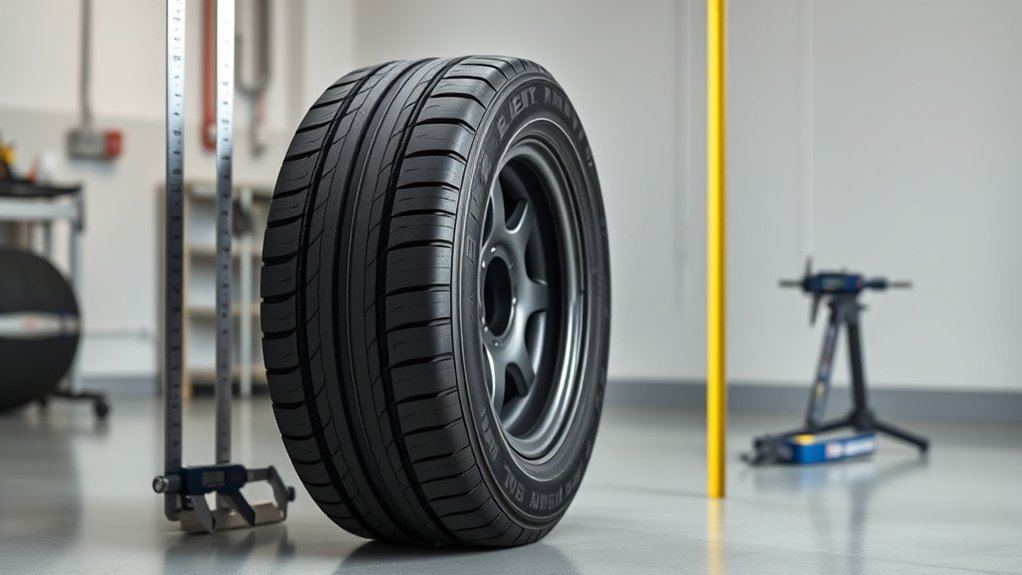
A 305 tire is about 12.0 inches wide, since 305 mm converts to roughly 12 inches. Its height depends on the aspect ratio and wheel size. For example, a 305/70R18 measures about 34.8 inches tall, while a 305/65R17 is about 32.6 inches tall. You can estimate overall diameter by doubling the sidewall height and adding the rim diameter. Fitment varies by vehicle, so clearance checks matter, and the details get more specific from here.
Key Takeaways
- A 305 tire is about 12.0 inches wide, since 305 mm converts to roughly 12 inches.
- Tire height depends on the aspect ratio, so 305/70R18 is about 34.8 inches tall overall.
- In 305/70R18, the sidewall height is about 8.4 inches on each side.
- Other 305 sizes vary, such as 305/65R17 at about 32.6 inches tall.
- Fitment depends on wheel size, suspension clearance, and vehicle wheel-well space.
What Is a 305 Tire?
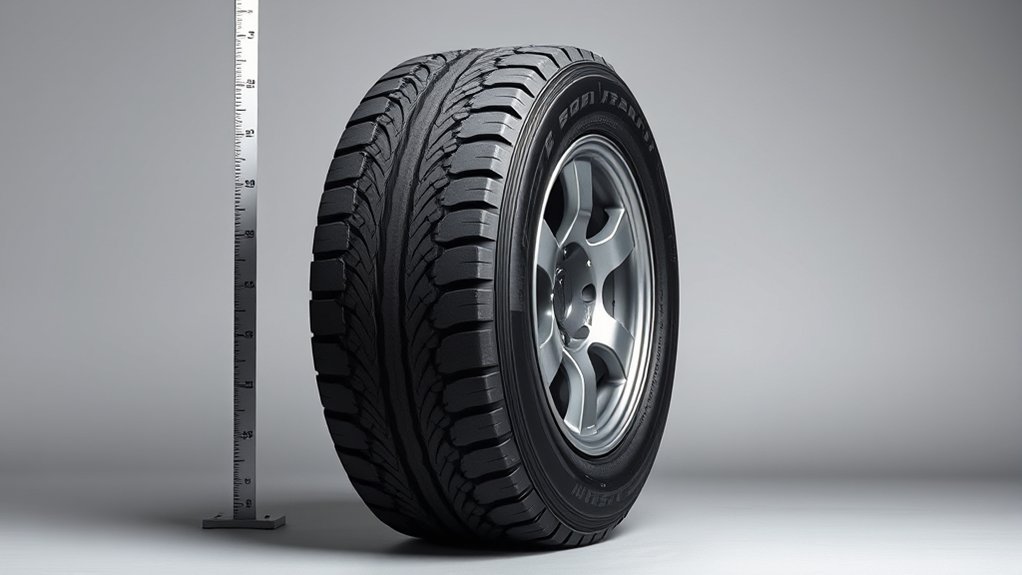
A 305 tire is a radial tire marked by a 305-millimeter section width, which is about 12 inches wide, with a 70 aspect ratio that gives the sidewall a height of roughly 8.4 inches. You can read this designation as a compact engineering code: 305 identifies the width, 70 defines the aspect ratio, and R confirms radial construction. You’re dealing with a tire designed for an 18-inch wheel rim, so its geometry must match that fitment exactly. When you evaluate the overall diameter, you find it lands near 34.8 inches, which shapes ride clearance, gearing, and load behavior. This 305 tire often serves trucks, SUVs, and larger vehicles because it supports stable traction and durable all-season or off-road use. For optimal performance, consider all-terrain tires that enhance grip and durability, especially in challenging conditions. If you want mechanical independence from guesswork, decode the markings first; they tell you the tire’s dimensions, structure, and intended application with precision.
How Wide Is a 305 Tire?
A 305 tire measures about 12.0 inches wide, or 305 mm, and that width is taken at the tire’s outermost sidewall, not just the tread. So when you evaluate the width of the tire, you’re looking at the full section width, not a narrow contact patch. That makes a 305 tire substantially wider than average, and those inches wide can improve traction and lateral stability. You also need to account for aspect ratio, because it affects sidewall height and consequently overall diameter. In common fitments, a 70% aspect ratio creates a tall profile, but the exact height depends on the full size code. If you want tires for your vehicle that support control and grip, verify wheel-well clearance and suspension space first. A wider 305 tire can deliver useful performance, but only if your chassis can liberate its full footprint without rubbing or stress. Additionally, selecting the right tires based on driving conditions and needs can enhance overall vehicle performance.
What Are the Common 305 Tire Sizes?
305 tires come in several common size configurations, and the aspect ratio and wheel diameter determine how tall each one sits. When you compare 305 tire sizes, you’re really comparing width, sidewall height, and overall diameter. The tire’s 305 mm width is about 12 inches, but the profile changes the feel of control and freedom on the road or trail. Off-road tires like the Venom Trail Hunter ATS offer a balance of comfort and traction for a variety of conditions.
| Size | Approx. Overall Diameter |
|---|---|
| 305/70R18 | 34.8 in |
| 305/65R17 | 32.6 in |
| 305/55R20 | Varies by setup |
| 305/60R18 | Common on light trucks |
| Discoverer STT Pro | Rugged off-road option |
You’ll see aspect ratios like 70, 65, and 55 most often. Higher ratios raise sidewall height and increase ride compliance; lower ratios tighten response. For light trucks and SUVs, these sizes deliver traction, stability, and the confidence to move beyond limits without losing precision.
How Do You Convert 305 Tires to Inches?
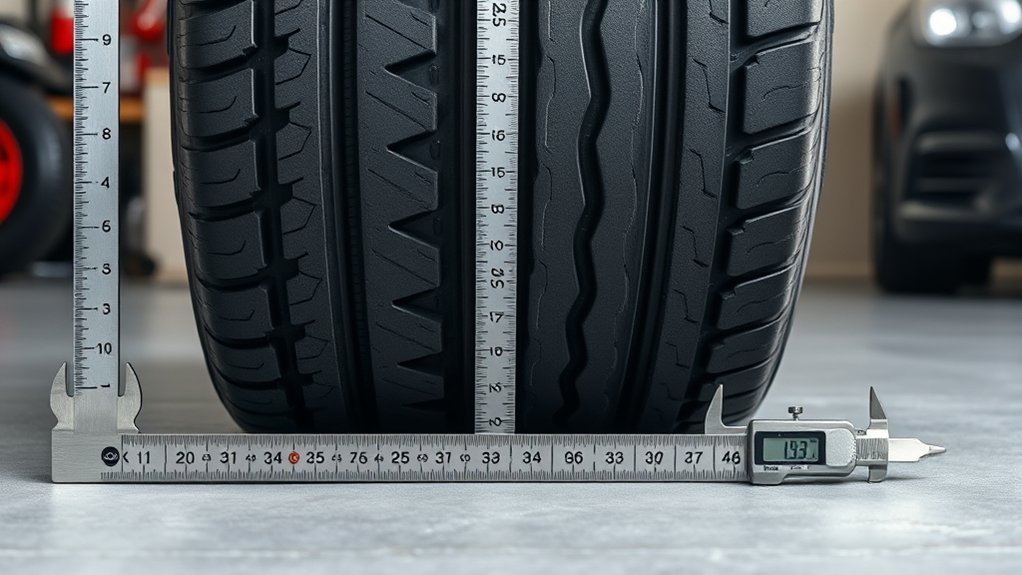
To convert a 305 tire to inches, start with the width: 305 mm equals about 12 inches, so you can quickly gauge the tire’s footprint. From there, read the aspect ratio in the metric tire size. In a 305/70R18, the 70 means the sidewall height is 70% of the 305 mm width, which gives you about 8.4 inches per sidewall. You then calculate overall diameter by adding twice the sidewall height to the rim diameter: 8.4 + 8.4 + 18 = about 34.8 inches. This method lets you translate metric tire numbers into exact dimensions instead of guessing. Always convert both width and height, because inch values matter when you want accurate fitment and the freedom to choose without relying on vague labels. Keep in mind that manufacturers may vary slightly, so checking spec sheets gives you the most precise result for any 305 tire. Additionally, all-season tires can enhance safety and efficiency in various driving conditions, making them a reliable choice for your vehicle.
What Vehicles Fit 305 Tires?
Once you know a 305 tire measures about 34.8 inches tall and roughly 12 inches wide, you can narrow down which vehicles can actually run it. In practice, 305 tires work best on heavy-duty trucks and lifted SUVs with enough clearance. You’ll usually see vehicles that fit 305 tires like the Ford F-250, Chevrolet Silverado 2500, Jeep Wrangler, and Toyota Tundra, especially when you want more traction and stability. Compatibility with 305 tires depends heavily on wheel diameter, and 18-inch rims are the common baseline for this size. You also need to verify suspension travel, wheel-well space, and steering clearance so the tire doesn’t rub under compression or turns. If your setup can’t handle the width of about 12 inches, you’ll lose handling precision and tire life. Test fitment before you commit, because the right match lets you reclaim control and move with confidence. Additionally, be aware that tire performance in rain and snow can vary significantly based on tread design and rubber composition, which is crucial for safety.
Frequently Asked Questions
What Is a 305 Tire Equal To?
You’d usually equal a 305 tire to about a 34×12.5 tire size, or 305/70R18 in metric form. You get roughly a 12-inch width, 8.4-inch sidewall height, and 34.8-inch overall diameter. You should check wheel compatibility, load capacity, and performance metrics before swapping. Its tread patterns often favor off road suitability, especially on trucks and SUVs, while the radial construction keeps handling predictable and stable.
Is a 305 Tire a 35 in Inches?
No, you’ve got a near miss, not a dead-on 35. In tire specifications, a 305/70R18 measures about 34.8 inches, so tire comparisons show it’s just under 35. You’ll see slight traction differences, off road performance shifts, and changes from tire inflation, tread patterns, and rim sizes. You’re not locked in by labels; you can choose what frees your ride, while the numbers keep your build precise and honest.
Is a 33 Inch Tire the Same as a 305?
No, you shouldn’t treat a 33 inch tire as the same as a 305. In tire conversions, 305 metric tires usually measure about 34.8 inches tall and about 12 inches wide, so tire sizing isn’t equal. You’ll also see different tire profiles, tread design, and fitment across off road tires and performance tires. Always compare exact specs, because brands and models can shift dimensions slightly.
How Much Bigger Is a 305 Tire Than a 275?
A 305 tire’s about 30 mm wider and roughly 2 inches taller than a 275, so you’ll notice real tire size comparisons. That extra footprint can improve performance impacts, off road capabilities, and handling characteristics, though it may reduce fuel efficiency. Your aesthetic preferences might favor the bolder stance, but you’ll also face cost differences. Check clearance first, because freedom means choosing upgrades that fit your vehicle, not forcing compromise.
Conclusion
You now know a 305 tire’s true traits: roughly 305 mm wide, about 12 inches across, and sized to suit specific setups. You can compare common 305 tire dimensions, convert measurements to inches, and judge fitment with confidence. Before you buy, measure your wheel, check your clearance, and confirm your vehicle’s specs. With careful calculation and compatible components, you’ll choose the right rubber, reduce rubbing risk, and roll with reliable precision.

Related Articles
How Tall Is a 295 Tire? Exact Height, Width & Dimensions
Discover the exact height, width, and dimensions of a 295 tire, and see why the full size code could change everything.
Read More
How Tall Is a 275 70R18 Tire? Exact Height, Width & Dimensions
How tall is a 275 70R18 tire, and what do its exact dimensions mean for your vehicle?
Read More
How Tall Is a 275 65R18 Tire? Exact Height, Width & Dimensions
Precise 275/65R18 tire dimensions reveal why it’s nearly a 33-inch tire—and the surprising fitment and speedometer effects may change your setup.
Read More