
What Does a Slashed Tire Look Like? Identifying Vandalism
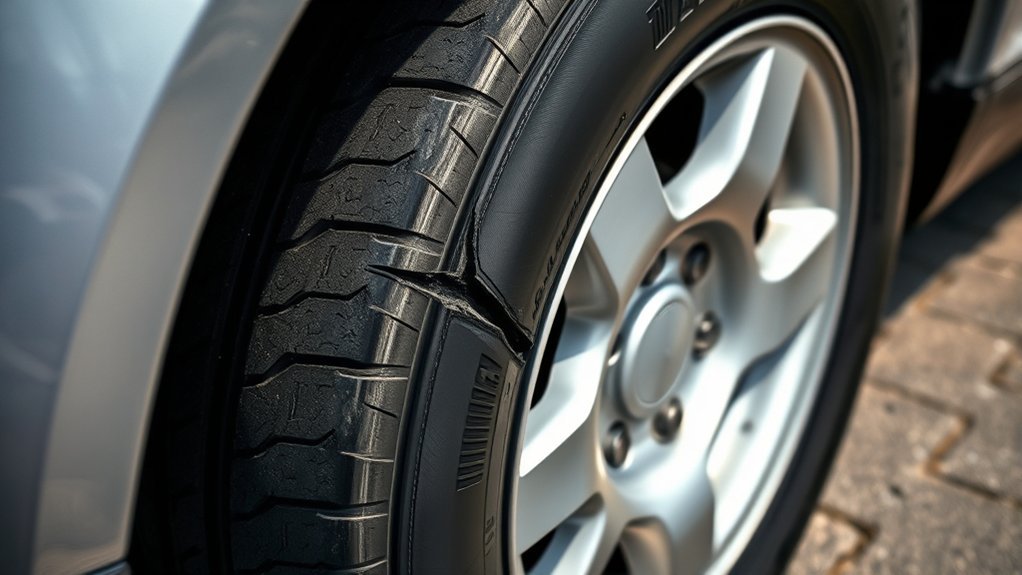
A slashed tire usually shows a clean, straight cut in the rubber, often on the sidewall, not an irregular puncture. You may see exposed cords, rapid air loss, and a tire that goes flat in seconds. Multiple clean cuts, especially with no nail or screw present, can indicate vandalism. Don’t drive on it. Photograph the damage, document the scene, and get the tire inspected. There’s more to confirm what caused it.
Key Takeaways
- A slashed tire usually has clean, straight cuts or gashes, often on the sidewall.
- The sidewall may show exposed cords or deep grooves, which means the tire is unsafe.
- Slashed tires often lose air very quickly, sometimes deflating within seconds.
- Multiple clean cuts or damage on more than one tire can indicate intentional vandalism.
- Slashed tires are generally not repairable and should be documented, reported, and replaced immediately.
Key Signs of Tire Slashing
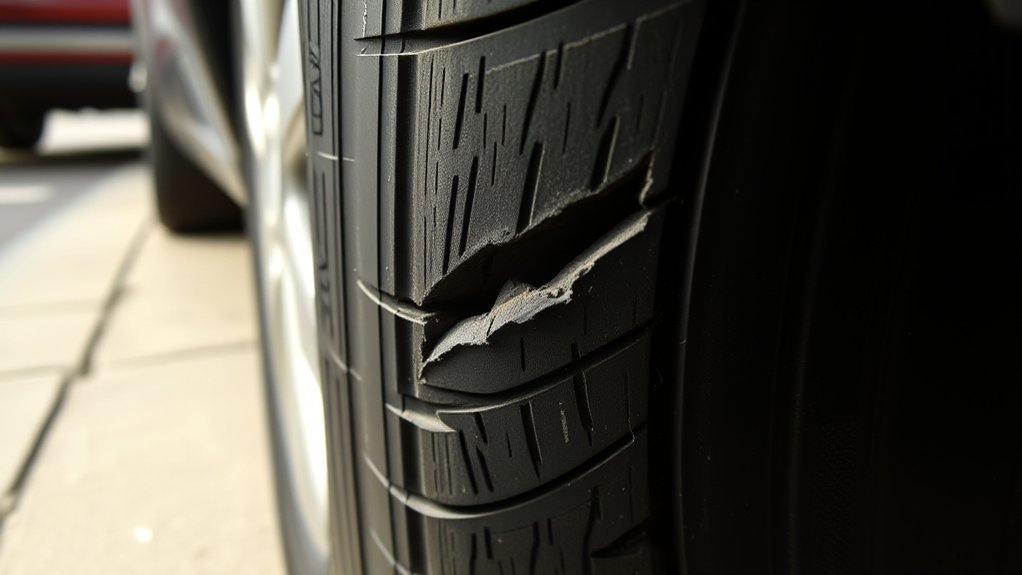
One clear sign of tire slashing is a visible cut or gash with clean, straight edges, which differs from the irregular damage caused by many punctures. You’ll often see slashed tires on the sidewalls, where the rubber can’t safely hold pressure and can’t be repaired. If the tire deflates in seconds, not gradually, treat that as a strong clue of deliberate slashing. You may also notice clean cuts on more than one tire, which points to intentional vandalism rather than a road hazard. Check the area around your vehicle for sharp objects, because their presence can support your assessment. Don’t ignore these signs; you deserve to know when someone has targeted your property. Document the damage immediately, avoid driving on the tire, and preserve any evidence you find. Clear observation helps you respond with confidence and protects your mobility. Additionally, consider the importance of choosing the right tires, as they can affect your vehicle’s safety and performance during unexpected events.
What a Slashed Tire Looks Like
You’ll usually see clean cut marks or elongated gashes in the rubber, not the small holes you’d expect from a nail or screw. These cuts often run through the sidewall, where slicing can compromise the tire’s structure and expose internal cords. If the tire went flat within seconds, that rapid deflation strongly supports slashing rather than a slow puncture. Additionally, a slashed tire typically displays reinforced sidewalls that may be damaged, impacting overall safety and performance.
Clean Cut Marks
A slashed tire usually shows clean, visible cuts or gashes with smooth edges, which points to intentional damage rather than normal wear or a simple puncture. You’ll often notice clean cut marks on the sidewall, where a blade can slice through faster than the tread. This visible damage doesn’t look frayed or ragged; it looks deliberate and precise. If the cut is deep enough, you may see exposed cords, which means the tire’s structure is compromised and replacement isn’t optional. Slashing also causes rapid deflation, often within seconds, not the slow loss you’d expect from a puncture. When you see multiple clean cuts on one or more tires, treat it as strong evidence of vandalism and document it immediately.
Sidewall Gashes
Sidewall gashes are one of the clearest signs of a slashed tire: sharp, straight cuts along the sidewall that look deliberate rather than accidental. When you inspect the slashed tire look, you’ll see sidewall gashes that break the rubber cleanly and may expose cords. That damage means the tire is unsafe and needs immediate replacement.
- Clean, linear cuts on the sidewall
- Rubber split without ragged wear patterns
- Visible cords beneath the rubber
- Multiple slashes on more than one tire
- Damage that points to vandalism, not road debris
You can’t repair this structural breach, so don’t drive on it. A tire with sidewall gashes has lost integrity, and your safest move is to free yourself from the risk by replacing it now.
Rapid Deflation Signs
Rapid deflation is another strong clue that you’re dealing with a slashed tire. If your tire drops to a flat tire in seconds, inspect it immediately for clean cuts or gashes. Slashed tires usually lose air fast because the damage opens a direct path for pressure to escape, especially along the sidewall. You won’t see the slow, gradual loss linked to a small puncture or embedded nail. Instead, the tire may sit completely flat with no object stuck in it. Check all tires too; multiple slashes across different tires point to vandalism, not accidental damage. For your safety and freedom of movement, replace any compromised tire at once and document the damage before further driving.
Clean Cuts in the Rubber
Clean cuts in the rubber usually have straight edges and smooth surfaces, which points to deliberate slashing rather than accidental damage. You’ll usually spot them on the sidewall, where clean cuts in the rubber cut through the tire’s weakest zone. That matters because you can’t repair this area safely after deliberate slashing. Look for:
- straight, even edges
- smooth cut surfaces
- elongated openings
- multiple slashes
- no random debris pattern
If you see several clean cuts, you’re likely dealing with vandalism, not a road hazard. The openings often look controlled and narrow, unlike irregular punctures caused by nails or glass. This distinction is vital for identifying tire damage types, so use that evidence to document the damage, compare both tires, and act fast. A tire with deep cuts isn’t reclaimable; replace it before you drive. By reading these signs precisely, you protect your mobility, save time, and keep control of your next move.
Sidewall Damage and Exposed Cords
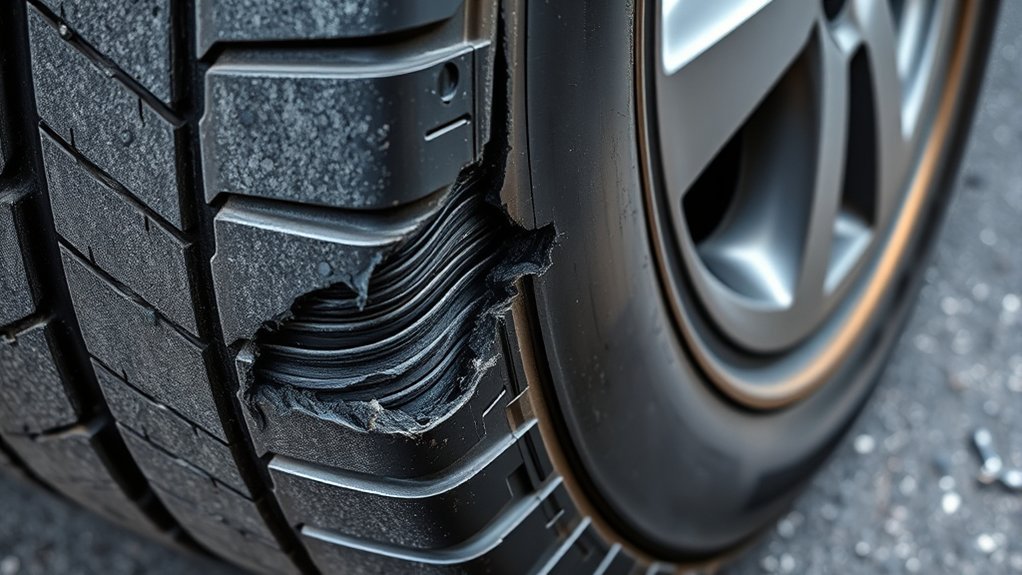
Once you’ve confirmed a clean slash, inspect the sidewall for gashes, cuts, or exposed cords, since damage here weakens the tire’s structure and makes it unsafe to drive. You’re looking for clear signs of sidewall damage: straight-edged cuts, deep grooves, or any fibers showing through the rubber. When you see exposed cords, the tire’s internal reinforcement has failed, and you shouldn’t trust it on the road. This kind of injury usually causes rapid air loss, so the tire can deflate almost instantly. Unlike a tread puncture, it isn’t repairable. Replace the tire immediately to keep control of the vehicle and protect yourself from a blowout. If the cut looks deliberate and you notice sharp objects near the vehicle, treat the scene as possible vandalism and document it before moving on. Your safety comes first, and a compromised sidewall can’t be restored to service.
Flat Tire With No Nail or Screw
If your tire is flat but you can’t find a nail, screw, or other embedded object, check for a slash or cut instead. You may be seeing slashing tires, not a routine puncture. Look closely for clean, elongated openings in the rubber, especially on the sidewall, where sidewall damage weakens the carcass and can drop pressure in seconds. That fast deflation usually means the tire lost air through a cut, not a slow leak.
- Inspect the sidewall for straight gashes
- Check for rapid air loss
- Look for missing metal or debris
- Compare all four tires for matching cuts
- Decide whether to repair or replace immediately
If you find similar damage on more than one tire, treat it as intentional interference and document it. Even one cut can leave you exposed, but sidewall damage usually means you should not drive on it. Winter tires are specifically designed to handle harsh conditions, so reclaim control, then repair or replace the tire without delay.
Was It Vandalism or a Puncture?
A flat tire with no visible nail or screw raises the question of cause: vandalism or an ordinary puncture. You can distinguish them by reading the damage pattern. Vandalism usually leaves clean, straight cuts or gashes, not the jagged entry hole a nail makes. Check for sidewall damage, because a slash there compromises the tire’s structure and can’t be repaired safely. If you see multiple tires with similar damage, you’re likely dealing with a deliberate attack, since punctures usually affect only one wheel. Speed matters too: a slashed tire often loses air in seconds, while a puncture tends to deflate more slowly. Inspect the surrounding area as well. Scratched paint, broken glass, or other signs of forced contact strengthen the case for intentional harm. Additionally, understanding tire maintenance tips can help ensure your tires remain in good condition to avoid unnecessary damage. When you assess the evidence carefully, you reclaim control and can respond with confidence instead of guesswork.
What Else Can Damage a Tire
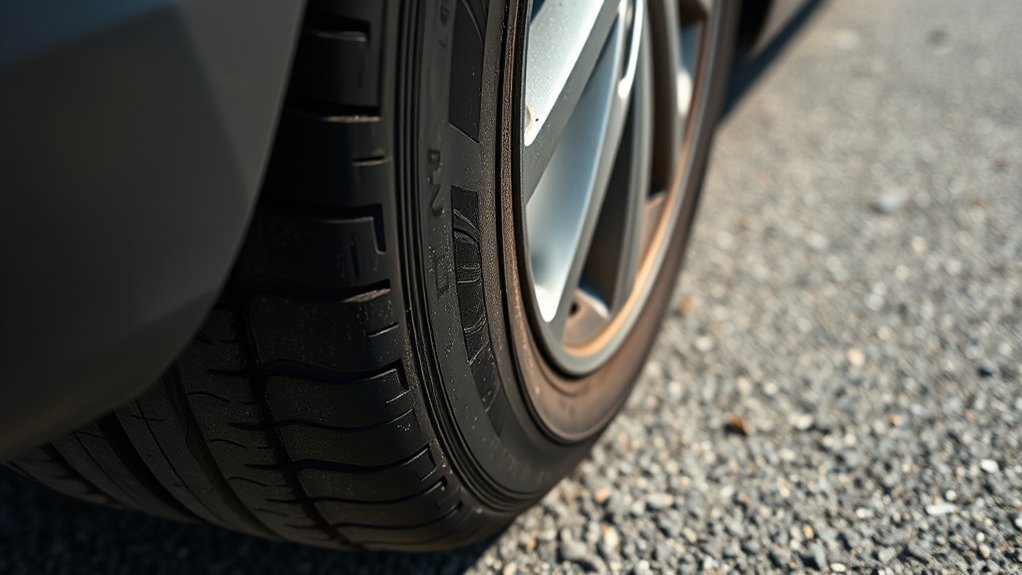
Besides slashes and simple punctures, your tire can fail from impact, wear, pressure problems, or road debris. You need to inspect it for damage that isn’t vandalism because a road hazard can weaken the casing and trap you in avoidable repair costs.
- Nails or screws can make small cuts and slow leaks.
- Curbs and potholes can bruise sidewalls or cause blowouts.
- Worn tread reduces rubber thickness and raises puncture risk.
- Low or high pressure creates friction, heat, and uneven wear.
- Debris or parts dropped from vehicles can tear the tire fast.
Check for bulges, cords, and rough puncture edges. If the cut is deep, the sidewall is damaged, or air loss continues, replace the tire. You’re not stuck accepting hidden damage; you can spot it early, keep control, and move with confidence. Additionally, be aware that tread depth and pattern plays a crucial role in your tire’s overall performance and safety.
What to Do After Finding Slashed Tires
After you find slashed tires, document the damage immediately by taking clear photos from multiple angles. Then contact the police promptly to file a report, since it creates an official record of the vandalism and supports any insurance claim. You should also notify your insurer as soon as possible so they can confirm coverage and guide the next steps. Additionally, carrying a reliable spare tire kit can help you address tire issues more efficiently in the future.
Document the Damage
Document the damage immediately by taking clear photos of the slashed tire from multiple angles, including close-ups of any cuts or gashes, especially along the sidewall. Use your phone’s timestamp to document the damage for the police report and insurance claim. Note the exact location and time, then inspect the area for other vandalized property.
- Photograph each tire
- Capture sidewall slashes
- Record date and time
- Scan for nearby damage
- Log witness statements
If neighbors saw suspicious activity, write down their names, what they said, and when they said it. Keep every detail organized so you can present a clean record later. This evidence helps you protect your autonomy and challenge the harm with facts, not guesswork.
Contact Authorities Promptly
Contact police and your insurer as soon as you confirm the tire damage, because prompt reporting can protect your claim and help preserve evidence. Then contact authorities and report the crime with the exact location, time, observed damage, and any suspicious activity. If you saw slashed tires, note nearby cameras, witnesses, and anything that could identify the offender. Give officers your photos and request a case number. Call your insurer right away to confirm coverage, deductible, and filing steps for vandalism. Keep your documentation organized and avoid moving the vehicle unless safety demands it. Swift reporting strengthens your leverage, helps investigators act, and supports your right to repair without delay.
Can You Fix a Slashed Tire?
Can you fix a slashed tire? No. When you find slashed tires, treat the damage as non-repairable, especially if you see clean cuts in the sidewall. Sidewall damage weakens the tire’s casing, and no patch or plug restores its full load capacity or safety margin.
- Inspect the cut length and depth.
- If the sidewall is involved, replace the tire.
- Don’t drive on a compromised tire.
- Have a repair shop document the damage.
- File an insurance claim if your policy covers vandalism.
You need a professional assessment, but the answer rarely changes: significant slashes require full replacement, not repair. Minor punctures in the tread can sometimes be fixed, but slashes are different because they sever structural cords. Acting fast protects you, your passengers, and your freedom to move without fear of a blowout. If your coverage includes vandalism, extensive insurance may pay for the replacement and reduce your out-of-pocket cost. Additionally, using a tire repair kit can help you address minor punctures in emergencies.
How to Prevent Tire Slashing
To reduce the risk of tire slashing, park in well-lit, populated areas whenever possible, because visibility discourages vandalism and makes suspicious activity easier to spot. You can prevent tire slashing by layering deterrents and routine checks that support your freedom of movement.
| Action | Benefit |
|---|---|
| Park near entrances | Increases witness presence |
| Install a security camera | Deters attackers, records evidence |
| Add motion-activated lights | Startles vandals instantly |
| Conduct regular inspections | Finds cuts, punctures, or exposure early |
| Review coverage | Helps you recover costs |
Use a security camera with clear sightlines and night vision, then test it weekly. Conduct regular inspections of your tires, valves, and sidewalls before you drive. If your insurer covers vandalism, confirm the deductible and claim steps now, not after an incident. Motion lights, visible habits, and smart parking don’t just protect property; they help you keep control of your time, money, and mobility. Additionally, understanding common tire damage types can further enhance your ability to identify potential issues early.
Frequently Asked Questions
How Can You Tell if a Tire Has Been Slashed?
You can tell a tire’s been slashed by checking for clean, straight cuts on the sidewall, rapid air loss, and exposed cords. Unlike a puncture, it usually deflates fast and won’t hold pressure. Inspect all tires for matching damage and look nearby for sharp debris. This kind of harm needs immediate tire maintenance and replacement, not tire repair. For vandalism prevention, document the damage and report it promptly.
Is Slashing One Tire a Felony?
Usually, no—slashing one tire isn’t automatically a felony, but it can become felony vandalism if the tire damage crosses a dollar threshold or fits a broader pattern. You should check local law, because legal consequences vary by state and by intent. If you did this, expect fines, restitution, and possibly jail. You can protect yourself by reporting the damage, documenting it, and refusing to normalize retaliatory property violence.
Is It Safe to Drive With a Slit in Your Tire?
No, you shouldn’t drive with a slit in your tire. You risk sudden deflation, loss of control, and wheel damage. For tire safety, pull over safely, turn on hazards, and inspect the tire. As part of vehicle maintenance, replace or repair it immediately. Your emergency measures should include using a spare, inflating only if advised, and calling roadside assistance. Don’t gamble with your freedom on compromised rubber.
Conclusion
If you spot a slashed tire, check for clean cuts, sidewall damage, and exposed cords. Unlike punctures, vandalism often leaves a flat tire with no nail or screw. Inspect the damage carefully, then avoid driving on it if the cut reaches the cords. A slashed tire can make your whole day collapse in a heartbeat. Document the damage, contact your insurer, and replace the tire if needed to keep your vehicle safe.

Related Articles

What Does 115T Mean on a Tire? Load, Speed & Rating Guide
Please decode 115T on a tire before buying—discover what the load and speed ratings really mean for your vehicle and safety.
Read More
What Causes a Bubble in a Tire? Causes, Risks & Next Steps
I explain what causes a tire bubble, the hidden risks, and the urgent next steps you should know before it becomes dangerous.
Read More
How to Find the Year a Tire Was Made: Complete DOT Code Guide
As you decode a tire’s DOT code, discover the hidden date that could change your safety—and learn what most drivers overlook.
Read More