
How to Tell the Year a Tire Was Made: DOT Date Code Guide

You can tell when a tire was made by finding the DOT code on the sidewall. The last four digits show the production week and year, such as 1023 for the 10th week of 2023. If you see only three digits, the tire was made before 2000, with the first two digits showing the week and the last digit the decade. Check tire age carefully, since older rubber loses safety and performance fast, and there’s more to know.
Key Takeaways
- Find the DOT code on the tire sidewall; the last four digits show the tire’s manufacturing week and year.
- A code like 1023 means the tire was made in the 10th week of 2023.
- For older tires, a three-digit DOT code usually indicates pre-2000 production.
- In three-digit codes, the first two digits show the week, and the last digit shows the decade year.
- Tires over six years old may need replacement, and ten-year-old tires are typically unsafe.
Find the DOT Number on Your Tire
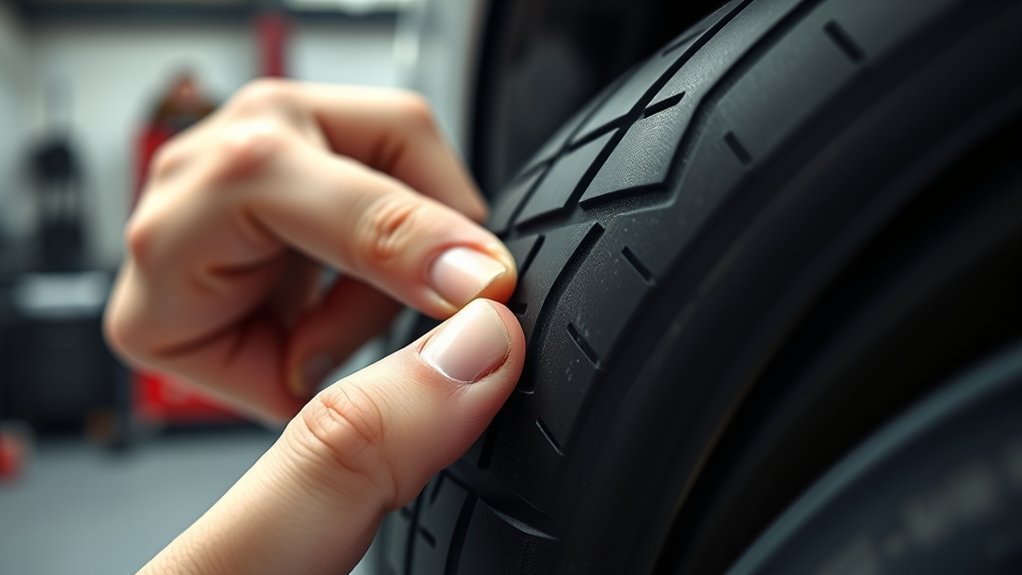
To find the tire’s manufacturing date, start by locating the DOT number on the sidewall; it usually appears on both sides of the tire and begins with “DOT” followed by 10 to 12 characters. You should inspect the tire sidewall carefully and read the full DOT number, because the Department of Transportation uses tire date codes for tracking and safety compliance. The last four digits reveal the manufacturing date: the first two digits show the production week, and the last two digits show the year. For example, “1023” means the tire was produced in the 10th week of 2023. If you’re checking older tires, look for a three-digit code, which indicates pre-2000 production. Verify the entire DOT number against tire specifications so you can confirm what you’re using and refuse hidden wear, outdated stock, or dependency on guesswork. Additionally, consider the UTQG rating when selecting tires to ensure optimal performance and longevity.
What a DOT Tire Date Code Means
A DOT tire date code tells you exactly when the tire was made: the last four digits show the production week and year, so “1023” means the tire was built in the 10th week of 2023. You can use this DOT code to verify tire age because the first two digits identify the week of production and the last two digits identify the year of manufacture. On older tires made before 2000, the tire date code uses three digits: the first two digits still mark the week, and the final digit marks the year in that decade. You’ll find the code on the sidewall, where it’s easy to inspect during routine checks. That matters for safety, since tires lose reliability with age even if tread looks fine. If your tires are six years old or older, replace them to protect your freedom to travel with confidence. Additionally, dedicated winter tires are crucial for maintaining safety and performance in harsh winter conditions.
How to Read Tire Date Codes
Read the tire date code on the sidewall by locating the DOT marking and the final four digits that follow it. That Tire identification number lets you assess tire age fast. For a Tire manufactured after January 2000, the first two digits indicate the production week, and the last two digits indicate the year. Example: 1023 means week 10 of 2023.
| Code part | Meaning |
|---|---|
| DOT | Tire identification number prefix |
| First two digits | Week manufactured |
| Last two digits | Year manufactured |
| Four digits | Post-2000 date code |
| Result | Use to assess tire age |
Check every Tire before you buy or mount it. If the date shows an old unit, walk away and choose a safer option. Tires older than six years deserve replacement, and tires 10 years or older aren’t serviced. Reading the DOT code gives you control, protects your mobility, and helps you refuse unsafe rubber with confidence. Additionally, ensure that your tires match your vehicle’s load rating to maintain safety and performance.
Spot Pre-2000 Tire Date Codes
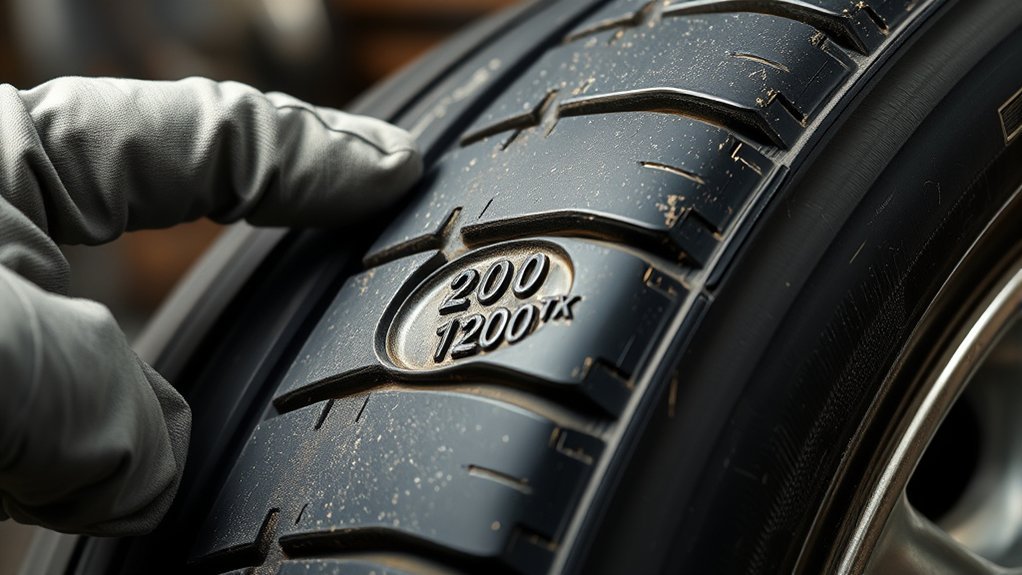
If the DOT code on the sidewall has only three digits, you’re looking at a pre-2000 tire date code. Read the first two digits as the week of production, and the last digit as the year within that decade. For example, 229 means the tire was made in the 22nd week of a year ending in 9, most likely 1999. Because this date code doesn’t show the full year, you must judge tire age by the decade as well as the DOT mark.
Check the entire sidewall; brands place the code in different spots. If the tire looks pre-2000, treat it as a tire safety issue and plan to replace it if it’s over six years old, even if tread still looks usable. You deserve clear information, not hidden wear. Reading the code accurately gives you control over production history and helps you make a precise, practical decision. Additionally, treadwear ratings from newer tires can provide insights into longevity and performance expectations.
Why Tire Age Matters for Safety
Tire age matters because rubber compounds break down over time, even when the tread still looks serviceable. You can’t judge safety by appearance alone; you need the DOT date code on the sidewall to confirm the manufacturing date. For tires over six years old, replace them to reduce blowouts and tire failure. Once a tire reaches ten years, most services won’t touch it, because degraded rubber compounds undermine performance. Aging tires can lose grip and handling, especially in heat, rain, or heavy loads. You’re freeing yourself from guesswork when you check tire age regularly and compare the code to the calendar.
Check the DOT date code, not just the tread—six years is the practical limit.
- Read the last four digits after 2000.
- Use three digits only for pre-2000 tires.
- Treat six years as a practical replacement limit.
- Avoid ten-year-old tires altogether.
- Verify grip, handling, and safety before long trips. Additionally, understanding tire performance metrics helps you make informed decisions about replacements.
Frequently Asked Questions
How to Tell Tire Age From Dot Number?
You tell tire age from the DOT number by reading the last four digits on the sidewall: the first two show the week, the last two show the year. For example, 1023 means week 10 of 2023. Check tire inspection details regularly because tire longevity, tread wear, and safety standards affect replacement indicators. Your tire maintenance should account for driving conditions, seasonal changes, storage tips, and performance factors.
How to Read a 3 Digit Dot Code?
Read the 3-digit DOT code by taking the first two digits as the week and the last digit as the year of the decade. For example, 439 means the 43rd week of a year ending in 9. Check tire safety, tread wear, and tire pressure, then assess driving conditions, tire rotation, tire storage, and tire performance. For tire maintenance, seasonal tires, and tire replacement, remember older tires can fail despite good tread wear.
How to Read a Dot Tire Code?
Read the DOT code on your tire’s sidewall: you’ll see “DOT” plus 10–12 characters, and the last four digits show the week and year made, like 1023 = week 10 of 2023. Since 1 in 4 tires run underinflated, you should pair tire maintenance tips with tire safety checks, ideal tire pressure, tire tread depth, seasonal tire changes, tire rotation schedule, tire wear indicators, tire storage solutions, choosing new tires, understanding tire warranties.
What Is the Date Code on a 3 Digit Dot Tire?
A 3-digit DOT tire date code shows the week and year ending of production: the first two digits mark the week, and the last digit marks the year in that decade. So 439 means the 43rd week of a year ending in 9. You should verify tire safety, tread wear, rubber composition, seasonal tires, tire pressure, road conditions, tire maintenance, buying tips, performance ratings, and tire recycling before use.
Conclusion
So, when you check the DOT date code, you take the guesswork out of tire age. Read the final four digits, confirm the week and year, and watch for pre-2000 codes if the tire is older. That small stamp can be a warning light before trouble rolls in. In the end, you’re not just reading numbers—you’re protecting grip, handling, and safety every mile you drive.

Related Articles
How to Tell If Your Tire Is Bad: 7 Warning Signs to Check
Uncover 7 warning signs your tire is bad before it fails, so you can spot danger early and know what to check next.
Read More
Can You Drive With a Nail in Your Tire? Safety Guide & Risks
Potentially safe for a short drive, but a nail in your tire can turn risky fast—learn the warning signs before it leaves you stranded.
Read More
How to Tell the Age of a Tire: Reading the DOT Code Explained
Begin with the DOT code to uncover your tire’s hidden age, but beware—what the numbers reveal may change everything about its safety.
Read More