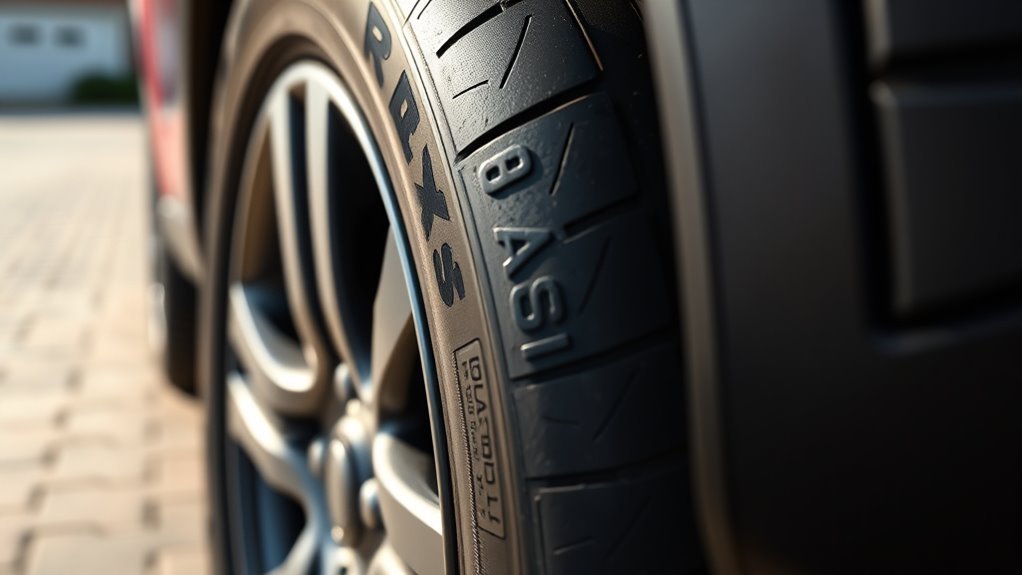
To check how old your Toyota RAV4 tires are, look for the DOT Tire Identification Number (TIN) molded into the tire sidewall. The tire’s age is shown by the final four numbers in that code. Those four numbers tell you the week and year the tire was made, which helps you decide whether it is still safe to use.
Quick Answer
Find the DOT code on your RAV4 tire sidewall and read the last four digits. A code ending in 4823 means the tire was made in the 48th week of 2023. Check all four tires, and the spare if equipped, because tire age can vary from tire to tire.
Key Takeaways
- The last four digits of the DOT Tire Identification Number show the tire’s manufacturing week and year.
- The full DOT date code may appear on only one side of the tire, so check the inner sidewall if you do not see it outside.
- Toyota says any tire over 6 years old should be checked by a qualified technician, even if it looks fine.
- NHTSA says tire aging cannot always be seen by looking, and many manufacturers recommend replacing tires around 6 to 10 years old, regardless of treadwear.
- Replace tires immediately if they show cracks, bulges, exposed cords, irregular wear, repeated air loss, or tread worn to 2/32 inch.
At a Glance
| Time Required | 2 to 5 minutes |
| Difficulty | Easy |
| Tools Needed | Flashlight, phone camera, tire pressure gauge, and tread-depth gauge or penny |
| Cost | Free unless a tire inspection or replacement is needed |
What Tire Date Codes Mean on a Toyota RAV4
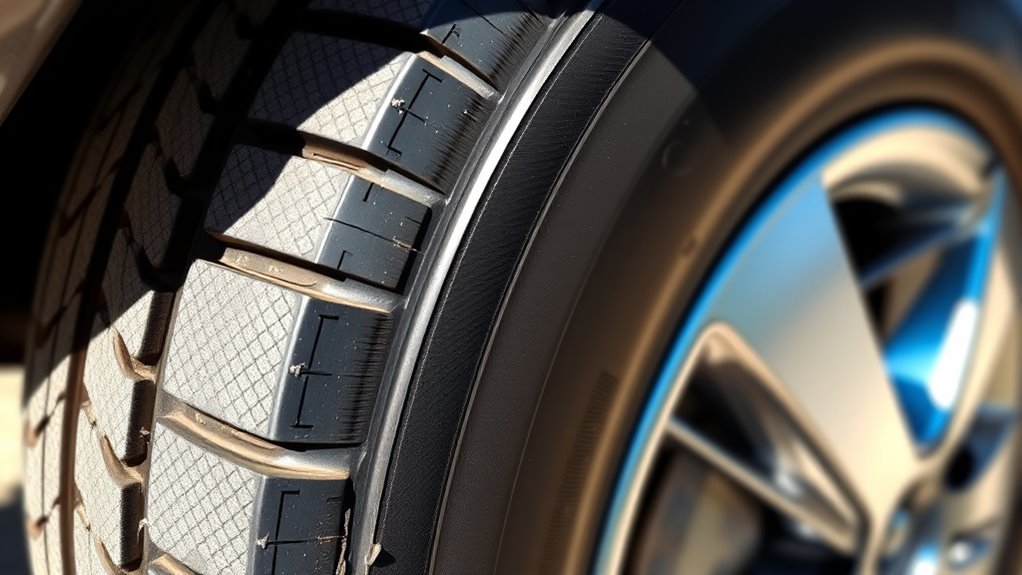
The date code is part of the tire’s DOT Tire Identification Number. In the United States, tire identification rules require a four-number date code at the end of the TIN. The first two numbers identify the week of manufacture, and the last two numbers identify the year of manufacture, according to 49 CFR § 574.5.
For example, a tire code ending in 4823 means the tire was made during the 48th week of 2023. A code ending in 2421 means the tire was made during the 24th week of 2021.
Note: The DOT code tells you when the tire was manufactured, not when it was installed on your RAV4. A tire can be “new” to your vehicle but still be older if it sat in storage before installation.
How to Locate the Tire Date Code on Your RAV4
Park your RAV4 on a flat surface, set the parking brake, and use a flashlight if the tire sidewall is dirty or shaded. Then follow these steps:
- Look for the letters “DOT.” They are molded into the tire sidewall near the rim.
- Follow the DOT marking to the end of the code. The full Tire Identification Number includes letters and numbers, but the final four digits are the tire date code.
- Check the other side of the tire if needed. NHTSA notes that the TIN may not appear on both sides of the tire, so you may need to inspect the inner sidewall.
- Turn the front wheels for a better view. On the front tires, turning the steering wheel left or right can expose more of the inner sidewall.
- Check all four tires separately. Do not assume all tires are the same age, especially if one or two tires were replaced after a puncture.
- Check the spare if your RAV4 has one. Spare tires age too, even when they are rarely used.
Pro Tip: If the date code is on the inner sidewall, use your phone camera with the flash on. Slide the phone behind the tire, take a photo, and zoom in instead of trying to read the code at an awkward angle.
How to Read the DOT Date Code
The DOT date code is easy to decode once you know what the four numbers mean:
| Example Code | Manufacturing Week | Manufacturing Year | Meaning |
|---|---|---|---|
| 4823 | 48th week | 2023 | Made near late November 2023 |
| 2421 | 24th week | 2021 | Made around mid-June 2021 |
| 0318 | 3rd week | 2018 | Made in the third week of 2018 |
If you find a three-digit tire date code, that tire was made before 2000. On a vehicle driven today, that tire is far beyond a safe service age and should be replaced, not relied on for normal driving.
What the Tire Date Code Reveals
The tire date code reveals the tire’s manufacturing age, which matters because rubber and internal tire materials change over time. A tire can still have visible tread and still be too old to trust, especially if it has been exposed to heat, sunlight, low inflation, heavy loads, or long periods of storage.
The date code also helps when buying a used Toyota RAV4 or used replacement tires. Check whether the four tires are close in age, whether one tire is much older than the others, and whether the spare has aged out. A mismatched set is not always unsafe, but it is a signal to inspect the tires more carefully.
Warning: Do not rely on tread depth alone. NHTSA says you cannot detect tire aging simply by looking at a tire, and older tires are more prone to failure.
How Tire Age Affects Safety and Performance
Tire age affects safety because rubber and other tire components can harden, crack, separate, or lose flexibility over time. The National Highway Traffic Safety Administration explains that tire aging is affected by service, storage, and environmental conditions, including sunlight, warmer climates, poor storage, and poor maintenance.
Older tires may have less dependable grip, longer stopping distances, and a higher risk of air loss, vibration, tread separation, or blowout. This matters even more for a Toyota RAV4 used for long highway trips, hot-weather driving, family travel, or low-mileage use where the tread may look good for years.
NHTSA reports that 511 people died in tire-related crashes in 2024, making regular tire inspection a safety step—not just a maintenance chore.
When to Replace Your RAV4 Tires: Key Indicators
Replace your RAV4 tires when they are too old, too worn, damaged, or no longer performing safely. Age is only one part of the decision.
[Products Worth Considering]

The SAFELIFE dial tire tread depth gauge measures tread depth in 1/32 inch increments with clear, easy-to-read 2-inch dial face. Color zones using a traffic light system help you quickly judge whether tread is low, marginal, or ample for safer driving. Built with a durable zinc cast body and a metal detect probe for precise, comfortable use across cars, motorcycles, trucks, and buses.

Monitor tire tread wear with a smart, color-coded depth gauge that shows clear condition ranges at a glance. The bar is range marked for fast, easy readings, helping you maintain safer traction and performance. Each gauge is portable with a pocket clip, and the set includes 20 units for daily use and sharing.

Measure tyre tread depth precisely with a digital gauge that reads in both MM and inches, helping you monitor safe driving conditions. The large LCD screen is easy to operate, and the compact tool fits for cars, trucks, and motorcycles. It provides high accuracy with a 0-25.4mm range and includes a 1-year warranty for added peace of mind.
Age of Tires
Toyota’s RAV4 owner information says any tire over 6 years old must be checked by a qualified technician, even if it has seldom or never been used and damage is not obvious. NHTSA also says some vehicle and tire manufacturers recommend replacing tires that are 6 to 10 years old, regardless of treadwear.
As a practical rule, have tires professionally inspected once they reach 6 years old, replace sooner if damage appears, and do not treat any 10-year-old tire as dependable for regular driving. Bridgestone states that tires more than 10 years old should be taken out of service, including spare tires.
Tread Wear Assessment
NHTSA says tires are not safe and should be replaced when tread is worn to 2/32 inch. You can check this with the penny test: place a penny into the tread with Lincoln’s head upside down and facing you. If you can see the top of Lincoln’s head, the tread is too worn.
For a more accurate check, use a tread-depth gauge. Also look for built-in treadwear indicators. These are raised bars inside the tread grooves. When the tread is level with those bars, the tire is ready for replacement.
Visible Damage and Performance Changes
Replace or professionally inspect the tire right away if you notice:
- Sidewall cracks, dry rot, cuts, or exposed cords
- Bulges, blisters, or sidewall bubbles
- Uneven wear across the tread
- Repeated low tire pressure or slow leaks
- Vibration, thumping, pulling, or new road noise
- A tire that has been driven while flat or severely underinflated
Uneven wear can point to alignment, balancing, suspension, or inflation problems. Fixing those issues helps your next set of tires last longer.
What to Do If You Cannot Find the Date Code
If you can see “DOT” but not the final four numbers, you may be looking at the side with a partial code. Check the opposite sidewall. If the tire is mounted with the full code facing inward, a tire shop can read it during a rotation, inspection, or replacement estimate.
If the sidewall is dirty, gently clean the tire with water and a soft brush. Do not scrape the sidewall with sharp tools because damage to the rubber can create a safety problem.
Tire Maintenance and the Importance of Date Codes
Checking the DOT date code is one part of tire maintenance. To keep your Toyota RAV4 tires safer for longer, combine age checks with regular pressure, tread, rotation, and damage inspections.
- Check tire pressure monthly: NHTSA recommends checking all tires, including the spare, at least once a month when tires are cold.
- Use the RAV4 door placard: The correct cold tire pressure is listed on the Tire and Loading Information Label on the driver’s door area or in the owner’s manual—not on the tire sidewall.
- Inspect tread monthly: Look for wear bars, low tread depth, punctures, cracks, and uneven wear.
- Rotate when recommended: NHTSA says that, if recommended by the vehicle manufacturer, tires are commonly rotated every 5,000 to 8,000 miles or sooner if uneven wear appears.
- Include the spare: Spare tires age and should not be used as long-term replacements for worn regular tires.
[Products Worth Considering]

This tire inflator with pressure gauge delivers long-lasting performance with a durable rubber-protected gauge and sturdy build. The longer hose and 360 swivel air chuck help you seal the valve securely and keep your hands free while measuring, inflating, or deflating. It’s battery-free for reliable use and provides ±2 PSI accuracy in the mid-range for most typical tires, with universal compatibility for 1/4 NPT compressor outputs.

Steelman white tire marking crayons provide high-contrast, semi-permanent marks for repairing and inspecting tires and equipment. They write on wet or dry, smooth or coarse surfaces including rubber, metal, glass, and wood, making them ideal for puncture location and damage outlining. The lead- and zinc-free crayons resist weather and fading yet wipe away when you no longer need the marks.

Accurately measure tire tread depth with a calibrated gauge marked from 0 to 1 inch in 1/32 inch increments. The color-coded bar helps you quickly identify tread condition ranges, supporting safe driving for trucks, motorcycles, automobiles, and passenger vehicles.
Used RAV4 and Used Tire Checklist
If you are buying a used Toyota RAV4 or considering used tires, inspect the date codes before you buy. Old tires can make a good vehicle more expensive right away because you may need a full replacement set.
- Check the DOT date code on all four tires.
- Check the spare tire if the vehicle has one.
- Watch for one tire that is much older than the rest.
- Avoid tires with a three-digit date code.
- Look for cracks, plugs, sidewall repairs, bulges, and uneven wear.
- Confirm the tire size matches the RAV4’s door placard or owner’s manual.
- Check whether the tire brand and line have any open safety recalls using the NHTSA recall lookup.
Note: Used tires can be risky because you may not know their full history, including overloading, puncture repairs, underinflation, impact damage, or poor storage.
[Products Worth Considering]

Replace worn tires quickly with this universal 4.80/4.00-8 tire and inner tube set designed for wheelbarrows and outdoor utility carts. The ribbed tread helps reduce turf damage while the natural rubber construction supports longer service life. Compatible with 15.5-inch outer diameter, 4-inch width, and 8-inch rim diameter wheels, it uses a straight TR-13 valve stem for easy installation. For best results, inflate with a manual pump and do not exceed 25 PSI.

Measure tire tread depth quickly and accurately with this LUMITECO dial gauge that reads in 1/32" increments up to 14/32". The color-coded green/yellow/red zones make it easy to judge tire wear and know when replacement is needed. A rugged, compact design with a protective pouch helps keep the gauge ready for use on cars, trucks, motorcycles, and more.

ETENWOLF’s calibrated digital tire pressure gauges deliver accurate readings across a wide pressure range, from below 12 PSI to above 140 PSI. The built-in thermal compensation helps maintain performance in extreme cold and hot conditions, while the LED light improves visibility for quick checks. Includes replaceable AAA batteries for long-lasting use and convenience for everyday tire monitoring.
Frequently Asked Questions
How often should I replace my RAV4 tires?
Replace RAV4 tires when they are worn to 2/32 inch, damaged, repeatedly losing air, or too old to use safely. Toyota says tires over 6 years old should be checked by a qualified technician, and many tire makers recommend replacement by 10 years regardless of tread depth.
What is the date code 2421 on a tire?
The tire date code 2421 means the tire was made in the 24th week of 2021. The first two digits show the week, and the last two digits show the year.
How do I read a tire date code before 2000?
Tires made before 2000 used a three-digit date code, but any tire with a three-digit code is now far too old for normal road use. Replace it instead of trying to keep it in service.
Do all four RAV4 tires have the same date code?
Not always. Tires may have been replaced at different times, so each tire can have a different manufacturing date. Check all four tires separately, especially on a used RAV4.
Where is the DOT date code if I only see letters and numbers but no four-digit date?
You may be seeing the partial DOT code. The full date code may be molded on the tire’s inner sidewall. Check the opposite side of the tire or ask a tire shop to read it during inspection.
Should I replace tires that look new but are old?
Yes, old tires can be unsafe even if they still have tread. Tire aging can affect internal strength and sidewall condition. Have any tire over 6 years old inspected, and replace tires that are damaged, cracked, or around 10 years old.
Conclusion
Checking your Toyota RAV4 tire age takes only a few minutes, but it can prevent a serious safety problem. Find the DOT code, read the final four digits, and check every tire—not just the easiest one to see. If your tires are over 6 years old, damaged, worn, or hard to verify, have them inspected by a qualified tire professional. Tire health is not just about tread depth; age, storage, pressure, and condition all matter.
Sources
- NHTSA TireWise — tire aging, tread depth, tire pressure, rotation, tire-related crash data, and DOT date-code guidance
- 49 CFR § 574.5 Tire Identification Requirements — official DOT Tire Identification Number date-code format
- Toyota RAV4 Owner Information: Tires — Toyota guidance that tires over 6 years old should be checked by a qualified technician
- Bridgestone Tire Replacement Guidance — recommendation to replace tires more than 10 years old, including spare tires
- Michelin: When to Replace Tires — tire replacement signs, age considerations, and damage checks
- NHTSA Recall Lookup — tire and vehicle recall checks