
Do Tire Liners Work? Types, Benefits, and Installation
Last updated: July 7, 2026
A tire liner is a puncture-resistant strip that sits between a bicycle tire and inner tube. It helps stop small tread punctures from thorns, glass, staples, and road wire before they reach the tube. It is best for commuters, utility bikes, kids’ bikes, and riders who want fewer roadside tube changes without switching to tubeless.
Use a liner when flat prevention matters more than maximum speed. Skip it for racing, very supple performance tires, or any setup where extra rotating weight and a slightly firmer ride would bother you. A liner does not make a tire flat-proof, and it will not reliably stop sidewall cuts, bead damage, pinch flats from low pressure, or large impact gashes.
Quick Verdict: Should You Use a Tire Liner?
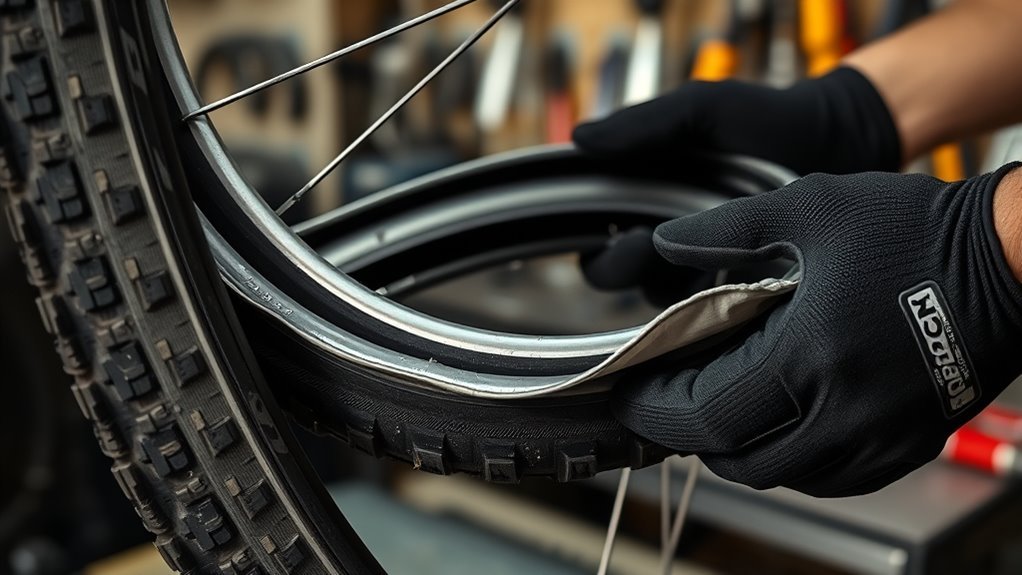
Choose a tire liner if you ride through glass, goatheads, construction debris, or thorn-heavy paths and still use inner tubes. The liner adds a sacrificial layer under the tread, so many sharp objects stop before they puncture the tube. That makes it a practical, low-maintenance upgrade for daily riding.
Do not treat liners as a complete flat-prevention system. You still need the right tire pressure, a clean rim strip, inspected tire casing, and a spare tube or patch kit. If you frequently get pinch flats or ride low pressures off-road, tubeless tires with sealant may solve the problem better than a tube liner.
[Products Worth Considering]

Convert Presta bicycle valves to accept standard Schrader pump nozzles for fast, hassle-free inflation. This kit includes durable brass adapters with leak-resistant connections, plus sports inflation needles and protective valve caps for convenient use on bikes and ball sports equipment.

This PXZBLG bike repair kit helps you tackle common tire and on-the-ride issues with a compact, ride-ready tool collection. It includes a mini tire pump supporting both Presta and Schrader valves, a 16-in-1 bike multitool, tire levers, glueless patches with a plastic box, plus 4mm and 5mm Allen wrenches. A convenient bike bag stores everything so you can mount it on your road bike or mountain bike for lightweight, portable preparedness.

Tiakia’s mini high-pressure frame pump delivers up to 260 PSI for faster, more efficient inflations with an optimized intake volume. It features a double-head valve design compatible with Schrader and Presta, plus a conversion for Donlop, making it versatile for bikes and many inflatables. The lightweight anodized aluminum build includes a mounting bracket for convenient carry, while the flexible high-pressure hose and IPX4 waterproof body support outdoor use.
Quick Answer: What Does a Tire Liner Do?
A bicycle tire liner adds a tough strip under the tire tread to reduce punctures from small, sharp debris. It protects the center tread area, not the whole tire. It is reusable when the size still matches, but it can add weight, increase rolling resistance, and cause rubbing problems if it twists, bunches, or has rough trimmed edges.
| Setup | Best for | Main trade-off |
|---|---|---|
| Tire liner + tube | Commuters, utility bikes, kids’ bikes, thorny routes | Adds weight and can stiffen the ride |
| Puncture-resistant tire | Riders replacing worn tires anyway | Costs more than adding a liner to an existing tire |
| Tubeless + sealant | Gravel, mountain, and riders fighting pinch flats | Needs compatible rims, setup care, and sealant top-ups |
| Standard tube only | Racing, clean roads, riders who prioritize speed | Least tread-puncture protection |
What Is a Tire Liner and How It Works
A bike tire liner is a flexible strip placed inside a clincher tire, between the tread and the inner tube. When a thorn or shard enters the tread, the liner spreads and absorbs some of that force before the object reaches the tube. This lowers the chance of a small puncture turning into a flat.
The liner only works where it sits. Standard strips protect the tread path, so they are much less useful against sidewall cuts, tire bead problems, rim-strip failures, or snake-bite flats from running pressure too low. After any puncture, remove the sharp object from the tire before fitting a new or patched tube.
- Barrier protection: blocks many small objects before they reach the tube.
- Reusable design: can move to another tire when the size still matches.
- Tread-zone focus: protects the center contact area, not the full casing.
Tire Liner Materials and Protection Types
Most traditional bicycle tire liners use a tough polymer or rubber-like strip. Some tires build puncture protection into the casing with aramid or Kevlar-style belts. Foam inserts are a different category: they are more common in tubeless systems, where they support the tire after impacts and help protect the rim.
Kevlar and Aramid Belts: Built-In Protection
Kevlar or aramid protection usually appears inside the tire casing, not as a separate strip you slide between tube and tire. This built-in belt keeps the wheel cleaner and can preserve ride feel better than a thick add-on liner. The downside is cost: you usually need to replace the tire, not just add a liner to the tire you already own.
- Cleaner setup: no separate strip to twist or bunch during installation.
- Good ride feel: quality puncture belts can feel less intrusive than thick liners.
- Higher upfront cost: you pay for a new puncture-resistant tire.
Polymer, Rubber, and Foam: Know the Difference
Add-on liners usually trade speed for protection. Thicker polymer or rubber-like liners can block more tread debris, but they add rotating weight and may make the tire feel less supple. Thin liners feel faster, but they give up some protection against stiff thorns, staples, and glass.
Foam inserts should not be confused with basic tube liners. They often serve tubeless riders who want impact support, rim protection, or run-flat help after a pressure loss. For a normal tubed commuter bike, a simple puncture liner or a puncture-resistant tire is usually the more direct choice.
What Tire Liners Stop and What They Won’t
Tire liners are strongest against small tread punctures. They help with thorns, glass chips, staples, and road wire that enter through the center of the tire. They are weaker against damage that bypasses the tread area or comes from impact, poor setup, or worn parts.
- They usually help: small sharp debris through the tread, especially on commuter and utility bikes.
- They usually do not help: sidewall slices, bead failures, rim-strip problems, or large tire gashes.
- They cannot replace maintenance: check pressure, inspect the casing, remove embedded debris, and replace worn tires.
- They do not fix low-pressure pinch flats: if you often get snake bites, read our guide on how to prevent pinch flats.
Use liners as one layer in a broader flat-prevention strategy, not as a guarantee.
Choosing the Right Tire Liner for Your Bike
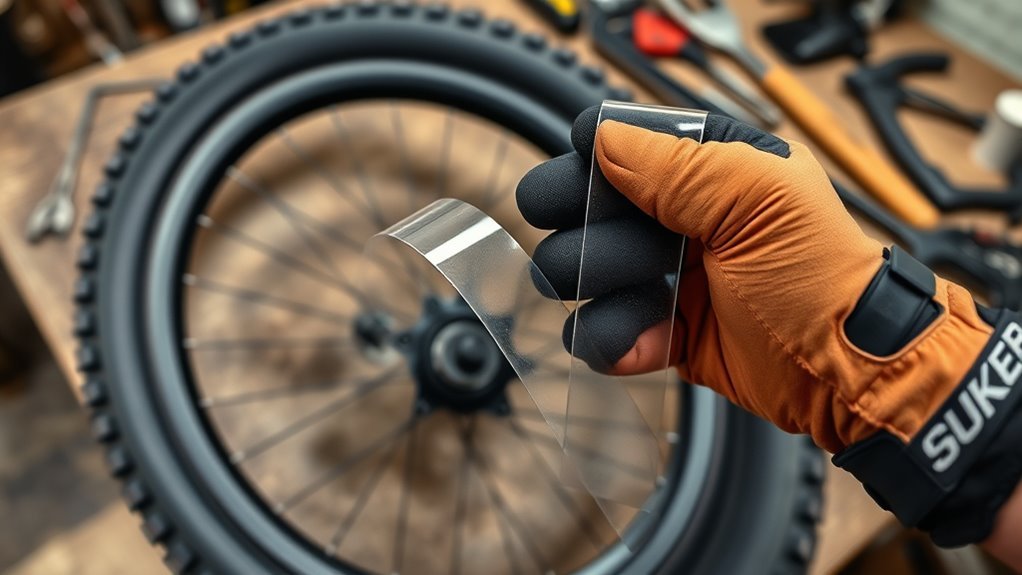
Start with tire size. Match the liner to your wheel diameter and tire width so it covers the tread without curling up the sidewall. A liner that is too narrow leaves gaps. A liner that is too wide can wrinkle, rub the tube, or make the bead harder to seat.
Then match the protection level to your riding. A daily commuter on dirty roads should favor coverage and durability. A weekend road rider may prefer a lighter puncture-resistant tire instead. A gravel or mountain rider fighting pinch flats should compare tubeless with sealant before adding more material inside a tubed setup.
- Best for commuting: full-coverage liner sized to your tire width.
- Best for speed: puncture-resistant tire or lighter tube instead of a thick liner.
- Best for low pressure: tubeless setup if your rims and tires support it.
[Products Worth Considering]

This 4-pack kit converts Presta bike valves to standard Schrader valves so you can inflate with any regular pump or air compressor. The solid brass adapters include an O-ring for a tight, leak-proof seal and provide a simple screw-on setup. Compatible with road bikes, mountain bikes, e-bikes, and e-scooters, it’s designed for convenient, everyday carry readiness.
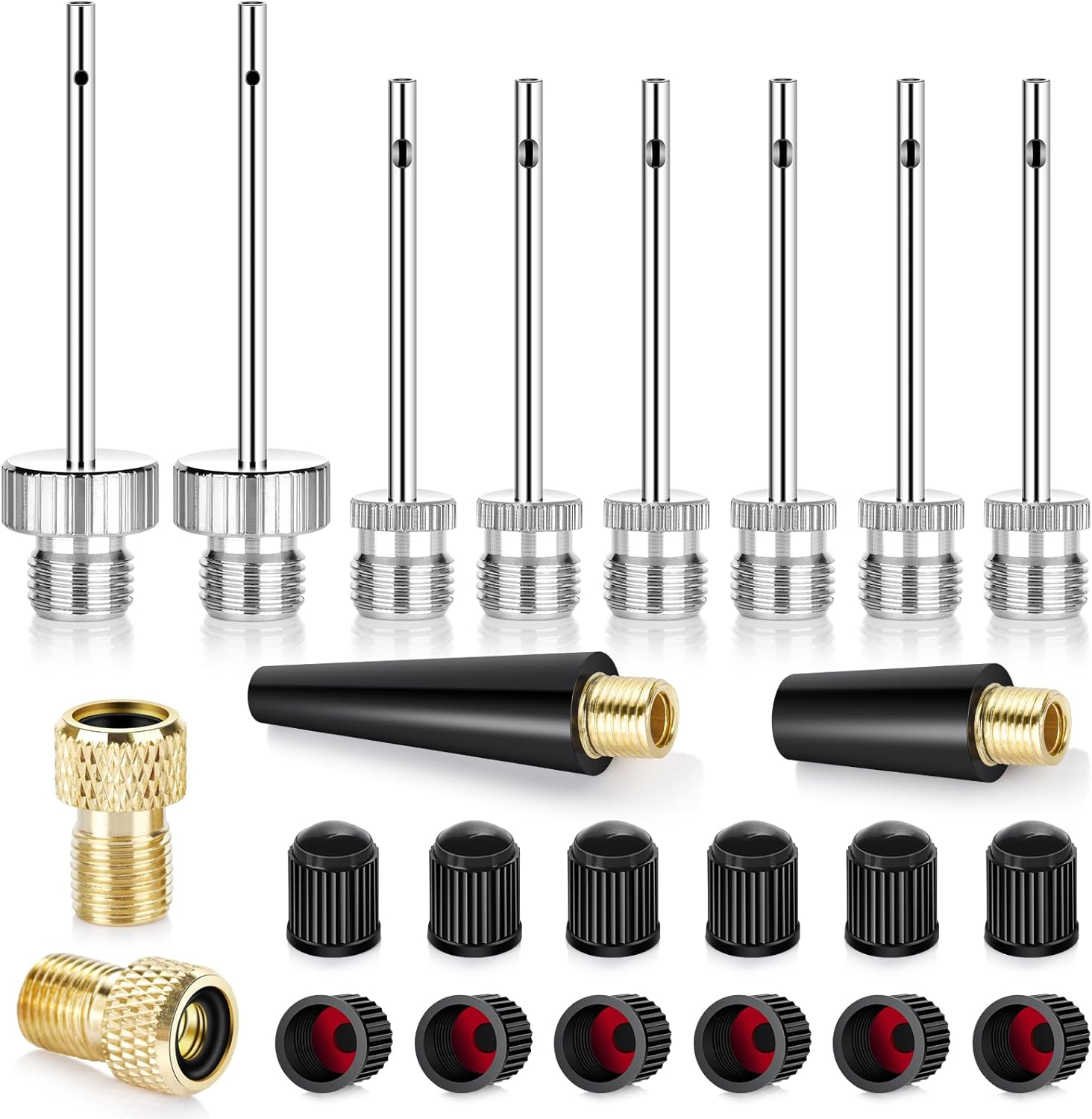
This ball pump needles kit includes brass ball needles for inflating footballs, soccer balls, basketballs, and volleyballs, plus conical nozzles for air mattresses, exercise balls, balloons, and swim rings. It also offers Presta to Schrader valve adapters for easy use with compatible bikes and rideables. The set includes sealed valve caps and a storage case, helping keep your equipment organized and ready to inflate quickly.
Installing a Tire Liner (Step-by-Step)
Install the liner carefully, because bad placement can create the same tube damage you are trying to prevent. Work slowly, keep the strip centered, and inspect the tire before reinstalling the tube.
- Remove the wheel and tire bead: take out the tube and check the rim strip for gaps or sharp edges.
- Inspect the tire: remove thorns, glass, wire, or nails from the tread and casing.
- Place the liner: center it under the tread. If your liner is designed to overlap, let it overlap rather than cutting it short.
- Reinstall the tube: add a little air so the tube holds shape, then seat it without trapping it under the bead.
- Inflate and check: bring the tire up slowly, check both bead lines, spin the wheel, and look for bulges or wobble.
After your first ride, deflate and recheck the tire if you feel a bump, hear rubbing, or see uneven seating. A twisted liner can wear the tube over time.
Trade-Offs and Alternatives: Weight, Rolling Resistance, Thicker Tires, Tubeless, Sealant
Tire liners reduce some flats, but they are not free speed. They add rotating weight, can make the casing feel stiffer, and may increase rolling resistance. For short utility rides, that penalty may not matter. For fast road rides, long climbs, or racing, it can be noticeable.
Weight Versus Protection
Expect the weight penalty to vary by liner size and model. Some common liners add only a few ounces per wheel, while heavier or wider versions add more. That extra mass sits at the wheel, so it affects acceleration more than the same weight carried on the frame.
- Use a liner when avoiding flats matters more than quick acceleration.
- Use puncture-resistant tires when your current tires are worn and you want cleaner built-in protection.
- Use tubeless when compatible rims and sealant maintenance fit your riding style.
Rolling Resistance Tradeoffs
Extra casing thickness and liner material can increase energy loss as the tire flexes. You may feel this as slower acceleration, a firmer ride, or less lively handling. The effect depends on tire width, pressure, liner thickness, road surface, and rider sensitivity.
For debris-heavy commutes, the time saved by preventing flats often outweighs the slower feel. For clean pavement, group rides, or racing, a lighter setup may be the better choice. A good compromise is to use more protection on the rear wheel, which carries more load and often punctures more often.
Tubeless and Sealant
Tubeless tires remove the inner tube, so they reduce tube pinch flats and let sealant close many small punctures. They can also improve comfort at lower pressures when the tire and rim are compatible. The trade-off is maintenance. Sealant dries out, and hot or dry storage can shorten its useful life.
- Choose tubeless if your rims and tires are compatible and you ride gravel, mountain, or rough roads.
- Stay with liners if you want a simple tubed setup and mostly fight thorns or glass through the tread.
- Carry repair tools either way: tube riders need a tube or patch kit; tubeless riders should carry plugs and a backup tube.
Common Mistakes That Make Tire Liners Fail
Most liner problems come from fit and installation. A strip that is too wide can climb the sidewall and rub the tube. A strip that is too narrow leaves the puncture zone exposed. A trimmed or rough liner end can also create a rubbing point inside the tire.
- Do not cut unless the maker says to: some liners are designed to overlap.
- Do not tape the overlap unless instructed: the liner may need to move slightly as the tube inflates.
- Do not ignore tire pressure: liners do not prevent snake-bite flats from underinflation.
- Do not reuse a damaged strip: replace liners that are deeply cut, curled, cracked, or deformed.
Frequently Asked Questions
Do Bike Tire Liners Really Work?
Yes, bike tire liners can reduce many flats caused by small debris through the tread. They work best on tubed commuter, city, utility, and kids’ bikes. They work less well against pinch flats, sidewall cuts, rim-strip problems, worn tires, or large objects that force their way through the casing.
Can Tire Liners Cause Flats?
Yes, a poorly fitted liner can cause tube wear. The usual problems are twisting, bunching, rough cut ends, the wrong width, or a tube trapped under the tire bead during installation. Use the correct size, keep the strip centered, and recheck the tire if you feel a bump after installation.
Should Tire Liner Ends Overlap?
Many bicycle tire liners are designed to overlap slightly so the tread has continuous protection. Do not trim a liner unless the manufacturer tells you to. A bad cut can leave a rough edge that rubs the tube and creates a new puncture point.
Are Tire Liners Better Than Tubeless?
Tire liners are simpler than tubeless, but they are not always better. Liners suit riders who want fewer tread punctures while keeping tubes. Tubeless is often better for low-pressure riding, gravel, mountain bikes, and repeated pinch-flat problems, but it needs compatible rims, compatible tires, sealant, and periodic upkeep.
Do Tire Liners Slow You Down?
They can. A liner adds rotating weight and may make the tire casing less flexible, which can increase rolling resistance. Many commuters will not care, because preventing one flat saves more time than the liner costs. Performance riders may prefer lighter tires, tubeless, or no liner.
Sources Checked for This Update
- Mr. Tuffy FAQ for liner placement, overlap, reuse, and weight guidance.
- Cycling Weekly tubeless sealant testing for sealant upkeep and puncture-repair context.
- Cycling Weekly puncture-resistant tire guide for current alternatives to add-on liners.
Conclusion
Use a tire liner if you ride a tubed bike through debris and want fewer flats from thorns, glass, staples, or wire. It is a practical upgrade for commuting and utility riding, especially when your current tires still have life left.
Skip or reconsider liners if your main problem is pinch flats, sidewall cuts, or speed loss. In those cases, check tire pressure first, inspect your rim strip, and compare puncture-resistant tires or tubeless sealant. The best flat-prevention setup is the one that matches your tire, route, pressure, and willingness to maintain it.

Related Articles
Are Premium Tires Worth the Extra Money?
Worth the extra money? Premium tires promise more grip, comfort, and longevity—but the real tradeoff may surprise you.
Read More
What Are OE Tires? Original Equipment Explained
Discover what OE tires really mean and why choosing the right replacement could change everything for your car’s ride, handling, and safety.
Read More
305 Tire Size Explained: How Big Is It?
I explain how big a 305 tire really is—and why the exact fit can surprise you.
Read More