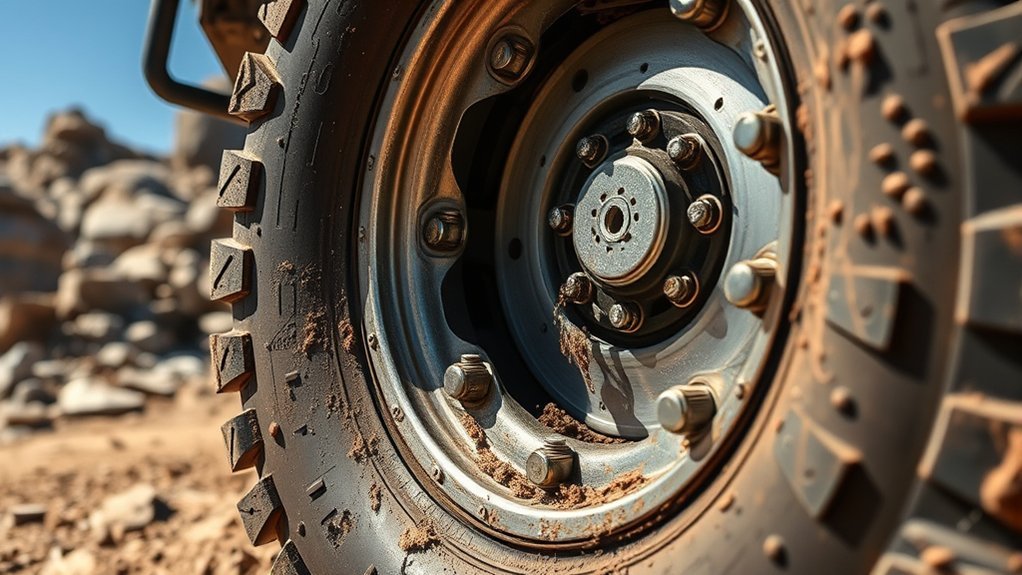
A beadlock wheel is an off-road wheel design that helps hold a tire bead against the rim when tire pressure is lowered for better traction. It is most useful on rocks, sand, mud, snow, and other loose terrain where a standard wheel can lose a bead under side load. Beadlocks are not the best choice for every driver, though. They add weight, cost, maintenance, and legal considerations, especially if the vehicle is also driven on public roads.
Quick Answer
Beadlock wheels mechanically clamp the tire bead to the wheel so the tire is less likely to debead when aired down off-road. They are valuable for serious trail use, rock crawling, dunes, mud, and snow, but many traditional external-ring beadlocks are intended for off-road use only unless the specific wheel is certified for street use.
Key Takeaways
- Beadlock wheels help prevent tire debeading when running low tire pressure off-road.
- They improve traction and ride comfort on loose terrain, but they require regular bolt, ring, and leak inspections.
- Traditional external beadlocks are commonly labeled off-road-only; verify the exact wheel and your local rules before using them on public roads.
- Beadlock-ready wheels, true conversions, simulated beadlocks, bead-grip wheels, and internal double beadlocks are different products with different uses.
- Never treat a beadlock as “install and forget.” Safe mounting, torque checks, and post-trail maintenance are part of ownership.
What Are Beadlock Wheels and How Do They Work?
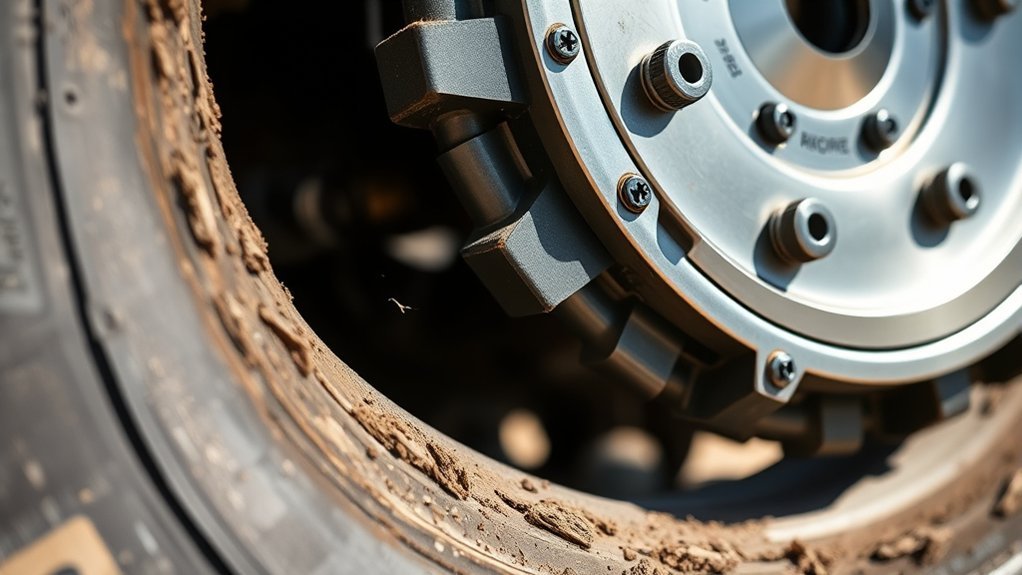
Beadlock wheels are designed to keep the tire bead seated when the tire is aired down and side-loaded on the trail. On a common external beadlock, an outer ring bolts to the wheel and clamps the tire’s outer bead between the ring and the wheel lip. The inner bead usually seats like a normal tire bead, although some specialty wheels use an internal system that locks both beads.
The main benefit is simple: when you reduce tire pressure off-road, the tire can flex more and place a larger contact patch on the ground. That helps traction on rocks, sand, mud, snow, and uneven dirt. Hutchinson explains that lowering tire pressure increases the tire footprint, while its internal double beadlock system is designed to hold the bead seal at low pressure. Hutchinson beadlock technology
Airing down is not a one-size-fits-all number. Some experienced off-road drivers run single-digit pressures with the right wheel, tire, vehicle weight, and terrain, but others should stay higher. Always follow the wheel and tire manufacturer’s guidance, drive slowly at low pressure, and reinflate before returning to pavement.
Warning: Low tire pressure is for controlled off-road use only. Do not drive at trail pressures on the highway. Heat, speed, load, and sidewall flex can damage tires and create a loss-of-control risk.
Top Advantages of Beadlock Wheels for Off-Road Enthusiasts
Beadlock wheels are built for a specific job: keeping the tire attached to the wheel when standard bead retention may not be enough. For mild gravel roads or occasional camping trails, they are usually unnecessary. For technical terrain, they can make a real difference.
Enhanced Traction Performance
Lower tire pressure lets the tire wrap around rocks, float better over sand, and grip uneven surfaces more effectively. A beadlock helps reduce the chance that the bead will unseat while the tire is flexing hard. That extra bead security can help you:
- Climb rock ledges with less wheelspin.
- Float better in soft sand, mud, or snow.
- Maintain better steering control on uneven terrain.
- Reduce the chance of a trail-side debead when the tire is side-loaded.
Lower Tire Pressure Benefits
The lower you go, the more the tire can conform to the ground. This can improve grip and ride comfort, but it also increases sidewall flex and heat. The safe pressure depends on vehicle weight, tire construction, rim width, terrain, speed, and whether the wheel is a true beadlock, internal beadlock, bead-grip wheel, or standard wheel.
Method Race Wheels describes bead-grip-style wheels as a bridge between conventional street wheels and beadlocks, using grooves at the bead seats to improve tire hold while staying highway legal in that product line. Method Bead Grip technology That type of wheel is not the same as a true external beadlock, but it may be a better fit for daily-driven 4x4s.
Pro Tip: Mark the tire and wheel with a small paint line before a trip. If the marks move apart after hard use, the tire is slipping on the wheel and you need to inspect pressure, bead seating, and hardware before continuing.
Beadlock vs. Non-Beadlock Wheels: Which Is Right for You?
The right wheel depends on how you actually use the vehicle. A daily driver that sees occasional forest roads does not need the same setup as a rock crawler running very low pressure every weekend.
| Wheel Type | Best For | Main Tradeoff |
|---|---|---|
| Standard non-beadlock | Daily driving, mild trails, overlanding at moderate pressures | More likely to debead at very low pressure or high side load |
| External beadlock | Rock crawling, dunes, mud, dedicated off-road rigs | More maintenance, extra weight, and often off-road-only labeling |
| Internal double beadlock | Drivers who need bead security on both beads and want a street-legal product where available | Higher cost and more specialized design |
| Simulated beadlock | Beadlock appearance without bead clamping | Looks rugged but does not mechanically lock the tire bead |
| Bead-grip style wheel | Daily-driven off-road vehicles that want extra bead retention without a true beadlock ring | Not a true mechanical beadlock |
[Products Worth Considering]
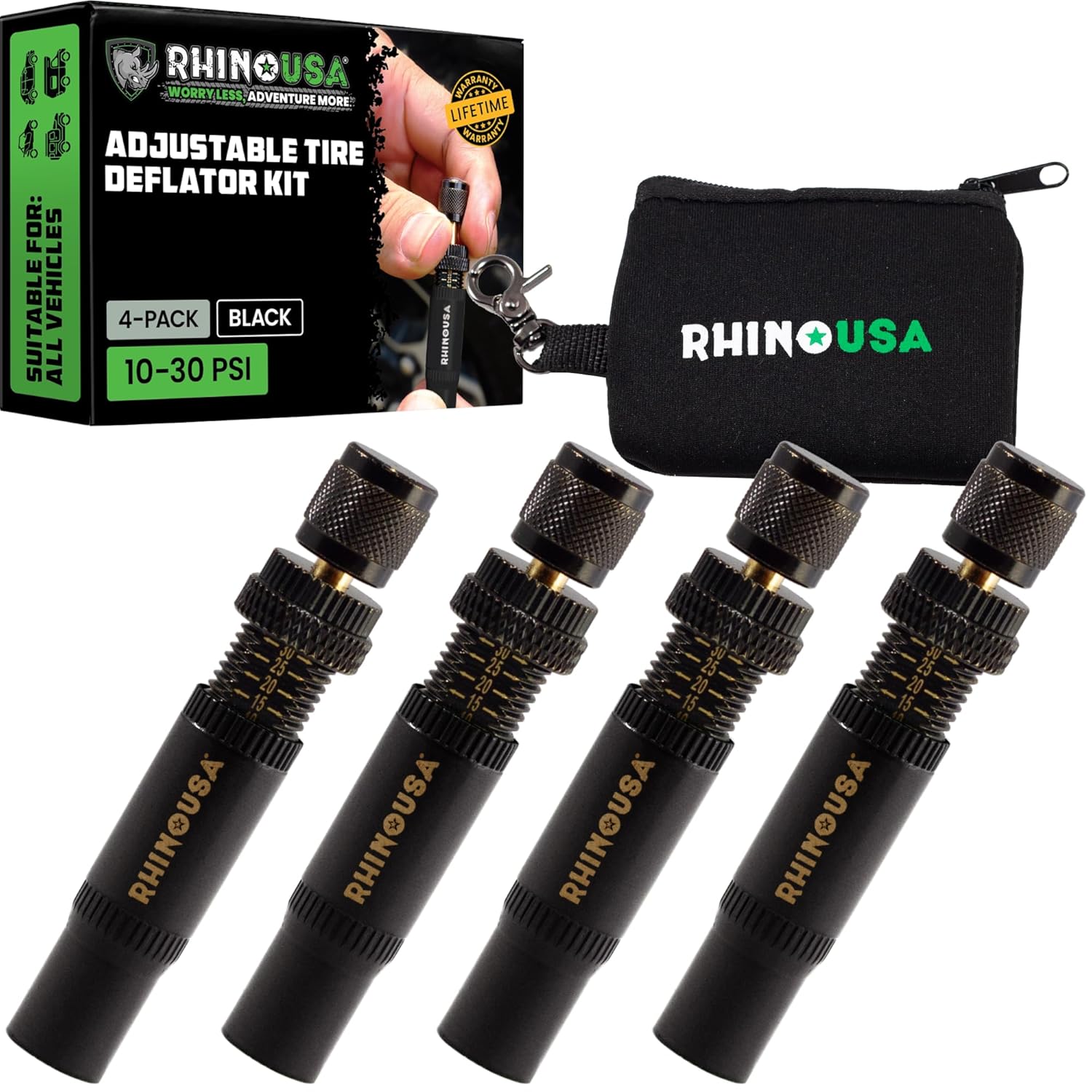
Use the Rhino USA adjustable tire deflators to air down all four tires at once by screwing one deflator onto each valve stem, letting you step away while the tires reach your preset pressure. Each deflator independently adjusts across a 10–30 PSI range with laser-etched indicators for quick setup and verification, making it ideal for beach, sand, and rocky off-road trails.

Malco tire mounting and demounting lubricant is a ready-to-use tire lube formulated to reduce friction during tire installation for passenger cars, light trucks, farm tires, and heavy-duty equipment. It provides rust-inhibiting protection to help reduce corrosion on rims and wheels, and helps support proper tire bead seating during inflation to reduce air leakage. The silicone-free, soap-free formula is whitewall safe to help prevent discoloration on whitewall tires and sensitive sidewall markings.

The Trivd Frol 1/2" air impact wrench delivers high performance torque up to 1500 ft-lbs with a twin hammer impact mechanism for strong, balanced blows. It features an ergonomic grip, compact lightweight design, and quick-stop control with 3 forward speeds up to 8000 RPM plus a reverse speed. Built for demanding automotive repair and tire shop work, the rear exhaust helps keep debris away from the surface.
When Should You Upgrade to Beadlock Wheels? Key Considerations
Upgrade to beadlock wheels when tire retention is becoming a real limitation, not just because the wheels look aggressive. The best candidates are drivers who regularly air down, crawl rocks, drive dunes, run deep mud, or travel where a debeaded tire could leave them stranded.
[Products Worth Considering]

This 3-piece wheel and tire brush set makes it easy to clean light, medium, and heavy dirt from wheels, rims, tires, and exterior surfaces. It includes both soft and stiff bristle options for gentle scrubbing and tough grime removal, helping lift brake dust and road buildup. The long-handle design supports comfortable cleaning across cars, trucks, SUVs, RVs, motorcycles, and more, with simple care instructions to restore brush shape.

This 1/2-inch drive breaker bar delivers powerful leverage for loosening and tightening stubborn lug nuts and automotive fasteners. The 180-degree flex head helps you reach tight spaces at the angle you need, making tire and brake jobs easier. A spring-loaded ball detent design holds 1/2-inch sockets securely while the chrome-moly head provides durable strength for everyday use.
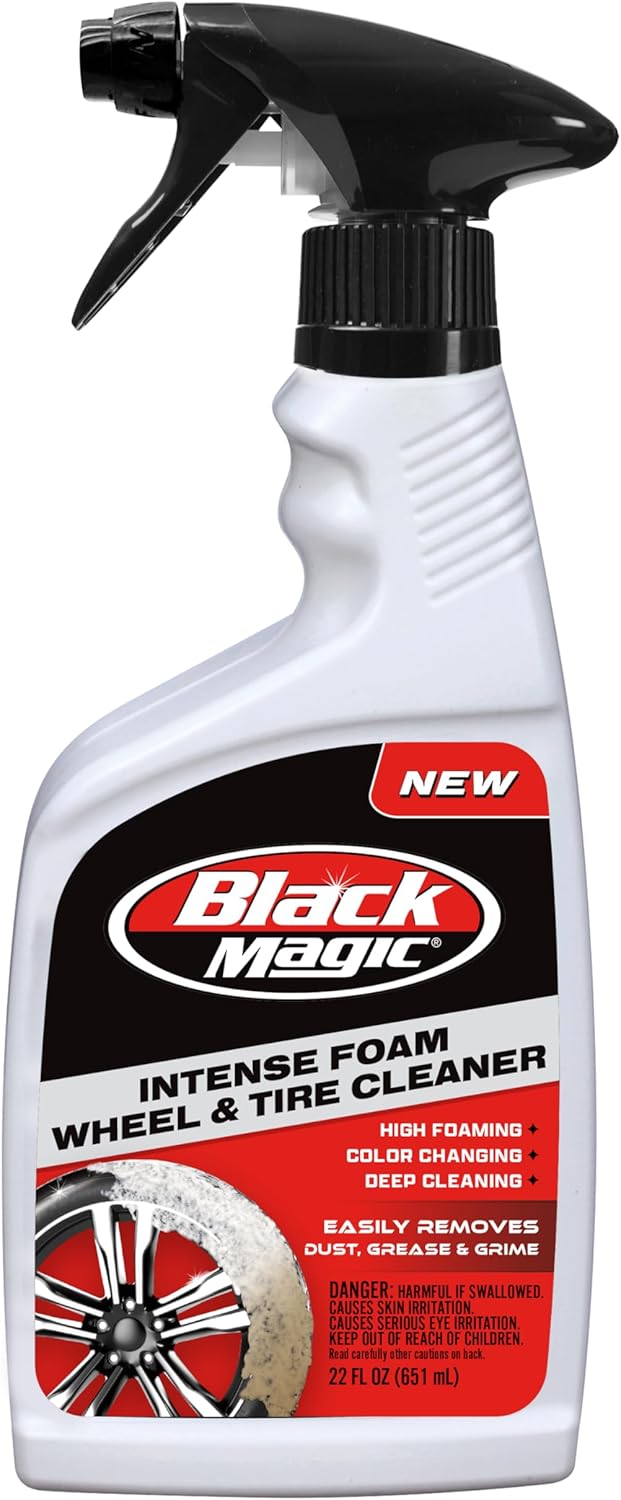
Black Magic Intense Foam Wheel & Tire Cleaner uses a high-foaming action to lift away dirt, grime, and brake dust without scrubbing. The color-changing formula helps show contaminants being dissolved as foam turns from white to brown. Safe for all wheel types and even wheel wells, it leaves a like-new, slick finish with a fresh cherry scent.
When Off-Roading Frequently
If you off-road often and regularly reduce pressure for traction, beadlock wheels can add confidence and reduce trail-side tire problems. They are especially useful when your vehicle sees heavy side loading, sharp rocks, steep ledges, or soft terrain where flotation matters.
- Choose beadlocks if tire debeading has already happened or is a realistic risk.
- Skip beadlocks if you mostly drive pavement and only air down mildly.
- Budget for hardware, torque checks, cleaning, and possible replacement rings.
- Confirm that your tire shop is willing and qualified to mount beadlock wheels.
For Extreme Terrain Use
On severe trails, the tire can be pulled sideways hard enough to unseat from a normal wheel. A beadlock ring reduces that risk by clamping the bead. This is why beadlocks are common on rock crawlers, competition rigs, sand vehicles, and dedicated trail builds.
Before buying, check:
- Wheel diameter and width for your tire size.
- Bolt pattern, center bore, offset, and backspacing.
- Brake caliper clearance.
- Lug nut type and stud length.
- Load rating and vehicle weight.
- TPMS compatibility, if your vehicle uses tire-pressure sensors.
- Whether the wheel is labeled for off-road use only.
If Airing Down Tires
Airing down is the main reason beadlocks exist. Still, a beadlock does not make every low pressure safe. It only helps hold the bead. The tire sidewall, heat buildup, rim width, vehicle load, speed, and terrain still matter.
Use trail pressure only on the trail. After off-roading, reinflate to the correct road pressure, check for leaks, and inspect the beadlock ring before driving at highway speed.
Note: “More bead security” does not mean “no risk.” Beadlock bolts can loosen, rings can bend, tires can leak, and damaged parts should be removed from service immediately.
How to Convert Standard Wheels Into Beadlock
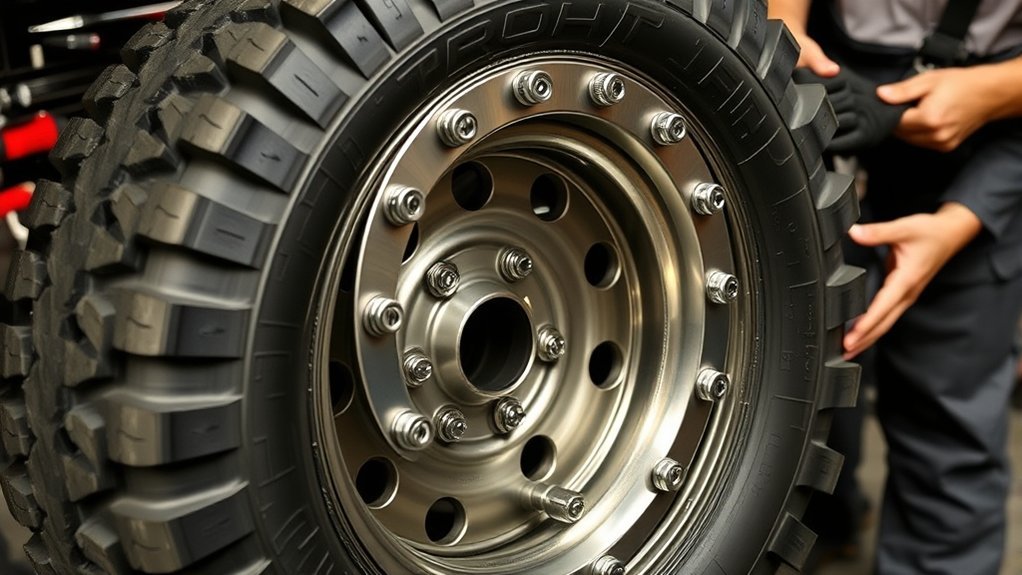
There are two very different situations people call a “beadlock conversion.” The first is installing rings on wheels that were already designed to accept beadlock hardware. The second is converting a standard wheel into a true beadlock wheel through welding, machining, or a professional conversion service. Do not confuse the two.
At a Glance
| Time Required | About 1–2 hours per wheel for beadlock-ready wheels; longer for true conversions |
| Difficulty | Moderate for beadlock-ready wheels; advanced/professional for welding or machining |
| Tools Needed | Torque wrench, correct sockets, valve tools, clean cloth, soapy water, tire mounting equipment, and manufacturer instructions |
| Cost | Varies widely by wheel, hardware, labor, rings, and whether professional conversion is required |
[Products Worth Considering]

This professional wheel and rim cleaning brush set lifts brake dust, grime, and dirt with soft, scratch-free microfiber and synthetic wool fibers. The rim brush bends up to 360 degrees for easy access to hard-to-reach areas around spokes, lips, and faces. Ideal for thorough cleaning of car, truck, motorcycle, bicycle, RV, and more wheel and tire surfaces.

This 3-piece wheel brush set makes it easy to clean wheels and tires with soft, scratch-free brushes designed for lifting brake dust and grime. The flexible rim brush bends up to 360 degrees to reach hard-to-access areas for a thorough clean, while the comfortable grip helps control during detailing. A dedicated detailing brush supports gentle cleaning for sensitive surfaces, including interior use.

Upgrade your wheels with MIKKUPPA M12x1.5 mag seat lug nuts built for secure, corrosion-resistant performance. These closed-end chrome lug nuts are a direct replacement for select Toyota models, including Camry, Corolla, RAV4, Sienna, Avalon, Highlander, Matrix, Venza, and Prius. Triple-chromium plating and cold-forged, heat-treated steel help deliver strength for daily driving and replacement needs.
Beadlock-Ready Wheel Installation
If the wheel is already built for beadlock rings, installation usually involves seating the tire bead, placing the ring, starting all bolts by hand, tightening in stages, and torquing to the wheel manufacturer’s specification. Trail-Gear’s Creeper Lock instructions, for example, call for ring screws to be tightened in passes and rechecked after initial driving. Trail-Gear Creeper Lock instructions
True Standard Wheel Conversions
A normal wheel cannot safely become a beadlock just because a decorative ring is bolted to it. Many true conversions require a weld-on inner ring, precise fitment, and professional fabrication. Other conversions are done by specialty shops that machine and assemble the wheel for racing or off-road use.
If you are not trained in wheel fabrication, welding, tire mounting, and torque procedures, use a qualified professional. A failed wheel or bead seat can cause sudden air loss, vehicle damage, or serious injury.
Warning: Tire mounting and bead seating can be dangerous. WELD Racing advises using proper restraint, a clip-on chuck, a pressure gauge or regulator, remote inflation/deflation equipment, and safe body positioning during bead seating. Never exceed the tire manufacturer’s maximum bead-seating or inflation pressure. WELD beadlock mounting instructions
Common Misconceptions About Beadlock Wheels Explained
Beadlock wheels are useful, but they are often misunderstood. Clearing up these myths can prevent poor buying decisions and unsafe use.
- Myth: Every ringed wheel is a beadlock. False. Some wheels have cosmetic simulated beadlock rings that do not clamp the tire bead.
- Myth: Beadlocks are always street legal if they fit the vehicle. False. Many traditional external beadlocks are sold for off-road use only. Verify the exact wheel and local rules.
- Myth: Beadlocks eliminate tire maintenance. False. They add hardware that must be inspected, cleaned, and retorqued.
- Myth: Lower pressure is always better. False. Too little pressure can damage tires, wheels, and handling, even with beadlocks.
- Myth: You can convert any wheel safely at home. False. True conversions require the right wheel, materials, tools, and skill.
Maintenance Tips for Optimal Beadlock Wheel Performance
Beadlock maintenance is not optional. The ring, bolts, bead seat, wheel lip, valve stem, and tire must stay in good condition for the system to work correctly. Battle Born Wheels recommends regular inspection, checking beadlock bolt torque, inspecting rings and wheel lips for damage, checking for air loss or bead movement, and removing damaged parts from service. Battle Born beadlock maintenance guidance
| Task | When to Do It |
|---|---|
| Retorque beadlock bolts | After initial driving or first trail use, then periodically and before major trips |
| Check lug nut torque | After installation, after the first drive, and at normal service intervals |
| Inspect rings, bolts, and wheel lips | Before and after off-road trips, especially after rock impacts |
| Check for leaks | After mounting, after retorquing, and before highway driving |
| Clean mud, sand, salt, and brake dust | After dirty or salty use; use mild soap and water unless the wheel maker says otherwise |
Use a torque wrench, not guesswork. Follow the torque value and sequence from your wheel manufacturer because bolt size, ring design, wheel material, and hardware vary. Replace stretched, corroded, missing, or damaged bolts instead of reusing them.
Are Beadlock Wheels Legal for Street Use? Key Considerations
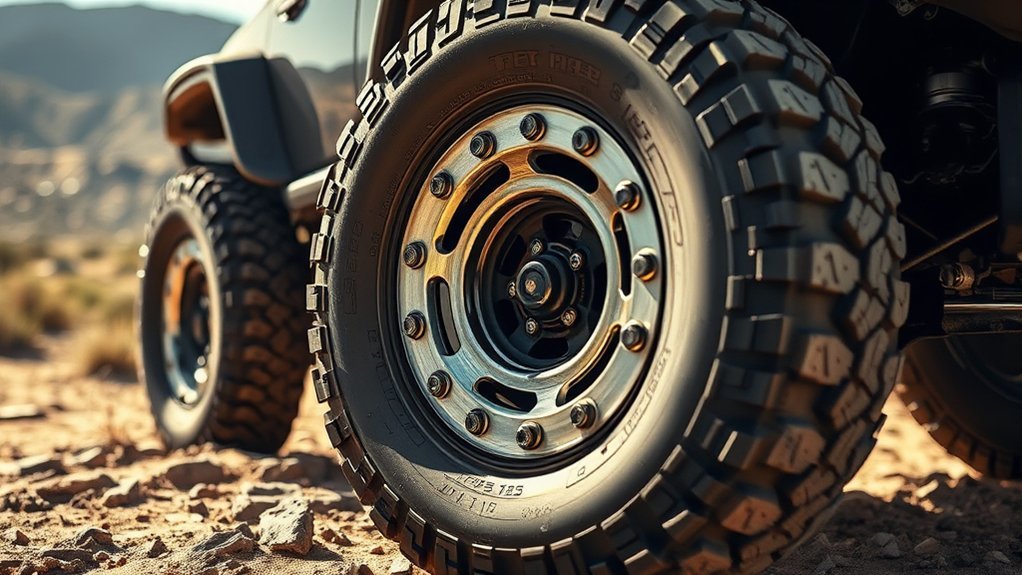
Street legality depends on the exact wheel, the vehicle, and your location. Many traditional external beadlock wheels are marketed for off-road use only. That means they may not be appropriate for public-road driving even if they physically fit the vehicle.
NHTSA has explained that two Federal Motor Vehicle Safety Standards can apply to wheel rims: FMVSS No. 110 for passenger cars and FMVSS No. 120 for other vehicle types, while also noting that its standards do not set requirements for wheel assembly parts other than the rim. NHTSA wheel rim interpretation The practical takeaway is to check the actual wheel maker’s labeling, documentation, load rating, and intended-use statement before using beadlocks on public roads.
Some internal beadlock systems are marketed as DOT-approved and street legal, while many external ring beadlocks are not. Hutchinson, for example, markets its Rock Monster internal double beadlock wheels as DOT-approved and street legal. Hutchinson Rock Monster beadlock technology
Warning: Do not assume a beadlock is street legal because it is sold online, fits your bolt pattern, or has a “DOT” claim in a listing. Confirm the specific wheel documentation and your state or country’s vehicle equipment rules.
Frequently Asked Questions
What are the disadvantages of beadlock wheels?
Beadlock wheels usually cost more, weigh more, and require more maintenance than standard wheels. The ring bolts need inspection and retorquing, damaged rings or hardware must be replaced, and many traditional external beadlocks are intended for off-road use only.
How much does it cost to install beadlock wheels?
The cost depends on wheel brand, tire size, labor rates, hardware, balancing, and whether you are buying complete beadlock wheels or converting existing wheels. Expect true beadlock setups to cost more than standard wheels because of the ring, bolts, mounting time, and ongoing maintenance.
Can I install beadlocks myself?
You can install beadlock rings yourself only if the wheels are designed for beadlock hardware and you have the correct tools, torque specs, and tire-mounting knowledge. True conversions that require welding or machining should be handled by a qualified professional.
Are simulated beadlock wheels the same as real beadlocks?
No. Simulated beadlock wheels have a beadlock-style appearance, but the ring is cosmetic and does not clamp the tire bead. They are often easier to live with on the street, but they do not provide the same tire-retention benefit off-road.
Do beadlock wheels need special tires?
Most beadlock wheels use standard compatible off-road tires, but the tire and wheel must match in diameter, bead design, width range, load rating, and intended use. Always check both the tire maker’s and wheel maker’s fitment guidance before mounting.
Conclusion
Beadlock wheels are a smart upgrade when you truly need extra tire-bead security at low off-road pressures. They can improve traction, control, and confidence on demanding trails, but they also bring extra cost, weight, inspections, and legal questions. For a dedicated trail rig, a true beadlock may be worth it. For a daily-driven 4×4, a standard wheel, simulated beadlock, bead-grip wheel, or certified internal beadlock may be the better match. Choose based on terrain, driving habits, maintenance commitment, and verified street-use documentation.
Sources
- NHTSA interpretation on automotive wheel rim standards — legal and regulatory context for rim standards.
- 49 CFR § 571.110 — tire selection and rim requirements for vehicles with GVWR of 10,000 lb or less.
- 49 CFR § 571.120 — tire selection and rim requirements for vehicles over 10,000 lb GVWR and certain other vehicle types.
- Trail-Gear Creeper Lock installation instructions — beadlock installation and retorque guidance.
- WELD Racing beadlock tire mounting instructions — tire mounting and bead-seating safety guidance.
- Battle Born Wheels beadlock installation and maintenance — inspection, retorque, cleaning, and damage guidance.