Disclosure: As an Amazon Associate, we earn from qualifying purchases. If you click a link on this page and make a purchase, we may receive a small commission at no extra cost to you.
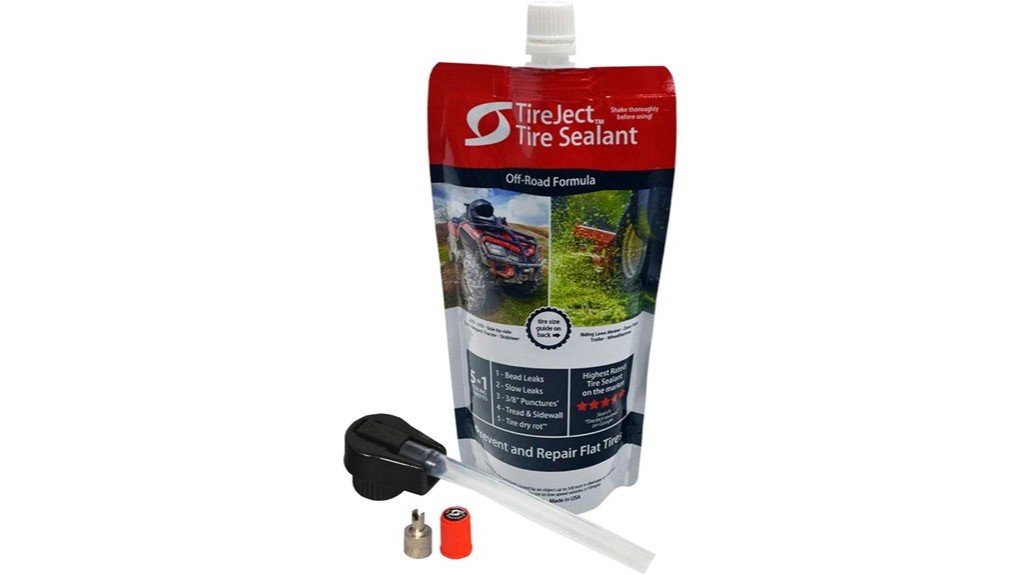
A slow leak can turn a mower, ATV, UTV, golf cart, or small tractor into a recurring maintenance job. The TireJect Off-Road Tire Sealant Kit is designed to seal common leaks inside tubeless, low-speed off-road tires, including tread and sidewall punctures up to 3/8 inch. Its 10-ounce kit is easy to install through the valve stem, but the dosage only suits certain tire sizes and the formula is not intended for highway vehicles with TPMS. This review explains where TireJect works well, where it does not, and what you should check before adding it to a tire.
Quick Answer
At a Glance
Rating: 8.5/10, recommended with caveats
Best For: Tubeless ATV, UTV, mower, golf cart, wheelbarrow, and other low-speed off-road tires with punctures or slow leaks.
Bottom Line: TireJect offers broad internal coverage for several common off-road leak types and includes the basic installation tools. Its main tradeoff is limited compatibility, since the 10-ounce dose is not enough for every tire and the off-road formula should not be used as a highway-tire repair.
| Specification | Detail |
|---|---|
| Brand | TireJect |
| Product | Off-Road Tire Sealant Kit |
| Kit size | 10 ounces |
| Tire type | Tubeless, low-speed off-road tires |
| Sealing range | Tread and sidewall punctures up to 3/8 inch, bead leaks, slow leaks, and minor dry-rot seepage |
| Formula | Liquid rubber, recycled tire particles, and aramid fibers |
| Included accessories | Dispensing cap, metal valve-core remover, and valve-stem cap |
| Installation | Added through the valve stem after removing the valve core |
| TPMS compatibility | No, use the separate TireJect automotive formula for TPMS-equipped highway vehicles |
| Typical 10-ounce fit | One ATV or UTV tire up to 27×9, or one rear mower tire up to 24×12 |
Key Takeaways
- TireJect is made for tubeless, low-speed off-road tires, not passenger-car or highway use.
- The formula is designed to seal five common problems: tread punctures, sidewall punctures, bead leaks, slow leaks, and minor dry-rot seepage.
- The 10-ounce kit includes the dispensing cap, valve-core tool, and valve-stem cap needed for a basic installation.
- Correct dosage matters. Ten ounces fits some ATV, UTV, and mower tires, but larger tires need more sealant.
- Sealant can reduce air loss, but it cannot restore damaged cords, fix a bulge, or make a structurally unsafe tire usable.
What Is the TireJect Off-Road Tire Sealant Kit?
TireJect is an internal liquid tire sealant for tubeless off-road powersports and equipment tires. The low-viscosity formula moves around the tire as it rotates, allowing liquid rubber, recycled tire particles, and aramid fibers to reach a puncture or leak from the inside.
The 10-ounce kit is aimed at one appropriately sized tire. It can be used after a leak appears or added in advance for puncture protection, provided the tire and vehicle match TireJect’s off-road guidelines. This makes it most useful for equipment that repeatedly encounters thorns, nails, screws, rough ground, or bead seepage.
Who Should Buy It?
Best For
- ATV and UTV owners dealing with thorns, small punctures, or slow leaks.
- Mower, golf-cart, wheelbarrow, and compact-equipment tires that lose pressure between uses.
- Buyers who want a valve-stem installation kit instead of removing the tire from the rim.
Skip If
- Your vehicle is driven at highway speed or uses TPMS sensors.
- Your tire has a bulge, exposed cords, a large tear, rim damage, or severe dry rot.
- Your tire needs more than 10 ounces and you do not plan to buy the correct amount.
Before You Buy: This specific formula is for low-speed off-road tubeless tires. Do not use it to justify continued operation of a tire with structural damage, and do not substitute it for TireJect’s separate TPMS-compatible automotive formula.
What TireJect Can Seal
The product’s main advantage is its five-part sealing range. TireJect lists tread punctures up to 3/8 inch, sidewall punctures up to 3/8 inch, bead leaks, slow leaks, and minor seepage linked to dry rot on low-speed tires.
That range is broader than a tread-only sealant because the thin formula is designed to coat more of the tire interior. The benefit is most noticeable when the leak is difficult to find or sits near the bead. The limitation is that the listed puncture size is not permission to keep using a tire that has torn cords, a growing split, or a visible sidewall bulge.
- Tread punctures: Small holes caused by thorns, nails, or screws, up to the stated 3/8-inch limit.
- Sidewall punctures: Small off-road punctures within the stated limit, only when the tire has no structural damage.
- Bead leaks: Slow pressure loss where the tire meets the rim.
- Slow leaks: Small, hard-to-locate air-loss points inside a tubeless tire.
- Minor dry-rot seepage: Small pores or cracks on low-speed equipment tires, not severe cracking or exposed construction.
Materials and What Comes in the Kit
The package contains 10 ounces of TireJect sealant, a dispensing cap that fits over the valve stem, a metal valve-core remover, and a replacement valve-stem cap. You still need an air source and an accurate pressure gauge to finish the job.
The formula combines liquid rubber with recycled tire particles and aramid fibers. The particles and fibers help plug the opening, while the liquid rubber is intended to bond at the leak. TireJect also describes the formula as water-soluble, which makes fresh residue easier to clean from tools and wheel surfaces.
The kit is compact and requires no separate injector for this pouch-style installation. That simplicity helps when you keep it near a mower or in an off-road tool box, but the single 10-ounce quantity can be a drawback if your tire needs 12, 15, 20, or more ounces.
Compatibility and Dosage
Dosage is the most important buying check. TireJect’s current guide lists 10 ounces for one ATV, UTV, or side-by-side tire up to 27×9. A tire up to 27×11 needs 12 ounces, up to 29×11 needs 15 ounces, and up to 32×11 needs 20 ounces.
For riding mowers and zero-turn mowers, the guide lists 10 ounces for a rear tire up to 24×12 and 5 ounces for a front tire up to 16×7. Golf-cart tires up to 18×8 use 5 ounces, while wheelbarrow and small cart tires generally use 2 to 4 ounces. Compact tractor and skid-steer tires often need more than one 10-ounce kit.
Pro Tip: Read the complete tire size molded into the sidewall before opening the pouch. Buying the correct dose is better than guessing, especially when one tire needs more than 10 ounces.
[Products Worth Considering]

This Dr.Roc tire valve stem puller tools set helps install or remove snap-in tubeless valve stems safely and efficiently. It includes ozone-resistant EPDM snap-in valve stems, a valve stem installer, and a valve core remover for quick core removal or installation during tire service. Designed for reliable tubeless tire repair on motorcycles, ATVs, lawn equipment, cars, and trucks.

TireJect Off-Road Tire Sealant Kit provides 5-in-1 sealing to help fix tread punctures up to 3/8", sidewall punctures up to 3/8", bead leaks, slow leaks, and minor dry rot on low-speed tires. It permanently seals with liquid rubber, recycled tire particles, and Aramid fibers, making it ideal for flats caused by thorns, nails, and screws. The included dispensing cap attaches to the valve stem for a no-mess installation, along with a metal valve core remover tool and valve stem cap. This kit is for off-road use only.
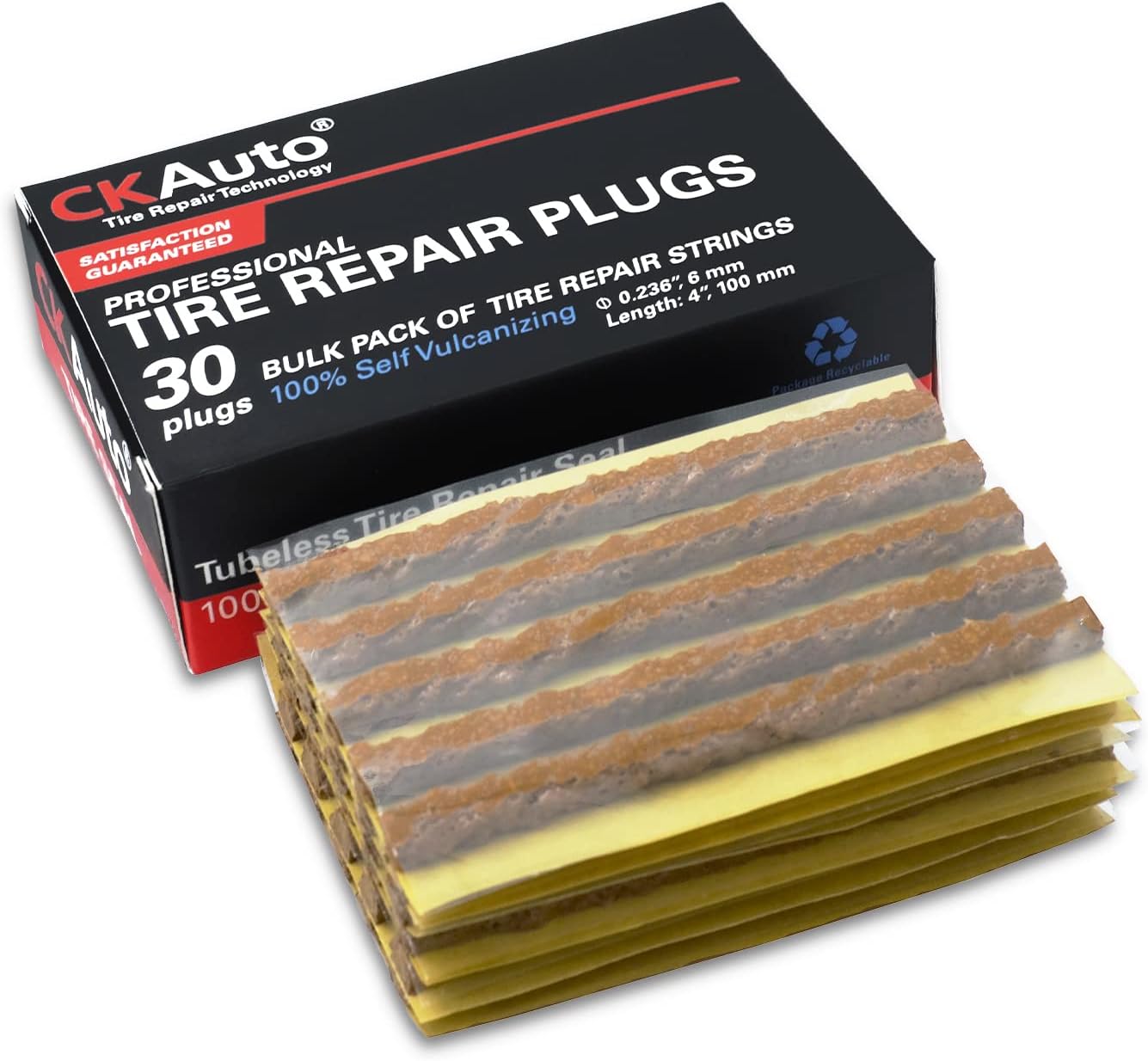
CKAuto tire repair strings provide a fast, reliable way to seal punctures in tubeless off-road tires without removing the tire from the rim. The rubber repair plugs are designed for quick roadside fixes and work across many vehicle types including cars, bikes, ATVs/UTVs, wheelbarrows, and mowers.
How to Install TireJect on Off-Road Tires
Park the equipment safely, set the brake, and follow the product label and vehicle instructions. Deflate the tire, then use the included metal tool to remove the valve core. Keep the core clean so it can be reinstalled without debris in the valve stem.
- Shake the sealant thoroughly. This helps redistribute the fibers and rubber particles before installation.
- Attach the dispensing cap. Thread it onto the pouch, place the hose over the valve stem, open the cap, and squeeze in the required amount.
- Reinstall the valve core. Use the included tool, then inflate the tire to the equipment maker’s recommended pressure.
- Rotate the tire immediately. Drive at low speed or rotate the wheel for about two to three minutes so the formula can coat the interior and reach the leak.
- Check pressure again. Inspect the tire for continued air loss before returning the equipment to normal use.
Do not exceed the tire or equipment pressure specification. If the leak continues, the puncture may be too large, the dose may be too small, the valve or rim may be damaged, or the tire may need professional inspection or replacement.
How It Performs in Real Use
ATV and UTV Trail Use
For an ATV or UTV tire within the dosage chart, TireJect gives you protection against common trail hazards such as thorns, nails, and screws. Its sidewall coverage is a useful distinction for low-speed off-road use, although any visible tear or bulge should end the ride until the tire is inspected.
Mower and Lawn Equipment
Mower tires often sit for days or weeks and reveal slow leaks when you need the machine. TireJect can reduce repeated inflation caused by a small tread leak, bead seepage, or minor porous cracking. A 10-ounce pouch fits many rear mower tires, while front tires may need only part of the pouch.
Golf Carts, Wheelbarrows, and Small Tires
Small tires use much less sealant, so careful measuring matters. The kit can cover more than one small tire when each requires only 2 to 5 ounces, but the pouch cap is less precise than a graduated injector. Avoid overfilling because excess product adds unnecessary rotating weight.
Older Low-Speed Tires
The formula may slow seepage from minor dry rot, but it cannot reverse aging rubber. If cracks are deep, cords are visible, the sidewall is distorted, or the tire repeatedly loses pressure after treatment, replacement is the safer choice.
Compatibility and Safety
TireJect Off-Road is compatible with tubeless off-road tires and is not the version intended for TPMS-equipped highway vehicles. Passenger cars, road-going trucks, SUVs, motorcycles, and highway trailers need a repair approach that follows the tire maker’s limits and recognized tire-service procedures.
Inspect the tire before and after adding sealant. Cuts, cracks, bulges, exposed cords, irregular wear, and damage caused by underinflation can make a tire unsafe. Sealant may stop air loss, but it does not repair the tire’s internal structure or rim damage.
Wear eye protection when removing a valve core because pressurized air and sealant can escape quickly. Keep the product away from children, follow the label for storage and disposal, and tell a tire technician that sealant is inside before the tire is removed from the wheel.
Pros and Cons
Pros
- Targets five common off-road leak types, including tread, sidewall, bead, and slow leaks.
- Installs through the valve stem without removing the tire from the rim.
- Includes the dispensing cap, metal valve-core tool, and valve-stem cap.
- Low-viscosity formula is designed to coat the full tire interior.
- Water-soluble formula supports easier cleanup during later tire service.
Cons
- Off-road formula is not for TPMS-equipped highway vehicles.
- One 10-ounce pouch is too small for many larger ATV, tractor, and skid-steer tires.
- Cannot fix structural tire damage, severe dry rot, rim damage, or oversized punctures.
Is It Worth the Price?
TireJect sits in the practical mid-range of off-road tire sealants. The kit costs more per ounce than a large refill bottle, but you are paying for a ready-to-use single-tire package with the cap and valve-core tool included.
It offers the best value when one 10-ounce dose matches your tire and you need help with a puncture, bead leak, or recurring slow leak. It is less economical for a fleet, four-tire preventive treatment, or large equipment because multiple small kits cost more and create extra packaging.
The honest value limit is simple: sealant is only a good buy when the tire remains structurally sound. Spending money on sealant for a badly cracked, bulging, or damaged tire delays the replacement you already need.
[Products Worth Considering]

LiQuiTube Premium Heavy Duty Tire Sealant provides permanent flat tire protection to help maintain proper air pressure while sealing punctures and leaks. It seals bead, rim, and porosity weathering leaks and helps prevent flats in heavy ply industrial tires. Designed for versatile use on trailers and off-road equipment, it can be installed in tubeless tires and also inside tubes.

CKAuto tire repair plugs provide a quick, effective way to seal punctures on the road without removing the tire from the rim. Designed for tubeless off-road tires, they help you get back moving on cars, bikes, ATVs, UTVs, wheelbarrows, and mowers. The rubber repair strings are strong, reliable, and completely odorless for clean use.
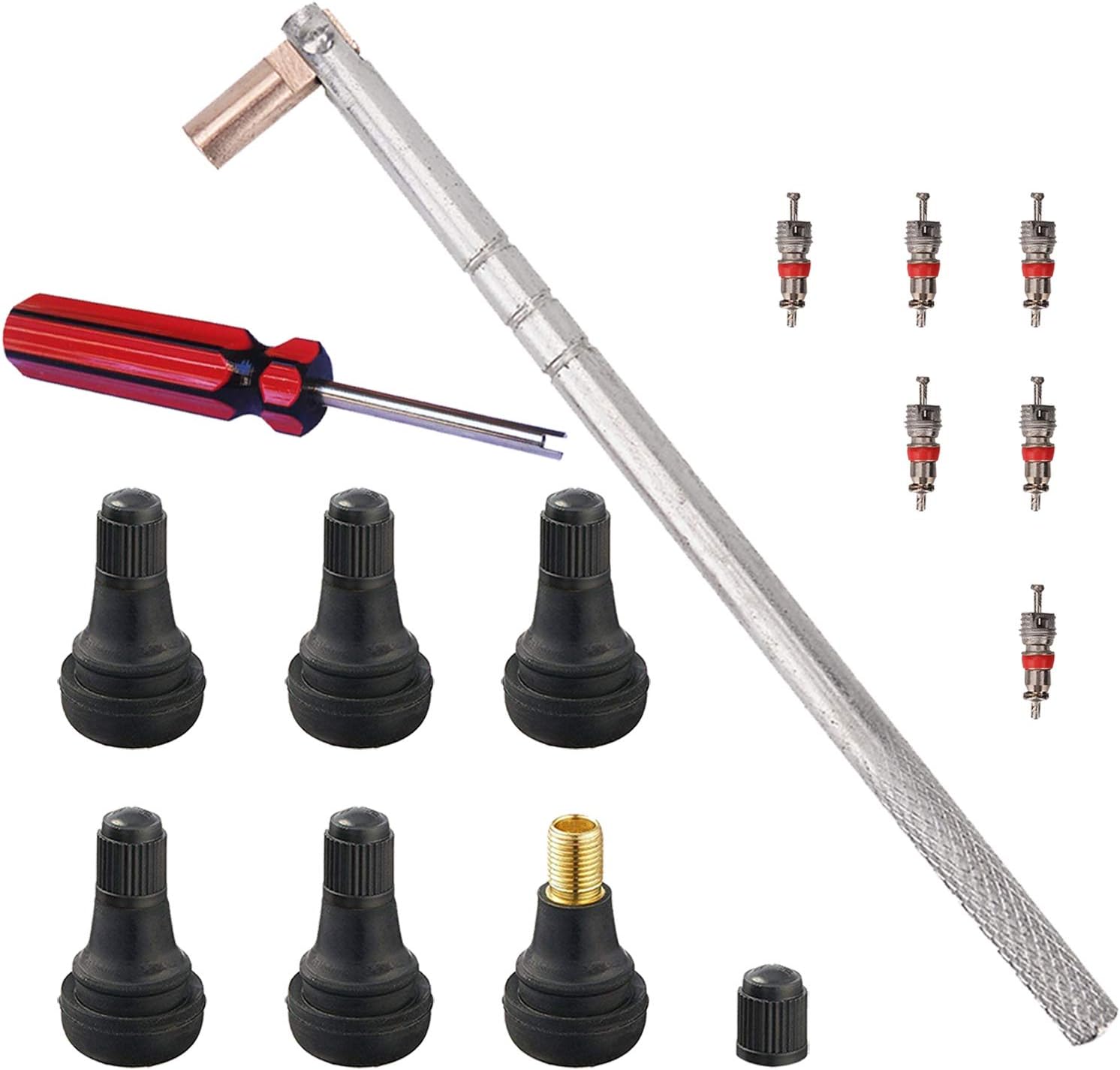
This FEBRYTOLD tire valve stem tool set makes it easy to remove and install standard 0.453 inch snap-in valve stems for tubeless tires. It includes valve stem cores and a single-head valve core remover/installer tool to help you complete repairs quickly. Designed to help avoid scratching wheels and damaging valve stems during service.
How It Compares to Alternatives
Slime Prevent and Repair Tire Sealant is widely available and works well for buyers who mainly need tread-area protection in mower and ATV tires. TireJect is the stronger fit when sidewall coverage and bead-leak sealing are important within a low-speed off-road setup.
FlatOut QuickStrike Off-Road is worth comparing when you want a larger bottle or a formula marketed for bigger puncture capacity. TireJect makes the most sense when you prefer a compact 10-ounce kit, a thin full-coverage formula, and the included valve-stem installation parts.
[Products Worth Considering]
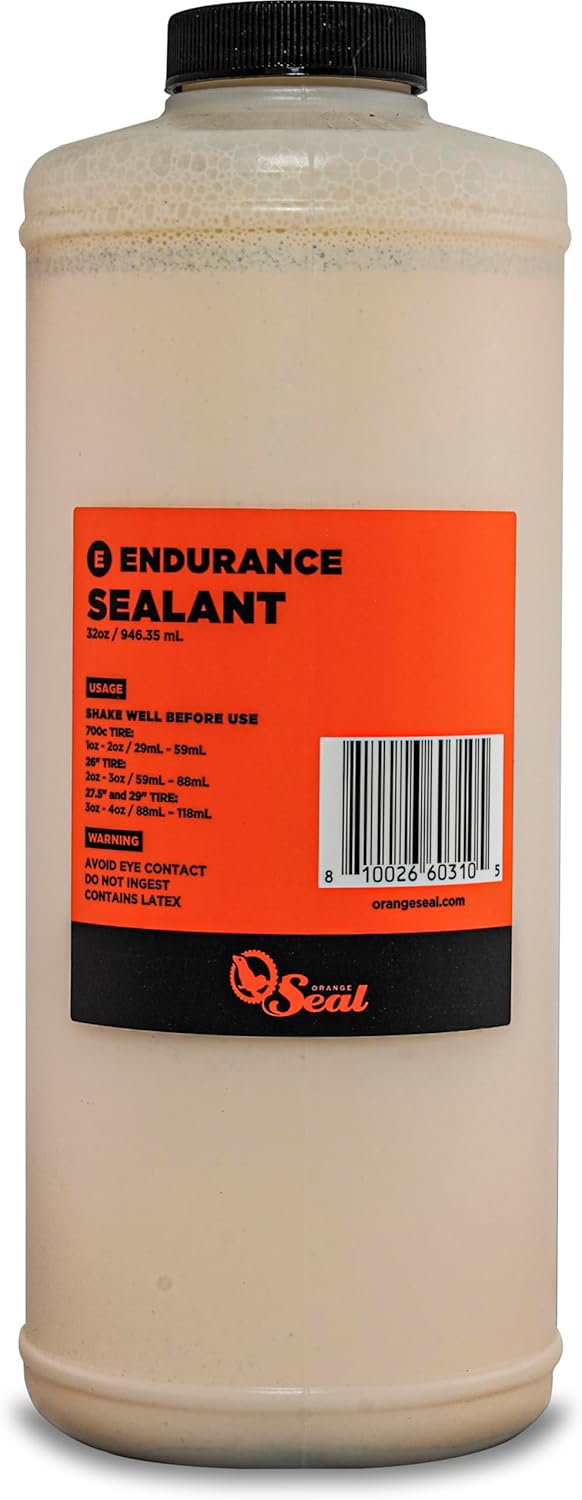
Orange Seal Endurance Formula delivers long-lasting latex protection with a durable sealant that can stay effective for 60–120 days between top-offs. It uses nanite particles to rapidly seal punctures up to 1/4" and slices up to 1/2", helping maintain reliable tubeless performance across MTB, road, CX, and gravel conditions. The biodegradable formula is engineered to work across major tubeless-ready and UST brands and a wide range of rubber compounds.
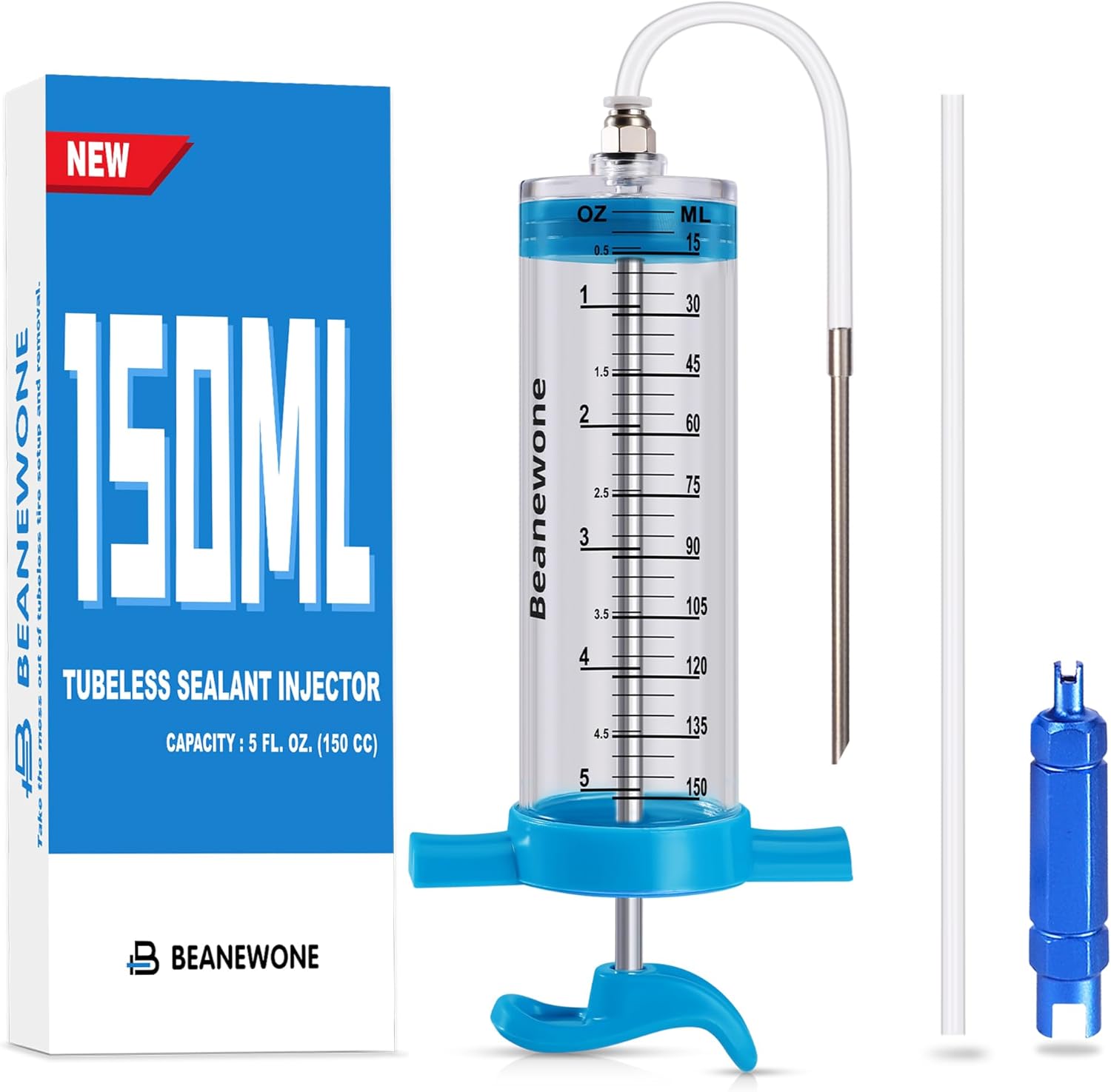
Make tubeless sealant installs faster and cleaner with this 150ml injector and clear measurement body. It connects and disconnects with a simple push-to-connector, then injects sealant directly into Schrader or Presta valve stems after removing the valve core. Includes a valve core remover tool to help you prepare and seal tires with less mess.

Replace or upgrade your zero-turn lawn mower tires with a universal fit flat-free tire and wheel assembly in a convenient 2-pack. Smooth tread front-caster style helps turning with reduced turf damage, while flat-free design eliminates the maintenance and downtime of air-filled flats. The included adapter kit supports 5/8-inch axles and hub lengths from 3.4 to 5 inches for compatibility across most ZTR mowers.
Frequently Asked Questions
Does TireJect work in cold weather conditions?
The off-road formula can remain useful in changing temperatures, but pressure still drops as temperatures fall and the sealant must be mixed and distributed correctly. Store the closed container according to the label, shake it thoroughly, and check tire pressure instead of assuming the seal has eliminated routine maintenance.
How long does TireJect remain effective in a tire?
Service life varies with tire size, dosage, climate, storage, and how often the equipment runs. Check pressure regularly and follow the current package directions for inspection and reapplication rather than relying on a fixed time estimate.
Can TireJect Off-Road be used with tire-pressure monitoring systems?
No. The 10-ounce Off-Road kit is not the TireJect formula intended for TPMS-equipped highway vehicles. Choose the brand’s separate automotive product when the vehicle and tire meet its directions.
Will TireJect affect wheel balance or ride quality?
The low-viscosity formula is designed to spread around the tire instead of remaining as a heavy lump. Correct dosage is still essential because adding more liquid than the guide calls for can create unnecessary rotating weight and may affect how the tire feels.
Is TireJect washable from tire and wheel surfaces?
TireJect describes the formula as water-soluble. Fresh residue should be cleaned promptly with water and a cloth, and you should tell a tire technician that sealant is inside before service begins.
Is 10 ounces enough for my tire?
It is enough for one ATV or UTV tire up to 27×9 and for one rear mower tire up to 24×12 under TireJect’s current guide. Larger ATV, UTV, tractor, and skid-steer tires need more, so match the tire’s full sidewall size to the dosage chart before buying.
Can this replace a proper tire repair or replacement?
No. It can seal air-loss paths in a suitable low-speed off-road tire, but it cannot rebuild damaged cords, repair a bent or corroded rim, or make severe dry rot safe. Replace the tire or seek qualified inspection when damage is structural or the leak continues.
The Bottom Line
The TireJect Off-Road Tire Sealant Kit is a strong choice for correctly sized tubeless ATV, UTV, mower, golf-cart, and small-equipment tires with common punctures, bead leaks, or slow air loss. Skip it for TPMS-equipped highway vehicles, oversized tires that need more than 10 ounces, or any tire with structural damage. Its best feature is broad internal coverage, while its main limitation is the need to match the formula and dosage to the exact tire.
Ready to Buy?
Check the latest price, kit size, and product details before you decide.