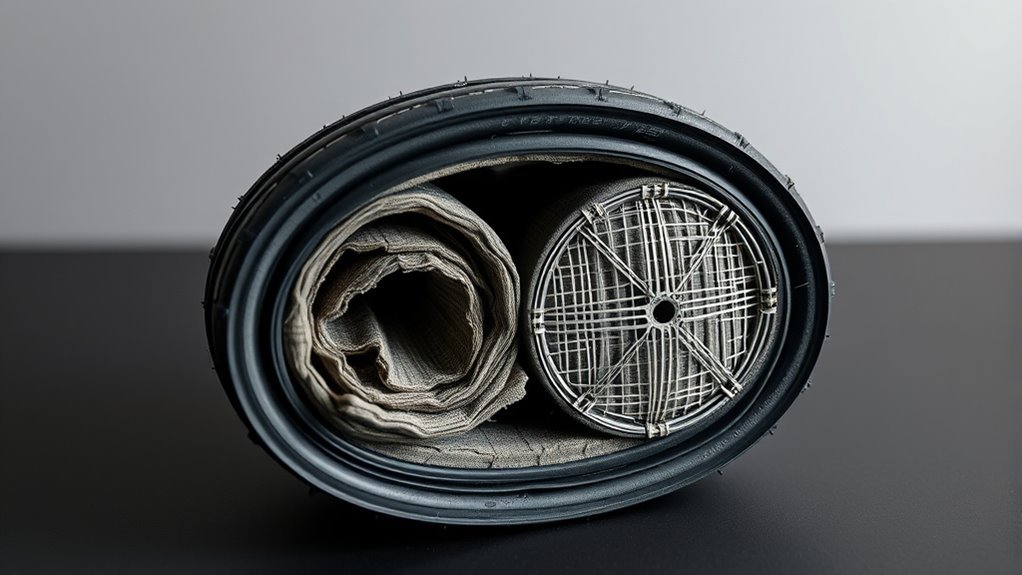
Choosing tire TPI can feel simple until the same number rides very differently across two brands. A high thread count can make a tire feel fast and smooth, but casing material, rubber thickness, and protection layers can change the result. This guide explains what TPI means, how it affects ride feel, and how you can choose the right casing for road, gravel, commuting, and mountain biking.
Quick Answer
Threads per inch (TPI) tells you how many fabric threads sit in one inch of a tire casing. Higher TPI usually gives you a lighter, more supple tire with lower rolling resistance. Lower TPI usually gives you a tougher casing with more support and cut resistance. Use TPI as one clue, not the only factor, because rubber, casing material, and protection layers also shape performance.
Key Takeaways
- Choose higher TPI when you want a lighter, smoother, faster-feeling tire.
- Choose lower TPI when you need more durability, sidewall support, and cut resistance.
- Compare TPI with casing material, rubber thickness, tread compound, and protection layers.
- Check how each brand counts TPI because some brands add the count from multiple plies.
- Test tires at the same pressure and route before you trust marketing claims.
Who This Guide Is For
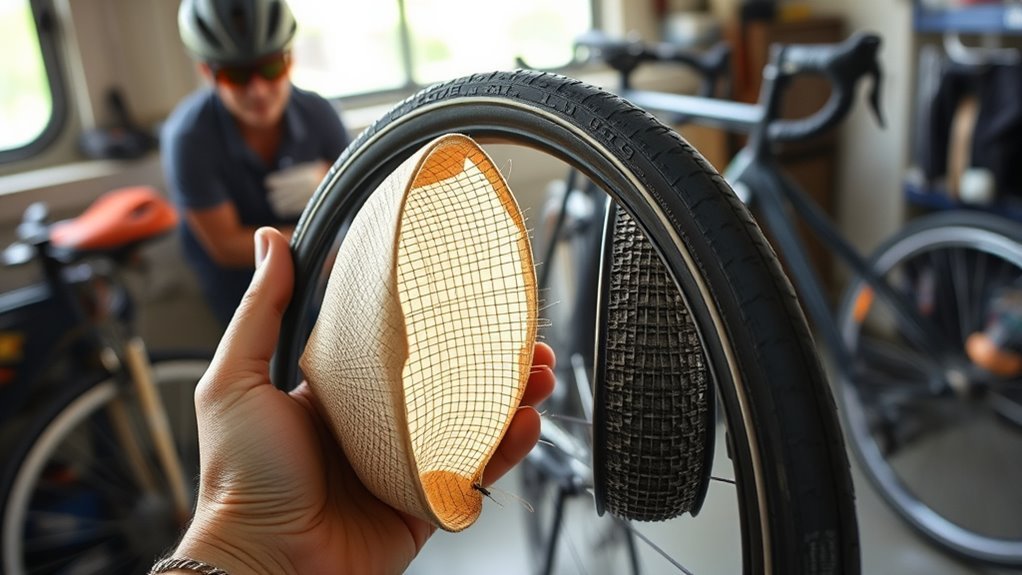
This guide helps you understand how tire casing and threads per inch (TPI) affect ride quality, speed, and durability. You may want more comfort on rough roads, fewer flats during daily rides, or a faster tire for racing.
You’ll learn how high-TPI and low-TPI casings differ in feel, weight, rolling resistance, and protection. You’ll also see why TPI alone can mislead you when brands use different materials and casing designs.
Use this guide to match your tires to your riding goals. Pick supple casings when speed and road feel matter most, or choose tougher casings when puncture resistance and long tread life matter more.
What TPI (Threads Per Inch) Actually Measures
TPI counts the number of fabric threads in one inch of tire casing. A higher TPI number means the casing uses more, finer threads in that space.
You can think of TPI as a measure of casing fabric density. Many brands list the number in their tire specs, but they may count layers in different ways.
Some brands count each casing ply and add the totals together. For example, a tire listed as 300 TPI may use three overlapping 100-TPI plies. Compare TPI with casing construction, not as a stand-alone grade.
What TPI Counts
TPI counts the individual yarns woven through one linear inch of casing fabric. That count affects how the casing bends, supports the tire, and carries rubber.
Higher TPI casings use finer threads and often feel lighter and more supple. Lower TPI casings use thicker threads and often feel firmer, heavier, and tougher.
Typical nylon casings often fall around 60 to 120 TPI, while some cotton race casings exceed 250 TPI. Use these ranges as context, not as a strict ranking.
How TPI Is Measured
Manufacturers measure TPI by counting casing yarns across one inch of fabric. In practice, you will usually rely on the published tire spec.
Brand methods can differ. One company may list the count for one casing layer, while another may add the counts from several layers.
Common durability-focused tires often use 30 to 60 TPI casings. Performance road tires often use 90 to 120 TPI or higher. Cotton and premium race casings may sit above those ranges.
Note: Treat TPI as a casing clue, not as a full rating for comfort, speed, or flat protection.
How TPI Affects Ride Feel, Rolling Resistance, and Weight
Higher TPI tires usually feel more supple because finer threads flex more easily. That flex helps the tire conform to small road texture, which can improve comfort and grip.
A more flexible casing can also reduce rolling resistance because it wastes less energy as it bends. You may feel that as easier acceleration, smoother climbing, or better feedback through the bike.
Higher TPI casings often weigh less because finer threads need less rubber to coat them. The trade-off comes from thinner materials, which can need extra protection to resist cuts and punctures.
| Attribute | High TPI | Low TPI |
|---|---|---|
| Ride feel | More supple | Firmer |
| Rolling resistance | Usually lower | Usually higher |
| Weight | Usually lower | Usually higher |
| Durability | Depends on protection layers | Often higher |
| Best fit | Fast roads and race use | Rough roads and daily use |
Why TPI Isn’t the Whole Story: Rubber, Protection Layers, and Materials
TPI gives you a baseline for casing fineness, but rubber thickness and compound also shape ride quality. A thick rubber layer can make even a high-TPI casing feel stiff.
Protection layers can change puncture resistance without changing TPI. Brands may use woven belts, aramid strips, extra rubber, or polymer inserts to protect the casing.
Casing material also matters. Nylon, cotton, polyester, silk, and blended fabrics each affect weight, flex, wear life, and cut resistance in different ways.
[Products Worth Considering]

The Tyre Glider is the original clip-on bicycle tyre lever designed to glide tyres on and off with controlled, effortless use. Its reinforced, glass-filled nylon construction helps it withstand high forces without snapping, while the smooth polymer surface protects rims and tubes. Universal compatibility makes it suitable for a wide range of tyres, including road, MTB, and gravel, for both tubed and tubeless setups.

Switch to tubeless with this Muc-Off rim tape designed to create an airtight seal for smooth-running setups. The pressure-sensitive adhesive offers the right stretch for strength and durability, while the semi-transparent material helps you locate the valve hole quickly. It includes four seal patches for a secure finishing seal after wrapping.
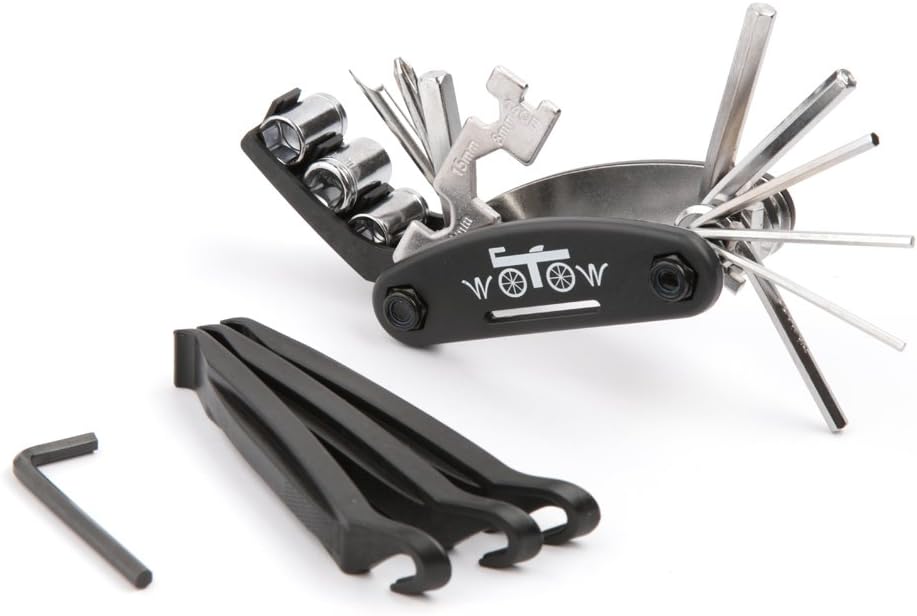
This WOTOW 16-in-1 bicycle multitool is built from corrosion-resistant chrome-vanadium steel for reliable, high-torque performance on the road or trail. It includes multiple hex sizes, a socket extension rod, flat wrench options, a spoke tool, a slot and cross screwdriver, plus three nylon tire levers to help you remove inner tubes and fix flats quickly. The compact folded design makes it easy to carry in a saddlebag or pocket, while an extra Allen wrench helps tighten or loosen stubborn hardware.
Rubber Thickness Matters
Rubber coating thickness affects casing stiffness, comfort, and puncture resistance. More rubber often improves cut resistance and wear life, but it can make the tire feel firmer.
Many high-TPI tires use thinner rubber to preserve a soft, responsive ride. That design can reduce weight, but it may also reduce long-term durability.
Rubber compound changes the balance too. Softer compounds often grip better, while harder compounds usually last longer.
Protective Layer Types
Protection layers help explain why two tires with the same TPI can perform very differently. Belts, inserts, and composite weaves can improve puncture resistance, cut resistance, or sidewall support.
These layers add weight and may make the tire feel less supple. Still, they can make sense if you ride rough roads, sharp gravel, or debris-filled city routes.
Look for details about the belt material, sidewall protection, and tread thickness. Those features often tell you more about flat resistance than TPI alone.
Material and Weave
A tire casing works like a layered fabric composite. The base material, weave pattern, rubber coating, and protection layers all shape how the tire feels.
Nylon often offers strong durability and good value. Cotton and silk can feel more supple, but they may cost more and need more care.
A tight weave can raise TPI, but it does not always make the casing softer. Read the full construction spec before you judge a tire by one number.
TPI, Puncture Resistance, and Sidewall Stability
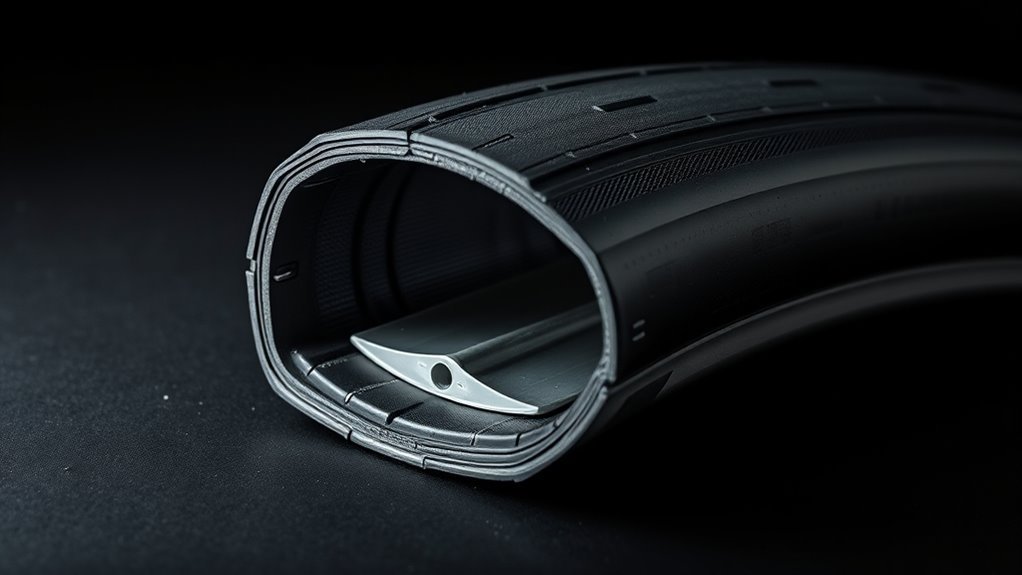
TPI affects how a casing balances comfort, speed, puncture resistance, and sidewall support. Higher TPI uses finer threads for a smoother ride, but those finer threads may need added protection.
Lower TPI uses thicker, coarser threads. That structure can improve cut resistance, impact tolerance, and casing support on rough terrain.
Sidewall stability matters most when you corner hard, ride low pressure, or hit rocks and roots. A tougher casing can hold its shape better, even if it feels less lively.
Warning: Very light high-TPI tires can cut more easily on sharp gravel, glass, rocks, and urban debris.
Choosing the Right TPI for Road, Gravel, Commuter, and MTB
Choose TPI by terrain first. Smooth roads reward lighter, more supple casings, while rough trails and city streets reward support and protection.
For road riding, a 90 to 120+ TPI casing often gives you a smooth and fast feel. Racers may prefer even finer cotton or premium casings when speed matters more than cut resistance.
For gravel, a 60 to 120 TPI range often balances comfort and protection. Choose the lower end for sharp stones and loaded rides, or the higher end for smoother mixed surfaces.
For commuting, a 30 to 60 TPI casing can make sense because daily routes often include glass, potholes, and curb strikes. For mountain biking, 30 to 60 TPI casings often add sidewall support and impact tolerance on rough trails.
Pro tip: Start with your terrain, then choose the lightest casing that still gives you enough flat protection.
[Products Worth Considering]

The Continental Grand Prix 5000 is an allround road bike tire engineered for faster rolling, improved ride comfort, and enhanced puncture protection. It features a Vectran Breaker cut-protection layer, Lazer Grip micro-profile tread for confident cornering control, and Active Comfort Technology to damp vibration for smoother rides. BlackChili compound optimizes grip and speed for everyday performance and long-lasting confidence.
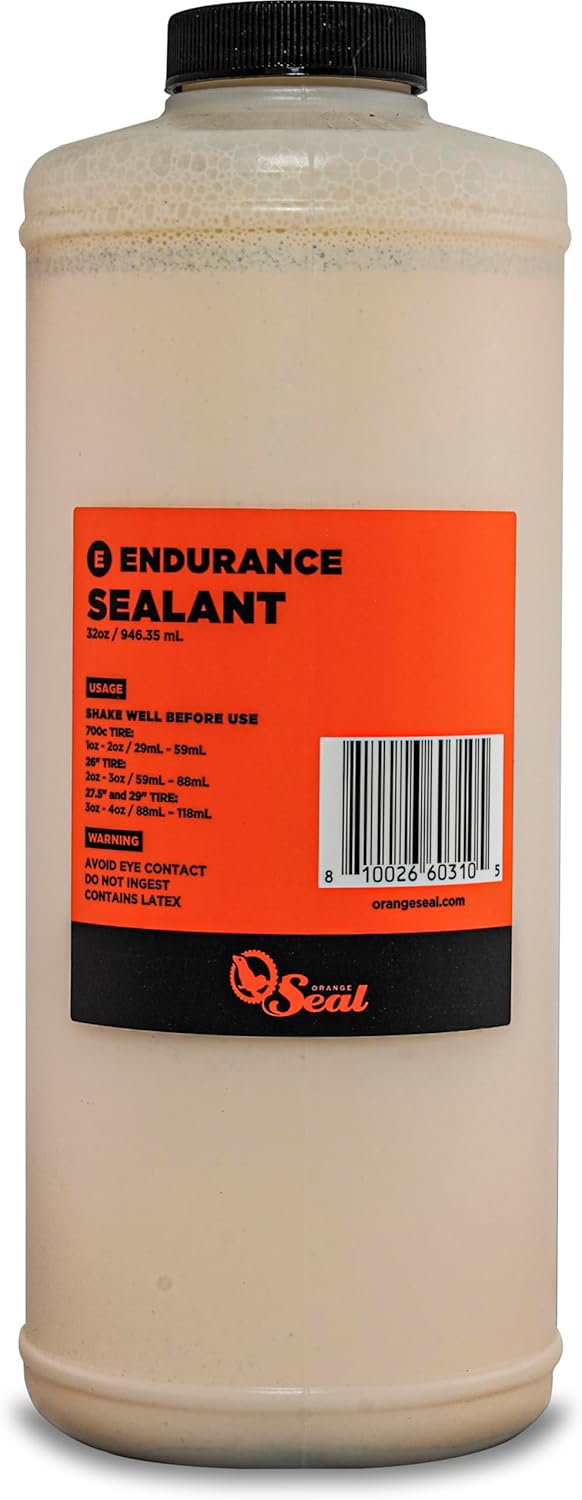
Orange Seal Endurance Formula delivers long-lasting latex protection with a durable sealant that can stay effective for 60–120 days between top-offs. It uses nanite particles to rapidly seal punctures up to 1/4" and slices up to 1/2", helping maintain reliable tubeless performance across MTB, road, CX, and gravel conditions. The biodegradable formula is engineered to work across major tubeless-ready and UST brands and a wide range of rubber compounds.

Get back on the road fast with this bike frame bag repair kit, featuring a 120 PSI mini pump, a 16 in 1 multi-function tool, and a glueless tire patch kit. The compact triangle bag provides 2L storage for essentials like phone, keys, and tools, while the included rasp and tire levers make quick flat repairs possible. Designed for commuting and trail riding, it supports both Presta and Schrader valves for versatile emergency inflation.
TPI and Tire Formats: Tubeless, Folding Beads, and Multi-Ply Casings
Tire format changes how TPI affects the ride. Tubeless and folding-bead tires often use higher-TPI casings to save weight and improve ride feel.
Tubeless tires also rely on airtight casing and bead design. TPI can help, but sealant, rim fit, bead shape, and casing coating all affect how well the tire holds air.
Folding beads usually reduce weight compared with wire beads. Multi-ply casings may combine layers with different TPI counts to balance comfort and protection.
Be careful when you compare multi-ply claims. A tire listed as 330 TPI may use three 110-TPI layers, which can feel different from one fine 120-TPI casing.
[Products Worth Considering]
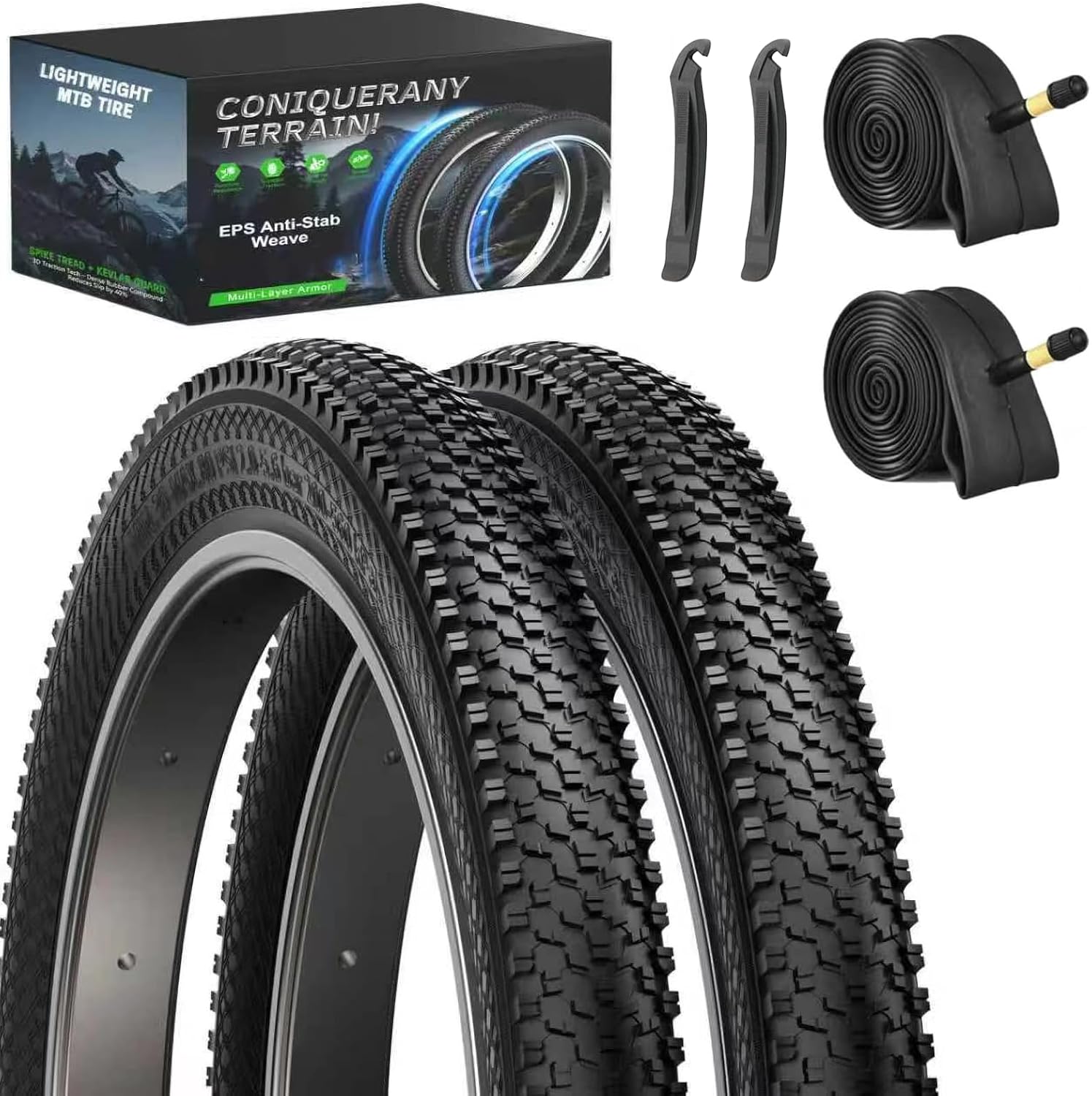
This 2-pack set includes two folding mountain bike tires, two inner tubes, and two tire levers for quick, budget-friendly replacements. The tires feature an anti-stab weave for added protection, plus strong grip and durable construction to help you stay stable across common trail and road conditions. Foldable design makes storage and travel convenient, while the included tubes provide a matched fit for smoother setup.

This 61-piece tire repair screw kit helps you fix punctures quickly by aligning the screw plugs and twisting clockwise, finishing the repair in seconds. The self-sealing plugs create a reliable seal for many roadside situations without needing a jack, wrench, or glue. It includes two plug sizes and a screwdriver in a portable case, making it a convenient option for cars, motorcycles, trucks, bikes, ATVs, and tractors.

The Airmoto portable tire inflator quickly and accurately fills car, truck, SUV, motorcycle, and bicycle tires up to 120 PSI with auto shut-off when your target pressure is reached. Its large LCD, multi-unit pressure display, and digital gauge make it easy to dial in settings and verify readings, while the built-in LED flashlight helps in low light. The included polyurethane hard carrying case and storage mesh pocket keep the inflator and accessories protected and organized.
Comparing TPI Claims Across Brands and What to Test on Real Rides
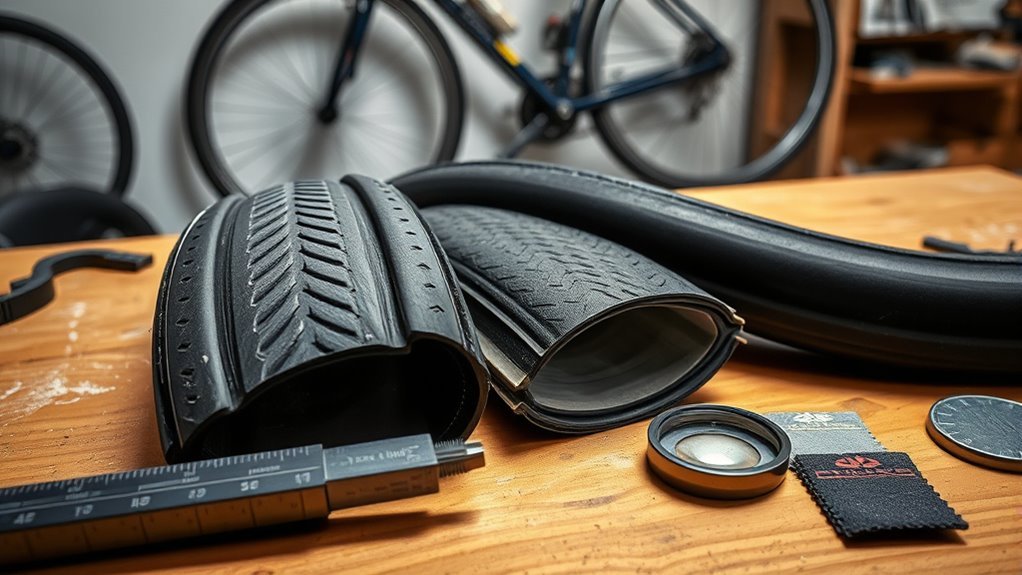
TPI numbers help you compare tire families, but brand claims can hide key details. Always check whether the brand counts one casing layer or several layers together.
Compare casing material, tread thickness, puncture belt, sidewall protection, and measured weight. These details often explain why one tire feels fast while another feels tough.
Test tires on the same route, pressure, rider load, and weather when you can. Track comfort, cornering feel, rolling speed, cuts, air loss, and flat frequency.
Your notes matter because tire feel depends on your roads, weight, bike setup, and pressure. A repeatable test helps you choose based on ride results, not only on the spec sheet.
Common Mistakes When Choosing Tire TPI
The biggest mistake is assuming higher TPI always means a better tire. A high-TPI casing can feel great, but it may not suit rough routes or heavy loads.
Another mistake is ignoring tire pressure. A tough low-TPI tire at the right pressure may feel better than a supple high-TPI tire inflated too hard.
Don’t compare TPI across brands without checking ply counts and materials. One brand’s 120 TPI may not ride like another brand’s 120 TPI.
Frequently Asked Questions
Is 60 TPI or 120 TPI better?
Choose 120 TPI if you want a smoother, lighter, faster-feeling tire for cleaner roads. Choose 60 TPI if you want more durability, support, and puncture resistance for rougher use.
Is higher or lower TPI better?
Higher TPI works better for speed and comfort when the route stays fairly smooth. Lower TPI works better for durability, sidewall support, and harsh surfaces.
Does TPI matter for tubeless tires?
TPI matters, but it does not decide tubeless performance by itself. Rim fit, bead shape, casing coating, sealant, and pressure all affect sealing and ride feel.
Can a low-TPI tire roll fast?
Yes, a low-TPI tire can still roll well if it uses a good tread compound and casing design. It may not feel as supple as a high-TPI tire, but it can offer better support and protection.
Why do brands list different TPI numbers?
Brands may count TPI in different ways. Some list one casing layer, while others add the thread count from multiple plies.
Conclusion
TPI matters because it shapes how a tire flexes, weighs, grips, and resists damage. Match the casing to your terrain, not to the biggest number on the sidewall.
Choose high TPI for speed and comfort on smoother routes. Choose lower TPI when you need toughness, sidewall support, and fewer flats.
Before you buy, compare TPI with rubber, casing material, protection layers, bead type, and real ride feedback. The right tire should make your bike feel confident, efficient, and ready for the roads you actually ride.