
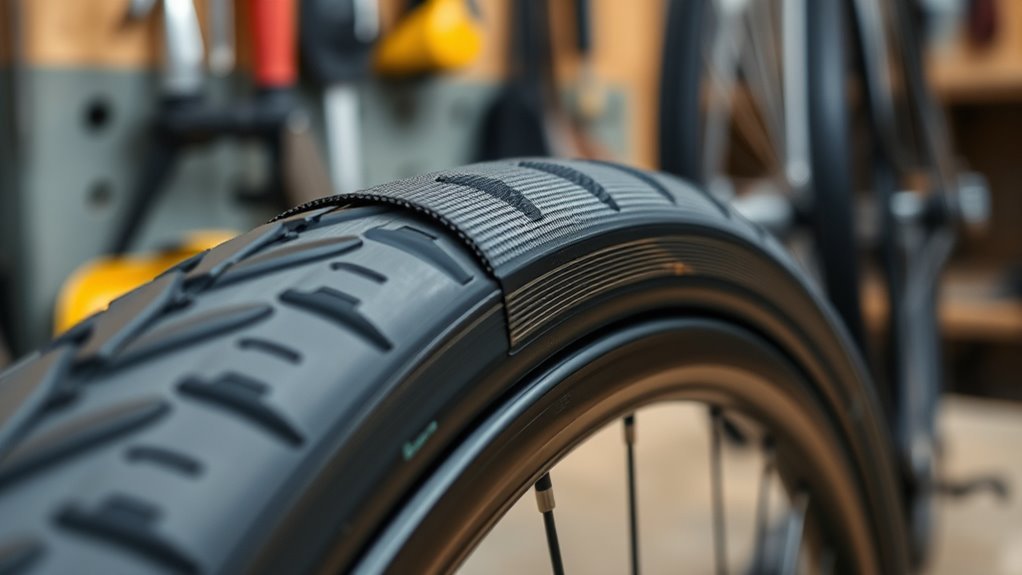
Threads per inch, or TPI, measures how many casing threads cross one inch of a tire. Higher TPI usually means finer yarns and a more supple carcass. Lower TPI usually means thicker yarns and a stiffer, tougher casing. TPI works with thread diameter, casing material, and rubber thickness to shape flex, rolling resistance, and cut resistance. High TPI helps comfort and speed on smooth surfaces, while low TPI usually improves durability on rough ground.
Quick Answer
- Higher TPI usually feels smoother and rolls more easily.
- Lower TPI usually adds strength and puncture resistance.
- TPI is only one part of the tire. Casing material, rubber thickness, and extra protection matter too.
- Road tires often favor higher TPI. Gravel, MTB, and commuter tires often favor tougher, lower-TPI builds.
What TPI Actually Means for a Tire’s Casing
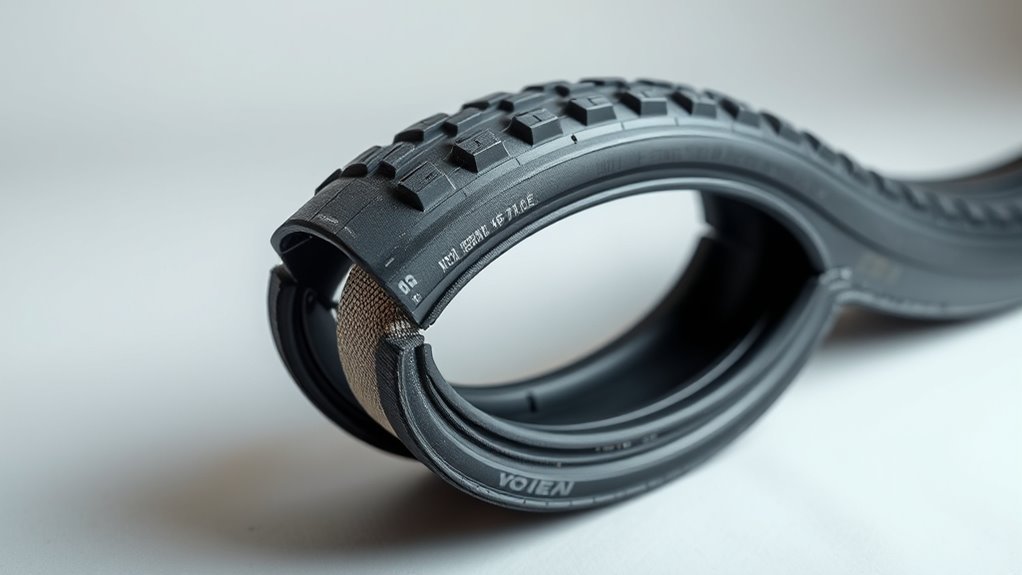
Threads per inch, or TPI, measures how many individual threads cross a one-inch span of a tire’s casing. It affects casing flex and weight. Higher TPI usually means finer, more tightly woven threads, which can make the carcass lighter and more supple. Lower TPI usually means thicker yarns, which often makes the casing stiffer and more resistant to cuts and wear. Vittoria notes that nylon casings can run from 26 to 220 TPI, while cotton and corespun casings can run from 220 to 320 TPI. TPI is only part of the picture, though. Layer count, rubber coating thickness, and protective inserts also shape how a tire rides.
How TPI, Thread Diameter & Rubber Affect Suppleness
Anyone who looks closely at tire construction will see that TPI, thread diameter, and rubber thickness work together. Higher TPI often comes from thinner yarns, which lets the tire flex more and conform better to the road or trail. Larger threads increase stiffness even at similar counts. A thick rubber skim can also hide some of the benefits of a supple casing. Material choice matters too. Nylon, cotton, and corespun all behave a little differently, so you should look at the full construction instead of TPI alone.
| Factor | Effect on Suppleness | Practical Note |
|---|---|---|
| TPI | + flex with finer yarns | Check weave |
| Thread diameter | + stiffness if larger | Measure thread |
| Rubber thickness | + rigidity when thick | Mind compound |
When High TPI Helps : And When It Doesn’t
A high-TPI casing can improve ride comfort and rolling efficiency on smooth, fast surfaces because finer yarns let the tire flex and follow the road with less shock. That said, the trade-off is real. Finer threads can reduce basic toughness, so puncture resistance and sidewall durability may suffer unless the maker adds protection layers or tougher materials. On rough roads and mixed terrain, lower-TPI casings usually hold up better and resist cuts more effectively.
[Products Worth Considering]

Steelman white tire marking crayons provide high-contrast, semi-permanent marks for repairing and inspecting tires and equipment. They write on wet or dry, smooth or coarse surfaces including rubber, metal, glass, and wood, making them ideal for puncture location and damage outlining. The lead- and zinc-free crayons resist weather and fading yet wipe away when you no longer need the marks.

The Continental Grand Prix 5000 is an allround road bike tire engineered for faster rolling, improved ride comfort, and enhanced puncture protection. It features a Vectran Breaker cut-protection layer, Lazer Grip micro-profile tread for confident cornering control, and Active Comfort Technology to damp vibration for smoother rides. BlackChili compound optimizes grip and speed for everyday performance and long-lasting confidence.

Upgrade your ride with a 2-pack set of 26x1.95 folding mountain bike tires built for dependable traction on mud, rocks, and trail surfaces. A reinforced puncture-resistant layer helps protect against sharp debris, while included butyl inner tubes provide strong sealing and shock absorption. Ready for fast swaps with included tire levers and universal sizing for most bikes.
Choosing TPI by Riding Type: Road, Gravel, MTB, Commuter
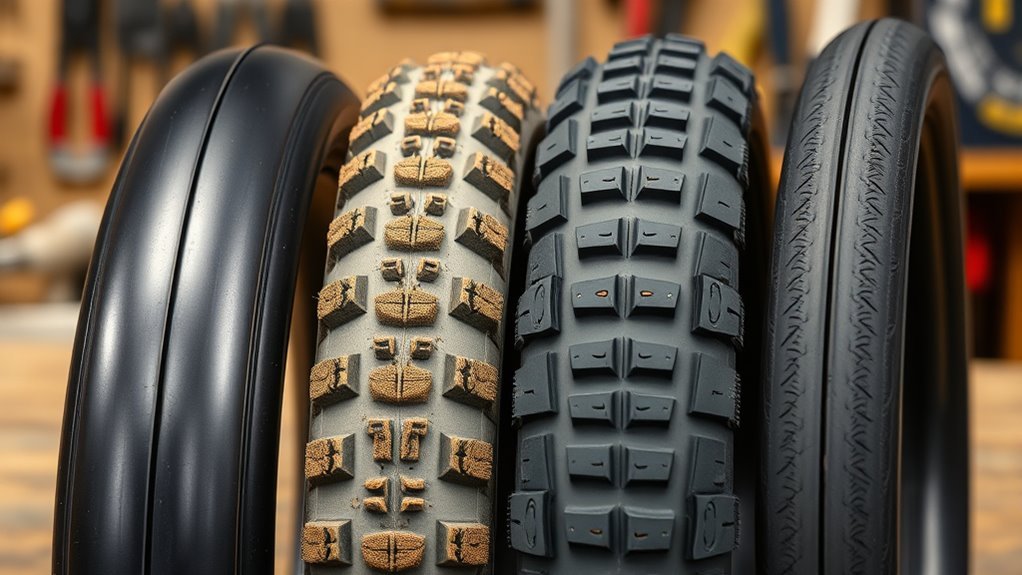
Match TPI to the terrain and the job. Road riders usually want a more supple casing for speed, comfort, and lower rolling resistance on pavement. Gravel riders often need a middle ground, with enough flex for comfort and enough strength for mixed surfaces. MTB and commuter tires usually lean tougher, because sharp rocks, roots, potholes, and curb hits put more stress on the casing. Fat bike tires often use lower-TPI builds too, since flotation and durability matter more than maximum suppleness.
[Products Worth Considering]

Protect your inner tube with this universal bike tire liner designed to block thorns, glass, nails, and sharp trail debris. It installs easily by measuring and trimming to fit, creating a durable barrier between tire and tube. Lightweight polyurethane construction helps reduce sudden flats for more confident rides.

Upgrade your tire inflating setup with this 12-inch hose adapter featuring a brass locking quick-connect chuck for secure, leak-proof attachment. The extended, flexible design helps reach hard-to-access valve stems, while the self-locking mechanism enables hands-free inflation with no pressure loss. It’s compatible with most portable air compressors and inflators, making it ideal for cars, trucks, motorcycles, and bicycles.

Built for smooth-trail to technical single-track riding, these Blackburn mountain bike tires deliver superior traction and ultimate control with an optimized knobby tread. A protective layer under the tread enhances strength and puncture resistance, helping you stay confident on rough terrain. The carbon steel bead makes folding and unfolding the tire easier without damage.
Quick TPI Checks To Ask Before You Buy
Start by checking the stated TPI number and how the maker measures it. Ask whether the number refers to one ply or the whole casing. Then check the casing material, the layer count, and any added protection such as sidewall inserts or anti-puncture belts. If the listing leaves out those details, the tire is harder to judge fairly. The best choice is the one that matches the terrain, not the biggest number on the page.
If a seller gives only a marketing claim and no real construction details, that is a warning sign. Clear specs usually make it easier to compare models on equal terms.
[Products Worth Considering]

This tire repair screw set includes self-tapping plugs and a screwdriver to help you quickly complete tubeless tire repairs for many vehicle types. The set provides two rubber screw diameters for different puncture needs and uses a sealant-coated screw tip to help prevent air leakage and water entry. It’s designed for secure fixing with wear-resistant metal-and-rubber construction.

Rubber Care delivers a beautiful dark black satin/matte finish on tires and other rubber or plastic surfaces, drying to the touch without oily shine. Its ceramic aircraft-grade formula helps repel dirt and brake dust residue, keeping surfaces cleaner longer. Triple nano ceramic polymer technology provides best-in-industry UV protection, restoring and protecting rubber while also working on weather stripping and de-ice boot care.

Switch to tubeless with this Muc-Off rim tape designed to create an airtight seal for smooth-running setups. The pressure-sensitive adhesive offers the right stretch for strength and durability, while the semi-transparent material helps you locate the valve hole quickly. It includes four seal patches for a secure finishing seal after wrapping.
Frequently Asked Questions
Is 60 Tpi or 120 Tpi Better?
Neither is always better. 60 TPI usually favors durability and puncture resistance, while 120 TPI usually gives a more supple feel and better ride quality.
Is Higher Tpi Better?
Usually yes, but not always. Higher TPI often improves comfort and lowers rolling resistance, yet it can reduce toughness.
Is More Tpi Better?
No. More TPI often helps ride feel, but the right choice still depends on terrain, casing material, and protection layers.
What Is 120TPI Mean?
120 TPI means the tire casing has 120 threads per inch. It usually points to a more supple casing, not a better tire in every case.
Conclusion
Think of TPI like the weave in a fabric. Higher counts usually make the casing finer and more flexible. Lower counts usually make it coarser and tougher. Road riders often lean toward higher TPI, while rough-surface and puncture-priority riders usually want stronger casings. The tire label tells part of the story. The rest comes from casing material, rubber, and protection layers.
