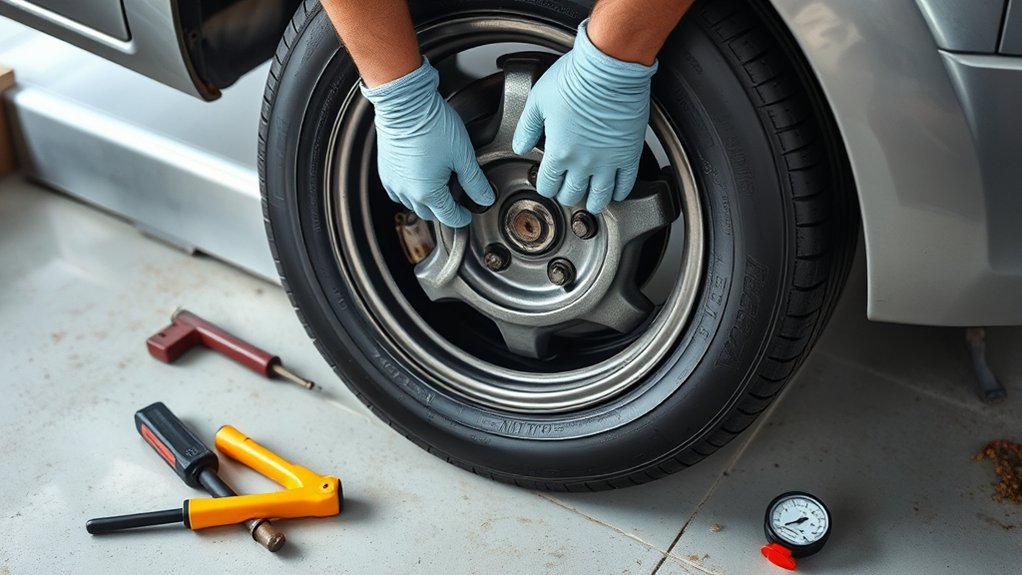
If your car has been booted, don’t drive it or try to force the device off. A car boot, also called a wheel clamp, is a vehicle-immobilization device used by government agencies and, in some places, authorized private parking operators. Your safest next move is to identify who installed it, photograph the notice and surrounding signs, check how quickly the vehicle could be towed, and follow the official release or dispute process.
Quick Answer
If your car is booted, do not drive it or force the device off. Photograph the boot and signs, identify the issuing agency or authorized company, read the notice, and follow its release or dispute process immediately. Fees, deadlines, and appeal rights vary by location; some vehicles can be towed within hours.
Key Takeaways
- A tire boot or wheel clamp immobilizes a vehicle and may be used for unpaid government parking debt, illegal parking, or violations of private-property parking rules.
- Do not drive the vehicle, pry off the boot, cut it, or remove the wheel unless the issuer specifically authorizes a self-release procedure.
- Identify the issuer, photograph the boot, notice, signs, vehicle position, parking receipt, and any existing damage before arranging release.
- Check the towing deadline immediately. A boot is sometimes only the first step before towing and additional fees.
- There is no reliable nationwide boot-removal price. Government and private-property fees vary by jurisdiction.
- When a boot appears improper, preserve evidence and use the applicable dispute, hearing, consumer-complaint, or refund process without ignoring release deadlines.
At a Glance
| Time Required | Varies by issuer; start immediately because towing deadlines may apply. |
| Difficulty | Usually easy to moderate administratively; rules vary by city, state, campus, and private property. |
| Tools Needed | Phone, camera, boot notice, license plate or citation details, parking receipt or permit, and an accepted payment method if payment is required. No physical removal tools. |
| Cost | No national standard. The boot fee, unpaid tickets, parking charges, tow fees, storage, and administrative fees depend on the jurisdiction and circumstances. |
Warning: Do not try to drive a booted vehicle. Do not pry, cut, drill, deflate the tire, or remove the wheel to defeat the boot. You can damage the tire, wheel, suspension, bodywork, or the device itself, and unauthorized tampering may create additional civil or criminal consequences under local law.
What Is a Car Boot?
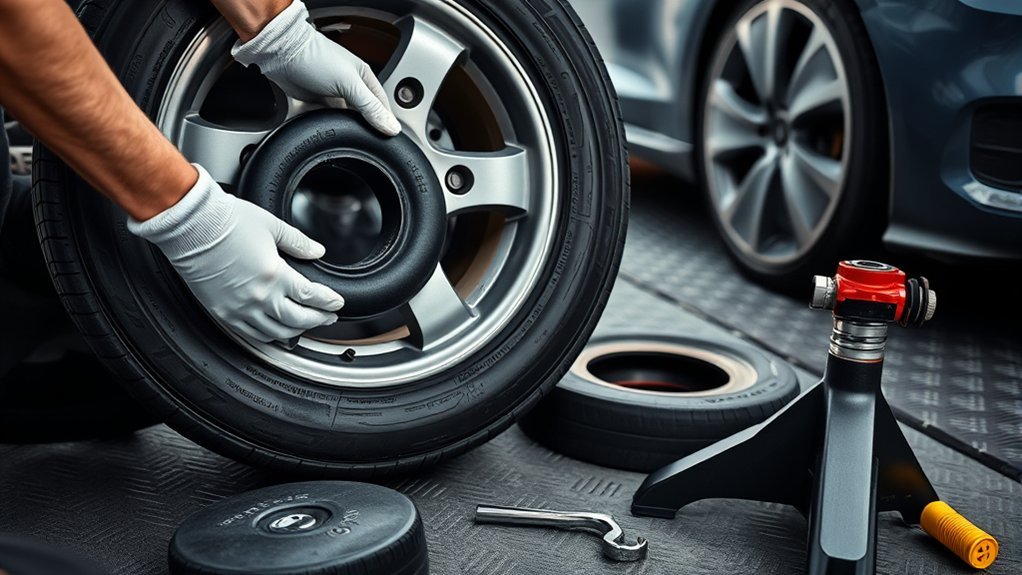
A car boot, also called a wheel clamp, is a mechanical device designed to immobilize a vehicle so it cannot be driven normally. A traditional boot attaches to a tire or wheel and blocks movement.
Boots can be used for different reasons. A city or other government agency may immobilize a vehicle because of unpaid parking or camera-violation debt, illegal parking, or another enforcement condition allowed by local law. On private property, an authorized operator may use a boot when a vehicle violates posted parking rules, but the operator’s authority and required notices depend on state and local law.
Protective surfaces may be built into some wheel clamps to reduce contact damage, but you should not assume the device can be moved without harming the wheel, tire, or vehicle finish.
The boot may remain attached until an authorized worker removes it or until the issuing program gives you permission and instructions to release it yourself. For example, New York City’s sheriff/marshal booting program can issue a release number that the driver enters into a keypad after satisfying the program’s release requirements.
A boot is an enforcement device, not simply an obstruction. Deal with the issuing agency or authorized company instead of trying to defeat the device physically.
If you find one on your vehicle, address the underlying parking or enforcement issue promptly because the booted vehicle may later become eligible for towing.
Government Boots vs. Private-Property Boots
Before paying or disputing anything, determine who placed the boot. Government and private booting programs can have very different rules.
Government or Municipal Boots
A city, police department, sheriff, marshal, university, or other public authority may boot a vehicle under its own parking and enforcement rules. The notice should tell you which agency is responsible and how to resolve the boot.
Requirements are highly local. For example, NYC says sheriff or marshal boots may be used when a registered owner owes more than $350 in qualifying parking or camera judgment debt. Its process, deadlines, payment-plan options, and fees are specific to New York City and should not be assumed to apply elsewhere.
Private-Property Boots
Private booting may be regulated through state laws, city ordinances, licensing rules, signage requirements, contracts with property owners, fee caps, and release-time requirements.
The Georgia Attorney General’s consumer guidance, for example, explains that private-property booting rules can depend on state and municipal requirements. Georgia requires qualifying private booting operators to meet authorization and regulatory requirements, while local jurisdictions may impose additional rules.
Arizona also enacted updated private-property booting requirements in 2026 covering matters such as signs, release procedures, fees, and disputes. These examples show why you should check the law where the boot was installed instead of relying on a general rule found online.
Note: This article provides general information, not legal advice. Vehicle-booting authority, fees, appeal rights, deadlines, and tampering laws vary by state, city, property type, and issuing agency.
Why You Shouldn’t Remove a Car Boot Yourself
You shouldn’t try to physically remove a car boot yourself unless the issuer has specifically authorized you to follow a self-release procedure. The risks usually outweigh any short-term savings.
Prying, cutting, drilling, trying to drive away, or attempting to defeat the clamp by removing the tire can damage the tire, wheel, valve stem, bodywork, or suspension. You can also damage the boot itself.
Unauthorized interference may lead to additional fees or legal consequences depending on local law and who owns the device. As one specific example, NYC warns that damaging one of its sheriff/marshal boots can result in a $500 replacement charge and possible prosecution for property destruction. That is a New York City rule, not a nationwide penalty.
You also do not need specialized boot-removal tools when you use the proper process. Many programs send a technician, officer, or authorized employee to release the vehicle. Others use self-releasing boots and provide an official code after the release conditions are met.
The safest, most practical move is to leave physical removal to the proper authority or use the authorized self-release instructions provided by that authority.
[Products Worth Considering]

Upgrade your wheels with zinc alloy valve stem caps featuring a plated, corrosion-resistant finish and a secure rubber O-ring seal. These caps help protect the valve stem from moisture, snow, and debris while supporting stable tire pressure and safer driving. Designed for easy installation, they replace worn caps and add a distinctive look to your vehicle.

This car D-wheel lock nut key provides an anti-theft solution for D-shaped wheel lock bolts, helping keep your wheels secure. It features a flower-shaped internal pattern that resists micro-adjustment theft while allowing removal and mounting of compatible locking nuts. Made for reliable performance under high torque, it’s easy to use with standard socket wrench turning for quick tire maintenance and emergency repairs.

This professional wheel and rim cleaning brush set lifts brake dust, grime, and dirt with soft, scratch-free microfiber and synthetic wool fibers. The rim brush bends up to 360 degrees for easy access to hard-to-reach areas around spokes, lips, and faces. Ideal for thorough cleaning of car, truck, motorcycle, bicycle, RV, and more wheel and tire surfaces.
What to Do After Your Car Is Booted
Start by identifying who installed the boot. Look for a notice on the windshield or window, identifying information on the device, and parking signs near the vehicle. A legitimate notice should give you a way to contact the responsible agency or company.
Do not rely blindly on a phone number or payment link if something looks altered or suspicious. For a government boot, compare the information with the agency’s official website or published contact information. For private-property booting, compare the company name and number with the parking signs and check any local licensing or regulatory information that applies.
Act quickly: confirm who booted the vehicle, why it was booted, the total amount claimed, the tow deadline, your release options, and your dispute rights before the situation becomes more expensive.
- Do not drive or tamper with the boot. Leave the car where it is unless the issuer instructs otherwise.
- Photograph everything. Take clear pictures of the boot, its identification number, your entire vehicle, the parking space, signs, meter or payment instructions, permit, parking receipt, and any existing wheel or body damage.
- Verify the installer. Determine whether the boot came from a government agency, campus, property owner, or private booting company.
- Confirm why the vehicle was booted. Ask for the citation, unpaid balance, parking violation, or private-lot rule involved.
- Check the tow deadline. Ask specifically how long the vehicle can remain booted before towing or additional charges apply.
- Confirm the exact amount and available options. Ask for an itemized balance, accepted payment methods, payment-plan options, hearing rights, dispute procedures, and refund rules.
- Follow the authorized release process. After satisfying the applicable requirements, an employee may remove the boot or you may receive an authorized release code.
- Keep every record. Save receipts, confirmation numbers, photographs, emails, texts, and the names of people you spoke with.
Paying every outstanding fine immediately is not a universal requirement in every type of boot case. Some jurisdictions require payment or a payment-plan arrangement for release; others allow particular citations to be challenged separately. Follow the specific instructions for the issuer that booted your vehicle.
For example, NYC allows certain sheriff/marshal debt to be handled through a payment plan, while its NYPD boot procedure treats the underlying parking violation differently from the boot-removal charge. Local rules therefore matter.
Pro Tip: Before paying or requesting removal, take a complete set of photos and screenshots. If you later dispute the boot, your parking receipt, permit, signs, timestamped pictures, payment confirmation, and condition of the wheel can be much more useful than your memory alone.
[Products Worth Considering]

Upgrade your vehicle’s style with sparkling rhinestone valve caps that add a unique luxury look. Built with an O-ring seal and rotating thread design, they help prevent air leakage while keeping dust and road grime out. The universal fit works on standard American tire valves for cars, trucks, SUVs, and motorcycles, and installs easily without special tools.

These aluminum alloy tire valve stem caps with an O-ring seal help protect valve stems from corrosion while adding a clean, stylish look to your vehicle. The universal fit works across cars, trucks, motorcycles, bicycles, and more, making them an easy upgrade for everyday driving and off-road use. Installation is quick, and the included four-pack keeps all your tires dressed and protected.

This 3-piece wheel brush set makes it easy to clean wheels and tires with soft, scratch-free brushes designed for lifting brake dust and grime. The flexible rim brush bends up to 360 degrees to reach hard-to-access areas for a thorough clean, while the comfortable grip helps control during detailing. A dedicated detailing brush supports gentle cleaning for sensitive surfaces, including interior use.
What If You Get a Self-Release Code?
Follow only the official instructions supplied by the issuer. Enter the code exactly as directed and remove the device only when the program expressly authorizes you to do so.
If the code fails, stop rather than forcing the boot. Contact the issuer again and verify the code, boot number, vehicle location, and payment confirmation. NYC specifically instructs drivers to call the booting program when a supplied release code does not work.
If the program requires you to return the released device, check the deadline. Some self-release programs charge late or replacement fees when a boot is not returned as instructed.
How Much Car Boot Removal Costs
There is no reliable nationwide price for car boot removal. The amount depends on where the vehicle was booted, who installed the device, why it was installed, and whether unpaid tickets, parking charges, towing, storage, administrative fees, or other lawful charges apply.
Current official examples demonstrate how much the numbers can differ:
- Washington, DC: the DC DMV fee schedule lists a $75 booted-vehicle fee, in addition to outstanding amounts that may have to be resolved for release.
- New York City government boot: NYC311 lists a $185 sheriff/marshal booting fee for vehicles booted on or after November 1, 2025, plus other applicable debt and fees.
- New York City private parking lot: NYC’s private booting-company guidance says a booting company may not charge more than $25 to remove a wheel lock from a vehicle booted on a private parking lot.
A $25 private-lot cap, a $75 government boot fee, and a $185 government boot fee can all exist under different local rules. That is why a single national “average boot-removal cost” can mislead you.
Ask for an itemized breakdown of the amount claimed. Separate the actual boot fee from parking tickets, judgment debt, unpaid parking charges, tow-dispatch fees, towing, storage, processing charges, and any other items.
Delay can also increase the total if the vehicle becomes eligible for towing. For example, NYC says some NYPD-booted vehicles can be towed after two hours, while its sheriff/marshal program generally provides a different timeline and also identifies circumstances that permit immediate towing.
Private-property rates can be regulated too. The Georgia Attorney General explains that the state sets maximum rates for regulated non-consensual private-property booting while some cities can impose lower limits.
Verify that the booting service is legitimate and authorized where local law requires authorization, permits, licensing, signs, or rate disclosures. Keep the final invoice or receipt because it can be important if you dispute the charge later.
[Products Worth Considering]

The SPTA wheel and tire brush kit makes it easy to remove dirt from wheels, rims, and hard-to-reach areas without needing a high pressure washer. Ergonomic handles and soft, chemical-resistant bristles help you clean faster while reducing the risk of scratching. The set is versatile for cars, trucks, motorcycles, bicycles, RVs, boats, and more.

These universal tire valve stem caps help protect valve stems from water, dust, and sand, helping reduce the risk of leaks and supporting safe driving. The caps are easy to install by hand and provide an enhanced seal to help prevent air leakage. Suitable for cars, SUVs, bikes, trucks, motorcycles, and bicycles, they also add a clean, stylish finish.

Upgrade your Toyota tire setup with these corrosion-resistant, leak-proof valve stem caps designed to help protect the valve core from water, snow, and road grime. The caps feature a snug rubber seal and durable copper alloy construction to resist rust and oxidation while maintaining stable tire pressure. Ideal for replacing worn original caps and keeping your wheels looking clean and stylish.
When to Challenge an Illegal Boot
If a boot seems to have been placed on your vehicle without proper authority, required notice, or a valid parking basis, preserve your evidence and investigate the dispute process immediately.
Do not assume that an unexpected boot is automatically illegal, and do not assume that paying a release charge automatically means you agree the boot was proper. The exact relationship between payment, release, hearings, refunds, and later disputes depends on local rules.
Start evidence collection immediately. Take clear photos of the boot, identification markings, your vehicle’s position, signs at the entrance and near the parking space, permits, meters, payment receipts, and any damage. Save texts, emails, invoices, payment confirmations, and prior communications with the property owner or booting service.
- Check the issuing authority’s dispute rules. Government programs may provide administrative hearings, ticket challenges, payment plans, or refund procedures.
- Check local private-booting rules. Look for required signs, authorization, permits or licenses, maximum rates, accepted payment methods, and release-time requirements.
- Ask the booting company or agency for the basis for the boot. Request the citation, photographs, parking record, authorization, or other documentation available through its process.
- Contact the relevant regulator or property owner when appropriate. A consumer-affairs office, parking authority, licensing department, state regulator, or property owner may handle complaints.
- Preserve records for legal recourse. Keep proof of payments, complaints, hearings, refunds, and any property-damage claim.
The Georgia Attorney General’s Consumer Protection Division, for example, advises drivers who believe a private boot was improper to contact the company, contact the parking-facility owner, and check applicable licensing requirements. It also recommends keeping the receipt and identifying information if you pay for release and later dispute the boot.
If the boot was installed in error or caused property damage, photograph the damage before and after removal when possible. Do not repair or discard damaged parts until you have preserved the records you may need for a complaint or claim.
Caution: Do not let a dispute make you miss a towing deadline. Find out whether the vehicle can be released while you preserve or pursue your challenge. In some jurisdictions, waiting can add towing, storage, or other fees.
Frequently Asked Questions
Can You Remove a Boot Yourself?
Do not physically defeat or remove a boot on your own unless the issuer expressly authorizes a self-release procedure. Cutting, prying, drilling, driving with the boot attached, or otherwise tampering with it can damage your vehicle or the device and may lead to extra liability under local law. Some programs legitimately give drivers a release code after the release requirements are met.
Can I Remove My Tire if It Has a Boot on It?
You should not remove the wheel or tire to bypass a boot unless the issuing authority specifically tells you to do so. A clamp may obstruct the wheel or lug area, and attempting to defeat the device can cause damage or be treated as unauthorized tampering. Use the official release procedure instead.
Am I Allowed to Take My Boot Off?
Only follow a self-removal process when the issuer has authorized it. Some electronic boots are designed for driver removal after an official release code is issued. That is different from removing a boot without permission. The legal consequences of unauthorized removal vary by jurisdiction.
How Do You Get a Car Boot Off Easily?
The easiest safe route is to identify the issuer, check the reason and towing deadline, satisfy or arrange the applicable release requirements, and then let an authorized worker remove the device or use an official self-release code. Physical boot-removal tools are not part of the normal legal release process.
How Long Before a Booted Car Gets Towed?
There is no universal deadline. It depends on the issuing authority and why the vehicle was booted. Some vehicles can be towed within hours or immediately, while other programs provide a longer release period. Read the boot notice and contact the issuer as soon as possible.
What Should I Do if the Boot Was Put on My Car by Mistake?
Photograph the vehicle, boot, notices, signs, permit, parking receipt, and surrounding area. Ask the issuer for the reason and its dispute or hearing procedure. Check the towing deadline at the same time so that challenging the boot does not accidentally lead to a tow or additional charges.
What if My Boot Release Code Does Not Work?
Stop and contact the issuing program. Confirm the boot number, vehicle information, location, payment status, and release code. Do not force the lock or drive the vehicle. The issuer may correct the code or send someone to assist with removal.
Does Car Boot Removal Always Cost $50 to $150?
No. There is no nationwide $50-to-$150 rule. Current official examples include a $75 government boot fee in Washington, DC, a $185 NYC sheriff/marshal boot fee for boots placed on or after November 1, 2025, and a maximum $25 wheel-lock removal charge for certain vehicles booted on private parking lots in New York City. Always check the local fee schedule.
Conclusion
If you find a boot on your tire, do not rush to pry it off or try to drive away. A boot may involve unpaid tickets, illegal parking, or a private-property parking dispute, and the rules are different from one jurisdiction to another.
First, identify the issuing authority, photograph the boot and surrounding signs, check the towing deadline, and confirm the release and dispute options. Pay or arrange the amounts that your local release process actually requires, obtain authorized removal instructions, and keep every receipt and photograph.
If the boot seems illegal or wrongly placed, preserve your evidence and challenge it through the applicable hearing, complaint, refund, or consumer-protection process. Acting quickly and using the official procedure can help you avoid vehicle damage, towing, unnecessary fees, and additional legal problems.
Sources
- NYC311 — Booted Vehicle — government boot causes, fees, tow deadlines, payment plans, release codes, disputes, and damaged-boot rules.
- NYC Department of Finance — Booting Frequently Asked Questions — release procedures, hearings, payment plans, and boot-damage guidance.
- NYC311 — Booting Company Complaint — private parking-lot boot fees, licensing, and removal requirements.
- DC Department of Motor Vehicles — Booted/Towed Vehicle Fees — current District boot, tow, and storage fees and release requirements.
- Georgia Attorney General’s Consumer Protection Division — Towing and Booting — private-property authorization, signage, permits, rates, and consumer dispute guidance.
- Arizona Legislature — 2026 Motor Vehicle Booting Law — current private-property booting signage, release, dispute, and fee provisions in Arizona.