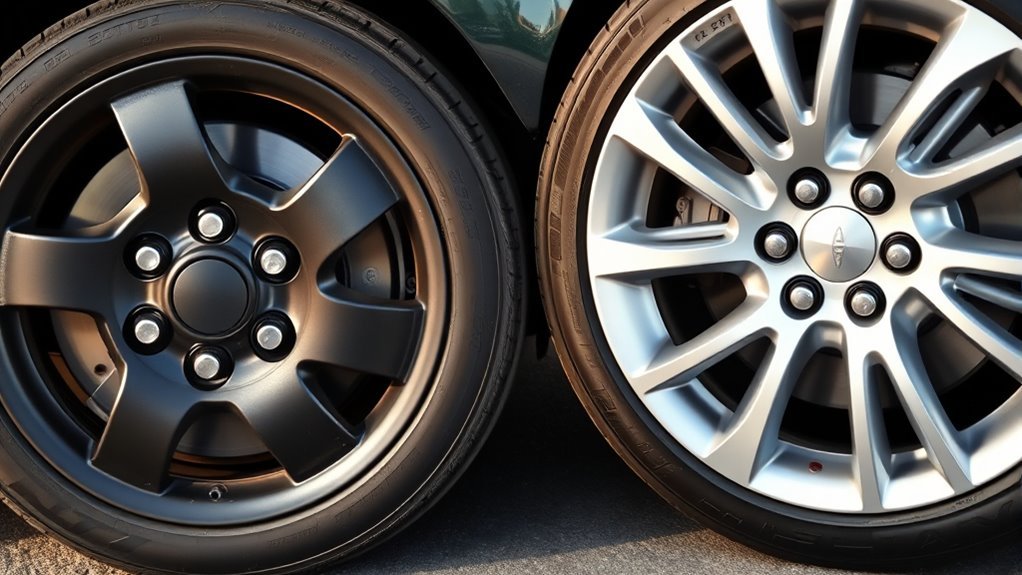
For a Toyota Camry SE, alloy wheels are normally the factory setup, while properly fitted steel wheels can work as a lower-cost seasonal option. The better choice depends on your model year, wheel and tire dimensions, winter conditions, budget, and tolerance for cosmetic damage. Material matters, but correct fitment and structural condition matter more.
Quick Answer
Alloy wheels are usually the better everyday choice for a Camry SE because they match the factory design, offer more styling options, and may reduce weight. Steel wheels can make sense for an affordable winter set. Either type must match the Camry’s load capacity, diameter, width, offset, tire size, brakes, wheel nuts, and TPMS.
Key Takeaways
- Toyota Camry SE models normally leave the factory with alloy wheels, but the diameter and finish vary by model year.
- Steel wheels generally cost less and are popular for winter tires, but they are not automatically immune to potholes, rust, or damage.
- An alloy wheel is not always lighter than a steel wheel; compare the weight and size of the actual wheel-and-tire assemblies.
- Tire profile, inflation pressure, and wheel diameter can affect ride comfort more noticeably than wheel material alone.
- Replace wheels that are bent, cracked, heavily corroded, leaking, or structurally damaged rather than relying on casual straightening or welding.
Which Wheels Does a Camry SE Use?
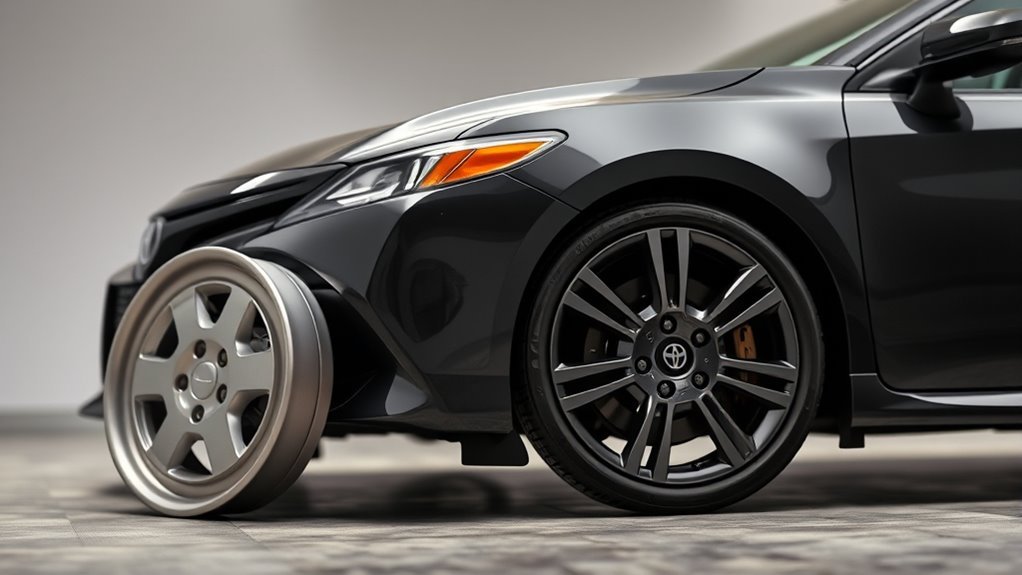
A Toyota Camry SE normally uses aluminum alloy wheels from the factory. The exact size and finish depend on the model year, market, drivetrain, and optional equipment.
For example, Toyota listed 17-inch alloy wheels on the 2015 Camry SE. The 2016 and 2017 SE continued with 17-inch alloy wheels, including a graphite finish on those model-year specifications. For 2025, Toyota’s brochure lists an 18-inch multi-spoke black-finished alloy wheel for the SE. The current Camry lineup also uses alloy wheels on the SE.
Steel wheels found on a Camry SE are therefore more likely to be an aftermarket replacement or a dedicated winter setup than the original SE wheel. A prior owner may also have changed the wheels, so a trim badge alone does not prove what was installed at the factory.
Note: Verify your Camry’s model year, trim, drivetrain, tire placard, owner’s manual, wheel markings, and VIN-specific Toyota parts information before ordering wheels. The same trim name can use different wheel sizes across generations.
Steel Wheels vs. Alloy Wheels on a Camry SE
Alloy wheels are the natural choice when you want to retain the Camry SE’s factory appearance and road manners. Steel wheels can be useful when purchase price, winter use, and inexpensive replacement matter more than appearance.
| Feature | Alloy Wheels | Steel Wheels |
| Factory Camry SE use | Normal factory material | Usually aftermarket or seasonal |
| Weight | Often lighter at a comparable size, but not always | Often heavier at a comparable size |
| Purchase cost | Usually higher | Usually lower |
| Impact behavior | A severe impact may crack or deform a cast wheel | May deform or bend under a severe impact |
| Winter use | Works well when the finish is maintained | Popular for low-cost winter sets |
| Appearance | More finishes and spoke designs | Basic appearance, often with a wheel cover |
Wheel Material Differences
Steel wheels are commonly formed from stamped sections that are joined into a simple, strong structure. Aluminum alloy wheels are generally cast into a one-piece design, allowing more variation in spoke shape, finish, and appearance. Forged alloy wheels also exist, but their higher price makes them uncommon as ordinary Camry replacements.
The material name does not tell you everything about a wheel. The thickness, spoke design, manufacturing process, diameter, width, and load rating can make one alloy wheel heavier or stronger than another. A large 19-inch alloy wheel may also weigh more than a smaller 16-inch steel wheel.
Performance and Durability
A lighter wheel-and-tire assembly can reduce rotational and unsprung mass. That may help the suspension respond to bumps and can slightly improve steering response, acceleration, and braking effort. On a daily-driven Camry, however, the difference may be subtle unless the weight change is significant.
Do not assume that every alloy wheel provides a performance upgrade. Increasing wheel diameter often requires a wider or lower-profile tire, and the larger combination may weigh more than the original setup. The tire’s grip, construction, pressure, and sidewall height can have a greater effect on how the Camry feels.
Durability also depends on the individual wheel rather than material alone. A steel wheel may deform under an impact, while a cast alloy wheel may deform or crack. Neither should be driven on when its shape, bead seat, spokes, mounting holes, or structural integrity are compromised.
Cost and Seasonal Use
Steel wheels usually have a lower purchase price, which is why they are common in dedicated winter packages. Keeping winter tires on a second set of wheels can also reduce repeated mounting and dismounting of the tires each season.
Steel is not automatically more corrosion-resistant. If its paint or protective coating is chipped, moisture and road salt can cause rust. Aluminum does not rust in the same way, but its finish can oxidize, bubble, stain, or corrode around the bead seat and mounting surface. Rinse either wheel type during salt season and inspect damaged finishes.
Pro Tip: A smaller approved wheel with a taller-sidewall winter tire can cost less and provide more pothole cushioning than a large low-profile setup. Confirm brake clearance and overall tire diameter before downsizing.
How Camry Wheel Material Affects Driving
Wheel material can influence weight, stiffness, styling, and heat transfer, but it should not be considered by itself. Two wheels made from different materials may produce nearly identical results if their complete wheel-and-tire assemblies have similar dimensions and weight.
For most Camry drivers, tire selection and wheel size have a more obvious effect than changing from steel to alloy without changing anything else.
Ride Quality
Alloy wheels do not automatically create a smoother ride, and steel wheels do not automatically create a harsher one. Ride comfort is strongly affected by:
- Tire sidewall height
- Tire construction and load rating
- Cold inflation pressure
- Wheel diameter and width
- Total wheel-and-tire weight
- Suspension condition
- Road surface
A smaller approved wheel paired with a taller tire sidewall can absorb sharp road impacts better than a larger wheel with a low-profile tire. That can make a correctly fitted winter steel-wheel package feel softer than the Camry’s original larger alloys, even though steel itself is not the source of the improvement.
Handling Response
A lighter wheel may help the suspension control tire movement and can make steering response feel quicker. Reducing rotational mass may also reduce the energy needed to accelerate the wheel. The real effect depends on how much weight is removed and where that weight is located.
Wider wheels, lower-profile tires, and grippier tire compounds can also sharpen steering, but they may increase road noise, steering effort, cost, or vulnerability to pothole damage. Keep the complete setup within Toyota’s recommended fitment range instead of choosing wheels by appearance alone.
Heat Dissipation
Aluminum conducts heat well, but that does not mean every alloy wheel will reduce brake temperature by a fixed amount. Brake cooling also depends on spoke openness, airflow, rotor and caliper design, vehicle speed, braking frequency, and ambient temperature.
For ordinary Camry driving, brake condition and correct wheel clearance are more important than selecting a wheel solely for heat conduction. A replacement wheel must leave enough room around the brakes and must not obstruct components or contact the caliper.
How Wheel Weight Changes Ride and Handling

Wheel weight matters because the suspension must control each wheel as it moves over the road. Reducing unsprung mass can help the tire follow small surface changes, while reducing rotational mass can slightly reduce the effort needed to accelerate or slow the assembly.
The improvement is not guaranteed by an alloy label. Compare the published weight of the actual replacement wheel with the original. Include tire weight when comparing packages, because a heavier or larger tire can erase the wheel’s weight savings.
The best-performing wheel is not simply the lightest one. It must also have the correct dimensions, load capacity, fasteners, tire support, brake clearance, and structural strength.
When Steel Wheels Make More Sense
Steel wheels can be a sensible choice when you want an affordable second set for winter tires or do not want to expose expensive factory alloys to salt, curb contact, and seasonal wear.
They may suit your Camry when:
- You want a lower-cost winter wheel package.
- A compatible smaller diameter provides more tire sidewall.
- Appearance is less important than replacement cost.
- You accept the possibility of surface rust if the coating becomes damaged.
- The wheel is confirmed to clear the brakes and match every required fitment specification.
Steel wheels are not automatically safer on rough roads. A severe pothole can damage the wheel, tire, suspension, bearing, or alignment regardless of wheel material.
How Camry Wheels Handle Damage
After a pothole or curb impact, a steel wheel may show deformation around the rim edge, while an alloy wheel may show a bend, crack, chipped finish, or damaged spoke. Either type can also suffer hidden bead-seat damage or excessive runout.
Stop and inspect the vehicle if you notice:
- Sudden or repeated tire-pressure loss
- A visible crack, bend, split spoke, or deep dent
- Steering-wheel vibration
- A new pull to one side
- Thumping that changes with road speed
- A tire bead that no longer sits evenly
- Loose, damaged, or elongated wheel-nut holes
- Heavy corrosion around the bead seat or mounting surface
Warning: Do not keep driving on a cracked, visibly bent, leaking, loose, or heavily corroded wheel. Install the spare when it is safe to do so or arrange roadside service. Structural wheel damage can cause rapid air loss, tire separation, or loss of vehicle control.
When to Repair or Replace Camry Wheels
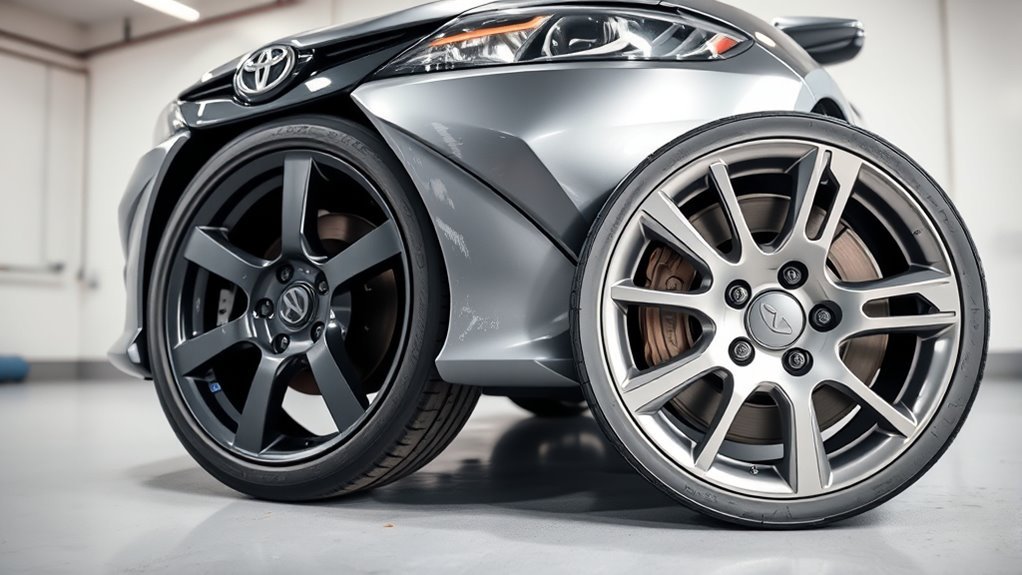
Toyota’s owner guidance for wheel selection and damage says a bent, cracked, or heavily corroded wheel should be replaced. It also says Toyota does not recommend bent wheels that have been straightened.
Replacement is the safer choice when the wheel has:
- A structural bend or loss of roundness
- Any visible crack
- A cracked, split, or distorted spoke
- Heavy corrosion affecting the bead seat or mounting face
- Elongated or damaged fastener holes
- Air loss caused by wheel damage
- Damage that prevents proper balancing or seating
- Evidence of an unsafe weld or previous structural repair
Minor curb rash, superficial scratches, or finish damage may be suitable for cosmetic refinishing after the wheel has been inspected and confirmed structurally sound. Cosmetic work should not hide a crack, bend, or mounting defect.
[Products Worth Considering]

Malco tire mounting and demounting lubricant is a ready-to-use tire lube formulated to reduce friction during tire installation for passenger cars, light trucks, farm tires, and heavy-duty equipment. It provides rust-inhibiting protection to help reduce corrosion on rims and wheels, and helps support proper tire bead seating during inflation to reduce air leakage. The silicone-free, soap-free formula is whitewall safe to help prevent discoloration on whitewall tires and sensitive sidewall markings.

This professional wheel and rim cleaning brush set lifts brake dust, grime, and dirt with soft, scratch-free microfiber and synthetic wool fibers. The rim brush bends up to 360 degrees for easy access to hard-to-reach areas around spokes, lips, and faces. Ideal for thorough cleaning of car, truck, motorcycle, bicycle, RV, and more wheel and tire surfaces.

Upgrade your wheels with MIKKUPPA M12x1.5 mag seat lug nuts built for secure, corrosion-resistant performance. These closed-end chrome lug nuts are a direct replacement for select Toyota models, including Camry, Corolla, RAV4, Sienna, Avalon, Highlander, Matrix, Venza, and Prius. Triple-chromium plating and cold-forged, heat-treated steel help deliver strength for daily driving and replacement needs.
Camry Wheel Fitment Checklist
Before installing steel or alloy wheels, confirm every part of the package for your exact Camry. Toyota advises matching replacement wheels in load capacity, diameter, rim width, and offset. Other compatibility checks are also necessary for secure mounting and clearance.
- Model year and configuration: Confirm the year, SE or SE Hybrid trim, drivetrain, market, and factory options.
- Wheel diameter: Use a Toyota-approved diameter that clears the brakes and accepts a suitable tire.
- Rim width: The selected tire must be approved for the wheel’s width.
- Offset: Incorrect offset can change suspension loading, steering feel, and inner or outer clearance.
- Load capacity: Each wheel must support the required vehicle load.
- Bolt pattern and center bore: Both must match the hub and fastening system.
- Brake clearance: Check the inner barrel and spokes, not diameter alone.
- Lug-nut seat: Steel and alloy wheels may require different nut-seat designs. Use the nuts specified for the wheel.
- Tire dimensions: Match the approved load index, speed rating, overall diameter, and inflation requirements.
- TPMS: Camrys equipped with direct tire-pressure monitoring need compatible valves and transmitters installed and registered as required.
- Wheel-nut torque: Use the value and tightening pattern in the owner’s manual for your model year.
The driver-side tire placard provides the original tire size and cold inflation pressure. The National Highway Traffic Safety Administration recommends using the vehicle placard and manufacturer information when selecting and maintaining tires.
Note: Do not apply oil or grease to wheel studs or nuts unless a model-specific Toyota procedure explicitly directs it. Lubrication can change clamping force and may allow improper tightening or loosening.
[Products Worth Considering]

Upgrade your Toyota tire setup with these corrosion-resistant, leak-proof valve stem caps designed to help protect the valve core from water, snow, and road grime. The caps feature a snug rubber seal and durable copper alloy construction to resist rust and oxidation while maintaining stable tire pressure. Ideal for replacing worn original caps and keeping your wheels looking clean and stylish.

Replace worn tires quickly with this universal 4.80/4.00-8 tire and inner tube set designed for wheelbarrows and outdoor utility carts. The ribbed tread helps reduce turf damage while the natural rubber construction supports longer service life. Compatible with 15.5-inch outer diameter, 4-inch width, and 8-inch rim diameter wheels, it uses a straight TR-13 valve stem for easy installation. For best results, inflate with a manual pump and do not exceed 25 PSI.
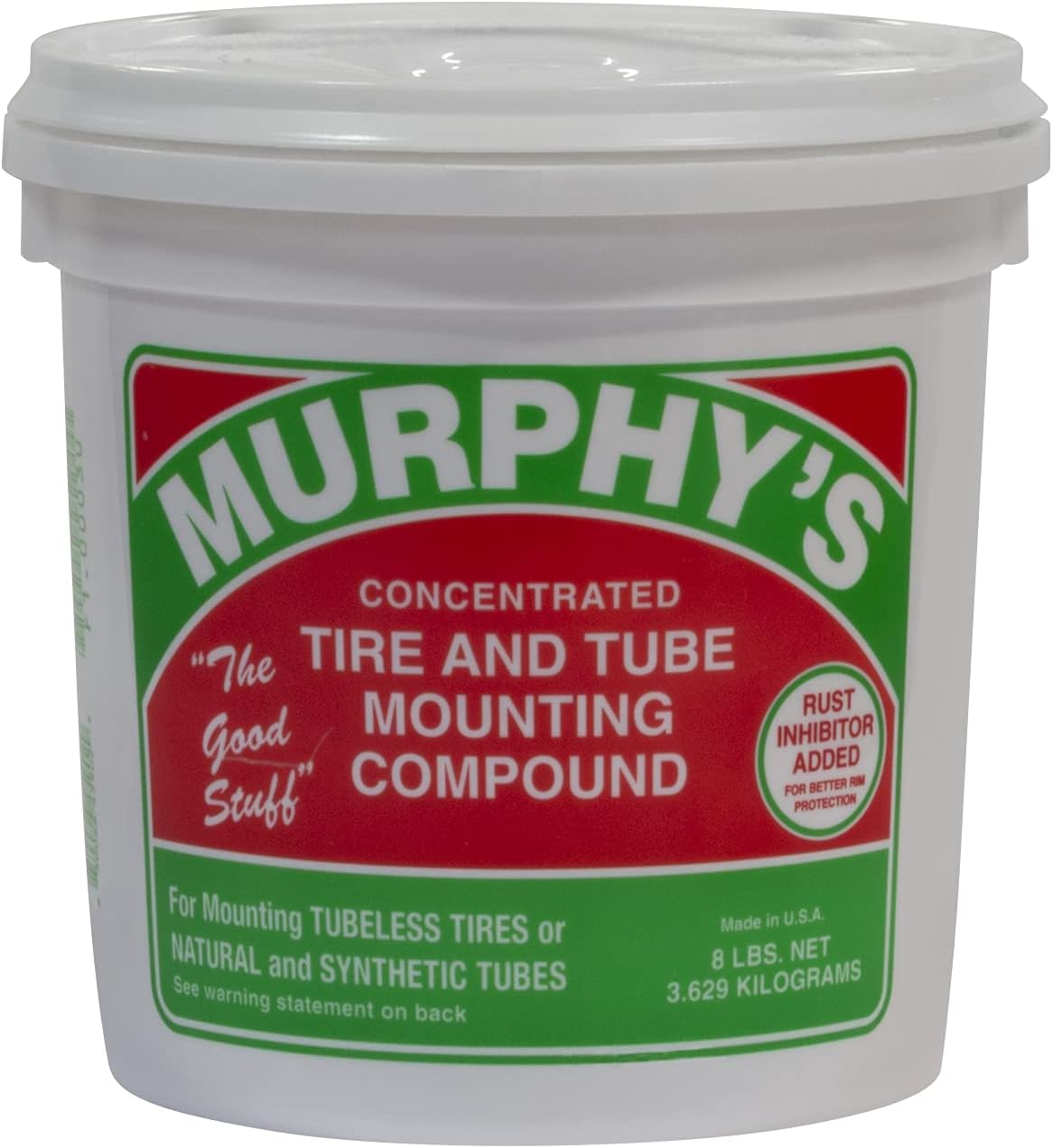
A concentrated tire and tube mounting compound designed to help simplify mounting rubber tires and tubes on passenger, semi truck, construction, and OTR applications. Its ultra-thick formula packs beads effectively and includes rust inhibitors to help protect against corrosion during use.
How to Choose the Right Camry Wheel
Start with fitment, then compare cost, weight, winter use, appearance, and tire options.
- Identify the original setup. Check the tire placard, owner’s manual, existing wheel markings, and VIN-specific Toyota parts information.
- Set your goal. Decide whether you need a factory-style replacement, winter package, cosmetic upgrade, or lighter performance-oriented wheel.
- Verify the complete package. Confirm dimensions, offset, load rating, tire compatibility, brake clearance, TPMS, center bore, bolt pattern, and wheel nuts.
- Compare total weight and tire profile. Do not assume alloy is lighter or that a larger wheel improves handling without a comfort tradeoff.
- Use professional installation. Have the tires mounted and balanced correctly, torque the fasteners to the model-year specification, and complete any required TPMS registration or relearn.
For most drivers, retaining a factory-size alloy wheel is the simplest choice. A properly engineered steel-wheel package can be a practical winter alternative, especially when it allows an approved taller-sidewall tire and lowers replacement cost.
[Products Worth Considering]

This metal-free wheel and tire cleaning brush uses dense, fluffy synthetic wool to safely clean rims, spokes, fenders, and engine areas without worrying about damaging surfaces. Its flexible, comfortable design helps you reach detailed areas while maintaining durability, and the extra absorbent fibers work well with wheel spray cleaners for faster cleanup. Reusable and washable performance helps prevent grime and build-up for cleaner vehicles and easier maintenance at home.

These aluminum alloy tire valve stem caps with an O-ring seal help protect valve stems from corrosion while adding a clean, stylish look to your vehicle. The universal fit works across cars, trucks, motorcycles, bicycles, and more, making them an easy upgrade for everyday driving and off-road use. Installation is quick, and the included four-pack keeps all your tires dressed and protected.

Upgrade your wheels with MIKKUPPA closed-end lug nuts designed for reliable fit and corrosion resistance. The one-piece, cold-forged and heat-treated steel construction helps resist rust and stripping, while the integrated finish delivers a durable black appearance. Built to OEM standards with a conical 60-degree seat, these nuts provide a secure solution for compatible Ford, Honda, Jeep, and Chevrolet models.
Frequently Asked Questions
Can I put steel wheels on a Toyota Camry SE?
Yes, provided the steel wheels match the required diameter, width, offset, load capacity, bolt pattern, center bore, brake clearance, tire size, and fastening system. Camry SE models normally use factory alloy wheels, so verify aftermarket steel-wheel compatibility for your exact model year and drivetrain.
Is it worth upgrading to alloy wheels?
It can be worth it for appearance, factory-style fitment, or lower wheel weight. Compare the actual replacement wheel with the original because a larger alloy may be heavier. The tire, wheel diameter, and complete assembly weight determine whether the change provides a noticeable driving benefit.
Are steel wheels better for winter?
Steel wheels are popular for winter because they generally cost less and make it easier to preserve expensive factory alloys. They can still rust when their coating is damaged, so wash off road salt and inspect them regularly. Correct winter tires matter more for snow traction than wheel material.
Do alloy wheels improve Camry fuel economy?
A lighter wheel-and-tire assembly may reduce the energy needed to accelerate rotating mass, but the difference is usually small in normal driving. A larger, wider, or heavier replacement package can cancel the benefit. Tire rolling resistance and inflation pressure are also important.
Can a bent Camry wheel be repaired?
Toyota advises replacing wheels that are bent, cracked, or heavily corroded and does not recommend using bent wheels that have been straightened. Superficial finish damage may be refinished after inspection, but a structural bend, crack, leak, damaged spoke, or distorted mounting area calls for replacement.
How long do steel Camry wheels last?
There is no universal 10- or 15-year replacement interval. Service life depends on coating condition, road salt, impacts, bead-seat corrosion, fastener-hole condition, and whether the wheel remains round and leak-free. Replace a wheel when inspection shows structural damage or heavy corrosion.
Will replacement wheels affect the Camry TPMS?
They can. Camrys with direct TPMS require compatible pressure sensors in the wheel assemblies. New sensors may need to be registered or relearned by a Toyota dealer or qualified tire shop. Confirm compatibility before purchasing a seasonal wheel package.
Conclusion
Alloy wheels are the normal factory choice for a Toyota Camry SE and usually make the most sense when you want original styling and straightforward fitment. Steel wheels can be an affordable winter option, but only when every dimension, load requirement, fastener, tire, brake-clearance, and TPMS detail is correct.
Do not choose by material alone. Compare the complete assembly, keep both steel and alloy finishes clean, and replace any wheel that is bent, cracked, heavily corroded, leaking, or structurally damaged. Correct fitment and sound condition protect your Camry’s handling, tires, brakes, and long-term safety.
Sources
- Toyota: Sweeping Redesign Keeps 2015 Camry at the Top — confirms 17-inch alloy wheels on the 2015 Camry SE.
- Toyota: 2017 Camry Model Information — confirms the 2017 SE’s graphite-finish 17-inch alloy wheels.
- Toyota 2025 Camry Brochure — confirms current-generation LE, SE, XLE, and XSE factory wheel materials and sizes.
- Toyota Camry Official Model Page — provides current Camry trim and wheel information.
- Toyota Camry Owner’s Manual — supports wheel-selection, damage, TPMS, wheel-nut, and replacement precautions.
- NHTSA TireWise — supports use of the tire placard, correct tire sizing, pressure checks, and tire-safety practices.