Disclosure: As an Amazon Associate, we earn from qualifying purchases. If you click a link on this page and make a purchase, we may receive a small commission at no extra cost to you.
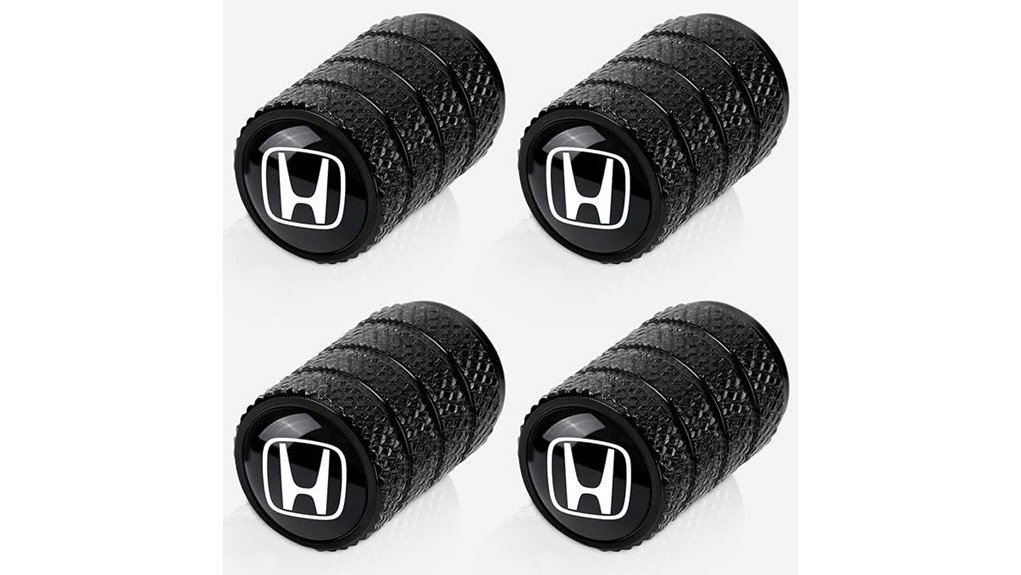
A missing valve cap leaves the tire valve core exposed to dirt, road spray, and moisture. The camfeast 4pcs Tire Valve Stem Caps give you four matching black aluminum covers with internal rubber seals and a simple screw-on design. They are a neat cosmetic upgrade for standard threaded tire valves, but metal caps need more care than basic plastic replacements. This review explains the fit, materials, installation, safety concerns, and who should consider a different option.
Quick Verdict
Rating: 7.5/10, recommended with caveats
Best For: Drivers who want four matching black caps for standard Schrader-style valve stems and are willing to inspect them regularly.
Bottom Line: The aluminum body, rubber seal, and tool-free fit make this a practical appearance and valve-protection upgrade. The main tradeoff is that any metal cap can become difficult to remove if corrosion develops, especially around certain metal TPMS stems.
| Specification | Detail |
|---|---|
| Brand | camfeast |
| Product type | Tire valve stem caps |
| Quantity | 4 caps |
| Color | Black |
| Outer material | Aluminum alloy |
| Internal seal | Rubber grommet or sealing ring |
| Installation | Hand-threaded, no tools required |
| Listed compatibility | Honda-series vehicles, cars, SUVs, trucks, and motorcycles with compatible standard valve threads |
| Best use | Covering exposed valve cores and adding a matching black finish |
| Important limitation | Metal caps require periodic removal and inspection, especially on metal TPMS valve stems |
Key Takeaways
- You receive four black aluminum valve caps, enough for one passenger vehicle or four compatible motorcycle or bicycle valves.
- The rubber seal adds a secondary barrier against moisture, dust, and minor air seepage at the valve opening.
- The caps install by hand, but you should stop when they are snug instead of tightening them with pliers.
- The Honda-series wording does not make them an OEM Honda part, and it does not guarantee fit on every valve stem.
- Check your valve-stem material before installing metal caps because corrosion can make some metal caps difficult to remove.
Before You Buy: Inspect your valve stems before ordering. If your vehicle has exposed aluminum TPMS stems, or your owner’s manual calls for non-metallic caps, basic plastic caps may be the safer choice. These caps also cannot repair a leaking valve core, damaged stem, puncture, or wheel-seal problem.
What Are the camfeast 4pcs Tire Valve Stem Caps?
These are decorative and protective covers that thread onto the ends of compatible tire valve stems. The set includes four black caps, so it can replace a complete set on a typical car, SUV, or truck. The listing also presents them as suitable for motorcycles that use the same common valve-thread format.
The exterior uses aluminum alloy rather than plain plastic. Inside each cap, a rubber grommet sits against the valve opening when the cap is snug. That design helps keep contaminants away from the valve core and provides a second sealing surface.
The product is marketed for Honda-series vehicles, but the practical fit depends on the valve stem, not the badge on the car. Treat the Honda reference as a styling and compatibility claim, not proof that the caps are a genuine Honda accessory.
Who Should Buy It?
Best For
- Drivers replacing missing or mismatched caps on standard threaded valve stems
- Honda owners who want a coordinated black accessory without changing the wheel or valve stem
- Buyers who prefer a metal cap with an internal rubber seal and can inspect it during pressure checks
Skip If
- Your owner’s manual or tire professional recommends non-metallic valve caps
- Your vehicle has exposed metal TPMS stems and you want the lowest corrosion risk
- You need to fix an active air leak, damaged valve core, or cracked valve stem
[Products Worth Considering]

These universal tire valve stem caps help protect your valve core from dust, debris, moisture, and corrosion, supporting more stable tire pressure. The aluminum alloy design resists long-term wear, while the sealing construction helps help prevent air leakage. They twist on easily for quick installation and help safeguard driving safety across cars, SUVs, trucks, and motorcycles.

Protect tire valves from water, dust, and sand to help prevent leaks and support safe driving. These universal stem caps install quickly by hand and feature durable aluminum alloy construction with an inner sealing ring for better air retention. Compatible with cars, SUVs, trucks, motorcycles, and bicycles for everyday convenience.

These universal tire valve stem caps help protect valve cores from dust, debris, and moisture while helping maintain stable tire pressure. The corrosion-resistant metal construction and sealed design provide reliable protection in road grime, mud, and winter conditions. Twist-on installation makes them quick to fit on cars, SUVs, trucks, and motorcycles.
Materials and Build Quality
The black aluminum shell feels more substantial than a thin plastic dust cap and gives the wheel a finished look. Aluminum also keeps the cap light, so it does not add meaningful rotating weight or require wheel rebalancing.
The rubber insert is the more important functional detail. It sits between the cap and valve opening, helping block water and grit while adding a secondary seal. You should still rely on a healthy valve core as the primary pressure seal.
The finish will face water, brake dust, road salt, heat, and cleaning chemicals. No decorative cap stays new forever, so inspect the coating for chips and the threads for white or crusty corrosion. Replace the cap if it becomes rough, cracked, swollen, or difficult to turn by hand.
Fit and Compatibility
The caps are listed for cars, SUVs, trucks, and motorcycles, including Honda-series vehicles. That broad claim makes sense only when the vehicle uses compatible standard Schrader-style valve threads. Many passenger vehicles do, but you should compare one cap with the existing factory cap before replacing all four.
Do not force a cap that starts crooked or stops after a partial turn. Cross-threading can damage the cap or the valve stem. Bicycle owners should also confirm the valve type because a Presta valve uses a different shape and is not the same as a standard automotive Schrader valve.
TPMS compatibility needs extra attention. A vehicle can have a rubber snap-in TPMS stem or an exposed metal clamp-in stem. The external threads may accept the cap, but compatible threading does not remove the possibility of corrosion between metal parts.
Installation and Setup
Installation takes only a few minutes for a full set. Park the vehicle safely, remove one old cap, inspect the valve threads, and wipe away loose dirt with a clean dry cloth. Start the new cap by hand and turn it clockwise until the rubber seal meets the valve opening.
Stop when the cap feels snug. Pliers, locking tools, and heavy hand pressure can compress the seal too far or make later removal difficult. Repeat the process on the other tires, then check that every cap sits straight.
Pro Tip: Remove and reinstall each cap whenever you check tire pressure. This confirms that the cap has not seized, lets you inspect the rubber seal, and prevents months of corrosion from going unnoticed.
How These Valve Caps Protect the Valve
A valve cap covers the opening that leads to the valve core. By closing that opening, it helps keep dust, sand, water, and road residue away from the small moving parts inside the valve. That protection matters because contamination can interfere with clean pressure checks and valve operation.
The internal rubber seal can also act as a secondary barrier if a valve core develops minor seepage. It should not be treated as a permanent repair. A tire that repeatedly loses pressure needs a proper leak inspection, even when the cap appears tight.
The cap does not directly protect the tire tread, sidewall, bead, or wheel. Its job is limited but useful: keep the valve opening covered, support a clean seal, and make the wheel look complete.
How It Performs in Real Use
For Daily Commuting
For normal city and highway driving, the caps require no adjustment after correct installation. Their low-profile shape should stay out of the way during washing and pressure checks. The black finish also blends with many factory wheels and rubber stems.
In Rain, Mud, and Road Spray
The sealed design is most useful when your wheels see wet roads, puddles, or dusty parking areas. The cap keeps direct spray away from the valve opening. After heavy exposure, remove it by hand, dry the threads, and reinstall it rather than leaving moisture trapped for months.
In Winter and Salt-Belt Conditions
Road salt raises the importance of regular inspection. Salt and moisture can speed corrosion around metal parts. Drivers in winter climates should remove the caps during routine pressure checks and switch to non-metallic caps if the threads begin to bind.
For Motorcycles and Schrader-Valve Bicycles
The four-pack can cover two motorcycles or several compatible bicycle wheels, provided the stems use standard Schrader threads. Because motorcycle tires need frequent cold-pressure checks, easy hand removal matters more than appearance. Avoid any cap that needs a tool to loosen.
Maintenance and Common Mistakes
Check the caps whenever you check tire pressure. Look for a missing rubber insert, damaged threads, corrosion, or a cap that no longer tightens evenly. A small amount of dirt can be wiped away with a dry cloth, but harsh wheel cleaners may damage the coating or rubber seal.
- Do not overtighten: Hand-snug is enough.
- Do not ignore pressure loss: The cap is not a repair for a leaking valve or punctured tire.
- Do not force removal: If a cap is seized, ask a tire professional to remove it without damaging the TPMS stem.
- Do not assume every bike fits: Confirm Schrader versus Presta valve type.
- Do not leave corrosion unchecked: Replace the cap at the first sign of binding or thread damage.
Compatibility and Safety
The safest cap is one that matches the valve-stem material and follows the vehicle maker’s guidance. Some service bulletins have warned that metal caps can corrode onto certain aluminum TPMS stems. That does not mean every aluminum cap will seize, but it makes routine removal and inspection essential.
These caps do not change the recommended tire pressure. Use the pressure listed on the vehicle’s tire-information placard or owner’s manual, not the maximum pressure printed on the tire sidewall. Check pressure when the tires are cold and reinstall the caps afterward.
If a valve stem is cracked, bent, leaking, or already corroded, replace or service the damaged part before adding a decorative cap. A tire shop can identify the stem type and confirm whether a metal or non-metallic cap is appropriate.
Pros and Cons
Pros
- Four-piece set covers a typical passenger vehicle
- Aluminum body gives a cleaner, more substantial look than basic plastic caps
- Internal rubber seal helps block dirt, moisture, and minor seepage
- Installs and removes by hand without special tools
- Works across several vehicle types when the valve threads match
Cons
- Metal construction can create corrosion concerns on some metal TPMS stems
- Honda-series branding does not make the product an OEM Honda accessory
- Cannot fix a defective valve core, damaged stem, puncture, or ongoing pressure loss
Is It Worth the Price?
This is a budget accessory, so its value comes from replacing four missing or mismatched caps at once while adding a coordinated black finish. You get a metal exterior and rubber seal rather than a basic hollow plastic cover.
It offers strong value for the price when you want appearance, simple installation, and a secondary sealing surface. It is not the best fit if you rarely inspect your valve stems or if your vehicle maker recommends plastic caps for its TPMS hardware.
The practical buying decision is simple. Choose these when you have compatible standard stems and accept the maintenance needs of a metal cap. Choose OEM-style plastic caps when corrosion resistance and low maintenance matter more than appearance.
[Products Worth Considering]

CKAuto valve stem caps help protect tire valve stems with a corrosion-resistant design that combines plastic inner protection with a stylish anodized aluminum exterior. They feature a rotating thread for quick installation and removal and a universal fit for most cars, trucks, SUVs, RVs, motorcycles, bicycles, and other motor vehicles. The anodized and powder-coated finish is built for durability while keeping the cap color bright.

Upgrade your wheels with zinc alloy valve stem caps featuring a plated, corrosion-resistant finish and a secure rubber O-ring seal. These caps help protect the valve stem from moisture, snow, and debris while supporting stable tire pressure and safer driving. Designed for easy installation, they replace worn caps and add a distinctive look to your vehicle.

Upgrade your vehicle’s tire valves with these durable, universal black stem caps that help protect against dust and moisture. Each cap includes a rubber sealing ring to reduce the risk of air leakage during long, rugged drives. Made from corrosion-resistant plastic with a textured grip, they fit most Schrader valve-equipped cars, SUVs, trucks, motorbikes, and bikes.
How It Compares to Alternatives
Standard plastic valve caps are lighter, inexpensive, and less likely to seize onto metal stems, but they look basic and may lack a rubber sealing ring. CKAuto anodized aluminum caps are another metal option with a plastic inner design intended to reduce metal-to-metal contact, making them worth comparing if TPMS safety is your main concern.
The camfeast set makes the most sense when you want Honda-series styling, four matching black caps, and a straightforward aluminum design. A locking cap set may offer theft resistance, but it adds a key or tool that can slow routine pressure checks.
[Products Worth Considering]
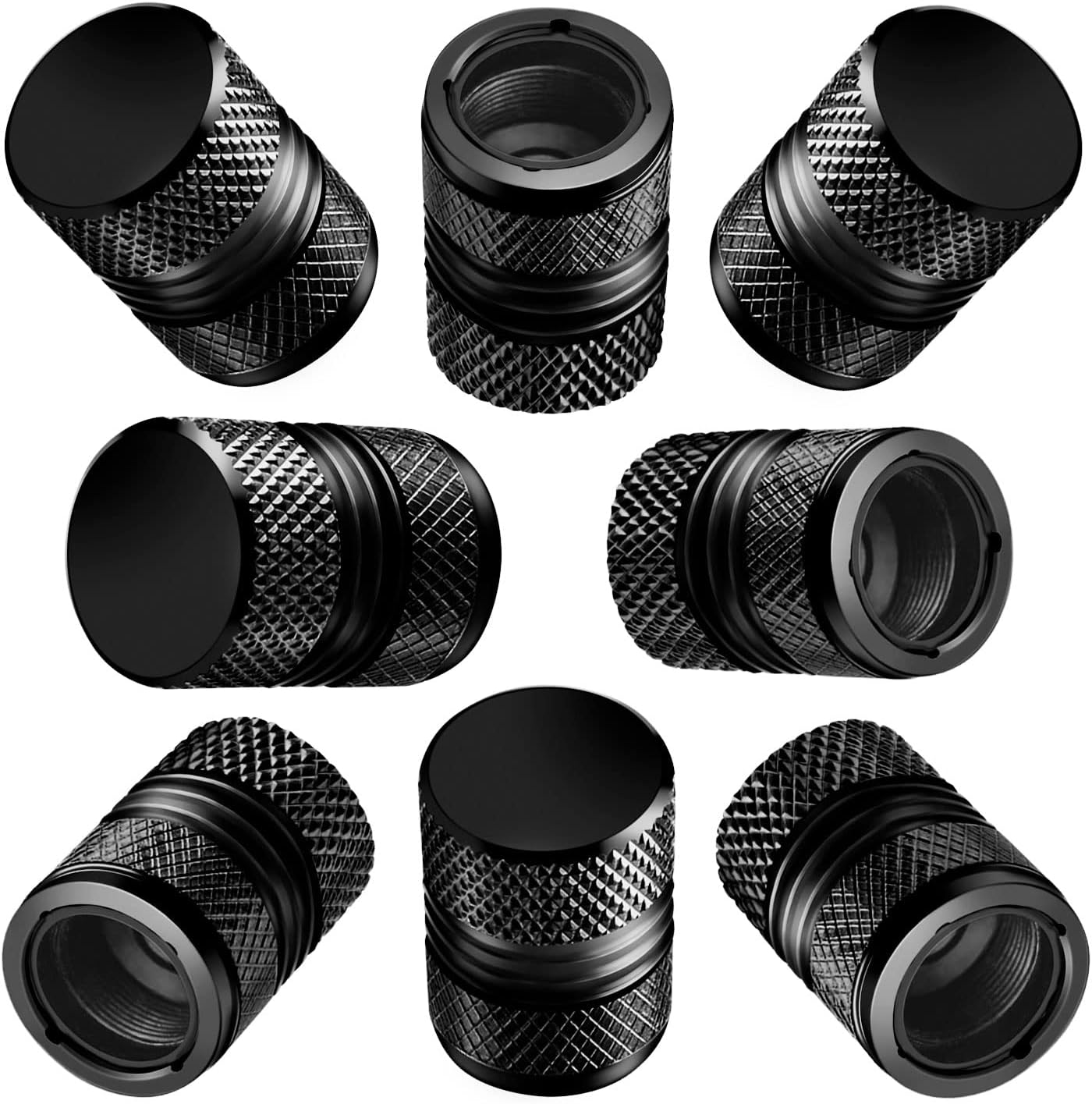
BAURATTI tire valve stem caps provide corrosion-resistant protection using anodized aluminum alloy with a plastic liner to help prevent rust and cracking. Designed for universal compatibility with standard Schrader valve stems, they install easily by hand and fit cars, SUVs, trucks, RVs, motorcycles, and bikes. Each pack includes 8 caps to support everyday replacement and sharing.
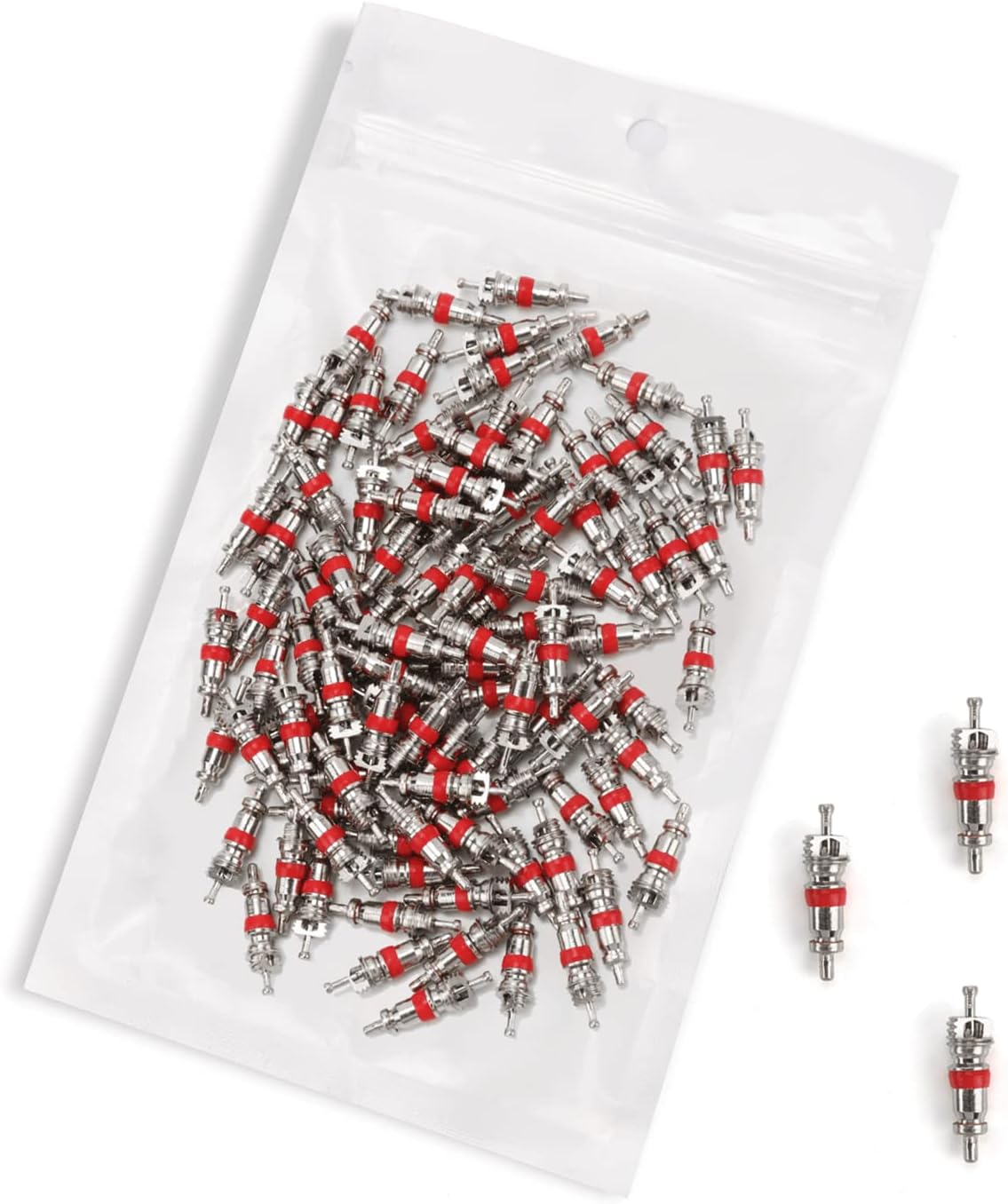
Replace worn Schrader valve cores with durable, nickel-plated replacements designed to resist rust and corrosion for a longer service life. Each core is 100% leakage tested and rated for up to 300 PSI, helping maintain a safe, reliable tire pressure system. Universal fit makes them suitable for cars, RVs, ATVs, motorcycles, bicycles, and many refrigeration/air conditioning applications.

Keep your vehicle valves protected with KURAMI tire valve stem caps featuring a sealing ring that helps reduce dirt exposure and air leakage. These universal caps are easy to install and remove for quick pressure checks, while replacing worn original caps across cars, bikes, motorcycles, buses, trucks, and trolleys. The included set offers plenty of replacements for everyday use.
Frequently Asked Questions
Do these caps fit every Honda vehicle?
They are marketed for Honda-series vehicles, but fit depends on the external valve-stem threads. Compare the existing cap and stem before installing all four, especially when your vehicle has metal TPMS stems.
Are these genuine Honda valve caps?
The product is listed as compatible with Honda-series vehicles, not as an OEM Honda part. Buy it as an aftermarket accessory and confirm that any logo or styling shown on the current listing matches what you expect.
Can the rubber seal stop a tire leak?
The rubber insert can provide a secondary barrier at the valve opening, but it cannot repair a defective valve core, cracked stem, puncture, bead leak, or damaged wheel. Repeated pressure loss needs professional inspection.
Are aluminum valve caps safe for TPMS stems?
They may fit, but some exposed aluminum TPMS stems have a history of corrosion problems with metal caps. Check your owner’s manual, inspect the stem material, and use non-metallic caps when recommended.
How tight should the caps be?
Turn each cap by hand until it is snug and the rubber seal makes contact. Do not use pliers or excessive force because overtightening can damage the threads, compress the seal, or make removal difficult.
Will they fit motorcycle and bicycle tires?
They should fit compatible standard Schrader-style stems used on many motorcycles and some bicycles. They are not the same as caps for narrow Presta bicycle valves, so verify the valve type first.
How often should you remove and inspect them?
Remove them whenever you check tire pressure and inspect the threads, coating, and rubber seals. Replace any cap that binds, cracks, loses its seal, or shows corrosion.
The Bottom Line
The camfeast 4pcs Tire Valve Stem Caps are a sensible choice for drivers who want four matching black aluminum caps with rubber seals and easy hand installation. Skip them when your vehicle requires non-metallic caps or when you do not want to inspect metal caps regularly, because the main strength is their durable appearance and the main limitation is possible corrosion on certain TPMS stems.
Ready to Buy?
Check the latest product details and confirm your valve-stem type before you decide.