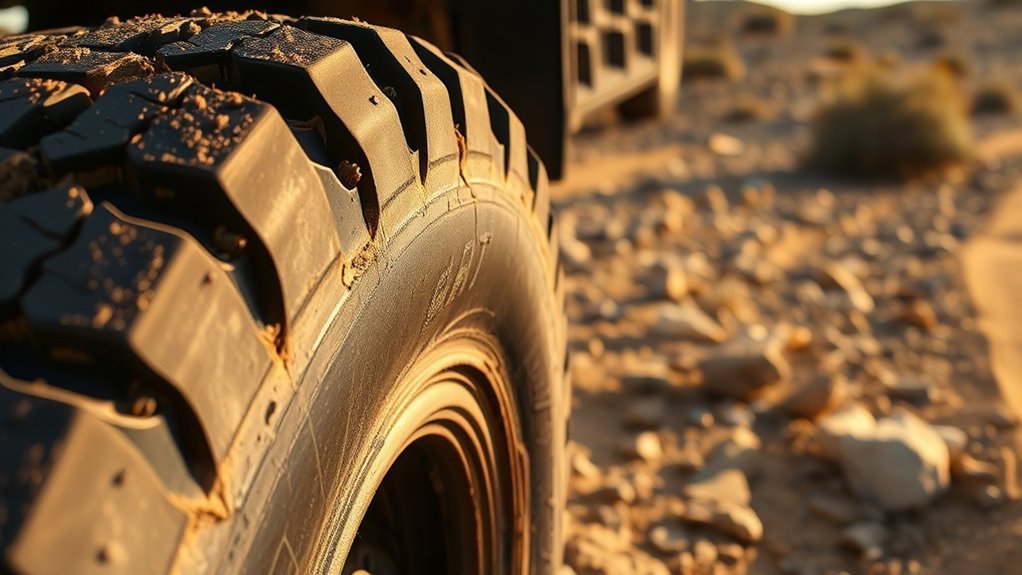
Kevlar reinforcement can make an off-road tire more resistant to certain cuts, abrasions and punctures, but the benefit depends on where the material is used and how the complete tire is built. Some tires place Kevlar in the sidewall, while others use it beneath the tread or within another reinforcement layer. It does not make a tire puncture-proof or automatically suitable for every vehicle.
Quick Answer
Kevlar-reinforced tire construction can improve resistance to trail damage without adding as much material weight as some alternatives. However, the location and amount of Kevlar vary by model. Check the exact construction, vehicle fitment, load index and manufacturer evidence instead of assuming every tire carrying the Kevlar name offers the same protection.
Key Takeaways
- Kevlar is an aramid fiber with high strength for its weight, but finished-tire performance depends on the complete casing, tread and sidewall design.
- The often-repeated 35% puncture-resistance figure came from one Goodyear Wrangler MT/R comparison, not a universal standard for Kevlar tires.
- Kevlar and steel belts are not necessarily alternatives. A tire can use both materials in different structural areas.
- Correct size, load index, speed rating and vehicle compatibility matter more than any single branded material.
- Sidewall and shoulder damage normally falls outside accepted tread-puncture repair procedures and requires professional inspection.
What Are Kevlar Reinforced Tire Sidewalls?
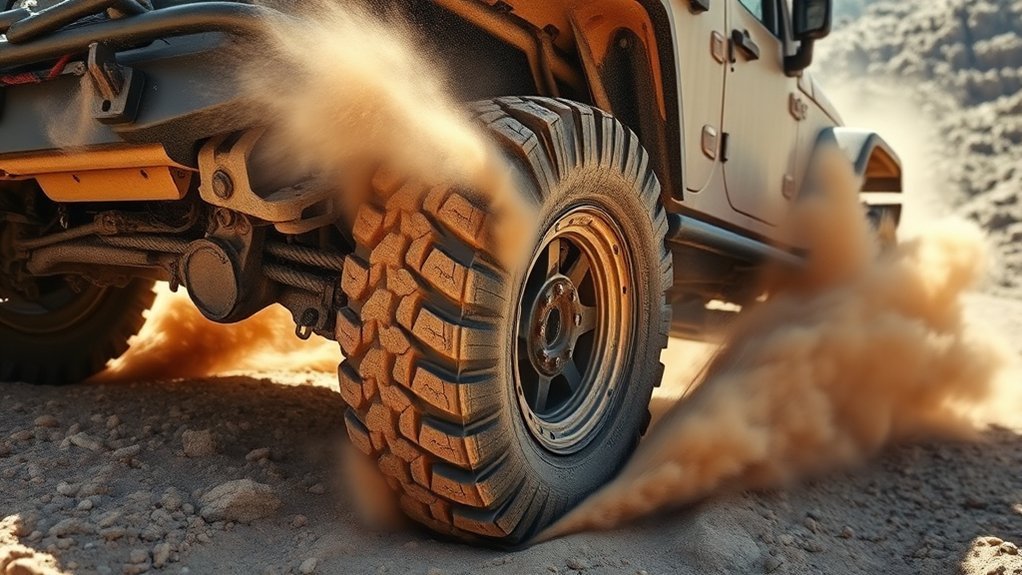
Kevlar is DuPont’s brand of para-aramid fiber. According to DuPont, the material can be five times stronger than steel on an equal-weight basis. That comparison describes its strength relative to weight. It does not mean a complete tire or sidewall is five times stronger than a steel-reinforced tire.
The phrase “Kevlar tire sidewall” can also be imprecise. Depending on the product, aramid may reinforce the sidewall, casing, belt package or area beneath the tread. For example, Goodyear’s current Wrangler DuraTrac RT describes Kevlar as protection against tread damage, while its three-ply sidewall and Durawall compound provide separate sidewall protection.
Note: Do not assume that a Kevlar logo identifies where the fiber sits inside the tire. Read the manufacturer’s construction details for the exact size and load range you plan to buy.
Kevlar is only one part of a tire’s structure. Rubber compounds, body plies, steel belts, bead construction, tread depth and protective sidewall features all affect resistance to impact and penetration. Two tires that mention Kevlar can therefore perform very differently.
How Do Kevlar Sidewalls Enhance Durability?
When Kevlar is placed in a tire’s sidewall or casing, its high strength-to-weight ratio can help the structure resist stretching, tearing or penetration. The actual improvement depends on the amount of material, cord orientation, rubber compound and surrounding construction.
Enhanced Puncture Resistance
Kevlar reinforcement may provide another barrier against sharp rocks, branches and trail debris. However, no reinforcement can prevent every puncture. The angle of impact, tire pressure, vehicle load, speed, object shape and remaining tread condition all influence whether the tire is damaged.
The widely quoted 35% figure needs context. In 2009, Goodyear reported that the Wrangler MT/R with Kevlar had 35% greater sidewall puncture resistance than the original Wrangler MT/R. That model also used a three-ply sidewall with opposing cord angles, Durawall rubber and other protective features. The result cannot be applied automatically to every Kevlar-reinforced tire.
The 35% puncture-resistance figure describes one Goodyear tire compared with its predecessor. It is not an industry-wide rating for every tire containing Kevlar.
Lightweight Yet Strong Material
Kevlar can provide substantial tensile strength without the weight of an equal-strength amount of steel. This gives tire engineers another way to balance strength, heat control, flexibility and rotating mass.
That does not guarantee that a Kevlar-reinforced tire will be lighter than a competing tire. An aggressive off-road model may still be heavy because it has deeper tread, a higher load range, extra casing plies, larger dimensions or more rubber around the sidewall.
| Feature | What Kevlar May Provide | What It Does Not Guarantee |
|---|---|---|
| Strength-to-weight ratio | Strong reinforcement with relatively low material weight | A lighter complete tire |
| Cut and puncture resistance | Additional protection when correctly integrated | Protection from every sharp object or impact |
| Casing control | Resistance to stretching or deformation in a designed reinforcement layer | Better ride comfort in every application |
| Rolling resistance | Potential design opportunities to reduce weight or energy loss | A measurable fuel-economy improvement from the Kevlar label alone |
Puncture Resistance: Why It Matters Off-Road?
Off-road tires face hazards that normal highway driving may not create. Sharp rocks can contact the sidewall, hidden branches can penetrate between tread blocks and repeated impacts can weaken the casing. A sidewall is especially vulnerable because it must flex while carrying the vehicle’s load.
Useful protective features may include:
- Reinforced casing or sidewall plies: These can add structural support against cuts and impacts.
- Cut-resistant rubber compounds: Tougher rubber may reduce abrasion and chunking.
- Extended shoulder blocks: Rubber extending down the sidewall can add traction and limited surface protection.
- Rim protectors: These may reduce contact between the wheel and trail obstacles.
- Correct load capacity: A properly rated tire is better prepared to support the vehicle and its cargo.
Kevlar should be treated as one part of this protection system. Tread design, casing strength, inflation, vehicle weight and driving technique remain important.
Warning: Stop and inspect the tire after a hard sidewall impact or when you see a cut, bulge, exposed cord or unexplained pressure loss. Do not assume Kevlar reinforcement makes continued driving safe.
How Do Kevlar Tires Compare to Traditional Steel-Belted Tires?
Kevlar reinforcement and steel belts usually perform different jobs, so the comparison is not simply Kevlar versus steel. According to Michelin’s tire-construction guide, steel belts normally sit beneath the tread and create a firm base for the crown. Body plies and sidewall structures allow the tire to carry loads and flex over road irregularities.
A manufacturer may add aramid reinforcement above the steel belts, within the casing or in a sidewall layer. Some off-road tires also use multiple steel belts, textile plies, protective rubber and Kevlar in the same design.
- Steel belts: Commonly stabilize the tread area and contribute to crown strength.
- Kevlar or other aramid fibers: May add strength, control growth or improve resistance to certain types of damage with relatively low material weight.
- Polyester, nylon or rayon plies: May form or reinforce the casing.
- Sidewall compounds: Protect internal cords from abrasion, weather and minor surface contact.
Because each material serves a different purpose, compare complete tire specifications and test claims rather than choosing solely by the presence of Kevlar.
[Products Worth Considering]

Vigorder rubber cement glue delivers superior adhesion and cures quickly within about 30 seconds for seamless rubber bonding. Once cured, it helps provide a strong, durable, waterproof seal that holds up to vehicle weight, pressure, and heat. Suitable for cars, motorcycles, trucks, bicycles, and off-road tires, it’s designed for emergency patch and maintenance repairs.
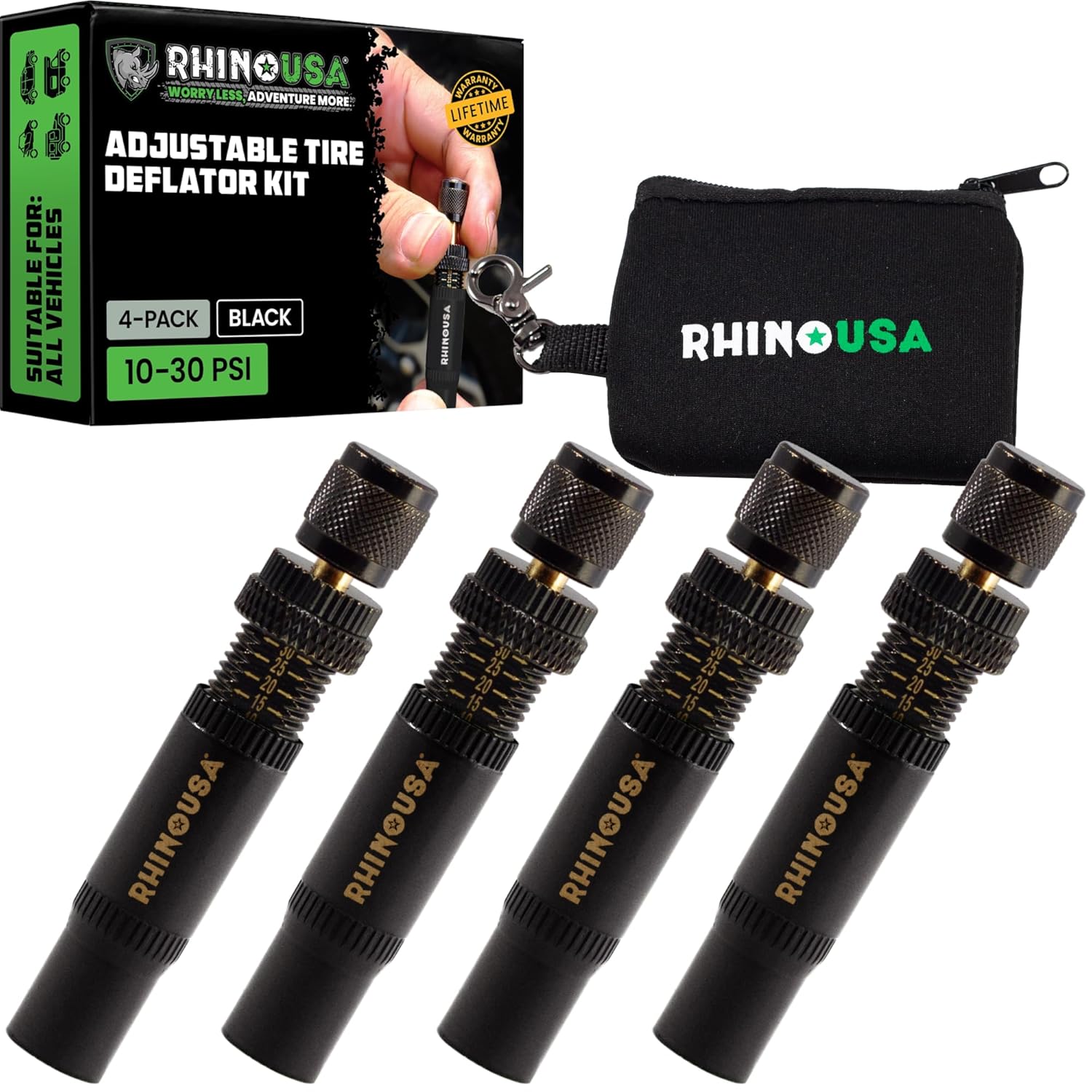
Use the Rhino USA adjustable tire deflators to air down all four tires at once by screwing one deflator onto each valve stem, letting you step away while the tires reach your preset pressure. Each deflator independently adjusts across a 10–30 PSI range with laser-etched indicators for quick setup and verification, making it ideal for beach, sand, and rocky off-road trails.

Steelman white tire marking crayons provide high-contrast, semi-permanent marks for repairing and inspecting tires and equipment. They write on wet or dry, smooth or coarse surfaces including rubber, metal, glass, and wood, making them ideal for puncture location and damage outlining. The lead- and zinc-free crayons resist weather and fading yet wipe away when you no longer need the marks.
User Experiences With Kevlar Tires
Owner reviews can reveal useful patterns, but they should not be treated as controlled puncture tests. Reports about durability are only meaningful when the reviewer identifies the tire model, size, load range, vehicle, pressure, terrain, mileage and type of damage.
Performance and Durability Insights
Look for long-term reports that describe more than a single successful trail trip. The most useful reviews discuss tread chipping, sidewall cuts, pressure loss, balancing, noise, wet-road behavior and wear after thousands of miles.
A review saying that a tire “never punctured” provides limited evidence when it does not describe the hazards encountered. Likewise, a puncture does not prove the reinforcement failed. Even a strong tire can be penetrated by a sharp object at an unfavorable angle.
How to Evaluate Off-Road Resistance Reports
| Review Detail | Why It Matters |
|---|---|
| Exact tire model and size | Construction may vary between product families and sizes. |
| Vehicle and loaded weight | A heavier vehicle places more stress on the casing and sidewall. |
| Terrain and obstacle type | Mud, gravel and sharp rock create different damage risks. |
| Inflation and speed | Both affect deflection, heat and impact exposure. |
| Mileage and inspection details | Long-term information is more useful than first impressions. |
Compare reports from drivers using similar vehicles and terrain. Give more weight to detailed reviews and documented tests than to broad statements such as “indestructible” or “best tire ever.”
Choosing the Best Off-Road Tires: A Guide
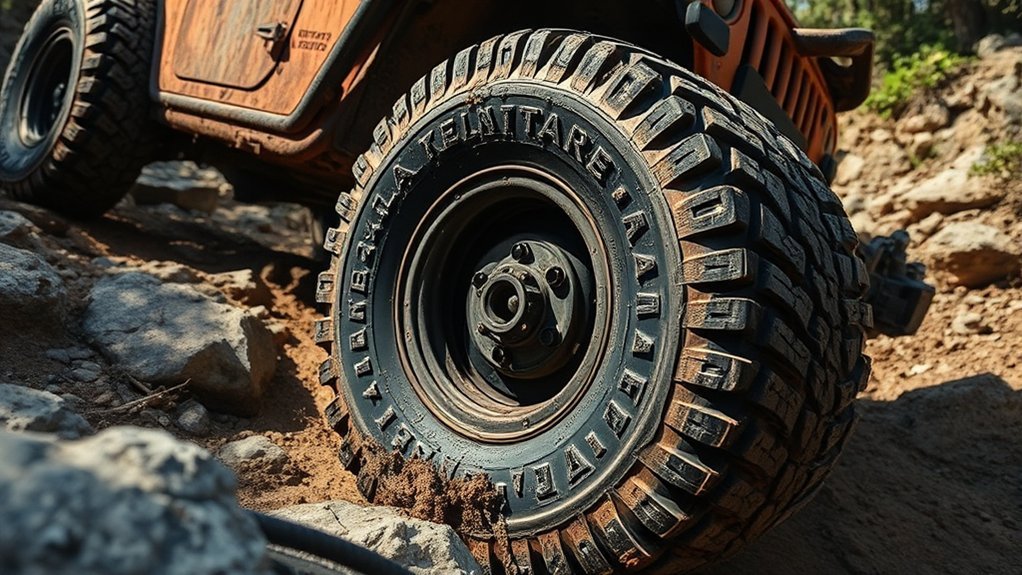
Start with vehicle compatibility, not reinforcement branding. The U.S. Tire Manufacturers Association recommends using the vehicle or tire manufacturer’s specified size, load index and speed designation. A replacement should not have a lower load-carrying capacity than the original specification.
Use this checklist when comparing off-road tires:
- Confirm the correct size. Check the vehicle placard and owner’s manual before considering alternative sizes.
- Verify load capacity. Account for passengers, cargo, accessories, towing loads and vehicle modifications.
- Check the exact reinforcement location. Determine whether Kevlar is in the sidewall, casing, belt package or tread-support area.
- Match the tread to the terrain. Mud, loose sand, rock, gravel and mixed highway use require different tread patterns.
- Review sidewall construction. Look for documented ply construction, cut-resistant compounds, protective shoulder blocks and rim guards.
- Consider road use. Aggressive tread may produce more noise, vibration and rolling resistance during daily driving.
- Check weather requirements. Do not assume an off-road tread provides suitable snow, ice or wet-road performance.
- Read the warranty terms. Separate treadwear coverage from road-hazard or workmanship coverage.
- Compare verified evidence. Prefer model-specific test claims over general descriptions of Kevlar.
Pro Tip: Compare the specifications for your exact tire size. Different sizes within one product family may have different load ranges, ply construction, reinforcement layers or severe-snow designations.
Do not choose a tire only because its sidewall looks thicker or carries a branded reinforcement label. The correct fit and load capacity are fundamental safety requirements.
[Products Worth Considering]

This 20-piece tire changer kit makes motorcycle and bike tire repairs easier with extended 14.5-inch spoons for leverage and access. Built from CrV steel with a corrosion-resistant chrome finish, it helps resist bending while protecting rims and tubes using smooth rounded spoons and included rim protectors. The all-in-one set includes valve removal and accessory tools for faster tire changes across motorcycles, bicycles, ATVs, and lawn equipment.

Monitor tire tread wear with a smart, color-coded depth gauge that shows clear condition ranges at a glance. The bar is range marked for fast, easy readings, helping you maintain safer traction and performance. Each gauge is portable with a pocket clip, and the set includes 20 units for daily use and sharing.

Measure tire tread depth quickly and accurately with this LUMITECO dial gauge that reads in 1/32" increments up to 14/32". The color-coded green/yellow/red zones make it easy to judge tire wear and know when replacement is needed. A rugged, compact design with a protective pouch helps keep the gauge ready for use on cars, trucks, motorcycles, and more.
Evaluating the Costs and Benefits of Kevlar Tires for Off-Road Use
Kevlar-reinforced models may cost more than basic highway or all-terrain tires, but the material alone does not determine value. Consider how often you drive off-road, the severity of the terrain and the consequences of a disabled tire in a remote area.
The extra cost may be easier to justify when:
- You regularly travel over sharp rock, logging debris or rough access roads.
- Your trips take you far from tire services or reliable communication.
- Your vehicle carries heavy equipment within its approved load limits.
- You have previously experienced sidewall cuts on the same type of terrain.
- The tire provides other needed features, such as suitable tread, load capacity and road manners.
A premium may offer less value when the vehicle remains mainly on paved roads or when the selected tire introduces unnecessary noise, weight or aggressive tread. A well-matched non-Kevlar tire can be a better choice than a poorly matched Kevlar model.
Also compare replacement availability. An uncommon size or specialized construction can be difficult to replace during a trip. Carry the equipment recommended for your vehicle and route, and make sure the spare is compatible and properly maintained.
[Products Worth Considering]

TireJect Off-Road Tire Sealant Kit provides 5-in-1 sealing to help fix tread punctures up to 3/8", sidewall punctures up to 3/8", bead leaks, slow leaks, and minor dry rot on low-speed tires. It permanently seals with liquid rubber, recycled tire particles, and Aramid fibers, making it ideal for flats caused by thorns, nails, and screws. The included dispensing cap attaches to the valve stem for a no-mess installation, along with a metal valve core remover tool and valve stem cap. This kit is for off-road use only.

This ALL-TOP auto-stop tire deflator valve kit lets you air down off-road tires quickly without watching pressure, automatically stopping when your preset PSI is reached. Each valve is individually calibrated for reliable performance with an acceptable +/- 2 PSI tolerance. The adjustable deflator range covers 10 to 30 PSI and includes four valves plus valve caps and a zipper pouch for easy setup on trucks, SUVs, RVs, UTVs, and powersports.

The SAFELIFE dial tire tread depth gauge measures tread depth in 1/32 inch increments with clear, easy-to-read 2-inch dial face. Color zones using a traffic light system help you quickly judge whether tread is low, marginal, or ample for safer driving. Built with a durable zinc cast body and a metal detect probe for precise, comfortable use across cars, motorcycles, trucks, and buses.
Future of Kevlar Technology in Off-Road Tires
Aramid fibers will likely remain one of several tools available to tire engineers. The most meaningful developments may come from combining reinforcement fibers with improved rubber compounds, optimized casing layouts, tread designs and manufacturing controls.
Future marketing claims should still be judged by the same standard as current claims. Look for a clearly identified tire, comparison product, test method and measured result. A statement about the strength of raw Kevlar does not establish how much longer a complete tire will last on a specific trail.
Current product documentation already shows why this distinction matters. The Goodyear Wrangler DuraTrac RT, for example, lists Kevlar protection, a three-ply sidewall and Durawall compound as related but separate construction features. Buyers should expect similarly detailed explanations from future products.
Frequently Asked Questions
Are tires with reinforced sidewalls heavier?
Sometimes, but not always. Total weight depends on tire size, tread depth, load range, casing plies, rubber volume and every reinforcement layer. Kevlar has a high strength-to-weight ratio, but an aggressive Kevlar-reinforced off-road tire may still weigh more than a lighter highway tire.
Are Kevlar-reinforced tires puncture-proof?
No. Kevlar may improve resistance to certain cuts or punctures, but a sharp object can still penetrate the tread or sidewall. Impact angle, speed, pressure, vehicle load and the tire’s complete construction affect the outcome.
Does every Kevlar tire have 35% more puncture resistance?
No. Goodyear’s 35% figure referred to the Wrangler MT/R with Kevlar compared with the original Wrangler MT/R. It should not be applied to unrelated brands, models or constructions unless their manufacturers publish equivalent testing.
Do Kevlar tires replace steel-belted tires?
Not necessarily. Many radial tires use steel belts beneath the tread and may also contain Kevlar or another aramid fiber in a separate reinforcement layer. The materials can complement each other rather than serve as direct substitutes.
Can a puncture in a Kevlar-reinforced sidewall be repaired?
Kevlar does not change the normal repair area. USTMA repair guidance limits qualifying repairs to the tread area and excludes injuries extending into the shoulder or belt-edge area. Have any sidewall damage inspected by a trained tire professional.
Are Kevlar tires worth the added cost for daily driving?
They may be worthwhile when you frequently use rough roads or trails and the specific tire also meets your on-road needs. For mainly paved driving, prioritize correct fitment, wet braking, noise, tread life and rolling resistance before paying for specialized reinforcement.
Conclusion
Kevlar can be a useful reinforcement material in an off-road tire, especially when it is part of a complete design built to resist cuts, impacts and punctures. Its high strength-to-weight ratio is real, but claims about finished-tire durability must remain specific to the product and test.
Do not treat the 35% puncture-resistance figure as a universal standard, and do not assume Kevlar replaces steel belts. Check where the material is used, confirm the correct size and load capacity, compare the complete construction and inspect the tire after trail impacts. The best off-road tire is the one that combines verified protection with safe vehicle compatibility and suitable performance for your actual terrain.
Sources
- DuPont: Kevlar for Automotive Applications — supports Kevlar’s strength-to-weight description and automotive uses.
- Goodyear: Wrangler MT/R With Kevlar Launch — provides the product-specific 35% claim and three-ply sidewall details.
- Goodyear: Wrangler DuraTrac RT — shows how Kevlar, three-ply construction and sidewall compounds can be separate features.
- Michelin: How Tires Are Made — explains steel belts, casing plies, sidewalls and other tire components.
- U.S. Tire Manufacturers Association: Replacing Tires — supports size, load-index and speed-designation guidance.
- U.S. Tire Manufacturers Association: Tire Repair Basics — supports repair-area limits and professional inspection guidance.