What’s in This Article
- 2013 Sonata OEM Tire Sizes by Trim
- Safe Replacement Sizes and Required Load Ratings
- How to Read a Sonata Tire Code (P215/55R17 94V)
- Best Tire Types and Recommended Models for the 2013 Sonata
- How Long 2013 Sonata Tires Last, and When to Replace Them
- How to Check Tire Age and DOT Date Code
- Quick Maintenance and Buying Checklist: Pressure, Rotation, Fitment
- Frequently Asked Questions
- Conclusion
- References
The wrong tire size can make your 2013 Hyundai Sonata feel rough, noisy, or less stable than it should. The safest choice starts with the tire placard on your driver’s door jamb, then the right size, load index, and speed rating. This guide explains OEM sizes, safe replacement choices, tire-code meanings, tire types, and simple maintenance checks.
Quick Answer
For a 2013 Hyundai Sonata, use the tire size listed on the driver’s door jamb. Common OEM sizes include 205/65R16, 215/55R17, and 225/45R18, depending on trim and wheel size. Choose tires that meet or exceed the original load index and speed rating, and confirm fitment before you buy.
Key Takeaways
- Check the driver’s door jamb first because it shows the factory tire size and pressure.
- Match the tire size to the wheel diameter to avoid fitment and clearance problems.
- Choose a load index and speed rating that meet or exceed the original tire rating.
- Pick all-season, winter, or performance tires based on your climate and driving style.
- Rotate tires every 5,000 to 7,000 miles and check pressure at least once a month.
2013 Sonata OEM Tire Sizes by Trim
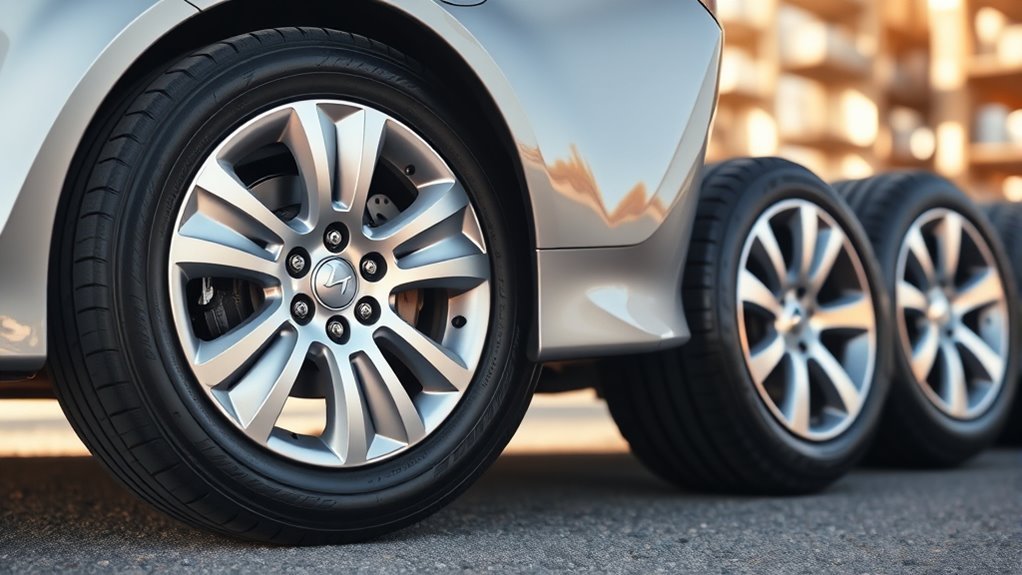
The 2013 Hyundai Sonata came with different tire sizes based on trim and wheel package. Common OEM sizes include 205/65R16, 215/55R17, and 225/45R18. Each size matches a 16-inch, 17-inch, or 18-inch wheel.
The 205/65R16 size gives you a softer ride and lower road noise. The 215/55R17 size gives you a balance of comfort and sharper steering. The 225/45R18 size gives you quicker response, but it can make the ride feel firmer.
Use the OEM size as your starting point when you compare replacements. It helps you preserve the Sonata’s intended ride, handling, clearance, and speedometer accuracy.
[Products Worth Considering]

Measure tire tread depth quickly and accurately with this LUMITECO dial gauge that reads in 1/32" increments up to 14/32". The color-coded green/yellow/red zones make it easy to judge tire wear and know when replacement is needed. A rugged, compact design with a protective pouch helps keep the gauge ready for use on cars, trucks, motorcycles, and more.

This tire inflator with pressure gauge delivers long-lasting performance with a durable rubber-protected gauge and sturdy build. The longer hose and 360 swivel air chuck help you seal the valve securely and keep your hands free while measuring, inflating, or deflating. It’s battery-free for reliable use and provides ±2 PSI accuracy in the mid-range for most typical tires, with universal compatibility for 1/4 NPT compressor outputs.

Milton S-921 pencil tire pressure gauge helps you maintain optimal tire pressure for passenger cars with accurate readings in PSI and kPa. It features a built-in deflator valve for convenient pressure adjustments, plus a single chuck head and nylon indicator bar for easy use on the go. Built from durable plated brass and designed for reliable performance, it’s a practical road trip and cold-weather maintenance tool.
Safe Replacement Sizes and Required Load Ratings
When you replace tires, stick with the size listed on your tire placard or a compatible wheel-and-tire package. Common Sonata sizes include 205/65R16, 215/55R17, and 225/45R18. Before you change sizes, confirm wheel diameter, clearance, load rating, and speed rating.
For many 205/65R16 fitments, a load index around 95 supports about 1,521 pounds per tire. Other OEM tire sizes may carry different ratings, so check your placard before you buy. Choose tires that meet or exceed the original rating.
Warning: Do not install tires with a lower load rating than your Sonata requires because they can overheat, wear faster, or reduce stability.
[Products Worth Considering]

Accurately measure tire tread depth with a calibrated gauge marked from 0 to 1 inch in 1/32 inch increments. The color-coded bar helps you quickly identify tread condition ranges, supporting safe driving for trucks, motorcycles, automobiles, and passenger vehicles.

Monitor tire tread wear with a smart, color-coded depth gauge that shows clear condition ranges at a glance. The bar is range marked for fast, easy readings, helping you maintain safer traction and performance. Each gauge is portable with a pocket clip, and the set includes 20 units for daily use and sharing.

Get precise tire readings with the ETENWOLF T300 Plus digital gauge, calibrated to ANSI B40.7 Grade 2A for reliable accuracy. It measures across a wide 3–200 PSI range and includes thermal compensation for dependable performance from extreme cold to heat. The bright LED display, LED illumination, and replaceable AAA batteries make it easy to check pressures quickly, even in low light.
Compatible Tire Dimensions
Tire dimensions affect ride comfort, steering feel, wheel clearance, and load capacity. A 205/65R16 tire gives you more sidewall, which can improve comfort. A 215/55R17 tire lowers the sidewall and sharpens steering response.
A 225/45R18 tire lowers the sidewall even more. You may gain a sportier feel, but you can also feel more bumps and road noise. Check for proper clearance before you move to a wider tire.
Required Load Index
The load index tells you how much weight each tire can carry at the proper pressure. If your Sonata uses a 205/65R16 tire with a 95 load index, each tire supports about 1,521 pounds. Your replacement tire should meet or exceed the rating shown on the door placard.
- Check the driver’s door jamb for the factory tire size and load rating.
- Choose alternate sizes only when the load rating meets or exceeds the original rating.
- Avoid under-rated tires, even if the size appears to fit the wheel.
Speed Rating Considerations
The speed rating tells you the highest speed a tire can safely handle under test conditions. Many Sonata tires use H, V, or similar ratings, depending on tire size and trim. Match or exceed the original rating for safe highway handling.
A tire with too low a speed rating can build heat and lose steering precision. You do not need a racing tire for daily driving, but you should not drop below the factory requirement.
How to Read a Sonata Tire Code (P215/55R17 94V)
The tire code P215/55R17 94V gives you the tire’s size, construction, load rating, and speed rating. The P means passenger tire. The 215 shows tread width in millimeters, and the 55 shows sidewall height as a percentage of width.
The R means radial construction, and 17 means the tire fits a 17-inch wheel. The 94 is the load index, and V is the speed rating. Read all parts together before you compare tires.
Tire Code Breakdown
A tire code gives you a compact guide to fit and performance. Use it to confirm the tire matches your wheel size, vehicle needs, and driving goals.
- P215/55: The tire measures 215 millimeters wide, and the sidewall height equals 55% of that width.
- R17: The tire uses radial construction and fits a 17-inch wheel.
- 94V: The tire carries a load index of 94 and a V speed rating.
Speed and Load Ratings
In the code P215/55R17 94V, the 94 shows the tire’s load index. A 94 load index supports about 1,477 pounds per tire when properly inflated. The V rating means the tire carries a speed rating up to 149 mph under test conditions.
| Item | Meaning |
|---|---|
| Load index (94) | About 1,477 pounds / 670 kilograms per tire |
| Speed rating (V) | Up to 149 mph / 240 km/h under test conditions |
Check both ratings before you buy. A tire that fits the wheel can still fall short on load or speed rating.
Best Tire Types and Recommended Models for the 2013 Sonata
The best tire type for your 2013 Sonata depends on your climate, road conditions, and driving style. All-season tires suit most daily drivers. Winter tires make sense if you drive in snow, ice, or long periods of freezing weather.
Performance all-season tires can sharpen steering and improve dry grip, but they may ride firmer. Touring tires often give you a quieter ride and longer tread life. Check the tire’s size, load index, speed rating, treadwear rating, and warranty before you choose a model.
- All-season touring tires: Choose these for comfort, low noise, and year-round daily use in mild climates.
- Winter tires: Choose these for snow, ice, and cold-weather traction.
- Performance all-season tires: Choose these for sharper steering and stronger dry or wet grip.
Popular tire lines in these categories include Michelin Primacy Tour A/S, Bridgestone Blizzak winter tires, and Continental ExtremeContact DWS06 Plus. Confirm the exact size and rating for your Sonata before you buy.
Pro tip: If you drive in real winter conditions, a dedicated winter tire usually beats an all-season tire for cold-weather grip.
[Products Worth Considering]

Measure tyre tread depth precisely with a digital gauge that reads in both MM and inches, helping you monitor safe driving conditions. The large LCD screen is easy to operate, and the compact tool fits for cars, trucks, and motorcycles. It provides high accuracy with a 0-25.4mm range and includes a 1-year warranty for added peace of mind.

TIRESHIELD PRO RV tire covers in a set of four deliver year-round protection against UV rays, cracking, fading, water, and snow. The StormLock-System helps keep the covers securely fastened through high wind, while heavy-duty, double-stitched construction supports long-lasting performance. Designed for universal fit, they’re intended for RV, camper, truck, car, and trailer tires within the 26–28.75 inch diameter range, with easy wipe-clean care and storage in the included bag.

The SAFELIFE dial tire tread depth gauge measures tread depth in 1/32 inch increments with clear, easy-to-read 2-inch dial face. Color zones using a traffic light system help you quickly judge whether tread is low, marginal, or ample for safer driving. Built with a durable zinc cast body and a metal detect probe for precise, comfortable use across cars, motorcycles, trucks, and buses.
How Long 2013 Sonata Tires Last, and When to Replace Them
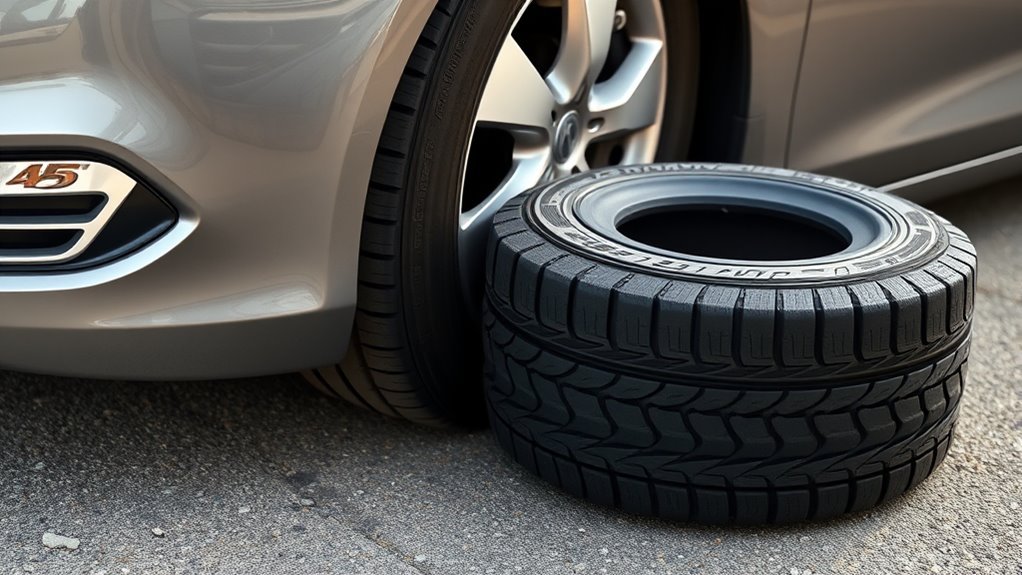
Many Sonata tires last about 40,000 to 60,000 miles, but your results depend on tire type, alignment, pressure, climate, and driving habits. Regular rotations help tires wear more evenly. Hard braking, potholes, and low pressure can shorten tire life.
Replace tires when tread depth drops too low, damage appears, or age affects the rubber. The legal minimum tread depth in many U.S. states is 2/32 inch, but wet traction can drop sooner. Many drivers start planning replacement around 4/32 inch for wet roads and 5/32 inch for winter use.
| Factor | What to check | Action |
|---|---|---|
| Tread depth | Measure with a tread-depth gauge | Replace at 2/32 inch minimum, sooner for wet or winter driving |
| Driving conditions | Road type, climate, and driving style | Expect faster wear in harsh conditions |
| Tire rotation | Mileage since last rotation | Rotate every 5,000 to 7,000 miles |
| Visual damage | Cracks, cuts, bubbles, or bulges | Replace damaged tires right away |
| Age | DOT date code on the sidewall | Inspect older tires often and replace when rubber degrades |
Use objective checks instead of guesswork. A tread gauge, pressure gauge, and quick sidewall check can help you avoid unsafe tires.
How to Check Tire Age and DOT Date Code
Every tire has a Department of Transportation (DOT) code on the sidewall. The last four digits show the week and year of manufacture. For example, 2521 means the tire came from the 25th week of 2021.
Tire age matters because rubber can dry, crack, or lose strength over time. Check older tires for cracks, bulges, flat spots, and uneven wear. Replace any tire that shows damage, even if it still has tread left.
Quick Maintenance and Buying Checklist: Pressure, Rotation, Fitment
If you want reliable performance and safer handling, keep a short tire checklist for your 2013 Sonata. Start by confirming the tire size and pressure on the driver’s door jamb sticker. Then match the replacement tire to that placard.
- Check tire pressure monthly and before long trips.
- Use the door-jamb pressure, not the maximum pressure printed on the tire.
- Rotate tires every 5,000 to 7,000 miles to help even out tread wear.
- Check tread depth with a gauge at least once per season.
- Match or exceed the original load index and speed rating when buying replacements.
- Inspect sidewalls for cuts, cracks, bubbles, or bulges.
Good tire care helps you control costs and reduce risk. Proper pressure, rotation, and fitment also protect steering feel, braking, and fuel economy.
Note: Tire pressure changes with temperature, so check it when the tires are cold for the most useful reading.
Frequently Asked Questions
What tires come on a Hyundai Sonata?
A 2013 Hyundai Sonata may use 205/65R16, 215/55R17, or 225/45R18 tires, depending on trim and wheel package. Always check the driver’s door jamb placard because it shows the size fitted to your car.
What is my OEM tire size?
Your OEM tire size is the size printed on the driver’s door jamb placard. Many 2013 Sonata models use 205/65R16, but other trims may use 17-inch or 18-inch wheel packages.
Can you use a different tire size on a 2013 Sonata?
You can use a different size only when it matches the wheel, clears the suspension and body, and keeps the proper load and speed ratings. Ask a tire shop to confirm fitment before you change sizes.
What tire pressure should you use on a 2013 Sonata?
Use the cold tire pressure listed on the driver’s door jamb placard. Do not use the maximum pressure printed on the tire sidewall as your normal setting.
What is the best oil for a Hyundai Sonata?
Use the oil grade listed in your owner’s manual for your engine and climate. Many Sonata engines use 5W-20 or 5W-30, but the correct choice depends on engine type and manufacturer guidance.
Conclusion
Your 2013 Sonata will drive best when you match the tire size, load index, speed rating, and pressure to the factory placard. Check that placard before you shop, then compare tires by climate, ride comfort, tread life, and handling needs.
Keep the tires rotated, inflated, and inspected so they wear evenly and stay safe. A few minutes of tire care can give you a quieter ride, better control, and more confidence on every trip.
References
- Tires — National Highway Traffic Safety Administration
- Tire Safety: Everything Rides on It — National Highway Traffic Safety Administration
- Consumer Tire Education — U.S. Tire Manufacturers Association