

If your Hyundai Sonata has a steady humming noise from the tires, do not ignore it. The cause may be simple, such as low tire pressure or uneven tread wear, but a similar hum can also come from a worn wheel bearing, wheel imbalance, alignment trouble, brake drag, or suspension wear. The safest first step is to compare the sound with speed, road surface, and turning, then inspect the tires before driving long distances.
Quick Answer
A Hyundai Sonata tire hum is usually caused by uneven tire wear, low tire pressure, improper alignment, wheel imbalance, or tread cupping. If the humming gets louder with speed, changes during turns, or comes with steering-wheel vibration, have the tires, suspension, and wheel bearings inspected.
Key Takeaways
- Tire hum is often linked to uneven tread wear, tire cupping, low pressure, alignment problems, or out-of-balance wheels.
- A wheel bearing can make a similar humming, rumbling, or growling sound, especially if the noise changes with speed or steering load.
- Check tire pressure when the tires are cold and use the pressure listed on the driver-door placard or in the owner’s manual.
- Do not keep driving if the noise becomes grinding, the wheel wobbles, the hub feels hot, the car pulls hard, or the steering/braking feel unsafe.
At a Glance
| Time Required | 10–20 minutes for basic tire checks; 30–60 minutes for a shop diagnosis |
| Difficulty | Easy for pressure and tread checks; professional-level for wheel-bearing, brake, and suspension diagnosis |
| Tools Needed | Tire-pressure gauge, flashlight, tread-depth gauge or penny, notepad, and a trusted repair shop if the sound persists |
| Cost | Basic checks are free; a pressure gauge is inexpensive; tire service varies; Hyundai Sonata wheel-bearing replacement averages about $275–$517 before taxes, fees, location differences, and related repairs |
Common Causes of Humming Noise in Hyundai Sonata Tires

A humming noise from a Hyundai Sonata is usually tied to a rotating part. Start with the tires because they are the easiest and cheapest items to inspect. If the tread is uneven, the tire is low, or the wheel is out of balance, the tire can make a droning or roaring sound that gets louder with road speed.
[Products Worth Considering]

Keep your tires properly inflated with this analog VONDIOR tire pressure gauge, designed for fast, easy readings without batteries. The swiveling, two-axis hose and large glow dial help you measure at any tire angle with instant visibility. Built with a protective rubber shield, it supports durable, low-maintenance use for cars and trucks.

Monitor tire tread wear with a smart, color-coded depth gauge that shows clear condition ranges at a glance. The bar is range marked for fast, easy readings, helping you maintain safer traction and performance. Each gauge is portable with a pocket clip, and the set includes 20 units for daily use and sharing.

The SAFELIFE dial tire tread depth gauge measures tread depth in 1/32 inch increments with clear, easy-to-read 2-inch dial face. Color zones using a traffic light system help you quickly judge whether tread is low, marginal, or ample for safer driving. Built with a durable zinc cast body and a metal detect probe for precise, comfortable use across cars, motorcycles, trucks, and buses.
Uneven Tread Wear and Tire Cupping
Tire cupping means the tread has high and low spots around the tire. As those spots hit the road, they can create a rhythmic hum or roar. Cupping can be caused by worn shocks or struts, poor balance, alignment problems, aggressive braking, or neglected rotations. Run your palm lightly over the tread. If it feels scalloped, choppy, or feathered, the tire may be the source of the noise.
Low or Incorrect Tire Pressure
Incorrect tire pressure can increase tire heat, worsen wear, and change how the tire contacts the road. The National Highway Traffic Safety Administration recommends checking all tires, including the spare, at least once a month when the tires are cold. Use the pressure on the driver-door tire placard or the owner’s manual, not the maximum pressure printed on the tire sidewall.
Alignment or Balance Problems
Improper wheel alignment can make the tires scrub across the pavement instead of rolling cleanly. That often causes feathered edges, fast shoulder wear, and a steady hum. An out-of-balance wheel is more likely to cause vibration at highway speeds, but it can also contribute to uneven tread wear over time. Hyundai’s online owner-manual tire-rotation page notes that abnormal tire wear is commonly linked to incorrect tire pressure, improper alignment, out-of-balance wheels, severe braking, or severe cornering.
Tire Damage or Tread Separation
Inspect each tire for nails, sidewall bubbles, cracks, exposed cords, or a tread section that looks raised or wavy. A damaged tire can make noise and can become unsafe quickly. If you see a bulge, exposed fabric, a deep cut, or a wobbling tire, replace the tire or have it inspected before continuing to drive.
Warning: Do not drive far on a tire that has a sidewall bulge, exposed cords, sudden vibration, a thumping sound, or visible tread separation. Those signs can point to tire failure risk.
How to Tell Tire Hum From a Wheel Bearing Noise
Tire noise and wheel-bearing noise can sound almost the same from the driver’s seat. Use the clues below to decide what to check first, but do not treat them as a final diagnosis.
| Clue | More Likely Tire-Related | More Likely Wheel Bearing |
| Changes with road surface | Yes. Tire hum often gets louder or softer on different asphalt. | Usually less affected by pavement texture. |
| Changes with speed | Yes. Uneven tread can roar faster as the tire spins faster. | Yes. Bearing hum or growl often rises with vehicle speed. |
| Changes when turning | Possible, especially with badly worn or cupped tires. | Common. Bearing noise can intensify when steering load shifts. |
| Changes after tire rotation | Likely. If the noise moves or changes, suspect tire wear. | Less likely. Bearing noise usually stays at the same corner. |
| Comes with looseness, wobble, or hot hub | Possible with tire or wheel damage. | Urgent inspection needed. |
How to Diagnose Tire Noise in Your Vehicle
Use this safe order before replacing parts. The goal is to rule out the simple tire causes first, then decide whether a mechanic needs to check the wheel bearings, brakes, and suspension.
- Note when the hum happens. Write down the speed, road type, weather, and whether the sound is from the front, rear, left, or right.
- Check cold tire pressure. Let the car sit for at least three hours, then check each tire with a gauge. Set the pressure to the number on the driver-door placard or owner’s manual.
- Inspect the tread. Look for cupping, feathering, uneven shoulder wear, cracks, nails, bubbles, or exposed cords.
- Try a pavement comparison. On a safe road, listen as the Sonata moves from rough asphalt to smoother pavement. A big change often points toward tire tread noise.
- Pay attention during gentle turns. If the hum gets louder when steering slightly left or right, a wheel bearing may be involved.
- Rotate the tires if they are safe to rotate. If the noise moves to a different area or changes noticeably after rotation, the tires are likely part of the problem.
- Balance and align when needed. Steering-wheel shake often points to balance trouble; feathered or one-sided wear often points to alignment.
- Get a professional inspection if the noise stays. A shop can lift the vehicle safely, check for hub play, inspect the brakes and suspension, and confirm whether a bearing is failing.
Pro Tip: If the hum changes after rotating the tires, take a photo of each tire’s tread pattern. The wear pattern can help a tire shop or mechanic identify alignment, balance, or suspension problems faster.
[Products Worth Considering]

Measure tire tread depth quickly and accurately with this LUMITECO dial gauge that reads in 1/32" increments up to 14/32". The color-coded green/yellow/red zones make it easy to judge tire wear and know when replacement is needed. A rugged, compact design with a protective pouch helps keep the gauge ready for use on cars, trucks, motorcycles, and more.

The Ziopetru adjustable magnetic wheel alignment tool helps you check and restore camber and caster positioning after removing and reinstalling undercarriage components. With a clear leveling/bubble measurement system and an easy zeroing adjustment knob, it supports precise horizontal angle checking. The strong magnetic base mounts to metal surfaces for convenient use at home on cars, motorcycles, trucks, vans, and SUVs.

Accurately measure tire tread depth with a calibrated gauge marked from 0 to 1 inch in 1/32 inch increments. The color-coded bar helps you quickly identify tread condition ranges, supporting safe driving for trucks, motorcycles, automobiles, and passenger vehicles.
How Worn Wheel Bearings Cause Humming Noise
A wheel bearing lets the wheel and hub rotate smoothly while supporting the vehicle’s weight. When a bearing wears, loses smoothness, or develops internal damage, it can make a humming, rumbling, growling, or grinding noise. Timken’s wheel-hub guidance notes that bearing-related humming or vibration can appear while driving straight and intensify when the steering wheel is turned slightly.
A bearing hum is often tied to vehicle speed, not engine rpm. That means the noise usually changes as the car moves faster or slower, even if the engine is not working harder. It may also become louder when weight shifts during a turn.
Wheel bearings should not be guessed at by sound alone. A worn tire, bent wheel, brake drag, loose suspension part, or drivetrain issue can mimic the same sound. A mechanic can confirm the problem by road-testing the vehicle, lifting it safely, checking wheel play, rotating the wheel by hand, and listening near the hub.
Warning: Stop driving and arrange inspection if the humming becomes grinding, the steering wheel wobbles, the car pulls suddenly, a wheel area smells hot or smoky, or braking feels abnormal. A severely worn wheel bearing can become unsafe.
[Products Worth Considering]

Steelman white tire marking crayons provide high-contrast, semi-permanent marks for repairing and inspecting tires and equipment. They write on wet or dry, smooth or coarse surfaces including rubber, metal, glass, and wood, making them ideal for puncture location and damage outlining. The lead- and zinc-free crayons resist weather and fading yet wipe away when you no longer need the marks.

AstroAI’s heavy-duty digital tire pressure gauge delivers quick, accurate readings with 0.1 increments and a secure valve-stem seal. It features a green backlit LCD and built-in flashlight for easy use in low light, plus an ergonomic non-slip stainless-steel design. The wide 0–230 PSI range works across common vehicle tires, with unit selection and an auto shut-off to save battery.

ETENWOLF’s calibrated digital tire pressure gauges deliver accurate readings across a wide pressure range, from below 12 PSI to above 140 PSI. The built-in thermal compensation helps maintain performance in extreme cold and hot conditions, while the LED light improves visibility for quick checks. Includes replaceable AAA batteries for long-lasting use and convenience for everyday tire monitoring.
Essential Maintenance Tips for Quieter Tires
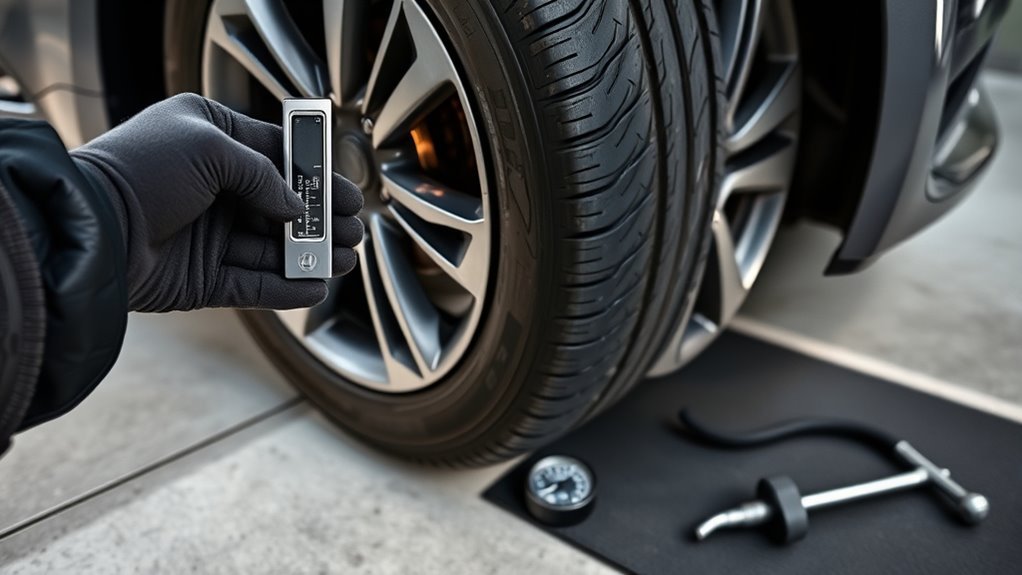
Good tire maintenance is the best way to prevent a humming noise from coming back. It also helps protect tire life, ride comfort, fuel economy, and handling.
- Check tire pressure monthly. Use a gauge when the tires are cold and match the pressure on the tire placard or owner’s manual.
- Rotate tires on schedule. Hyundai’s online owner-manual tire-rotation page lists rotation every 12,000 km / 7,500 miles or sooner if irregular wear develops. Always follow the manual for your Sonata’s model year and tire setup.
- Balance tires when vibration appears. If the steering wheel shakes at highway speed, ask for a wheel balance and tire inspection.
- Check alignment after impacts. Potholes, curbs, and uneven road impacts can knock alignment out and create fast, noisy tread wear.
- Inspect tread and sidewalls regularly. Replace tires with bulges, exposed cords, deep cracks, or unsafe tread depth.
- Choose replacement tires carefully. Use the correct size, speed rating, and load rating. If road noise matters to you, compare touring tires with strong comfort/noise ratings, but do this after confirming the current noise is not from a bearing or suspension fault.
Note: Tire-pressure monitoring systems are helpful, but they are not a replacement for monthly gauge checks. A tire can be below ideal pressure before the warning light turns on.
How to Know When to Call a Mechanic About Tire Noise?
Call a mechanic if the humming noise continues after you correct tire pressure, inspect the tread, and rotate the tires. You should also book service sooner if the sound is getting louder, changes during turns, or comes with vibration.
Get prompt inspection if you notice any of these symptoms:
- A humming, growling, or grinding noise that gets louder with speed
- Noise that changes when turning left or right
- Steering-wheel vibration or body vibration at a steady speed
- Uneven tire wear, cupping, feathering, or one tire wearing much faster than the others
- A hot smell, smoke, or unusual heat near one wheel
- Loose-feeling steering, wobble, brake pulsing, ABS warning light, or pulling
If the issue is a wheel bearing, repair cost depends on model year, location, labor rate, and whether the bearing is replaced alone or as part of a hub assembly. RepairPal’s Hyundai Sonata estimate lists an average wheel-bearing replacement range of about $275 to $517, not including taxes, fees, location differences, or related repairs.
Frequently Asked Questions
How do I get rid of tire hum on a Hyundai Sonata?
Start by setting the tire pressure to the driver-door placard number, checking tread for cupping or feathering, and rotating the tires if they are safe to rotate. If the noise changes after rotation, the tires are likely involved. If it does not change, ask a shop to inspect balance, alignment, wheel bearings, brakes, and suspension.
How much does it cost to replace a wheel bearing on a Hyundai Sonata?
A Hyundai Sonata wheel-bearing replacement commonly averages about $275 to $517 according to RepairPal’s estimate, before taxes, fees, location differences, and related repairs. The final price can change if the vehicle needs a hub assembly, extra labor, brake work, or suspension parts.
Can tire noise sound like a bad wheel bearing?
Yes. Cupped, feathered, or unevenly worn tires can make a humming or roaring sound that closely mimics a worn wheel bearing. A useful clue is whether the sound changes on different road surfaces or after tire rotation. A mechanic can confirm the cause with a road test and wheel-end inspection.
Is it safe to drive with a humming wheel bearing?
A mild hum should be inspected soon, but you should not keep driving if the noise becomes grinding, the wheel wobbles, the hub area smells hot, the car pulls, or braking and steering feel abnormal. A significantly worn bearing can become a serious safety issue.
Will an alignment fix a humming tire noise?
An alignment can prevent new uneven wear, but it may not silence tires that are already cupped or badly feathered. If the tread pattern is damaged, the tire may stay noisy even after alignment. A shop may recommend rotation, balancing, alignment, suspension repair, or tire replacement depending on the wear pattern.
How often should I rotate Hyundai Sonata tires?
Follow the owner’s manual for your model year and tire setup. Hyundai’s online tire-rotation page lists rotation every 12,000 km, or 7,500 miles, or sooner if irregular wear develops. Rotating tires on schedule helps even out wear and can reduce tire-related humming.
Conclusion
A humming noise from your Hyundai Sonata’s tires is usually a warning sign, not just an annoyance. Start with the basics: cold tire pressure, tread condition, visible damage, rotation history, balance, and alignment. If the noise changes during turns, grows with speed, or remains after tire service, have the wheel bearings, brakes, and suspension checked. Quick attention can keep a small tire-wear issue from becoming a costly or unsafe repair.
Sources
- Hyundai Owner’s Manual — Tire rotation — supports tire-rotation interval, uneven wear causes, pressure, alignment, balance, and damage inspection.
- NHTSA TireWise — supports tire safety, maintenance, tire labels, and consumer tire-care guidance.
- NHTSA — June Is Tire Safety Month — supports monthly cold tire-pressure checks, tread checks, balancing, alignment, and rotation guidance.
- Timken — Symptoms of a Worn Wheel Hub Bearing — supports humming, rumbling, growling, vibration, and turning-load clues for bearing diagnosis.
- RepairPal — Hyundai Sonata Wheel Bearing Replacement Cost — supports current average cost range and common wheel-bearing symptoms.

