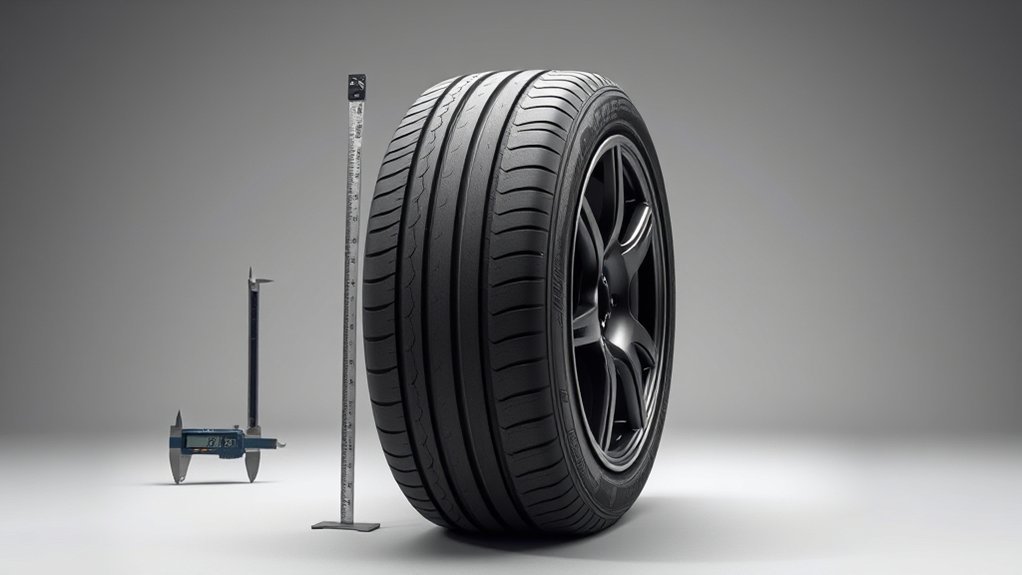
A 325 tire is a wide tire with a nominal section width of 325 mm, which converts to about 12.8 inches. In the common 325/60R20 size, the tire is about 35.4 inches tall on a 20-inch wheel. It is usually used on full-size trucks, lifted trucks, and larger SUVs that have enough fender, suspension, and steering clearance.
Quick Answer
A 325 tire is 325 mm wide, or about 12.8 inches by nominal section width. A 325/60R20 tire is about 35.4 inches tall, has a sidewall height near 7.7 inches, and fits a 20-inch wheel. Always confirm rim width, load rating, offset, and truck clearance before buying.
Key Takeaways
- A 325 tire is about 12.8 inches wide by nominal metric section width.
- A 325/60R20 tire has a sidewall height of about 7.7 inches.
- The calculated overall diameter is about 35.4 inches, though real mounted specs vary slightly by brand.
- Many LT325/60R20 tires are approved for rims around 9.5 to 11.5 inches wide, but you must check the tire maker’s spec sheet.
- A 325/60R20 can improve stance, grip, and load support, but it can also cause rubbing, speedometer error, and clearance problems if the truck is not set up for it.
At a Glance
| Nominal Width | 325 mm, or about 12.8 inches |
| Common Size Example | 325/60R20 or LT325/60R20 |
| Calculated Diameter | About 35.4 inches |
| Sidewall Height | About 7.7 inches per sidewall |
| Wheel Diameter | 20 inches |
| Common Rim Range | Often around 9.5 to 11.5 inches, depending on the tire model |
| Best Fit | Full-size trucks, lifted trucks, wide-body builds, and larger SUVs with verified clearance |
Warning: Do not choose a 325/60R20 by size alone. Check your owner’s manual, Tire and Loading Information Label, wheel specs, load rating, suspension clearance, and tire maker’s approved rim-width range. If you are unsure, use a qualified tire shop before mounting the tire.
What Does a 325/60R20 Tire Mean?
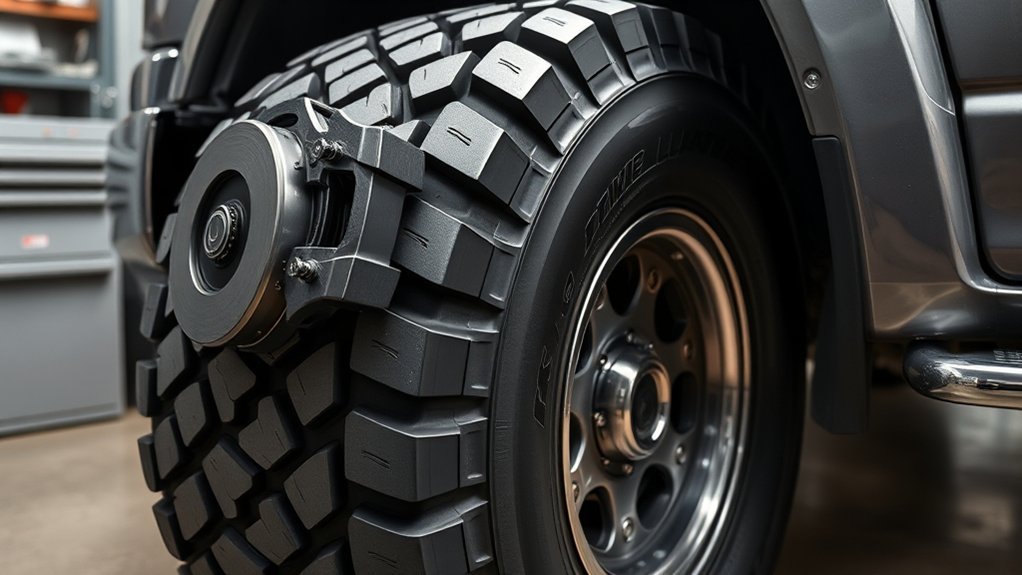
A 325/60R20 tire size tells you the tire’s width, sidewall ratio, construction, and wheel diameter. The first number, 325, is the nominal section width in millimeters. That means the tire is about 12.8 inches wide before you account for brand-specific mounted dimensions.
The 60 is the aspect ratio. It means the sidewall height is 60% of the tire’s nominal width. The R means radial construction, which is the standard construction on most modern light-truck and passenger tires. The 20 means the tire fits a 20-inch wheel.
For a 325/60R20, the math gives you a tire that is about 35.4 inches tall overall. Real-world specs can vary slightly by tire model, tread design, measuring rim, and inflation pressure. For example, Nitto lists its LT325/60R20 Ridge Grappler at 35.35 inches in overall diameter and 13.03 inches in inflated overall width.
Use these numbers as a starting point, not the final fitment answer. Your truck’s fenders, suspension, wheel offset, brake clearance, and load requirements all matter.
How Wide Is a 325/60R20 Tire?
A 325/60R20 tire is about 12.8 inches wide by nominal section width. The conversion is simple: 325 mm divided by 25.4 equals 12.8 inches. In real mounted specs, some tires measure slightly wider. A listed inflated overall width of about 13.0 inches is common for certain LT325/60R20 tires.
325 Width in Inches
A 325 tire equals about 12.8 inches wide by metric conversion. This number helps you compare it with common inch-labeled sizes such as 35×12.50R20 or 35×13.50R20.
- Metric width: 325 mm
- Converted width: about 12.8 inches
- Real mounted width: often close to 13 inches, depending on tire model and measuring rim
- Common use: full-size trucks, lifted trucks, heavy-duty trucks, and some wide-clearance SUVs
The tire’s section width is not the same as tread width. Tread width is the part of the tire that contacts the road, while section width is measured across the wider sidewall area.
Sidewall Height Breakdown
The sidewall height on a 325/60R20 is about 7.7 inches. Here is the formula:
- 325 mm × 0.60 = 195 mm
- 195 mm ÷ 25.4 = 7.68 inches
That 7.7-inch sidewall gives the tire a tall profile. It can help absorb bumps on rough roads and trails, but it also increases overall tire height. That extra height can affect fender clearance, gearing, braking feel, and speedometer accuracy.
Wheel Fitment Basics
A 325/60R20 tire fits a 20-inch wheel, but the wheel’s width and offset must also match the tire and the vehicle. Many LT325/60R20 tires are approved for rim widths around 9.5 to 11.5 inches, but the correct range depends on the exact tire model.
- Wheel diameter: 20 inches
- Common rim-width range: often around 9.5 to 11.5 inches
- Offset concern: too much positive or negative offset can cause rubbing
- Clearance concern: check fenders, control arms, sway bars, brake lines, and liners
If the wheel is too narrow, the tire can crown and reduce stability. If the wheel is too wide, the sidewall can be stretched and more exposed to impact damage. Always follow the tire maker’s approved rim-width range.
Pro Tip: Check clearance with the steering turned fully left and fully right, then check again with the suspension compressed. Many rubbing problems only show up during turns, braking, driveway angles, or off-road articulation.
How Tall Is a 325/60R20 Tire?
A 325/60R20 tire is about 35.4 inches tall overall. The calculated diameter is 35.36 inches, and real-world manufacturer specs often round it to about 35.3 or 35.4 inches. This is why many people compare a 325/60R20 to a 35-inch tire, even though it is not exactly the same as every tire labeled “35.”
325/60R20 Height Basics
The overall tire height comes from adding both sidewalls to the wheel diameter:
- Sidewall height: 7.68 inches
- Two sidewalls: 15.36 inches
- Wheel diameter: 20 inches
- Total calculated diameter: 35.36 inches
That height gives the truck more ground clearance than many stock sizes, but it also takes more room inside the wheel well.
Exact Diameter in Inches
The clean formula for a 325/60R20 is:
| Step | Calculation | Result |
| Width | 325 ÷ 25.4 | 12.8 in |
| Sidewall | 12.8 × 0.60 | 7.7 in |
| Diameter | 20 + 7.7 + 7.7 | 35.4 in |
Use the calculated size for comparison, then confirm the tire’s real published specs before you buy.
Fitment and Clearance Notes
A 325/60R20 is large enough that fitment can be tight on many trucks. Before you order, check:
- wheel-well space at full steering lock
- front bumper and rear fender-liner clearance
- upper control arm and sway-bar clearance
- brake-line and caliper clearance
- suspension travel under load
- wheel offset and backspacing
- spare tire storage, if you plan to carry a full-size spare
A lift kit can help with vertical clearance, but it does not automatically fix width or offset problems. A wide tire can still rub the control arm, liner, bumper, or fender edge.
Will a 325/60R20 Fit Your Truck?
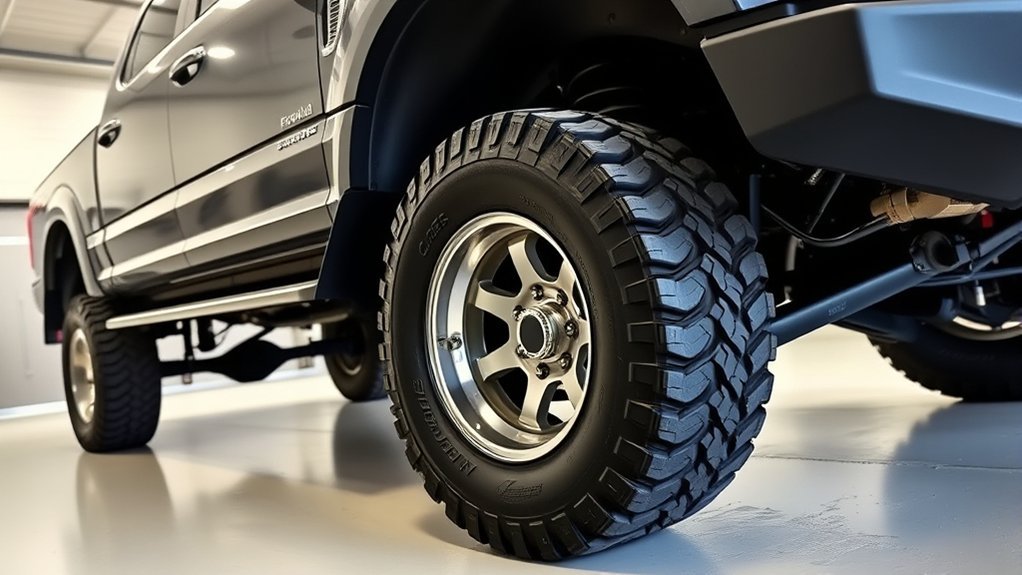
A 325/60R20 may fit your truck if the truck has enough clearance for a tire that is about 35.4 inches tall and roughly 13 inches wide when mounted. It is more likely to fit on a lifted full-size truck than on a stock midsize truck or compact SUV.
Start by checking your vehicle’s owner’s manual or Tire and Loading Information Label for the original tire size and load requirements. NHTSA recommends choosing the original size or another size recommended by the vehicle manufacturer, and consulting a tire dealer if you have any doubt about the correct size.
Then compare the new tire with your current tire. A larger 325/60R20 may change:
- speedometer reading, because tire circumference changes
- effective gearing, because taller tires reduce mechanical leverage
- braking feel, because heavier tires can add rotating mass
- steering effort, especially at low speed
- ABS and traction-control behavior, especially if tire sizes differ from factory calibration
- fuel economy, because wider and heavier tires can add rolling resistance
If your truck already runs a similar 35-inch tire with no rubbing, a 325/60R20 may be easier to fit. If your current tire is much smaller, expect to verify the setup more carefully.
[Products Worth Considering]

Accurately measure tire tread depth with a calibrated gauge marked from 0 to 1 inch in 1/32 inch increments. The color-coded bar helps you quickly identify tread condition ranges, supporting safe driving for trucks, motorcycles, automobiles, and passenger vehicles.

The SAFELIFE dial tire tread depth gauge measures tread depth in 1/32 inch increments with clear, easy-to-read 2-inch dial face. Color zones using a traffic light system help you quickly judge whether tread is low, marginal, or ample for safer driving. Built with a durable zinc cast body and a metal detect probe for precise, comfortable use across cars, motorcycles, trucks, and buses.

Monitor tire tread wear with a smart, color-coded depth gauge that shows clear condition ranges at a glance. The bar is range marked for fast, easy readings, helping you maintain safer traction and performance. Each gauge is portable with a pocket clip, and the set includes 20 units for daily use and sharing.
How 325 Tire Width Changes Ride Quality
A 325 tire usually gives a larger footprint than a narrower tire. That can improve traction, stability, and stance, especially on trucks that tow, haul, or drive off-road. The tradeoff is that the ride may feel firmer, heavier, and louder.
A 325/60R20 gives you a wide footprint and tall sidewall, but the truck must have the clearance, wheel specs, and load capacity to use it safely.
You may notice:
- more steering weight at parking-lot speeds
- more road noise from aggressive tread patterns
- slightly harsher response over sharp bumps
- stronger straight-line stability on heavy trucks
- more grip on loose dirt, gravel, and dry pavement
- higher chance of tramlining or following road grooves
Tread design matters as much as width. A highway-terrain 325 tire will feel different from a mud-terrain 325 tire, even when both share the same size.
Load Rating, Pressure, and Safety Checks
Load rating is one of the most important details on a 325/60R20. Many LT325/60R20 tires are built for heavy trucks, but the exact rating depends on the tire. For example, one LT325/60R20 E 126/123Q tire is rated at 3,750 pounds at 65 psi in single use.
Do not use the tire’s maximum sidewall pressure as your normal target pressure unless the vehicle and tire maker’s load/inflation guidance supports it. NHTSA says the correct cold tire pressure is found on the vehicle’s Tire and Loading Information Label or in the owner’s manual, not simply on the tire sidewall.
Also check tread depth and tire condition regularly. NHTSA says tires are not safe and should be replaced when tread is worn to 2/32 inch. Wide tires still need proper pressure, rotation, balance, and alignment to wear evenly.
Note: If you tow or haul, match the tire’s load capacity to the truck’s actual axle loads and the vehicle placard. A tire with a high load index does not increase the truck’s legal payload rating.
Best Uses for 325/60R20 Tires
The 325/60R20 tire is best suited for larger trucks and SUVs that need a wide tire, tall diameter, and strong load support. It makes the most sense when the vehicle is already set up for a 35-inch-class tire.
Common uses include:
- lifted full-size trucks that need a wider stance
- heavy-duty pickups that need load-rated LT tires
- off-road builds that benefit from sidewall height and footprint
- towing setups where the tire’s load rating matches the truck’s requirements
- appearance builds where the owner wants a wide, aggressive tire profile
It is not always the best choice for a daily driver if you want quiet ride quality, low rolling resistance, easy parking-lot steering, or stock-like fuel economy. For those goals, a narrower or lighter tire may be easier to live with.
[Products Worth Considering]

Keep your tires properly inflated with this analog VONDIOR tire pressure gauge, designed for fast, easy readings without batteries. The swiveling, two-axis hose and large glow dial help you measure at any tire angle with instant visibility. Built with a protective rubber shield, it supports durable, low-maintenance use for cars and trucks.

Measure tire tread depth quickly and accurately with this LUMITECO dial gauge that reads in 1/32" increments up to 14/32". The color-coded green/yellow/red zones make it easy to judge tire wear and know when replacement is needed. A rugged, compact design with a protective pouch helps keep the gauge ready for use on cars, trucks, motorcycles, and more.

The ETENWOLF T600 digital tire pressure gauge delivers precise, manually calibrated readings to ANSI B40.7 Grade 2A standards with ±0.5% PSI accuracy. Its 360° rotating nozzle and display hold make it easy to check pressures from any angle, while a bleed button helps dial tires to the perfect level. With a 0–250 PSI range and support for PSI, BAR, and KPA, it’s a convenient tool for maintaining tire performance across many vehicles and seasons.
325/60R20 Alternatives That Fit Similar Trucks
If you want a tire close to a 325/60R20, compare both diameter and width. The 325/60R20 is about 35.4 inches tall and about 12.8 to 13.0 inches wide, depending on how the tire is measured.
| Alternative Size | How It Compares | Best For |
| 295/65R20 | Similar height, narrower width | Cleaner fitment with less rubbing risk |
| 35×12.50R20 | Very close 35-inch-class height, slightly narrower than many 325s | Popular lifted-truck replacement |
| 35×13.50R20 | Similar height but wider than a 325/60R20 | Wide-stance builds with more clearance |
| 305/55R20 | Shorter and narrower | Drivers who want easier daily fitment |
A 33×12.50R20 is not a close height match for a 325/60R20. It may be close in width, but it is much shorter than a 35.4-inch tire. Choose it only if you intentionally want to reduce height.
Also compare load index, speed rating, tread type, approved rim width, and actual manufacturer specs. Two tires with similar labels can still measure differently once mounted.
[Products Worth Considering]

Measure tyre tread depth precisely with a digital gauge that reads in both MM and inches, helping you monitor safe driving conditions. The large LCD screen is easy to operate, and the compact tool fits for cars, trucks, and motorcycles. It provides high accuracy with a 0-25.4mm range and includes a 1-year warranty for added peace of mind.

Upgrade your ride with a 2-pack set of 26x1.95 folding mountain bike tires built for dependable traction on mud, rocks, and trail surfaces. A reinforced puncture-resistant layer helps protect against sharp debris, while included butyl inner tubes provide strong sealing and shock absorption. Ready for fast swaps with included tire levers and universal sizing for most bikes.

This metal-free wheel and tire cleaning brush uses dense, fluffy synthetic wool to safely clean rims, spokes, fenders, and engine areas without worrying about damaging surfaces. Its flexible, comfortable design helps you reach detailed areas while maintaining durability, and the extra absorbent fibers work well with wheel spray cleaners for faster cleanup. Reusable and washable performance helps prevent grime and build-up for cleaner vehicles and easier maintenance at home.
Frequently Asked Questions
Is a 325 tire the same as a 35?
Not exactly. A 325 tire number describes width in millimeters, while a “35” tire label usually describes overall tire diameter in inches. A 325/60R20 is about 35.4 inches tall, so it is in the 35-inch tire class, but you should still compare the exact manufacturer specs.
Is 325 a 37-inch tire?
No. A 325/60R20 is about 35.4 inches tall, not 37 inches. A true 37-inch tire is taller and usually needs more lift, more fender clearance, and more careful gearing and speedometer checks.
What wheel width do I need for a 325 tire?
Many LT325/60R20 tires are approved for rim widths around 9.5 to 11.5 inches, but the correct range depends on the tire model. Always use the tire manufacturer’s approved rim-width range rather than a general rule.
What is a 325 tire equal to?
A 325 tire equals about 12.8 inches wide by nominal metric section width. In the 325/60R20 size, it is about 35.4 inches tall with a 7.7-inch sidewall on a 20-inch wheel.
Will a 325/60R20 fit a stock truck?
It depends on the truck. Some full-size trucks may fit a 35-inch-class tire with the right wheel offset and minor trimming, while others need a lift or leveling kit. Check full-lock steering, suspension compression, fender liners, control arms, and load rating before mounting.
Does a 325/60R20 change the speedometer?
Yes, it can if it is taller than your original tire. A larger diameter tire travels farther per rotation, so the speedometer may read lower than your actual speed. Recalibration may be needed after a major size change.
Conclusion
A 325/60R20 is a wide, 35-inch-class truck tire that measures about 12.8 inches wide by nominal section width and about 35.4 inches tall overall. It can give a truck a stronger stance, more ground clearance, and confident traction, but only when the fitment is right.
Before buying, confirm the tire maker’s actual specs, approved rim-width range, load rating, vehicle placard requirements, wheel offset, and clearance at full lock and full suspension travel. If you want similar height with less rubbing risk, compare a narrower option such as 295/65R20 or a common 35×12.50R20.
Sources
- Nitto Tire Ridge Grappler Sizes & Specs — backs up real LT325/60R20 diameter, inflated width, rim-width range, and load specification.
- NHTSA TireWise — backs up correct tire-size selection, tire pressure, tire maintenance, tire tread, and tire safety guidance.
- NHTSA Tire Buyers’ FAQ — backs up checking the owner’s manual or Tire and Loading Information Label before selecting replacement tires.