
How to Store Toyota Camry Seasonal Tires: Temperature, Bags & Stacking Tips
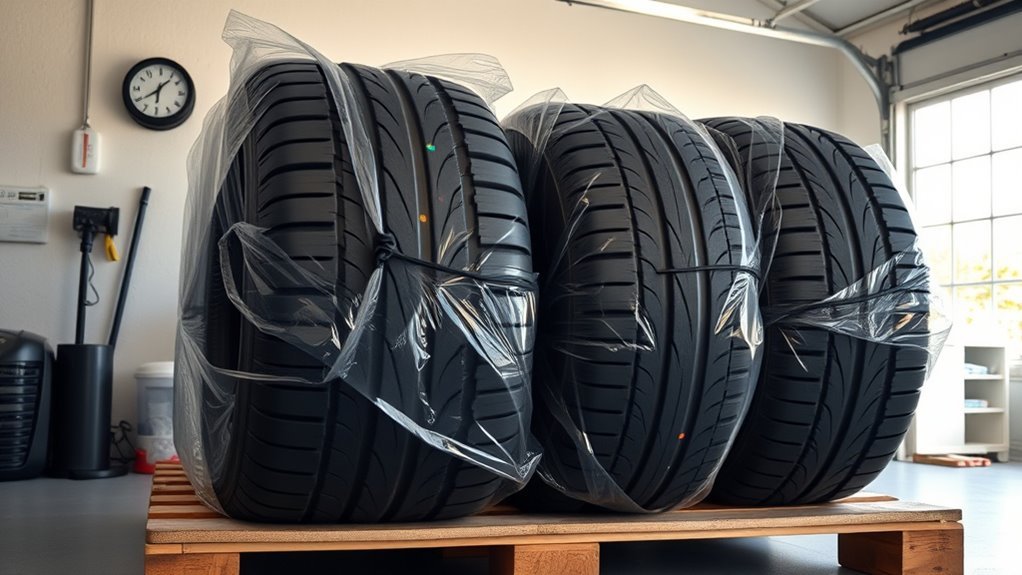
Store your Toyota Camry seasonal tires in a clean, cool, dry, dark indoor space where the temperature stays stable and the tires are protected from sunlight, moisture, ozone, solvents, and heat. Clean and dry the tires first, seal each one in an airtight plastic bag when possible, and store them differently depending on whether they are mounted on rims or off the rims.
Quick Answer
Clean your Toyota Camry tires with mild soap and water, dry them fully, bag them airtight, and keep them indoors away from sun, heat, ozone, oil, and moisture. Store tires on rims stacked flat or hung; store tires without rims upright. Before reinstalling, inspect damage, tread depth, age, and pressure.
Key Takeaways
- Use a cool, dry, dark indoor storage spot; avoid outdoor exposure, direct sunlight, heat, chemicals, and ozone-generating equipment.
- Clean tires before storage, dry them completely, and avoid tire shine or dressing products.
- Store mounted tires stacked horizontally or hung; store unmounted tires upright and rotate their contact point occasionally.
- Before driving, inflate mounted tires to the pressure listed on your Camry’s driver-door tire placard, not a guessed storage PSI.
At a Glance
| Time Required | 30–60 minutes for cleaning, drying, bagging, and labeling a set of four tires |
| Difficulty | Easy DIY maintenance |
| Tools Needed | Mild soap, water, tire brush, clean towels, airtight plastic bags, tape, marker, tread-depth gauge, tire rack or pallet |
| Cost | Usually $0–$40 if you already have cleaning supplies; more if you buy a dedicated tire rack or professional storage |
Why Camry Tire Storage Matters

Properly storing your Toyota Camry’s seasonal tires protects the rubber compound, sidewalls, bead area, and tread from avoidable aging. Poor storage can expose tires to sunlight, ozone, moisture, petroleum products, and temperature swings, all of which can shorten tire life or lead to cracking, discoloration, and loss of performance.
Seasonal tires are especially worth protecting because they may sit unused for months. A winter tire stored in a hot shed all summer, or a summer tire left on damp concrete through winter, can age faster than expected. A simple storage routine helps preserve grip, braking, ride quality, and the money you already spent on the tire set.
For the safest baseline, follow tire-maker and industry guidance: keep tires clean, dry, indoors, away from direct sunlight, and away from ozone-generating equipment. Michelin recommends a cool, dry, clean indoor location, and the U.S. Tire Manufacturers Association recommends clean, dry, well-ventilated storage with mild, shaded conditions.
[Products Worth Considering]

The Kurgo Seasonal Tire Tote helps protect your car interior, clothes, and garage from tire grime, brake dust, and residue during seasonal tire changes. Its universal design fits most passenger tires between 22" and 31" in diameter, making storage and transport simpler with less mess. Built for rugged, repeated use, it’s machine washable for easy care and comes with a lifetime warranty.

This wheel brush kit delivers pro-level cleaning at home, lifting dirt, grime, and brake dust to help restore wheel appearance. It includes multiple brush styles and applicator pads for tackling different wheel surfaces, with gentle, metal-free bristles designed to reduce scratching risk. The flat and double-ended brushes are built for comfort and reach, making wheel care easier for cars, trucks, and RVs.

This oesee 8-piece wheel care kit helps you clean, scrub, and dry wheels safely with purpose-built brushes and towels. The scratch-free microfiber wheel brush lifts brake dust and grime, while the stiff pro-grip tire brush removes tire browning and embedded dirt. A twist loop microfiber drying towel and an applicator help achieve a streak-free finish and cleaner, more even product application.
How to Clean Camry Tires Before Storage
Before you put your Camry tires away, remove dirt, brake dust, road salt, stones, and grime. Use mild soap, water, and a tire brush. Scrub the tread grooves, sidewalls, and bead area gently but thoroughly, then rinse until no soap remains.
Do not apply tire shine, gloss, dressing, oil, or solvent-based products before storage. Tire compounds are already designed to resist normal environmental stress, and dressings can leave residue or interfere with proper storage. Continental advises cleaning tires before storage and skipping dressing products.
After washing, dry every tire completely with clean towels or allow it to air-dry indoors. Trapped moisture inside a bag or tote can encourage mold, corrosion on wheels, and hidden deterioration. While each tire is clean, inspect it for cuts, punctures, bulges, exposed cords, weather cracking, and uneven wear.
Pro Tip: Mark each tire’s last position before storage, such as LF, RF, LR, and RR. That makes it easier to rotate the set correctly when you reinstall it next season.
Where to Store Camry Tires
Choose a storage spot that is cool, dry, dark, clean, and stable. A basement, interior storage room, or climate-controlled garage is usually better than an outdoor shed, open carport, attic, or garage corner that gets hot afternoon sun. Keep the tires raised off the floor on a smooth pallet, shelf, or tire rack so moisture cannot collect underneath.
Cool Dry Locations
The best place to store Toyota Camry seasonal tires is indoors, away from sunlight and weather. The storage area should stay dry, have mild room-like temperatures, and avoid large temperature swings. If the space is heated, keep tires away from heaters, hot pipes, boilers, and direct heat sources.
Concrete floors can hold moisture, so do not leave bare tires directly on damp concrete for months. Use a tire rack, smooth wooden pallet, or sturdy shelf. Avoid grated or sharp surfaces that could press into the rubber over time.
Avoid Temperature Swings
Repeated heating and cooling can stress tire materials. Avoid attics, uninsulated sheds, and garages that swing from freezing to hot. If a shed is your only option, use it only if it stays dry, shaded, ventilated, and protected from extreme heat, extreme cold, water leaks, and pests.
Warning: Do not store tires near gasoline, oil, solvents, lubricants, battery chargers, electric motors, generators, welding equipment, compressors, furnaces, sump pumps, or other ozone-generating equipment. Ozone and chemicals can damage rubber even when the tires are not being driven.
Climate-Controlled Storage Options
Climate-controlled storage is one of the safest options for Camry tires because it limits humidity, UV exposure, and temperature swings. A professional tire shop or tire retailer may also offer seasonal storage with inspection. That can be useful if you do not have indoor space or if your tire set is expensive, new, or mounted on dedicated wheels.
If you use professional storage, ask whether the tires are kept indoors, away from sunlight and ozone sources, and whether the shop inspects tread, sidewalls, and pressure before the next installation.
Store Tires On or Off Rims
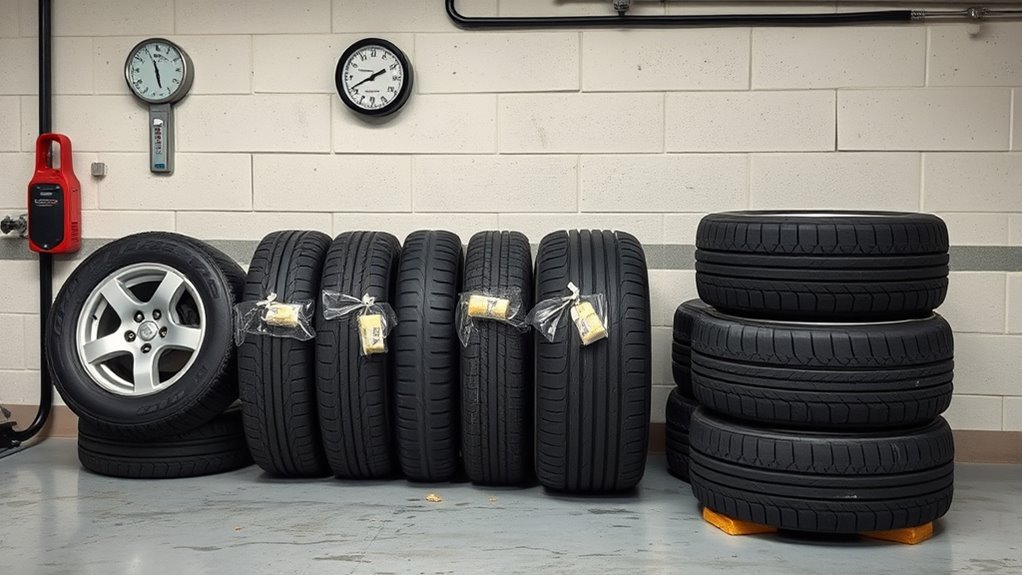
The correct storage position depends on whether the tires are mounted on wheels. Tires on rims are supported by the wheel, so they can be stacked flat or hung. Tires without rims do not have that support, so standing them upright is the safest home-storage method.
| Tire Setup | Best Storage Position | Avoid |
| Mounted on rims | Stack flat horizontally or hang from a proper wheel/tire rack | Long-term upright storage under the tire’s own weight |
| Off rims / unmounted | Stand upright on the tread and rotate the contact point occasionally | Hanging from hooks or stacking too high |
| Any tire set | Bag airtight when dry, keep off damp floors, and protect from light | Sunlight, moisture, solvents, ozone, and heat |
On-Rim Storage
If your Toyota Camry tires are mounted on rims, clean the wheels and tires, dry them fully, and stack them horizontally with the sidewalls facing down. Keep the stack stable and low enough that the bottom tire is not overloaded. You can also hang mounted tire-and-wheel assemblies from a proper rack designed to support the weight.
Do not rely on a universal storage pressure such as 15 PSI. Before reinstalling and driving, inflate each mounted tire to the pressure listed on your Camry’s driver-door tire placard. Tire pressure can vary by model year, trim, tire size, and load, so the placard is the right reference.
Off-Rim Storage
Off-rim Toyota Camry tires should stand upright on a clean, smooth surface. This helps protect the bead and sidewall from distortion. If the tires will sit for several months, rotate each tire slightly every month or two so the same spot is not carrying the load the entire time.
Do not hang unmounted tires from hooks. Do not stack them high in a pile where the lower tire carries too much weight. If space is tight and you must stack unmounted tires briefly, keep the stack low, clean, and stable, and return them to upright storage as soon as practical.
Keep Tires Cool and Dry
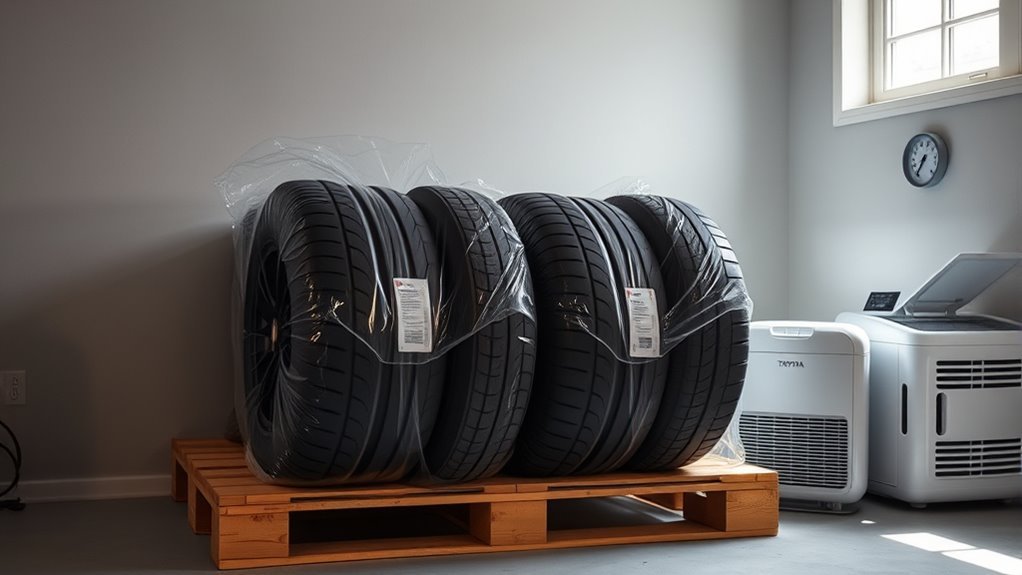
Cool and dry storage slows tire aging. The storage area does not need to be fancy, but it should be clean, shaded, and protected from standing water, roof leaks, condensation, and heat sources. Airtight plastic bags help reduce exposure to air, dust, and moisture when the tire is completely dry before bagging.
A dry tire in a sealed bag, stored indoors and away from sunlight, ozone, and chemicals, has a much better chance of staying road-ready for the next season.
Tire totes are useful for carrying and keeping dirt off your tires, but many totes are not airtight. If you use totes, bag the dry tire first, squeeze out extra air, tape the bag closed, and then place it in the tote.
[Products Worth Considering]

This 100-piece tire repair screw plug kit provides a fast, self-service solution for punctures on the road. Choose the correct plug size, insert it into the break, and screw it in to help seal the puncture and temporarily restore tire pressure. Thickened threads and rubber-wrapped plugs improve bite and sealing while remaining compact and easy to carry.
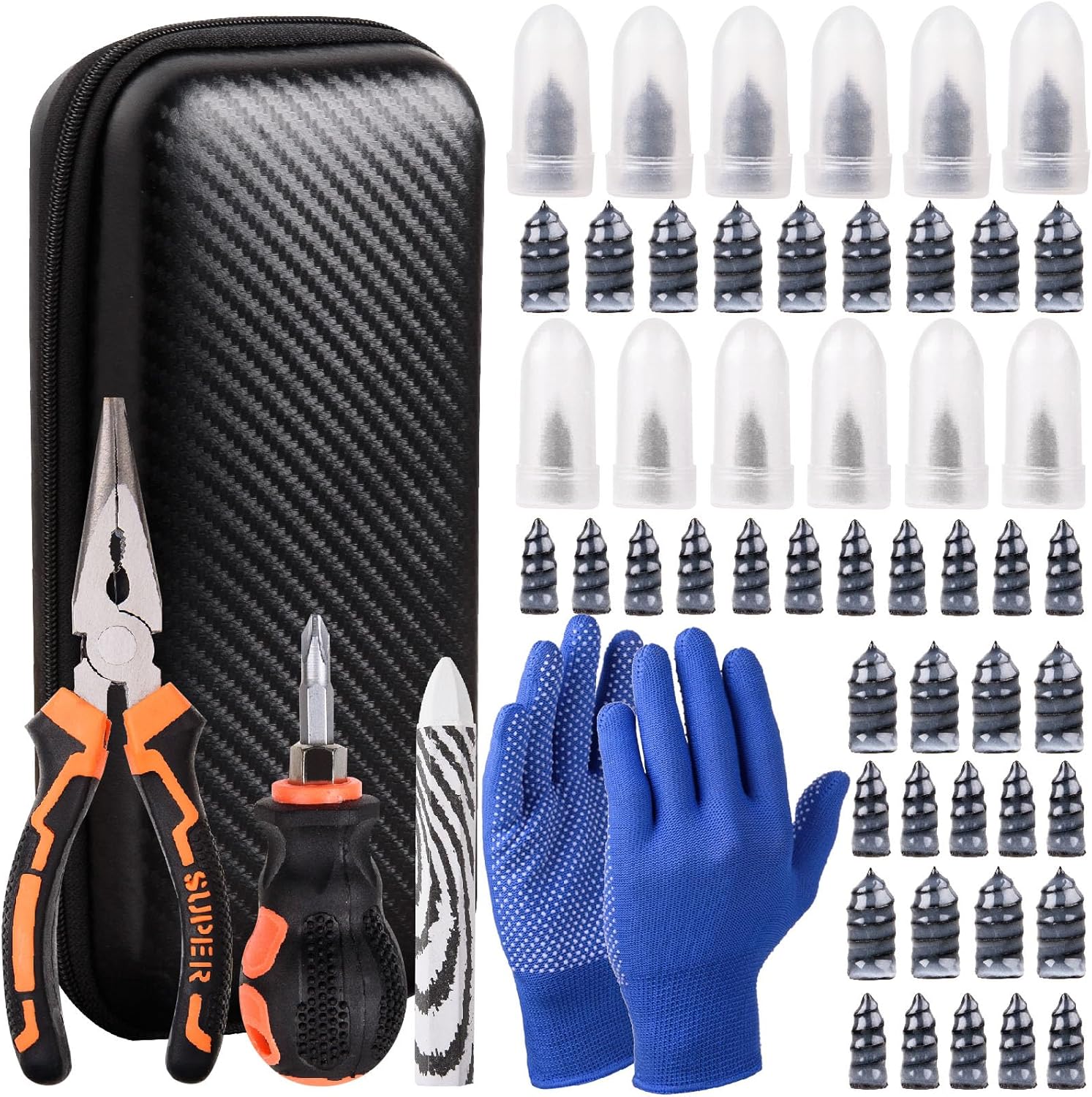
This tire sidewall puncture repair kit fixes flats fast without removing the tire, helping you get back on the road in minutes. It includes self-tapping repair nails, essential tools, gloves, and a portable storage bag for convenient roadside use. Designed for tubeless tires, it helps create a tight, leak-resistant seal for cars, motorcycles, trucks, SUVs, and ATVs.
Stack Camry Tires the Right Way
Stacking is best for tires that are mounted on rims. Lay them flat in a stable horizontal stack, sidewall to sidewall. Keep the stack on a smooth shelf, tire rack, or pallet instead of bare concrete. If the stack will sit for a long time, shift the order occasionally so one tire does not stay at the bottom all season.
For unmounted tires, standing upright is usually the better home-storage method. Keep them in a row, bagged and dry, and rotate their position occasionally. Make sure the surface is smooth and free of nails, sharp metal edges, wood splinters, stones, or chemical residue.
Check Tires Before Next Season
Before reinstalling your Toyota Camry seasonal tires, inspect each tire in bright light. Look for sidewall cracks, bulges, punctures, exposed cords, flat spots, tread separation, embedded objects, and uneven wear. Remove stones and debris from the grooves.
Use a tread-depth gauge instead of guessing. In the United States, tires are commonly considered legally worn at 2/32 inch, but that is not a good target for every condition. Tire Rack recommends replacing tires around 4/32 inch for wet-road driving and around 5/32 inch for snow-covered roads because shallow tread reduces water and snow evacuation. If your Camry sees winter weather, plan replacement before the tires reach the legal minimum.
Check the DOT date code on the tire sidewall, too. The last four digits show the week and year the tire was made. Age is not the only reason to replace a tire, but older tires should be inspected carefully even if tread remains. If a tire is cracked, bulging, damaged, or badly uneven, have a tire professional inspect it before use.
Note: After seasonal storage, set pressure to the Camry’s driver-door placard before driving. Do this when the tires are cold, and recheck pressure after installation.
Frequently Asked Questions
Is it better to store winter tires upright or flat?
It depends on whether they are mounted on rims. Store winter tires without rims upright. Store winter tires mounted on rims stacked flat or hung from a proper wheel rack.
Should I store winter tires in bags?
Yes. Store clean, fully dry tires in airtight plastic bags when possible. Remove extra air from the bag and tape it closed. This reduces exposure to moisture, dust, and air. If you use tire totes, bag the tires first because many totes are not airtight.
Can I store my winter tires in my shed?
You can store tires in a shed only if it stays dry, shaded, clean, and protected from extreme temperatures. Avoid sheds with leaks, direct sun, chemical storage, or large temperature swings. Indoor climate-controlled storage is safer for long seasonal storage.
Should Toyota Camry tires be stored inflated?
If the tires are mounted on rims, keep enough air in them to hold their shape, then set them to the Camry’s driver-door placard pressure before driving. If the tires are off the rims, inflation does not apply.
Can I stack Toyota Camry tires on top of each other?
You can stack tires that are mounted on rims. Keep the stack stable and not too high. For unmounted tires, standing upright is the better home-storage choice because the tire is not supported by a wheel.
How often should I check stored tires?
Check stored tires every month or two. Look for moisture, pests, bag damage, cracking, bulges, pressure loss on mounted sets, and anything nearby that could expose the tires to heat, oil, solvents, or ozone.
Conclusion
To keep Toyota Camry seasonal tires ready for the next season, clean and dry them first, seal them in airtight bags when possible, and store them indoors in a cool, dry, dark place. Keep them away from sunlight, moisture, ozone, fuel, oil, solvents, and heat. Stack or hang mounted tires, stand unmounted tires upright, and inspect every tire before it goes back on the car. A careful storage routine protects grip, extends tire life, and helps you avoid preventable replacement costs.
Sources
- Michelin — Storing My Tires — backs indoor storage, cleaning, mounted vs. unmounted orientation, and tire inspection basics.
- U.S. Tire Manufacturers Association — TISB 23 No. 6 Tire Storage Recommendations — backs clean/dry/ventilated storage, raised storage, ozone/chemical warnings, and professional inspection guidance.
- Continental Tires — How to Correctly Store Tires — backs cleaning, no dressing, airtight bags, sunlight avoidance, chemical exposure warnings, and storage orientation.
- Continental Tire — Tire Storage Tips — backs cool, dry, dark storage and avoiding heat, ozone, solvents, fuels, lubricants, and chemicals.
- Bridgestone Americas — Tire Replacement Guidance — backs tread-depth inspection, 2/32-inch legal minimum guidance, sidewall inspection, and tire age guidance.
- Tire Rack — How Much Tread Depth Is Enough? — backs condition-based tread-depth recommendations for wet and snow driving.

Related Articles

Toyota Camry All-Season Tires Explained: What They Can and Can’t Do
In exploring Toyota Camry all-season tires, discover their benefits and limitations—are they really the right choice for your driving needs?
Read More
Toyota Camry Tire Traction in Ice and Snow: A Practical Winter Driving Guide
Learn essential tips for maximizing tire traction on ice and snow in your Toyota Camry, ensuring your winter driving is safe and confident. Discover more now!
Read More
Do Toyota Camry Tires Need Snow Chains? When They Help and When They Don’t
How do snow chains enhance your Toyota Camry's winter driving safety, and when should you avoid using them? Discover the essential details inside!
Read More