
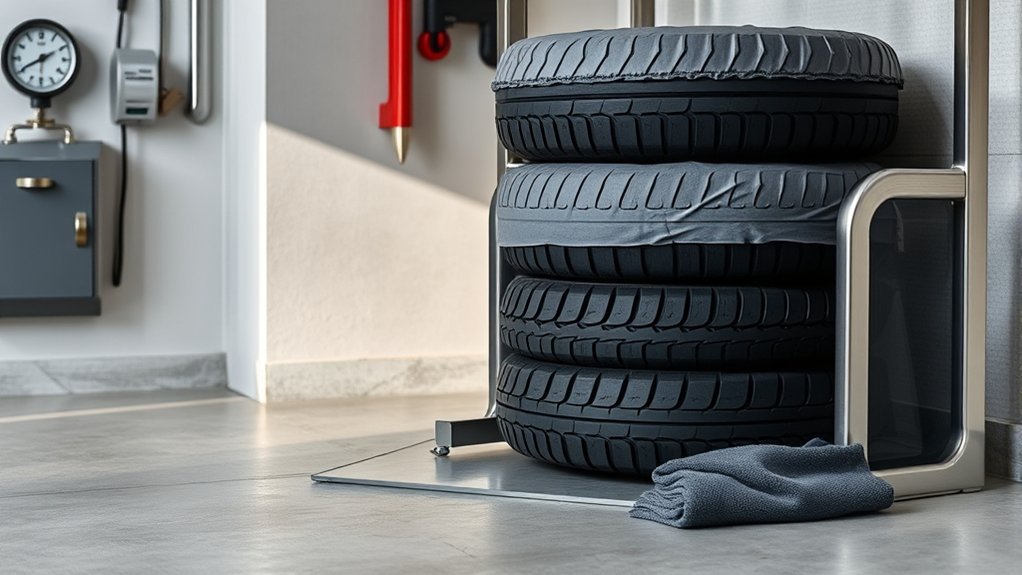
Storing Honda Accord tires between seasons is not difficult, but it does need a clean, dry setup and the right storage position. The goal is to slow rubber aging, prevent flat spots, keep moisture away, and make sure each tire is safe before it goes back on your car.
Quick Answer
To store Honda Accord tires, clean and dry them, inspect tread and sidewalls, label each tire position, and place them in airtight opaque bags. Store them in a cool, dry, dark indoor space away from sunlight, chemicals, moisture, and ozone sources. If tires are mounted on wheels, follow the tire-pressure placard before reinstalling.
Key Takeaways
- Always use your Honda Accord owner’s manual or driver-door tire placard for the correct cold tire pressure before reinstalling mounted tires.
- Clean and fully dry tires before bagging them so brake dust, road salt, and trapped moisture do not sit on the rubber.
- Store tires indoors in a cool, dry, dark place away from sunlight, heat, electric motors, fuel, solvents, and generators.
- Mounted tire-and-wheel assemblies can usually be stacked or hung from proper wheel hooks; unmounted tires should stand upright and be rotated periodically.
- Before reinstalling, inspect tread depth, sidewall cracks, bulges, punctures, DOT age, pressure, and lug-nut torque requirements.
At a Glance
| Time Required | 30 to 60 minutes for a full set, plus drying time |
| Difficulty | Easy, but tire removal and reinstallation should be done safely |
| Tools Needed | Mild soap, water, tire brush, towel, tire gauge, labels or chalk, opaque bags, tape, gloves, and a storage rack or clean raised platform |
| Cost | Usually $0 to $30 if you already have cleaning supplies; more if you buy tire totes or a wall rack |
Warning: Do not reinstall a tire with a sidewall bulge, exposed cords, deep cracks, severe dry rot, or a puncture near the shoulder or sidewall. Have it inspected by a tire professional before driving.
Why Proper Tire Storage Matters for Your Honda Accord
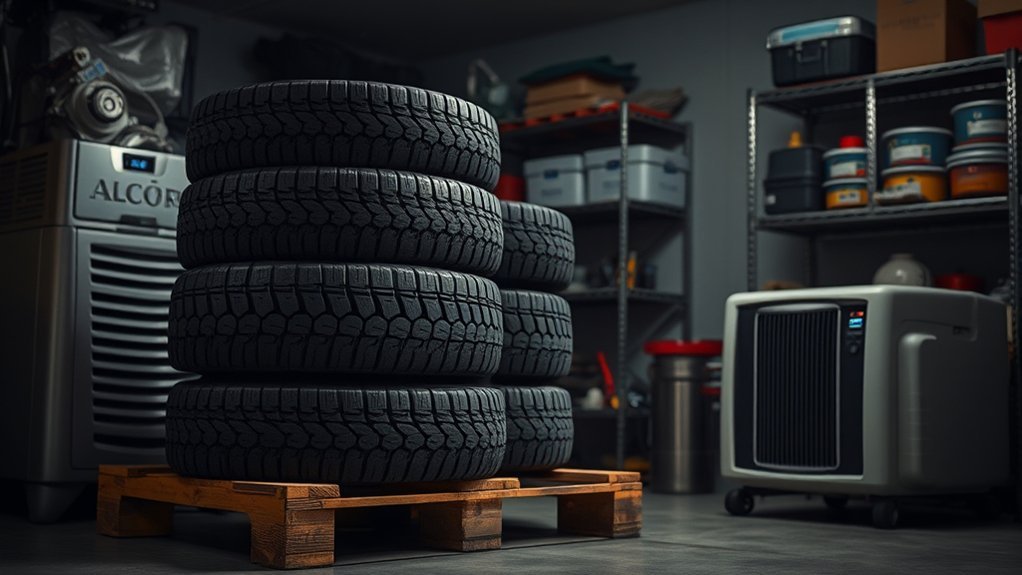
Proper tire storage helps protect your Honda Accord tires from avoidable damage while they are off the car. Tires age naturally over time, but sunlight, heat, moisture, ozone, and chemicals can speed up cracking and hardening. A clean indoor storage setup slows that process and helps the tires keep their shape until the next season.
Pressure also matters when the tires are mounted on wheels. Before storage and again before reinstalling, use the cold tire pressure listed on your Accord’s driver-door tire placard or in the Honda owner’s manual. Do not use the maximum PSI molded on the tire sidewall as your normal driving pressure.
Good storage also makes seasonal swaps easier. If each tire is clean, labeled, bagged, and stored in the right position, you can quickly check wear patterns, rotate tires correctly, and spot problems before they affect handling, braking, or ride comfort.
Step 1: Clean and Label Your Tires Before Storage
Start by cleaning your Honda Accord tires before they go into bags or covers. Road grime, brake dust, salt, oil, and small stones can sit against the rubber for months if you store the tires dirty.
Supplies You Need
- Mild car soap or dish soap
- Water and a tire brush
- Microfiber towels or clean rags
- Tire-pressure gauge if the tires are mounted on wheels
- Labels, chalk, masking tape, or tire marker
- Opaque tire bags, tire totes, or heavy-duty plastic bags
- Tape or zip ties to seal bags
- Plywood, 2x4s, tire rack, or wall hooks rated for mounted wheels
Thorough Cleaning Process
Wash each tire with mild soap, water, and a tire brush. Scrub the tread grooves and sidewalls to remove dirt, brake dust, and salt. Rinse well so no soap residue remains, then let the tires dry fully before bagging them. Trapped moisture can lead to odor, mold, corrosion on wheels, and faster rubber deterioration.
Note: Skip petroleum-based tire shine or greasy dressings before storage. A clean, dry tire is better than a glossy tire coated with a product that may attract dust or react poorly with rubber over time.
Label Each Tire Position
Before you move the tires into storage, label where each one came from: FL for front left, FR for front right, RL for rear left, and RR for rear right. This helps you track wear and rotate the tires correctly when they go back on the car.
Pro Tip: Put the label on the tread or bag, not only on the wheel face. If you stack the set, labels on the bag or tread are easier to see.
Step 2: Inspect for Damage, Age, and Wear on Your Tires
Once the tires are clean and dry, inspect them carefully in good light. This is the best time to catch damage before the tires sit for months.
- Check the sidewalls: Look for cracks, cuts, bulges, bubbles, scrapes, or exposed cord.
- Check the tread: Look for nails, screws, stones, uneven wear, cupping, feathering, or bald areas.
- Measure tread depth: Tires at or near 2/32 inch are worn out for legal road use in many places, and winter or wet-road driving usually needs more tread than that.
- Check tire age: Find the DOT date code on the sidewall. The last four digits show the week and year of manufacture, such as 2422 for the 24th week of 2022.
- Look for uneven wear patterns: One-sided wear may point to alignment problems, while center wear or edge wear may point to pressure issues.
If you find major cracking, a bulge, exposed cords, or a puncture near the sidewall, do not store the tire as “ready to use.” Set it aside for inspection or replacement.
Step 3: Set the Right Air Pressure in Mounted Tires
If your Honda Accord tires are mounted on wheels, check the pressure before storage and again before reinstalling them. Use the cold pressure on the driver-door tire placard or your owner’s manual, because the correct number depends on the model year, trim, tire size, and load rating.
[Products Worth Considering]

Measure tire tread depth quickly and accurately with this LUMITECO dial gauge that reads in 1/32" increments up to 14/32". The color-coded green/yellow/red zones make it easy to judge tire wear and know when replacement is needed. A rugged, compact design with a protective pouch helps keep the gauge ready for use on cars, trucks, motorcycles, and more.

Steelman white tire marking crayons provide high-contrast, semi-permanent marks for repairing and inspecting tires and equipment. They write on wet or dry, smooth or coarse surfaces including rubber, metal, glass, and wood, making them ideal for puncture location and damage outlining. The lead- and zinc-free crayons resist weather and fading yet wipe away when you no longer need the marks.

This professional wheel and rim brush kit makes it easy to lift brake dust, grime, and dirt from wheels and tires without scratching finishes. The brushes feature soft, metal-free wool heads and a flexible 360-degree rim brush design for reaching hard-to-clean areas. Includes multiple brush types plus accessories for thorough car, motorcycle, and general vehicle detailing.
Mounted Tires on Wheels
Mounted tires can lose air slowly during storage, especially when the storage area gets colder. Check them before storage, then check them again before they go back on the car. If you are storing them for several months, a quick monthly pressure check is helpful, but the final pressure should always be set cold before driving.
Unmounted Tires Without Wheels
Unmounted tires are not inflated because they are not sealed to a wheel. For unmounted tires, the key is storage position. Keep them clean, dry, bagged, and upright if possible. Rotate their standing position every few weeks or about once a month so the same area does not carry the load the whole time.
Prevent Flat Spotting
Flat spotting happens when weight presses on one area of the tire for a long time. The risk is higher when tires are stored under load, underinflated while mounted, or left in one position for months. Keeping mounted tires properly inflated and storing unmounted tires upright with periodic rotation helps reduce that risk.
Step 4: Decide on Storing Tires Mounted or Unmounted
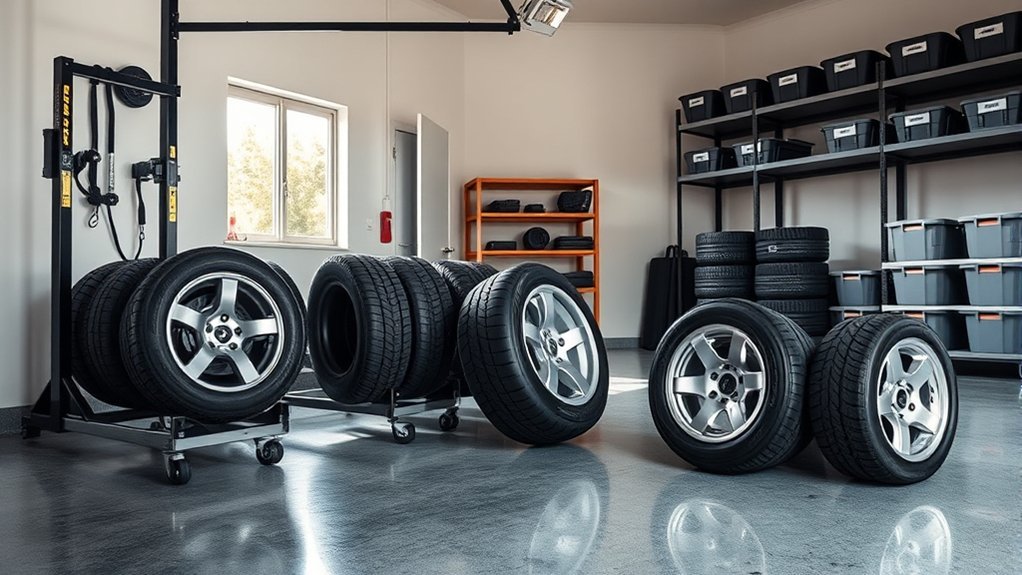
How you store your Honda Accord tires depends on whether they are mounted on wheels. The right method protects the tire shape and prevents unnecessary stress on the sidewall or bead.
| Storage Type | Best Position | Avoid |
|---|---|---|
| Mounted on wheels | Stack flat or hang from wheel hooks rated for the weight | Letting them sit underinflated or leaning loosely for months |
| Unmounted tires | Stand upright and rotate position periodically | Hanging by the bead or stacking heavy items on top |
If you have a second set of wheels for winter or summer tires, mounted storage is convenient because seasonal swaps are faster. If your tires are unmounted, they take up less space, but they need more careful handling to protect the bead area.
Step 5: Choose the Best Location for Tire Storage
The best tire storage location is indoors, dry, dark, and stable in temperature. A basement, insulated garage, closet, or clean storage room is usually better than a shed, balcony, or outdoor corner.
The best place to store Honda Accord tires is a cool, dry, dark indoor area away from direct sunlight, moisture, ozone, petroleum products, and sharp temperature swings.
Choose a storage area with these conditions:
- Cool and dry: Avoid damp floors, standing water, and high humidity.
- Dark: Keep tires away from direct sunlight and strong UV exposure.
- Clean: Do not store tires near grease, gasoline, solvents, paint, or strong chemicals.
- Away from ozone sources: Keep tires away from electric motors, furnaces, compressors, generators, and battery chargers.
- Raised off the floor: Use plywood, a shelf, a rack, or 2x4s if the floor is concrete or damp.
An unheated garage can work if it stays dry and the tires are not exposed to sunlight, water, or chemicals. If the garage has major temperature swings or moisture problems, bag the tires carefully and check them more often.
[Products Worth Considering]

Monitor tire tread wear with a smart, color-coded depth gauge that shows clear condition ranges at a glance. The bar is range marked for fast, easy readings, helping you maintain safer traction and performance. Each gauge is portable with a pocket clip, and the set includes 20 units for daily use and sharing.

Clean wheels and rims with soft feathered bristles that safely remove dirt and road grime while helping restore original luster. The short non-slip handle makes it easy to scrub in tight wheel wells, and the brush is suitable for vehicles and hard-to-reach areas. It can also be soaked and rubbed to help restore bristles to their shape after use.

The Kurgo Seasonal Tire Tote helps protect your car interior, clothes, and garage from tire grime, brake dust, and residue during seasonal tire changes. Its universal design fits most passenger tires between 22" and 31" in diameter, making storage and transport simpler with less mess. Built for rugged, repeated use, it’s machine washable for easy care and comes with a lifetime warranty.
Step 6: Protect Tires With Bags or Covers
Opaque, airtight bags help reduce air, light, dust, and moisture exposure during seasonal storage. Tire totes are convenient, but heavy-duty plastic bags can also work if you seal them well.
[Products Worth Considering]

This oesee 8-piece wheel care kit helps you clean, scrub, and dry wheels safely with purpose-built brushes and towels. The scratch-free microfiber wheel brush lifts brake dust and grime, while the stiff pro-grip tire brush removes tire browning and embedded dirt. A twist loop microfiber drying towel and an applicator help achieve a streak-free finish and cleaner, more even product application.

This 62-inch extra-long car wash brush kit makes it easy to clean hard-to-reach areas on cars, trucks, SUVs, and RV roofs with lightweight, sturdy poles. It includes soft, non-scratch microfiber and bristles with protective bumpers to help prevent scratches while cleaning effectively. A rubber squeegee helps remove water stains quickly, plus a wheel/tire brush and absorbent towels for complete exterior detailing.

This 7-piece car wheel brush kit delivers gentle, scratch-free cleaning with extra-soft, metal-free brush heads designed to lift brake dust, dirt, and grime. The brushes bend up to 360 degrees for hard-to-reach wheel areas, while the included tire shine applicator pad helps apply tire dressing evenly with less build-up. An organizer bag is included for convenient storage, making it ideal for regular wheel and tire detailing.
Proper Bag Selection
Use bags that are large enough to cover the whole tire. Opaque bags are better than clear bags because they block light. If the tire is still slightly damp, do not bag it yet. Let it dry completely first.
Good options include:
- Purpose-made tire storage bags or totes
- Heavy-duty contractor bags
- Large opaque plastic bags sealed with tape
- Vacuum bags only if they fit safely and do not bend or deform the tire
Sealing Techniques Explained
Place each dry tire in its bag, press out excess air by hand, then seal the opening with tape or a zip tie. Do not trap wet towels, leaves, or grit inside the bag. Label the outside of the bag with the tire position so you do not have to open everything later.
If you store tires in a humid area, add a small moisture absorber near the storage space, not loose inside the tread where it can spill or stick to the rubber.
Step 7: Stack, Stand, or Hang Tires Correctly to Avoid Damage
Storage position is one of the biggest differences between mounted and unmounted tires. Use the method that matches your setup.
- Mounted on wheels: Stack them flat in a clean, stable pile, or hang each wheel from a strong wall hook designed for wheel-and-tire weight.
- Unmounted tires: Store them upright on the tread, not hanging from the bead. Rotate each tire’s standing position every few weeks.
- Keep them off damp floors: Use wood, a shelf, or a tire rack to reduce moisture contact.
- Do not overload the stack: Do not pile tools, boxes, or other heavy items on stored tires.
If you stack mounted tires, place the heaviest and most stable tire at the bottom and keep the stack level. If you use a wall rack, make sure it is anchored properly and rated for the total load.
Step 8: Keep an Eye on Storage Conditions
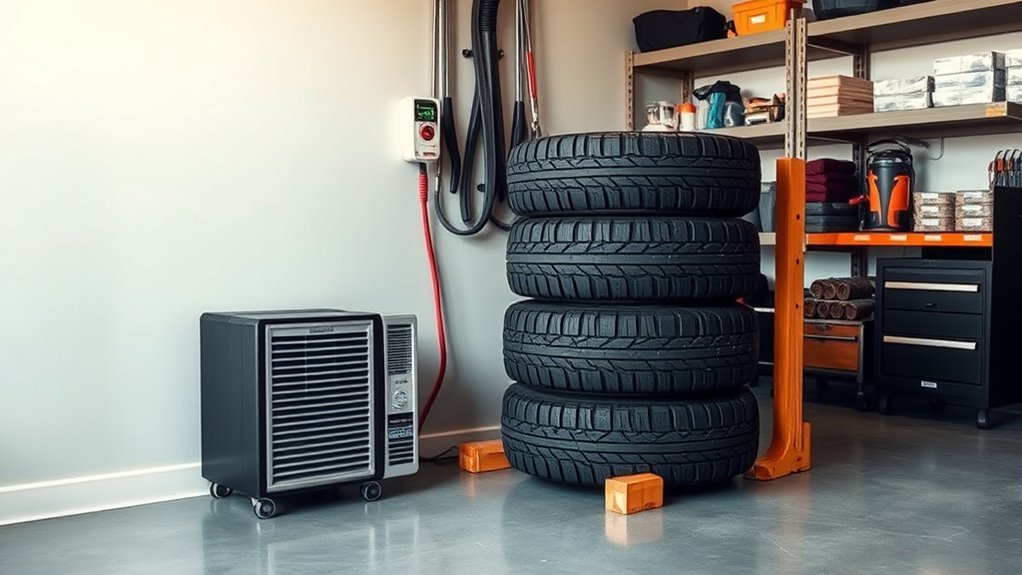
After your Honda Accord tires are stored, check the area from time to time. You do not need to handle them every week, but a quick monthly look can catch moisture, pests, torn bags, or a leaning stack before it becomes a problem.
During storage, check for:
- Moisture inside bags or on the floor
- Torn bags or covers
- Strong chemical smells from nearby products
- Sunlight hitting the tires through a window
- Pest activity or debris around the storage area
- Mounted tires losing pressure over time
If the storage area becomes damp, move the tires to a drier space. If a bag has condensation inside, open it, dry the tire fully, and rebag it.
What to Do When It’s Time to Reinstall Your Tires
Before reinstalling your stored Honda Accord tires, do a fresh safety check. Storage protects tires, but it does not make damaged or aged tires safe again.
- Inspect every tire: Look for cracks, bulges, punctures, exposed cords, uneven wear, and embedded objects.
- Check tread depth: Replace tires that are at the wear bars or too shallow for the season you plan to drive in.
- Check DOT age: Older tires may need professional inspection even if tread remains.
- Set cold pressure: Use the Honda Accord tire placard on the driver-door jamb or the owner’s manual, not the tire sidewall maximum.
- Install in the right position: Use your labels and rotate according to your tire type, tread direction, and wear pattern.
- Torque lug nuts correctly: Use the specification in your owner’s manual or have a professional install the wheels.
- Reset or relearn TPMS if needed: Some Accord models require a tire pressure monitoring system calibration after tire service.
- Take a short test drive: Listen for vibration, pulling, rubbing, or warning lights.
If the car pulls, vibrates, or shows uneven tire wear, schedule an alignment, balance check, or tire inspection before longer driving.
Common Tire Storage Mistakes to Avoid
Small storage mistakes can shorten tire life. Avoid these common problems:
- Storing tires outside: Sun, rain, snow, and heat speed up aging.
- Bagging wet tires: Moisture can cause odor, mold, and wheel corrosion.
- Using harsh cleaners: Strong solvents and petroleum products can damage rubber.
- Forgetting tire labels: You lose track of rotation history and wear patterns.
- Storing near motors or generators: Ozone exposure can contribute to rubber cracking.
- Ignoring tire age: A tire can be unsafe from age or cracking even if it still has tread.
- Using sidewall max PSI as driving pressure: The sidewall number is not the normal pressure for your Accord.
Frequently Asked Questions
Is it okay to store tires in an unheated garage?
Yes, an unheated garage can work if it is dry, dark, and clean. Keep the tires away from direct sunlight, standing water, gasoline, solvents, furnaces, generators, and electric motors. If the garage is damp or exposed to big temperature swings, use sealed opaque bags and inspect the area regularly.
Should Honda Accord tires be stored inflated?
Only tires mounted on wheels hold air, so those should be checked with a tire gauge and set according to the Accord tire placard or owner’s manual before reinstalling. Unmounted tires are not inflated for storage because they are not sealed to a wheel.
Can I stack tires without rims?
It is better to store unmounted tires upright rather than stacked for long periods. If you must stack them for a short time, keep the stack low, keep them clean and dry, and rotate their position periodically so one area does not carry pressure for months.
Should I bag tires for seasonal storage?
Yes, bagging is a smart step as long as the tires are completely clean and dry first. Opaque airtight bags help limit light, dust, air movement, and moisture exposure. Label each bag with the tire’s original position before storing it.
How long can seasonal tires stay in storage?
Seasonal tires can usually sit for several months when stored correctly. Before using them again, inspect tread depth, sidewalls, DOT age, pressure if mounted, and signs of cracking or deformation. If the tires are old or damaged, have them checked by a tire professional.
Should I put tire shine on tires before storing them?
No. For storage, clean and dry is best. Avoid petroleum-based dressings, greasy products, and harsh solvents because they can attract dirt or affect rubber over time. Use mild soap and water, then let the tires dry fully before bagging.
Conclusion
Proper Honda Accord tire storage comes down to a few simple habits: clean the tires, dry them fully, inspect them, label their positions, bag them, and keep them in a cool, dry, dark indoor space. Use the right storage position for mounted or unmounted tires, and always check pressure, tread, age, and damage before reinstalling. With those steps, your seasonal tire set will be easier to rotate, safer to reuse, and better protected while it waits for the next driving season.
Sources
- Honda Owners Manuals — supports using the correct owner’s manual and tire placard for model-specific tire pressure and service guidance.
- National Highway Traffic Safety Administration: Tires — supports tire pressure, tread, and safety inspection guidance.
- Michelin: How to Store Tires — supports clean, dry, cool, dark tire storage and protection from environmental exposure.
- Bridgestone: How to Store Tires — supports tire cleaning, drying, bagging, and indoor storage practices.
- Tire Rack: Tire Storage — supports seasonal tire storage position and handling guidance for mounted and unmounted tires.

1 thought on “How to Store Honda Accord Tires Between Seasons”