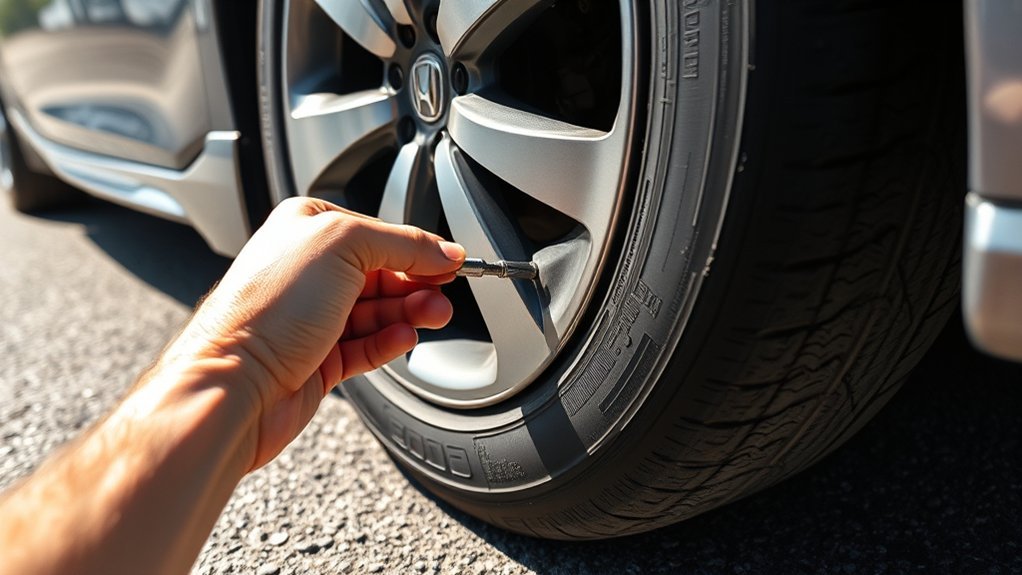
A punctured Honda Accord tire can sometimes be plugged on the roadside, but only as a short-term emergency repair. A plug can help seal a small tread puncture long enough to get you moving again; it is not the same as a proper internal plug-patch repair performed after the tire is removed and inspected.
Quick Answer
To plug a Honda Accord tire, confirm the puncture is small, straight, and in the tread area only. Park safely, remove the object, ream the hole, insert a rubber plug with the kit tool, trim the excess, reinflate to the door-placard pressure, and check for leaks. Then drive carefully to a tire shop for a proper inspection and plug-patch repair.
Key Takeaways
- Only plug a puncture in the center tread area. Do not plug sidewall, shoulder, large, angled, or irregular damage.
- A string plug installed from outside the tire is a temporary emergency fix, not the preferred permanent repair.
- Use the tire pressure listed on your Honda Accord’s driver-door placard or owner’s manual, not the maximum pressure molded on the tire sidewall.
- If the tire was driven flat, has a bulge, shows cords, or keeps leaking, install the spare or call roadside assistance instead of plugging it.
At a Glance
| Time Required | 15–30 minutes for a temporary plug, plus time for a professional repair check |
| Difficulty | Moderate; only attempt it in a safe, flat location |
| Tools Needed | Tire plug kit, pliers, tire pressure gauge, portable inflator, gloves, safety glasses, soapy water, utility knife, and wheel chocks if available |
| Cost | About $10–$40 for a DIY kit; professional repair or replacement costs vary by shop and tire condition |
Warning: Do not plug a Honda Accord tire if the puncture is in the sidewall or shoulder, larger than 1/4 inch (6 mm), near another repair, caused by a slash, or paired with a bulge, exposed cords, severe tread wear, or damage from being driven flat. Use the compact spare or call roadside assistance instead.
Can You Plug a Honda Accord Tire Safely?
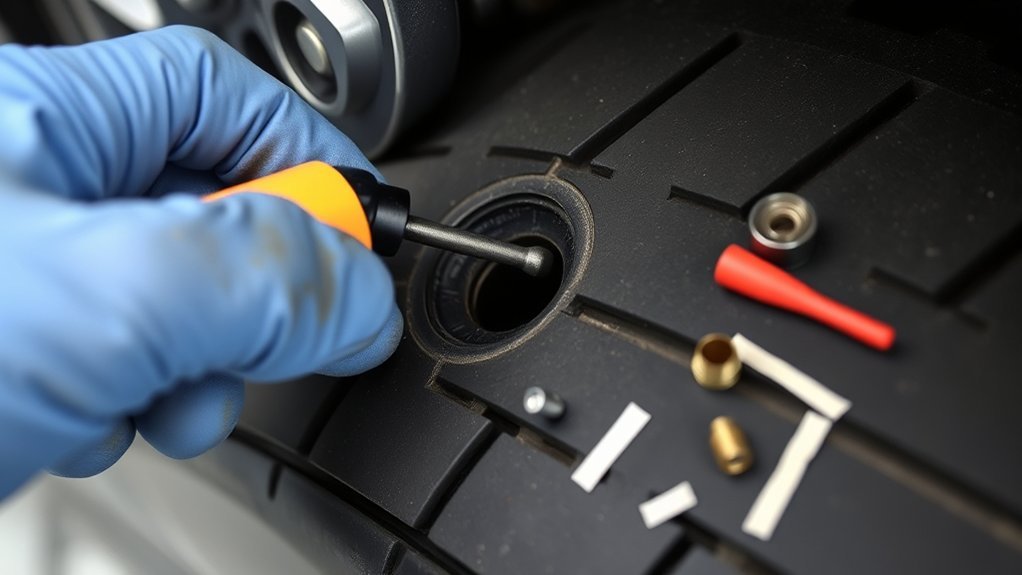
You can use a tire plug kit on a Honda Accord only when the damage is a small puncture in the tread area and the tire otherwise looks healthy. This usually means a nail or screw went straight through the tread and the tire has not been driven while flat.
The important detail is that a DIY outside plug should be treated as temporary. The U.S. Tire Manufacturers Association explains that a proper repair uses both a plug or rubber stem to fill the injury and a patch to seal the inner liner. The Tire Industry Association also notes that on-the-wheel string plugs should be considered temporary because the inside of the tire cannot be inspected while it is still mounted.
For a long-term repair, have the tire removed from the wheel and inspected from the inside. If the puncture is repairable, a trained technician can install a proper plug-patch repair. If the tire is not repairable, replacement is the safer choice.
How to Identify a Repairable Puncture
Before you plug a Honda Accord tire, find the leak and decide whether the tire is safe enough for a temporary repair. Start with a visual inspection of the tread. Look for a nail, screw, staple, or small metal object embedded in the part of the tire that contacts the road.
- Repairable area: the main tread area, away from the sidewall and shoulder.
- Damage size: no larger than 1/4 inch (6 mm).
- Tire condition: no bulges, cracks, exposed cords, severe uneven wear, or signs it was driven while flat.
- Leak type: a single straight puncture, not a tear, slice, impact break, bead leak, or valve-stem leak.
If you cannot see the leak, inflate the tire enough to test it safely, then spray soapy water over the tread, valve stem, and bead area. Bubbles show where air is escaping. A hissing sound can also help you locate the puncture.
Note: If the leak comes from the valve stem, wheel bead, sidewall, or shoulder, a tread plug is not the right fix. Have the tire and wheel inspected instead.
Must-Have Tools for Tire Plugging
A tire plug repair goes more smoothly when the tools are ready before you start. Keep the kit in your trunk with a compact inflator so you are not stuck relying on a nearby air pump.
[Products Worth Considering]

KEVWR self-service tire repair nails are made to firmly fix punctures with strong bite and reliable sealing, helping prevent water from entering the wound. The spiral rubber screws are easy to insert without removing the tire, providing a simple DIY repair for many vehicle and tire types. Suitable for cars, motorcycles, trucks, bikes, buses, and agricultural tires with two size options for different puncture nails.

This tire repair kit provides fast emergency puncture repair without removing the tire from the rim, helping you get back on the road quickly. Its screw plug system is designed for punctures in both tread and sidewall and includes a complete patch plug tool set with essential accessories. A portable storage bag makes it easy to carry for cars, trucks, SUVs, motorcycles, and heavy-duty applications.

Get back on the road fast with this compact tire plug repair kit for tubeless tires. It includes self-vulcanizing rubber plugs, T-handle rasp and insert tools, and a storage box that fits in your glove compartment for easy access. Also included are a 4-way valve steam tool set with valve cores and caps for added roadside convenience.
Essential Tools Needed
- Tire plug kit: usually includes rubber plugs, a reamer, an insertion tool, and sometimes rubber cement.
- Pliers: for removing the nail, screw, or debris from the tread.
- Portable air compressor: for reinflating the tire after the plug is installed.
- Tire pressure gauge: for setting pressure to the Honda Accord placard pressure.
- Utility knife or side cutters: for trimming extra plug material.
- Soapy water: for leak checking after the repair.
Safety Equipment Importance
Wear gloves and safety glasses. Tire tools are sharp, the object in the tread may be jagged, and air can escape quickly from a puncture. If you are on a busy road shoulder, do not attempt a plug repair there. Move to a safe area, install the compact spare, or call roadside assistance.
| Tool | Purpose | Why It Matters |
|---|---|---|
| Tire plug kit | Temporarily seals a small tread puncture | Gets you moving when the tire is otherwise repairable |
| Safety glasses and gloves | Protects eyes and hands | Reduces injury risk while pulling debris and using sharp tools |
| Air compressor | Reinflates the tire | A plug is useless if you cannot bring the tire back to safe pressure |
| Pressure gauge | Checks PSI accurately | TPMS is not a replacement for manual pressure checks |
Plugging Process Essentials
Before you insert a plug, read the directions that came with your specific tire plug kit. Some kits require rubber cement, while others use pre-coated plugs. Always keep the insertion angle close to the original puncture path so you do not create extra damage.
How to Plug a Honda Accord Tire: Step-by-Step
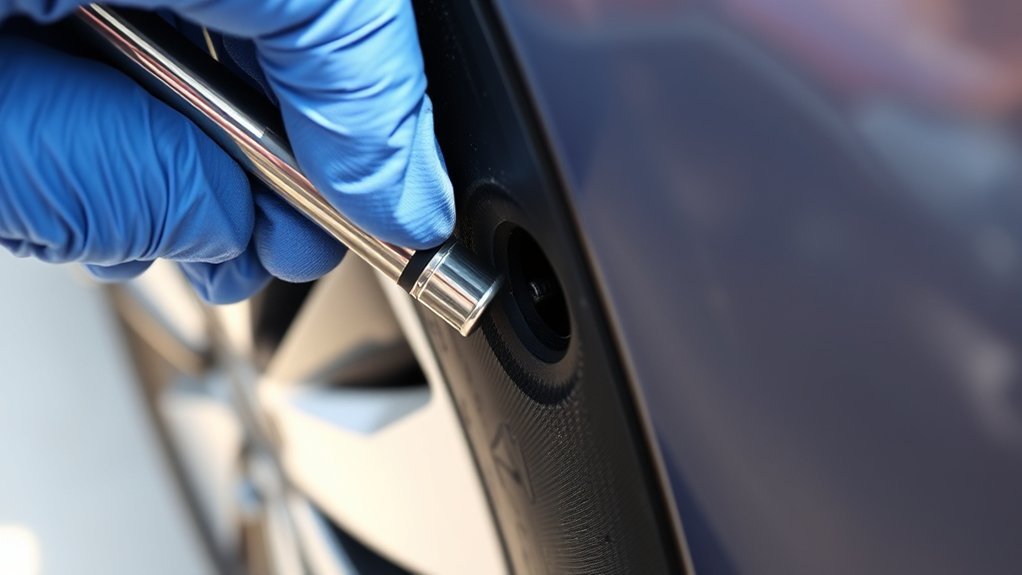
Use these steps only for a small tread puncture when the car is parked in a safe, flat location. If the tire is flat on a road shoulder, installing the compact spare is often safer than trying to plug the tire beside traffic.
[Products Worth Considering]

This AUTOWN flat tire repair kit is designed for quick, reliable puncture repairs using a plug kit and spiral probe tool to simplify installation. Built for durability and safe handling, it offers strong adhesion and flexibility to help maintain tire air tightness. With a portable storage case and a multi-vehicle approach, it’s suitable for cars, motorcycles, ATVs, tractors, lawn mowers, RVs, jeeps, and trucks.

Rhino USA’s 86-piece tire repair kit provides everything you need for quick, emergency flat repairs, including a reamer and plug insertion tool plus 60 reusable tire plugs. The heavy-duty, metal-handled design helps you fix punctures from nails and screws on tubeless tires for cars, trucks, motorcycles, ATVs, UTVs, and more. A high-visibility compact case stores easily for on-the-go use, with illustrated instructions to help you complete repairs with confidence.

The AUTOWN tire repair kit is designed to quickly fix punctures and plug flats with professional-quality steel components. It includes a T-handle and spiral probe tool for easy tire access, plus a compact storage case for convenient carry. Suitable for many vehicles including cars, motorcycles, ATVs, RVs, trailers, and trucks, it helps restore airtight performance for reliable roadside repairs.
1. Park Safely and Secure the Car
Pull onto a flat, stable surface away from traffic. Turn on the hazard lights, set the parking brake, place the transmission in Park or in gear for a manual model, and chock a wheel if you have wheel chocks.
2. Find and Mark the Puncture
Inspect the tread and locate the object. If needed, spray soapy water on the tire and look for bubbles. Mark the puncture with chalk or tape so you can find it again after removing the object.
3. Remove the Object
Use pliers to pull out the nail or screw. Pull it out at the same angle it entered the tire. If the hole is not in the tread area or the object caused a long tear, stop and replace the tire with the compact spare.
4. Ream the Hole
Push the reamer tool into the puncture and move it in and out several times to clean and size the hole for the plug. Keep the tool aligned with the puncture path. Do not force the reamer into a sidewall or shoulder injury.
5. Load the Plug
Thread one rubber plug through the insertion tool. If your kit includes rubber cement and instructs you to use it, coat the plug as directed. Do not add random adhesives or sealants that are not part of the kit.
6. Insert the Plug
Push the insertion tool into the puncture until the plug is seated according to your kit instructions. Many string-plug kits leave a small amount of plug material outside the tire. Pull the insertion tool straight back out so the plug remains in the tread.
7. Trim the Excess
Use a utility knife or side cutters to trim the plug close to the tread surface. Do not pull on the plug after it is seated.
8. Reinflate the Tire
Inflate the tire to the cold tire pressure listed on your Honda Accord’s Tire and Loading Information Label on the driver’s doorjamb or in the owner’s manual. The National Highway Traffic Safety Administration advises using the vehicle manufacturer’s recommended pressure, not the maximum pressure molded into the tire sidewall.
9. Check for Leaks
Spray soapy water over the plugged area. If bubbles keep forming, the plug is leaking and the tire should not be driven except to move the vehicle to a safer spot. Install the spare or call for help.
Pro Tip: After a temporary plug holds air, drive gently and avoid highway speeds, hard braking, and heavy loads until a tire professional inspects the tire from the inside.
Honda Accord Spare Tire, Jack, and Tire Pressure Notes
Many Honda Accord sedans, including the 2018 Accord, store the compact spare and tools under the trunk floor. Open the trunk floor lid, remove the tool case, and use the jack only at the designated jacking point closest to the flat tire. Check your exact model year in the Honda owner’s manual resource, because equipment and procedures can vary by trim and year.
Never crawl under a Honda Accord supported only by the factory jack. The jack is for changing a tire, not for under-vehicle work. If you need to inspect the tire closely, remove the wheel safely or let a tire shop handle it.
After inflating or changing a tire, check your Accord’s TPMS instructions. On some Accord models, the system may need recalibration after tire inflation, rotation, or replacement. Even when TPMS is working normally, check tire pressure manually at least monthly and when tires are cold.
[Products Worth Considering]

Use this tire repair rubber screw kit for fast, self-service flat fixes on the road. Choose the matching short or long nail size and twist it into the puncture without removing the tire from the rim. Compact storage keeps the emergency set organized for cars, motorcycles, electric bikes, and bicycles, helping you seal tubeless leaks quickly and reliably.

Vigorder rubber cement glue delivers superior adhesion and cures quickly within about 30 seconds for seamless rubber bonding. Once cured, it helps provide a strong, durable, waterproof seal that holds up to vehicle weight, pressure, and heat. Suitable for cars, motorcycles, trucks, bicycles, and off-road tires, it’s designed for emergency patch and maintenance repairs.

This screw-in tire plug kit seals punctures fast using the included screwdriver, letting you repair tread damage without removing the tire or using messy glue. It includes two plug sizes for different puncture types and uses high-density rubber for an airtight, heat-resistant temporary seal that helps you reach a tire shop safely. Compact and universal, it works on tubeless tires across cars, trucks, motorcycles, tractors, and more.
How Can I Ensure My Plug Holds?
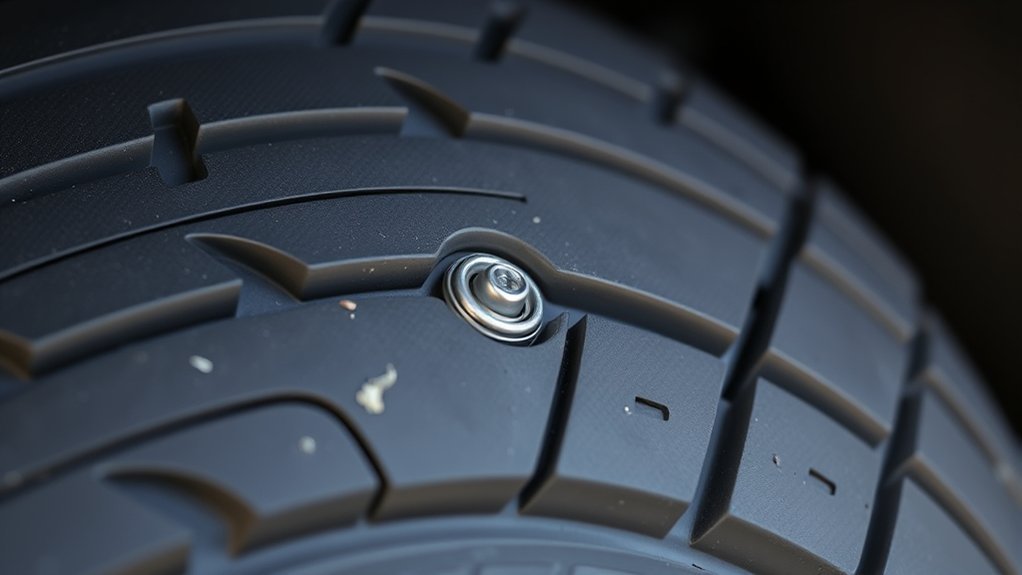
The best way to make a tire plug hold is to start with the right kind of puncture. A clean, small puncture in the tread is far more likely to seal than a torn, angled, or shoulder-area injury.
- Clean and ream the puncture only enough for the plug to fit.
- Use the plug type and cement recommended by your kit.
- Keep the insertion tool aligned with the original puncture angle.
- Trim the excess without pulling the plug loose.
- Check with soapy water immediately after inflation.
- Recheck pressure after a short drive and again the next morning.
If the tire loses air again, do not keep adding plugs. A repeat leak may mean the puncture is too large, the tire has internal damage, the bead is leaking, the valve stem is faulty, or the tire needs a professional repair or replacement.
A plug can get you out of trouble, but a proper repair requires seeing the inside of the tire. If the inner liner is damaged, the tire may be unsafe even if the outside plug stops the leak.
Best Practices for Post-Plug Tire Care
After plugging a Honda Accord tire, treat the repair as temporary until a tire professional inspects it. Drive carefully, avoid long highway trips, and keep the load light. Do not tow, speed, or take a road trip on a plug-only repair.
Check the tire pressure with a gauge before driving, after a short drive, and again after the tire sits overnight. If the pressure drops, install the compact spare or have the car towed. Poor tire pressure can cause heat buildup, uneven wear, and tire failure.
During the professional inspection, ask whether the puncture is in the repairable tread area and whether the tire can receive a plug-patch repair. If the shop finds sidewall damage, shoulder damage, run-flat damage, overlapping repairs, or excessive wear, replacement is the safer option.
Frequently Asked Questions
How do you plug a Honda Accord tire the correct way?
For a temporary roadside repair, confirm the puncture is small and in the tread, remove the object, ream the hole, insert the rubber plug with the plug tool, trim the excess, inflate to the door-placard pressure, and check for leaks with soapy water. For a proper long-term repair, have the tire removed from the wheel and repaired from the inside with a plug-patch if it meets repair limits.
Can I drive normally after plugging a Honda Accord tire?
No. Treat a string plug as a temporary emergency repair. Drive gently, avoid high speeds and heavy loads, and go to a tire shop for an internal inspection and proper repair as soon as possible.
Can you plug a tire near the sidewall?
No. Do not plug or patch a sidewall or shoulder puncture. That part of the tire flexes heavily and is outside the normal repair area. Replace the tire instead.
What year was a bad year for the Honda Accord?
That question is separate from tire repair. Whether a tire can be plugged depends on the puncture size, puncture location, tread depth, internal damage, and tire condition—not the Accord model year. Always judge the tire itself and follow the repair limits.
How do I jack up my 2018 Honda Accord to change a flat tire?
Park on a flat, stable surface, set the parking brake, remove the tools from the trunk, loosen the wheel nuts slightly, and place the jack under the designated jacking point closest to the flat tire. Use the jack only to change the tire. Never work under the vehicle while it is supported only by the jack.
Where is the spare tire in a Honda Accord?
In many Honda Accord sedans, the compact spare tire and tool kit are under the trunk floor. Lift the trunk floor panel to access them. Check your owner’s manual for your exact model year and trim.
Conclusion
Knowing how to plug a Honda Accord tire can help in an emergency, but the safest approach is to treat the plug as a temporary way to reach proper service. Plug only small tread punctures, avoid sidewall or shoulder damage, inflate to the Honda placard pressure, and check for leaks before driving. For lasting peace of mind, have the tire demounted and inspected so a technician can install a proper plug-patch repair or recommend replacement.
Sources
- U.S. Tire Manufacturers Association — Tire Repair Basics — repairable tread-area limits, 1/4-inch puncture guidance, and plug-patch requirements
- Tire Industry Association — Tire Repair — why on-the-wheel string plugs are temporary and why internal inspection matters
- National Highway Traffic Safety Administration — TireWise — cold tire pressure, tire placard guidance, tread checks, and TPMS limitations
- Honda Owners — Owner’s Manual Search — model-specific Accord spare tire, jack, tire pressure, and TPMS instructions