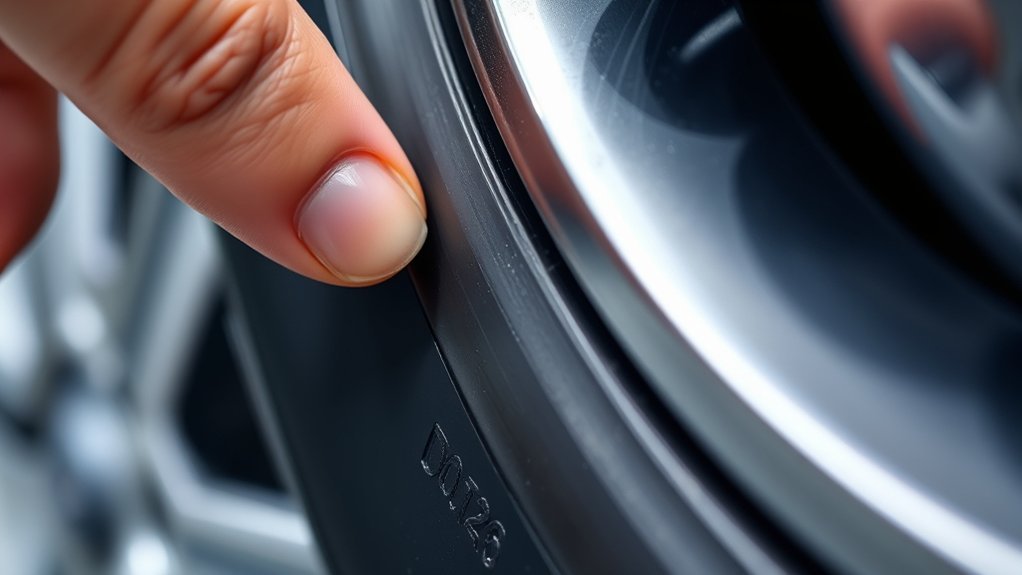
You can tell what year a tire was made by finding the DOT Tire Identification Number on the sidewall and reading the final four-digit date code. The first two digits show the production week, and the last two digits show the year. A code ending in 1023, for example, means the tire was made in the 10th week of 2023. Tire age matters because rubber can weaken even when the tread still looks usable.
Quick Answer
Find the DOT code on the tire sidewall, then read the last four numbers in the Tire Identification Number. The first two numbers show the week, and the last two show the year. If the code ends in 1023, the tire was made in week 10 of 2023.
Key Takeaways
- The tire date code is the final four-digit group in the DOT Tire Identification Number.
- The first two digits show the manufacturing week, and the last two digits show the manufacturing year.
- A code ending in 1023 means the tire was made in the 10th week of 2023.
- The full DOT/TIN may appear on only one sidewall, so check both sides if you cannot find the date code.
- Inspect tires closely around six years old, follow the tire or vehicle maker’s guidance, and replace tires by 10 years or sooner if damaged.
At a Glance
| Time Required | 2 to 5 minutes per tire |
| Difficulty | Easy |
| Tools Needed | Flashlight, phone camera, tread depth gauge or penny, tire pressure gauge |
| Cost | Free, unless you need a shop inspection or replacement tire |
What Is a Tire Date Code?
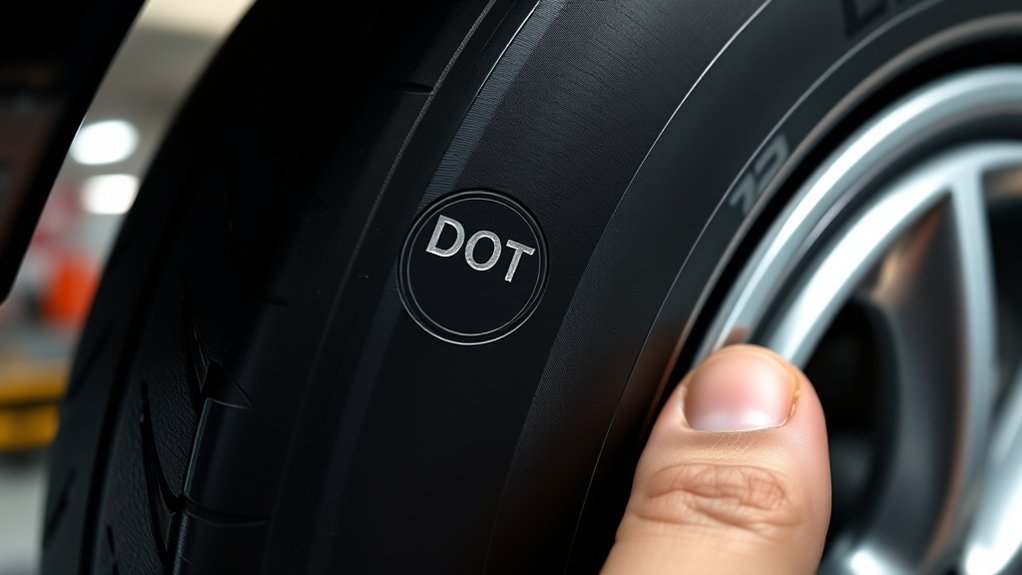
A tire date code is the four-digit number that tells you when a tire was manufactured. It appears at the end of the DOT Tire Identification Number, often called the TIN. Under the U.S. tire identification rule, the date code is the final group, and it identifies the week and year of manufacture.
On tires made since 2000, the code uses four numbers. The first two numbers show the production week, and the last two numbers show the year. For example, 1023 means the tire was made in the 10th week of 2023. A code ending in 5107 means the tire was made in the 51st week of 2007.
Tire age starts from the manufacture date, not the date you bought the tire or installed it on your vehicle. That matters when you buy used tires, check a spare tire, or inspect a vehicle that sits for long periods.
Where to Find the DOT Code
Look on the tire sidewall for the letters DOT. The full code that follows is the Tire Identification Number. On many tires, the complete TIN with the date code appears on only one sidewall, while the opposite side may show a shorter DOT marking without the date.
If you do not see the four-digit date code, check the inner sidewall, turn the steering wheel for better access, or move the vehicle slightly so the code is easier to read. Use a flashlight and take a photo with your phone if the stamp is small or dirty.
Note: Check all four tires and the spare. Tires on the same vehicle can have different manufacture dates, especially if one tire was replaced after a puncture or road hazard.
How to Read a Tire Date Code
Once you find the full DOT/TIN, focus on the final four numbers. That final block is the tire’s date code. Read it this way:
- Find the last four digits in the DOT Tire Identification Number.
- Read the first two digits as the week of manufacture.
- Read the last two digits as the year of manufacture.
- Compare that year with today’s date to estimate tire age.
Here are a few examples:
| Date Code | Meaning | Manufacture Date |
|---|---|---|
| 1023 | 10th week of 2023 | Early March 2023 |
| 2519 | 25th week of 2019 | Mid-2019 |
| 5107 | 51st week of 2007 | Late 2007 |
How to Decode Tire TINs
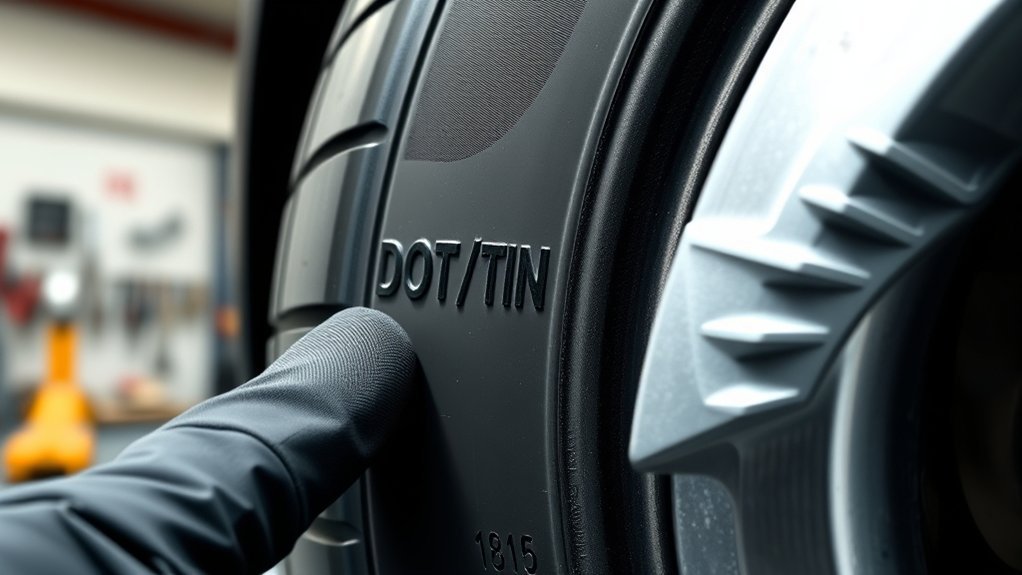
The full Tire Identification Number contains more than the date. It can include a plant code, manufacturer code, and final date code. You do not need to decode every character to find the year, but understanding the layout helps you avoid reading the wrong numbers.
| Marking | What It Means |
|---|---|
| DOT | The tire is marked under the U.S. DOT system. |
| Plant and manufacturer code | Identifies manufacturing and product information. |
| 5107 | The final date code: 51st week of 2007. |
| Three-digit code | Older pre-2000 format. Treat the tire as too old for normal road use. |
What If the Tire Has a Three-Digit Date Code?
A three-digit date code usually means the tire was made before 2000. The first two digits showed the week, and the last digit showed the year within a decade. The problem is that the decade is not clear from the code alone.
For practical safety, you should not try to keep using a passenger tire with a three-digit date code. It is far beyond normal service age. Replace it instead of relying on tread depth or appearance.
Warning: Do not rely on an old tire just because the tread still looks deep. Tire aging can weaken rubber and internal materials even when the outside looks acceptable.
What a Tire’s Age Means for Safety
A tire’s age matters because rubber and internal materials change over time. Heat, sunlight, poor storage, underinflation, overloading, and long periods of sitting can speed up aging. You may not be able to spot age-related weakness just by looking at the tire.
Use the DOT date code as a starting point, then inspect the tire’s condition. Around six years from the manufacture date, check the tire more carefully and follow the tire maker’s or vehicle maker’s replacement guidance. By 10 years from the manufacture date, most passenger tires should be replaced even if the tread still appears usable.
Replace a tire sooner if you see cracks, bulges, exposed cords, sidewall damage, vibration, repeated air loss, or uneven wear. If you are unsure, have a qualified tire technician inspect it before you drive on it.
When to Replace Tires by Date Code
The date code helps you decide when age has become a risk. Use this simple guide along with tread depth, damage, driving conditions, and manufacturer recommendations.
| Tire Age | What to Do | Why It Matters |
|---|---|---|
| 0–5 years | Check pressure, tread, and damage monthly. | Good maintenance helps prevent avoidable failures. |
| Around 6 years | Inspect closely and follow manufacturer guidance. | Age-related risk starts to matter more. |
| 7–9 years | Consider replacement, especially in hot climates or low-mileage vehicles. | Rubber can harden and lose flexibility over time. |
| 10+ years | Replace the tire. | Age alone can make the tire unsafe. |
[Products Worth Considering]

The SAFELIFE dial tire tread depth gauge measures tread depth in 1/32 inch increments with clear, easy-to-read 2-inch dial face. Color zones using a traffic light system help you quickly judge whether tread is low, marginal, or ample for safer driving. Built with a durable zinc cast body and a metal detect probe for precise, comfortable use across cars, motorcycles, trucks, and buses.

Measure tire tread depth quickly and accurately with this LUMITECO dial gauge that reads in 1/32" increments up to 14/32". The color-coded green/yellow/red zones make it easy to judge tire wear and know when replacement is needed. A rugged, compact design with a protective pouch helps keep the gauge ready for use on cars, trucks, motorcycles, and more.

Monitor tire tread wear with a smart, color-coded depth gauge that shows clear condition ranges at a glance. The bar is range marked for fast, easy readings, helping you maintain safer traction and performance. Each gauge is portable with a pocket clip, and the set includes 20 units for daily use and sharing.
How to Check Tire Tread Wear
Tire age is only one part of the safety check. You also need to inspect tread depth and visible damage. A tire with safe-looking age can still be unsafe if the tread is worn, the sidewall is cracked, or the tire cannot hold pressure.
- Use a tread depth gauge for the most accurate reading.
- Try the penny test if you do not have a gauge. Place a penny into the tread with Lincoln’s head upside down. If you can see the top of his head, replace the tire.
- Look for treadwear bars molded into the grooves. If the tread is level with those bars, the tire is worn out.
- Check several grooves across each tire because uneven wear can hide on one edge.
- Inspect the sidewall for cracks, cuts, bubbles, bulges, or exposed cords.
Replace any tire at or below 2/32 inch of tread depth. If you drive often in rain or snow, do not wait until the legal minimum. More tread helps move water and slush away from the contact patch.
Used Tire and Spare Tire Checklist
Always check the DOT date code before buying a used tire or trusting a spare. A used tire may look clean but still be old, repaired poorly, or stored in heat for years.
- Reject any tire with a three-digit date code.
- Be cautious with tires around six years old, even if the tread looks deep.
- Replace tires that are 10 years old or older.
- Check the spare tire, including full-size spares mounted under the vehicle or on the rear door.
- Look for plugs, patches, cracks, bubbles, sidewall cuts, and uneven tread wear.
- Make sure the tire size, load rating, and speed rating match your vehicle’s requirements.
- Check tire recalls before installing a used tire.
Pro Tip: Take a close photo of the DOT/TIN while you are inspecting the tire. It is easier to zoom in on the date code than to read small sidewall lettering while crouching beside the vehicle.
[Products Worth Considering]

Accurately measure tire tread depth with a calibrated gauge marked from 0 to 1 inch in 1/32 inch increments. The color-coded bar helps you quickly identify tread condition ranges, supporting safe driving for trucks, motorcycles, automobiles, and passenger vehicles.

Measure tyre tread depth precisely with a digital gauge that reads in both MM and inches, helping you monitor safe driving conditions. The large LCD screen is easy to operate, and the compact tool fits for cars, trucks, and motorcycles. It provides high accuracy with a 0-25.4mm range and includes a 1-year warranty for added peace of mind.

ETENWOLF’s tire pressure gauge helps you quickly and accurately check tire PSI across cars, trucks, motorcycles, bikes, and more. It’s manually calibrated to ANSI B40.1 Grade A for reliable readings, includes a large glow dial for easy nighttime viewing, and features a 360-degree swivel chuck for use at any valve angle. The gauge also works consistently in extreme hot or cold weather.
What to Do If the DOT Code Is Hard to Read
If the code is dirty, clean the sidewall with mild soap and water. Do not scrape the tire with a sharp tool. If the date code is on the inner sidewall, you may need to turn the steering wheel, move the vehicle, or ask a tire shop to lift the vehicle safely.
If the date code is damaged, missing, or unreadable, do not guess the tire’s age. Treat that as a warning sign, especially when you are buying a used tire. Ask a qualified tire professional to inspect it or choose a tire with a clear, readable DOT/TIN.
[Products Worth Considering]

The Big Rig Defense Tire Thumper is a truck tire pressure checker that lets you quickly check multiple tires by giving them a firm whack. Listen for a reassuring thump and feel the stick bounce when a tire is fully inflated, helping you get back on the road safely. It features a comfortable, glove-friendly handle and a secure wrist strap for confident use on busy routes.

Add style while helping protect your tire valve stems with handmade crystal rhinestone caps and a durable plastic insert. These caps resist corrosion and help keep out rain, snow, and muddy water, extending tire life. Textured non-slip design makes them easy to grip for quick install and removal when checking tire pressure.

This 12-inch LUMITECO dual head tire pressure gauge features an integrated straight-on chuck and a 30° reverse chuck to reach hard-to-access dual wheel valves. Its 10–150 PSI / 1–10 BAR range with a clear, two-sided scale helps you quickly check tire pressure for safer, smoother driving. Heavy-duty construction and a simple no-battery design make it a reliable tool for trucks, cars, RVs, and motorcycles.
Check Tire Recalls Too
The DOT/TIN can also help with tire recall research. Tire recalls are separate from age and tread wear, so a newer tire can still be affected by a safety recall. Use the tire brand, line, size, and DOT/TIN details to search for open tire recalls through NHTSA’s recall tool.
When you buy new tires, register them with the manufacturer or retailer so you can receive recall notices. If you buy a used vehicle, check the tire date codes and recall status as part of your first maintenance inspection.
Frequently Asked Questions
How do you tell tire age from the DOT number?
Find the full DOT Tire Identification Number on the sidewall and read the final four digits. The first two digits show the week, and the last two digits show the year. A code ending in 1023 means the tire was made in the 10th week of 2023.
How long are tires good after the DOT date?
It depends on the tire, vehicle, climate, storage, and condition. Inspect tires closely around six years from the manufacture date and follow the tire or vehicle maker’s guidance. Replace tires by 10 years from the manufacture date, or sooner if they show cracks, bulges, repeated air loss, or unsafe tread wear.
What is the difference between a three-digit and four-digit tire date code?
A four-digit code is used on modern tires and shows the week and year of manufacture. A three-digit code is an older pre-2000 format. If you see a three-digit tire date code, treat the tire as too old for normal road use and replace it.
Why can’t I find the tire date code?
The complete DOT/TIN may appear on only one sidewall. If the outside sidewall shows only a short DOT marking, check the inner sidewall. Use a flashlight, turn the steering wheel for access, or ask a tire shop to inspect it safely.
Should you replace tires based on age or tread depth?
Use both. Replace tires when tread reaches 2/32 inch, when damage appears, or when age makes them unsafe. A tire can age out before the tread wears out, especially on low-mileage vehicles, trailers, collector cars, and spare tires.
Conclusion
Reading a tire’s year is simple once you know where to look. Find the DOT Tire Identification Number, use the final four digits, and read the first two as the week and the last two as the year. Then compare that age with tread depth, visible damage, air-pressure behavior, and recall status.
If the tire has a three-digit code, an unreadable date code, cracks, bulges, exposed cords, or repeated pressure loss, do not rely on it. A quick sidewall check can help you avoid buying old tires, driving on an unsafe spare, or waiting too long to replace aging rubber.
Sources
- eCFR 49 CFR 574.5 Tire Identification Requirements — supports the DOT/TIN date-code format and week/year decoding.
- NHTSA TireWise Tire Safety — supports tire aging, tread depth, penny test, maintenance, and replacement guidance.
- NHTSA Recalls — supports checking tire recalls and registering/checking safety recalls.