

If your tires are surrounded by frozen slush, packed snow, or ice, the safest approach is to clear the obstruction before trying to power the vehicle free. Start with a shovel and plastic scraper, protect the tire and wheel from sharp tools, restore traction under the drive wheels, and check tire pressure before driving. Avoid aggressive wheelspin, improvised heat, or intentionally deflating the tires.
Quick Answer
To de-ice tires safely, shovel packed snow away from the wheels, loosen external ice with a plastic scraper, and add sand or non-clumping cat litter under the drive tires if you need traction. Avoid boiling water, metal tools, hard wheelspin, and tire deflation. Check cold tire pressure before driving.
At a Glance
| Time Required | About 10–30 minutes for ordinary snow or ice buildup; longer if the vehicle is deeply stuck |
| Difficulty | Easy to moderate |
| Tools Needed | Gloves, compact shovel, plastic scraper, tire-pressure gauge, and sand or non-clumping cat litter |
| Cost | Usually little or nothing if you already carry a winter emergency kit |
Key Takeaways
What to Remember
- Clear packed snow from in front of, behind, and underneath the wheels before trying to move.
- Use plastic tools around tires and wheels; do not stab, pry, or strike the tire with sharp or heavy tools.
- Avoid routine use of water in below-freezing conditions because runoff can freeze again.
- Never deflate a tire to remove ice. Maintain the vehicle manufacturer’s specified cold inflation pressure.
- Use sand, gravel, traction mats, or non-clumping cat litter when additional grip is needed.
- Stop aggressive wheelspin or prolonged rocking before you overheat or damage drivetrain components.
Warning: Never intentionally deflate a vehicle tire for de-icing, use an open flame or torch, stab the rubber with metal tools, or coat the tread or brake components with an oily lubricant. If a wheel remains locked after surrounding snow and ice are cleared, stop and investigate rather than forcing the vehicle to move.
Why Tires Freeze in Winter

A tire can seem “frozen” for several different reasons. Slush may freeze inside the tread, packed snow may wedge around the wheel, the tire may freeze to wet pavement, or ice may build up between the tire and wheel well.
Cold also changes the way tire compounds behave. Summer tires in particular become harder as temperatures fall, while dedicated winter tires use compounds designed to remain more flexible in cold conditions.
What matters most during recovery is whether ice or snow is physically preventing the wheel from rolling. A thin coating of frost on an exposed sidewall usually does not require aggressive removal, while a tire frozen to the pavement or packed tightly into a snowbank does.
Wind can make a parked vehicle cool to the surrounding air temperature faster, but “wind chill” does not make the tire colder than the actual ambient temperature. The National Weather Service explains that wind chill applies to people and animals rather than lowering inanimate objects below the air temperature.
For a frozen tire, focus on the physical obstruction: ice on the pavement, packed snow around the wheel, frozen slush in the wheel well, or another component preventing rotation.
Gather Tire De-Icing Tools
Before working around the wheels, put on warm gloves and footwear with good traction. A compact winter kit makes the job easier and reduces the temptation to improvise with damaging tools.
Your basic kit should include a compact shovel, plastic scraper, tire-pressure gauge, flashlight, and a gritty traction material such as sand or non-clumping cat litter. Commercial traction mats can also help.
If you carry a chemical ice-melting product, read its label before using it. Confirm that it is suitable for the exact surface you intend to treat, and keep chemicals away from brake pads and brake rotors unless the manufacturer specifically permits contact.
[Products Worth Considering]

This car emergency kit keeps essential roadside tools organized in a durable, portable bag so you can respond quickly during common driving emergencies. It includes battery jumper cables, a bright LED headlight, first aid supplies, a tire pressure gauge, and safety essentials like gloves and an emergency poncho. Designed for trunk or storage use, it helps you be prepared for dead batteries, minor malfunctions, and unexpected roadside issues.

The JACO FlowPro Tire Inflator measures, inflates, and airs down tires up to 100 PSI with battery-free operation and ±2% accuracy after calibration. It features a glowing pressure dial for night visibility, a heavy-duty steel build with a hybrid hose, and a precision push-to-inflate thumb trigger. The patented Lightning Air Chuck locks on for a secure seal, and the kit includes quick-connect hardware for easy inline use with your air compressor.

This tire inflator with pressure gauge delivers long-lasting performance with a durable rubber-protected gauge and sturdy build. The longer hose and 360 swivel air chuck help you seal the valve securely and keep your hands free while measuring, inflating, or deflating. It’s battery-free for reliable use and provides ±2 PSI accuracy in the mid-range for most typical tires, with universal compatibility for 1/4 NPT compressor outputs.
Essential De-Icing Tools
For most situations, you need only a few simple items:
- Compact shovel: Removes packed snow in front of, behind, and underneath the tires.
- Plastic scraper: Loosens external ice without the puncture and gouging risk of a metal blade.
- Gloves: Protect your hands from cold surfaces and sharp ice.
- Tire-pressure gauge: Lets you verify cold inflation before driving.
- Sand or non-clumping cat litter: Adds grit beneath a slipping drive tire.
- Traction mat: Gives the drive wheel a firm surface to climb onto when loose grit is not enough.
Safe Scraping Gear
Use the least aggressive tool that will do the job. You are trying to remove external ice—not cut, hammer, or pry against the structural tire.
| Tool | Best Use | Avoid |
|---|---|---|
| Plastic scraper | Loose ice around tread and wheel area | Digging into rubber |
| Compact shovel | Packed snow around the tire | Hitting wheel, brake, or body parts |
| Traction mat | Providing a grippy exit path | Standing near a spinning tire |
Do not use screwdrivers, chisels, axes, metal pry bars, or other sharp tools against a tire. Also avoid striking an inflated tire or sidewall with a mallet merely to break off ice.
Traction Aid Supplies
Traction material does not need to melt the ice. It simply needs to give the drive tire enough grip to begin moving.
AAA recommends materials such as sand, gravel, traction mats, or non-clumping cat litter for a vehicle stuck in snow. A floor mat may work in an emergency, although it can be damaged during use.
Place the material immediately in front of the drive tire if you intend to move forward, or behind it if you intend to reverse. Keep people clear of the wheel because a spinning tire can eject loose material.
Pro Tip: Before adding traction material, clear a short path in the direction you want the vehicle to travel. Grit underneath the tire will not help much if the bumper, underbody, or wheels are still pushing against deep packed snow.
Clear Snow Around Your Tires
Use a compact shovel to remove snow from the front and rear of each tire. Create enough space for the tire to roll instead of trying to force the vehicle through a solid wall of snow.
- Clear packed snow immediately around the tread.
- Open a path in front of and behind the drive wheels.
- Check underneath the vehicle for snow supporting or “high-centering” the underbody.
- Remove packed snow from the wheel wells if it interferes with tire movement.
- Make sure the exhaust outlet is completely clear.
The exhaust check is especially important. The CDC warns that a snow-blocked tailpipe can allow carbon monoxide to build up inside a vehicle.
Work carefully around plastic splash shields, air dams, brake hoses, sensors, and other components that may be hidden underneath packed snow.
Break Ice Free From Tread and Sidewalls
Once surrounding snow is cleared, remove only the ice that is actually interfering with movement or filling the tread with hard packed material.
Use a plastic scraper with light pressure. Work from the exposed edge of the ice rather than forcing a tool into the rubber.
Do not worry about making the tire cosmetically spotless. The goal is to free wheel movement and restore a usable tread surface without damaging the tire.
Tread Ice Removal
For packed tread:
- Brush loose snow from the tread blocks.
- Use a plastic scraper to loosen accessible ice along the tread surface.
- Remove chunks by hand while wearing gloves once they have released.
- Check that no large frozen mass is wedged between the tire and wheel well.
Avoid forcing a scraper deeply into tread grooves. Do not use knives or other sharp metal objects.
After clearing the tire, inspect the tread. NHTSA says tread should be at least 2/32 inch, but that is a minimum threshold rather than a promise of strong traction on ice or deep snow.
Sidewall Ice Safety
The sidewall is a structural part of the tire, so treat it gently. If loose ice is attached to the outside, remove only what releases easily with your gloved hand or a plastic tool.
| Area | Main Concern | Safe Approach |
|---|---|---|
| Tread | Packed ice reducing contact | Brush and scrape gently |
| Sidewall | Cuts, punctures, or gouges | Avoid sharp tools and heavy impacts |
| Wheel well | Frozen buildup blocking rotation | Clear surrounding snow carefully |
| Brake area | Chemical or physical contamination | Keep tools and liquids away |
If you find a sidewall cut, bulge, exposed cord, or other damage after the ice is removed, do not treat it as a simple freezing problem. Have the tire inspected by a qualified tire professional.
Gentle Breaking Methods
Gentle means using patient mechanical clearing—not hitting or deforming the tire.
- Remove loose material by hand while wearing insulated gloves.
- Work around stubborn external ice with a plastic scraper using light pressure.
- Clear the pavement immediately around the contact patch if the tire appears frozen to the ground.
Never deflate the tire to remove ice. The vehicle should remain supported by tires inflated to the manufacturer’s specified pressure.
If the wheel remains completely locked after the surrounding ice and snow have been cleared, another problem may be involved, such as ice around a brake or mechanical component. Stop forcing the wheel and arrange professional assistance if necessary.
Use Warm Water to De-Ice Tires
Water is usually not the first choice for de-icing a tire outdoors. In below-freezing conditions, runoff can freeze again underneath the tire or across the walking and driving surface, leaving you with a new layer of ice.
Never use boiling or very hot water. Avoid pouring water over brake assemblies or other components where rapid temperature changes or refreezing could cause problems.
If conditions are above freezing and you use a small amount of lukewarm water on non-sensitive external ice, remove the loosened material and dry or move away from the wet area before temperatures fall again.
Note: When outdoor temperatures are below freezing, shoveling, scraping, and traction material are usually more predictable than adding liquid that may refreeze.
Try a Rubber-Safe De-Icer Spray
A commercial de-icer can be useful in some situations, but do not assume that every windshield, lock, pavement, or household de-icer belongs on a tire.
Check the label for compatibility with the surface you plan to treat. If the product is intended for pavement rather than tires, apply it to the ice around the contact patch according to its directions instead of coating the tread.
- Read the manufacturer’s instructions and temperature limits.
- Apply only the amount directed.
- Keep spray off brake rotors, brake pads, and other friction surfaces.
- Avoid leaving an oily or slippery film on the tire tread.
- Remove loosened ice before attempting to move.
Do not substitute a general-purpose lubricant simply because it is compatible with some rubber materials. A product can be material-compatible without being appropriate for a traction surface.
[Products Worth Considering]

Keep your tires properly inflated with this analog VONDIOR tire pressure gauge, designed for fast, easy readings without batteries. The swiveling, two-axis hose and large glow dial help you measure at any tire angle with instant visibility. Built with a protective rubber shield, it supports durable, low-maintenance use for cars and trucks.

This 1/2-inch drive breaker bar delivers powerful leverage for loosening and tightening stubborn lug nuts and automotive fasteners. The 180-degree flex head helps you reach tight spaces at the angle you need, making tire and brake jobs easier. A spring-loaded ball detent design holds 1/2-inch sockets securely while the chrome-moly head provides durable strength for everyday use.

This professional wheel and rim brush kit makes it easy to lift brake dust, grime, and dirt from wheels and tires without scratching finishes. The brushes feature soft, metal-free wool heads and a flexible 360-degree rim brush design for reaching hard-to-clean areas. Includes multiple brush types plus accessories for thorough car, motorcycle, and general vehicle detailing.
Check Tire Pressure Before Driving
Cold temperatures reduce tire inflation pressure, so check the tires after clearing the vehicle.
Use the pressure specified by the vehicle manufacturer on the driver’s door placard or in the owner’s manual. Do not use the maximum pressure molded onto the tire sidewall as your routine inflation target.
NHTSA recommends measuring inflation when the tires are cold. A cold tire generally means it has not recently been driven enough to heat substantially.
Cold Weather Pressure Drop
Tire pressure falls as temperature falls because the air inside contracts. The exact change depends on temperature and operating conditions, so a pressure gauge is more reliable than trying to correct inflation from a rule of thumb alone.
- Check all four tires when cold.
- Compare the readings with the vehicle placard.
- Add air when a tire is below specification.
- Recheck after major seasonal temperature changes.
NHTSA recommends inspecting tires at least monthly and before long trips, with additional attention to cuts, cracks, punctures, bulges, and other damage.
Find Recommended PSI
| Checkpoint | Action | Why It Matters |
|---|---|---|
| Vehicle placard | Find the manufacturer’s cold PSI | Provides the correct specification for the vehicle |
| Pressure gauge | Measure each tire | Identifies under- or over-inflation |
| Temperature change | Recheck after major swings | Cold temperatures change inflation pressure |
| Visible damage | Inspect tread and sidewall | Finds problems that pressure alone cannot reveal |
| Long trip | Check before departure | Improves preparedness |
If front and rear pressure specifications differ, follow the placard for each axle rather than making all four tires identical.
Inspect Tires Before Travel
Before driving away, inspect more than the pressure:
- Confirm the tires are inflated to specification.
- Look for cuts, punctures, bulges, cracks, or exposed material.
- Check that the tread is not packed with hard ice.
- Make sure the wheel wells are clear enough for normal steering and suspension movement.
- Verify that the tire is not rubbing against displaced snow, ice, or body trim.
For sustained cold, snow, or ice, dedicated winter tires can provide a meaningful advantage because they are designed to remain flexible at low temperatures. Michelin notes that winter tires are designed for cold conditions below about 45°F (7°C).
When shopping for severe-snow capability, look for the Three-Peak Mountain Snowflake (3PMSF) marking rather than relying only on an M+S label.
Get Unstuck Without Spinning Tires
Once the tires and surrounding area are clear, use gentle throttle. Excessive wheelspin can dig the tires deeper and polish snow into a slicker surface.
- Make sure you have a clear path.
- Keep the wheels mostly straight unless a small steering change clearly finds better traction.
- Select the appropriate low-speed drive mode or gear recommended by the vehicle manufacturer.
- Apply very light throttle.
- If the tire immediately spins, release the accelerator.
- Add sand, gravel, non-clumping cat litter, or a traction mat under the drive tire.
- Try again gently.
Some vehicles allow traction control to be temporarily reduced when trying to escape deep snow, while others have dedicated Snow, Mud, or off-road modes. Because systems behave differently, follow your owner’s manual rather than automatically disabling stability or traction systems.
| Material | What It Does | Use |
|---|---|---|
| Sand | Adds grit | Spread beneath the drive tire |
| Non-clumping cat litter | Adds temporary friction | Pack lightly around the contact patch |
| Traction mat | Provides a solid gripping surface | Place in the intended direction of travel |
| Gravel | Adds coarse traction | Use carefully and keep people clear |
If you rock the vehicle between forward and reverse, allow the vehicle to stop before changing direction. Do not continue prolonged rocking or aggressive wheelspin, which can overheat or damage transmission and drivetrain components.
When to Call for Help
Stop attempting a DIY recovery when continued effort is more likely to damage the vehicle or put you in danger.
Call roadside assistance or another qualified recovery service when:
- The wheel remains mechanically locked after the surrounding snow and ice have been cleared.
- The vehicle is high-centered on deep or hardened snow.
- You cannot create a safe exit path.
- The tires have visible damage.
- The vehicle slides toward traffic, a ditch, drop-off, or another hazard.
- Repeated gentle attempts have failed.
If you are stranded during severe winter weather, stay aware of carbon-monoxide risk. Keep the exhaust outlet clear of snow and follow current NHTSA winter-emergency guidance.
Do not crawl underneath an inadequately supported vehicle, jack the vehicle on unstable snow or ice, or stand directly in front of or behind a tire that another person is spinning.
Prevent Tires From Freezing Overnight
You cannot stop winter temperatures, but you can reduce the amount of frozen material around the wheels.
- Park in a garage or sheltered location when practical.
- Avoid parking in standing meltwater that may freeze around the contact patch overnight.
- Remove heavy slush from wheel wells before parking after a snowy drive.
- Choose a level, well-drained parking surface when possible.
- Keep a shovel, scraper, pressure gauge, gloves, and traction material in the vehicle.
- Check tire pressure regularly through major temperature changes.
Do not coat the tread and sidewalls with a random lubricant or de-icer as a preventive treatment. If a manufacturer offers a product specifically intended for a particular winter application, use it only according to its label.
Tire pressure is important for safe operation, but maintaining pressure does not prevent water from freezing around a tire. Treat inflation and ice prevention as separate maintenance issues.
[Products Worth Considering]

Milton S-921 pencil tire pressure gauge helps you maintain optimal tire pressure for passenger cars with accurate readings in PSI and kPa. It features a built-in deflator valve for convenient pressure adjustments, plus a single chuck head and nylon indicator bar for easy use on the go. Built from durable plated brass and designed for reliable performance, it’s a practical road trip and cold-weather maintenance tool.

Steelman white tire marking crayons provide high-contrast, semi-permanent marks for repairing and inspecting tires and equipment. They write on wet or dry, smooth or coarse surfaces including rubber, metal, glass, and wood, making them ideal for puncture location and damage outlining. The lead- and zinc-free crayons resist weather and fading yet wipe away when you no longer need the marks.
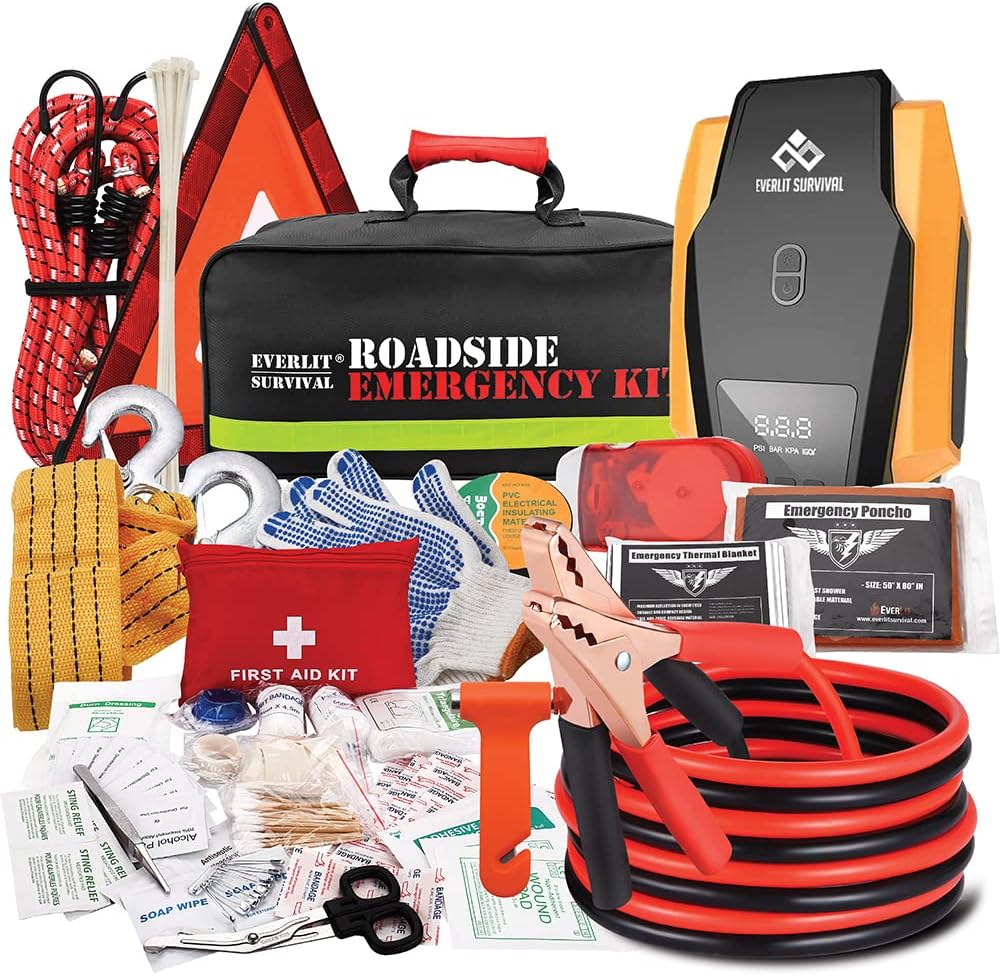
The Everlit Road Guardian emergency kit is designed for roadside breakdowns, combining essential safety gear and roadside tools in one compact bag. It includes a digital 12V auto tire inflator with preset and auto shutoff, plus 12-foot 8-gauge jumper cables to get you moving again. You also get a full 108-piece first aid kit, reflective warning tools, safety gloves, and emergency convenience items for safer travel.
Frequently Asked Questions
How do you get tires unfrozen from ice?
Clear packed snow and ice from around the wheels, create a path in front of and behind the drive tires, and use a plastic scraper on accessible external ice. Add sand or non-clumping cat litter if traction is poor. If the wheel remains locked after the obstruction is gone, stop and investigate rather than forcing it.
Does WD-40 remove ice from tires?
WD-40 Multi-Use Product is not a dedicated tire de-icer, so it should not be your default method for clearing a tire tread. Avoid putting oily or slippery products on a traction surface. Use mechanical snow and ice removal or a purpose-labeled de-icing product instead.
What is the 7/7 rule for winter tires?
The 7/7 rule is a seasonal rule of thumb: switch to winter tires after temperatures remain around 7°C (45°F) or lower for seven consecutive days, and switch back after sustained warmer conditions. It is not a universal law, so always check local winter-tire requirements.
Can you drive on ice with winter tires?
Winter tires are designed to provide better cold-weather grip than summer tires and are better suited to snow and ice, but they cannot eliminate the low traction of an icy road. Reduce speed, leave extra following distance, and make steering, braking, and acceleration inputs smoothly.
Can I pour hot water on a frozen tire?
Do not use boiling or very hot water. In freezing weather, even lukewarm runoff can freeze again around the tire or on the pavement. Mechanical clearing with a shovel and plastic scraper is generally more predictable.
Should I deflate a frozen tire before removing ice?
No. Do not intentionally deflate a vehicle tire to remove ice. Keep the tire at the vehicle manufacturer’s recommended cold inflation pressure and remove the surrounding obstruction instead.
Can salt help a car get unstuck?
Ice-melting salt can help treat some frozen pavement, but sand, gravel, non-clumping cat litter, or traction mats give more immediate mechanical grip. Use ice melt according to its label and avoid unnecessary contact with vehicle components and wheel finishes.
Sources
- National Highway Traffic Safety Administration — Winter Weather Driving Tips — tire inflation, inspection, tread, and stranded-vehicle guidance.
- NHTSA TireWise — correct cold inflation procedures and vehicle placard pressure.
- Centers for Disease Control and Prevention — Clear Snow From Tailpipes — carbon-monoxide safety.
- AAA — How to Get Your Car Unstuck From Snow — snow clearing, traction materials, and controlled rocking.
- Michelin — Winter Tire Buying Guide — winter-tire compounds, markings, and cold-weather use.
- National Weather Service — Wind Chill Questions — explains why wind chill does not lower inanimate objects below actual air temperature.
Conclusion
De-icing tires safely is mostly a matter of removing the obstruction rather than attacking the tire itself. Clear packed snow, free the wheel well and pavement around the contact patch, use plastic tools, add traction when necessary, and move the vehicle gently.
Before driving normally, verify cold tire pressure, inspect the tread and sidewalls, and make sure no ice is interfering with steering or wheel movement. Avoid tire deflation, sharp tools, aggressive wheelspin, very hot water, and slippery chemicals on the tread. If a wheel remains locked after the surrounding snow and ice are gone, stop forcing it and get professional help.

