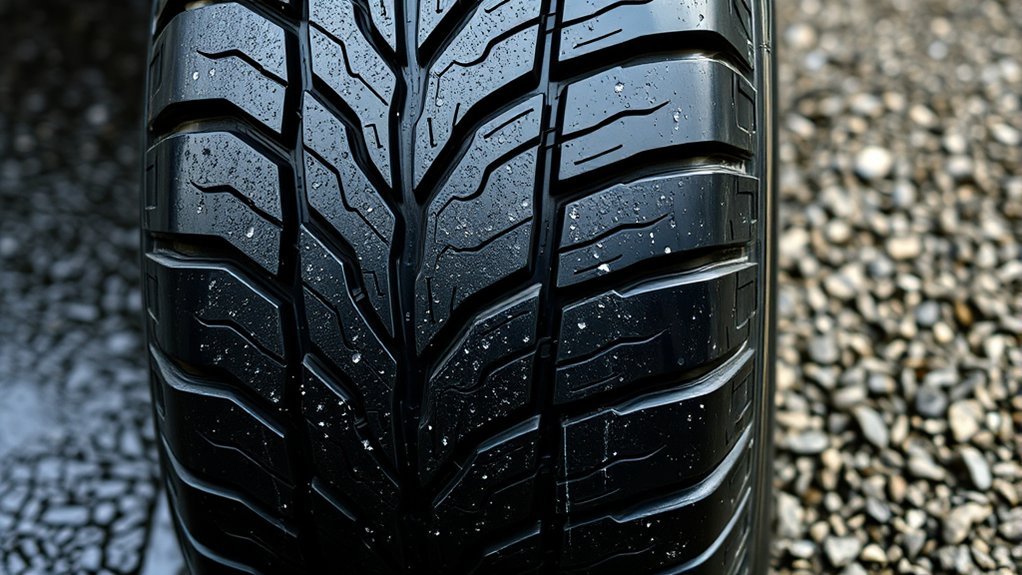
Tire tread patterns affect how your vehicle grips dry pavement, clears water, handles snow, and bites into loose dirt or mud. The right pattern is not simply the most aggressive-looking one. It is the tread design, tread depth, rubber compound, inflation pressure, and tire type working together for your normal driving conditions.
Quick Answer
Tire tread patterns affect traction by controlling how much rubber contacts the road and how quickly water, snow, mud, or gravel moves away from the contact patch. Symmetrical treads favor quiet daily driving, asymmetrical treads balance wet and dry grip, directional treads help evacuate water, and off-road treads use larger voids for loose terrain.
Key Takeaways
- For normal commuting, symmetrical or touring-style treads usually give the best mix of quiet ride, even wear, and value.
- For frequent rain, look for strong wet-traction ratings, healthy tread depth, wide circumferential grooves, and good water evacuation.
- For snow or ice, tire category and rubber compound matter as much as tread pattern; dedicated winter tires outperform all-season tires in deep snow.
- For mud, gravel, and trails, larger voids and staggered blocks help the tread clear debris and create biting edges.
- Tires should be replaced when tread reaches 2/32 inch, but drivers in heavy rain or winter conditions should not treat that as a performance target.
What Are Tire Tread Patterns and Why Do They Matter?
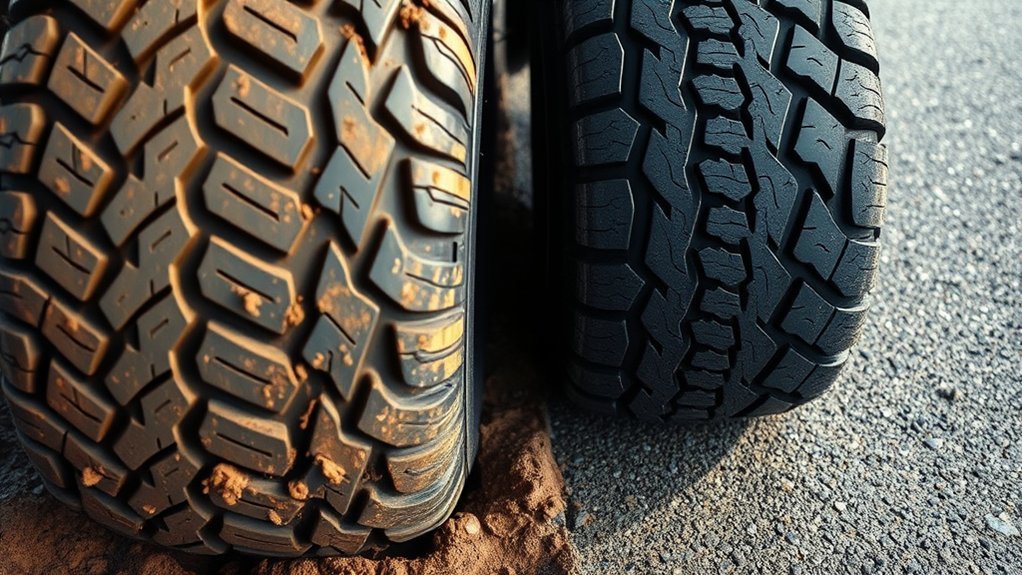
A tire tread pattern is the arrangement of grooves, ribs, tread blocks, sipes, channels, and voids molded into the rubber that touches the road. These shapes control how the tire handles water, snow, mud, gravel, heat, road noise, and cornering forces.
The tread is only one part of tire performance, but it is a major one. NHTSA TireWise explains that tire tread provides gripping action and traction, especially when roads are wet or icy. That grip also depends on correct tire pressure, alignment, rotation, tire age, and whether the tire type matches the conditions you drive in.
Here are the main tread features to understand:
- Tread blocks: The raised rubber sections that contact the road.
- Grooves and channels: Open paths that move water, slush, mud, or gravel away from the contact patch.
- Sipes: Thin slits in tread blocks that create extra biting edges for wet, snowy, or icy conditions.
- Void ratio: The amount of open space compared with rubber. Higher void ratios help loose-terrain traction but can increase road noise and wear on pavement.
- Shoulder blocks: Outer tread blocks that affect cornering, steering feel, and off-road side bite.
Note: A tread pattern cannot make up for worn tread, underinflation, old rubber, or the wrong tire category. Always match the tire to your vehicle, load rating, climate, and driving surface.
How Do Tread Designs Impact Traction?
Tread designs impact traction by changing the contact patch: the small area where the tire meets the surface. On dry pavement, more stable rubber contact can improve braking and steering response. On wet pavement, the tread must move water away fast enough to keep rubber on the road. On loose terrain, the tread needs edges and open voids that can dig in and then release debris.
Tread Design Variations
Most passenger tires use one of three broad tread layouts: symmetrical, asymmetrical, or directional. Some all-terrain, mud-terrain, winter, and EV-focused tires blend features from more than one layout.
- Symmetrical tread patterns use the same design across the tread face. They are common on touring and commuter tires because they can be quiet, easy to rotate, and long-wearing when maintained correctly.
- Asymmetrical tread patterns use different inner and outer zones. The outer shoulder often supports dry cornering, while the inner area may use extra grooves and sipes for wet traction.
- Directional tread patterns are designed to roll in one direction. Their V-shaped or arrow-like channels can help move water away from the center of the tread, but they must be mounted correctly.
- All-terrain and hybrid patterns combine road-friendly center ribs with more open shoulders for gravel, dirt, and light trail use.
- Mud-terrain patterns use large lugs and wide voids to dig into mud, but they usually create more road noise and may wear faster on pavement.
Surface-Specific Performance
Different surfaces require different tread behavior. A tire that feels excellent on dry pavement may not be the safest choice for deep snow, standing water, or loose dirt.
- Dry pavement: Stable tread blocks and enough rubber contact help braking, steering response, and cornering.
- Wet pavement: Circumferential grooves, lateral channels, and sipes help water leave the contact patch.
- Snow and ice: Winter-focused compounds and dense siping help the tire stay flexible and create biting edges in cold conditions.
- Gravel and dirt: Open shoulders and reinforced tread blocks help resist chipping and improve loose-surface grip.
- Mud and sand: Large voids, self-cleaning grooves, and the right tire pressure help prevent the tread from packing solid.
Water Evacuation Efficiency
Water evacuation is one of the most important tread-pattern jobs. When a tire cannot move water out from under the contact patch fast enough, hydroplaning risk increases. Deep, open grooves can help, but speed, water depth, tire width, vehicle weight, tire condition, and tread depth all matter.
Warning: No tread pattern prevents hydroplaning at unsafe speeds or in deep standing water. Slow down in heavy rain, avoid sudden steering or braking, and replace tires before they are worn out.
Comparing Symmetrical, Asymmetrical, and Directional Tread Patterns
When comparing tread patterns, think in trade-offs. The best tire for you is the one that matches your vehicle, weather, road surface, and maintenance habits.
| Tread Pattern | Best For | Trade-Offs |
| Symmetrical | Daily commuting, quiet ride, even wear, simple rotation | May not offer the strongest wet or performance handling compared with specialized designs |
| Asymmetrical | Balanced wet and dry performance, sporty daily driving | Must be mounted with the correct inside/outside orientation |
| Directional | Rain, slush, performance wet traction, some winter designs | Must rotate in the marked direction; rotation options can be limited |
| All-terrain / hybrid | Mixed highway, gravel, dirt, light trail use | Can be louder and less efficient than highway tires |
| Mud-terrain | Mud, ruts, rocks, loose off-road surfaces | Usually louder, rougher, heavier, and faster-wearing on pavement |
[Products Worth Considering]

Accurately measure tire tread depth with a calibrated gauge marked from 0 to 1 inch in 1/32 inch increments. The color-coded bar helps you quickly identify tread condition ranges, supporting safe driving for trucks, motorcycles, automobiles, and passenger vehicles.

The SAFELIFE dial tire tread depth gauge measures tread depth in 1/32 inch increments with clear, easy-to-read 2-inch dial face. Color zones using a traffic light system help you quickly judge whether tread is low, marginal, or ample for safer driving. Built with a durable zinc cast body and a metal detect probe for precise, comfortable use across cars, motorcycles, trucks, and buses.

Monitor tire tread wear with a smart, color-coded depth gauge that shows clear condition ranges at a glance. The bar is range marked for fast, easy readings, helping you maintain safer traction and performance. Each gauge is portable with a pocket clip, and the set includes 20 units for daily use and sharing.
The Role of Tread Depth in Tire Grip and Stability
Tread depth affects how much water, slush, mud, or loose material the tire can move away from the contact patch. Deeper grooves usually help in wet and loose conditions, but tread depth is not the only factor. Rubber compound, tire width, pressure, speed, vehicle weight, and tread design also shape grip.
For passenger vehicles, NHTSA says tires are not safe and should be replaced when tread is worn to 2/32 inch. That is the replace-now threshold, not a goal to aim for in poor weather. If you regularly drive in heavy rain, snow, or on steep roads, shop for replacements before your tires reach the minimum.
You can check tread depth three ways:
- Tread depth gauge: The most accurate simple tool for home checks.
- Treadwear indicators: Raised bars in the grooves show when the tire is worn to the replacement point.
- Penny test: Place a penny into the tread with Lincoln’s head upside down. If the top of the head is visible, replace the tire.
Check tread at least once a month when you check tire pressure. Uneven wear, cupping, cracks, bulges, exposed cords, vibration, or repeated pressure loss means the tire should be inspected by a qualified tire professional.
Tread pattern helps traction, but tread depth keeps that pattern working. A premium rain tire with worn grooves can lose much of the wet-weather advantage it had when new.
Tread Patterns and Wet Weather Performance
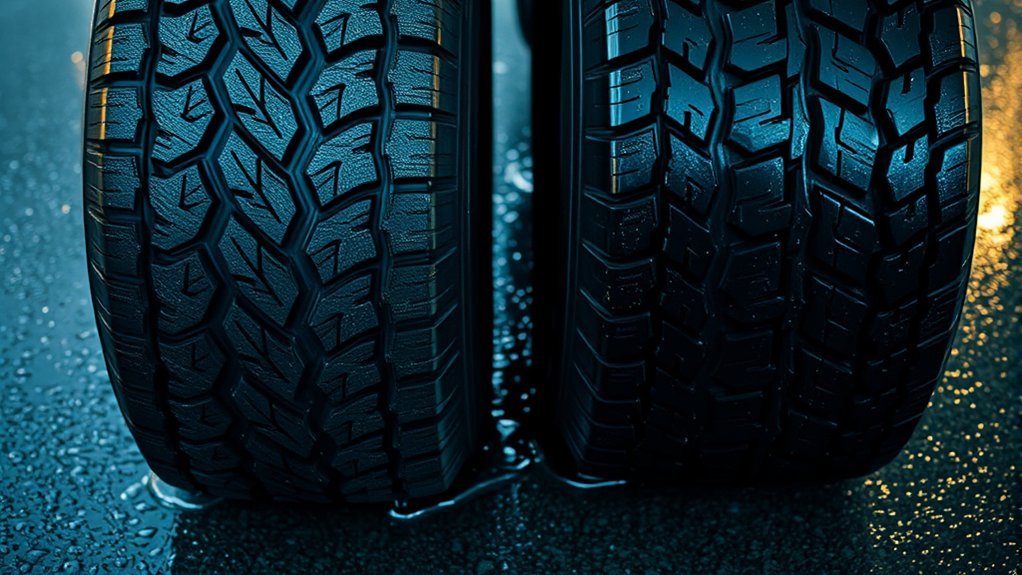
Wet-weather tread performance depends on how quickly the tire can clear water while keeping enough rubber on the road. The most helpful features are usually wide circumferential grooves, lateral channels, open shoulders, and sipes. Directional V-shaped designs can be especially useful in rain because they guide water outward as the tire rolls.
Still, wet traction is not only about the pattern. NHTSA’s Uniform Tire Quality Grading system includes a traction grade that reflects a tire’s ability to stop on wet pavement under controlled test conditions. When shopping, compare traction grade, tire category, tread depth, and real-world reviews for your climate.
- For frequent rain: Choose strong wet-traction performance, maintain proper pressure, and replace tires before the grooves become shallow.
- For occasional rain: A quality all-season touring tire may be enough if it is maintained and not worn.
- For standing water: Slow down. Even a good rain-focused tread can hydroplane when speed and water depth overwhelm the grooves.
Tread Design for Off-Road Capabilities
Off-road traction requires a different tread strategy than highway driving. Instead of maximizing smooth rubber contact, off-road patterns often use deeper lugs, wider voids, and staggered edges that can dig into dirt, mud, gravel, or rock.
[Products Worth Considering]

Measure tire tread depth quickly and accurately with this LUMITECO dial gauge that reads in 1/32" increments up to 14/32". The color-coded green/yellow/red zones make it easy to judge tire wear and know when replacement is needed. A rugged, compact design with a protective pouch helps keep the gauge ready for use on cars, trucks, motorcycles, and more.

Keep your tires properly inflated with this analog VONDIOR tire pressure gauge, designed for fast, easy readings without batteries. The swiveling, two-axis hose and large glow dial help you measure at any tire angle with instant visibility. Built with a protective rubber shield, it supports durable, low-maintenance use for cars and trucks.

Milton S-921 pencil tire pressure gauge helps you maintain optimal tire pressure for passenger cars with accurate readings in PSI and kPa. It features a built-in deflator valve for convenient pressure adjustments, plus a single chuck head and nylon indicator bar for easy use on the go. Built from durable plated brass and designed for reliable performance, it’s a practical road trip and cold-weather maintenance tool.
Essential Tread Features
For off-road use, look for tread features that match the terrain:
- Large voids: Help the tread clear mud, stones, and packed dirt.
- Staggered blocks: Create more biting edges for uneven surfaces.
- Reinforced shoulders: Help with side bite in ruts and on rocky trails.
- Stone ejectors: Help reduce stone drilling and debris trapped in the grooves.
- Deeper tread: Adds usable depth for loose terrain, although it can increase road noise and squirm on pavement.
Optimal Traction Design
For mixed highway and dirt use, all-terrain tires are often the most practical choice. They provide more open tread than highway tires but are usually quieter and more stable on pavement than mud-terrain tires. For serious mud, ruts, and soft trail conditions, mud-terrain tires provide stronger digging action but come with more noise, weight, and rolling resistance.
Pro Tip: If you drive mostly on pavement with only occasional dirt roads, avoid buying the most aggressive mud-terrain tread just for looks. A good all-terrain tire is often safer, quieter, and longer-lasting for real daily use.
Mud and Sand Performance
Mud and sand need different approaches. Mud tires use large lugs and open voids so the tread can dig and self-clean. Sand often rewards flotation, which means a wider contact patch and careful pressure management rather than simply the deepest lugs.
Lowering tire pressure can improve off-road contact on some surfaces, but it must be done carefully and within safe limits. Air down only when appropriate for the terrain, avoid high-speed driving on aired-down tires, and reinflate before returning to highway speeds.
What Factors Affect Tire Wear and Durability?
Tire wear is shaped by more than tread pattern. Driving style, pressure, alignment, balancing, vehicle load, climate, road surface, and rotation schedule all affect how long tires last.
- Underinflation: Increases heat, edge wear, rolling resistance, and failure risk.
- Overinflation: Can reduce ride comfort and contribute to center wear.
- Poor alignment: Causes one-sided or feathered wear.
- Skipped rotation: Allows some tires to wear faster than others.
- Aggressive driving: Hard acceleration, fast cornering, and harsh braking shorten tread life.
- Tire age: Rubber can degrade even when tread depth looks acceptable.
NHTSA recommends checking tire pressure at least once a month when tires are cold, using the vehicle manufacturer’s pressure listed on the tire placard or owner’s manual. If the vehicle manufacturer recommends rotation, NHTSA notes that many vehicles are rotated every 5,000 to 8,000 miles or sooner if uneven wear appears.
How to Select the Best Tread Pattern for Your Driving Needs
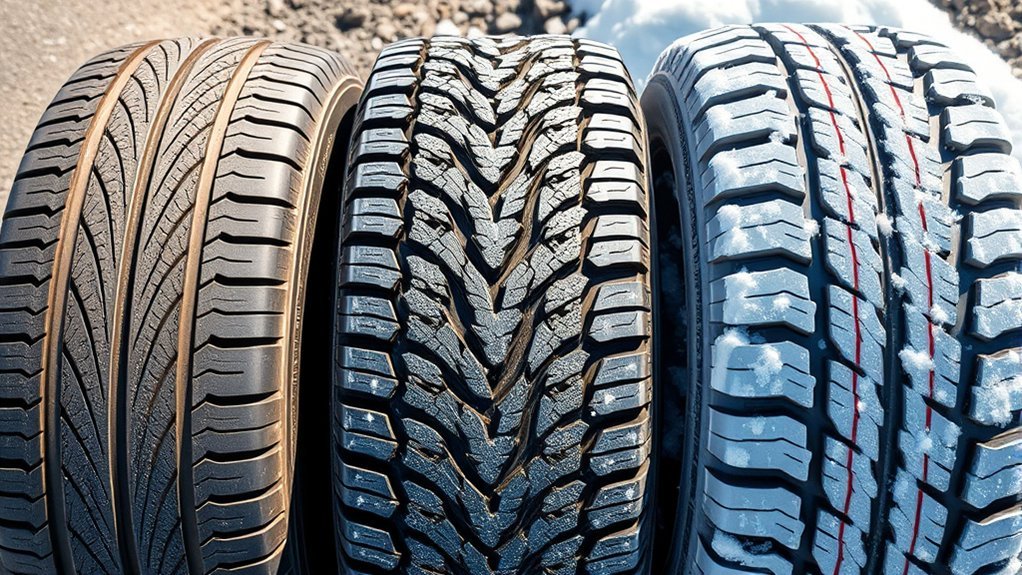
Start with how and where you drive most of the time, not the most extreme condition you might encounter once a year. The best tread pattern is the one that performs safely during your normal week.
- Mostly city and highway: Choose a touring or all-season tire with a symmetrical or mild asymmetrical tread for quietness and even wear.
- Frequent rain: Prioritize wet traction, wide water channels, healthy tread depth, and a strong traction grade.
- Snow and ice: Use dedicated winter tires if you regularly drive in freezing temperatures, snow, or ice. NHTSA notes that winter tires are more effective than all-season tires in deep snow.
- Mixed road and trail use: Choose all-terrain tires for a balance of pavement comfort and loose-surface grip.
- Serious mud or rocks: Choose mud-terrain tires, but expect more noise, weight, and wear on the road.
- Electric vehicles: Look for the correct load rating, low rolling resistance, strong wet traction, and noise control. EV torque and weight can accelerate wear if the tire is not well matched.
[Products Worth Considering]

Measure tyre tread depth precisely with a digital gauge that reads in both MM and inches, helping you monitor safe driving conditions. The large LCD screen is easy to operate, and the compact tool fits for cars, trucks, and motorcycles. It provides high accuracy with a 0-25.4mm range and includes a 1-year warranty for added peace of mind.
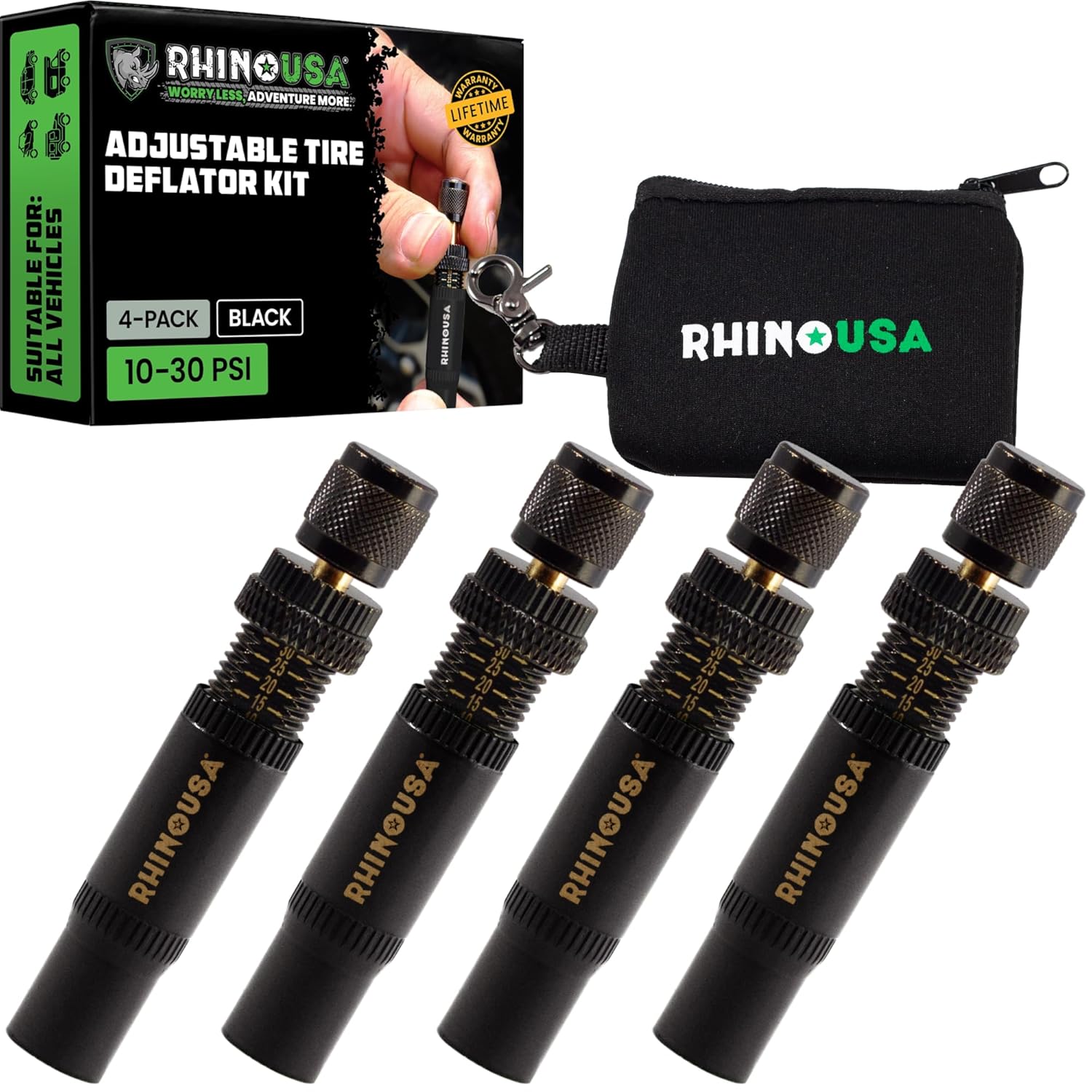
Use the Rhino USA adjustable tire deflators to air down all four tires at once by screwing one deflator onto each valve stem, letting you step away while the tires reach your preset pressure. Each deflator independently adjusts across a 10–30 PSI range with laser-etched indicators for quick setup and verification, making it ideal for beach, sand, and rocky off-road trails.

Vigorder rubber cement glue delivers superior adhesion and cures quickly within about 30 seconds for seamless rubber bonding. Once cured, it helps provide a strong, durable, waterproof seal that holds up to vehicle weight, pressure, and heat. Suitable for cars, motorcycles, trucks, bicycles, and off-road tires, it’s designed for emergency patch and maintenance repairs.
Read the Sidewall and Tire Label Before You Buy
The tread pattern should never be your only buying factor. Before choosing a tire, confirm these basics:
- Tire size: Match the size recommended on the vehicle placard or in the owner’s manual.
- Load index: Make sure the tire can safely support your vehicle and cargo.
- Speed rating: Use a rating appropriate for the vehicle and manufacturer guidance.
- UTQG treadwear: A comparative wear grade for many passenger tires sold in the United States.
- UTQG traction: A wet-stopping performance grade, from AA to C.
- UTQG temperature: A heat-resistance grade, from A to C.
The NHTSA Consumer Guide to Uniform Tire Quality Grading explains that UTQG covers treadwear, traction, and temperature grades for passenger car tires, with some exceptions such as deep-tread winter-type snow tires and temporary spares.
Common Tread Pattern Mistakes to Avoid
- Mounting directional tires backward: Directional tires have arrows showing the correct rolling direction.
- Mixing very different tread patterns: Different grip levels can affect braking and handling, especially in bad weather.
- Buying aggressive off-road tires for highway-only driving: They can be louder, less efficient, and less comfortable.
- Ignoring tire pressure: Even the best tread cannot work correctly if the tire is underinflated or overloaded.
- Replacing only one tire on some AWD vehicles: Mismatched tread depth can cause drivetrain issues. Check the owner’s manual or ask a qualified tire professional.
- Forgetting tire age: Some vehicle and tire manufacturers recommend replacement after six to 10 years regardless of tread depth.
Frequently Asked Questions
How do tire tread patterns affect fuel efficiency?
Tread patterns affect fuel efficiency by influencing rolling resistance. Aggressive lugs, heavy construction, and large voids can require more energy to roll, while low-rolling-resistance designs reduce energy loss. NHTSA notes that tire design, materials, construction, and tread design all influence performance and fuel efficiency.
Can tread patterns influence road noise levels?
Yes. Tread block size, spacing, void ratio, and shoulder design can change road noise. Touring tires usually use closely spaced, computer-optimized patterns for a quieter ride, while mud-terrain and aggressive all-terrain tires often make more noise because their large lugs strike the pavement more noticeably.
What is the lifespan of different tread patterns?
There is no fixed lifespan by tread pattern alone. A symmetrical touring tire may last longer than an aggressive off-road tire, but actual tire life depends on rubber compound, UTQG treadwear grade, alignment, pressure, rotation, load, climate, and driving style. Check the tire warranty and inspect tread monthly.
How do temperature changes affect tire performance?
Temperature changes affect rubber flexibility and tire pressure. Cold weather can reduce tire pressure and make some compounds stiffer, while heat can increase pressure and accelerate wear. Check pressure when tires are cold and use the pressure listed on the vehicle placard, not the maximum pressure on the tire sidewall.
Are there specific tread patterns for electric vehicles?
Yes, many EV-focused tires use tread and compound designs aimed at low rolling resistance, low noise, strong wet traction, and durability under instant torque. The correct load rating is especially important because many EVs are heavier than similar gas vehicles.
Are directional tires better in rain?
Directional tires can be very good in rain because their V-shaped channels are designed to move water outward. However, they are not automatically better than every asymmetrical or touring tire. Wet traction also depends on compound, tread depth, traction grade, tire pressure, and speed.
When should I replace tires based on tread depth?
Replace passenger vehicle tires when tread reaches 2/32 inch. Also replace tires earlier if they show cracks, bulges, exposed cords, repeated pressure loss, vibration, irregular wear, or poor wet-weather performance. For winter or heavy-rain driving, do not wait until the legal minimum if traction has noticeably declined.
Conclusion
Tire tread patterns are the connection between your vehicle and the surface below it. Symmetrical patterns work well for quiet everyday driving, asymmetrical patterns balance wet and dry grip, directional patterns help move water, and off-road patterns use large voids and lugs for loose terrain. The safest choice is the tread pattern that matches your real driving conditions, supported by correct pressure, enough tread depth, proper rotation, and a tire size and rating approved for your vehicle.
Sources
- NHTSA TireWise: Tire Safety Ratings and Awareness — tread-depth replacement threshold, monthly tire checks, pressure guidance, tire aging, tire rotation, tire types, and fuel-efficiency basics.
- NHTSA Consumer Guide to Uniform Tire Quality Grading — treadwear, traction, and temperature grades for passenger tires.
- Federal Register: Tire Fuel Efficiency Consumer Information Program — tire rolling resistance and consumer fuel-efficiency information.
- FuelEconomy.gov: Gas Mileage Tips — tire pressure and vehicle maintenance guidance for fuel economy.
- Analysis of the Water Flow Inside Tire Grooves of a Rolling Car Using r-PIV — research on water flow behavior inside tire grooves.