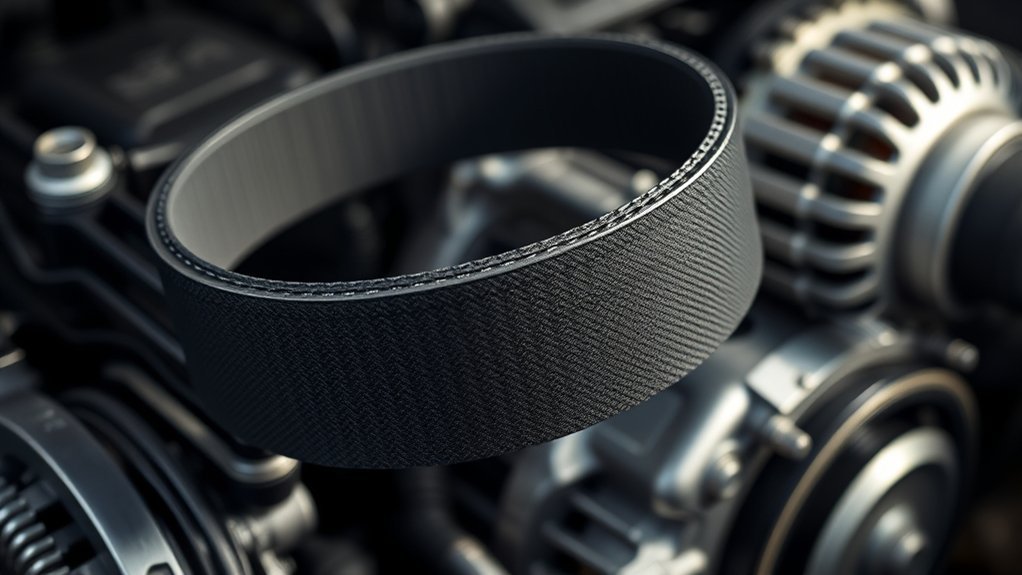
The Goodyear Gatorback was a well-known Poly-V/serpentine belt from the former Goodyear Engineered Products business. Its staggered “Gatorback” rib profile was promoted for quiet operation and flexibility. After Continental acquired Veyance Technologies, the line was rebranded Continental Elite in 2015. Today, however, Continental’s U.S. aftermarket line is the OE Technology Series Multi V-Belt, so you should not assume a new Continental belt uses the old Gatorback profile.
Quick Answer
Goodyear Gatorback belts were legacy serpentine belts known for a staggered rib design and quiet operation. They became Continental Elite after Continental acquired Veyance, but Continental now markets OE Technology Series Multi V-Belts. For slip, fitment, alignment, tensioner condition, pulley condition, and belt wrap matter more than the old brand name alone.
Key Takeaways
- Gatorback is a legacy Goodyear Engineered Products belt design, not the name of Continental’s current mainstream U.S. replacement line.
- The Gatorback line was rebranded Continental Elite after Continental’s acquisition of Veyance Technologies, but today Continental promotes OE Technology Series Multi V-Belts.
- There is no reliable universal rule that a Gates belt or a Gatorback belt will always slip less; the exact drive setup matters.
- Belt slip is commonly tied to incorrect size, weak tension, misalignment, worn pulleys or tensioners, contamination, insufficient wrap, or a worn belt.
- Do not use belt dressing or spray as a repair. Diagnose and correct the mechanical cause instead.
- Choose a replacement by exact vehicle or supercharger-kit application, rib count, effective length, and tensioner position—not by a generic length chart.
What Is the Goodyear Gatorback Belt?
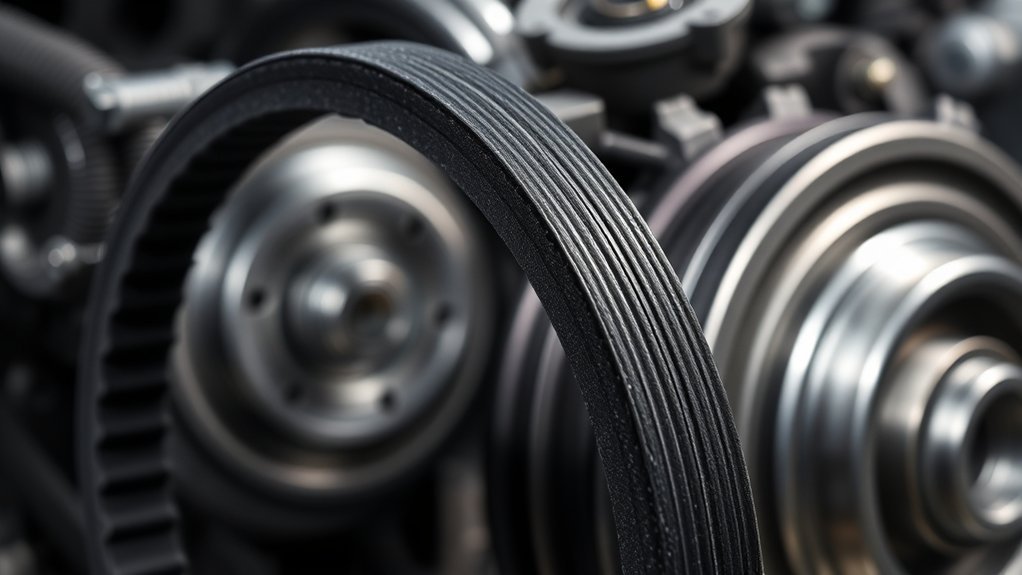
The Goodyear Gatorback was a multi-rib accessory-drive belt sold by Goodyear Engineered Products. The best-known versions used a distinctive staggered or “Helicog” rib pattern instead of a continuous straight rib surface. That design was associated with reduced belt noise and added flexibility.
The important distinction today is branding history. Continental agreed to acquire Veyance Technologies—the company that then owned the former Goodyear Engineered Products operations—in 2014. The Gatorback belt and hose line was subsequently sold under the Continental Elite name. Continental’s current U.S. aftermarket site now promotes OE Technology Series Multi V-Belts, which use modern EPDM compounds and are not marketed as Gatorback belts.
That means an old Goodyear Gatorback, a Continental Elite Gatorback-style belt, and a current Continental OE Technology Series belt should not automatically be treated as identical products just because a part number or application crosses over.
Note: Goodyear-branded automotive belts are sold again today through a separate licensed Goodyear Belts program. That current program should not be confused with the historical Goodyear Engineered Products/Gatorback ownership path that moved through Veyance to Continental.
Why Gatorback Belts Work Well in Superchargers
Supercharger drives can be hard on a belt because they may combine high shaft load, high engine speed, small pulley diameters, rapid changes in speed, heat, and limited belt wrap. A correctly sized Gatorback belt could work well in a compatible supercharger setup, but the old rib pattern by itself does not guarantee low slip.
What matters most is whether the belt stays correctly engaged with the pulleys under load. A belt that is too long can leave the tensioner in a weak part of its travel. A belt that is too short can overwork bearings or the tensioner. Misaligned pulleys can force the ribs sideways, while a weak tensioner can let the belt lose grip during fast RPM changes.
Modern belt makers use EPDM compounds, controlled rib geometry, and reinforced tension members to improve flexibility, heat resistance, dimensional stability, and power transfer. For example, Gates describes its Micro-V belts as using EPDM construction and precision-formed ribs to improve belt-to-pulley contact, while Continental highlights EPDM compounds and treated tension members in its current Multi V-Belts.
A premium belt cannot compensate for poor alignment, a weak tensioner, damaged pulleys, or the wrong belt length.
If you have an aftermarket supercharger, use the belt size and routing specified by the supercharger or pulley-kit manufacturer whenever possible. If the pulley ratio has been changed, re-check belt length, tensioner position, and wrap rather than assuming the original belt remains correct.
Gatorback vs. Gates Belts: Which Slips Less?
There is no universal, manufacturer-verified answer showing that either Gatorback or Gates always slips less. The original Gatorback design and current Gates Micro-V designs use different rib and compound approaches, but real-world slip depends heavily on the specific drive.
For a stock accessory drive, the safest choice is the exact application-correct belt from a reputable manufacturer. For a modified supercharger drive, belt length, pulley wrap, tensioner travel, rib count, alignment, and pulley condition can matter more than the brand printed on the belt.
[Products Worth Considering]
CERAKOTE Rapid Ceramic Tire Coat delivers true ceramic protection that restores a clean, dark factory-black look with a natural satin finish. It cures dry to the touch for a low-sling appearance that helps resist slinging onto paint while defending tires from UV rays and road grime. Apply to clean, dry tires with the included foam applicator for long-lasting results and satisfaction guaranteed.

Steelman white tire marking crayons provide high-contrast, semi-permanent marks for repairing and inspecting tires and equipment. They write on wet or dry, smooth or coarse surfaces including rubber, metal, glass, and wood, making them ideal for puncture location and damage outlining. The lead- and zinc-free crayons resist weather and fading yet wipe away when you no longer need the marks.
This universal magnetic jack pad is designed to protect pinch welds when lifting vehicles, helping prevent seam damage or warping. Crafted from solid aluminum with a nylon pad insert, it provides reinforced structural support and a secure fit for most single-vehicle pinch welds. Slotted for strong magnet holding, it supports safe jacking for cars, SUVs, trucks, and more.
Belt Grip Comparison
The old Gatorback’s staggered-rib profile was designed around quiet operation and flexibility. Gates’ current Micro-V belts use precision-formed ribs and EPDM materials intended to maintain accurate contact and resist heat. Those design differences do not create a simple rule that one brand always has more grip.
Use the following factors when comparing belts for a demanding drive:
| Factor | Why It Matters |
|---|---|
| Exact effective length | Keeps the tensioner in a useful operating range. |
| Rib count and width | Must match the pulley grooves and drive design. |
| Pulley wrap | More properly engineered wrap can increase the engaged contact area on the driven pulley. |
| Tensioner condition | Weak or erratic tension can cause slip even with a new belt. |
| Pulley alignment | Misalignment can create chirp, side wear, heat, and poor tracking. |
| Belt and pulley condition | Worn ribs, glazed surfaces, damaged grooves, or contamination reduce reliable power transfer. |
Noise And Slip Factors
Noise can help narrow down the problem, but it should not be used as the only diagnosis. Gates notes that a chirping noise can point toward pulley misalignment, while a high-pitched squeal under load can indicate insufficient tension and slip. Its guidance also warns against belt sprays because they can affect the belt compound instead of correcting the cause.
Inspect the whole accessory belt drive. Check the belt, tensioner, idlers, pulley grooves, bearings, and alignment together. If a new belt becomes noisy again quickly, the belt itself may not be the root problem.
How to Fix Gatorback Belt Slip
At a Glance
| Time Required | About 10–20 minutes for inspection; replacement time varies by vehicle and access. |
| Difficulty | Moderate; modified supercharger systems may require specialist setup checks. |
| Tools Needed | Flashlight, belt-routing diagram, suitable tensioner tool or wrench, straightedge/alignment tools as required, and the service information for your vehicle or supercharger kit. |
| Cost | Varies by belt, tensioner, idler, pulley, and vehicle application. |
Warning: Never inspect, touch, align, or tension a serpentine or supercharger belt while the engine is running. Shut the engine off, allow hot components to cool, and follow the vehicle or supercharger manufacturer’s service procedure.
If your Gatorback or other serpentine belt is slipping, diagnose the system in this order:
- Confirm the belt is the correct part. Match the application, rib count, effective length, and routing. On a modified supercharger setup, confirm the pulley-kit maker’s recommended belt size.
- Inspect belt wear. Look for rib material loss, glazing, edge wear, contamination, chunking, fraying, or other damage. Modern EPDM belts can wear without dramatic cracking, so visible cracks are not the only replacement signal.
- Check pulley alignment. A pulley that sits out of plane can make the belt chirp, track sideways, wear at an edge, or lose effective contact.
- Check the tensioner. Make sure it moves smoothly, applies consistent force, and is not bouncing excessively. Also inspect the tensioner pulley bearing.
- Inspect idlers and driven pulleys. With the belt removed and the engine off, check for rough bearings, wobble, damaged grooves, or debris.
- Remove contamination. Fix oil, coolant, power-steering fluid, or other leaks before fitting a new belt. Replace a belt that has been materially contaminated rather than trying to restore it with dressing.
- Evaluate belt wrap only as part of an engineered setup. A larger or relocated idler can increase wrap in some supercharger systems, but use a manufacturer-approved pulley arrangement. Improvised pulley changes can create clearance, bearing-load, or routing problems.
- Retest under the conditions that caused the slip. After repair, verify tracking and tension first at idle, then follow the manufacturer’s safe test procedure for load.
| Fix | Effect | When to Use |
|---|---|---|
| Correct-size new belt | Restores proper fit and friction | Wrong-size, worn, glazed, or damaged belt |
| Tensioner service | Restores controlled belt tension | Weak, noisy, sticking, or bouncing tensioner |
| Alignment correction | Improves tracking and rib engagement | Chirp, edge wear, or pulley offset |
| Approved idler/wrap change | Can increase engaged pulley contact | Modified supercharger drive when specified by the kit maker |
Pro Tip: If a replacement belt starts squealing again soon after installation, inspect the tensioner and pulley alignment before blaming the belt. Gates recommends diagnosing the full accessory belt drive rather than treating the noise alone.
Do not use belt dressing as a short-term grip aid. Gates specifically advises against belt sprays because they can affect the rib surface and belt compound while leaving the mechanical problem unresolved.
[Products Worth Considering]
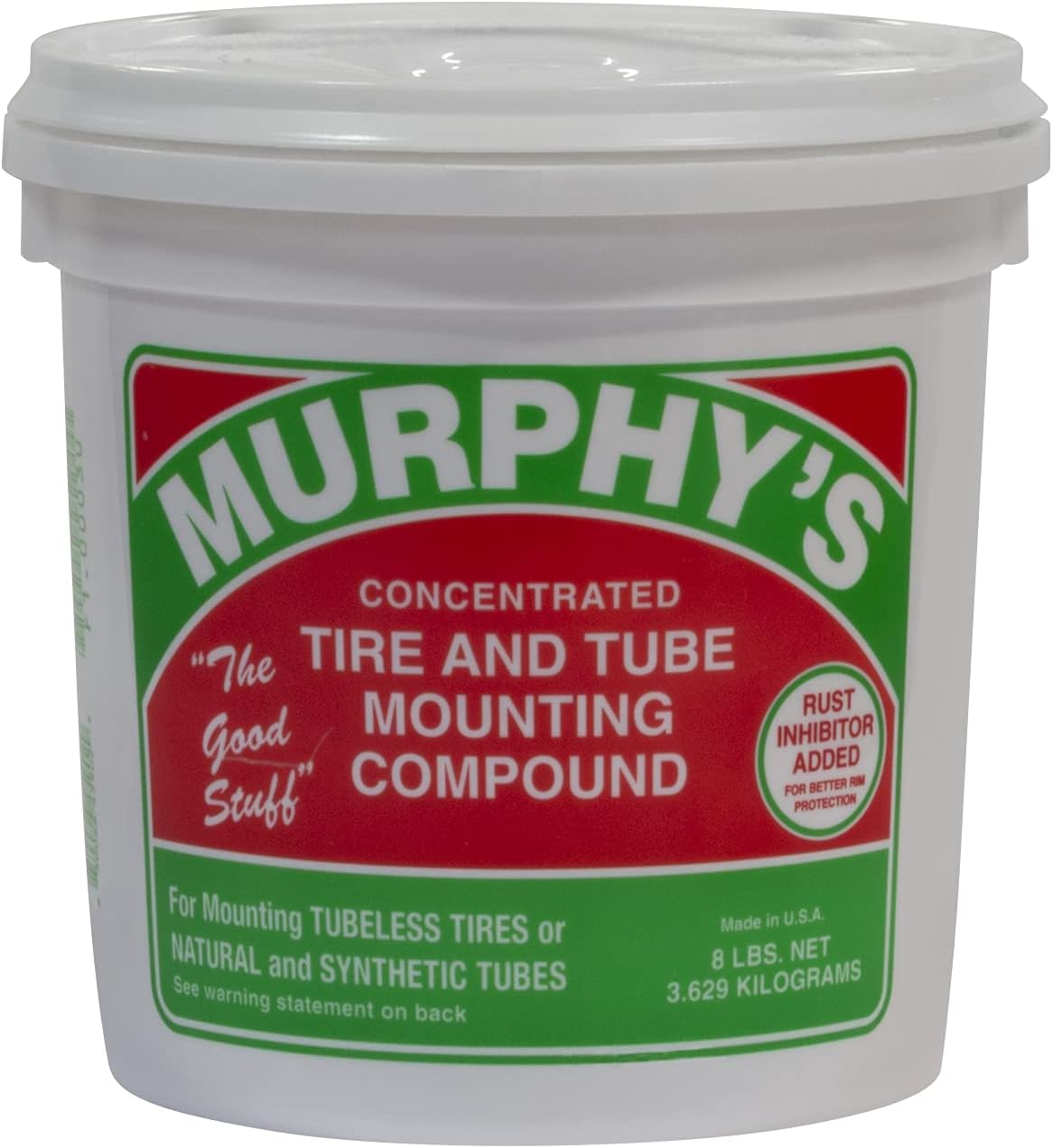
A concentrated tire and tube mounting compound designed to help simplify mounting rubber tires and tubes on passenger, semi truck, construction, and OTR applications. Its ultra-thick formula packs beads effectively and includes rust inhibitors to help protect against corrosion during use.

The Trivd Frol 1/2" air impact wrench delivers high performance torque up to 1500 ft-lbs with a twin hammer impact mechanism for strong, balanced blows. It features an ergonomic grip, compact lightweight design, and quick-stop control with 3 forward speeds up to 8000 RPM plus a reverse speed. Built for demanding automotive repair and tire shop work, the rear exhaust helps keep debris away from the surface.

Replace worn or missing TPMS sensors with a pre-programmed 4-pack designed for compatible GM vehicles. These 315MHz sensors provide real-time tire pressure monitoring and alert you if pressure is too high, too low, or if a rapid air leak occurs. Most installations are ready with minimal relearn effort after mounting, helping improve safety and driving confidence.
Did Continental Elite Change the Gatorback Belt?
The answer depends on which period you mean. After Continental acquired Veyance Technologies, the Goodyear Gatorback belts and hoses were rebranded as Continental Elite. During that transition, the Gatorback-style product continued under the new branding.
But it is no longer accurate to say that Continental Elite is simply the current name for the same Gatorback belt. Continental’s current U.S. aftermarket pages identify its principal replacement line as OE Technology Series Multi V-Belts, with EPDM compounds and a treated polyester tension member. The current line is not marketed as the original staggered Gatorback/Helicog design.
Continental’s ownership history is well documented. The company announced its agreement to acquire Veyance Technologies in 2014, including Veyance’s power-transmission belt operations. You can review the Continental acquisition announcement.
- If you own an old Goodyear Gatorback, identify it by the actual part number and dimensions.
- If you find a Continental Elite Gatorback-style belt, treat it as legacy stock unless the seller and manufacturer data show otherwise.
- If you are buying a current Continental replacement, use Continental’s present application catalog rather than assuming the old Gatorback construction carries over.
Which Gatorback Belt Size Fits Your Build?
The correct belt size depends on the exact drive. A generic table of 3-, 5-, or 6-rib belts and a few common lengths is not reliable enough for vehicle fitment. Historical Gatorback belts were sold in many rib counts and lengths, and modern serpentine systems also vary widely.
For a stock vehicle, start with the year, make, model, engine, and accessory configuration. Then use the manufacturer’s application catalog. Continental provides a PartFinder for application-based replacement lookup.
For a modified supercharger drive, record the following before choosing a belt:
| Check | What to Record | Why It Matters |
|---|---|---|
| Rib count | Number of pulley grooves used by the belt | The belt must match pulley width and groove count |
| Effective length | Manufacturer-specified belt length | Controls tensioner position and fit |
| Routing | Exact path around every pulley | Changes total length and pulley wrap |
| Pulley sizes | Supercharger, crank, idler, and accessory pulley diameters | Pulley changes can alter required length and wrap |
| Tensioner position | Position with the belt installed | Shows whether the selected length keeps usable tension |
| Kit specification | Supercharger or pulley-kit maker’s belt part number | Best starting point for a modified drive |
Some belt makers use a “PK” style designation that combines rib count and metric effective length—for example, a designation such as 7PK2217 identifies a 7-rib belt with a listed effective length of 2217 mm in Gates’ catalog. Do not assume every brand encodes every part number the same way; verify the manufacturer’s own specification.
If you are replacing a legacy Gatorback part that is no longer sold, cross-reference the exact old part number to a current belt, then compare rib count, effective length, and application before installation. A visual match alone is not enough.
[Products Worth Considering]

Slip the Powerbuilt tire step over your vehicle’s tire to reach roof racks, engine bays, truck boxes, and more without overreaching. Its adjustable, universal design fits tires with a cross tread width up to 13 inches, including car, truck, RV, and semi tires. The non-slip cheesegrater surface and anti-slip tape provide secure grip while the open design lets mud and debris pass through. Fold-flat storage with rubber bumpers helps keep your tire and the step protected between uses.

This spare tire tool kit is designed for the 2004 to 2018 Ford F-150 to help you loosen and tighten wheel lug nuts and manage the spare tire and provided jack functions from underneath the vehicle. It includes the lug nut wrench and extension pieces plus a convenient storage carrying case for organized transport. The jack itself is not included.

This car D-wheel lock nut key provides an anti-theft solution for D-shaped wheel lock bolts, helping keep your wheels secure. It features a flower-shaped internal pattern that resists micro-adjustment theft while allowing removal and mounting of compatible locking nuts. Made for reliable performance under high torque, it’s easy to use with standard socket wrench turning for quick tire maintenance and emergency repairs.
Frequently Asked Questions
Are Gatorback serpentine belts good?
Legacy Gatorback belts were known for quiet operation and a distinctive staggered rib design. Whether one is a good choice today depends on exact fitment and the condition and storage history of any remaining old stock. For a daily-use replacement, compare current application-correct belts rather than relying only on the Gatorback name.
What happened to Goodyear Gatorback belts?
The former Goodyear Engineered Products business became Veyance Technologies, which Continental acquired. Gatorback belts were then rebranded Continental Elite. Continental’s current U.S. aftermarket belt line is marketed as OE Technology Series Multi V-Belts rather than Gatorback.
Does it matter which serpentine belt I use?
Yes. The replacement must match the drive’s rib count, effective length, routing, pulley system, and application. The wrong belt can sit incorrectly on the pulleys or place the tensioner outside its intended range.
Are Goodyear serpentine belts any good?
Current Goodyear-branded automotive belts are sold through a licensed Goodyear Belts program, which is separate from the historical Gatorback ownership path. Judge a current belt by its exact application, specifications, warranty, and manufacturer support rather than assuming it is the same product as an old Gatorback.
Is Continental Elite the same as Gatorback?
Continental Elite was the branding used for the Gatorback line after Continental acquired Veyance. That historical statement is different from saying today’s Continental belts are the same construction. Continental now markets OE Technology Series Multi V-Belts.
Can belt dressing stop serpentine belt slip?
Do not use belt dressing as a repair. Gates advises against belt sprays because they can affect the belt surface and compound while leaving the underlying problem—such as low tension, misalignment, wear, or contamination—unfixed.
How do I choose a Gatorback replacement size?
Cross-reference the old part number using a current belt manufacturer’s catalog, then verify rib count, effective length, vehicle or kit application, and tensioner position. For a modified supercharger drive, use the supercharger or pulley-kit manufacturer’s specified belt whenever available.
Conclusion
The Goodyear Gatorback earned a following for its distinctive staggered rib design and quiet operation, but the name now belongs to belt history more than to Continental’s current product lineup. If you are replacing one today, focus on the exact application, rib count, effective length, pulley alignment, tensioner condition, and belt wrap. For a supercharger, use the kit maker’s specification whenever possible. A correctly engineered belt drive will do more to prevent slip and noise than choosing a belt by reputation alone.
Sources
- Continental Aftermarket — Multi V-Belts — current Continental belt line, EPDM construction, noise, wear resistance, and tension-member information.
- Continental AG — Veyance Technologies acquisition announcement — ownership history and Veyance power-transmission belt business.
- Continental Aftermarket — Belt tools — EPDM belt-wear guidance and belt measuring/installation tools.
- Gates — Micro-V Belt Drive Systems — EPDM construction, rib design, tensioner, idler, and whole-system guidance.
- Gates TechZone — Diagnosing a noisy accessory belt drive — alignment, insufficient tension, glazing, pulley diagnosis, and warning against belt sprays.
- Goodyear Belts — Automotive — current licensed Goodyear-branded automotive belt program.