You generally shouldn’t keep winter tires on through summer. Their flexible cold-weather rubber and heavily siped tread are designed for low temperatures, snow, and ice. Once temperatures stay consistently above about 7°C (45°F), summer or suitable all-season tires usually provide better warm-road handling, braking, tread life, and efficiency.
Quick Answer
Winter tires can be driven in warm weather, but they are not designed for it. Their softer compound wears faster and their tread can feel less precise during braking, cornering, and emergency maneuvers. Once temperatures stay above about 7°C (45°F), switch to summer or suitable all-season tires.
Key Takeaways
- Winter tires wear much faster in warm weather because their rubber compound is optimized for cold conditions.
- Warm-road steering, cornering, and braking can be less precise than with tires designed for summer conditions.
- Winter tires can have higher rolling resistance than a suitable warm-weather alternative, but there is no reliable universal percentage for the fuel-economy penalty.
- Use four compatible tires rather than mixing winter tires with summer tires on the same vehicle.
- Plan your seasonal change once temperatures remain consistently above about 7°C (45°F), while also considering your local weather and tire manufacturer’s guidance.
Should You Use Winter Tires in Summer?

No, you generally shouldn’t use winter tires throughout summer. They are engineered for traction in cold temperatures, snow, slush, and ice rather than sustained use on warm pavement.
Michelin recommends switching back to summer or all-season tires when temperatures consistently rise above about 7°C (45°F). That temperature is a practical seasonal guideline rather than a point where a winter tire suddenly becomes unsafe.
As temperatures rise, the flexible compound and tread blocks of a winter tire can move more under braking and cornering. The result can be slower steering response, less precise handling, longer warm-road stopping distances, and faster tread wear.
You may also see more rolling resistance than you would with a tire designed for warm conditions. That can increase energy or fuel use, although the actual difference varies widely by tire model, vehicle, inflation pressure, speed, and driving style.
Note: The 7°C (45°F) guideline is not a sharp physical or legal cutoff. Check your forecast, especially overnight temperatures, and follow the recommendations for your specific tires and vehicle.
[Products Worth Considering]

The SAFELIFE dial tire tread depth gauge measures tread depth in 1/32 inch increments with clear, easy-to-read 2-inch dial face. Color zones using a traffic light system help you quickly judge whether tread is low, marginal, or ample for safer driving. Built with a durable zinc cast body and a metal detect probe for precise, comfortable use across cars, motorcycles, trucks, and buses.

The Kurgo Seasonal Tire Tote helps protect your car interior, clothes, and garage from tire grime, brake dust, and residue during seasonal tire changes. Its universal design fits most passenger tires between 22" and 31" in diameter, making storage and transport simpler with less mess. Built for rugged, repeated use, it’s machine washable for easy care and comes with a lifetime warranty.

Steelman white tire marking crayons provide high-contrast, semi-permanent marks for repairing and inspecting tires and equipment. They write on wet or dry, smooth or coarse surfaces including rubber, metal, glass, and wood, making them ideal for puncture location and damage outlining. The lead- and zinc-free crayons resist weather and fading yet wipe away when you no longer need the marks.
Why Winter Tires Wear Faster in Heat
Winter tires use compounds intended to remain flexible when ordinary warm-weather tire compounds become harder in cold conditions. That same flexibility becomes a disadvantage during sustained warm-weather driving.
Warm pavement causes the tread compound and small tread blocks to flex more. Repeated acceleration, braking, and cornering can therefore remove tread more quickly than normal winter use.
The result is shorter tire life, more rapid tread-depth loss, and the possibility that the tires will have less useful winter tread when cold weather returns.
Soft Compound Breaks Down
Winter tires wear faster during summer because their softer cold-weather compound is working outside the conditions for which it was optimized.
The tread can become overly flexible on warm roads. During braking and cornering, that extra movement can reduce steering precision while also increasing wear.
Continental warns that warm-weather use can reduce the service life of winter tires by as much as 60% in some circumstances.
Continental says using winter tires in warm weather can reduce their service life by up to 60% because of accelerated tread wear.
That does not mean every winter tire will lose exactly 60% of its life. Tire model, temperature, road surface, mileage, driving style, alignment, and inflation pressure all affect wear.
Hot Pavement Increases Wear
On hot pavement, a winter tire’s flexible tread blocks can squirm more than they do in cold conditions. Repeated movement under load accelerates tread loss and can lead to uneven wear if tire pressure or wheel alignment is also incorrect.
- Warm conditions accelerate wear on cold-weather compounds.
- Aggressive braking and cornering can make that wear worse.
- Lost tread during summer means less usable tread for the next winter.
If your climate has a true warm season, switching to summer or appropriate all-season tires protects both warm-weather performance and the remaining life of your winter set.
How Winter Tires Affect Summer Grip
Winter tires are built for cold-weather traction. Their flexible compounds, deep grooves, and many sipes help the tread work on snow, ice, and cold pavement.
On a warm, dry road, those features create a different tradeoff. The tread blocks can deform more under steering and braking loads, so the vehicle may feel less crisp than it does on summer tires.
Summer tires are specifically designed for warm dry and wet roads, while all-season tires are intended to cover a broader temperature range. Michelin’s seasonal tire guidance notes that summer tires provide strong cornering and braking in temperatures above roughly 7°C.
With winter tires in warm weather, you may notice slower steering response, more tread movement through corners, and longer stopping distances during hard braking. Winter tread patterns may also produce more road noise.
Winter vs. Summer vs. All-Season Tires in Warm Weather
| Tire Type | Warm-Weather Strength | Main Tradeoff |
| Summer | Strong warm-road braking, steering, and wet/dry grip | Not intended for snow, ice, or sustained cold weather |
| All-season | Practical year-round compromise in milder climates | Usually gives up some extreme warm- or winter-weather performance |
| Winter | Excellent cold-weather, snow, and ice capability | Faster warm-weather wear and less precise summer handling |
[Products Worth Considering]

Keep your tires properly inflated with this analog VONDIOR tire pressure gauge, designed for fast, easy readings without batteries. The swiveling, two-axis hose and large glow dial help you measure at any tire angle with instant visibility. Built with a protective rubber shield, it supports durable, low-maintenance use for cars and trucks.

Milton S-921 pencil tire pressure gauge helps you maintain optimal tire pressure for passenger cars with accurate readings in PSI and kPa. It features a built-in deflator valve for convenient pressure adjustments, plus a single chuck head and nylon indicator bar for easy use on the go. Built from durable plated brass and designed for reliable performance, it’s a practical road trip and cold-weather maintenance tool.

Measure tire tread depth quickly and accurately with this LUMITECO dial gauge that reads in 1/32" increments up to 14/32". The color-coded green/yellow/red zones make it easy to judge tire wear and know when replacement is needed. A rugged, compact design with a protective pouch helps keep the gauge ready for use on cars, trucks, motorcycles, and more.
Why Braking Distance Gets Longer
Winter tires can take longer to stop on warm pavement because their compound and tread pattern are optimized for cold conditions rather than maximum warm-road braking.
The flexible tread blocks deform more under load. That can reduce the immediate, stable contact needed during a hard stop.
Continental specifically warns that softer winter tires on dry warm pavement reduce handling precision and increase stopping distances.
There is no single percentage that applies to every winter tire, car, speed, temperature, or road surface. For that reason, it is more accurate to focus on the proven direction of the effect instead of claiming a universal 30% penalty.
Softer Tread Response
A winter tire’s soft tread is useful in cold weather because it stays flexible. In summer heat, however, the same tread can move more under braking.
That movement makes the tire feel less immediate and can reduce warm-road braking precision. As summer use also removes tread more quickly, the tire may return to winter with less snow and slush capability than it would have had if stored during warm months.
- Flexible tread blocks can move more during hard braking.
- Warm-weather wear reduces remaining tread depth.
- Less precise grip can affect braking, lane changes, and emergency maneuvers.
Heat-Reduced Stopping Power
When temperatures stay well above the winter tire’s intended range, the tire can feel softer and less stable during sudden stops.
Its snow-focused tread is designed to create biting edges and remain flexible in the cold, not to maximize warm, dry-pavement braking.
Your ABS will still help prevent wheel lockup, but ABS cannot create extra tire grip. The vehicle can only brake as effectively as the available traction allows.
Warning: Do not try to solve the problem by fitting winter tires on only one axle and summer tires on the other. Different grip characteristics can upset vehicle balance during braking and cornering. For winter use, install four compatible winter tires and follow your vehicle manufacturer’s requirements.
How Winter Tires Increase Fuel Use
Winter tires can increase fuel or energy use when they have more rolling resistance than the summer or all-season tires you would otherwise use.
Rolling resistance is energy lost as a tire flexes while it rolls. Tread design, rubber compound, tire pressure, construction, vehicle load, speed, and temperature all influence it.
Winter tires often have deep tread and flexible blocks that can increase energy loss, but modern tire designs vary considerably. Some newer winter tires are specifically engineered to reduce rolling resistance.
That is why a blanket statement such as “winter tires reduce fuel efficiency by 10%” is not reliable. NHTSA notes that a 10% change in rolling resistance generally corresponds to only about a 1–2% change in vehicle fuel economy when other factors remain equal.
- Higher rolling resistance can increase fuel or electricity use.
- Incorrect inflation can also increase rolling resistance and wear.
- The real efficiency difference depends on the specific tires and vehicle.
What Summer Tire Alternatives Work Best?
The best alternative depends on your climate and driving needs.
Summer tires are the strongest choice when you regularly drive in warm conditions and want responsive steering, strong dry grip, and capable warm-weather wet braking. They should not be used in snow or ice and may become unsuitable as temperatures approach freezing.
All-season tires provide a broader compromise. They are usually more practical if your climate has hot summers but only mild winter conditions.
If you face true winter weather, keep a dedicated set of winter tires and use summer or all-season tires during the warm season.
Some year-round tires also carry the Three-Peak Mountain Snowflake symbol and provide more severe-snow capability than a conventional all-season tire. However, a 3PMSF mark confirms that a tire has met a defined severe-snow traction requirement; it does not automatically mean the tire matches a dedicated winter tire in every snow, ice, braking, or handling test.
Always use the tire size, load capacity, and other specifications approved for your vehicle. The tire placard and owner’s manual are the first places to check.
[Products Worth Considering]
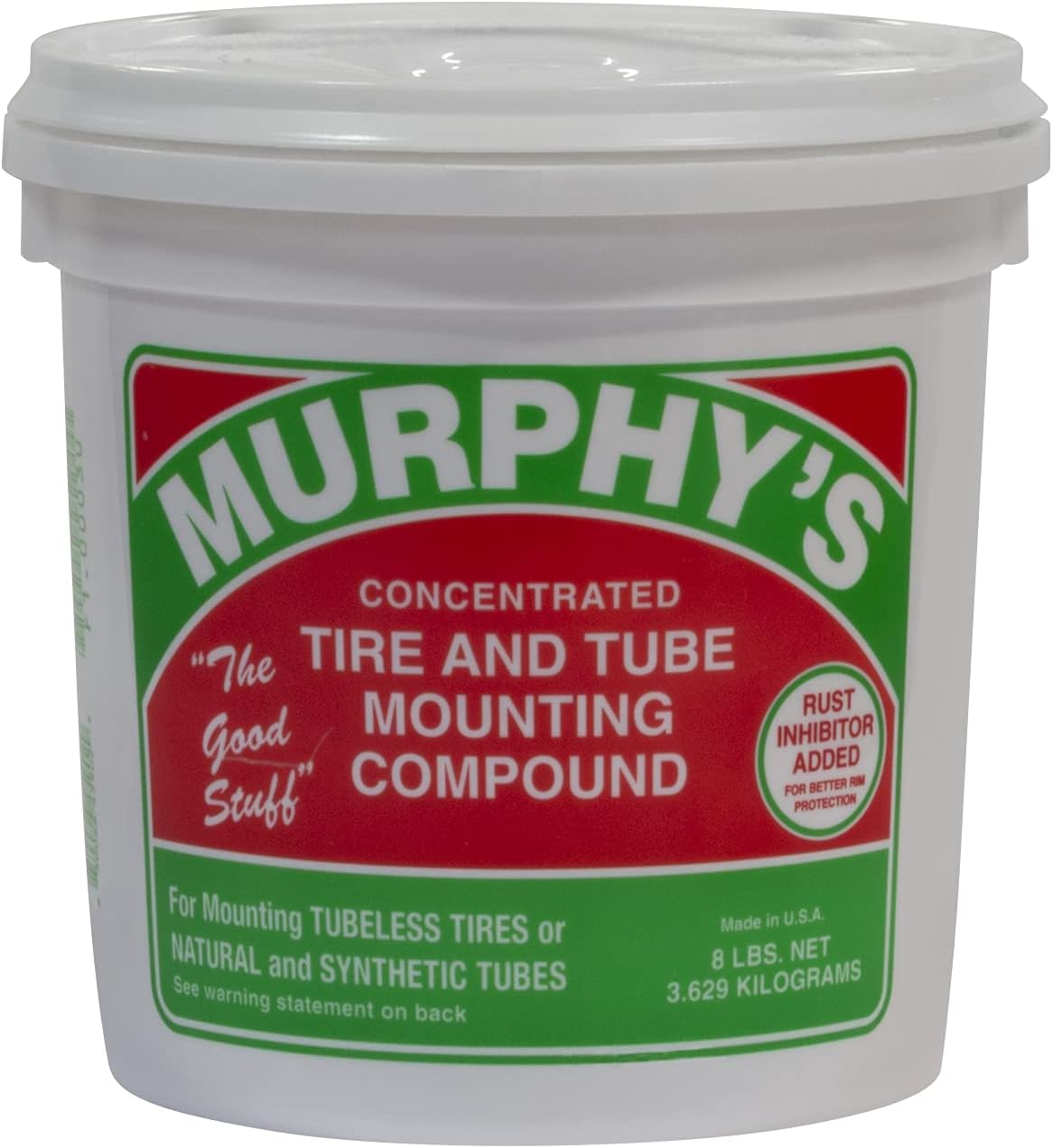
A concentrated tire and tube mounting compound designed to help simplify mounting rubber tires and tubes on passenger, semi truck, construction, and OTR applications. Its ultra-thick formula packs beads effectively and includes rust inhibitors to help protect against corrosion during use.

This manual duck head tire changer kit makes tire installation and removal simpler by letting you embed the duck head into the tire with applied pressure. The integrated design and durable steel construction help reduce friction and improve efficiency and safety during use. Suitable for 16–21 inch wheels, it’s convenient for cars, trucks, SUVs, and ATV tires, with 24-hour after-sales support.

The Naked Bee Foot Balm for Restoration Heel is an intensive foot treatment designed to penetrate and soften calloused, dry, and cracked feet. Honey, beeswax, and neem oil help deeply moisturize and soothe, while meadowfoam oil supports a protective barrier against moisture loss. Simply roll on to target tired feet and support visibly healthier-looking heels.
When to Switch From Winter Tires
The commonly used changeover point is when temperatures remain consistently above about 7°C (45°F).
Winter tires should normally come off once temperatures stay consistently above about 7°C (45°F), provided cold or snowy conditions are no longer expected.
The word consistently matters. One warm afternoon in early spring does not necessarily mean winter is over. Look at daytime and overnight temperatures over several days.
The reverse guidance applies in autumn: winter tires become useful as temperatures settle near or below 7°C and winter conditions approach. Transport Canada notes that summer and all-season tires begin losing elasticity below about 7°C while winter tires remain flexible at lower temperatures.
- Watch several days of temperatures rather than one unusually warm day.
- Consider overnight temperatures and the risk of late-season snow or ice.
- Inspect tread, sidewalls, pressure, and wheel condition during each seasonal change.
Pro Tip: Book your seasonal tire change before the first long warm or cold spell. You can avoid the busiest shop period while protecting both sets from unnecessary seasonal wear.
Can You Drive Winter Tires for a Few Warm Days?
A few unexpectedly warm days will not normally destroy a healthy set of winter tires. The problem is repeated or prolonged warm-weather use.
If you have not been able to schedule your tire change yet, drive normally and avoid treating the winter tires like warm-weather performance tires. Hard cornering, high-speed driving, aggressive acceleration, and repeated hard braking can add unnecessary tread wear.
Arrange the seasonal change when practical once the weather has clearly shifted. If the tread is badly worn, damaged, cracked, bulged, or losing pressure, have the tire inspected before continuing to drive.
Why Four Matching Winter Tires Matter
Seasonal tire choice is not just about what is installed on the driven wheels. Braking and cornering depend on all four tire contact patches.
Transport Canada recommends installing winter tires in sets of four to maintain control and stability. The tires should also have compatible size, speed rating, and load index.
Mixing two winter tires with two summer tires can create a large front-to-rear grip difference. The result may be unexpected understeer or oversteer when braking, turning, or driving on a slippery surface.
AWD and 4WD vehicles may have additional tread-depth and circumference requirements, so check the owner’s manual before replacing fewer than four tires.
How to Store Winter Tires Properly
Once you remove your winter tires, store them in a cool, dry indoor location away from direct sunlight, heat sources, and ozone-producing equipment such as some electric motors and generators.
Before storage, clean and dry each tire. Remove road grime, salt, and stones from the tread. If the tires are mounted on wheels, drying them also helps reduce the chance of corrosion on exposed wheel surfaces.
Sealed tire-storage bags can help limit exposure to air, dust, and ozone. Keep the tires away from petroleum products, solvents, and other chemicals that could affect rubber.
Storage position depends on whether the tires are mounted on wheels. According to Michelin’s tire-storage guidance:
- Tires mounted on rims: stack them horizontally or hang them securely. Do not leave them standing upright for long-term storage.
- Tires without rims: store them standing upright on the tread. Do not hang or stack them, and rotate their position occasionally during long storage.
Avoid placing heavy objects on stored tires.
Before reinstalling them, inspect the tread and sidewalls for cuts, cracking, bulges, uneven wear, embedded objects, or other damage. Set pressure to the vehicle manufacturer’s recommended cold inflation pressure after installation.
Frequently Asked Questions
What Is the 7-7 Rule for Winter Tires?
The 7-7 rule is a seasonal rule of thumb: switch to winter tires after temperatures stay around or below 7°C (45°F) for roughly seven consecutive days, and switch back after temperatures remain above that level for about seven days. Mitsubishi Motors Canada describes the guideline this way. It is not a universal law, so local weather and regulations still matter.
What Is the 3 Tire Rule?
There is no standard winter-tire safety rule saying a four-wheel vehicle needs only three matching tires. For winter driving, the safer recommendation is four compatible winter tires. If you are replacing fewer than four tires for another reason, follow the tire manufacturer’s and vehicle manufacturer’s instructions, especially on AWD or 4WD vehicles.
Can I Drive With 2 Winter Tires and 2 Summer Tires?
You should avoid mixing two winter tires with two summer tires. The two tire types can provide very different grip, especially during emergency braking or on snow and ice. That front-to-rear imbalance can make the vehicle harder to control. For winter use, fit four compatible winter tires.
What Temperature Is Too Hot for Winter Tires?
There is no single temperature at which a winter tire suddenly becomes unsafe, but about 7°C (45°F) is the common seasonal changeover guideline. Once temperatures remain above that level, warm-weather tires are normally better suited to braking, handling, tread life, and efficiency.
Is It Illegal to Drive on Winter Tires in Summer?
Rules depend on where you live and on the tire type. Ordinary non-studded winter tires are not automatically illegal simply because the weather is warm in many jurisdictions, but studded tires often have seasonal restrictions. Check your state, province, or local transportation authority before driving on studded tires outside winter.
Will One Week of Summer Driving Ruin Winter Tires?
Usually not. A short spell of warm weather is unlikely to ruin a healthy set immediately. The bigger concern is repeated summer mileage, which can accelerate tread wear and reduce the tire’s remaining winter life. Change to appropriate warm-weather tires once sustained warmth arrives.
Conclusion
In summer, winter tires are working outside the conditions for which they were designed. Their flexible tread can wear faster, steering and braking can feel less precise, and rolling resistance may be higher than with a suitable warm-weather tire.
You do not need to panic because of one warm afternoon. Instead, watch the weather and plan your seasonal change once temperatures remain consistently above about 7°C (45°F). Use four compatible tires, follow your vehicle and tire manufacturers’ requirements, and store the winter set correctly so it is ready when cold weather returns.
Sources
- Michelin Canada — Summer, Winter and All-Season Tires — seasonal tire differences and the 7°C changeover guideline.
- Continental — Winter Tires in Summer — warm-weather tread wear, handling, stopping-distance, and rolling-resistance guidance.
- Transport Canada — Using Winter Tires — 7°C cold-weather performance guidance, 3PMSF information, and four-tire installation recommendations.
- NHTSA TireWise — tire safety, rolling resistance, inflation, fuel-economy relationships, and tire-selection guidance.
- Michelin — Tire Storage — correct storage positions for mounted and unmounted tires.
- Mitsubishi Motors Canada — Winter Tires in Canada — explanation of the 7-7 seasonal tire rule of thumb.