

Yes, you can legally drive a right-hand drive (RHD) car in the USA, but the steering-wheel position is only one part of the question. The vehicle must have been lawfully imported, and you must satisfy the title, registration, insurance, inspection, and equipment rules that apply where you live. Imported vehicles also have separate federal safety and emissions requirements.
Quick Answer
Right-hand drive cars are legal in the USA; federal law does not prohibit putting the steering wheel on the right. However, an imported RHD vehicle must qualify under applicable NHTSA safety and EPA emissions rules, and it still needs to meet your state’s requirements for title, registration, insurance, and legal road use.
Key Takeaways
- Right-hand steering itself is not prohibited by federal motor-vehicle safety rules.
- A vehicle that is at least 25 years old can generally use NHTSA’s age-based exemption from FMVSS import requirements.
- EPA has a separate emissions provision for certain vehicles more than 21 years old, subject to engine and configuration conditions.
- Meeting EPA’s 21-year provision does not automatically satisfy NHTSA’s 25-year rule.
- Newer nonconforming vehicles can face much more complicated import requirements, including use of a Registered Importer in applicable cases.
- After federal importation, your state still controls title, registration, inspections, insurance, and other road-use requirements.
- Driving an RHD car on right-hand-traffic roads requires extra care with lane position, passing, visibility, parking, tolls, and drive-throughs.
Is It Legal to Drive a Right-Hand Drive Car in the USA?

Yes. A steering wheel on the right side does not by itself make a vehicle illegal in the United States. The National Highway Traffic Safety Administration (NHTSA) has stated that its safety standards do not prohibit a right-hand-drive steering system.
The important question is not simply where the steering wheel sits. It is whether the vehicle was lawfully imported and can be legally titled, registered, insured, and operated in your state.
NHTSA also confirms that an RHD vehicle can be manufactured in compliance with the Federal Motor Vehicle Safety Standards (FMVSS). A newer vehicle originally certified for the U.S. market is therefore a very different case from a gray-market vehicle imported from Japan, the United Kingdom, Australia, or another country.
For official federal guidance, see the NHTSA Importation and Certification FAQs.
Note: Federal permission to import a vehicle and state permission to register and drive it are separate issues. A car that lawfully enters the United States can still require additional state documentation, inspections, emissions testing, or equipment compliance before receiving plates.
RHD Car Import Rules
If the vehicle is already lawfully titled and registered in the United States, you normally do not need to repeat the original federal import process just because it is right-hand drive. If you are bringing an RHD vehicle into the country yourself, however, its age and certification status are critical.
[Products Worth Considering]

Upgrade your vehicle’s style with sparkling rhinestone valve caps that add a unique luxury look. Built with an O-ring seal and rotating thread design, they help prevent air leakage while keeping dust and road grime out. The universal fit works on standard American tire valves for cars, trucks, SUVs, and motorcycles, and installs easily without special tools.
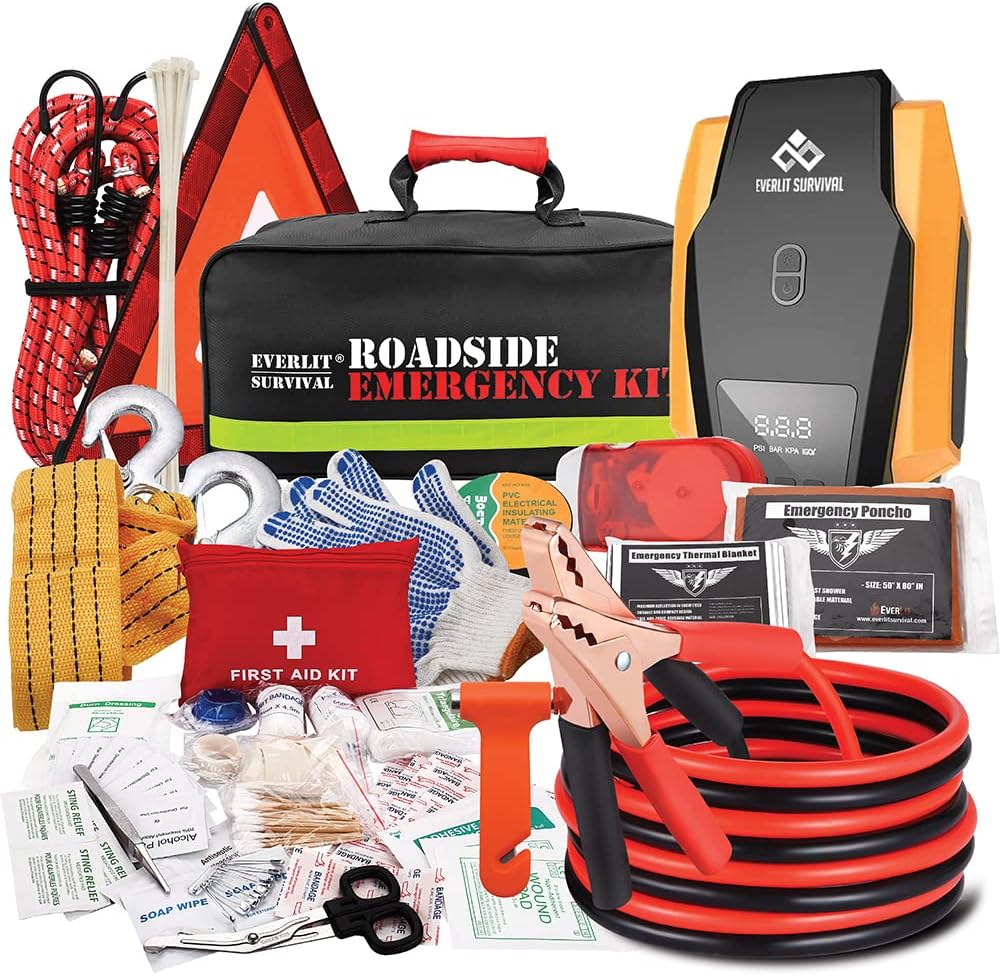
The Everlit Road Guardian emergency kit is designed for roadside breakdowns, combining essential safety gear and roadside tools in one compact bag. It includes a digital 12V auto tire inflator with preset and auto shutoff, plus 12-foot 8-gauge jumper cables to get you moving again. You also get a full 108-piece first aid kit, reflective warning tools, safety gloves, and emergency convenience items for safer travel.

Monitor tire tread wear with a smart, color-coded depth gauge that shows clear condition ranges at a glance. The bar is range marked for fast, easy readings, helping you maintain safer traction and performance. Each gauge is portable with a pocket clip, and the set includes 20 units for daily use and sharing.
NHTSA’s 25-Year Safety Rule
NHTSA states that a motor vehicle that is at least 25 years old can be imported without regard to whether it complies with the FMVSS that would otherwise apply. The 25-year period runs from the vehicle’s actual date of manufacture, not simply the model year.
A qualifying vehicle is declared on the DOT HS-7 Declaration using the applicable age-exemption provision. Documents showing the manufacturing date should be available when the vehicle’s certification label does not clearly establish its age.
EPA’s Separate 21-Year Emissions Rule
EPA emissions requirements operate separately from NHTSA safety requirements. EPA guidance provides an age-based route for certain vehicles more than 21 years old, but the engine and original configuration matter. EPA specifically warns importers to verify eligibility when relying on this provision.
Warning: Do not confuse EPA’s 21-year emissions provision with NHTSA’s 25-year safety exemption. A 22-year-old RHD vehicle might satisfy an EPA age condition while still being too young for NHTSA’s 25-year FMVSS exemption.
| Issue | General Federal Rule |
| Right-hand steering | Not prohibited by NHTSA merely because the steering wheel is on the right. |
| NHTSA safety age exemption | Generally applies once the vehicle is at least 25 years old from its manufacture date. |
| EPA emissions age provision | Separate treatment can apply to qualifying vehicles over 21 years old, subject to EPA’s engine and configuration requirements. |
| State road use | Title, registration, inspection, emissions, equipment, and insurance rules depend on the state. |
Newer Nonconforming RHD Vehicles
A vehicle younger than 25 years that was not originally manufactured and certified to comply with applicable FMVSS cannot simply be imported permanently because a similar U.S. model exists.
NHTSA generally requires the specific make, model, and model year to be determined eligible for importation. The vehicle then must be imported by a Registered Importer (RI) or by an owner who has a contract with an RI to bring it into conformity.
For applicable nonconforming imports, NHTSA requires a conformance bond equal to 150% of the vehicle’s declared value. Required modifications generally must be completed within 120 days of entry.
RHD configuration can make this process harder. NHTSA notes that a right-hand-drive version is not automatically considered substantially similar to a U.S.-certified left-hand-drive version because their safety performance may differ.
Pro Tip: Verify federal eligibility before buying or shipping a vehicle. Do not assume that a seller’s claim that a car is “legal in the U.S.” means it can actually clear NHTSA, EPA, Customs, and your state’s title process.
Import Paperwork to Expect
The exact documents depend on how the vehicle qualifies, but a permanent vehicle import commonly involves ownership and shipping records plus federal declarations.
- Confirm the vehicle’s exact manufacturing date, VIN or chassis number, certification status, and country of origin.
- Determine how the vehicle qualifies under NHTSA requirements.
- Determine how it qualifies under EPA emissions requirements.
- Prepare the DOT HS-7 Declaration and the applicable EPA Form 3520-1 documentation.
- Keep the foreign title or registration, bill of sale, shipping documents, Customs entry records, and proof of any duties or fees paid.
- After federal entry, follow your state’s title and registration process.
U.S. Customs and Border Protection’s current automobile-import guidance directs importers to the EPA and DOT forms used in the process. See CBP’s automobile-import guidance and EPA’s vehicle and engine import guidance.
U.S. Safety Rules and Registration for RHD Cars
Import compliance does not end the process. After the vehicle enters the country legally, the owner must satisfy the rules of the state where the car will be titled and registered.
[Products Worth Considering]

Accurately measure tire tread depth with a calibrated gauge marked from 0 to 1 inch in 1/32 inch increments. The color-coded bar helps you quickly identify tread condition ranges, supporting safe driving for trucks, motorcycles, automobiles, and passenger vehicles.

Steelman white tire marking crayons provide high-contrast, semi-permanent marks for repairing and inspecting tires and equipment. They write on wet or dry, smooth or coarse surfaces including rubber, metal, glass, and wood, making them ideal for puncture location and damage outlining. The lead- and zinc-free crayons resist weather and fading yet wipe away when you no longer need the marks.

AstroAI AIRUN H is a compact 12V tire inflator designed for fast, convenient inflation with an easy-to-read digital pressure gauge. Set your target pressure with programmable controls and let the auto shut-off turn off the pump when the preset is reached. It also includes a backlit screen and LED flashlight for nighttime use, with a ToughUltra durability design for longer service life.
Federal Safety Compliance
For vehicles younger than 25 years, certification status can be decisive. A vehicle manufactured to comply with all applicable FMVSS normally carries a certification label from the original manufacturer.
If a younger vehicle was not certified for the U.S. market, it may need a NHTSA import-eligibility determination and Registered Importer involvement before permanent importation is lawful.
The age exemption changes this calculation. NHTSA states that a vehicle at least 25 years old can be imported without regard to whether it complies with applicable FMVSS. That federal exemption does not erase separate EPA or state requirements.
State Registration Rules
States, not NHTSA, handle ordinary vehicle title and registration. Requirements can therefore differ depending on where you live.
Your state may request documents such as:
- Foreign ownership records or an existing U.S. title.
- Bill of sale.
- Customs and import documents.
- VIN or vehicle-identification inspection.
- Proof of insurance.
- Safety or equipment inspection where required.
- Emissions testing where applicable.
Do not rely on a general list of supposedly “RHD-friendly states.” Check the current DMV or motor-vehicle agency requirements for the state where you will actually register the car.
Note: This article provides general vehicle-import and registration information, not legal advice. Import rules and state procedures can change, so verify the requirements for your specific vehicle before purchase or shipment.
Daily Driving Challenges
An RHD car can be driven normally on U.S. roads once it is legal and registered, but right-hand seating changes the driver’s perspective on roads designed around left-hand-drive vehicles.
- Lane positioning: The first few drives can make the car feel offset within the lane. Use lane markings and mirrors rather than unconsciously placing your own body where it would sit in a left-hand-drive car.
- Passing: On two-lane roads, sitting farther from the center line can reduce your view around a vehicle ahead. Do not move into an opposing lane unless you have a clearly visible, legal passing zone and enough sight distance.
- Merging: Mirror placement and shoulder checks may feel different. Learn the car’s blind areas before entering heavy traffic.
- Tolls and drive-throughs: Payment windows, parking gates, mailboxes, and ticket machines are usually positioned for a driver on the left. A passenger can help, or you may need to reposition the vehicle safely.
- Parking: Curb judgment and vehicle placement can initially feel unfamiliar, especially in tight spaces.
Practice in a quiet area before using an unfamiliar RHD car in dense city traffic.
[Products Worth Considering]

Upgrade your radio reception with a short car and truck antenna designed for improved AM and FM performance while reducing static. Built with premium copper hardware and billet aluminum for a durable, stylish upgrade, it’s made to resist scratching and fading. Installation is quick with a simple screw-in design and included adapters to help fit compatible vehicles.

Check tire pressure quickly and accurately with the Accutire MS-4021B digital gauge, featuring a large backlit LCD for easy visibility. The angled head and rubber-coated handle make it comfortable to grip, while unit switching lets you read psi, bar, kPa, or kg/cm2. An automatic shutoff helps preserve battery life, and it measures 5–150 PSI in small increments for confident tire maintenance.

The Big Rig Defense Tire Thumper is a truck tire pressure checker that lets you quickly check multiple tires by giving them a firm whack. Listen for a reassuring thump and feel the stick bounce when a tire is fully inflated, helping you get back on the road safely. It features a comfortable, glove-friendly handle and a secure wrist strap for confident use on busy routes.
Common Right-Hand Drive Problems
Most RHD driving problems are practical rather than legal. Drivers need time to adjust to the changed seating position, controls, sightlines, and distance from the center of the road.
Blind Spot Challenges
Do not assume that the mirror setup from a left-hand-drive car will work equally well. Adjust both side mirrors and the interior mirror before driving, then learn where vehicles disappear from view.
- Set mirrors before moving the vehicle.
- Use deliberate shoulder checks when changing lanes where conditions allow.
- Leave enough following distance to see surrounding traffic and road markings.
- Pay particular attention to motorcycles, bicycles, and vehicles near the rear quarters.
If you cannot clearly confirm that a lane is open, wait rather than forcing the maneuver.
Passing and Turning Risks
Passing on a two-lane road can be one of the biggest adjustments because the driver sits farther from the center line. A vehicle ahead may block more of your view of opposing traffic.
Avoid edging far into the opposing lane simply to look around the vehicle ahead. If you cannot establish a safe sightline from within your lane, wait for a better opportunity.
Turns can also feel different at first because your normal reference points have changed. Reduce speed, watch lane markings, and allow yourself time to learn where the left and right sides of the car are positioned.
Tips for Driving a Right-Hand Drive Car Safely
A short adjustment period can make an RHD car much easier to manage on American roads.
- Practice lane placement. Start on quiet roads or in a large parking area.
- Set mirrors carefully. Learn the vehicle’s actual blind spots instead of assuming they match your previous car.
- Be conservative when passing. Limited sight distance is a reason to wait.
- Signal early. Give other drivers clear notice before lane changes and turns.
- Learn the controls before moving. Imported cars may place turn-signal, wiper, lighting, or transmission controls differently from what you are used to.
- Plan for drive-throughs and toll booths. Keep payment devices or toll transponders accessible so you do not make awkward movements in traffic.
- Check parts and service availability. Imported-market components can differ even when a U.S.-market version of the same model exists.
Frequently Asked Questions
How Do Insurance Costs Differ for Right-Hand Drive Cars in the USA?
There is no universal RHD surcharge. Insurance availability and price can depend on the insurer, state, vehicle value, repair costs, parts availability, modifications, annual mileage, and intended use. Get a quote using the exact VIN or chassis information before buying the car, especially for a gray-market or collectible import.
Can Right-Hand Drive Cars Be Used for Ride-Sharing Services?
Possibly, but there is no single nationwide answer. Ride-sharing companies use vehicle-eligibility lists and city-specific requirements covering factors such as vehicle age, number of doors, registration, insurance, condition, and inspections. Confirm that your exact vehicle qualifies in your city before relying on it for ride-sharing work.
Are There Specialized Mechanics for Right-Hand Drive Vehicles?
Yes. Areas with active Japanese, British, Australian, or other imported-car communities often have shops familiar with gray-market vehicles. The bigger issue is usually whether the mechanic can obtain model-specific parts, service information, and diagnostic equipment. Confirm those details before scheduling major work.
Do Right-Hand Drive Cars Have Lower Resale Values in America?
Not necessarily. Resale value depends heavily on the specific model, rarity, condition, mileage, documentation, modification history, legal import status, and buyer demand. An obscure RHD vehicle may have a smaller buyer pool, while a desirable enthusiast or collector model can attract strong demand.
Which States Are Easiest for Registering Right-Hand Drive Cars?
There is no reliable nationwide ranking of the “easiest” states for RHD registration. State procedures differ, and imported vehicles may require additional title, VIN, inspection, emissions, or Customs documents. Check the official DMV or motor-vehicle agency for the state where you actually live and will register the car.
Can I Import a 21-Year-Old Right-Hand Drive Car?
Do not assume that being 21 years old makes the car fully exempt. EPA has an age-based emissions provision for qualifying vehicles over 21 years old, but NHTSA’s separate FMVSS age exemption generally requires the vehicle to be at least 25 years old from its manufacture date. A 21- to 24-year-old nonconforming vehicle can therefore require additional NHTSA compliance.
Does the 25-Year Rule Automatically Guarantee a State Title?
No. The 25-year NHTSA exemption concerns federal safety requirements for importation. State titling, registration, inspections, emissions programs, insurance requirements, and vehicle-identification procedures remain separate. Verify your state’s rules before purchasing the vehicle.
Can a Visitor Temporarily Bring a Right-Hand Drive Car Into the USA?
Qualifying non-U.S. residents can use a separate temporary-import route for a nonconforming vehicle for personal use, generally for no more than one year under NHTSA rules. Conditions apply, including foreign registration, restrictions on sale, and required export at the end of the permitted period.
Sources
- National Highway Traffic Safety Administration — Importation and Certification FAQs — RHD imports, FMVSS certification, Registered Importers, the 25-year rule, bonds, and temporary imports.
- National Highway Traffic Safety Administration — Right-Hand-Drive Interpretation — confirms that federal safety standards do not prohibit installing the steering wheel on the right side.
- U.S. Environmental Protection Agency — Importing Vehicles and Engines — emissions requirements, nonconforming imports, and the age-based EPA provision.
- U.S. Customs and Border Protection — How to Import Your Automobile Into the United States — federal import process and references to EPA Form 3520-1 and DOT HS-7.
Conclusion
A right-hand drive car can be driven legally in the USA. The steering-wheel position itself is not federally prohibited, but imported vehicles must enter the country under the correct NHTSA and EPA rules and must then satisfy state title, registration, insurance, and road-use requirements.
For older imports, remember the key distinction: NHTSA’s federal safety exemption generally begins when the vehicle reaches 25 years from its manufacture date, while EPA maintains a separate emissions provision for certain vehicles more than 21 years old. Verify both before buying or shipping a vehicle.
Once the paperwork is settled, the remaining differences are mostly practical. Give yourself time to adjust to lane placement, passing visibility, mirrors, parking, toll booths, and other situations designed around left-hand-drive cars. With a legally registered vehicle and careful driving habits, an RHD car can be used successfully on U.S. roads.
