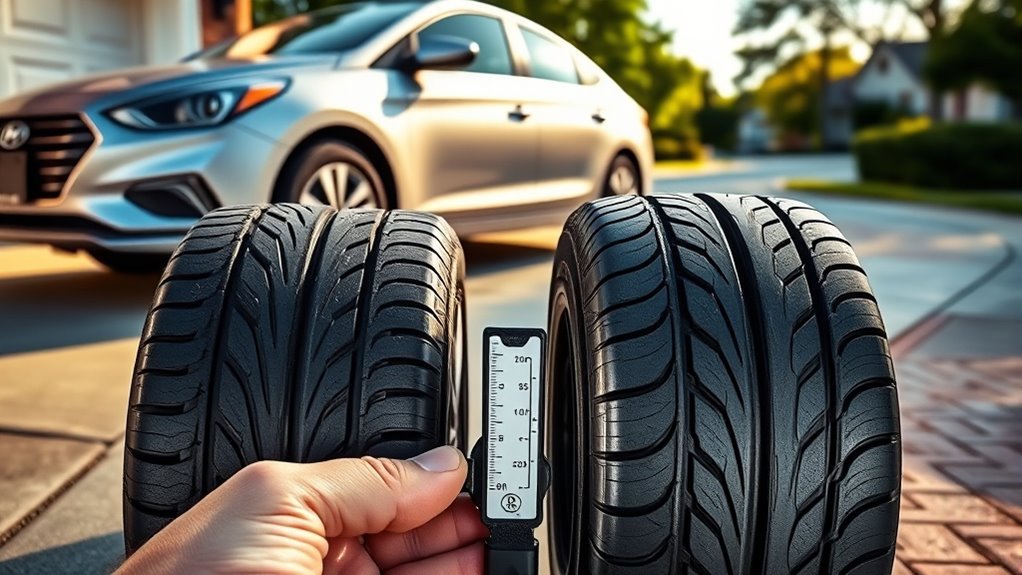
Choosing tires for your Hyundai Sonata comes down to three things: your local weather, your driving style, and the tire size and pressure requirements listed for your exact vehicle. All-season tires are usually the practical choice for daily driving in moderate climates. Summer tires are better for warm-weather grip, steering feel, and braking, but they are not designed for cold, snowy, or icy roads.
Quick Answer
For most Hyundai Sonata drivers, all-season tires are the better one-set choice because they handle daily commuting, rain, and mild cold weather well. Choose summer tires if you drive mostly in temperatures above about 45°F and want sharper warm-weather grip. If you see real snow or ice, consider winter or 3PMSF-rated all-weather tires instead.
Key Takeaways
- All-season tires are best for most Sonata owners who want one set of tires for commuting, rain, mild cold, and occasional light snow.
- Summer tires provide better warm-weather steering response, cornering, and braking, but they lose effectiveness in cold weather and should not be used on snow or ice.
- Always confirm your Sonata’s tire size, load index, speed rating, and cold tire pressure using the driver-side tire label or owner’s manual before buying.
- If your area regularly gets freezing temperatures, snow, slush, or ice, a winter tire or 3PMSF-rated all-weather tire is usually safer than a standard all-season tire.
Start With Your Hyundai Sonata’s Tire Size and Pressure Label
Before comparing all-season and summer tires, confirm the basics for your exact Sonata trim. Tire size can vary by model year, wheel size, and trim, so do not buy only by vehicle name. Hyundai says the tire specification and pressure label on the driver’s side center pillar gives the recommended tire pressures for the vehicle. You can also confirm the size in your owner’s manual or on the sidewall of your current tires.
Pro Tip: Before shopping, write down the full tire size from the placard, such as the width, aspect ratio, wheel diameter, load index, and speed rating. Matching only “Hyundai Sonata tires” is not precise enough.
When comparing tires, also check the Uniform Tire Quality Grading information from NHTSA. UTQG ratings can help you compare treadwear, wet traction, and temperature resistance, although real-world results still depend on the tire model, road conditions, and maintenance.
What Are All-Season Tires and Why Choose Them for Your Hyundai Sonata?
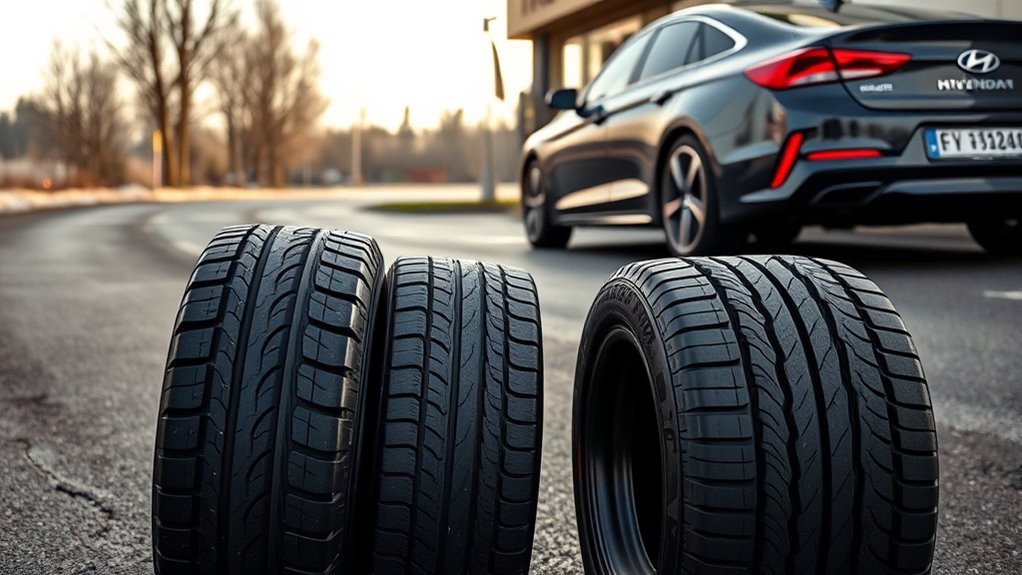
All-season tires are designed to handle a wide range of everyday conditions, including dry roads, rain, cooler temperatures, and light snow. For a Hyundai Sonata used as a commuter or family sedan, they are often the easiest choice because you can keep one set on the car all year in many moderate climates.
Compared with summer tires, all-season tires usually use tread patterns with more grooves and biting edges. That design helps evacuate water and provide some grip in light snow. Many all-season tires also focus on comfort, low road noise, and longer treadwear warranties, which can make them a strong value for daily driving.
The tradeoff is performance. A standard all-season tire is a compromise: it may not corner, steer, or stop as sharply as a good summer tire in warm weather, and it is not a substitute for a true winter tire in deep snow, ice, or sustained freezing temperatures. Michelin notes that all-season tires work well in moderate climates and light snow, but not in heavy snow or icy conditions.
[Products Worth Considering]

TIRESHIELD PRO RV tire covers in a set of four deliver year-round protection against UV rays, cracking, fading, water, and snow. The StormLock-System helps keep the covers securely fastened through high wind, while heavy-duty, double-stitched construction supports long-lasting performance. Designed for universal fit, they’re intended for RV, camper, truck, car, and trailer tires within the 26–28.75 inch diameter range, with easy wipe-clean care and storage in the included bag.

The Continental Grand Prix 5000 is an allround road bike tire engineered for faster rolling, improved ride comfort, and enhanced puncture protection. It features a Vectran Breaker cut-protection layer, Lazer Grip micro-profile tread for confident cornering control, and Active Comfort Technology to damp vibration for smoother rides. BlackChili compound optimizes grip and speed for everyday performance and long-lasting confidence.
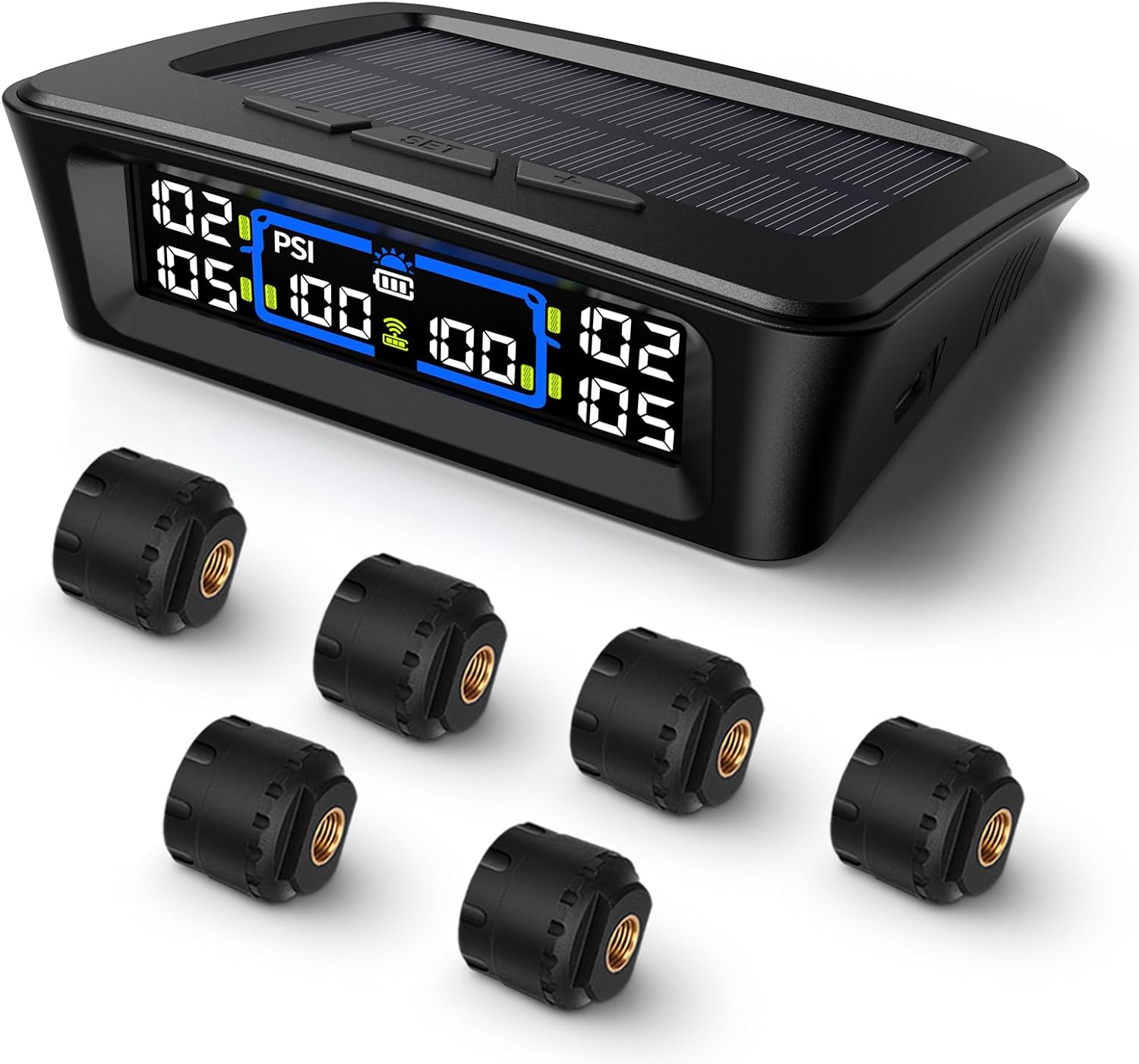
The Tymate TM12 RV TPMS delivers real-time tire pressure and temperature monitoring with a stable 433Hz display for safer long-distance driving. It supports simultaneous monitoring across vehicle and trailer zones, includes six alarm modes for pressure, temperature, leakage, battery, and signal loss, and features easy DIY installation with auto calibration. Power is supplied via USB-C charging or solar recharging, with a wide 0–144 PSI range and up to 50 ft signal coverage for RVs and towable trailers.
When Summer Tires Make Sense for a Hyundai Sonata
Summer tires are built for warm, dry, and wet roads. They use rubber compounds and tread designs that help maximize road contact, steering response, and braking performance when temperatures are warm. If your Sonata is an N Line, you enjoy spirited driving, or you live in a warm climate with little cold weather, summer tires can make the car feel more precise and responsive.
Temperature is the key limit. Michelin’s tire guidance describes summer tires as warm-weather tires that perform best above about 45°F and are unsafe on snow and ice. Tire Rack also warns that summer performance tire compounds lose flexibility as temperatures drop into the 40s, which can reduce traction and may lead to cold-weather cracking on some performance tires.
Warning: Do not use summer tires as your only tire set if your area regularly sees freezing temperatures, snow, slush, or ice. In those conditions, use all-season, all-weather, or winter tires that are designed for cold-weather traction.
All-Season vs. Summer Tires: Performance and Traction Comparison
Both tire types can work on a Hyundai Sonata, but they serve different drivers. Summer tires are the warm-weather performance choice. All-season tires are the practical daily-driving choice. Independent tire testing also shows that performance categories matter: in a Tire Rack category test, max-performance summer tires had a clear braking-distance advantage over several other tire categories, but the exact gap changed by tire type, road surface, and test condition.
| Factor | All-Season Tires | Summer Tires |
|---|---|---|
| Best climate | Moderate climates with rain, mild cold, and occasional light snow | Warm climates where temperatures usually stay above about 45°F |
| Dry handling | Stable and comfortable for daily driving | Sharper steering, stronger cornering grip, and a sportier feel |
| Wet traction | Good for normal rain when tread depth is healthy | Often stronger in warm rain, especially in performance categories |
| Snow and ice | Acceptable only for light snow; not ideal for severe winter weather | Not designed for snow or ice |
| Ride comfort | Usually quieter and more comfort-focused | Can feel firmer, especially in performance models |
| Best for | Commuters, families, budget-minded drivers, and one-set convenience | Warm-climate drivers and enthusiasts who value grip over tread life |
[Products Worth Considering]

The SAFELIFE dial tire tread depth gauge measures tread depth in 1/32 inch increments with clear, easy-to-read 2-inch dial face. Color zones using a traffic light system help you quickly judge whether tread is low, marginal, or ample for safer driving. Built with a durable zinc cast body and a metal detect probe for precise, comfortable use across cars, motorcycles, trucks, and buses.

Measure tire tread depth quickly and accurately with this LUMITECO dial gauge that reads in 1/32" increments up to 14/32". The color-coded green/yellow/red zones make it easy to judge tire wear and know when replacement is needed. A rugged, compact design with a protective pouch helps keep the gauge ready for use on cars, trucks, motorcycles, and more.

Monitor tire tread wear with a smart, color-coded depth gauge that shows clear condition ranges at a glance. The bar is range marked for fast, easy readings, helping you maintain safer traction and performance. Each gauge is portable with a pocket clip, and the set includes 20 units for daily use and sharing.
Key Factors to Consider When Choosing Tires for Your Hyundai Sonata
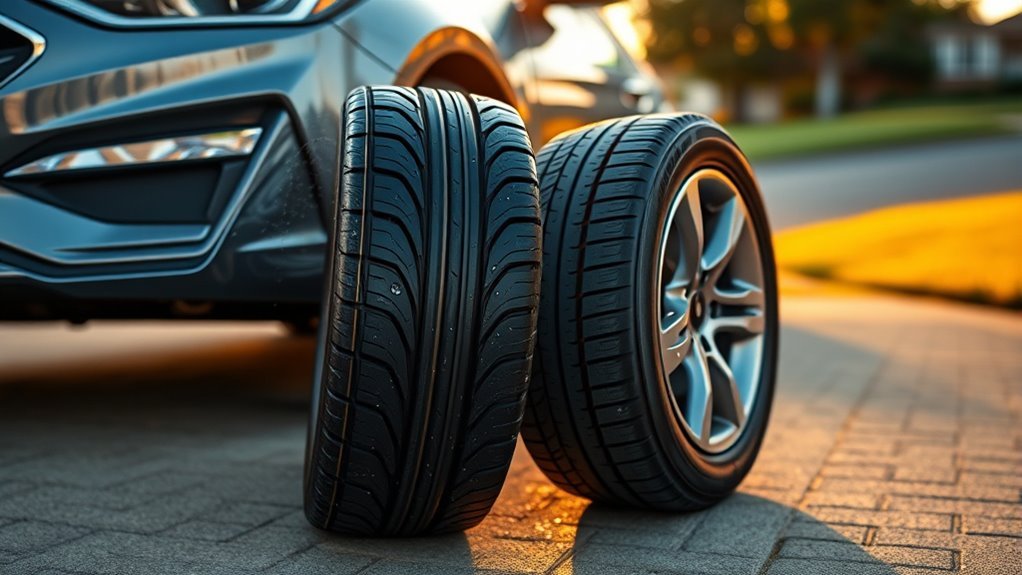
Choosing the right tires for your Hyundai Sonata is not only about all-season versus summer. Use the checklist below to narrow the choice before you compare brands or prices.
- Climate: Choose all-season tires for moderate four-season driving. Choose summer tires for warm climates. Choose winter or 3PMSF-rated all-weather tires if you see regular snow, slush, or ice.
- Driving style: Daily commuters usually benefit from quiet, long-wearing all-season touring tires. Drivers who want sharper handling may prefer performance all-season or summer tires.
- Tire size and rating: Match the tire size, load index, and speed rating recommended for your Sonata. If you are unsure, use the tire placard or ask a qualified tire installer.
- Wet-road safety: Look for strong wet traction ratings and independent test results, especially if you drive in heavy rain.
- Ride comfort: Touring all-season tires usually ride more quietly than performance summer tires.
- Winter needs: If winter roads are a real part of your year, standard all-season tires may not be enough.
Note: Do not mix summer tires and all-season tires on the same Sonata. Mixing tire categories can create uneven grip between the front and rear axles, especially during braking or emergency maneuvers.
What About All-Weather and Winter Tires?
If you live where roads get snowy or icy, do not stop your comparison at all-season versus summer tires. A winter tire is designed for cold, snow, slush, and ice. A 3PMSF-rated all-weather tire can be a middle-ground option for drivers who want one set of tires with certified severe-snow capability.
Standard all-season tires may carry an M+S marking, but that does not mean they are certified for severe snow. If your Sonata regularly sees freezing commutes, mountain roads, or untreated winter streets, a winter tire or 3PMSF-rated all-weather tire is the safer choice.
Tire Costs and Long-Term Value for Your Hyundai Sonata
All-season tires often deliver better long-term value for daily drivers because many touring models emphasize tread life, comfort, and year-round convenience. You also avoid paying for seasonal swaps if your climate does not require a second tire set.
Summer tires can cost more over time because performance compounds may wear faster, and you may need a second set of winter or all-season tires for cold months. That does not make summer tires a bad value; it means their value comes from grip, braking confidence, and steering response in warm weather rather than maximum tread life.
Instead of relying on mileage guesses, compare the tire’s treadwear warranty, UTQG treadwear rating, wet traction grade, customer reviews, and independent test data. Also remember that tire pressure, alignment, rotation, road conditions, and driving style can shorten or extend tire life.
[Products Worth Considering]

Accurately measure tire tread depth with a calibrated gauge marked from 0 to 1 inch in 1/32 inch increments. The color-coded bar helps you quickly identify tread condition ranges, supporting safe driving for trucks, motorcycles, automobiles, and passenger vehicles.

The TYAMATE TM8 solar-powered wireless TPMS delivers real-time tire pressure and temperature monitoring with six alarm modes for safer driving. A vibrant color LCD display shows readings clearly while windshield mounting keeps it hands-free and easy to read. With a wide 0–87 PSI range, strong 433.92 MHz signal transmission, and quick sensor pairing, it’s ideal for RV, sedan, SUV, MPV, and truck use.

Milton S-921 pencil tire pressure gauge helps you maintain optimal tire pressure for passenger cars with accurate readings in PSI and kPa. It features a built-in deflator valve for convenient pressure adjustments, plus a single chuck head and nylon indicator bar for easy use on the go. Built from durable plated brass and designed for reliable performance, it’s a practical road trip and cold-weather maintenance tool.
Maintenance Tips to Get the Most From Your Sonata Tires
Good tire maintenance matters no matter which tire type you choose. NHTSA says proper tire pressure affects safety, durability, and fuel consumption, and it recommends checking tire pressure at least once a month when the tires are cold.
- Check pressure monthly: Use the cold tire pressure listed on the Sonata’s driver-side tire label, not the maximum pressure printed on the tire sidewall.
- Inspect tread depth: NHTSA says tires should be replaced when tread is worn to 2/32 of an inch.
- Rotate tires on schedule: Follow your owner’s manual or tire installer’s recommendation. NHTSA notes that rotation can reduce irregular wear.
- Watch for uneven wear: Feathering, cupping, or one-sided wear can point to alignment, suspension, or pressure problems.
- Do not ignore TPMS warnings: A tire pressure warning light means at least one tire may be significantly underinflated or the system needs inspection.
- Check tire age: If tires are old, cracked, bulging, or repeatedly losing pressure, have them inspected even if tread remains.
The safest tire is not just the right category. It is the right size, properly inflated, in good condition, and matched to the weather you actually drive in.
Frequently Asked Questions
Do I want all-season or summer tires for my Hyundai Sonata?
Choose all-season tires if you want one practical set for commuting, rain, mild cold, and occasional light snow. Choose summer tires if you drive mostly in warm weather and want better steering response, cornering grip, and braking on dry or wet roads. If your area gets snow or ice, consider winter or 3PMSF-rated all-weather tires.
What kind of tires does a Hyundai Sonata need?
A Hyundai Sonata needs tires that match the size, load index, speed rating, and cold tire pressure listed for your exact vehicle. Check the tire placard on the driver’s side center pillar, your owner’s manual, or your current tire sidewall before buying.
What brand of tires is best for a Hyundai Sonata?
The best brand depends on your budget, climate, and driving style. Michelin, Bridgestone, Continental, Goodyear, Pirelli, Hankook, Kumho, and Nexen all make tires that may fit different Sonata trims. Compare the exact model, not just the brand, and prioritize the correct size, wet traction, treadwear warranty, road noise, and winter capability if needed.
Do all-season tires last longer than summer tires?
Often, yes, especially when comparing touring all-season tires with performance summer tires. But tread life varies by tire model, driving style, alignment, rotation habits, and road conditions. Check the tire’s treadwear warranty and UTQG rating instead of assuming every all-season tire will outlast every summer tire.
Are all-season tires good enough for winter driving?
All-season tires can handle light snow and mild winter conditions, but they are not the best choice for deep snow, ice, or long periods below freezing. For real winter weather, use dedicated winter tires or 3PMSF-rated all-weather tires.
Can I use summer tires year-round on a Hyundai Sonata?
Only if your climate stays warm enough and you do not drive on snow or ice. Summer tires are not designed for freezing temperatures or winter roads. If temperatures regularly fall into the 40s or below, switch to all-season, all-weather, or winter tires.
How often should I check my Sonata’s tire pressure and tread?
Check tire pressure at least once a month when the tires are cold, and inspect tread depth at the same time. Also check pressure before long trips, after major temperature changes, and whenever the TPMS light comes on.
Conclusion
For most Hyundai Sonata owners, all-season tires are the most balanced choice because they provide comfort, rain traction, mild cold-weather usability, and strong everyday value. Summer tires are worth considering if you drive in a warm climate and want sharper handling and better warm-weather grip. If your winters include snow, slush, ice, or long periods below freezing, look beyond both options and consider winter tires or 3PMSF-rated all-weather tires. Whatever you choose, make sure the tire matches your Sonata’s placard, pressure, size, and driving conditions.
Sources
- Michelin USA — Summer vs. Winter vs. All-Season Tires — tire category differences, 45°F guidance, snow and ice limitations, and 3PMSF context.
- NHTSA TireWise — tire size guidance, UTQG basics, tire pressure, tread depth, rotation, TPMS, and tire safety maintenance.
- Hyundai Owner’s Manual — Tire Specification and Pressure Label — Hyundai guidance on the driver-side center-pillar tire pressure label.
- Hyundai USA Service — Tires — Hyundai tire pressure, TPMS, tread wear, and seasonal tire-care guidance.
- Tire Rack — Tire Performance Category Test — independent tire category testing and braking/handling comparison context.
- Tire Rack — Summer Performance Tires in Cold Temperatures — cold-weather traction and tire-compound caution for summer performance tires.