
Honda Accord TPMS: Reset, Calibration & Warning Fix
Quick Answer
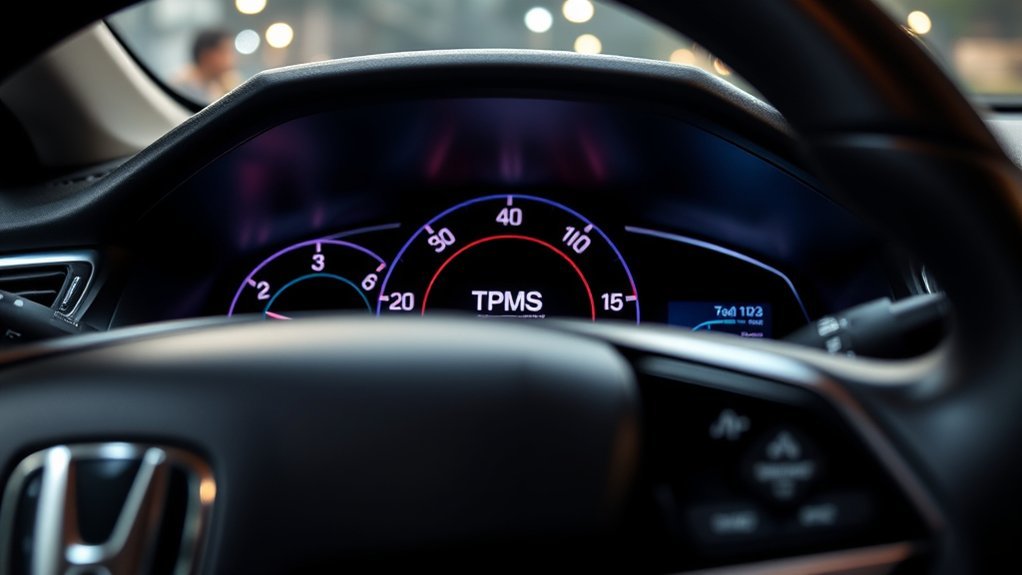
Your Honda Accord uses wheel speed sensors to monitor tire pressure and triggers a dashboard light if pressure drops. You can clear most warnings by inflating your tires to the recommended pressure listed on your door jamb. After adding air, you must manually restart the system calibration through your vehicle settings screen.
A flashing tire pressure light on your Honda Accord dashboard brings instant stress. Ignoring this warning puts you at risk of a dangerous blowout on the highway. This guide explains how your Tire Pressure Monitoring System works, how to clear the warning light, and how to calibrate the sensors correctly.
Why Proper Tire Inflation Matters
Maintaining the right tire pressure keeps you safe and saves you money at the gas pump. Proper inflation lowers rolling resistance, which directly improves your fuel efficiency. Under-inflated tires cause uneven tread wear and force you to buy replacement tires sooner.
Low pressure also ruins your braking ability and increases your risk of a sudden highway blowout. Check your tire pressure before long trips or during sudden weather changes. Cold temperatures cause air to compress and drop your tire pressure quickly.
Keeping your tires full ensures better traction and a smoother driving experience. Follow the recommended tire pressure levels to prevent flat tires and protect your rims. Taking control of your car maintenance keeps you safe on the road.
How Your Accord TPMS Prevents Blowouts
A sudden tire blowout creates a terrifying driving situation. The Tire Pressure Monitoring System (TPMS) in your Honda Accord actively tracks your tire pressure to prevent these emergencies. Most modern Accords use ABS wheel-speed sensors to calculate pressure based on how fast each wheel spins.
When a tire loses air, its diameter shrinks and it spins faster than the fully inflated wheels. The system detects this speed change and triggers a visual alert on your dashboard. According to Honda’s service guidelines, this early warning allows you to pull over and fix the problem safely.
Understanding direct TPMS functionality helps you appreciate how these systems protect you. You can respond quickly to rapid air loss and avoid losing control of your vehicle.
Factors That Affect TPMS Accuracy
Several outside factors can trick your Accord’s TPMS and trigger annoying false alarms. The system relies on wheel speed, so rapid acceleration or driving on icy roads can confuse the sensors. Low ambient temperatures often cause a sudden pressure drop that activates the warning light.
Changes in altitude can also trigger false low tire pressure warnings even when your tires are full. Driving with tire chains disrupts the wheel speed readings and causes misleading dashboard alerts. You must calibrate your TPMS after adjusting your tire pressure or replacing a tire.
Always start the calibration process when your tires are completely cold. Regular tire pressure checks keep the system accurate and responsive. A well-maintained system guarantees a safer driving experience for you and your passengers.
How to Calibrate Your Honda TPMS

You must manually start the calibration process after adding air, rotating tires, or changing a flat. First, park your vehicle safely and turn the ignition to the ON position. Use your steering wheel dial or the infotainment screen to select the Vehicle Settings menu. Choose TPMS Calibration and select Calibrate to start the process.
After you start the process, you must drive the car to complete the setup. The system requires about 30 minutes of driving between 30 and 60 mph to store the new tire data. Do not attempt calibration if you have a compact spare tire installed.
The spare tire has a different size and will cause failed readings. Regular calibration helps you monitor your tire pressure accurately. Taking a few minutes to reset the system ensures your warning lights only activate for real emergencies.
Troubleshooting Common TPMS Issues
Fixing TPMS issues quickly protects you from unsafe driving conditions. Start by checking all four tires with a reliable digital pressure gauge. Inflate every tire to the exact pressure listed on your driver-side door jamb.
If the warning light stays on after inflating the tires and driving for 30 minutes, a sensor might need replacement. Cold weather frequently triggers the indicator, so always measure your tires in the morning before driving. Check your recommended tire pressure often to avoid triggering the system.
Remember that a compact spare tire will always activate the warning light. Replace the spare with a full-size tire as soon as possible. Always consult a qualified professional before making mechanical repairs based on this information.
Frequently Asked Questions
What Are Common TPMS Problems on Hondas?
Hondas often trigger false warning lights during sudden temperature drops. Drivers also experience delayed alerts during low-speed driving or slipping on wet roads. Check your tire pressure monthly to prevent these common false alarms.
How Does Honda TPMS Calibration Work?
You initiate the calibration through the vehicle settings menu on your dashboard. After starting the process, you must drive between 30 and 60 mph for about 30 minutes. The system uses this driving time to learn the rotational speeds of your newly inflated tires.
How Can You Tell Which TPMS Sensor Isn’t Working?
Modern Accords use an indirect system that doesn’t identify specific tire failures on the dash. You must check each tire manually with a gauge to find the low one. If all tires have correct pressure but the system fails, a mechanic must use a diagnostic scanner to read the error codes.
Conclusion
Maintaining proper tire pressure in your Honda Accord directly improves your daily safety and fuel economy. Check your tires once a month with a digital gauge and calibrate your system immediately after adding air. Take action the moment your TPMS light appears to protect your vehicle and keep your driving record spotless.

Related Articles
How Tall Is a 305 70 R17 Tire? Exact Height, Width & Dimensions
Curious how tall a 305 70 R17 tire really is—and whether it fits your truck?
Read More
Can-Am Defender Tire Size Guide: Stock Specs & Upgrade Options
Just how big can you go on a Can-Am Defender before mods become necessary?
Read More
How Tall Is a 275 65 20 Tire? Exact Height, Width & Dimensions
Check the exact height, width, and hidden fitment effects of a 275/65R20 tire before you buy or upgrade.
Read More