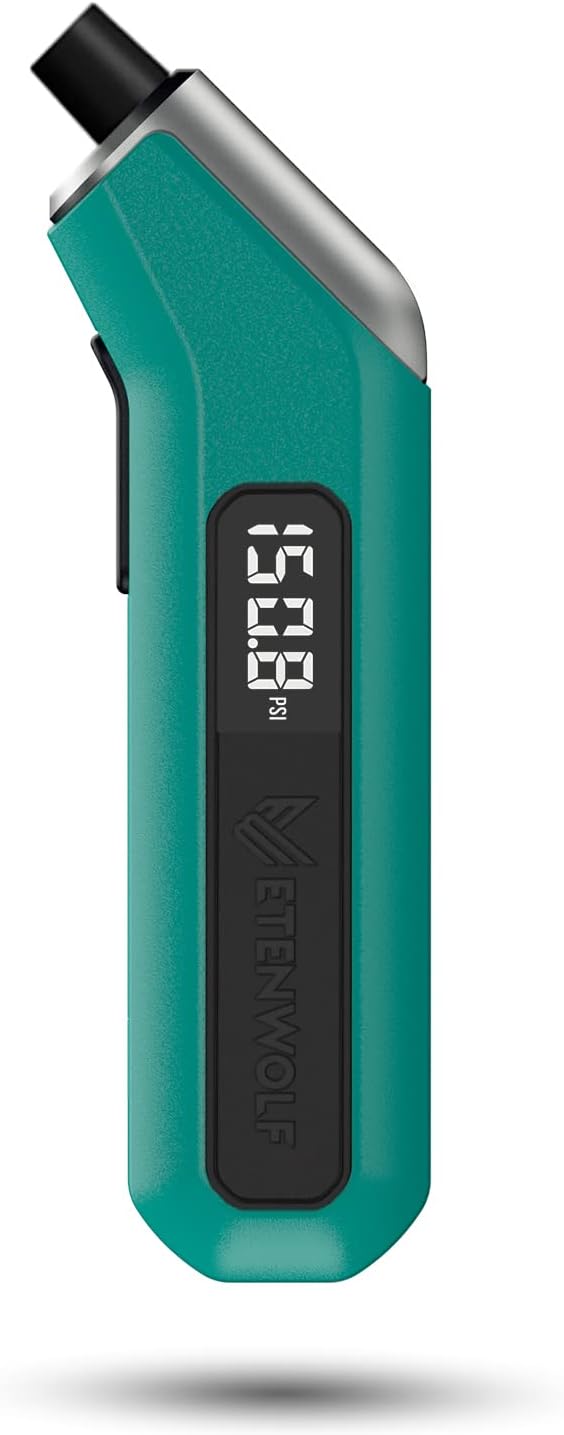
Last updated: July 8, 2026
To reset Toyota Tacoma TPMS, first set every cold tire to the pressure on the driver-side door-jamb tire and loading label. On many 2016–2023 Tacoma models, turn the truck on, hold the SET button until the warning light blinks three times, let initialization begin, then drive about 25 mph or faster for roughly 10 minutes when it is safe. On 2024 and newer Tacoma models, use the Multi-Information Display (MID) TPWS settings menu instead. Do not reset the system to hide a warning light before you check for low pressure, leaks, damaged valve stems, or sensor faults.
Quick Answer
For most 2016–2023 Toyota Tacoma models, inflate the tires to the door-jamb pressure, turn the vehicle on, hold the TPMS SET button until the light blinks three times, let it sit briefly, then drive about 25 mph or faster for roughly 10 minutes. For 2024+ Tacoma models, reset TPMS through the MID’s TPWS settings menu.
Key Takeaways
- Use the tire pressure listed on your Tacoma’s driver-side door-jamb label, not the maximum pressure printed on the tire sidewall.
- 2016–2023 Tacoma models commonly use the physical TPMS SET button; 2024 and newer models use the Multi-Information Display menu.
- A flashing TPMS light that stays on after about a minute usually points to a TPMS malfunction, not just low tire pressure.
- A reset will not fix a leaking tire, damaged valve stem, dead sensor battery, or unregistered replacement sensor.
At a Glance
| Time Required | 5 minutes for the reset, plus about 10 minutes of driving on many button-reset models |
| Difficulty | Easy DIY if the tires and sensors are healthy |
| Tools Needed | Accurate tire pressure gauge and air source |
| Cost | Free if no sensor programming or replacement is needed |
Which Toyota Tacoma TPMS Reset Method Should You Use?
Use the reset path that matches your Tacoma’s model year and dashboard layout. The reset only teaches the truck a pressure baseline. It does not repair a leaking tire, register every new sensor, or override the pressure listed on the door-jamb label.
| Tacoma Model Years | Usual Reset Path | Best Use Case |
|---|---|---|
| Many 2016–2023 models | Physical TPMS SET button below the driver-side dash area | After setting pressure, tire rotation, or tire replacement with the same registered sensors |
| 2024 and newer models | MID settings menu, then TPWS or TPWS setting and Setting Pressure | After setting pressure when the display prompts initialization through the menu |
| Any model after new sensors or wheels | TPMS scan tool or Toyota dealer/tire shop registration may be required | When the warning light flashes, new sensor IDs are not registered, or the truck cannot read a sensor |
Understanding Tacoma TPMS: What It Does and What It Does Not Do

The TPMS in your Toyota Tacoma is a warning system designed to alert you when tire pressure is significantly low or when the system detects a malfunction. Federal TPMS rules define TPMS as a system that detects significant under-inflation and turns on a low tire pressure telltale. The rule also requires a warning when pressure drops far enough below the vehicle manufacturer’s recommended cold pressure, but TPMS is not a replacement for regular tire pressure checks or tire inspections. You can review the federal TPMS rule in 49 CFR § 571.138.
In normal driving, TPMS can help you catch pressure loss caused by temperature changes, natural air leakage, punctures, tire rotations, or wheel changes. However, it does not repair the cause of the pressure loss. If the warning light returns soon after a reset, treat it as a real tire or sensor problem until you confirm otherwise.
TPMS is a warning system, not a tire-maintenance system. Check cold tire pressure manually even when the dashboard light is off.
Before Resetting: Check the Correct Tire Pressure
Do not reset the TPMS before setting the tires to the correct cold pressure. A cold tire is one that has been parked for several hours or driven only a short distance at low speed. The correct pressure is listed on the tire and loading information label on the driver’s door jamb, and Toyota’s quick reference guides also direct owners to the door-jamb load label or Owner’s Manual for tire inflation specifications.
Warning: Never reset TPMS just to turn off the warning light. First inspect the tires for visible damage, nails, leaks, cracked valve stems, or uneven wear. Driving on an under-inflated tire can overheat the tire and increase the risk of tire failure.
Many Tacoma models use pressures in the general 30–35 psi range, and some are commonly listed around 32 psi, but the exact number can vary by model year, trim, tire size, and load rating. Use your Tacoma’s door label as the final authority.
[Products Worth Considering]

The AICEL TPMS relearn tool helps you quickly reset or relearn tire pressure sensors after replacement, tire rotation, or resolving tire pressure alarms. It provides an activation reset function so your vehicle’s TPMS can operate optimally, saving time and money on frequent visits to an auto shop. Designed for easy use on most vehicles, it works by placing the tool near the valve stem and using the learn button.

The VEHLIVE SU-50448 II TPMS relearn tool provides a fast activation reset to restore accurate tire pressure monitoring after sensor replacement or tire rotation. It supports 315 MHz and 433 MHz GM series sensors and helps clear dashboard pressure warnings. With simple two-button operation and horn-confirmed relearning order, you can reprogram sensors conveniently at home.
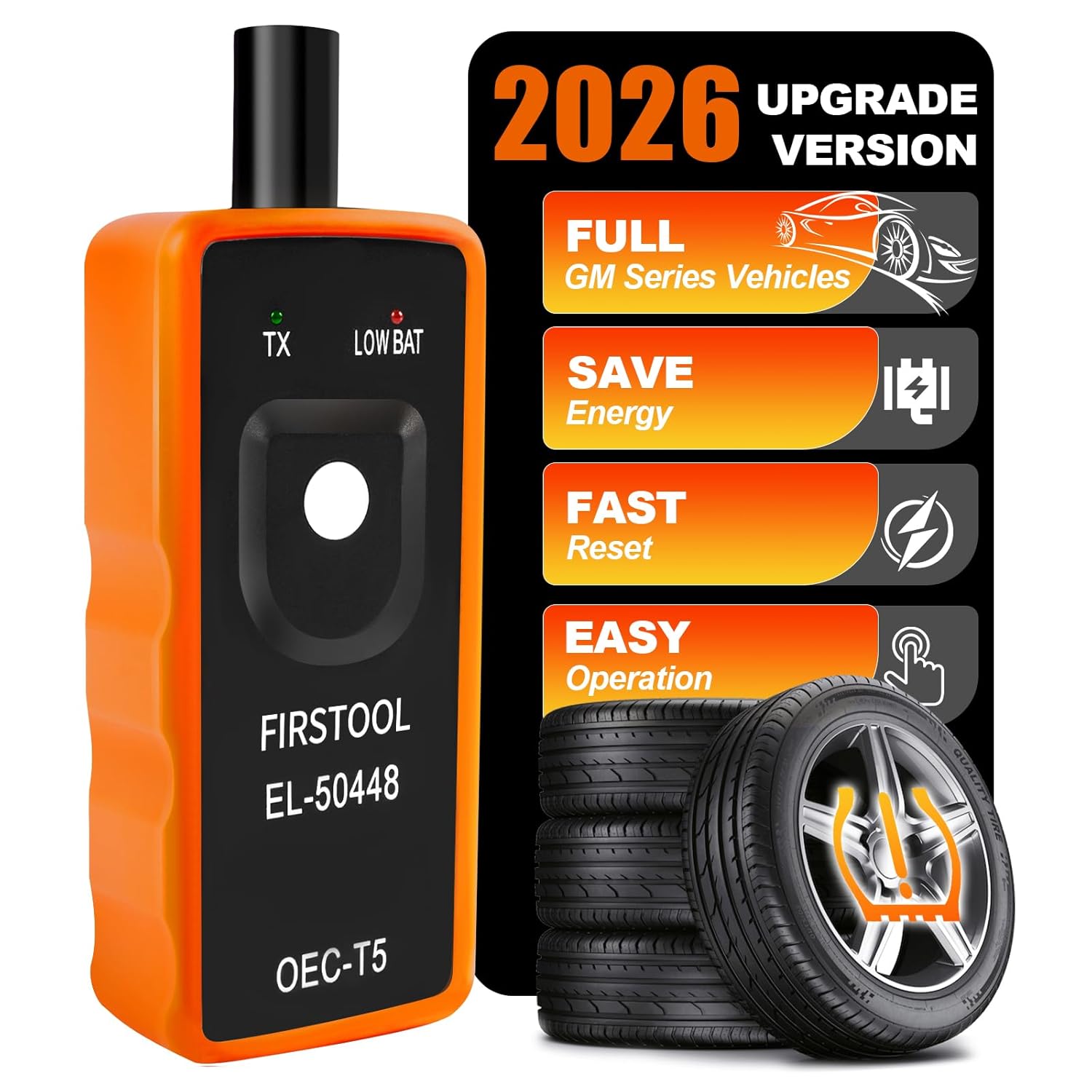
This TPMS relearn tool helps you quickly activate, match, and reset GM tire pressure sensors to keep the vehicle monitoring system working properly. It clears tire pressure alarms and dashboard warning lights after sensor replacement or tire rotation, and supports learning for common 315/433 MHz TPMS sensors. Designed for simple one-button operation, it can help you avoid unnecessary trips to repair shops.
How to Reset TPMS on 2016–2023 Toyota Tacoma Models With the SET Button
Many 2016–2023 Tacoma models use a physical TPMS SET button below the dashboard area. Toyota’s 2023 Tacoma Quick Reference Guide shows this button on the instrument panel and says to reset after adjusting tire pressures, rotating tires, or replacing tires. You can confirm the official button-reset procedure in Toyota’s 2023 Tacoma Quick Reference Guide.
- Park safely. Stop on level ground, set the parking brake, and make sure the tires are not hot from highway driving.
- Set all tire pressures. Inflate each road tire to the cold pressure listed on the driver’s door-jamb label.
- Turn the vehicle on. Use the ignition or power button so the instrument panel is active.
- Find the TPMS SET button. Look low on the driver-side dash area near the lower instrument panel.
- Press and hold SET. Hold the button until the low tire pressure indicator blinks three times, then release it.
- Let the system initialize. Allow the vehicle to sit briefly so initialization can begin.
- Drive to complete learning. Drive at approximately 25 mph (40 km/h) or more for about 10 minutes when road conditions are safe.
Pro Tip: If the light turns off and then returns later the same day, do not keep resetting it. Recheck pressures with a gauge and inspect for a slow leak.
[Products Worth Considering]

This TPMS sensor training and relearn reset tool is customized for Ford, Lincoln, and Mercury vehicles to help activate tire pressure programming after sensor replacement or tire rotation. It can activate individual tire pressure sensors with one-button operation, helping prevent TPMS warning light illumination. It is not a sensor programming tool and cannot program replacement sensors—use it to trigger/activate sensors only.

Replace your worn or missing TPMS sensors with pre-programmed, direct-fit sensors for compatible Ford, Lincoln, and select Mazda models. Each sensor comes ready to activate with a scan tool, helping restore accurate tire pressure monitoring and trouble-free installation. Built with a long-life CR2032 battery and tested before factory release, this set provides dependable performance with a one-year warranty.
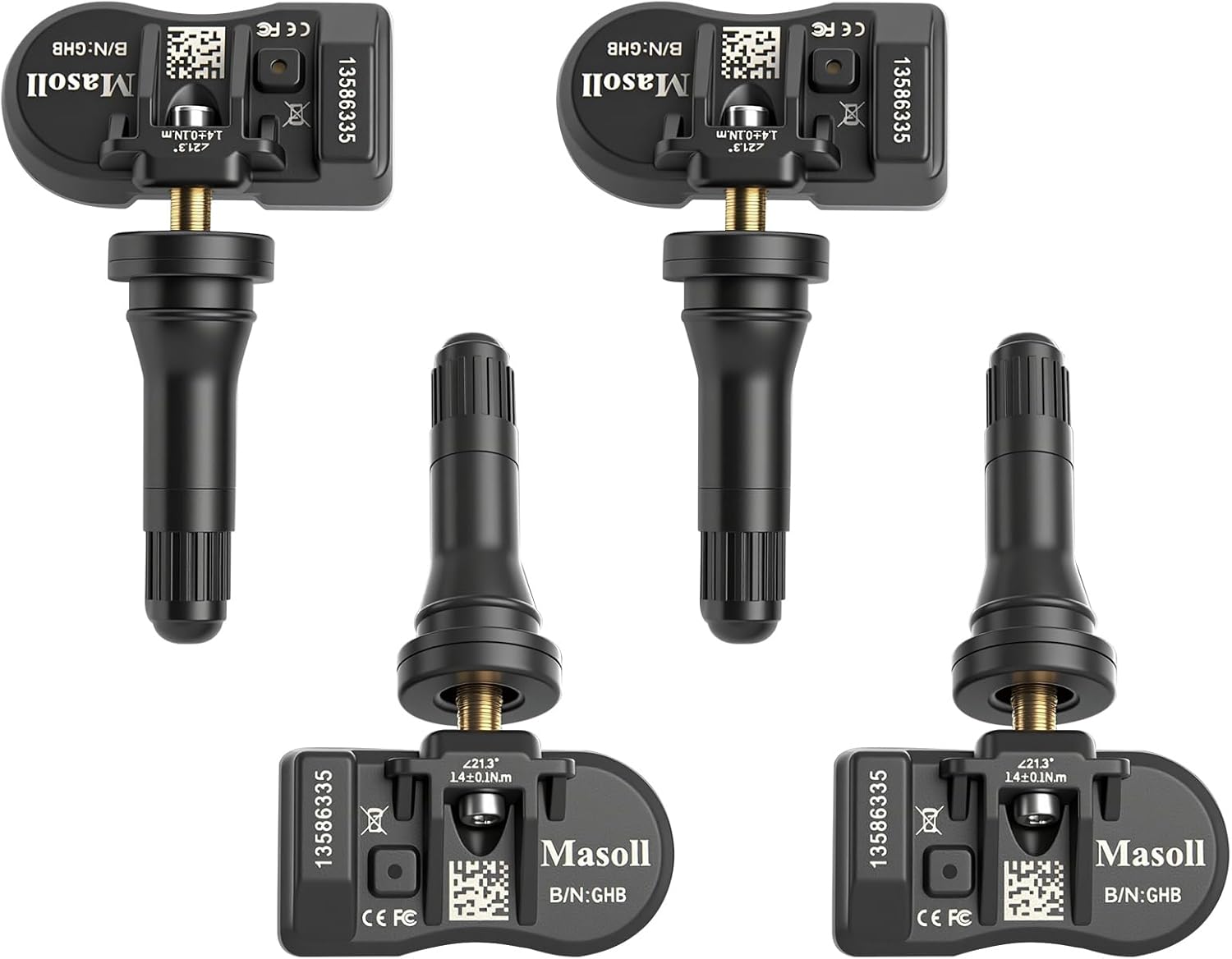
Masoll TPMS sensors are designed for most GM vehicles after 2006, helping you clear tire pressure warnings with OEM-level 315/433MHz compatibility. The 4-pack includes pre-programmed sensors, but re-learning is required after installation using a GM TPMS relearn tool or scan tool. Built with a dual-antenna design and a long-life CR2050 battery, these sensors deliver reliable performance in extreme temperatures with corrosion-resistant valve construction.
How to Reset TPMS on 2024 and Newer Toyota Tacoma Models
Newer Tacoma models, including the redesigned 2024 Tacoma and Tacoma Hybrid, route TPMS initialization through the Multi-Information Display instead of relying on the older-style physical SET button. Toyota’s 2024 Tacoma Quick Reference Guide lists the TPMS reset path through the MID.
- Set cold tire pressure first. Inflate all tires to the pressure on the driver’s door-jamb load label.
- Turn the vehicle on. Make sure the Multi-Information Display is active.
- Open the settings screen. Use the steering-wheel controls to select the settings menu on the MID.
- Select Vehicle Settings. Press and hold the OK button when prompted by the menu.
- Select TPWS or TPWS setting. The wording may vary slightly by display type.
- Select Setting Pressure. Press and hold OK until the tire pressure warning light blinks three times or the MID shows the reset message.
- Confirm the light behavior. If the light flashes for about one minute and then remains on, have the system inspected by a Toyota dealer or qualified tire professional.
Note: Menu names can vary by display, trim, and model year. If your Tacoma does not match these steps, use the Owner’s Manual for your exact VIN and trim.
When You Should Reset Tacoma TPMS
A reset is useful when the tire pressure baseline needs to be initialized again. Common reasons include:
- After correcting low tire pressure.
- After rotating the tires.
- After replacing one or more tires.
- After changing tire size or wheel setup, if the new setup is compatible.
- After seasonal pressure adjustments, once all tires are set correctly.
When You Should Not Reset Tacoma TPMS
A reset is not a repair. Do not reset the system until the underlying problem is handled if:
- One tire keeps losing pressure.
- You see a nail, sidewall bulge, cracked valve stem, or damaged wheel.
- The TPMS light flashes for about one minute and then stays on.
- You installed new TPMS sensors that have not been programmed or registered.
- The tires are set to a random pressure instead of the door-jamb specification.
What the Tacoma TPMS Light Means
Read the light pattern before you reset the system. A solid tire pressure light usually means one or more tires may be low, or the baseline needs initialization after pressure work. A light that flashes for about a minute and then stays on points to a malfunction pattern, so a reset alone is unlikely to solve it.
- Solid light: Check cold pressure on all road tires, then inflate to the door-jamb label.
- Flashing, then solid: Suspect a sensor, receiver, registration, or wheel/tire compatibility problem.
- Light returns after reset: Recheck for a slow leak, pressure mismatch, or valve-stem issue before driving far.
Common TPMS Reset Issues and Fixes

If the TPMS warning light stays on after a reset, start with the simple checks before assuming a sensor has failed.
| Problem | Likely Cause | What to Do |
|---|---|---|
| Solid TPMS light | Low pressure, temperature drop, or pressure not initialized | Check cold pressure, inflate to door label, then reset if needed. |
| Light flashes, then stays on | TPMS malfunction or sensor communication problem | Have the TPMS scanned by a Toyota dealer or qualified tire shop. |
| Light returns after reset | Slow leak, bad valve stem, damaged tire, or pressure mismatch | Inspect each tire and recheck pressure after the truck sits. |
| New wheels or sensors not recognized | Sensor IDs not registered or incompatible sensors | Use compatible sensors and have them programmed or registered. |
Finding the Right TPMS Sensors for Your Tacoma
If you replace wheels or TPMS sensors, make sure the sensors match your Tacoma’s model year, wheel setup, and required programming method. A simple TPMS reset usually sets the pressure baseline; it does not always register brand-new sensor IDs.
For best results, use genuine Toyota sensors or high-quality aftermarket sensors confirmed for your specific Tacoma year and trim. If a tire shop installs sensors, ask them to confirm that the sensor IDs are registered and that the truck can read all four road tires before you leave.
[Products Worth Considering]

The UYYE TPMS relearn tool helps activate and relearn tire pressure monitor sensors quickly, typically in minutes. It supports TPMS learn mode resetting using a simple three-step process: enter learn mode, position the tool near the valve stem, and press the learn button. Designed for specific GM models, it streamlines sensor programming and reduces trips to dealers or tire shops.

Marsflex brand TPMS replacement sensors help restore tire pressure monitoring for compatible Toyota, Lexus, Scion, and Pontiac models. Each sensor is pre-programmed for the vehicle application and includes a long-life battery for up to 8 years of normal use. Designed to replace common OE numbers and requires relearning using a TPMS scan tool after installation.
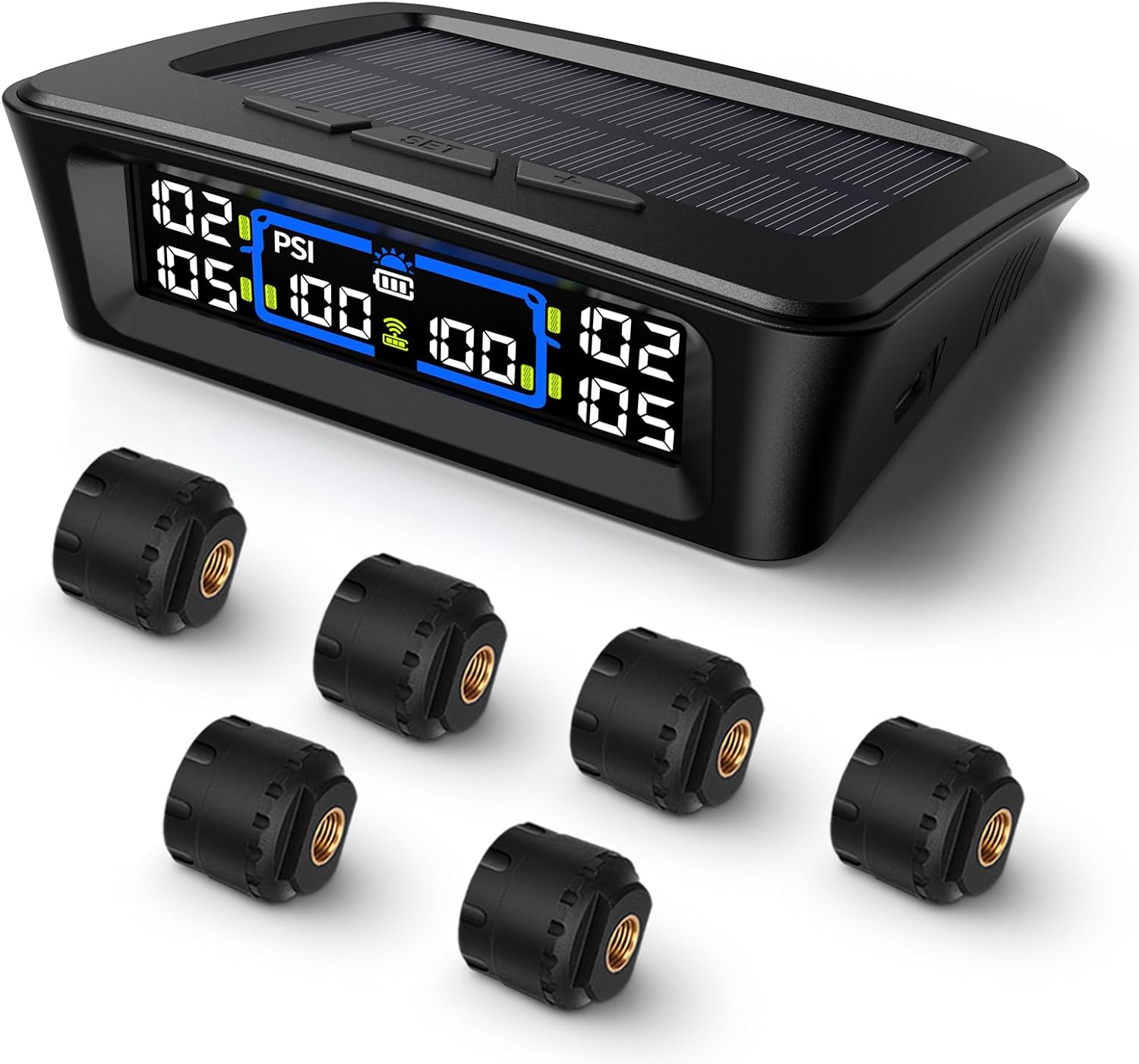
The Tymate TM12 RV TPMS delivers real-time tire pressure and temperature monitoring with a stable 433Hz display for safer long-distance driving. It supports simultaneous monitoring across vehicle and trailer zones, includes six alarm modes for pressure, temperature, leakage, battery, and signal loss, and features easy DIY installation with auto calibration. Power is supplied via USB-C charging or solar recharging, with a wide 0–144 PSI range and up to 50 ft signal coverage for RVs and towable trailers.
Essential Maintenance Tips for Your Tacoma’s TPMS
Check Pressure Monthly
Use a reliable digital or dial gauge at least once a month and before long trips. Check pressure when the tires are cold. If the pressure is low, add air to match the door-jamb label, reinstall the valve caps, and watch for repeated pressure loss.
Do Not Forget the Spare Tire
Do not assume the spare tire is being monitored on the dashboard. Check the spare manually during routine maintenance, especially before towing, off-road driving, or long highway trips.
Watch Sensor Compatibility
Aftermarket wheels, non-original tire sizes, or incorrect TPMS sensors can cause warning lights or missing readings. If your Tacoma cannot read a sensor after a tire change, a shop may need to activate, program, or register the sensor IDs with a TPMS tool.
When to Seek Professional Help for TPMS Problems
When to Replace Sensors
TPMS sensors contain internal batteries that eventually fail, but you should diagnose the system before replacing parts. Replace sensors when a scan tool confirms a dead sensor, weak signal, damaged valve-stem sensor, or sensor that cannot communicate with the truck.
Persistent Warning Light
If the TPMS light remains on after you set the tires to the correct cold pressure and complete the correct reset procedure for your model year, the system needs more than a reset. A tire shop or Toyota dealer can check sensor IDs, battery condition, and receiver communication.
Inconsistent Pressure Readings
If the dashboard pressure display does not match your gauge, remember that displayed readings can lag after driving, temperature changes, or pressure adjustments. Recheck cold pressure with a gauge first. If the readings remain far apart, have the sensors scanned.
What Tacoma Owners Should Know About TPMS After Tire Changes

TPMS warnings are common after tire rotations, tire replacements, wheel swaps, and seasonal pressure changes. The key is to separate a normal reset from a sensor registration issue. If the same sensors stayed on the truck and all tire pressures are correct, initialization may be all you need. If new sensors were installed, a reset alone may not be enough.
Be patient after a reset. Some Tacoma models need a short drive before readings update. If the warning light keeps returning, stop treating it as a nuisance light and inspect the tires or sensors.
Frequently Asked Questions
Where is the Toyota Tacoma TPMS reset button?
On many 2016–2023 Tacoma models, the TPMS SET button is located low on the driver-side instrument panel. Newer 2024+ Tacoma models commonly use the Multi-Information Display TPWS settings menu instead of the older physical button.
What tire pressure should I use before resetting Tacoma TPMS?
Use the cold tire pressure printed on the driver’s door-jamb tire and loading information label. Do not use the maximum pressure molded into the tire sidewall as your normal driving pressure.
Why is my Tacoma TPMS light flashing and then staying on?
A TPMS light that flashes for about one minute and then stays on usually points to a TPMS malfunction, such as a sensor or communication issue. Check tire pressure first, then have the system scanned if the flashing pattern returns.
Do I need to reset TPMS after rotating Tacoma tires?
Yes, it is a good idea to initialize the system after tire rotation if your Owner’s Manual or display prompts you to do so. Always set all tires to the correct cold pressure before the reset.
Will a TPMS reset program new sensors?
Not always. A reset or initialization sets the pressure baseline, but new sensors may still need activation, programming, or ID registration with a TPMS tool.
Can I reset Tacoma TPMS without driving?
You can start initialization while parked, but many Tacoma reset procedures need a short drive before the system finishes learning and the warning light behavior updates. Drive only after you confirm the tires are inflated correctly.
What if my Tacoma does not have a TPMS SET button?
Use the MID vehicle settings menu if your Tacoma routes TPMS through the display. If you cannot find a SET button or matching TPWS menu, check the Owner’s Manual for your exact model year, trim, and display type.
Conclusion
Resetting Tacoma TPMS is easy once you match the procedure to your model year and start with accurate cold tire pressure. Use the physical SET button on many 2016–2023 models, or use the TPWS settings in the Multi-Information Display on 2024 and newer models. If the light flashes, returns quickly, or appears after new sensors were installed, stop resetting and get the tires or sensors diagnosed.
Sources
- Toyota 2023 Tacoma Quick Reference Guide — backs up the SET-button reset procedure and drive guidance.
- Toyota 2024 Tacoma / Tacoma Hybrid Quick Reference Guide — backs up the MID TPWS reset procedure.
- Toyota Support: Tire Pressure Monitoring System — supports general Toyota TPMS reset behavior and reset-button guidance for equipped vehicles.
- 49 CFR § 571.138 Tire Pressure Monitoring Systems — supports TPMS purpose, warnings, and malfunction behavior.
- Toyota 2024 Tacoma Tire Inflation Pressure — supports using Toyota owner information for tire inflation guidance.