
Honda Accord Tire Load Index: 91–95 Rating Guide
What’s in This Article
- What Is the Tire Load Index for a Honda Accord?
- Why Tire Load Ratings Matter
- How to Read the Load Index on Your Tires
- What Happens If You Exceed the Tire Load Index?
- Load Ratings for Different Tire Types
- How to Choose Tires Based on Load Index
- When to Get Expert Help Choosing Tires
- Frequently Asked Questions
A tire that can’t carry your Honda Accord’s weight can overheat, wear fast, or fail when you need it most. The tire load index tells you the maximum weight one tire can support when it has the right air pressure. This guide explains how to read that number, why it matters, and how to choose replacement tires that match your Accord.
Quick Answer
Most Honda Accord tires use a load index in the low-to-mid 90s, but the correct number depends on your model year, trim, and tire size. Choose replacement tires with a load index that matches or exceeds the number listed on your door jamb placard or in your owner’s manual. Never use a lower load index unless Honda or a tire professional confirms it fits your vehicle.
Key Takeaways
- The tire load index shows how much weight each tire can carry at the correct pressure.
- Your Honda Accord’s required load index depends on its model year, trim, and tire size.
- Replacement tires should meet or exceed the original equipment load index.
- Overloaded tires can overheat, wear unevenly, and reduce steering and braking control.
- The door jamb placard and owner’s manual give the safest tire specifications for your car.
What Is the Tire Load Index for a Honda Accord?
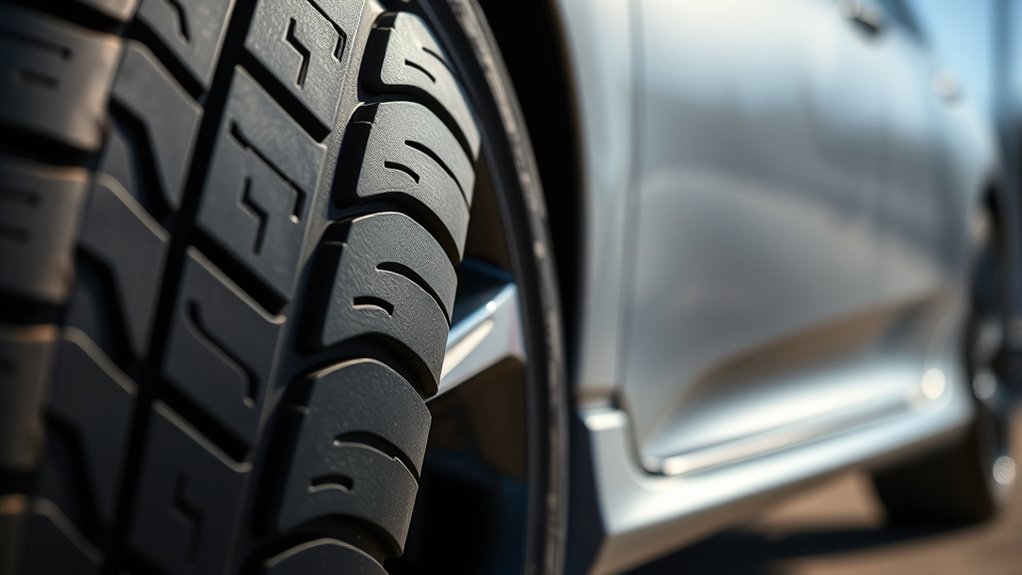
The tire load index for a Honda Accord is the number on the tire sidewall that shows how much weight one tire can carry. Many Accord fitments use passenger tires with load index numbers around 91 to 95, though some tire sizes and replacement options may differ.
For example, a load index of 91 equals 1,356 pounds per tire, while a load index of 94 equals 1,477 pounds per tire. Some tire charts include higher numbers, but you should not assume your Accord needs those ratings without checking your exact tire size.
You can find the correct tire size, load index, and air pressure on the driver’s door jamb placard or in your owner’s manual. The tire sidewall also lists the load index as part of the service description, such as 94V or 95H.
Ignoring the correct tire specifications can reduce safety, handling, and tire life. Exceeding the load index limits can also increase heat and raise the risk of tire failure.
Why Tire Load Ratings Matter
Tire load ratings matter because they affect how your Honda Accord handles weight, heat, braking, and road stress. Each rating shows the maximum weight one tire can support when it has the right air pressure.
A correct load rating helps your tires share weight evenly across the vehicle. That balance supports stable steering, predictable braking, and more even tread wear.
A load index of 94, for example, means one tire can carry 1,477 pounds at its rated pressure. Four tires with that rating can carry a combined tire load of 5,908 pounds, but that number does not replace your vehicle’s gross vehicle weight rating.
Overloading your tires can create excessive heat buildup, which can damage the tire structure. Regularly checking your owner’s manual and tire placard helps you choose tires that meet or exceed the original equipment specifications.
Selecting tires with an equal or higher load index helps your vehicle handle passengers, luggage, and daily driving loads without reducing safety.
Warning: Do not install tires with a lower load index than your Accord requires unless Honda or a qualified tire professional approves them.
How to Read the Load Index on Your Tires
To read the load index on your Honda Accord tires, look at the sidewall. The number appears after the tire size and before the speed rating, often as part of a code such as P225/50R17 94V.
The two- or three-digit number gives the maximum weight each tire can carry. You can match that number to a tire load index chart to find the weight in pounds.
Always make sure the load index meets or exceeds the manufacturer’s recommendations. The right rating helps keep your Accord within its designed safety range.
Understanding Load Index Numbers
The load index number on your tire’s sidewall helps you choose safe replacement tires. A higher number means the tire can support more weight.
- Weight capacity: Each load index matches a specific weight limit. For instance, a load index of 94 supports 1,477 pounds.
- Total tire capacity: Multiply the per-tire capacity by four to estimate the combined tire load capacity.
- Tire pressure: Keep tires at the recommended pressure because underinflation can reduce safe load support and increase wear.
Use the load index as one part of your tire choice. You also need the correct tire size, speed rating, and inflation pressure.
Why Tire Ratings Affect Safety
Tire ratings affect how your Honda Accord carries weight, grips the road, and responds during braking. The load index works with tire pressure to support your car, passengers, and cargo.
A load index of 94 means one tire can carry 1,477 pounds when properly inflated. Choosing a tire below the required rating can increase the risk of heat damage, poor handling, and early wear.
| Load Index | Max Load (lbs) |
|---|---|
| 91 | 1,356 |
| 94 | 1,477 |
| 97 | 1,609 |
| 100 | 1,764 |
How to Cross-Reference Load Index Charts
A load index chart converts the number on your sidewall into a weight rating. Use it when you compare tires, but start with the rating listed for your exact Accord.
- Locate the load index: Check the tire sidewall for the number after the tire size.
- Check a load index chart: Match the number to its weight capacity. A load index of 94 supports 1,477 pounds.
- Compare with Honda’s rating: Choose a tire that meets or exceeds the load index on your door jamb placard.
Pro tip: Match all four tires by size, load index, speed rating, and tire type for the best handling balance.
What Happens If You Exceed the Tire Load Index?
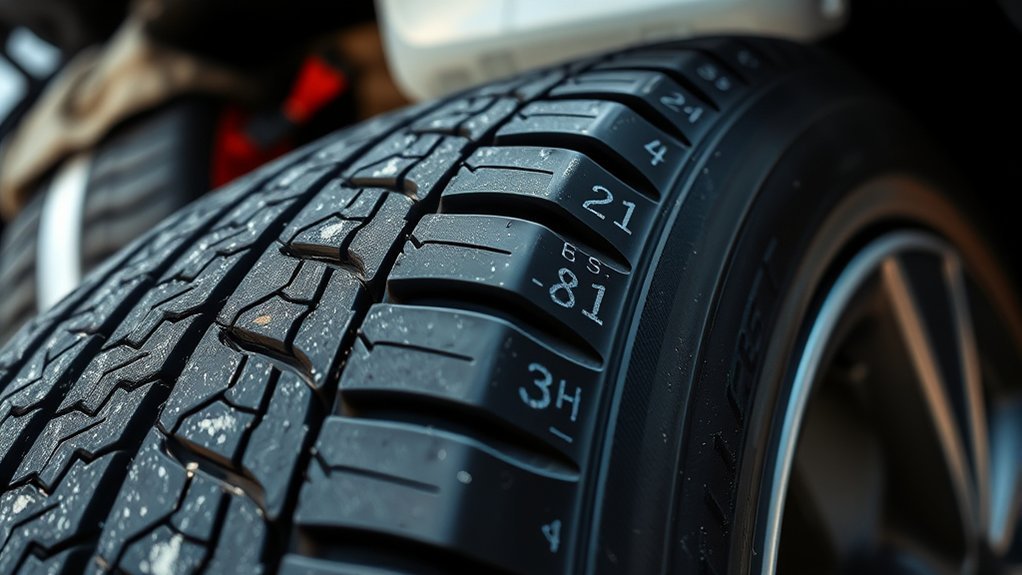
Exceeding your tire’s load index can cause heat buildup, sidewall stress, and uneven tread wear. It can also raise the risk of a tire blowout, especially during high-speed driving or hot weather.
An overloaded tire can change how your Accord steers, stops, and stays stable in an emergency. Maintaining proper load ratings helps protect tire performance and driving safety.
Tire Blowout Risks
When you overload your Honda Accord’s tires, you increase the stress on the tire structure. That stress can lead to dangerous heat, faster wear, and possible failure.
- Reduced control: Overloaded tires can hurt stability and make the car harder to control during turns.
- Faster wear: Tires that carry too much weight wear unevenly and may need replacement sooner.
- Lower fuel economy: Extra tire stress can increase rolling resistance and fuel use.
Stay within the tire load index and vehicle payload limits for safer daily driving. Your tire placard and owner’s manual give the best starting point.
Increased Heat Buildup
Overloading your Honda Accord’s tires can push tire temperatures into an unsafe range. Excess heat weakens rubber, belts, and sidewalls over time.
Low tire pressure can make this problem worse because the tire flexes more as it rolls. Check pressure when the tires are cold, and follow the pressure listed on the driver’s door jamb placard.
Handling and Stability Issues
Failing to follow the Honda Accord’s tire load index can reduce vehicle handling and stability. You may notice less precise steering, longer stopping distance, or poor response during sudden moves.
- Steering and braking: Extra load can make steering slower and braking less predictable.
- Tire wear: Excess weight can cause uneven tread wear and shorten tire life.
- Fuel efficiency: Overloading can increase rolling resistance and make your engine work harder.
Keep your tires within the recommended load rating to protect ride quality, tire life, and safety.
How Tire Load Index Differs From Vehicle Weight Ratings
The tire load index tells you how much weight one tire can carry. Your vehicle’s gross vehicle weight rating tells you the maximum safe weight of the car, passengers, fuel, cargo, and accessories.
Do not use tire capacity alone to decide how much weight your Accord can carry. Your vehicle’s payload and gross vehicle weight rating may limit the load before the tires reach their maximum rating.
Load Ratings for Different Tire Types
Understanding tire load ratings helps you choose tires that fit your Honda Accord’s design. Most Accord models use passenger tires, often marked with a P-metric size such as P225/50R17.
The load index shows the maximum weight each tire can support when properly inflated. For example, a load index of 94 equals 1,477 pounds per tire.
Light Truck (LT) tires use a different rating system and often support heavier loads. Your Accord usually does not need LT tires, and installing the wrong tire type can affect ride comfort, handling, and fitment.
Each tire’s load index appears on the sidewall, and a load capacity chart can help you convert the number into pounds. Understanding ply rating can also help when you compare load-carrying terms across different tire types.
How to Choose Tires Based on Load Index
Choosing the right tires for your Honda Accord starts with matching the load index to your vehicle’s specifications. The safest choice usually matches the size, load index, and speed rating listed on your tire placard.
- Check your owner’s manual and door jamb placard: Confirm the required tire size, load index, speed rating, and pressure for your model.
- Choose an equal or higher load index: Make sure the new tires meet or exceed the original equipment rating.
- Match the tire type: Use passenger tires unless a qualified professional confirms a different type fits your Accord.
- Monitor tire pressure: Proper inflation helps the tire carry its rated load and wear evenly.
Overloading tires with a lower load index can cause heat buildup and tire damage. Regularly checking tire pressure helps ensure proper inflation enhances safety and supports better performance.
When to Get Expert Help Choosing Tires
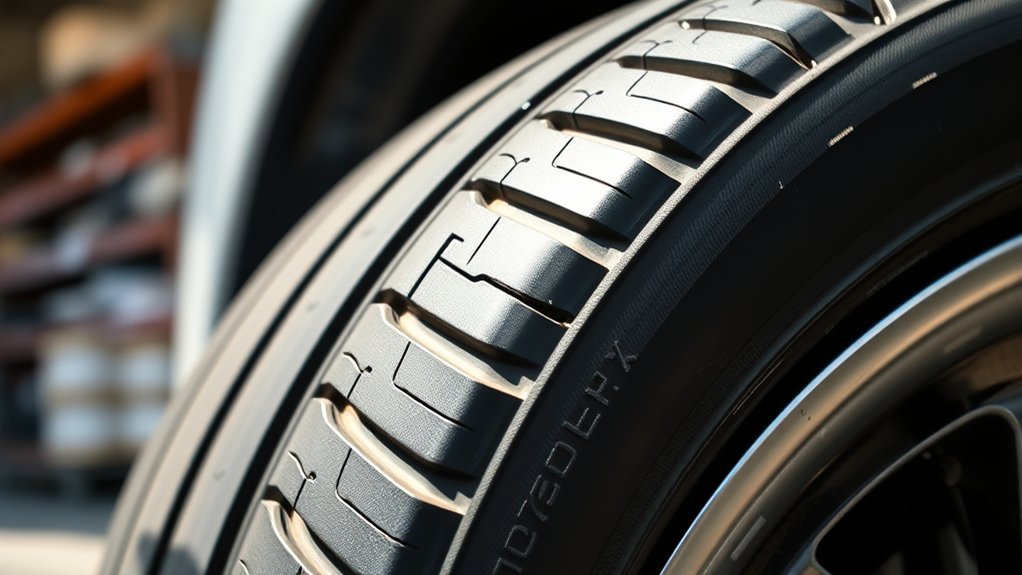
If you feel unsure about the right tire load index for your Honda Accord, check your owner’s manual first. Then compare that information with the tire placard on the driver’s door jamb.
Contact a professional tire dealer if your tire size changed, your car carries heavy cargo, or you plan long highway trips. A tire professional can help you compare load index, speed rating, tire type, and driving needs.
Expert help also makes sense if your Accord has aftermarket wheels. Wheel size changes can affect tire fitment, load rating, ride quality, and speedometer accuracy.
Using a tire load index chart can help, but it does not replace the vehicle specifications. Understanding the tire load index helps you choose tires that support safe handling and steady performance.
Frequently Asked Questions
Is Load Range C or D Better?
Load Range D can carry more weight than Load Range C in many tire lines, but that does not make it better for every vehicle. Your Honda Accord usually needs passenger tires that match the door jamb placard, not heavier LT tires.
Can I Use a Higher Load Index on My Honda Accord?
You can usually use a tire with a higher load index if it matches the correct size, speed rating, and fitment. A higher load index does not increase your Accord’s legal or safe payload limit.
Where Do I Find My Honda Accord Tire Load Index?
Look at the tire sidewall for the number after the tire size, such as 94 in 94V. You should also check the driver’s door jamb placard and owner’s manual for the rating Honda recommends.
What Happens If My Tire Load Index Is Too Low?
A tire with a load index that’s too low may overheat, wear unevenly, or fail under normal vehicle loads. It can also reduce steering response and braking stability.
Does Tire Pressure Affect Load Index?
Yes. A tire can only carry its rated load when it has the correct air pressure. Underinflation increases flex and heat, which can reduce safe load support.
Conclusion
The safest Honda Accord tire is one that matches the load index, size, speed rating, and pressure Honda lists for your exact vehicle. Check your door jamb placard before you buy tires, and choose replacements that meet or exceed the original load rating. If you changed wheels or carry heavy loads often, ask a qualified tire professional to confirm fitment. The right tire rating helps your Accord feel stable, stop predictably, and stay safer on every drive.
References
- Tires — National Highway Traffic Safety Administration
- Tire Safety — National Highway Traffic Safety Administration
- Honda Owner Resources — Honda

Related Articles
How Tall Is a 305 70 R17 Tire? Exact Height, Width & Dimensions
Curious how tall a 305 70 R17 tire really is—and whether it fits your truck?
Read More
Can-Am Defender Tire Size Guide: Stock Specs & Upgrade Options
Just how big can you go on a Can-Am Defender before mods become necessary?
Read More
How Tall Is a 275 65 20 Tire? Exact Height, Width & Dimensions
Check the exact height, width, and hidden fitment effects of a 275/65R20 tire before you buy or upgrade.
Read More