
How To Prevent Tire Dry Rot on a Toyota Tacoma
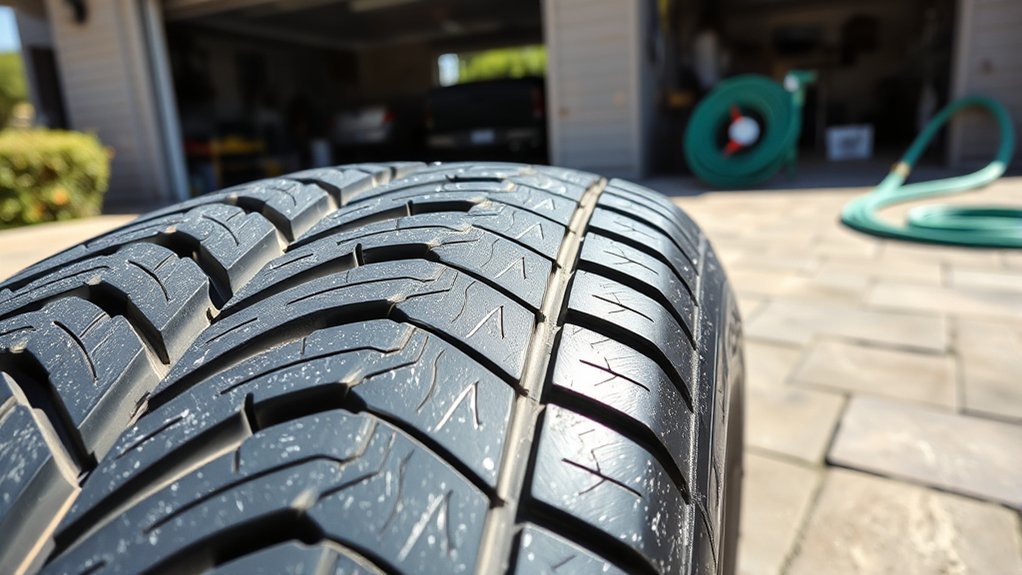
To prevent tire dry rot on your Toyota Tacoma, park in shaded areas or garages to minimize UV exposure. Regularly clean your tires with mild soap and water to remove dirt and moisture. Store tires below 68°F and avoid rapid temperature changes. Consider using airtight bags to limit oxygen and moisture contact. If storing long-term, inflate tires properly and use jack stands to avoid flat spots. These strategies help maintain tire health, ensuring longevity and performance. Learn about additional tips to enhance tire protection.
How to Keep Your Toyota Tacoma Tires Out of Direct Sunlight
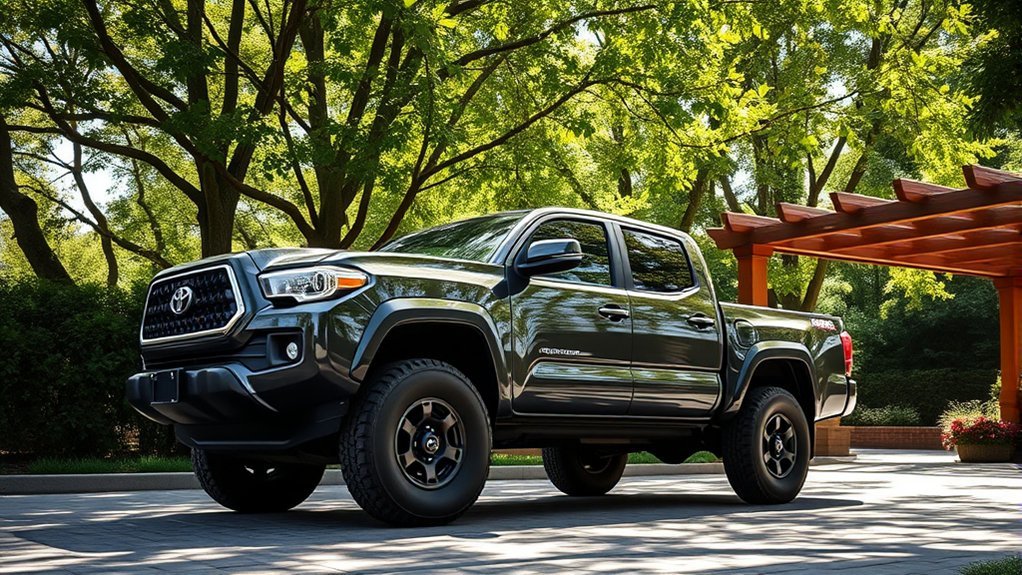
How can you effectively shield your Toyota Tacoma’s tires from harmful UV rays? Start by parking your Tacoma in a garage or shaded area whenever possible. This minimizes direct sunlight exposure, which can degrade the rubber over time. If outdoor parking is necessary, invest in a high-quality, opaque vehicle cover. This provides crucial UV protection, ensuring your tires remain shielded from direct sunlight. Additionally, position your Tacoma away from reflective surfaces like water or light-colored buildings, as they can amplify UV radiation.
To further enhance protection, consider using UV-resistant tire covers designed specifically for this purpose. These covers not only guard against sunlight damage but also contribute to overall tire longevity. Regularly inspecting and cleaning your tires before any long-term storage is essential too, as it helps remove dirt that can trap moisture and accelerate dry rot. Taking these steps will help maintain the integrity of your tires.
Why Cleaning Tires Matters Before Long-Term Storage
Keeping your Toyota Tacoma’s tires shielded from UV rays is just one part of maintaining their longevity. Cleaning tires before long-term storage plays an essential role in effective tire maintenance. Here’s why it matters:
- Moisture Control: Dirt and grime trap moisture, accelerating the dry rot process.
- Structural Integrity: Removing contaminants reduces the risk of uneven wear and structural damage during storage.
- Flexibility Retention: Regular cleaning helps maintain rubber integrity, ensuring tires remain flexible and durable.
Using mild soap and water is ideal, as it avoids harsh chemicals that can deteriorate the rubber. Properly cleaned tires are more resilient, minimizing the buildup of debris that leads to cracks over time. By employing these storage techniques, you’ll extend the lifespan and performance of your tires once they’re back on the road.
Ideal Temperature Conditions for Tire Longevity
To guarantee your tires last as long as possible, it’s essential to store them at ideal temperatures. Keeping your tires below 68°F (20°C) greatly reduces the risk of dry rot, as higher temperatures accelerate rubber degradation. Consistent temperature monitoring is vital; avoid fluctuations exceeding 10°C per hour. Tires in hot, dry climates are particularly vulnerable, so climate-controlled storage is recommended for maximum longevity.
Direct sunlight can drastically increase tire temperatures, leading to moisture evaporation and accelerated deterioration. To mitigate this risk, cover your tires or store them indoors. Remember, extreme heat can compromise rubber integrity within just a few years, so maintaining a stable environment is key. By managing your tire storage conditions, you can greatly extend their lifespan, ensuring your Toyota Tacoma is always ready for the road.
How Airtight Bags Prevent Tire Dry Rot
When you store tires in airtight bags, you’re markedly reducing their exposure to oxygen, a primary contributor to dry rot. This method enhances rubber preservation by creating a controlled environment that slows degradation. Here are three benefits of using airtight bags for tire storage:
- Minimized Oxygen Exposure: Reducing oxygen limits the chemical reactions that lead to dry rot.
- Protection from Moisture and UV Light: Vacuum-sealed storage prevents moisture accumulation and shields tires from harmful UV rays.
- Temperature Stability: Airtight bags help maintain consistent temperatures, reducing the impact of rapid changes that can dry out rubber compounds.
Additionally, using thick plastic bags taped securely forms a barrier against ozone, preserving tire flexibility. Regular inspections of tires stored this way allow for early detection of potential issues, ensuring timely maintenance and further reducing the risk of dry rot.
Tips to Prevent Flat Spots on Tires During Storage
Storing tires can lead to flat spots if precautions aren’t taken, especially during long-term storage. Here are some effective tips to prevent flat spots on your Toyota Tacoma’s tires:
| Tip | Description | Purpose |
|---|---|---|
| Elevate with Jack Stands | Use hydraulic jack stands for storage over two months. | Prevents ground contact. |
| Regular Movement | Move the vehicle every two months for weight distribution. | Redistributes tire pressure. |
| Inflate Tires | Make sure tires are inflated to recommended pressure. | Reduces flat spot risk. |
| Use Tire Cradles | Employ tire storage pads for support. | Prevents deformation. |
| Cover Your Tires | Utilize a vehicle cover to shield tires. | Protects from dust and moisture. |
Implementing these strategies not only extends tire life but also enhances your driving experience by maintaining peak performance.
Frequently Asked Questions
Why Do My Tires Keep Getting Dry Rot?
Your tires keep getting dry rot due to poor tire maintenance and environmental factors. Prolonged UV exposure, infrequent use, and improper inflation accelerate rubber deterioration, leading to cracks. Regular inspections and proper care can help.
Conclusion
To keep your Toyota Tacoma’s tires in top shape and prevent dry rot, remember that sunlight isn’t just an annoyance—it’s a tire killer. By storing your tires in airtight bags and ensuring they’re clean and away from temperature extremes, you can greatly extend their life. Curiously, some believe that rotating tires regularly can prevent flat spots, but it’s actually consistent pressure that’s key. Implement these strategies, and you’ll enjoy safer, longer-lasting tires for your Tacoma.

Related Articles
Toyota Tacoma Tire Blowout Causes and Prevention
Tire blowouts in your Toyota Tacoma can be avoided with proper maintenance—discover essential tips to keep your tires safe and reliable.
Read More
How Heat Affects Toyota Tacoma Tire Performance
Get ready to uncover how rising temperatures can impact your Toyota Tacoma's tire performance and what you can do to stay safe on the road.
Read More
How Cold Weather Affects Toyota Tacoma Tire Pressure
Discover how cold weather impacts your Toyota Tacoma's tire pressure and what you can do to ensure optimal performance this winter.
Read More