
How Tire Rubber Compound Affects Toyota Tacoma Traction
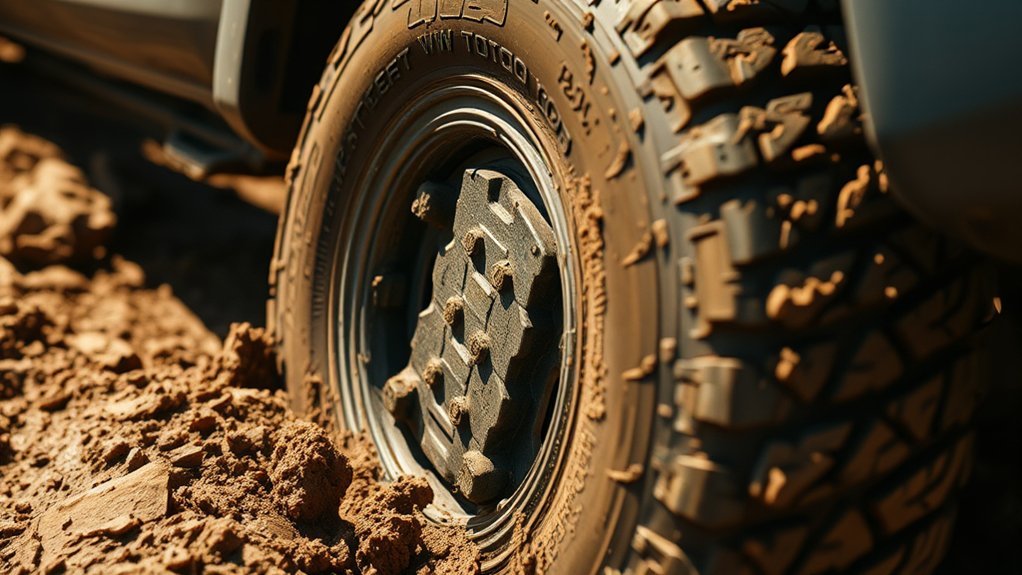
The rubber compound of your Toyota Tacoma’s tires plays an essential role in traction performance. Softer compounds enhance grip, particularly on dry surfaces, while harder ones improve durability but may limit traction in slippery conditions. Specialized tread designs and silica content elevate performance in wet and snowy environments. Regular maintenance, including tire pressure checks, is vital for peak traction. Understanding how these factors interact can greatly impact your vehicle’s handling and safety, offering insights into maximizing your Tacoma’s capabilities.
The Role of Tire Rubber in Traction Performance
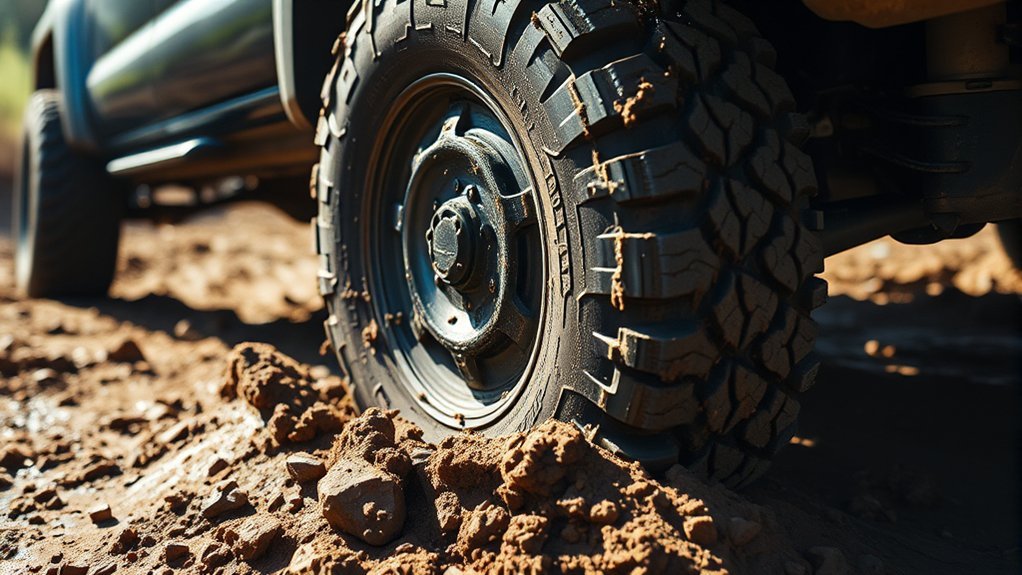
Tire rubber compounds play an essential role in the traction performance of your Toyota Tacoma. The blend of natural and synthetic materials in these compounds directly influences grip on various surfaces, vital for your vehicle’s handling. Softer compounds enhance flexibility and road contact, improving traction on uneven terrains—ideal for off-road adventures. However, harder compounds, while extending tire lifespan, can limit traction in slippery conditions due to their inability to conform to the road effectively.
Incorporating silica into the compound technology boosts wet traction by facilitating water dispersion and minimizing hydroplaning risks during rain. Additionally, specialized tread designs work in tandem with rubber compounds to optimize snow and mud traction, ensuring your Tacoma remains stable on loose surfaces. Understanding these nuances helps you select tires that not only enhance performance but also align with your adventurous spirit.
What You Need to Know About Different Tire Rubber Compounds
When selecting tires for your Toyota Tacoma, understanding the various rubber compounds is essential, as they directly impact performance. Different compounds offer distinct advantages, so a compound comparison can help you choose wisely.
Understanding tire rubber compounds is crucial for optimizing your Toyota Tacoma’s performance and ensuring the best driving experience.
- Natural Rubber: Provides high strength and flexibility for better traction in wet and dry conditions.
- Synthetic Rubber: Blends like Styrene Butadiene Rubber (SBR) enhance tire longevity and maintain traction across varying temperatures.
- Fillers: The balance of silica and carbon black affects rolling resistance and wet performance, vital for handling.
- Seasonal Compounds: Winter tires utilize specialized softer compounds to enhance grip in cold weather, ideal for snowy Tacoma drives.
How Soft Compounds Enhance Grip on Dry Surfaces
Soft tire compounds greatly enhance road contact, allowing your Toyota Tacoma to achieve superior grip on dry surfaces. Their increased flexibility enables the tires to adapt to pavement imperfections, maximizing traction during acceleration and cornering. This combination of enhanced contact and responsiveness not only improves handling but also shortens stopping distances, providing a safer driving experience.
Enhanced Road Contact
- Improved traction during acceleration and cornering, essential for your driving style.
- Shorter stopping distances, enhancing safety under diverse vehicle loads.
- Better handling characteristics, allowing precise responses in turns.
- Terrain adaptability, ensuring consistent performance across seasonal changes.
Increased Flexibility Benefits
Tires equipped with soft rubber compounds greatly enhance your Toyota Tacoma’s grip on dry surfaces. These compounds, rich in flexibility advantages, increase the contact area with the road, allowing the tire to conform to pavement irregularities. This improved contact translates into significant traction enhancement, yielding shorter stopping distances and better acceleration. For both off-road and on-road scenarios, the increased flexibility of soft compounds boosts handling dynamics, particularly during cornering, where lateral grip and stability are essential. While these softer tires may wear faster under normal conditions, their superior grip can dramatically elevate your Tacoma’s performance in competitive or adventurous driving situations, making them an ideal choice for those seeking liberation through enhanced driving experiences.
How Specialized Rubber Enhances Traction in Wet and Snowy Conditions
Specialized rubber compounds markedly improve traction in wet and snowy conditions through advanced tread patterns and enhanced flexibility. You’ll notice how deeper grooves and sipes create additional biting edges, optimizing grip on slippery surfaces. Additionally, the adaptability of softer compounds allows your tires to maintain contact with the road, further enhancing performance in challenging weather.
Tread Patterns for Traction
When traversing wet or snowy conditions, the effectiveness of tread patterns in your Toyota Tacoma can greatly influence traction. Specialized tread designs enhance traction improvement by optimizing water evacuation and grip enhancement. Here are key features to take into account:
- Deep grooves for channeling efficiency, reducing hydroplaning risk.
- Aggressive siping for improved siping effectiveness, creating additional biting edges on snow.
- Lateral and circumferential grooves for efficient water evacuation, maintaining road contact.
- Asymmetrical tread patterns that balance tread stability and cornering grip.
These elements work together to guarantee your Tacoma performs reliably in challenging conditions, maximizing winter performance and providing the traction you need.
Rubber Flexibility and Grip
Understanding how rubber flexibility contributes to traction can greatly enhance your experience driving a Toyota Tacoma in challenging conditions. Specialized tire compositions maximize rubber resilience, allowing tires to adapt seamlessly to wet and snowy surfaces. This adaptability guarantees peak contact, leading to better grip. In wet conditions, sipes and grooves effectively channel water away, greatly reducing hydroplaning risks. When traversing snowy terrains, flexible rubber conforms to uneven surfaces, increasing rubber-to-snow contact for improved traction. Additionally, soft rubber compounds in performance tires amplify surface contact during acceleration and braking, assuring reliable performance. By combining high-quality natural and synthetic rubber, Tacoma tires maintain their integrity across varying temperatures and driving conditions, enhancing your confidence on the road.
Impact of Tread Design on Tacoma Stability and Response
Tread design greatly impacts the Toyota Tacoma’s stability and response, ensuring ideal performance across varying road conditions. The right tread pattern not only minimizes tread wear but also reduces traction loss, allowing you to maintain control in challenging environments.
Tread design is crucial for the Toyota Tacoma, enhancing stability and control across diverse road conditions.
- Circumferential grooves channel water, reducing hydroplaning risk in wet conditions.
- Deeper tread blocks and increased sipe density enhance grip on loose or compacted snow, essential for winter driving.
- Asymmetrical tread patterns combine features for stability on dry roads while effectively evacuating water.
- Optimized designs shorten stopping distances, boosting driver confidence across terrains.
Balancing Durability and Flexibility in Tires
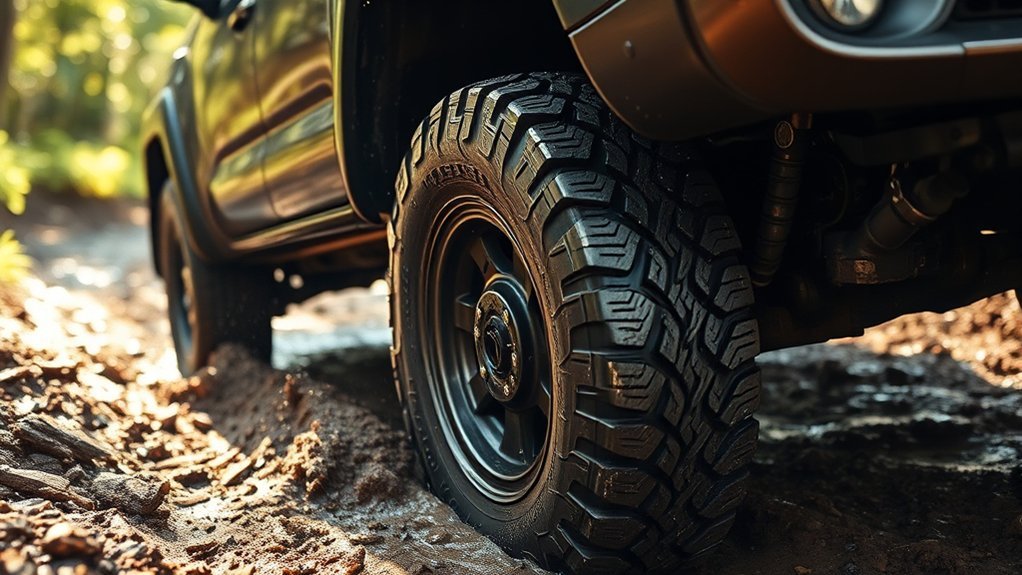
The performance of your Toyota Tacoma relies heavily on the balance between tire durability and flexibility. Tire compound characteristics play an essential role in this equilibrium. Softer compounds enhance grip, important for traction dynamics on various terrains, but can sacrifice longevity. Conversely, harder compounds improve durability but may compromise traction.
Incorporating natural rubber fosters flexibility and high traction, while synthetic rubbers like SBR and BR bolster durability and temperature resilience. Silica, when used in higher percentages, enhances wet traction and reduces rolling resistance, crucial for control in adverse conditions. Fillers such as carbon black also contribute to wear resistance, enabling your Tacoma tires to endure off-road challenges without excessive degradation.
Ultimately, tire engineering must align with your Tacoma’s weight and driving environments, ensuring that the tires maintain structural integrity while delivering the best traction for both on-road and off-road adventures.
Why Proper Tire Maintenance Matters for Performance
While you might overlook tire maintenance amidst daily driving, neglecting it can considerably impair your Toyota Tacoma’s performance. Proper tire care is vital for maximizing traction and ensuring safety, especially in diverse terrains. Here are key maintenance practices to keep in mind:
Neglecting tire maintenance can severely impact your Toyota Tacoma’s performance and safety on various terrains.
- Regular tire pressure checks: Ideal pressure enhances road contact, boosting traction.
- Tread maintenance inspections: Adequate tread depth is essential for grip, particularly in wet or snowy conditions.
- Tire rotation every 5,000 to 7,500 miles: This helps distribute wear evenly, extending tire life and maintaining grip.
- Alignment checks: Proper alignment prevents uneven wear, enhancing handling stability during acceleration and cornering.
How the Seasons Impact Your Tire Compound’s Performance
As temperatures fluctuate with the changing seasons, tire rubber compounds must adapt to maintain peak performance. Seasonal adjustments are vital; softer compounds enhance grip in cold conditions, providing better traction on snow and ice. This flexibility reduces the risk of hydroplaning, allowing for improved handling. Conversely, summer tires, crafted from harder compounds, excel in warmer climates. They resist higher temperatures and improve fuel efficiency but may compromise grip when temperatures drop.
Tread design further impacts performance—deeper grooves and sipes in winter tires channel snow and slush, while summer tires maximize contact with dry surfaces. If you live in an area with significant seasonal changes, it’s important to select tires that align with both the expected weather conditions and the specific performance characteristics of the rubber compound. Understanding these temperature effects guarantees your Toyota Tacoma maintains peak traction year-round.
Choosing the Right Tire Compound for Your Tacoma?
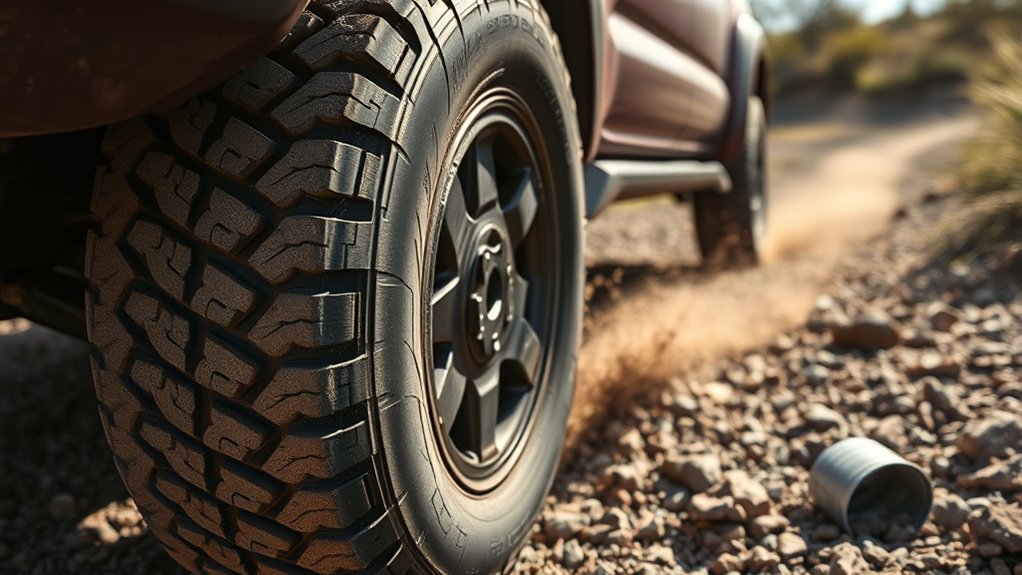
- Softer Compounds: Enhance grip and traction, ideal for acceleration and cornering on varying terrains.
- Harder Compounds: Improve durability and tread life, perfect for long-distance commuting with lower rolling resistance.
- Seasonal Performance: Softer compounds thrive in cold weather, while harder ones excel in warmer climates.
- Tread Design: A suitable tread combined with the right rubber compound can minimize hydroplaning in wet conditions.
Evaluate your driving habits, whether off-road or highway, to guide your choice. This guarantees you achieve the right balance between traction and tire longevity, maximizing your Tacoma’s capabilities.
Frequently Asked Questions
How Does Temperature Affect Tire Rubber Performance?
Temperature greatly impacts tire flexibility and rubber aging. In extreme heat, tires may become too soft, reducing grip. Conversely, cold temperatures can harden rubber, leading to decreased performance and increased wear. Monitor conditions to optimize driving safety.
Can Tire Rubber Compound Impact Fuel Efficiency?
When it comes to tire rubber compounds, you really can’t judge a book by its cover. The right tire tread can reduce rolling resistance, directly impacting fuel efficiency and enhancing your vehicle’s overall performance.
What Is the Lifespan of Different Tire Rubber Compounds?
Different tire rubber compounds can last from 30,000 to 70,000 miles, depending on tread wear and compound flexibility. Softer compounds often wear faster, while harder compounds provide extended lifespan but may compromise grip and flexibility.
Are All Tire Compounds Suitable for Off-Road Driving?
Not all tire compounds suit off-road driving. You need specific tire tread designs for ideal traction control. A rugged compound enhances grip on varied terrains, ensuring you conquer challenges without slipping or losing control.
How Do Tire Pressure and Rubber Compound Interact?
Tire pressure directly influences rubber flexibility, affecting grip and performance. Lower pressure increases flexibility, enhancing traction on uneven surfaces, while higher pressure offers stability but can reduce rubber’s ability to conform to terrain irregularities.
Conclusion
To sum up, the tire rubber compound you choose for your Toyota Tacoma can make or break your traction performance. As seasons change and conditions shift, the right compound becomes critical for maintaining grip and stability. But what happens if you overlook these details? Will your Tacoma handle the unexpected? The stakes are high, and the right choice could mean the difference between a smooth ride and a slippery disaster. Choose wisely, or you might just find out the hard way.

Related Articles
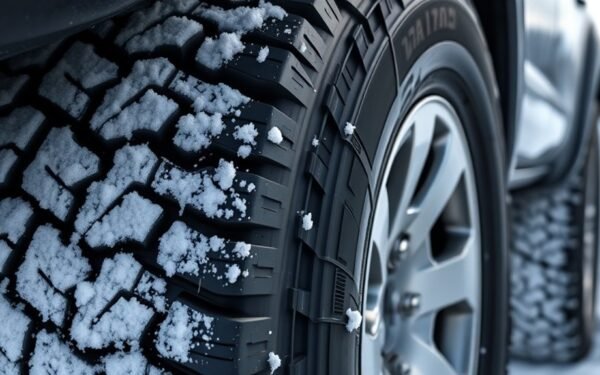
Toyota Tacoma Tires for Snow and Ice Driving
Tackle winter driving with the best tires for your Toyota Tacoma; discover essential options that ensure safety and performance in snowy conditions.
Read More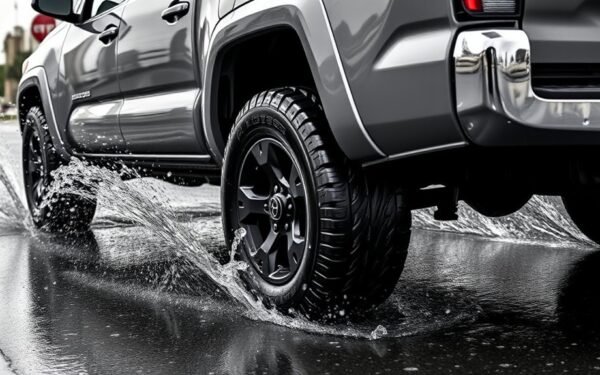
How Toyota Tacoma Tires Perform in Rain
Learn how tire design and maintenance affect your Toyota Tacoma's performance in rain—discover tips to enhance your safety on wet roads!
Read More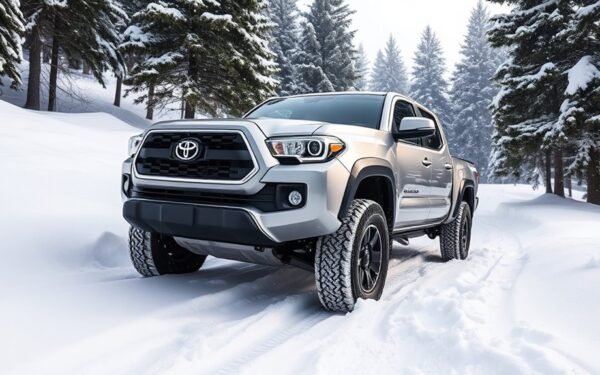
Do All Terrain Tires Work in Snow on a Toyota Tacoma
Just how effective are all-terrain tires in snowy conditions for your Toyota Tacoma? Discover the surprising truths and options that can enhance your winter driving.
Read More