
What Does LT Mean on a Toyota Tacoma Tire
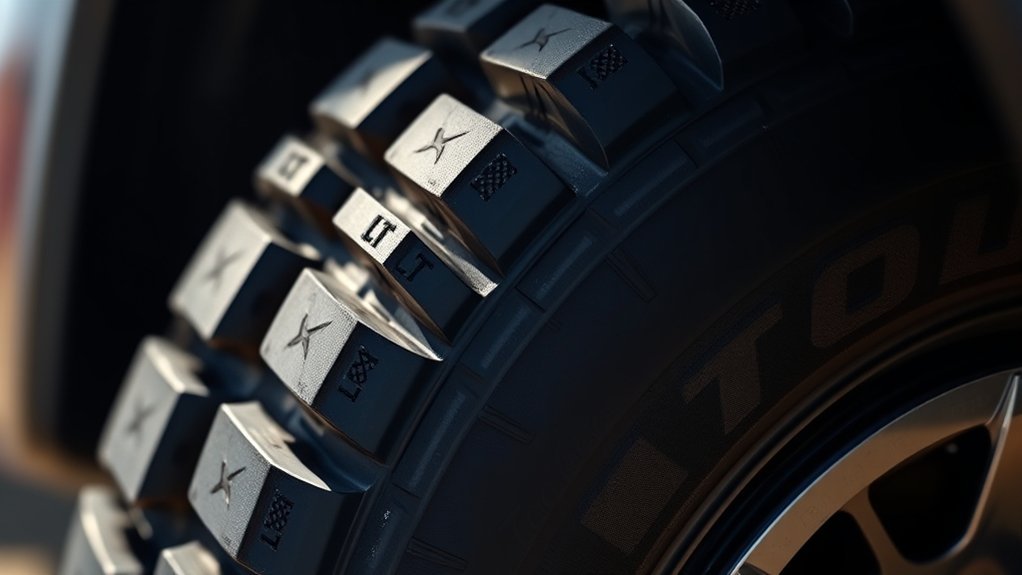
Seeing “LT” on a Toyota Tacoma tire can be confusing because it looks like a small sidewall detail, but it affects load capacity, ride feel, towing stability, tire pressure, and replacement choices. For Tacoma owners, the safest answer is simple: “LT” means the tire is built as a light-truck tire, but you still need to match the exact tire size, load rating, speed rating, and cold PSI shown on your Tacoma’s tire label or owner’s manual.
Quick Answer
“LT” on Toyota Tacoma tires stands for “Light Truck.” LT tires are built for higher load demands than many passenger tires, which can help with towing, hauling, rocky trails, and work use. They are not automatically better for every Tacoma, so always confirm the required tire size, load rating, speed rating, and cold PSI on your door-jamb tire label.
Key Takeaways
- LT means “Light Truck,” but it does not automatically mean the tire is right for your Tacoma.
- Choose LT tires when you regularly tow, haul heavy cargo, drive rough trails, or need stronger sidewalls.
- Stick with the tire size, load rating, speed rating, and cold inflation pressure listed by Toyota for your specific truck.
- LT tires can ride firmer, make more road noise, weigh more, and reduce fuel economy compared with passenger-type tires.
- LT is not a winter rating. For snow performance, look for the three-peak mountain snowflake symbol or dedicated winter tires.
What Does “LT” Mean for Your Toyota Tacoma Tires?
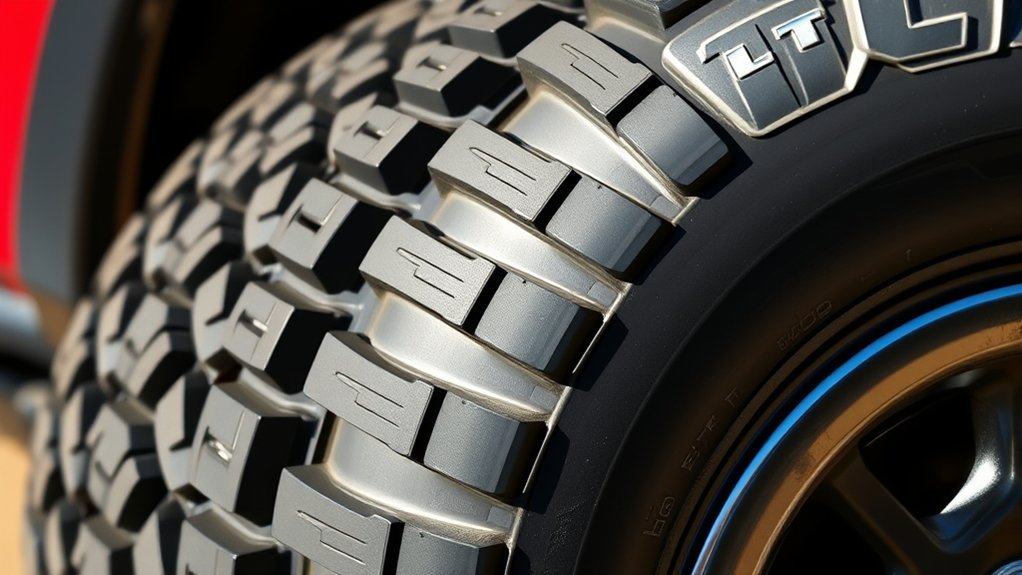
“LT” stands for “Light Truck.” On a tire size such as LT265/70R17, the LT prefix tells you the tire is built for light-truck use instead of standard passenger-car use. LT tires usually have tougher internal construction, stiffer sidewalls, and load ratings designed for trucks, SUVs, vans, towing, hauling, and rougher roads.
That does not mean every Tacoma needs LT tires. Some Tacoma trims and tire packages may use passenger-metric or all-terrain tires that already meet Toyota’s requirements. The deciding factor is not the letters alone. The deciding factor is whether the tire’s size, load index, load range, speed rating, and inflation pressure match what your Tacoma requires.
Warning: Do not choose a tire just because it says LT. Toyota’s owner guidance says not to use tires with a different load rating or speed symbol than what is specified on the tire pressure label or in the owner’s manual. The door-jamb label on your specific Tacoma is the final authority.
[Products Worth Considering]

Make hard-to-reach areas easier to access with the MAXXHAUL truck tire service step featuring an adjustable width and height. The foldable design stores compactly, while the serrated non-slip platform provides secure footing for tire-related maintenance. It fits most stock tire sizes up to 31-inch diameter with a 300-lb capacity.

This VEVOR tire bead breaker uses a slide-hammer impact and wedge tip to separate tire beads from rims quickly and efficiently without damaging hub surfaces. The long handle and sturdy steel construction help reduce user strain while providing reliable, portable tire changing for cars, trucks, and more. Ideal for home mechanics and repair shops handling multiple vehicle tire sizes.

EVOULTES heavy duty tire inflator with an integrated gauge delivers accurate pressure readings from 10–120 PSI, helping you inflate, deflate, and check tires in one tool. The 16.5-inch extended dual-head air chuck with swivel base reaches hard-to-access dual wheel valves on trucks and RVs. A brass trigger core and side-mounted air release valve make operation smooth, with standard 1/4" NPT threading and quick-connect compatibility for easy setup.
How Do LT Tires Differ From Passenger Tires?
LT tires are built for heavier-duty work. Passenger-type tires focus more on ride comfort, lighter weight, fuel economy, and quiet highway driving. On a Tacoma, that difference matters because many owners use the truck in very different ways: daily commuting, camping, towing, job-site work, overlanding, or rocky trail driving.
| Feature | LT Tire | Passenger / P-Metric Tire |
| Best use | Towing, hauling, work use, rocky trails, heavier loads | Daily driving, light hauling, highway comfort |
| Sidewall feel | Stiffer and more resistant to flex | Softer and usually more comfortable |
| Ride and noise | Can feel firmer and louder | Usually smoother and quieter |
| Fuel economy | May decrease if the tire is heavier or more aggressive | Often better for commuting and pavement use |
How LT Tire Construction Enhances Durability
LT tires are often chosen for Tacoma builds because they can better handle sharp gravel, construction sites, rocky trails, and loaded trips. The benefit comes from the tire’s casing, sidewall stiffness, load range, and tread design—not from the “LT” letters by themselves.
Enhanced Sidewall Strength
Compared with many passenger tires, LT tires are commonly built with stronger sidewalls and a heavier casing. That extra stiffness can reduce sidewall flex when the truck is loaded or when the tire hits rocks, potholes, and trail edges. It can also make the tire feel less cushy on pavement.
| Construction Feature | Benefit | Trade-Off |
| Stiffer sidewall | Better load support and sidewall protection | Firmer ride on bumps |
| Heavier casing | More durability for hauling and trail use | More rotating weight |
| Higher load range options | More load capacity when matched to the correct pressure | May need different cold PSI than the old tire |
Reinforced Tread Patterns
Many LT tires sold for Tacoma owners are all-terrain or mud-terrain designs. These tread patterns can add grip on gravel, dirt, mud, and rocky surfaces. However, a more aggressive tread can also increase road noise, reduce wet-road refinement, and lower fuel economy. If your Tacoma spends most of its life on pavement, an LT highway-terrain or mild all-terrain tire may be a better match than a heavy mud-terrain tire.
When Should You Choose LT Tires for Your Tacoma?
Choose LT tires for your Tacoma when the way you use the truck actually demands the extra strength. The 2026 Tacoma is rated by Toyota for up to 6,500 pounds of towing and up to 1,705 pounds of payload when properly equipped, but your exact trim, cab, engine, drivetrain, accessories, passengers, cargo, and trailer tongue weight all matter.
When Towing Heavy Loads
LT tires are worth considering if you tow a camper, utility trailer, boat, or work trailer often. Their stiffer sidewalls can help the truck feel more planted under tongue weight and crosswinds. Still, LT tires do not increase your Tacoma’s factory tow rating, payload rating, axle rating, or gross vehicle weight rating. They only help if they are properly sized and rated for the truck.
Note: Upgrading to LT tires does not let you exceed Toyota’s payload or towing limits. Count passengers, cargo, accessories, and trailer tongue weight against the payload rating on your specific Tacoma.
Off-Road Capabilities Required
LT tires make sense if your Tacoma sees rocky trails, rutted forest roads, construction sites, sharp gravel, or overlanding trips with extra gear. In these conditions, stronger sidewalls and tougher tread can be more valuable than a soft, quiet ride.
For light dirt roads and daily commuting, you may not need a heavy LT tire. A passenger-rated all-terrain tire that meets Toyota’s load requirements can be more comfortable and efficient while still giving you enough traction for mild trail use.
Vehicle Manufacturer Recommendations
The most important tire information for your Tacoma is on the Toyota Owners tire guidance, your owner’s manual, and the Tire and Loading Information Label on the driver-side door jamb. Toyota warns against using tire sizes, load ratings, or speed symbols that differ from the tire pressure label or owner’s manual.
| Choose LT Tires If You… | Tow regularly, carry heavy gear, drive rocky trails, use the truck for work, or need more sidewall protection. |
| You May Not Need LT Tires If You… | Mostly commute, drive on pavement, haul light loads, and prioritize comfort, quietness, and fuel economy. |
| Always Verify | Tire size, load index, load range, speed rating, wheel fitment, cold PSI, and clearance at full steering lock. |
Why Do LT Tire Load Ratings Matter?
LT load ratings matter because a tire must safely carry the weight placed on it at the correct inflation pressure. The sidewall may show a load range such as C, D, E, or F, plus a load index and maximum cold pressure. These markings are related, but they are not the same thing.
- Load index: A number that corresponds to the tire’s maximum load capacity.
- Load range: A letter that indicates the tire’s strength category and pressure capability.
- Ply rating: An older-style strength comparison. A modern “10-ply rated” tire does not necessarily contain 10 physical plies.
- Maximum PSI: The tire’s maximum cold pressure, not the automatic pressure you should run on your Tacoma.
According to Tire Rack’s load range guide, replacement tires should have a load index equal to or greater than the original tire when changing size or tire type. That is why you should compare the full tire specification, not just the LT prefix.
Pro Tip: Before buying, write down the tire size and cold PSI from your Tacoma’s driver-side door label. Then compare the new tire’s load index, load range, and speed rating with the original tire specification.
How to Read an LT Tire Size on a Tacoma
An LT tire sidewall can look technical, but the main markings are easy to break down. For example, a tire marked LT265/70R17 Load Range E means:
- LT: Light Truck tire type.
- 265: Approximate section width in millimeters.
- 70: Aspect ratio, meaning the sidewall height is 70% of the tire width.
- R: Radial construction.
- 17: Wheel diameter in inches.
- Load Range E: A heavy-duty LT load range category.
You may also see markings for maximum load, maximum cold inflation pressure, DOT tire identification number, treadwear, traction, temperature, M+S, or the three-peak mountain snowflake symbol. Do not assume a larger or tougher-looking tire is safer. The full tire specification has to match the truck.
Why Are LT Tires Great for Your Toyota Tacoma?
LT tires can be a great match for a Toyota Tacoma when the truck is used like a truck. If you carry camping gear, recovery gear, tools, rooftop tents, bed racks, trailers, or heavy weekend cargo, the stronger construction can provide more confidence than a softer passenger tire.
They are also popular for off-road-focused Tacoma builds because sidewall strength matters when airing down, crawling over rocks, or driving on sharp gravel. Just remember that LT tires are only one part of the setup. Wheel size, tire diameter, suspension clearance, alignment, and proper inflation all affect how the truck performs.
The right LT tire can make a loaded Tacoma feel stronger and more stable, but the wrong LT tire can make the same truck harsher, slower, noisier, and less efficient.
[Products Worth Considering]
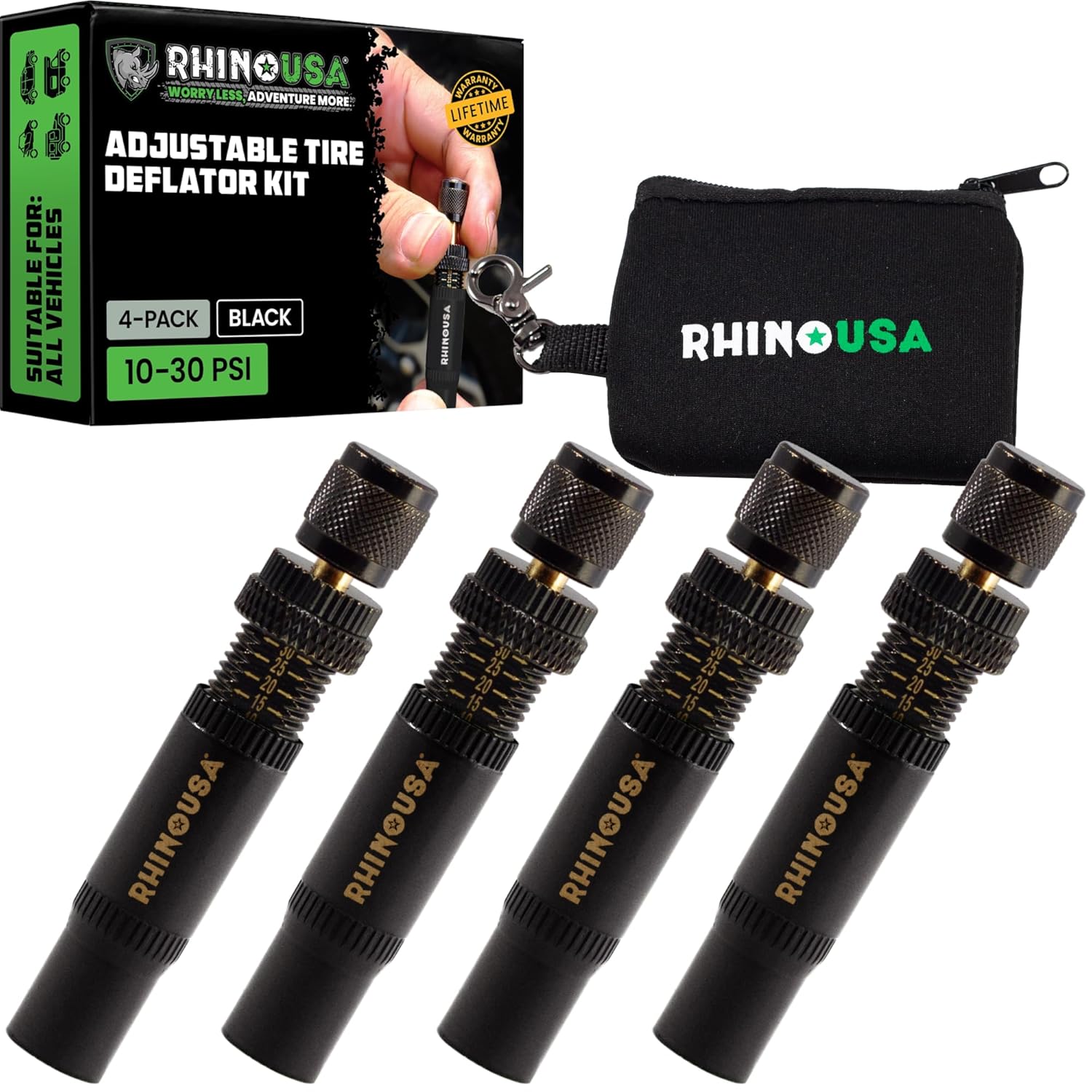
Use the Rhino USA adjustable tire deflators to air down all four tires at once by screwing one deflator onto each valve stem, letting you step away while the tires reach your preset pressure. Each deflator independently adjusts across a 10–30 PSI range with laser-etched indicators for quick setup and verification, making it ideal for beach, sand, and rocky off-road trails.
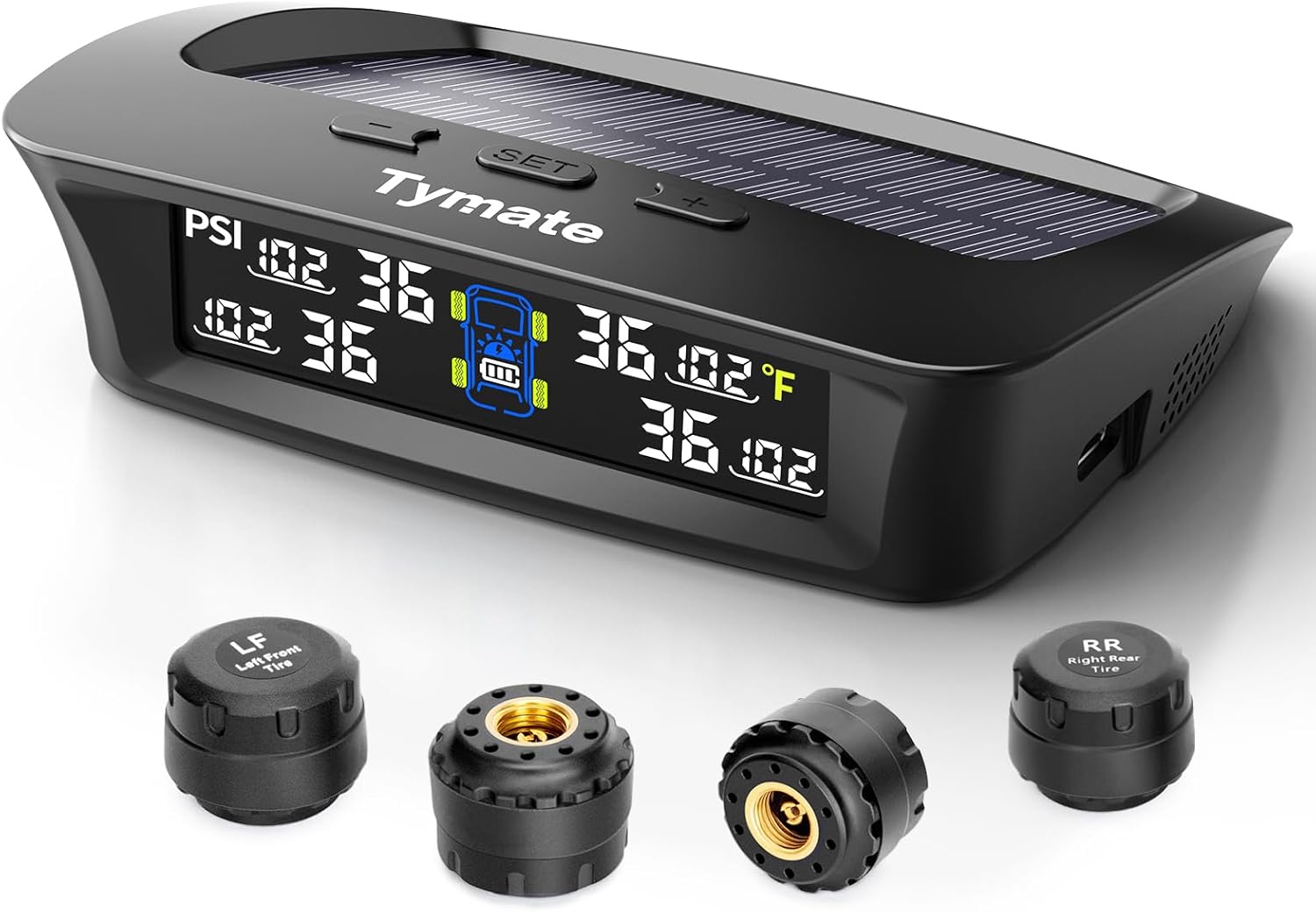
The Tymate TM3 RV TPMS delivers real-time tire pressure monitoring from 0 to 144 PSI with accurate readings and dependable wireless communication. It includes four external sensors with pre-pairing, six alarm modes for rapid leak, pressure extremes, temperature, and signal loss, plus an easy-reference setup for alert thresholds. Solar and USB-C charging help keep the display powered, while the color LCD and adaptive backlight improve visibility for safer driving and towing.
How Do LT Tires Affect Performance and Handling?
LT tires can improve stability under load, but they can also change how your Tacoma feels every day. The most common changes are:
- Firmer ride: Stiffer sidewalls transmit more bumps into the cabin.
- More road noise: Especially with aggressive all-terrain or mud-terrain tread.
- Lower fuel economy: Heavier tires and deeper tread can increase rolling resistance.
- Slower acceleration: Added rotating weight can make the truck feel less responsive.
- Different braking feel: Heavier tires can affect stopping feel and suspension control.
- Better loaded stability: The truck may feel more composed when hauling or towing.
If your Tacoma is a daily driver and only occasionally carries light cargo, a lighter tire that still meets Toyota’s load requirements may be the smarter choice. If your truck is used for towing, hauling, and rough trails, the LT trade-offs may be worth it.
Can You Use LT Tires in Winter?
You can use LT tires in winter only if the specific tire is appropriate for winter conditions. LT is a load/construction designation, not a snow or ice rating. For better winter traction, look for the three-peak mountain snowflake symbol, often called 3PMSF. This symbol indicates the tire meets a snow-traction performance standard.
Even then, a 3PMSF all-terrain tire is not always equal to a dedicated winter tire. Tire Rack notes that 3PMSF testing focuses on packed-snow acceleration and does not fully measure braking, turning, or ice traction. If you drive in frequent ice, deep snow, mountain passes, or extreme cold, dedicated winter tires are still the safer choice.
Note: M+S means “mud and snow,” but it is not the same as a severe-snow 3PMSF rating. Check the actual sidewall markings before assuming your LT tire is winter-ready.
Debunking Common Myths About LT Tires
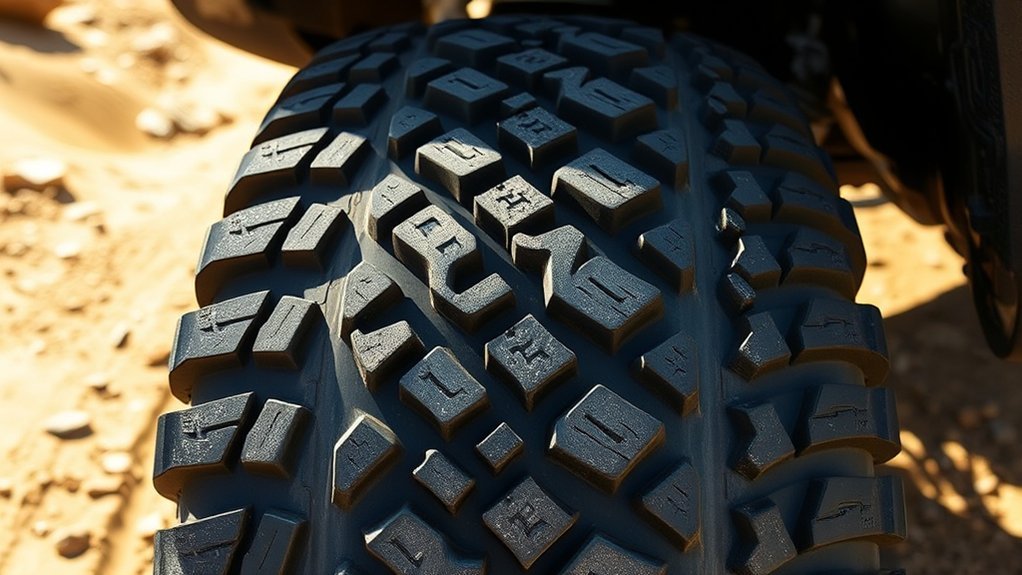
Myth 1: All Tacomas Need LT Tires
Not true. A Tacoma used mostly for commuting and light weekend hauling may be better with a tire that meets Toyota’s load requirements while keeping the ride smoother and quieter.
Myth 2: LT Tires Increase Your Towing Rating
False. LT tires can improve loaded stability when properly matched, but they do not increase Toyota’s tow rating, payload rating, axle rating, or GVWR.
Myth 3: Load Range E Is Always Best
Not always. Load Range E can be useful for heavy loads and harsh trails, but it can be overkill for a lightly used Tacoma. A heavier tire can hurt comfort, fuel economy, and acceleration.
Myth 4: LT Tires Are Automatically Good in Snow
Wrong. LT tells you about the tire’s light-truck construction. Snow performance depends on tread design, rubber compound, and winter markings such as 3PMSF.
Tips for Keeping Your LT Tires in Top Shape
LT tires last longer and perform better when they are maintained correctly. The most important maintenance habit is checking pressure when the tires are cold. The NHTSA TireWise guide says proper inflation pressure is found on the Tire and Loading Information Label or in the owner’s manual, not by copying the maximum PSI molded into the tire sidewall.
- Check cold pressure monthly. Check all tires, including the spare, before driving or after the truck has been parked long enough for the tires to cool.
- Use the Tacoma door-jamb label. The correct PSI is the manufacturer’s recommended cold pressure for your truck and tire setup.
- Rotate on schedule. NHTSA recommends checking the owner’s manual, and if the manufacturer recommends it, rotating tires every 5,000 to 8,000 miles or sooner if uneven wear appears.
- Inspect tread depth. NHTSA says tires are not safe and should be replaced when tread is worn to 2/32 inch. Replace sooner if wet, snow, or trail performance has clearly dropped.
- Look for damage. Replace or professionally inspect tires with cuts, cracks, bulges, exposed cords, repeated air loss, or irregular wear.
- Check alignment and balance. Vibration, pulling, cupping, or edge wear can shorten tire life and affect handling.
Frequently Asked Questions
Is it worth getting LT tires for a Toyota Tacoma?
Yes, LT tires are worth it if you regularly tow, haul heavy cargo, drive rocky trails, or use your Tacoma for work. They may not be worth it if your truck is mostly a daily commuter and you value a softer ride, lower noise, and better fuel economy.
Can I put LT tires on my Tacoma?
Yes, you can put LT tires on a Tacoma if the tire size, load index, load range, speed rating, wheel fitment, and cold PSI are correct for your specific truck. Check the door-jamb tire label and owner’s manual before switching from passenger-type tires to LT tires.
What load range should I choose for Tacoma LT tires?
Choose a load range that meets or exceeds the original tire’s required load capacity without creating unnecessary weight and stiffness. Load Range C or E may appear on popular Tacoma LT tires, but the right choice depends on tire size, load index, use case, and Toyota’s requirements for your truck.
Can I use LT tires in winter?
You can use LT tires in winter only if the specific tire is rated for winter conditions. LT does not mean snow tire. For severe snow traction, look for the three-peak mountain snowflake symbol, and consider dedicated winter tires if you drive in frequent ice or deep snow.
Do all LT tires say LT on them?
LT-metric tires usually show “LT” at the beginning of the tire size, such as LT265/70R17. You should still read the full sidewall, including load range, load index, speed rating, DOT code, and maximum pressure, because the LT letters alone do not tell you everything you need to know.
Will LT tires make my Tacoma ride rougher?
They can. LT tires often have stiffer sidewalls and heavier construction, so the ride may feel firmer and road noise may increase. The difference depends on the tire model, load range, tread pattern, wheel size, and inflation pressure.
Conclusion
“LT” on Tacoma tires means “Light Truck,” and it can be a smart choice for towing, hauling, rocky trails, and loaded adventures. The key is choosing the right LT tire, not just any LT tire. Match Toyota’s tire size, load rating, speed rating, and cold PSI for your specific Tacoma, then choose the tread pattern and load range that fit how you actually drive. If your truck works hard, LT tires can add strength and stability. If your Tacoma mostly commutes, a lighter tire that still meets Toyota’s requirements may be the better everyday choice.
Sources
- Toyota USA Newsroom — 2026 Toyota Tacoma: Adventure Awaits — Tacoma towing, payload, trim, and capability context.
- Toyota Owners — 2026 Tacoma Tires — Toyota tire size, load rating, speed symbol, and tire-use guidance.
- NHTSA TireWise — tire pressure, tread depth, rotation, aging, and tire safety guidance.
- Tire Rack — Load Ranges and Ply Ratings — load range, ply rating, and LT tire explanation.
- Tire Rack — Three-Peak Mountain Snowflake Symbol — winter tire marking and 3PMSF limitations.

Related Articles
How Tire Weight Affects Toyota Tacoma Performance
How does tire weight influence your Toyota Tacoma's performance and efficiency? Discover the surprising effects that could change your driving experience.
Read More
Tire Noise Levels by Tire Type on a Toyota Tacoma
A comprehensive look at how tire types affect noise levels in your Toyota Tacoma reveals surprising insights that could enhance your driving experience.
Read More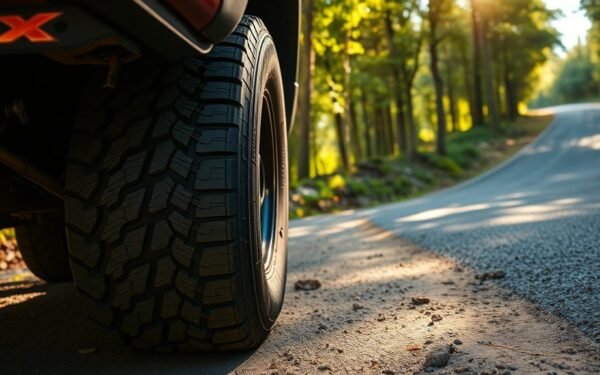
How To Choose Tires for a Dual Use Toyota Tacoma
Unlock the secrets to selecting the perfect tires for your dual-use Toyota Tacoma, ensuring optimal performance and comfort on every adventure. Discover more inside!
Read More