
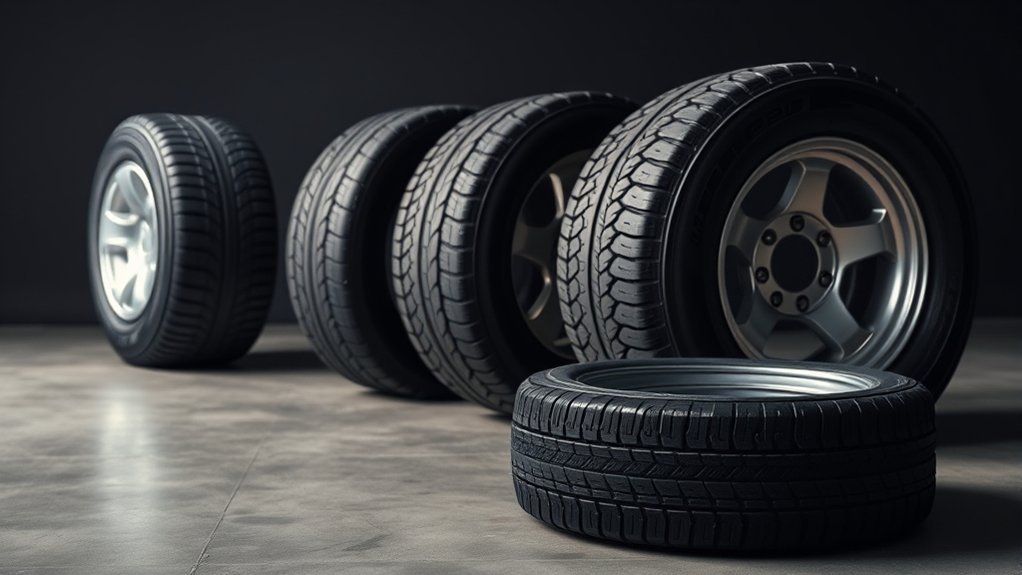
A passenger tire is a tire built for everyday vehicles that mainly carry people, such as cars, minivans, crossovers, and many light-duty SUVs. It is designed to balance ride comfort, road traction, fuel economy, noise control, and safe load carrying for normal paved-road driving.
Quick Answer
A passenger tire is a tire made for lighter passenger vehicles rather than heavy-duty work trucks. Many U.S. passenger tires use a “P” prefix, such as P205/55R16, but the best way to choose one is to match the size, load index, speed rating, and cold PSI listed on your vehicle’s tire placard.
Key Takeaways
- Passenger tires are made for cars, minivans, crossovers, and many light-duty SUVs used mostly on paved roads.
- A “P” at the start of a tire size means P-metric passenger tire, but some passenger-car tires use metric sizing without the P.
- The size code tells you the tire width, sidewall ratio, construction, wheel diameter, load index, and speed rating.
- Passenger tires usually ride quieter and more comfortably than LT tires, but LT tires are better for heavy payloads, towing, and harder-duty use.
- The safest replacement tire is the one that matches your vehicle’s Tire and Loading Information Label, owner’s manual, and driving conditions.
Tire choice and maintenance matter: NHTSA reported 511 deaths in tire-related crashes in 2024.
What Is a Passenger Tire?

A passenger tire is a tire intended for passenger vehicles rather than heavy-duty commercial or work use. In U.S. tire sizing, many passenger tires begin with a P, as in P205/55R16. That P stands for P-metric passenger tire.
However, not every passenger-car tire shows a P. Some replacement tires use metric or Euro-metric sizing, such as 205/55R16, without a front letter. That is why the sidewall code is only one clue. You should also check the tire’s load index, speed rating, inflation requirements, and your vehicle’s factory tire label.
Passenger tires are generally tuned for:
- Comfortable ride quality
- Low road noise
- Wet and dry traction
- Fuel efficiency
- Predictable handling on paved roads
- Normal passenger and cargo loads
They are not the right choice for every truck or SUV. If your vehicle’s factory tire label calls for LT tires, you should not replace them with passenger tires of the same size unless the vehicle manufacturer or a qualified tire professional confirms the load capacity is correct.
Warning: Do not choose a passenger tire only because it fits the wheel. A tire can fit the rim but still have the wrong load index, speed rating, inflation requirement, or service type for your vehicle.
How Passenger Tire Sizes and Labels Work
A passenger tire size looks complicated at first, but each part has a specific meaning. Here is a common example:
| P | P-metric passenger tire |
| 205 | Nominal section width in millimeters |
| 55 | Aspect ratio: sidewall height is 55% of tire width |
| R | Radial construction |
| 16 | Wheel diameter in inches |
| 91H | Service description: load index 91 and speed rating H |
The load index is a number that tells you how much weight one tire can carry when properly inflated. The speed rating is a letter that tells you the maximum speed capability under specified load and inflation conditions. These ratings should meet or exceed your vehicle manufacturer’s requirements.
Do not use the “MAX PRESS” number on the tire sidewall as your normal inflation target. The correct everyday pressure is the cold tire pressure listed on your vehicle’s Tire and Loading Information Label or in the owner’s manual.
Pro Tip: Open the driver’s door and look for the Tire and Loading Information Label on the door edge, doorjamb, or B-pillar. That label is usually more useful than copying whatever size is already on the old tire, especially if a previous owner installed the wrong size.
Passenger Tires vs. LT Tires
Passenger tires and LT tires can look similar, but they are built for different jobs. A passenger tire focuses on everyday ride comfort, traction, handling, and efficiency. An LT tire, short for light truck tire, is intended for harder-duty service on light trucks and some multipurpose passenger vehicles.
| Feature | Passenger Tire | LT Tire |
|---|---|---|
| Best fit | Cars, minivans, crossovers, many light-duty SUVs | Trucks, vans, larger SUVs, towing and payload use |
| Main priority | Comfort, quietness, handling, fuel economy | Load capacity, casing strength, durability |
| Load marking | Usually Standard Load or Extra Load with a passenger load index | Often marked with LT sizing and load range, depending on tire |
| Ride feel | Usually smoother and quieter | Usually firmer and heavier |
| Risk if mismatched | May be overloaded on vehicles that require LT tires | May reduce comfort and efficiency if the vehicle does not need LT capacity |
The safest rule is simple: follow the tire type, size, load rating, and pressure specified by the vehicle manufacturer. If your vehicle was engineered for LT tires, do not assume a passenger tire is an equal replacement just because the size looks similar.
[Products Worth Considering]

ETENWOLF’s tire pressure gauge helps you quickly and accurately check tire PSI across cars, trucks, motorcycles, bikes, and more. It’s manually calibrated to ANSI B40.1 Grade A for reliable readings, includes a large glow dial for easy nighttime viewing, and features a 360-degree swivel chuck for use at any valve angle. The gauge also works consistently in extreme hot or cold weather.

Keep your tires properly inflated with this analog VONDIOR tire pressure gauge, designed for fast, easy readings without batteries. The swiveling, two-axis hose and large glow dial help you measure at any tire angle with instant visibility. Built with a protective rubber shield, it supports durable, low-maintenance use for cars and trucks.

The 22800 wheel stud installer makes replacing wheel studs quick and secure, saving time and effort during tire service. It uses a ratchet or impact wrench to pull new studs firmly into place, helping when existing studs are too long. Compatible with most automotive wheels and light-duty truck wheel studs, it’s designed for easy, tool-assisted installation.
Common Types of Passenger Tires
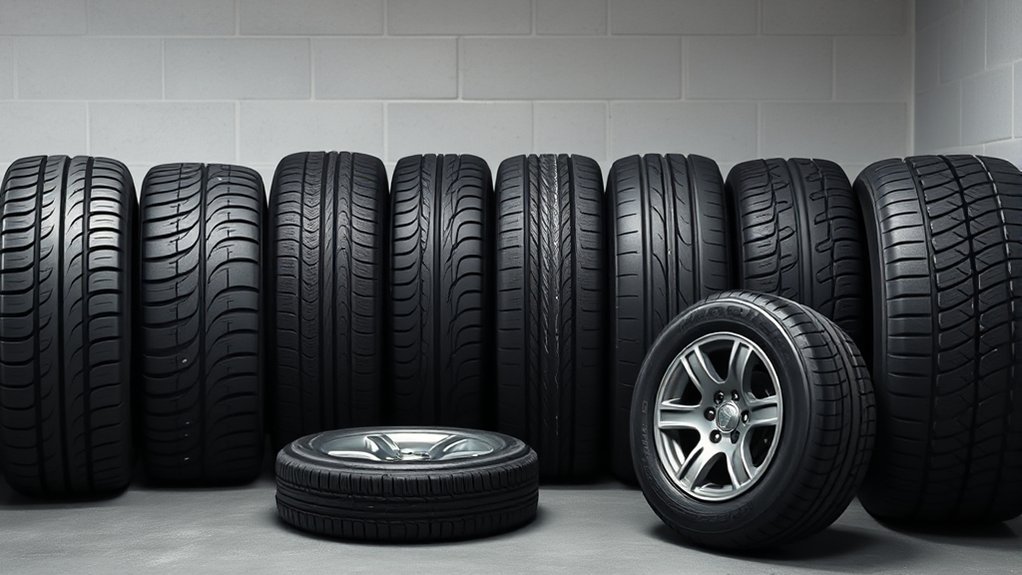
Passenger tires come in several categories. The right choice depends on climate, road conditions, driving style, and the vehicle’s requirements.
- All-season tires: A balanced choice for dry roads, rain, mild cold, and light seasonal changes. Many are marked M+S, but that does not mean they are true winter tires.
- Touring tires: Built for comfort, quietness, stable highway driving, and long tread life.
- Performance tires: Designed for sharper steering, higher grip, and stronger handling response, often with tradeoffs in tread life, noise, or winter traction.
- Summer tires: Built for warm-weather dry and wet grip. They are not intended for freezing temperatures, snow, or ice.
- Low rolling resistance tires: Designed to reduce energy loss as the tire rolls, which can help fuel economy or EV range.
- Winter tires: Made with cold-weather rubber compounds and tread patterns that improve snow and ice traction.
Note: M+S means “Mud and Snow,” but it is not the same as the Three-Peak Mountain Snowflake symbol. For real winter performance, look for the 3PMSF symbol, which indicates the tire has met a standardized snow-traction requirement.
[Products Worth Considering]

The SAFELIFE dial tire tread depth gauge measures tread depth in 1/32 inch increments with clear, easy-to-read 2-inch dial face. Color zones using a traffic light system help you quickly judge whether tread is low, marginal, or ample for safer driving. Built with a durable zinc cast body and a metal detect probe for precise, comfortable use across cars, motorcycles, trucks, and buses.

Protect tire valves from water, dust, and sand to help prevent leaks and support safe driving. These universal stem caps install quickly by hand and feature durable aluminum alloy construction with an inner sealing ring for better air retention. Compatible with cars, SUVs, trucks, motorcycles, and bicycles for everyday convenience.

Monitor tire tread wear with a smart, color-coded depth gauge that shows clear condition ranges at a glance. The bar is range marked for fast, easy readings, helping you maintain safer traction and performance. Each gauge is portable with a pocket clip, and the set includes 20 units for daily use and sharing.
How to Choose the Right Passenger Tire
Start with the vehicle, not the tire display rack. The best passenger tire is the one that matches your vehicle’s original requirements and your real driving conditions.
- Check the Tire and Loading Information Label. Look for the factory tire size, load rating, and recommended cold PSI.
- Confirm the wheel diameter. A 16-inch tire must go on a 16-inch wheel; a close-looking size will not work if the rim diameter is wrong.
- Match or exceed the required load index. Never install a tire with a lower load index than your vehicle requires.
- Match the speed rating correctly. Choose a speed rating that meets the vehicle manufacturer’s recommendation and your tire dealer’s guidance.
- Choose the right category. All-season, touring, performance, summer, winter, and low rolling resistance tires serve different needs.
- Consider climate. If you regularly drive in snow, ice, or freezing temperatures, winter tires may be safer than standard all-season tires.
- Buy a matched set when possible. Mixing tread patterns, sizes, or wear levels can affect handling, braking, and all-wheel-drive systems.
[Products Worth Considering]

Measure tyre tread depth precisely with a digital gauge that reads in both MM and inches, helping you monitor safe driving conditions. The large LCD screen is easy to operate, and the compact tool fits for cars, trucks, and motorcycles. It provides high accuracy with a 0-25.4mm range and includes a 1-year warranty for added peace of mind.

The Milton S-693 straight foot dual head air chuck is designed for accurate tire pressure checks and quick, secure valve-core engagement with lock-on threads on both ends. With a 1/4" FNPT connection and a maximum 150 PSI rating, it’s built for use on inner duals and common vehicle tires, including trucks and RVs.

Slip the Powerbuilt tire step over your vehicle’s tire to reach roof racks, engine bays, truck boxes, and more without overreaching. Its adjustable, universal design fits tires with a cross tread width up to 13 inches, including car, truck, RV, and semi tires. The non-slip cheesegrater surface and anti-slip tape provide secure grip while the open design lets mud and debris pass through. Fold-flat storage with rubber bumpers helps keep your tire and the step protected between uses.
Passenger Tire Maintenance and Safety Checks
Choosing the right passenger tire is only part of the job. You also need to maintain it correctly.
- Check cold tire pressure monthly. NHTSA recommends checking all tires, including the spare, at least once a month when the tires are cold.
- Use the vehicle’s recommended PSI. The correct pressure is on the vehicle placard or in the owner’s manual, not the sidewall maximum.
- Replace tires at 2/32 inch tread depth. Tires at this level are no longer safe for normal road use.
- Inspect sidewalls and tread. Look for cracks, bulges, cuts, exposed cords, punctures, and uneven wear.
- Rotate tires if your vehicle allows it. Many vehicles benefit from rotation every 5,000 to 8,000 miles, but always follow your owner’s manual.
- Check tire age. The DOT Tire Identification Number includes a four-digit date code showing the week and year of manufacture.
- Balance and align when needed. Vibration, pulling, or uneven wear can point to wheel balance or alignment problems.
Common Passenger Tire Replacement Mistakes
- Copying the old tire without checking the placard: A previous owner may have installed the wrong size or rating.
- Choosing a lower load index: This can reduce safe carrying capacity.
- Confusing sidewall max PSI with recommended PSI: The sidewall number is not your normal cold inflation target.
- Replacing LT tires with passenger tires without checking load needs: This can be unsafe for trucks, vans, towing, or heavy payloads.
- Assuming M+S means winter-ready: For severe winter conditions, look for the 3PMSF symbol.
- Ignoring tire age: Old tires can become more failure-prone even if the tread still looks usable.
Frequently Asked Questions
What’s the difference between a regular tire and a passenger tire?
“Regular tire” is not a precise technical category. A passenger tire is a specific type of tire intended for passenger vehicles such as cars, minivans, crossovers, and many light-duty SUVs. Other tire categories include LT tires for light trucks, ST tires for trailers, and temporary spare tires.
Does it matter if a tire says passenger tire?
Yes. It tells you the tire is designed for passenger-vehicle service, not heavy-duty truck service. That affects load capacity, ride feel, inflation requirements, and intended use. Always compare the tire’s size, load index, speed rating, and service type with your vehicle’s tire label.
Does passenger tire mean passenger side?
No. Passenger tire describes the tire category, not the side of the vehicle. A passenger tire can be mounted on any wheel position if it matches the vehicle’s required size, load rating, speed rating, tread direction, and rotation rules.
Why do they call it a passenger tire?
They call it a passenger tire because it is designed for vehicles that primarily carry people instead of heavy cargo. The design usually prioritizes comfort, quietness, traction, efficiency, and normal passenger-vehicle load carrying.
Are P-metric and passenger tires the same thing?
P-metric tires are a common type of passenger tire size used in the United States. However, some passenger tires use metric sizing without the P prefix. Both can be correct if the size, load index, speed rating, and inflation requirements match the vehicle manufacturer’s specifications.
Can I put passenger tires on a truck?
Only if the vehicle manufacturer allows passenger tires for that truck and the tires meet the required load capacity. Some light-duty pickups and SUVs use passenger tires from the factory, while others require LT tires. Check the door-jamb label and owner’s manual before switching.
What is the most important number on a passenger tire?
No single number is enough by itself. You need the full size, wheel diameter, load index, speed rating, and recommended cold PSI. The load index is especially important because it tells you whether the tire can carry the weight your vehicle requires.
Conclusion
A passenger tire is the everyday tire category used on cars, minivans, crossovers, and many light-duty SUVs. It is built for comfort, traction, efficiency, and normal paved-road driving, not heavy-duty payload or towing work. To choose the right one, match the tire size, load index, speed rating, and cold inflation pressure to your vehicle’s Tire and Loading Information Label. The right passenger tire does more than fit the wheel; it supports the vehicle safely mile after mile.
Sources
- NHTSA TireWise Tire Safety — tire size, pressure, tread depth, tire-related crash data, and maintenance guidance.
- 49 CFR 571.110 — tire selection, rims, load limits, and vehicle placard requirements.
- 49 CFR 571.139 — federal definitions and requirements for new pneumatic radial tires for light vehicles.
- Michelin Tire Markings Explained — tire prefixes, size markings, load rating, speed rating, DOT date code, M+S, and 3PMSF guidance.
- Goodyear Tire Load Index — load index meaning and passenger-car load index context.

