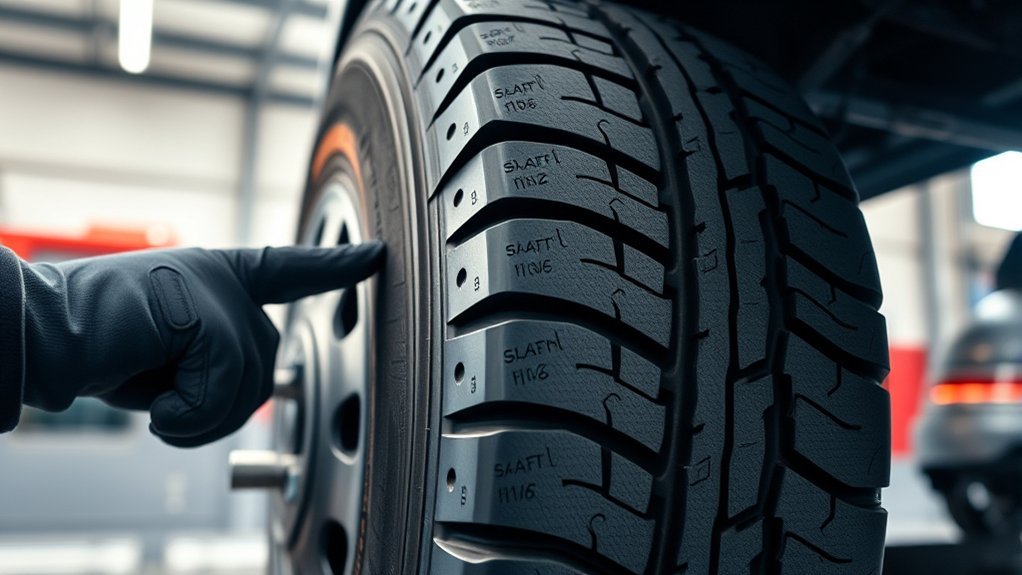
Seeing LT on a tire sidewall can be confusing if you are comparing truck, SUV, or van tires. In simple terms, LT tells you the tire was built for light-truck service, which usually means stronger construction and higher load support than a standard passenger tire. The right choice depends on your vehicle’s tire placard, load needs, towing use, and driving conditions.
Quick Answer
LT on a tire means Light Truck. It identifies a tire designed for light-truck service, including many pickups, SUVs, and vans that carry cargo, tow trailers, or drive on rougher roads. LT tires usually have stronger construction than passenger tires, but they can ride firmer and should match your vehicle’s required size, load rating, and speed rating.
Key Takeaways
- LT means Light Truck, not “long tread” or “large tire.”
- LT tires are commonly used on trucks, SUVs, and vans that tow, haul, or need tougher tire construction.
- Load range, load index, and inflation pressure work together; do not choose by load range alone.
- LT tires can improve load stability and durability, but they may ride firmer, add weight, and reduce fuel economy.
- Always match replacement tires to the vehicle tire placard, owner’s manual, and tire manufacturer load data.
What Does LT Mean on a Tire?
LT stands for Light Truck. When a tire size begins with LT, such as LT245/75R16, it identifies a light-truck tire size. Tire makers use this marking for tires built to handle heavier service than many standard passenger tires, especially on vehicles used for cargo, towing, work sites, gravel roads, or off-road trails.
You may also see LT at the end of some flotation tire sizes, such as 31×10.50R15LT. That still points to light-truck service. The exact meaning of the full sidewall code depends on the tire size, load index, load range, speed symbol, and maximum load markings.
According to Continental Tire’s sidewall guide, a tire size that starts with LT identifies the tire as a Light Truck tire. Tire Rack also explains that LT can appear at the start of an LT-metric size or at the end of a flotation light-truck size.
Note: LT does not automatically mean the tire fits your truck. You still need the correct tire size, load index, load range, speed rating, wheel size, and inflation pressure for your specific vehicle.
How to Read an LT Tire Size
A full LT tire code gives you more information than the LT letters alone. Here is a common example:
LT245/75R16 120/116S Load Range E
- LT means Light Truck service.
- 245 is the section width in millimeters.
- 75 is the aspect ratio, meaning the sidewall height is 75% of the tire width.
- R means radial construction.
- 16 is the wheel diameter in inches.
- 120/116 is the load index, often showing one rating for single-wheel use and a lower rating for dual-wheel use.
- S is the speed symbol.
- Load Range E describes the tire’s strength/pressure category, often called a 10-ply rating, even though it does not mean the tire literally has 10 plies.
The Tire Industry Association explains that the load index is a code for the maximum load a tire can carry at the speed indicated by the speed symbol. That is why you should read the full service description, not just the LT letters.
LT Tires vs Passenger Tires
LT tires and passenger tires are built for different priorities. Passenger tires usually focus on comfort, quietness, steering response, and fuel economy. LT tires usually focus on load support, durability, and stability under heavier work.
| Feature | LT Tire | Passenger Tire |
| Main purpose | Hauling, towing, work use, rough roads, heavier service | Daily driving, comfort, quietness, lighter loads |
| Construction feel | Usually stiffer and heavier | Usually softer and lighter |
| Ride comfort | Can feel firmer, especially on lighter vehicles | Usually smoother and quieter |
| Best fit | Vehicles that need the LT rating shown in the owner’s manual or placard, or that regularly tow/haul | Vehicles designed for passenger tires and used mostly for normal commuting |
[Products Worth Considering]

The 22800 wheel stud installer makes replacing wheel studs quick and secure, saving time and effort during tire service. It uses a ratchet or impact wrench to pull new studs firmly into place, helping when existing studs are too long. Compatible with most automotive wheels and light-duty truck wheel studs, it’s designed for easy, tool-assisted installation.

Keep your tires properly inflated with this analog VONDIOR tire pressure gauge, designed for fast, easy readings without batteries. The swiveling, two-axis hose and large glow dial help you measure at any tire angle with instant visibility. Built with a protective rubber shield, it supports durable, low-maintenance use for cars and trucks.

Secure your vehicle during transport with this 4-pack of heavy-duty tire tie down straps designed for trailers and hauling. The ratchet system with flat hooks and D-rings helps you tension the straps quickly, while the wheel-friendly design protects tires. With high break strength and corrosion-resistant hardware, these straps provide reliable, confidence-inspiring tie-down security for cars, trucks, and UTVs.
LT Tire Construction
LT tires often use tougher casing construction, stronger sidewalls, and higher load-capacity designs than comparable passenger tires. That helps the tire resist squirm under cargo weight, trailer tongue weight, and rough-road impacts. It also helps when the tire must operate at higher inflation pressures to carry the rated load.
That extra strength has trade-offs. A heavier, stiffer tire can feel less comfortable, create more road noise, and require more energy to accelerate. That is why an LT tire is not automatically the best tire for every SUV or pickup.
Passenger Tire Differences
Passenger tires, including P-metric and Euro-metric tires, are usually tuned for comfort, lighter weight, and everyday handling. They can be a better fit for a crossover, minivan, or light-duty truck that rarely tows or carries heavy loads, as long as the tire meets the vehicle manufacturer’s required size and load rating.
Do not swap from LT to passenger tires, or from passenger tires to LT tires, based only on size appearance. The tire must have enough load capacity at the correct inflation pressure for the vehicle. Toyo’s load-inflation guide warns that P-metric and Euro-metric tires may not be interchangeable and that replacement tires must be checked against the vehicle’s tire information placard.
LT Tire Load Range Explained
Load range is a letter-based rating that describes a tire’s strength and maximum load-carrying pressure category. Common LT load ranges include C, D, E, and F. Some charts also show other ranges, so you should always read the exact sidewall marking and the manufacturer’s data for that tire size.
Load range is related to older “ply rating” language. For example, Load Range E is often called 10-ply rated, but modern tires do not need to have 10 actual plies. Discount Tire explains that modern load range describes toughness and maximum allowable air pressure, not the literal number of plies inside the tire.
[Products Worth Considering]

The Tymate TM2 RV tire pressure monitoring system keeps you informed with a color LCD display, automatic backlight, and solar charging for dependable operation. It supports up to 10 tire positions with four pre-paired sensors, while offering multiple alarm modes for fast leak detection, pressure extremes, temperature alerts, and low-signal warnings. Built-in monitoring uses accurate readings and reliable 433.92MHz communication to help protect your RV, trailer, truck, or SUV.

Slip the Powerbuilt tire step over your vehicle’s tire to reach roof racks, engine bays, truck boxes, and more without overreaching. Its adjustable, universal design fits tires with a cross tread width up to 13 inches, including car, truck, RV, and semi tires. The non-slip cheesegrater surface and anti-slip tape provide secure grip while the open design lets mud and debris pass through. Fold-flat storage with rubber bumpers helps keep your tire and the step protected between uses.
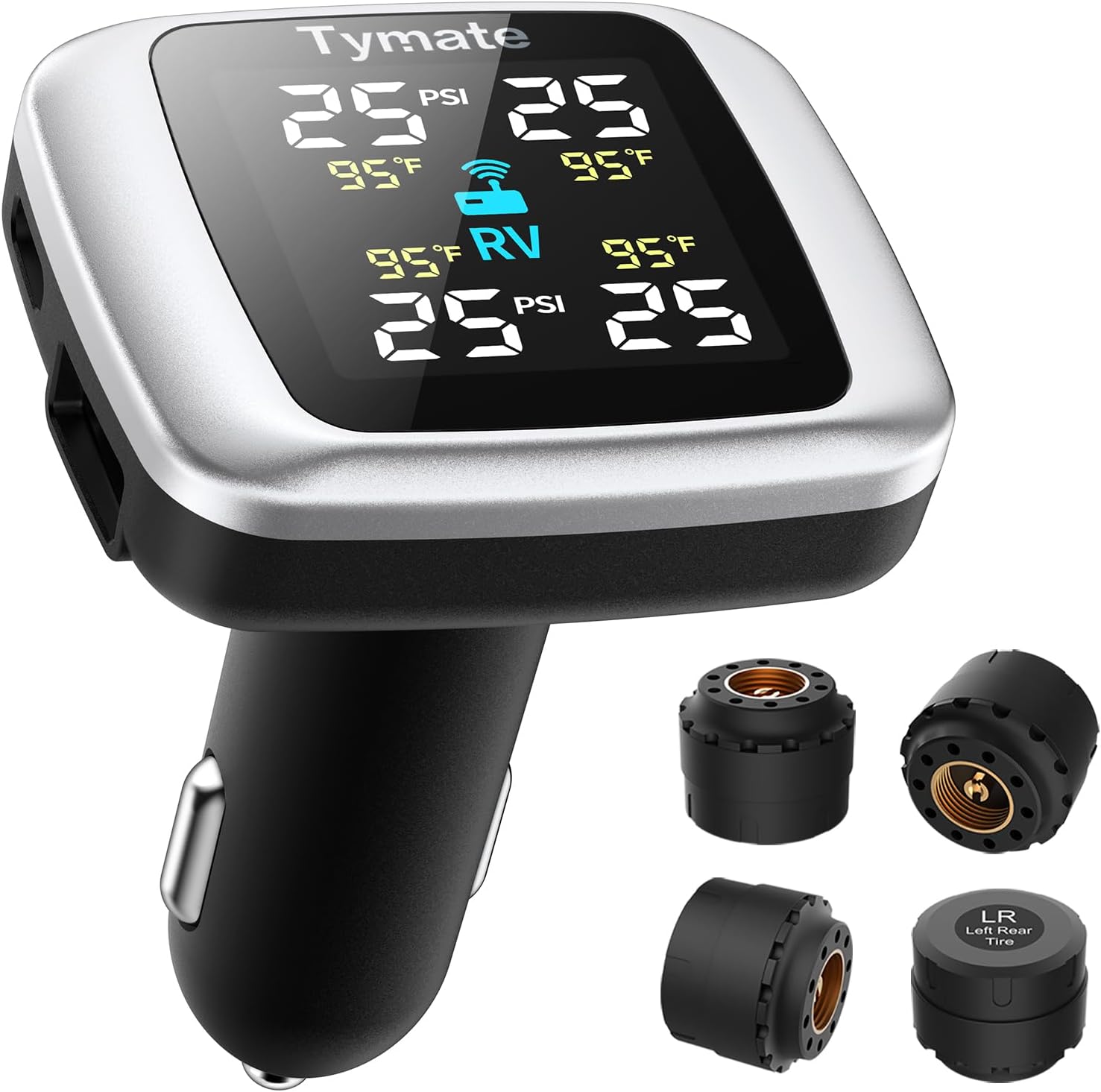
Tymate TM7 is a wireless tire pressure monitoring system that delivers real-time pressure and temperature readings for safer driving. It includes four external sensors, a bright color LCD display with adjustable backlight, and six alarm modes for high/low pressure, fast leakage, high temperature, and sensor signal or battery issues. The system covers a wide 0–144 PSI range and plugs into your vehicle’s cigarette lighter socket for quick DIY setup.
Load Range vs Load Index
Load range and load index are connected, but they are not the same thing.
- Load range is the letter category, such as C, D, E, or F.
- Load index is the number, such as 120 or 116, that corresponds to a maximum load in a load index chart.
- Maximum load is usually molded on the sidewall in pounds and kilograms.
- Inflation pressure affects how much load the tire can safely carry.
A higher load range often means the tire can carry more load than a lower range in the same size, but the exact capacity still depends on the tire size, load index, inflation pressure, and whether it is used in a single or dual-wheel setup.
Warning: The maximum inflation pressure molded on the tire sidewall is not automatically the recommended cold tire pressure for your vehicle. Use the tire information placard, owner’s manual, and tire manufacturer load-inflation data. When changing tire type or load range, confirm the fitment with a qualified tire professional.
Single and Dual Load Index on LT Tires
Many LT tires show two load index numbers, such as 120/116. The first number is for single-wheel use. The second number is for dual-wheel use, such as on a dually truck. The dual rating is lower because paired tires operate differently under load and road crown.
Cooper Tire explains that LT tires can show two load index numbers, one for single application and one for dual application. If your truck has dual rear wheels, this marking matters.
When Do You Need LT Tires?
You need LT tires when your vehicle manufacturer specifies LT tires or when your vehicle’s actual use requires the extra load support and durability an LT tire provides. The most reliable starting point is the tire information placard, usually found on the driver’s doorjamb, and the owner’s manual.
LT tires make sense when you:
- Tow regularly, especially campers, boats, equipment trailers, or enclosed trailers.
- Carry heavy payloads, such as tools, materials, cargo, or slide-in campers.
- Drive on rough roads, gravel, job sites, ranch roads, or rocky trails.
- Need stronger sidewalls for demanding service.
- Drive a truck that originally came with LT tires and requires the same or better load capacity.
LT tires may not be necessary when your truck or SUV is mostly a commuter, rarely carries heavy cargo, and the manufacturer originally specified passenger or standard-load tires. In that case, a properly rated passenger tire may ride smoother and use less fuel.
Pro Tip: Before buying LT tires, write down the tire size, load index, speed rating, and recommended cold pressure from your door placard. Then compare those requirements with the replacement tire’s sidewall and manufacturer spec sheet.
LT Tires for Towing and Off-Road
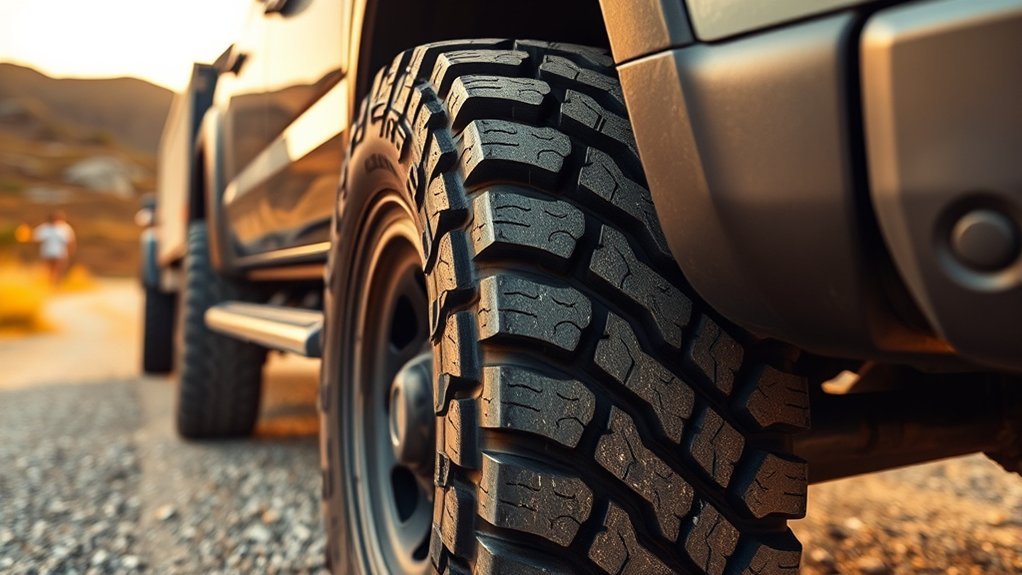
If you tow heavy trailers or drive on rough trails, LT tires can give you extra support where passenger tires may feel soft or overloaded. Their stronger construction helps control sidewall flex when trailer tongue weight, cargo, and uneven roads put more stress on the tire.
For towing, the most important point is not just “LT or not LT.” It is whether the tire has the correct load capacity at the correct pressure for the axle load. Trailer tongue weight, passengers, cargo, aftermarket bumpers, toolboxes, and bed racks can all add weight that the tires must carry.
For off-road use, LT tires can be useful because many all-terrain and mud-terrain LT options are designed with tougher casings and sidewalls. Still, tread pattern matters too. A highway LT tire may be strong but not ideal in mud, while an aggressive mud-terrain tire may be loud on pavement.
What LT Tires Do to Ride Comfort and Speed
LT tires can change the way your vehicle feels. Because they are often heavier and stiffer than passenger tires, they may make the ride firmer, especially when the truck is empty. They can also add road noise and reduce fuel economy compared with a lighter passenger tire.
Ride Comfort Impact
The biggest comfort difference usually comes from sidewall stiffness and inflation pressure. A tire designed to carry more load can feel sharper over potholes, expansion joints, and rough pavement. On a loaded truck, that stiffness can feel stable. On an unloaded daily driver, it can feel harsh.
You may notice:
- More vibration over broken pavement.
- More road noise from aggressive LT tread patterns.
- Heavier steering feel in some vehicles.
- Less cushioning when the vehicle is lightly loaded.
Speed and Fuel Economy
LT tires can also affect acceleration, braking feel, and fuel economy because many are heavier than comparable passenger tires. The difference depends on tire size, tread pattern, wheel weight, inflation, and vehicle setup.
Do not assume every LT tire has the same speed rating. The speed symbol appears in the service description, such as the S in 120/116S. Toyo’s tire safety guide notes that replacement tires should have a load-carrying capacity and speed rating that meets or exceeds the original equipment tire requirements.
How to Choose the Right LT Tire
Choosing the right LT tire starts with the vehicle, not the tire rack. The best LT tire is the one that matches your vehicle’s required size, load capacity, speed rating, wheel size, and real-world use.
- Check the door placard. Look for the original tire size, recommended cold tire pressure, and vehicle load information.
- Check the owner’s manual. Look for tire replacement rules, towing guidance, and alternate approved tire sizes.
- Match or exceed OE load and speed requirements. Do not install a tire with lower required capacity.
- Choose the right load range. Do not buy Load Range E or F just because it sounds stronger; choose what your vehicle and use actually need.
- Match the tread to your driving. Highway terrain is better for quiet road use, all-terrain is a balanced choice, and mud-terrain is for more aggressive off-road conditions.
- Confirm inflation requirements. LT tires may require different pressures than the tires they replace.
- Ask a tire professional if changing tire type. This matters when switching between P-metric, Euro-metric, LT-metric, or flotation sizes.
Tire Rack’s tire placard guide explains that the placard lists original equipment tire sizes, recommended cold pressures, and vehicle load information. That placard is your best starting point before changing tire size or tire type.
[Products Worth Considering]

This VEVOR tire bead breaker uses a slide-hammer impact and wedge tip to separate tire beads from rims quickly and efficiently without damaging hub surfaces. The long handle and sturdy steel construction help reduce user strain while providing reliable, portable tire changing for cars, trucks, and more. Ideal for home mechanics and repair shops handling multiple vehicle tire sizes.

This ALL-TOP auto-stop tire deflator valve kit lets you air down off-road tires quickly without watching pressure, automatically stopping when your preset PSI is reached. Each valve is individually calibrated for reliable performance with an acceptable +/- 2 PSI tolerance. The adjustable deflator range covers 10 to 30 PSI and includes four valves plus valve caps and a zipper pouch for easy setup on trucks, SUVs, RVs, UTVs, and powersports.
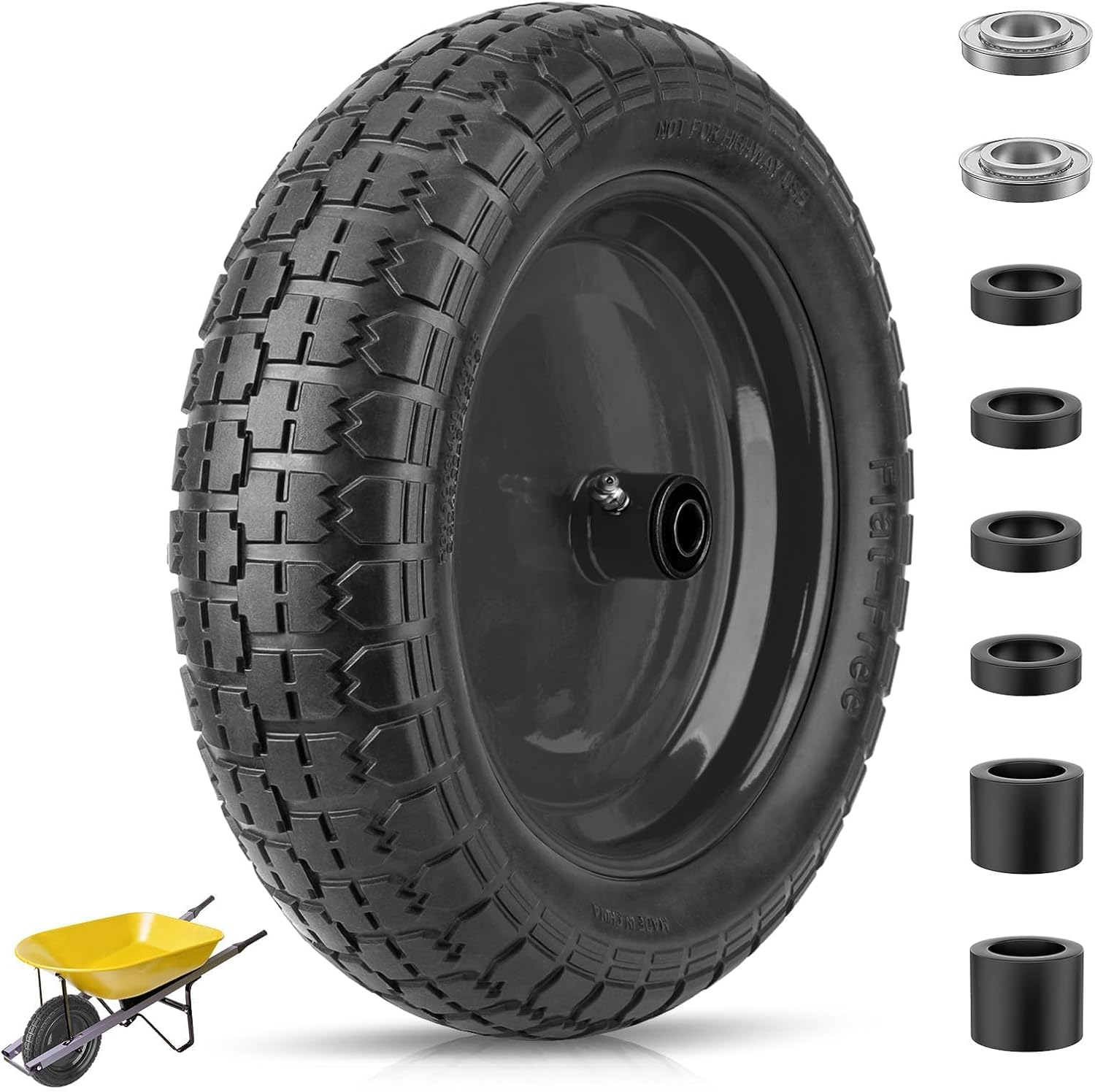
This flat-free TICONN wheelbarrow tire features durable polyurethane foam construction that never needs inflation, helping prevent punctures and reducing maintenance on rough outdoor terrain. With a 300 lb max load capacity and stable steel rim design, it supports safer transport for yard work and hauling tasks. An adapter kit with ball bearings and nylon spacers is included for easier fit and customization across common wheelbarrow and cart axle setups.
Common Mistakes to Avoid
- Choosing LT only because it looks tougher. A stronger tire is not always better if it hurts ride quality and is not needed.
- Ignoring load index. Load range alone does not give the full capacity picture.
- Using sidewall max PSI as normal pressure. The vehicle placard and load tables matter.
- Mixing tire types carelessly. Different construction types can affect handling, braking, and load capacity.
- Forgetting added weight. Toolboxes, bumpers, racks, winches, cargo, and trailer tongue weight all count.
- Assuming “10-ply” means 10 physical plies. Modern ply rating is an equivalent-strength rating.
Frequently Asked Questions
Do I really need LT tires?
You need LT tires if your vehicle manufacturer specifies them or if your truck, SUV, or van regularly tows, hauls, or drives in rough conditions that call for stronger tire construction. If your vehicle is mostly a daily driver and the placard calls for passenger tires, properly rated passenger tires may be a better fit.
Is an LT tire always 10-ply?
No. LT tires are not automatically 10-ply. Load Range E is commonly called 10-ply rated, but modern ply ratings are strength equivalents, not the literal number of casing plies. Check the tire sidewall and manufacturer specifications for the exact load range and load index.
What is better, LT or P-rated tires?
LT tires are better for heavier service, towing, hauling, and rough-road durability. P-rated tires are often better for comfort, lower weight, quietness, and fuel economy. The better choice is the tire type that matches your vehicle placard, owner’s manual, and actual driving use.
Will LT tires ride rough?
LT tires can ride rougher than passenger tires because they are often stiffer and heavier. The difference is most noticeable on an unloaded truck or SUV. On a loaded vehicle or while towing, that stiffness can feel more stable.
Can I replace P tires with LT tires?
Sometimes, but you should not do it by size alone. LT tires may require different inflation pressures and may affect ride, handling, speed rating, and fuel economy. Confirm the change against the vehicle placard, owner’s manual, tire manufacturer data, and a qualified tire professional.
What does 120/116 mean on an LT tire?
On many LT tires, two load index numbers show the tire’s load rating in single and dual applications. In a 120/116 marking, 120 applies to single-wheel use and 116 applies to dual-wheel use. Always confirm the actual pound rating from a load index chart or tire spec sheet.
Conclusion
LT on a tire means Light Truck, and it tells you the tire is built for light-truck service rather than ordinary passenger-car service. LT tires can be the right choice for towing, hauling, work use, and rough roads, but they are not automatically better for every driver. Before you buy, check your tire placard, owner’s manual, load index, load range, speed rating, and inflation requirements. The right LT tire should support your real workload without creating unnecessary ride, fuel economy, or handling trade-offs.
Sources
- Continental Tire — How To Read Your Tire Sidewall — supports LT meaning, tire size code, load index, and speed rating basics.
- Tire Rack — How Do I Read My Tire Size On My Sidewall? — supports LT-metric and flotation LT sidewall identification.
- Tire Rack — What Are Load Ranges / Ply Ratings? — supports load range, ply rating, and LT load range explanations.
- Discount Tire — Load Range vs Load Index — supports load range, ply rating, and load index distinctions.
- Toyo Tires — Load Inflation Table Application Guide — supports pressure, placard, replacement, and P-metric/metric interchange cautions.
- Cooper Tire — Tire Safety: Proper Vehicle Loading — supports single and dual load index explanation for LT tires.