
Why Toyota Hilux Tires Lose Air Overnight
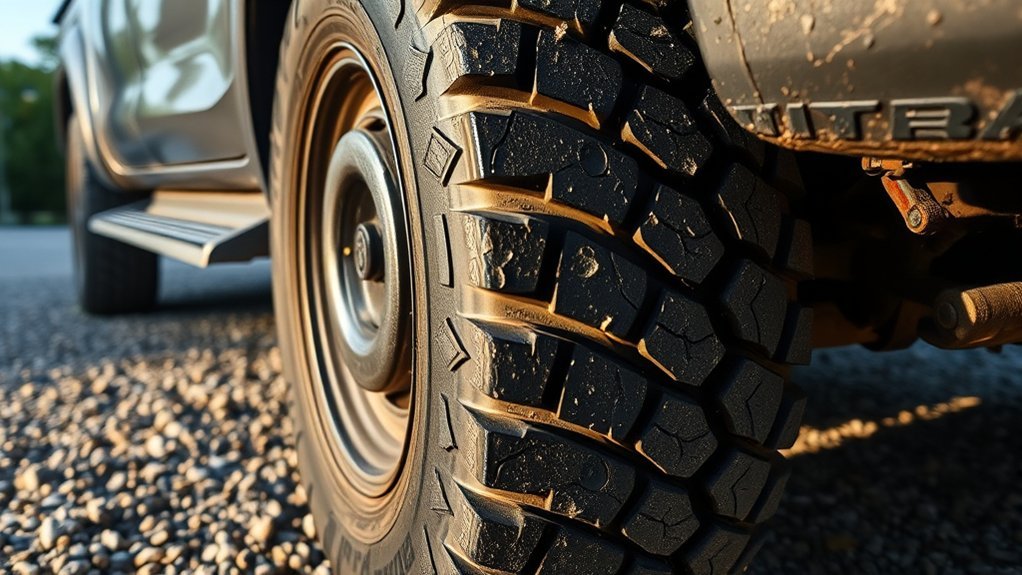
Toyota Hilux tires can lose air overnight mainly due to temperature fluctuations that drop pressure by about 2% for every 10°F decrease. Other common causes include punctures from sharp objects, aging tires that develop cracks, and issues with valve stems that may deteriorate over time. Bead leaks from dirt or corrosion can also contribute. Understanding these factors can help you maintain ideal tire pressure and performance. Learn about effective solutions and preventive measures next.
Immediate Solutions for Air Loss in Toyota Hilux Tires

When you notice air loss in your Toyota Hilux tires, addressing the issue quickly is essential for safety and performance. Start by inspecting the valve stem for cracks or corrosion; these often lead to slow air loss. Use a soapy water solution around the tire bead and tread to check for bubbles, which can indicate leaks. Measuring the tire pressure with a calibrated gauge when the tires are cold gives you the most accurate reading.
If you find a leak, tire sealants can provide a quick fix by sealing minor punctures. For more immediate needs, keep an emergency inflator in your vehicle to pump up the tires on the go. Regularly maintaining tire pressure—ideally checking it weekly—ensures you catch slow leaks early, keeping your Hilux performing at its best and safely. Don’t let minor issues escalate; take action and enjoy the freedom of the open road.
How Temperature Fluctuations Affect Tire Pressure
Temperature fluctuations can considerably impact your Toyota Hilux’s tire pressure, often without you even realizing it. As temperatures drop, the air inside your tires contracts, leading to underinflation. You might notice significant air loss overnight, especially when nighttime temperatures plummet. Here’s what you should know about these temperature effects:
Temperature changes can lead to significant tire pressure fluctuations, causing underinflation, especially during cold nights. Regular checks are crucial.
- Tire pressure can drop about 1 psi for every 10°F decrease.
- Seasonal changes often exacerbate pressure fluctuations.
- Rising temperatures can cause overinflation if not monitored.
- Regular tire maintenance checks are essential during extreme temperature changes.
Identify Valve Stem Issues and Their Impact
While you might not think about them often, valve stems play a critical role in maintaining your Toyota Hilux’s tire pressure. These small components seal air within the tire, but they can develop cracks or wear over time, leading to gradual air loss. Exposure to harsh chemicals and extreme weather can further deteriorate valve stems, increasing the risk of slow leaks.
A compromised valve core, often affected by dirt or moisture, can allow air to escape, contributing to overnight deflation. Regular valve maintenance is vital; unchecked valve issues can account for up to 20% of tire air loss. Inspecting your valve stems for damage and replacing worn parts during tire maintenance can prevent air loss and guarantee your tires perform at their best. By addressing valve stem issues, you’ll not only enhance your driving experience but also liberate yourself from the frustrations of unexpected deflation.
What You Need to Know About Bead Leaks
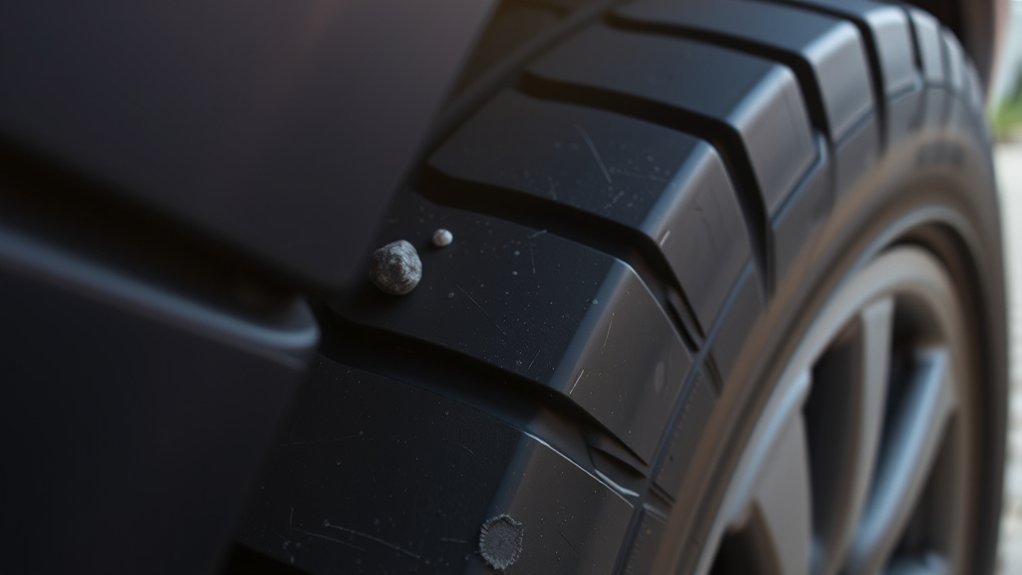
Bead leaks can quietly cause your Toyota Hilux tires to lose air, often without you noticing. These leaks happen when the tire fails to seal properly against the rim, usually due to dirt or corrosion. Regular checks can help you identify potential issues before they lead to more significant problems.
Causes of Bead Leaks
Tires can lose air due to a variety of factors, one of the most common being bead leaks. These leaks happen when dirt, debris, or rim corrosion disrupts the bead sealing, allowing air to escape. Here are key causes to examine:
- Hitting potholes or curbs can damage the rim or seal.
- Temperature fluctuations can cause materials to contract, worsening the seal.
- Dirt buildup in the bead area can prevent a tight fit.
- Regular inspections can catch issues before they escalate.
If you suspect a bead leak, it’s best to consult a professional. They can reseat the tire or replace the rim, ensuring a proper fix for your Toyota Hilux. Keeping your tires in top shape is essential for safety and performance.
Identifying Bead Leak Issues
When you’re driving your Toyota Hilux, it’s important to recognize the signs of bead leak issues early on. Bead leaks often happen when dirt, corrosion, or damage disrupts the seal between the tire and rim, causing air loss. To spot these problems, perform a thorough bead inspection. Look for debris, rust, or visible damage in the bead area, as these can prevent proper pressure retention.
Temperature fluctuations can worsen these leaks, so regular rim cleaning is vital. Maintaining a clean rim helps guarantee a tight seal, reducing the chances of air loss. If you suspect a bead leak, don’t hesitate to seek professional evaluation. Addressing these issues promptly can safeguard your safety and enhance your driving experience.
How Aging Tires Contribute to Air Loss

As your tires age, they gradually lose elasticity, making them more prone to air loss. This rubber deterioration increases the risk of leaks, especially as the tire’s condition worsens. Here are some key factors to keep in mind:
- Weakened seals lead to air escaping more easily.
- Deteriorated rubber becomes more permeable over time.
- Cracks or dry rot in sidewalls create pathways for leaks.
- The average tire lifespan is 6 to 10 years, after which slow leaks are more common.
Regular inspections of aging tires are essential. Small punctures or bead leaks can escalate into bigger problems as the tires continue to deteriorate. By staying vigilant, you can maintain your tire’s performance and safety, ensuring your Toyota Hilux runs smoothly. Don’t let aging tires compromise your freedom on the road!
What to Do If Your Tire Loses Air?
Aging tires can lead to unexpected air loss, so knowing what to do next is essential. Start by visually inspecting your tire for punctures, cracks, or any visible damage that could indicate air loss. Grab a tire pressure gauge and check the current pressure, comparing it to the recommended PSI for your Toyota Hilux. If you suspect a leak, apply soapy water to the areas; bubbles will form where air escapes, helping you locate the issue.
If you don’t find any visible damage, check the valve stem for cracks or corrosion, as these can also cause slow leaks. Regular tire maintenance is key to preventing air loss, so make it a habit to monitor your tires regularly. If air loss continues despite your efforts, consult a professional tire repair shop to assess and fix any underlying issues.
Repair or Replace? Making the Right Choice
Deciding whether to repair or replace your Toyota Hilux tires can be an essential choice for your safety and wallet. Knowing when to make that decision is key. Here are some factors to evaluate:
- Minor punctures in the tread can often be repaired with patches or plugs.
- Punctures larger than a quarter-inch or sidewall damage usually require replacement for safety.
- Regular inspections can help you assess visible damage or air loss rates effectively.
- Significant wear or structural weakness due to age suggests it’s time for a new tire.
Consulting with a trusted tire repair shop can provide valuable guidance. They’ll assess the extent of the damage and help you determine the best route to take. Remember, prioritizing safety not only protects you but also enhances your driving experience. Making the right choice today can save you from future hassles!
Frequently Asked Questions About Toyota Hilux Tire Care
When it comes to your Toyota Hilux, understanding common causes of air loss and maintaining proper tire pressure is essential. Temperature changes, valve stem issues, and even road debris can lead to deflation, so staying vigilant is key. Regularly checking your tire pressure not only enhances safety but also boosts your vehicle’s performance.
Common Causes of Air Loss
Understanding why your Toyota Hilux tires lose air can save you from unexpected surprises on the road. Here are some common causes of air loss that you should be aware of:
- Temperature fluctuations: Tires can lose 1-2 psi for every 10°F drop.
- Punctures: Sharp objects like nails or glass can create slow leaks.
- Valve stem issues: Cracks or deterioration can lead to gradual air escape.
- Bead leaks: Dirt or corrosion can prevent a tight seal, especially after hitting potholes.
Regular tire maintenance, including inspections and checking air pressure, can help you catch these issues early. By staying proactive, you boost your safety and guarantee a smoother ride.
Maintaining Proper Tire Pressure
Maintaining proper tire pressure is vital for both safety and performance in your Toyota Hilux. Regularly check your tire pressure, especially during temperature changes, as tires can lose about 2% of air for every 10°F drop. This can lead to underinflation overnight. Inspect valve stems for cracks, as wear can cause slow air loss. Use the soapy water method to spot leaks—bubbles indicate where air escapes. Make sure your tires are properly seated on the rims to prevent bead leaks, which can also result in gradual air loss. Finally, keep a regular inspection schedule to catch any visible damage, like punctures or bulges, before they lead to significant air loss. Stay proactive, and keep your ride safe!
Frequently Asked Questions
Do Tires Lose Air in the Cold Overnight?
Yes, tires lose air in cold weather due to temperature effects causing pressure drops. Regular tire maintenance and pressure monitoring, especially during seasonal changes, help maintain tire health. Follow inflation tips to prevent underinflation.
Conclusion
To sum up, keeping an eye on your Toyota Hilux tires is essential. Did you know that nearly 25% of drivers underestimate the importance of regular tire maintenance? By checking for leaks, monitoring temperature changes, and replacing aging tires, you can avoid unexpected air loss. If you notice a tire losing air, act quickly. Whether you choose to repair or replace, staying proactive will keep your rides safe and smooth. Remember, a little attention goes a long way!

Related Articles

Toyota Hilux Lug Nuts Coming Loose: Causes and Prevention
Get informed about the causes of loose lug nuts on your Toyota Hilux and discover essential prevention tips to ensure your safety on the road.
Read More
Why Toyota Hilux Tire Pressure Drops in Cold Weather
Understanding why your Toyota Hilux's tire pressure drops in cold weather can enhance your safety and efficiency on the road—discover the crucial details inside.
Read More
Toyota Hilux Tire Rubbing on Fender: How to Diagnose It
Check for tire size, suspension issues, and alignment to diagnose Toyota Hilux tire rubbing—discover essential tips to prevent costly repairs!
Read More