
How Run-Flat Tire Construction Works on the Hilux
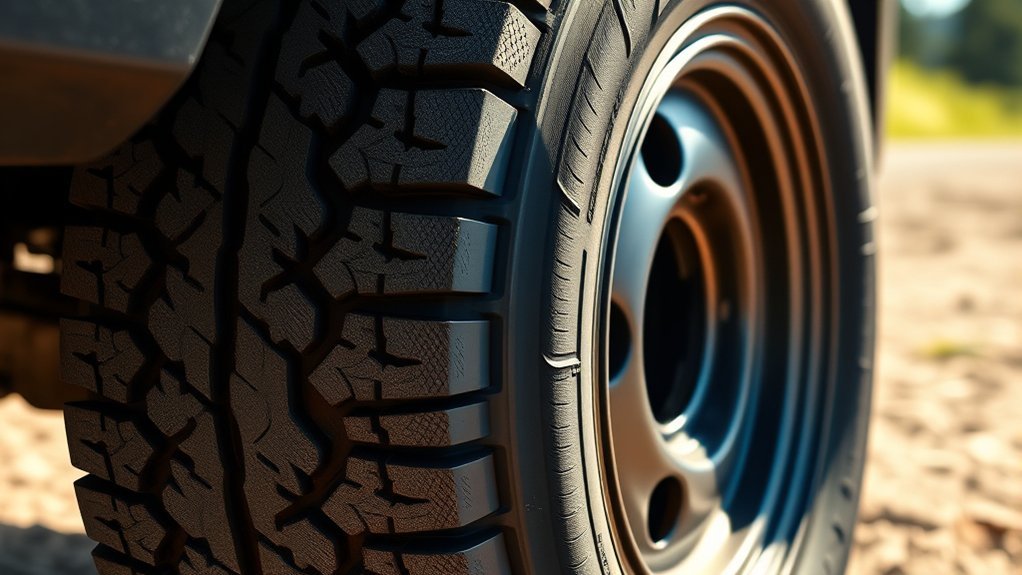
Run-flat tires on the Hilux feature reinforced sidewalls that maintain stability and control after a puncture, allowing you to drive up to 50 miles at 50 mph. The sidewalls are thick and durable, improving load-bearing capacity and puncture resistance. An integrated Tire Pressure Monitoring System (TPMS) provides real-time alerts for pressure drops, enhancing safety and maintenance awareness. This innovative design eliminates the need for a spare tire, offering significant cargo space. You’ll discover more essential insights as you explore further.
Key Features of Run-Flat Tire Technology
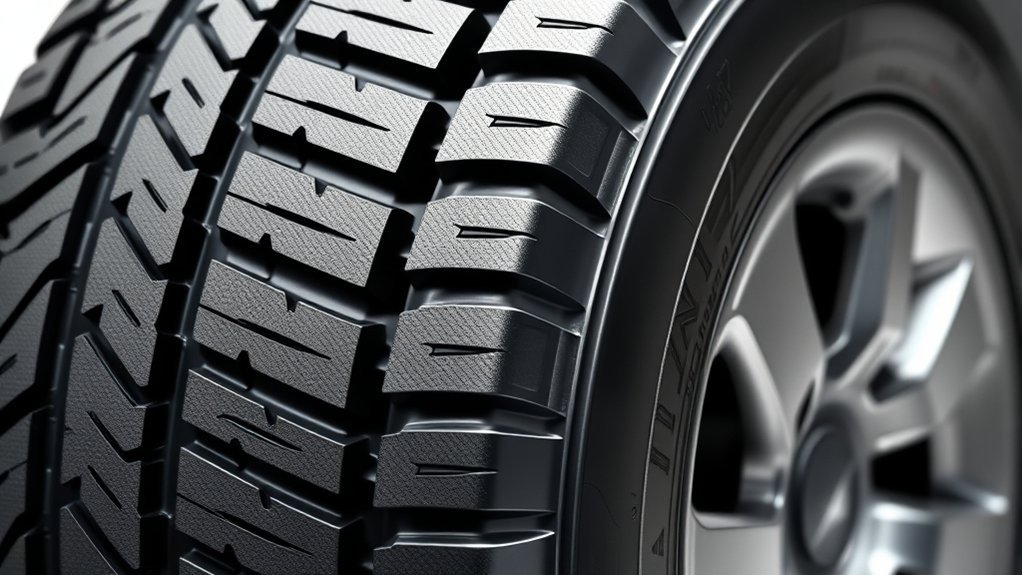
Run-flat tire technology brings significant advancements to the Hilux, primarily through its reinforced sidewalls. This innovative tire technology allows you to maintain control and drive safely even after losing air, enabling you to cover up to 50 miles at speeds of 50 mph. The self-supporting design effectively handles moderate punctures, enhancing safety during off-road conditions.
Moreover, with integrated Tire Pressure Monitoring Systems (TPMS), you receive real-time alerts about any pressure drop, ensuring timely inspections and mitigating the risk of hidden damage. By eliminating the need for a spare tire, run-flat tires free up valuable cargo space in your Hilux, allowing you to carry additional gear or equipment. Overall, these features not only improve vehicle stability and control during sudden air loss but also deliver significant performance benefits, empowering you to navigate challenging terrains with confidence.
How Reinforced Sidewalls Enhance Performance
Reinforced sidewalls in run-flat tires greatly boost load-bearing capacity, allowing your Hilux to carry heavy loads without compromising performance. These robust sidewalls also enhance puncture resistance, ensuring you can maintain control and stability even after a tire breach. This combination not only improves safety but also optimizes the overall driving experience.
Improved Load Bearing Capacity
When traversing challenging terrains, you’ll appreciate how the Hilux’s tires enhance load-bearing capacity through advanced design features. The reinforced sidewalls, approximately ¾ inch thick, considerably improve tire durability while ensuring effective load distribution. This construction allows you to drive up to 50 miles at 50 mph, even after a complete loss of air.
- Supports the vehicle’s weight, maintaining stability and control
- Enhances overall vehicle performance, especially under heavy loads
- Utilizes advanced materials for resilience against moderate punctures
With these innovations, the Hilux can tackle demanding circumstances without the immediate need for tire changes, freeing you to focus on your journey without compromise.
Enhanced Puncture Resistance
The Hilux’s advanced tire design greatly boosts puncture resistance, a vital aspect for off-road enthusiasts. With reinforced sidewalls measuring ¾ inch thick, these run-flat tires excel in puncture prevention against various road hazards. This thicker construction not only enhances durability but also allows the tire to maintain its shape and performance even when deflated, ensuring continued mobility for up to 50 miles at reduced speeds. The self-supporting design absorbs impacts effectively, minimizing the risk of sidewall failures in rugged terrains. Additionally, integration with Tire Pressure Monitoring Systems (TPMS) keeps you informed of any air pressure drops, enabling timely inspections and maintenance. This combination of features empowers you to tackle off-road challenges confidently, knowing puncture resistance is a priority.
How Tire Pressure Monitoring Systems (TPMS) Enhance Safety
Tire Pressure Monitoring Systems (TPMS) play an essential role in enhancing vehicle safety, especially with run-flat tires. By alerting you to any drop in tire pressure, TPMS guarantees you can take timely action to prevent hidden damage. The system utilizes sensors to provide real-time data about tire conditions, which is pivotal for maintaining tire safety.
- It activates a warning light on your dashboard when pressure falls below a safe threshold.
- Enhanced driver awareness leads to better decision-making regarding tire maintenance.
- Ideal tire performance reduces the risk of blowouts and loss of control while driving.
Incorporating TPMS in vehicles like the Hilux is crucial for drivers who prioritize safety and convenience. With its monitoring benefits, this system empowers you to stay informed and proactive about your tires, ultimately enhancing your driving experience and guaranteeing a safer journey.
Advantages of Run-Flat Tires for Off-Road Driving
While traversing rugged terrains, run-flat tires offer significant advantages for off-road driving by ensuring mobility even after a puncture. These tires allow you to travel up to 50 miles at speeds of 50 mph, providing peace of mind during remote excursions. The reinforced sidewalls enhance stability and control, vital for maintaining traction on uneven surfaces when air pressure is compromised. Run-flat tires are designed to withstand the harsh conditions of off-road driving, preserving their structural integrity despite potential damage from sharp rocks and debris. This durability protects both your vehicle and cargo, reducing the risk of being stranded. Additionally, eliminating the need for a spare tire maximizes cargo space, enabling you to carry essential gear on extended trips. Fundamentally, run-flat technology elevates your off-road performance, ensuring safety and reliability when you need it most.
Maintenance Tips for Longevity and Safety
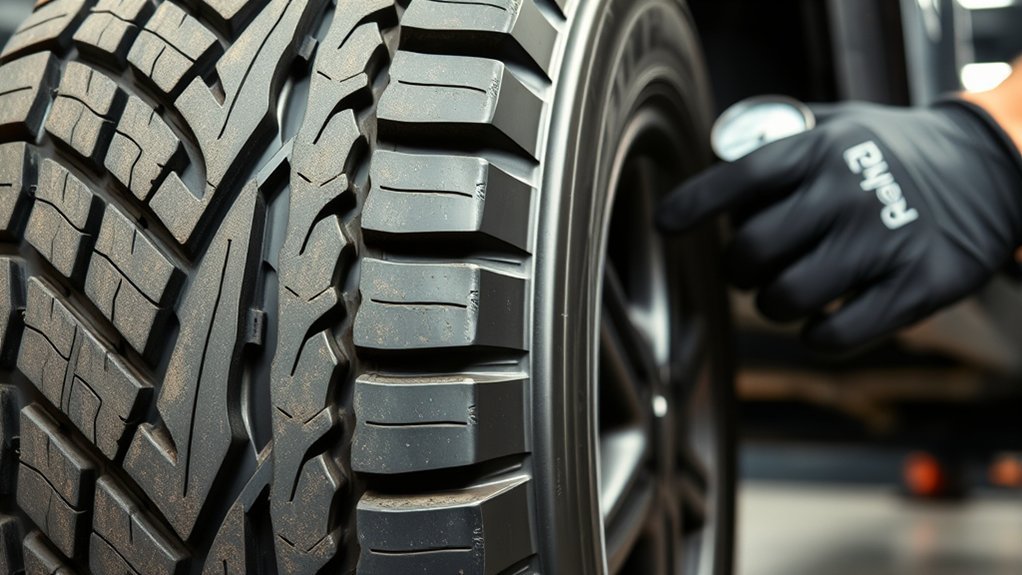
To guarantee the longevity and safety of your Hilux’s run-flat tires, regular inspections and rotations are essential. Utilize a Tire Pressure Monitoring System (TPMS) to keep track of pressure levels, as this helps prevent potential issues before they escalate. Additionally, always adhere to the correct load and speed ratings to maximize tire performance and lifespan.
Tire Pressure Monitoring System
Maintaining the functionality of your Tire Pressure Monitoring System (TPMS) is essential for guaranteeing both safety and longevity. To maximize your TPMS, follow these key maintenance tips:
- Regularly check the TPMS to catch pressure drops early, preventing potential tire issues.
- Confirm proper sensor calibration and compatibility with your vehicle for accurate readings and reliable performance.
- Conduct visual inspections for any signs of damage or wear affecting TPMS functionality.
Additionally, adhere to the manufacturer’s tire pressure recommendations for peak performance. Remember to replace TPMS sensors every 5 to 7 years or during tire changes, as older sensors may lose accuracy. By staying proactive, you can enhance both your safety on the road and the longevity of your tires.
Regular Inspections and Rotations
Regular inspections and rotations of run-flat tires are essential for ensuring peak performance and safety. Conduct a thorough tread inspection every month, checking for depth, sidewall condition, and any visible damage. This vigilance helps identify issues early, preventing potential failures. Adhere to a rotation schedule every 5,000 to 7,500 miles to promote even wear and extend the tires’ lifespan, vital for maintaining handling and stability. Additionally, maintain proper inflation pressure; under-inflated tires can wear faster and compromise safety. Utilize a Tire Pressure Monitoring System (TPMS) to alert you of significant pressure drops, allowing for timely inspections. By following these practices, you’ll enhance both the longevity and effectiveness of your run-flat tires, ensuring a safer driving experience.
Correct Load and Speed Ratings
Making sure your run-flat tires on the Hilux meet the manufacturer’s specified load and speed ratings is essential for ideal performance and safety. Using tires that align with these performance standards guarantees tire compatibility and reliability. To maintain longevity, follow these guidelines:
- Regularly check tire pressure, as proper inflation is critical for structural integrity.
- Inspect tread depth and wear patterns frequently to catch internal damage early.
- Rotate the tires according to the manufacturer’s recommendations for even wear.
Additionally, utilize a Tire Pressure Monitoring System (TPMS) to receive alerts for any pressure drops. Adhering to these practices not only safeguards your vehicle but enhances your driving experience, empowering you to navigate with confidence and freedom.
Installing Run-Flat Tires on Your Hilux
When you install run-flat tires on your Hilux, it’s important to select options that align with your vehicle’s load and speed ratings for peak performance and safety. Begin by consulting your manufacturer’s specifications to verify the tire size and type are compatible with your Hilux, as not all models support run-flat technology.
The installation process is best handled by professionals to guarantee proper fitment and alignment with the Tire Pressure Monitoring System (TPMS). This step is significant for maintaining the tire’s functionality and your vehicle’s safety.
After installation, regular inspections and maintenance are essential. Monitor tire pressure and check for any wear or damage to confirm longevity. Keep in mind that run-flat tires offer a firmer ride quality; consider this if comfort is a priority. By following these guidelines, you’ll enhance both the performance and safety of your Hilux.
Frequently Asked Questions
Can Run-Flat Tires Be Repaired After a Puncture?
You can’t always repair run-flat tires after a puncture. Their design limits tire maintenance options. If you’ve got a puncture, it’s best to consult a professional to assess whether repair is feasible or replacement is necessary.
How Much Do Run-Flat Tires Typically Cost?
Run-flat tires typically cost between $150 to $300 each. While you might think luxury comes cheap, investing in these tires guarantees superior driving performance and minimizes tire maintenance, freeing you from frequent replacements.
Are Run-Flat Tires Heavier Than Regular Tires?
Yes, run-flat tires tend to be heavier than regular ones due to their reinforced tread design and additional materials. This affects overall weight distribution, potentially impacting your vehicle’s handling and fuel efficiency.
What Is the Lifespan of Run-Flat Tires?
Run-flat tires typically last 30,000 to 50,000 miles, depending on tread wear and driving performance. Regular checks and maintenance can help maximize their lifespan, ensuring you maintain peak safety and handling throughout their use.
Can Run-Flat Tires Be Used in Winter Conditions?
Run-flat tires can perform well in winter conditions, but their tread patterns and performance characteristics may not match traditional winter tires. Notably, they can maintain mobility for up to 50 miles, offering flexibility in emergencies.
Conclusion
To sum up, choosing run-flat tires for your Hilux isn’t just a smart move—it’s like giving your truck superhero powers! With reinforced sidewalls and advanced TPMS, you’re not just driving; you’re conquering the roads and trails with unparalleled confidence. Maintenance becomes a breeze, and your adventures become epic. So gear up, embrace the thrill, and let your Hilux soar through any terrain, leaving flat tires in the dust. Your off-road escapades will never be the same!

Related Articles
Toyota Hilux Tire Bead Construction Explained
A deep dive into Toyota Hilux tire bead construction reveals innovations that enhance durability and performance—discover how these features can transform your off-road experience.
Read More
Benefits of Silica Compounds in Toyota Hilux Tires
Witness how silica compounds in Toyota Hilux tires boost performance and durability, but there's more to uncover about these impressive benefits.
Read More
Types of Tread Compounds Used in Toyota Hilux Tires
Unlock the secrets of tread compounds in Toyota Hilux tires and discover how they can transform your driving experience in unexpected ways.
Read More