
Honda Accord Tire Sidewall Construction Types Compared
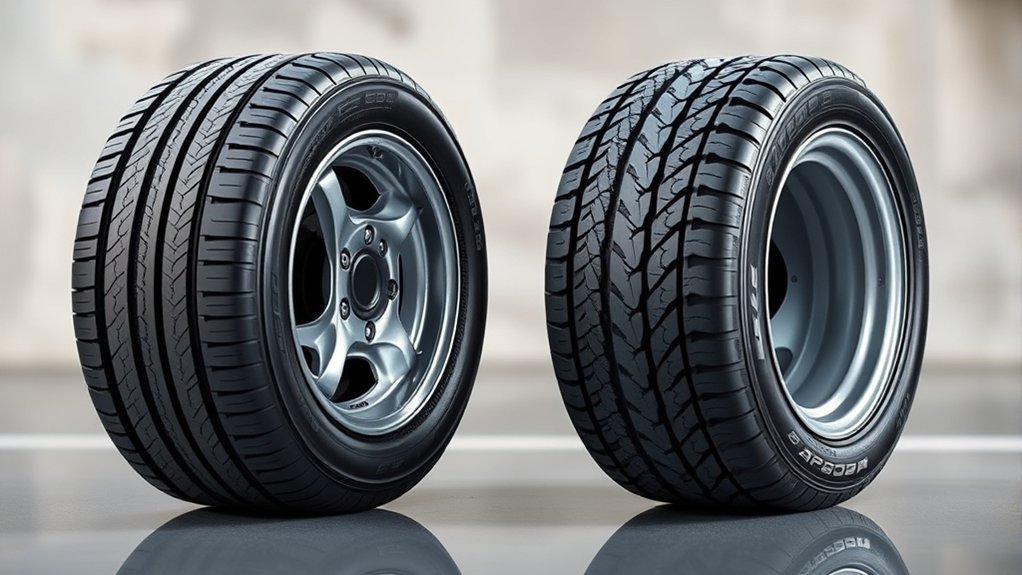
Choosing the right tire sidewall construction for a Honda Accord is mostly about matching the tire to the car, the wheel size, and your driving conditions. For most modern Accord owners, that means a properly sized radial tire with the correct load index, speed rating, and cold tire pressure—not a bias-ply tire.
Quick Answer
For a Honda Accord, radial tires are the right choice for normal road use because they match modern Accord tire specifications, ride more comfortably, manage heat better, and support stable highway handling. Bias-ply tires are mainly for specialty uses such as vintage vehicles, trailers, off-road equipment, or certain racing applications—not everyday Accord driving.
Key Takeaways
- Most modern Honda Accord tires are radial tires; the “R” in sizes such as 225/50R17 or 235/40R19 means radial construction.
- Match the tire size, load index, speed rating, and pressure shown on your driver-door tire label or owner’s manual.
- A taller sidewall usually rides more softly, while a shorter sidewall can feel sharper but may transmit more road impact.
- Do not mix radial and bias-ply tires on the same vehicle unless a tire professional and the vehicle manufacturer specifically approve it.
- Inspect sidewalls often for bulges, cuts, cracks, exposed cord, valve-stem damage, or uneven wear.
At a Glance
| Time Required | 10–15 minutes to inspect sidewalls and confirm tire codes |
| Difficulty | Easy |
| Tools Needed | Tire pressure gauge, flashlight, tread-depth gauge or penny, and your driver-door tire label |
| Cost | Usually $0–$15 if you already own or buy a basic pressure gauge |
Understanding Tire Sidewall Construction Types
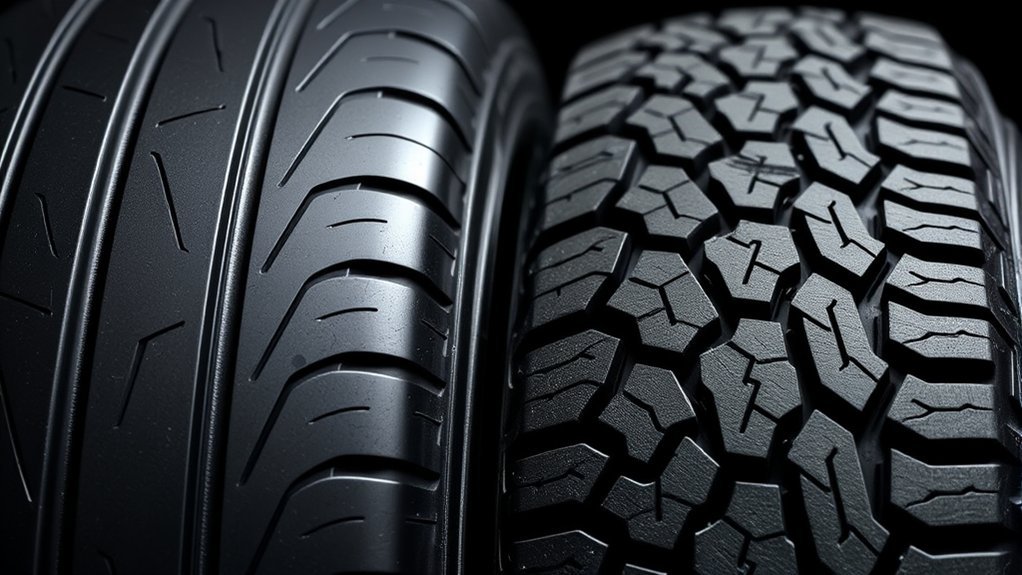
The tire sidewall is the rubber-covered area between the tread and the wheel rim. It protects the body plies, carries important markings, and helps shape how the tire feels over bumps, potholes, and lane changes.
According to the U.S. Tire Manufacturers Association, a tire includes several key parts: the bead secures the tire to the wheel, belts help stabilize the tread area, body plies provide structural strength, the innerliner holds air in tubeless tires, and the sidewall protects the body plies from scuffing, abrasion, and weathering.
For a Honda Accord, the most important sidewall construction choice is simple: use a radial passenger-car tire that matches the factory size, load index, and speed rating. Your tire’s sidewall also shows size, construction, load index, speed rating, DOT code, and safety ratings. The National Highway Traffic Safety Administration recommends checking the owner’s manual or the Tire and Loading Information Label on the driver-side door edge or post to confirm the correct tire size.
Note: Do not choose a tire by rim diameter alone. A tire must match the Accord’s required size, load index, speed rating, and pressure specification.
[Products Worth Considering]

A portable bicycle repair bag built for on-the-go maintenance, pairing a scalable mini tire pump with a multi-tool, crank and bone wrenches, tire levers, and self-adhesive glueless patches. The included patch set helps you quickly seal punctures using the integrated prep/rasp step, while the waterproof nylon bag keeps tools organized and easy to access. Ideal for road, mountain, and home bike emergencies, repairs, and routine adjustments.

The Big Rig Defense Tire Thumper is a truck tire pressure checker that lets you quickly check multiple tires by giving them a firm whack. Listen for a reassuring thump and feel the stick bounce when a tire is fully inflated, helping you get back on the road safely. It features a comfortable, glove-friendly handle and a secure wrist strap for confident use on busy routes.

This PXZBLG bike repair kit helps you tackle common tire and on-the-ride issues with a compact, ride-ready tool collection. It includes a mini tire pump supporting both Presta and Schrader valves, a 16-in-1 bike multitool, tire levers, glueless patches with a plastic box, plus 4mm and 5mm Allen wrenches. A convenient bike bag stores everything so you can mount it on your road bike or mountain bike for lightweight, portable preparedness.
Honda Accord Tire Size and Sidewall Code Explained
Modern Accord tire sizes use a code that tells you width, sidewall height, construction type, wheel diameter, load index, and speed rating. For example, Honda’s 2026 Accord specifications list these all-season tire sizes for current trims:
| Accord Trim | Factory All-Season Tire Size | What It Means |
| LX | 225/50R17 94V | 17-inch radial tire with a taller sidewall for more ride comfort |
| EX-L Hybrid | 225/50R17 94V | 17-inch radial tire with the same load and speed rating shown in Honda’s specifications |
| SE, Sport Hybrid, Sport-L Hybrid, Touring Hybrid | 235/40R19 96V | 19-inch radial tire with a shorter sidewall and a higher load index |
Here is how to read 225/50R17 94V:
- 225 means the tire is 225 millimeters wide.
- 50 is the aspect ratio, meaning the sidewall height is 50% of the tire width.
- R means radial construction.
- 17 means the tire fits a 17-inch wheel.
- 94 is the load index.
- V is the speed rating.
That sidewall code matters more than a generic “comfort” or “performance” label. A tire that does not match your Accord’s required size, load rating, or speed rating can affect handling, braking, ride quality, tire wear, and safety systems.
How Do Bias-Ply Tires Compare to Radial Tires for the Honda Accord?
Bias-ply and radial tires are built differently. In a radial tire, the carcass threads are arranged at right angles to the direction of travel, and belts sit under the tread. Michelin explains that radial construction helps separate the work of the sidewall from the tread area, improving comfort, grip, wear, and resistance to heat and damage.
Bias-ply tires use overlapping cords laid diagonally across the tire. That can create a strong, stiff casing for some low-speed, rough-terrain, trailer, agricultural, or vintage uses. But that does not make bias-ply tires the right match for a modern Honda Accord.
| Feature | Radial Tires | Bias-Ply Tires |
| Best Accord use | Daily driving, commuting, highway travel, all-season use | Generally not recommended for a modern Accord |
| Ride comfort | Usually smoother because the sidewall can flex more independently | Can feel harsher or less precise on modern paved-road vehicles |
| Heat management | Generally better for highway speeds | Can build heat more quickly in sustained highway use |
| Handling | More stable tread contact and better steering response for passenger cars | Less suitable for modern Accord suspension and safety systems |
| Common specialty use | Modern passenger cars, SUVs, light trucks, performance tires | Vintage cars, certain trailers, farm equipment, off-road specialty tires |
Warning: Do not mix radial and bias-ply tires on the same Honda Accord. Mixing construction types can make handling unpredictable, especially during braking, cornering, and emergency maneuvers.
Advantages of Radial Tires for Enhanced Performance
Radial tires are the practical choice for a Honda Accord because they fit the way the car is engineered. They help balance steering response, ride comfort, braking, wet-road grip, tread life, and highway heat control.
Improved Traction Control
Radial construction helps keep the tread more stable against the road while the sidewall flexes. That is important for an Accord because traction control, ABS, stability control, and tire pressure monitoring all work best when the tires are correctly sized and evenly maintained.
Tread pattern and compound still matter. A high-quality all-season radial, touring radial, or performance radial can behave very differently from another tire in the same size. For wet traction, look beyond construction type and compare tire category, tread design, UTQG traction grade, and reputable test data.
Enhanced Ride Comfort
Sidewall height has a major effect on comfort. A 17-inch Accord tire with a 50-series sidewall usually absorbs bumps more softly than a 19-inch tire with a 40-series sidewall. The 19-inch tire can feel more responsive, but it may also feel firmer on broken pavement.
- More sidewall height: often better cushioning over potholes and rough streets.
- Less sidewall height: often sharper steering feel but less impact absorption.
- Touring tire design: usually favors quietness and comfort.
- Performance tire design: usually favors grip and response, sometimes with more road noise or faster wear.
Pro Tip: If comfort is your priority, compare tires within your exact factory size before changing wheel size. A quieter touring tire in the correct size is often a better upgrade than changing to a larger wheel with a shorter sidewall.
Essential Differences Between Bias-Ply and Radial Tires for Honda Accord Owners
The main difference is how the tire’s internal cords are arranged. That hidden structure changes how the sidewall flexes, how the tread stays planted, and how heat builds up at speed.
Construction Differences Explained
In radial tires, the body cords run across the tire from bead to bead, and belts reinforce the tread area. This lets the sidewall flex while the tread stays more stable. In bias-ply tires, angled layers cross over each other, creating a stiffer, more unified casing.
- Radial tires: best match for modern Accord road use.
- Bias-ply tires: useful in some specialty conditions, but not the standard choice for current passenger cars.
- Steel belts: help stabilize the tread area in many radial tires.
- Body plies: provide structure and help contain inflation pressure.
Performance Characteristics Compared
For Accord owners, the real-world question is not “which construction sounds tougher?” It is “which tire matches the car?” A modern Accord is designed around radial tires, so your safest buying path is to choose the correct radial size and compare tire category, wet traction, ride comfort, noise, warranty, and expected tread life.
| Driving Priority | Best Tire Direction | What to Check on the Sidewall |
| Daily commuting | Touring or grand-touring radial | Correct size, load index, speed rating, DOT date code |
| Rainy climate | All-season or rain-focused radial with strong wet traction | UTQG traction grade, tread pattern, tire category |
| Comfort and quietness | Comfort-oriented radial in factory size | Aspect ratio, load rating, noise-focused tire design |
| Sportier steering feel | Performance all-season radial | Factory-approved size, speed rating, treadwear expectations |
Performance Implications of Tire Construction Types
Tire construction affects steering, braking, heat buildup, rolling resistance, and ride feel. For a Honda Accord, radial construction supports the best balance for daily road use, but construction is only one part of performance.
- Construction: radial tires are the correct baseline for modern Accord use.
- Sidewall height: taller sidewalls usually cushion impacts better; shorter sidewalls usually feel firmer and more direct.
- Tread compound: affects wet grip, snow grip, road noise, and tread life.
- Load index: must meet or exceed the vehicle’s requirement.
- Speed rating: should match the manufacturer’s specification unless a qualified tire professional approves an alternative.
The aspect ratio is especially important for comfort and handling. A 225/50R17 tire has a taller sidewall than a 235/40R19 tire, so it will usually feel more forgiving on rough roads. A 235/40R19 tire often looks sportier and can feel more responsive, but it gives the tire less sidewall height to absorb impacts.
NHTSA reports that 511 people died in tire-related crashes in 2024, which is a reminder that tire construction, pressure, tread condition, and sidewall health are safety issues—not just comfort preferences.
How Tire Construction Affects Comfort
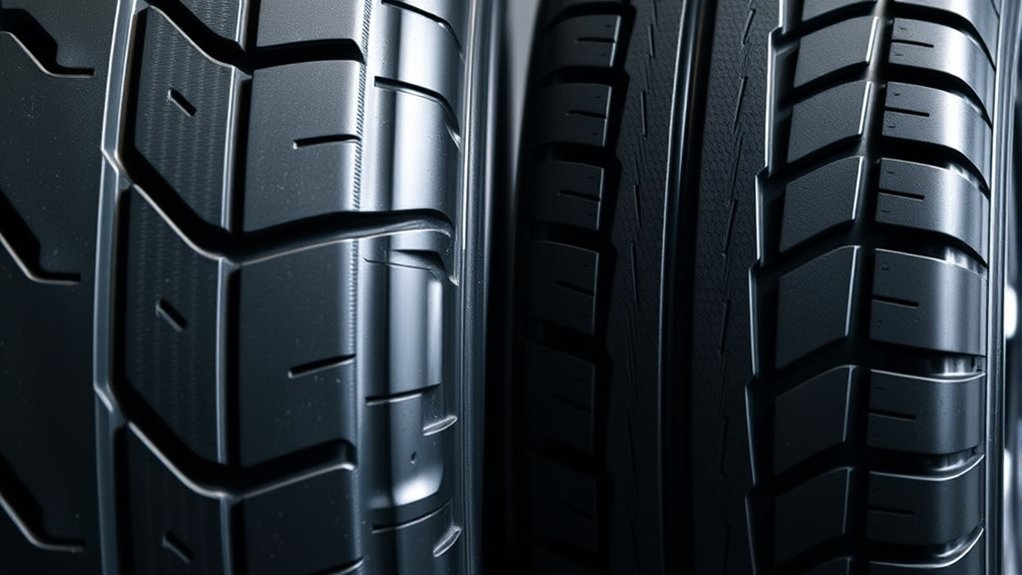
Tire comfort comes from several factors working together: sidewall height, casing stiffness, tread compound, tire pressure, wheel size, and suspension tuning. Radial construction helps because the sidewall can flex while the tread stays supported.
That does not mean every radial tire feels soft. A performance radial with a stiff sidewall can feel firmer than a comfort-focused touring radial in the same size. Likewise, a tire with too much pressure can ride harshly, while an underinflated tire can overheat, wear unevenly, and reduce fuel economy.
Honda advises Accord owners to use the pressure shown on the driver’s doorjamb label or specifications page. It also recommends checking tire pressure at least once a month or before long trips, because even tires in good condition can lose air over time.
[Products Worth Considering]

Protect your inner tube with this universal bike tire liner designed to block thorns, glass, nails, and sharp trail debris. It installs easily by measuring and trimming to fit, creating a durable barrier between tire and tube. Lightweight polyurethane construction helps reduce sudden flats for more confident rides.

These waterproof RGB LED bike spoke lights deliver bright, eye-catching visibility for safer night rides. With 14 LEDs and up to 30 pattern options, the light effects change every few seconds and create striking wheel designs. Motion-sensor automatic mode and a manual switch offer flexible control, while IP66 water resistance supports riding in wet conditions.

Black Magic Tire Wet delivers a deep wet-look shine that makes tires appear dark, rich, and freshly detailed. Its long-lasting formula helps resist rain, dust, and road grime for weeks of glossy protection, not days. Apply by spraying onto clean, dry tires—no buffing or wiping required—with a low-sling design to reduce splatter on paint and wheels.
What Safety Features Should You Look for in Tire Sidewalls?
A tire sidewall is a safety label and a damage checkpoint. When comparing tires for a Honda Accord, look for the correct size, load index, speed rating, DOT code, and condition. Also inspect the physical sidewall for signs of damage.
Key Safety Features
- Correct load index: never choose a tire with a lower load rating than the vehicle requires.
- Correct speed rating: match the factory rating unless a qualified tire professional approves a change.
- DOT date code: helps identify tire age.
- UTQG ratings: compare treadwear, traction, and temperature resistance on passenger-car tires.
- Rim protection: a raised bead or rim protector can help reduce cosmetic wheel damage from light curb contact.
- Run-flat construction: useful only if the tire, wheel, and vehicle setup support it. Run-flat tires can also cost more and ride firmer than standard tires.
Sidewall Durability Ratings
Do not judge sidewall durability by thickness alone. A tire’s strength depends on its internal construction, casing materials, belt design, bead design, load rating, and intended category. The best Accord tire is not necessarily the thickest sidewall—it is the tire that matches the vehicle and your driving environment.
If you drive on rough city streets, look for a tire with strong impact resistance, good reviews for pothole durability, and the correct factory size. If your Accord has 19-inch wheels and you often hit potholes, be extra careful with pressure and sidewall inspections because shorter sidewalls give less cushion.
Impact Resistance Technology
Impact resistance can come from reinforced casing design, bead protection, rim protectors, sidewall compounds, and tread-belt design. These features vary by tire model, so compare actual tire specifications rather than assuming all tires with the same size perform the same.
Warning: If you own a 2023–2026 Accord Hybrid, check your VIN for NHTSA campaign 26V366 before using the original tire repair kit. NHTSA says pressure may build inside the sealant bottle and cause the cap to detach, increasing injury risk. Honda dealers are directed to replace the affected nozzle or sealant bottle free of charge.
How to Choose the Best Tire Sidewall for Your Driving Style
Start with the factory tire size and sidewall code. Then choose the tire category that fits your driving style.
- Check the driver-door tire label. Confirm tire size and recommended cold pressure.
- Match the sidewall code. Use the correct width, aspect ratio, radial construction, wheel diameter, load index, and speed rating.
- Choose a tire category. Touring tires favor quiet comfort; performance all-season tires favor sharper response; winter tires favor cold-weather grip.
- Compare wet traction. Wet-road stopping is one of the most important safety differences between tires.
- Inspect sidewall features. Consider rim protection, sidewall stiffness, and manufacturer durability notes.
- Avoid mismatched sets. Keep the same tire type, size, and construction on all four wheels unless the vehicle manufacturer specifies otherwise.
For a daily commuter, a quality touring radial tire is usually the best balance of comfort, safety, tread life, and fuel economy. For a driver who wants sharper handling, a performance all-season radial may be better. For winter driving, use a dedicated winter radial tire in the correct Accord size.
Common Myths About Tire Sidewall Construction Explained
Sidewall construction can be confusing because many tire myths sound reasonable at first. Here are the ones Accord owners should ignore.
- Myth: Bias-ply tires are tougher, so they are safer. Not for a modern Honda Accord. A properly sized radial tire is the correct match for normal road use.
- Myth: A stiffer sidewall is always better. Stiffer sidewalls can improve steering response, but they may reduce comfort and impact absorption.
- Myth: A taller sidewall means poor handling. Taller sidewalls can still handle well when the tire is designed properly and kept at the correct pressure.
- Myth: The “R” in tire size means rim. It means radial construction. The wheel diameter comes after the R, such as 17 or 19.
- Myth: Run-flat tires are automatically best. Run-flat tires can help after certain punctures, but only when used within tiremaker limits. They may cost more and ride more firmly.
Tips for Maintaining Your Tires Based on Their Construction Type
Since your Honda Accord should normally run radial tires, maintenance should focus on pressure, rotation, inspection, alignment, and replacement timing.
- Check pressure monthly. Use a gauge when tires are cold and follow the driver-door label.
- Inspect sidewalls every pressure check. Look for bulges, cuts, splits, cracks, exposed cord, and valve-stem damage.
- Rotate tires on schedule. Rotation helps even out wear between front and rear tires.
- Watch for vibration. Consistent vibration can point to balance, tire damage, or wheel issues.
- Fix uneven wear early. Uneven tread wear may indicate alignment, suspension, or inflation problems.
- Replace damaged tires promptly. A bulge, exposed cord, or deep sidewall cut is not safe to ignore.
Proper tire inflation can also support improved fuel efficiency, better handling, and longer tire life. Underinflated tires can wear unevenly, hurt fuel economy, and fail from overheating. Overinflated tires can ride harshly and wear unevenly.
Frequently Asked Questions
What billionaire drove a Honda Accord?
Jeff Bezos is the best-known billionaire linked to a Honda Accord. In a 1999 60 Minutes interview later reported by CNBC, Bezos was asked why he drove a Honda and replied that it was a perfectly good car. Warren Buffett is often cited for frugal driving habits, but he is more strongly associated with Cadillac vehicles, not a Honda Accord.
What are the different Honda Accord trim levels?
For the 2026 Honda Accord Sedan, Honda lists LX, SE, Sport Hybrid, EX-L Hybrid, Sport-L Hybrid, and Touring Hybrid trims. Tire sizes vary by trim, so always confirm your exact tire size on the driver-door label or Honda specifications before buying replacements.
Are radial tires better than bias-ply tires for a Honda Accord?
Yes. For normal Honda Accord driving, radial tires are the correct choice. Modern Accord tire sizes include the letter “R,” which means radial construction. Bias-ply tires are mainly useful for specialty applications such as vintage vehicles, trailers, farm equipment, or certain off-road and racing setups.
Can I replace 17-inch Accord tires with 19-inch tires?
Only if the wheel size, tire size, load rating, speed rating, clearance, and vehicle setup are correct. A 19-inch setup usually has a shorter sidewall, which can feel sportier but firmer. Before changing wheel size, check Honda specifications and consult a qualified tire professional.
What sidewall damage means I need a new tire?
Replace the tire if you see a sidewall bulge, exposed cord or fabric, deep cuts, severe cracking, or a split in the sidewall. Also have the tire inspected if it loses pressure repeatedly, vibrates consistently, or has damage near the valve stem.
Conclusion
For a Honda Accord, radial tires are the clear choice for everyday driving. The real decision is not radial versus bias-ply; it is choosing the correct radial tire for your exact Accord trim, wheel size, driving style, and climate.
Before buying, read the sidewall code, check the driver-door tire label, match the load index and speed rating, and inspect your tires regularly. A good tire sidewall choice improves comfort, handling, tread life, and safety—and it helps your Accord feel the way Honda designed it to feel.
Sources
- NHTSA TireWise — tire safety ratings, tire label guidance, maintenance, and tire-related crash safety data
- Honda 2026 Accord Sedan Specifications — current Accord trims, wheels, tire sizes, TPMS, and chassis specifications
- Honda Accord Checking Tires Guidance — tire pressure, inspection intervals, and sidewall damage checks
- Michelin Radial Tire Technology — radial tire construction and benefits
- U.S. Tire Manufacturers Association Tires 101 — tire anatomy, sidewall role, modern tire construction, and run-flat overview
- NHTSA Campaign 26V366 — 2023–2026 Honda Accord Hybrid tire repair kit recall information
[Products Worth Considering]
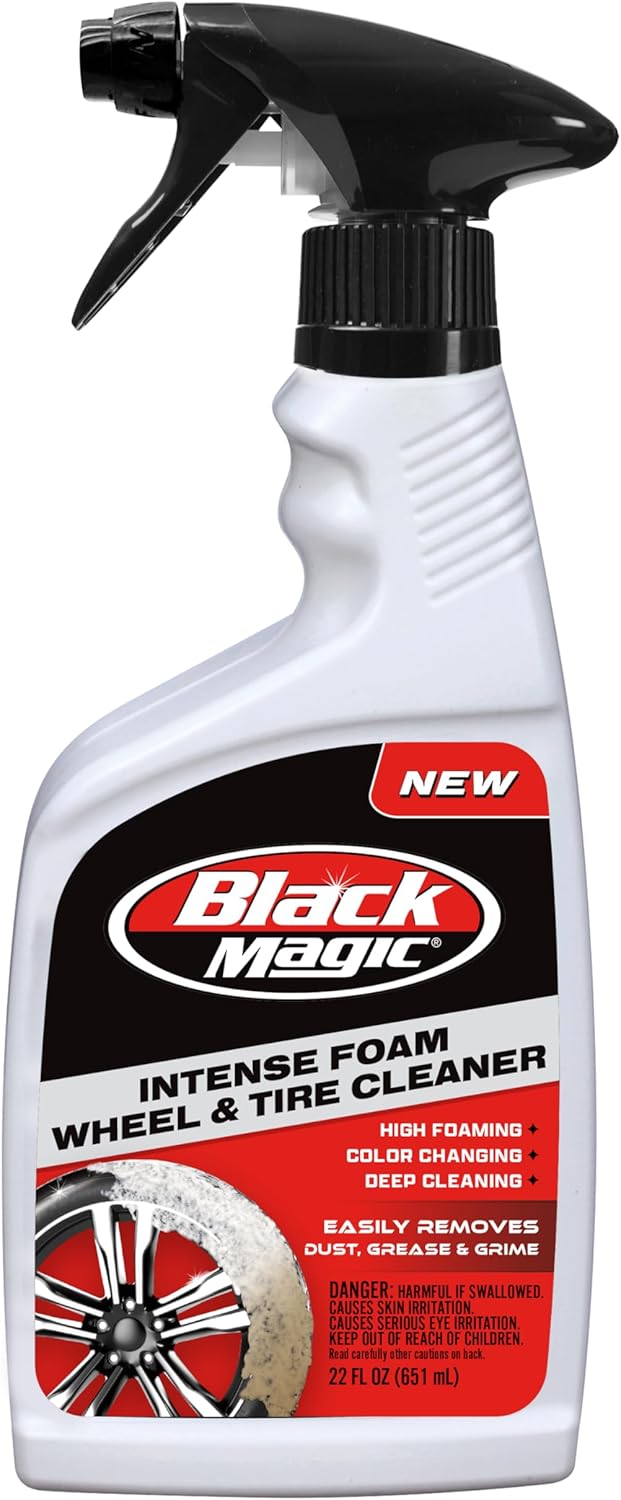
Black Magic Intense Foam Wheel & Tire Cleaner uses a high-foaming action to lift away dirt, grime, and brake dust without scrubbing. The color-changing formula helps show contaminants being dissolved as foam turns from white to brown. Safe for all wheel types and even wheel wells, it leaves a like-new, slick finish with a fresh cherry scent.

Black Magic Tire Wet delivers a wet, black, glossy finish with just one quick spray. Its weather and rinse-resistant formula helps maintain shine for weeks, not days, and dries quickly to reduce sling. A self-healing formula fills small scuffs to defend the look, leaving no white, powdery residue.

Ride with added confidence using Blackburn inner tubes featuring anti-puncture technology and a 20% thicker tube to help prevent flats. Each set includes two tire levers to make removal and installation easier. Designed for compatible mountain and cruiser bikes with Presta valves.

Related Articles
How Tall Is a 305 70 R17 Tire? Exact Height, Width & Dimensions
Curious how tall a 305 70 R17 tire really is—and whether it fits your truck?
Read More
Can-Am Defender Tire Size Guide: Stock Specs & Upgrade Options
Just how big can you go on a Can-Am Defender before mods become necessary?
Read More
How Tall Is a 275 65 20 Tire? Exact Height, Width & Dimensions
Check the exact height, width, and hidden fitment effects of a 275/65R20 tire before you buy or upgrade.
Read More