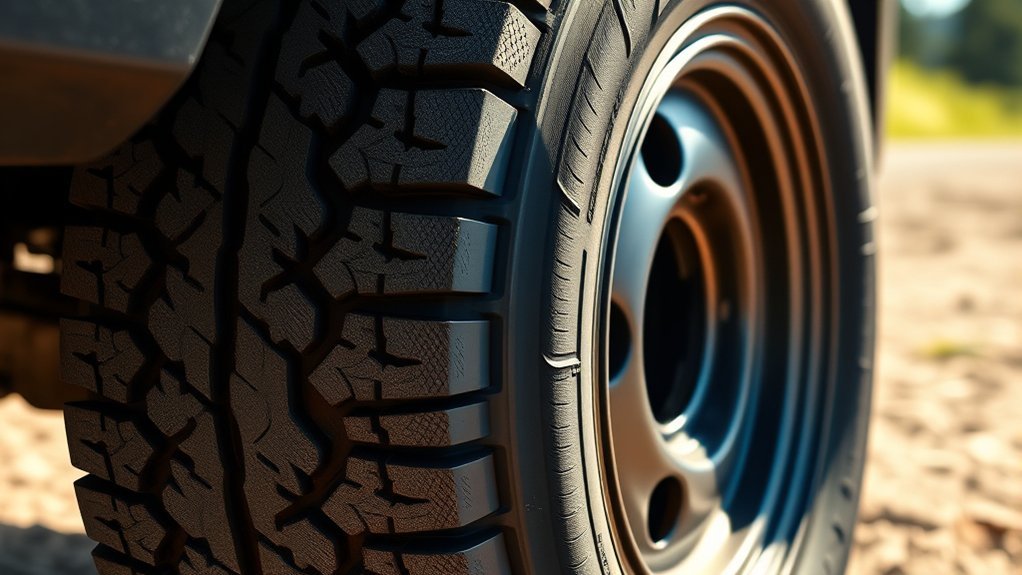
Run-flat tires can be a useful upgrade for some Toyota Hilux owners, but they are not a one-size-fits-all solution. They are designed to help you keep control and continue driving for a limited distance after air loss, giving you time to reach a safer place or a tire shop. Before fitting them, check your Hilux’s tire size, load rating, speed rating, wheels, TPMS, and how you use the truck.
Quick Answer
Run-flat tires can work on a Hilux only if the size, load index, speed rating, rim type, and TPMS setup match your vehicle. They can help after a puncture, but they are not puncture-proof and should still be inspected or replaced promptly after pressure loss.
Key Takeaways
- Run-flat tires use reinforced sidewalls to support the vehicle temporarily after air loss.
- Most run-flat limits are short-distance emergency limits, not permission to keep driving normally.
- A working Tire Pressure Monitoring System (TPMS) is important because a run-flat tire can feel normal even when pressure is low.
- Hilux owners who tow, carry heavy loads, or travel off-road should confirm load ratings and consider whether a full-size spare is still the safer choice.
At a Glance
| Time Required | 15–30 minutes to check fitment details; professional installation time varies by shop |
| Difficulty | Moderate research; installation should be done by a qualified tire technician |
| Tools Needed | Owner’s manual, tire placard, tire pressure gauge, TPMS check, and professional mounting/balancing equipment |
| Cost | Usually higher than standard tires; final price depends on brand, size, load rating, and local availability |
Key Features of Run-Flat Tire Technology
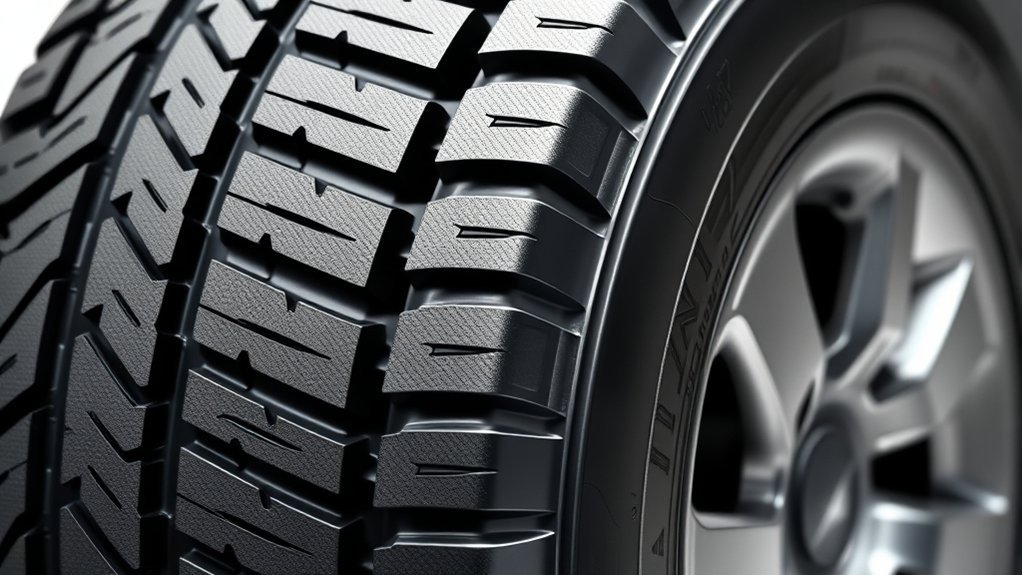
Run-flat tire technology is built around temporary mobility after air pressure loss. Instead of collapsing immediately like a standard tire, many run-flat designs use reinforced sidewalls that help carry the vehicle’s weight for a limited distance.
For example, Bridgestone DriveGuard run-flat tires are described as capable of traveling up to 50 miles at up to 50 mph after a puncture, while Continental SSR run-flat tires state a limit of 80 km at a maximum of 80 km/h. Always follow the limit printed in the tire maker’s guidance for your exact tire.
Warning: A run-flat tire is not a normal tire after pressure loss. Slow down, avoid hard braking or sharp steering, reduce load if possible, and go directly to a safe inspection point or tire shop.
Are Run-Flat Tires Standard on the Toyota Hilux?
Do not assume your Hilux has run-flat tires unless the sidewall markings or Toyota documentation for your exact market and trim confirm it. Current Toyota Hilux specifications commonly list wheel and tire sizes, and some grades include TPMS, but that does not automatically mean the tires are run-flat.
The safest approach is simple: check the tire sidewall, tire placard, owner’s manual, and dealer information before buying replacements. Look for run-flat markings such as RFT, ROF, ZP, EMT, or SSR. Markings vary by manufacturer, and some all-terrain or light-truck tires may not be available in a run-flat version that matches Hilux load needs.
How Reinforced Sidewalls Enhance Performance
Reinforced sidewalls are the main reason a run-flat tire can keep its shape after a pressure drop. They help support the vehicle long enough to reach a safer location, but they also change how the tire rides, handles, and absorbs impacts.
Improved Load Bearing Capacity
Run-flat tires are designed to support vehicle weight temporarily when air pressure is lost. That is useful on a work truck because sudden air loss can be harder to manage when the vehicle is loaded.
However, this does not mean every run-flat tire is suitable for a Hilux. You still need the correct load index, speed rating, and tire construction for your model. If you tow, carry tools, use a canopy, or drive with heavy payloads, confirm the loaded axle requirements before fitting any tire.
Enhanced Puncture Resistance
Run-flat tires are often described as tougher, but it is better to be precise: their reinforced sidewalls help after air loss; they do not make the tread puncture-proof. Nails, screws, rocks, and sharp debris can still damage the tread or sidewall.
On rough tracks, a sidewall cut can still end the trip. For remote touring, mining roads, farm work, or heavy off-road use, a strong light-truck all-terrain tire and a full-size spare may be more practical than a run-flat tire with limited off-road availability.
Run-flat tires buy you time after pressure loss. They do not remove the need for good tire pressure checks, careful driving, and a proper inspection after damage.
How Tire Pressure Monitoring Systems (TPMS) Enhance Safety
A Tire Pressure Monitoring System is especially important with run-flat tires because the vehicle may still feel stable even when a tire has lost pressure. The U.S. Federal TPMS standard explains that TPMS is designed to warn drivers about significant under-inflation and related safety problems.
- TPMS can warn you before a low-pressure tire overheats or suffers hidden damage.
- It helps you know when to slow down and head for inspection.
- It is not a replacement for manual pressure checks with a gauge.
Note: If your Hilux has TPMS, confirm that replacement run-flat tires and wheels remain compatible with the sensors. If your Hilux does not have TPMS, ask a tire professional whether adding run-flat tires is appropriate.
Advantages of Run-Flat Tires for Off-Road Driving
Run-flat tires can help in mild off-road situations where a puncture happens near town, a job site, or a maintained trail. The main advantage is not having to stop immediately in an unsafe place to change a tire.
Potential advantages include:
- More control after sudden air loss.
- Less need to change a tire on a narrow shoulder or uneven roadside.
- Extra time to reach a safer location for repair or replacement.
- Possible space savings if the vehicle is set up without a spare, although this is not ideal for remote Hilux use.
For serious off-road driving, the picture is more mixed. Run-flat tires can ride firmer, may be harder to source in Hilux-compatible light-truck sizes, and may not handle repeated sharp-rock impacts as well as a purpose-built all-terrain or mud-terrain tire.
Run-Flat vs. All-Terrain Tires for a Hilux
| Best For | Run-Flat Tires | All-Terrain / LT Tires |
| Road safety after puncture | Strong advantage for short-distance emergency mobility | Usually requires stopping and changing or repairing the tire |
| Remote touring | Limited by distance, heat, and replacement availability | Often better choice when paired with a full-size spare |
| Ride comfort | Can feel firmer because of reinforced sidewalls | Varies by tread and load rating |
| Heavy loads and towing | Only suitable if load rating matches the Hilux’s needs | Many LT-rated options are built for payload and towing use |
[Products Worth Considering]
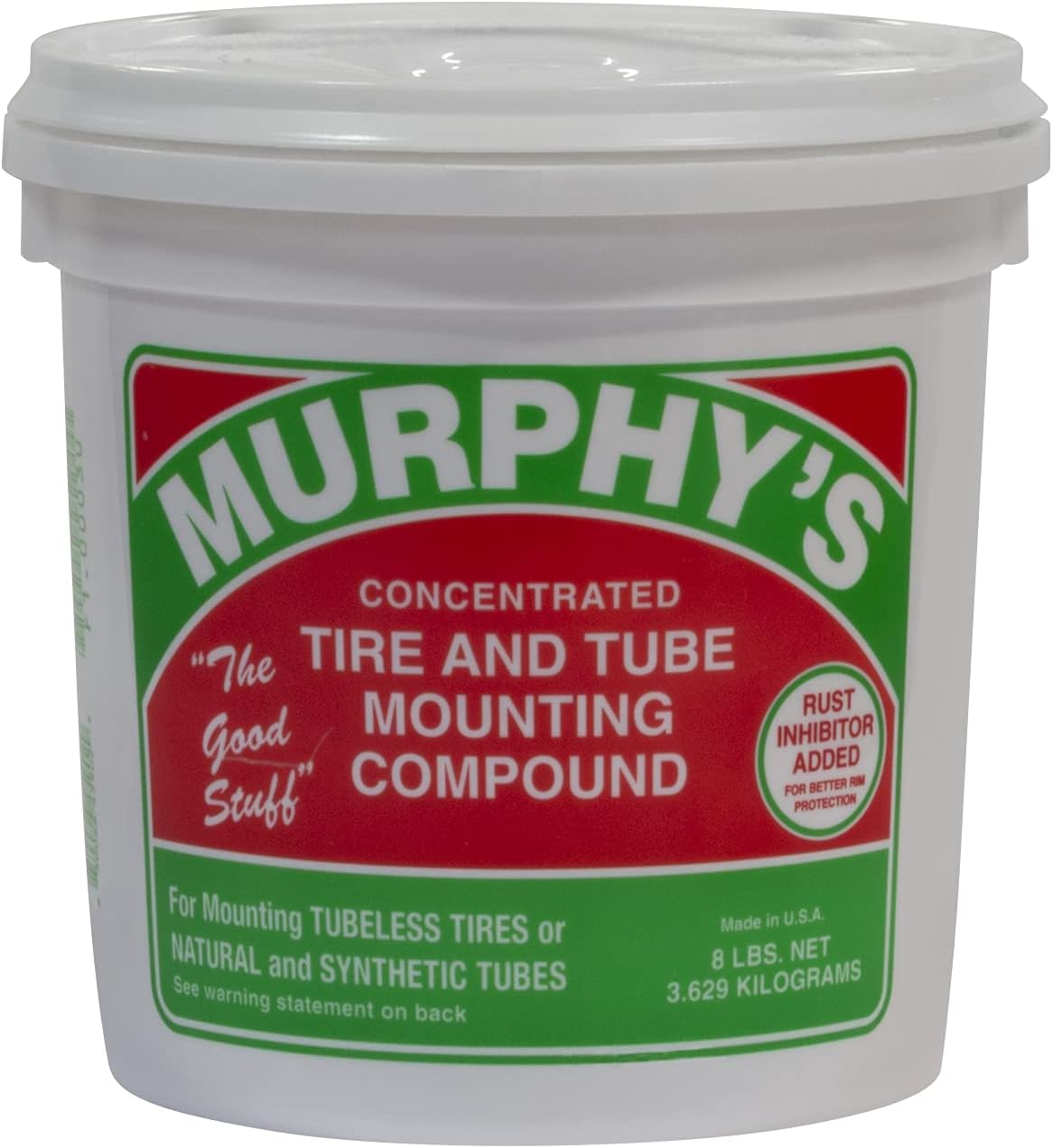
A concentrated tire and tube mounting compound designed to help simplify mounting rubber tires and tubes on passenger, semi truck, construction, and OTR applications. Its ultra-thick formula packs beads effectively and includes rust inhibitors to help protect against corrosion during use.
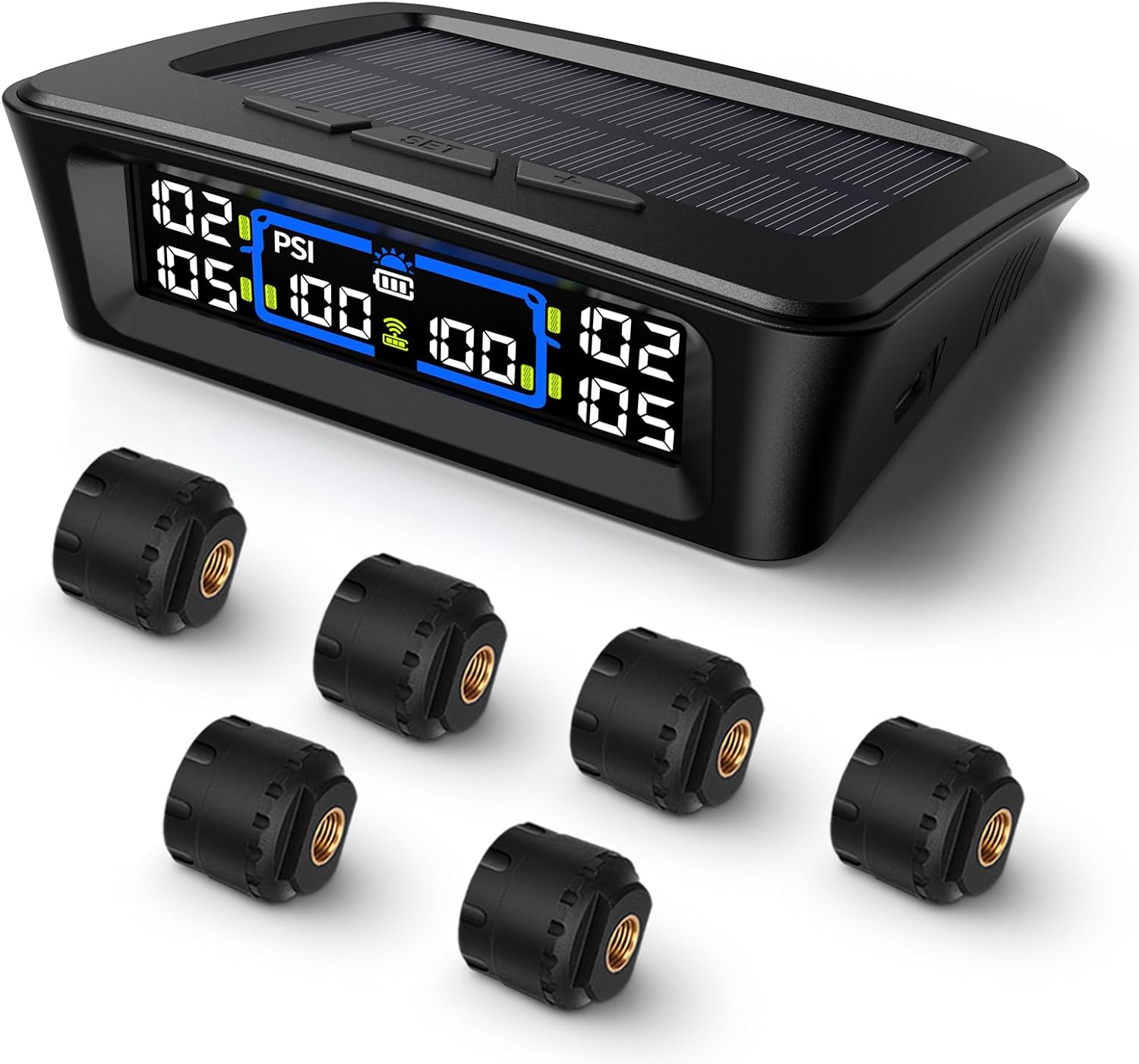
The Tymate TM12 RV TPMS delivers real-time tire pressure and temperature monitoring with a stable 433Hz display for safer long-distance driving. It supports simultaneous monitoring across vehicle and trailer zones, includes six alarm modes for pressure, temperature, leakage, battery, and signal loss, and features easy DIY installation with auto calibration. Power is supplied via USB-C charging or solar recharging, with a wide 0–144 PSI range and up to 50 ft signal coverage for RVs and towable trailers.

Replace worn or malfunctioning GM TPMS sensors with this 433MHz pre-programmed sensor set designed for compatibility with many Chevrolet, Buick, GMC, and Cadillac models. It includes guidance for proper OBDII relearning/pairing after installation and supports reliable long-term operation with a high-performance CR2032 battery. Quality tested for durability and performance to help restore accurate tire pressure monitoring.
Maintenance Tips for Longevity and Safety
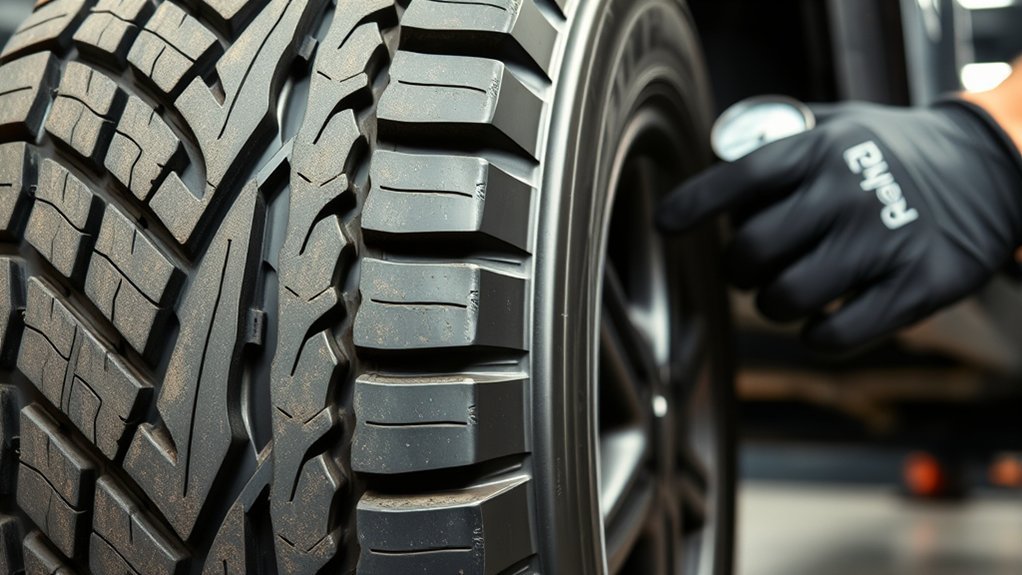
Good maintenance matters even more with run-flat tires because hidden damage can occur after driving underinflated. Use the tire placard and owner’s manual for the correct cold pressure, and check pressure before long trips, towing, or carrying heavy loads.
Tire Pressure Monitoring System
Keep your TPMS working correctly. If the warning light comes on, do not ignore it just because the Hilux still feels stable. Stop when safe, check the tire, and follow the tire maker’s speed and distance limits.
- Check pressure with a reliable gauge, not only the dashboard warning.
- Replace damaged or aging TPMS sensors when needed.
- Relearn or recalibrate the TPMS after wheel or tire changes if your system requires it.
Regular Inspections and Rotations
Inspect tread depth, shoulder wear, sidewall cuts, cracking, bulges, and embedded objects at least monthly. Rotate the tires at the interval recommended by your tire maker or vehicle manual, especially if your Hilux carries uneven loads.
After any puncture or TPMS warning, have the tire removed from the wheel and inspected internally. The U.S. Tire Manufacturers Association explains that a proper puncture repair requires removing the tire for inspection and using both a plug/stem and a patch; a plug alone is not an acceptable repair.
Correct Load and Speed Ratings
Load rating is critical on a Hilux. The tire must be able to handle the vehicle, passengers, accessories, payload, and tow-ball download where applicable. Match the load index and speed rating to your vehicle’s placard and Toyota guidance for your exact model.
- Do not fit a lower load rating than specified for your Hilux.
- Check whether the tire is passenger-rated or light-truck-rated.
- For towing or work use, ask the tire shop to confirm axle load suitability.
Installing Run-Flat Tires on Your Hilux
Before installing run-flat tires, confirm that your chosen tire is available in the correct Hilux size and rating. Common Hilux sizes vary by market and trim, so use your tire placard, current sidewall, and Toyota documentation instead of guessing.
Use this checklist before buying:
- Size: Matches the Hilux placard or an approved alternate size.
- Load index: Meets or exceeds the original requirement.
- Speed rating: Meets the vehicle and tire maker’s requirements.
- Wheel compatibility: Suitable for your rim size and type.
- TPMS: Sensors remain installed, working, and correctly calibrated.
- Use case: Suitable for towing, payload, road conditions, and off-road plans.
- Spare strategy: Decide whether you still need a full-size spare for remote driving.
Pro Tip: If your Hilux is used for remote touring, keep a full-size spare even if you fit run-flat tires. A run-flat can help you leave danger, but it may not get you out of the backcountry.
[Products Worth Considering]

Replace worn or missing TPMS sensors with a pre-programmed 4-pack designed for compatible GM vehicles. These 315MHz sensors provide real-time tire pressure monitoring and alert you if pressure is too high, too low, or if a rapid air leak occurs. Most installations are ready with minimal relearn effort after mounting, helping improve safety and driving confidence.

Monitor tire tread wear with a smart, color-coded depth gauge that shows clear condition ranges at a glance. The bar is range marked for fast, easy readings, helping you maintain safer traction and performance. Each gauge is portable with a pocket clip, and the set includes 20 units for daily use and sharing.
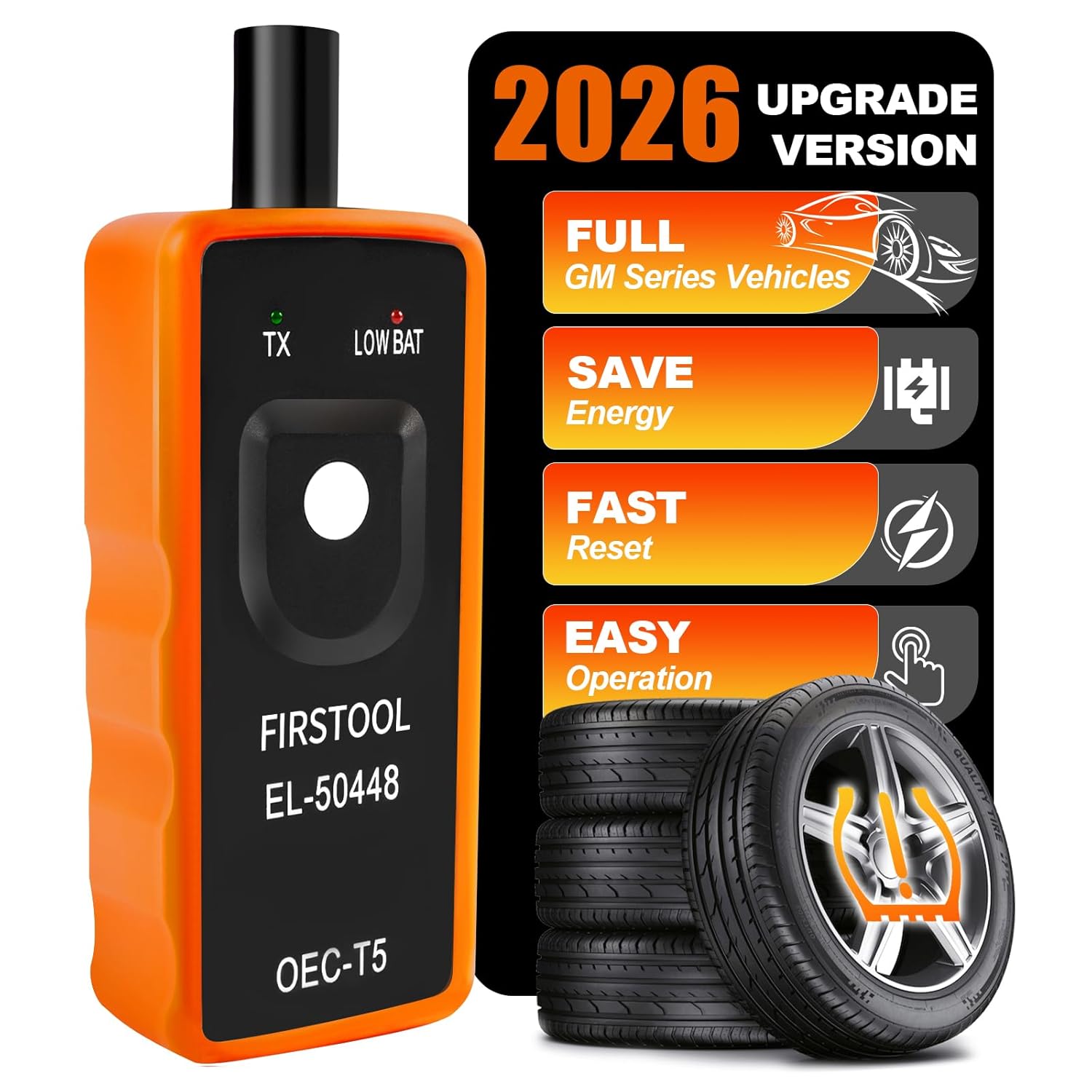
This TPMS relearn tool helps you quickly activate, match, and reset GM tire pressure sensors to keep the vehicle monitoring system working properly. It clears tire pressure alarms and dashboard warning lights after sensor replacement or tire rotation, and supports learning for common 315/433 MHz TPMS sensors. Designed for simple one-button operation, it can help you avoid unnecessary trips to repair shops.
What to Do After a Puncture or TPMS Warning
- Slow down smoothly. Avoid sudden braking, sharp steering, or high-speed cornering.
- Find a safe place. Move away from traffic, soft shoulders, or unstable ground if possible.
- Check the tire. Look for sidewall damage, tread punctures, heat, smoke, or visible deformation.
- Follow the tire maker’s limit. Do not exceed the stated speed or distance for your exact run-flat tire.
- Get professional inspection. A tire that was driven underinflated may have hidden internal damage.
- Replace when required. If the sidewall is damaged, the puncture is outside the repairable tread area, or the tire was driven too far while flat, replacement is usually the safer option.
[Products Worth Considering]

The TYAMATE TM8 solar-powered wireless TPMS delivers real-time tire pressure and temperature monitoring with six alarm modes for safer driving. A vibrant color LCD display shows readings clearly while windshield mounting keeps it hands-free and easy to read. With a wide 0–87 PSI range, strong 433.92 MHz signal transmission, and quick sensor pairing, it’s ideal for RV, sedan, SUV, MPV, and truck use.

Steelman white tire marking crayons provide high-contrast, semi-permanent marks for repairing and inspecting tires and equipment. They write on wet or dry, smooth or coarse surfaces including rubber, metal, glass, and wood, making them ideal for puncture location and damage outlining. The lead- and zinc-free crayons resist weather and fading yet wipe away when you no longer need the marks.
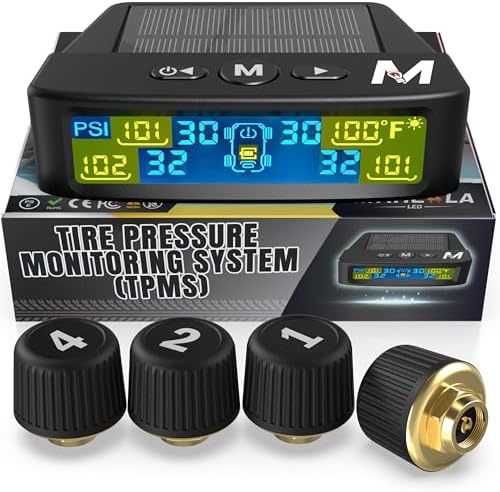
Marcala’s TPMS set of four sensors helps you monitor tire pressure and temperature in real time while driving, with updates every second. The bright color LCD uses auto-dimming for easy viewing, powered by dual solar and USB charging, and offers six alarm modes. Built for trailers, RVs, campers, trucks, and towing setups, the sensors support monitoring 1-4 wheels up to 98 PSI with IP67 waterproof protection.
Frequently Asked Questions
Can run-flat tires be repaired after a puncture?
Sometimes, but only after a qualified technician removes the tire from the wheel and inspects it internally. Repair also depends on the tire maker’s policy, puncture size, puncture location, and whether the tire was driven while underinflated. Sidewall damage is not considered a normal repair.
How much do run-flat tires typically cost?
Run-flat tires usually cost more than comparable standard tires because of their reinforced construction and lower production volume. Prices vary widely by brand, size, load rating, and market, so compare quotes from tire shops using your Hilux’s exact tire size and load index.
Are run-flat tires heavier than regular tires?
They can be heavier because of reinforced sidewalls and added structural material. The exact difference depends on size and model. Extra weight and stiffer sidewalls can affect ride comfort, steering feel, and fuel use.
What is the lifespan of run-flat tires?
Their lifespan depends on tread compound, alignment, pressure maintenance, load, road surface, driving style, and rotation habits. Treat them like any other tire: inspect regularly, keep them properly inflated, rotate on schedule, and replace them when tread depth, age, or damage makes them unsafe.
Can run-flat tires be used in winter conditions?
Yes, if you buy a winter-rated run-flat tire in the correct Hilux size and load rating. A standard all-season run-flat is not the same as a dedicated winter tire. For snow and ice, tread design and rubber compound matter more than run-flat construction.
Should I remove the spare tire if I fit run-flat tires on my Hilux?
For city driving, some owners may rely more on run-flat capability. For remote travel, towing, job sites, or off-road trips, keeping a full-size spare is usually the safer plan because run-flat driving distance is limited and replacement tires may not be nearby.
Conclusion
Run-flat tires can add a useful safety margin to a Toyota Hilux, especially when a puncture happens on the road and you need enough control to reach a safer place. The key is choosing the right tire for your exact vehicle and not treating run-flat technology as a cure-all.
Check the tire size, load rating, speed rating, TPMS setup, and your real driving needs before fitting them. If your Hilux works hard, tows often, or travels off-road, run-flats may still need to be paired with a full-size spare and a practical recovery plan.
Sources
- Bridgestone DriveGuard Run-Flat Tires — supports the 50-mile and 50-mph example for some run-flat tires.
- Continental Runflat Tires — supports the 80 km and 80 km/h limit and TPMS requirement guidance.
- Michelin Run-Flat Tires Guide — explains reinforced sidewalls and temporary mobility after air-pressure loss.
- 49 CFR 571.138 TPMS Standard — explains the safety purpose of tire pressure monitoring systems.
- U.S. Tire Manufacturers Association Tire Repair Basics — supports proper puncture inspection and patch-plug repair guidance.