
Toyota Hilux Tire Bead Construction Explained
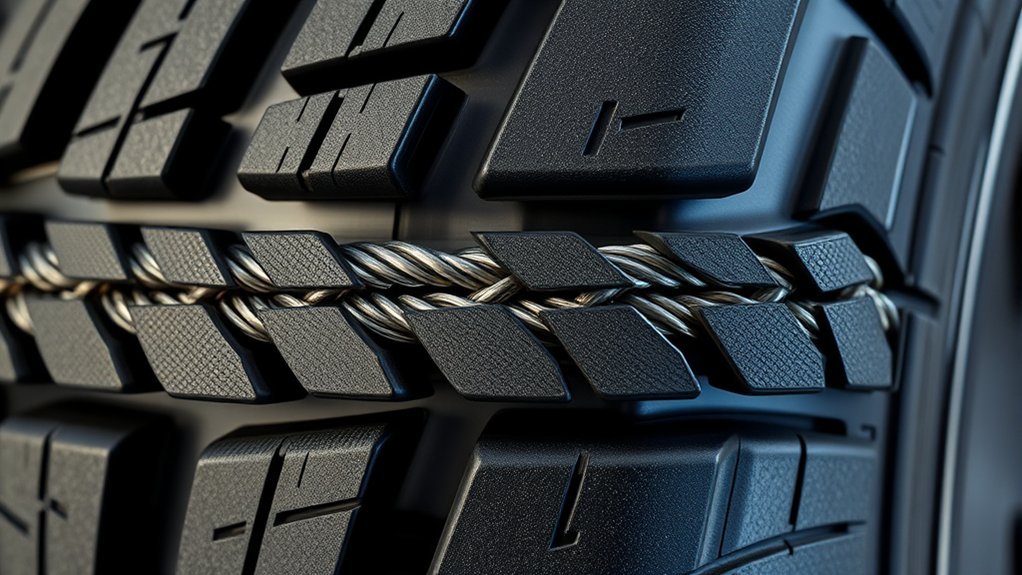
The Toyota Hilux does not rely on a mysterious “special bead” to perform well off-road. The tire bead is the reinforced edge of the tire that seats against the wheel rim, holds air pressure, and helps keep the tire in place under load. For a Hilux, the real performance gains come from choosing the correct tire size, load rating, rim width, wheel offset, and inflation pressure for your exact model, payload, and terrain.
Quick Answer
The Toyota Hilux tire bead is not usually a Toyota-only feature. It is the tire’s steel-wire-reinforced edge that locks onto the wheel rim. Bead security depends on the tire, rim condition, load rating, wheel fitment, and pressure—not just on the Hilux itself.
Key Takeaways
- A tire bead is the reinforced edge of the tire that seats against the wheel and helps retain air pressure.
- Hilux tire performance depends more on correct fitment, load rating, tread type, sidewall strength, and pressure than on any single bead feature.
- Always match tires and wheels to your exact Hilux year, grade, market, placard, and owner’s manual.
- Airing down can improve off-road comfort and traction, but going too low can unseat the bead and damage the tire or rim.
What Makes the Toyota Hilux Tire Bead Unique?
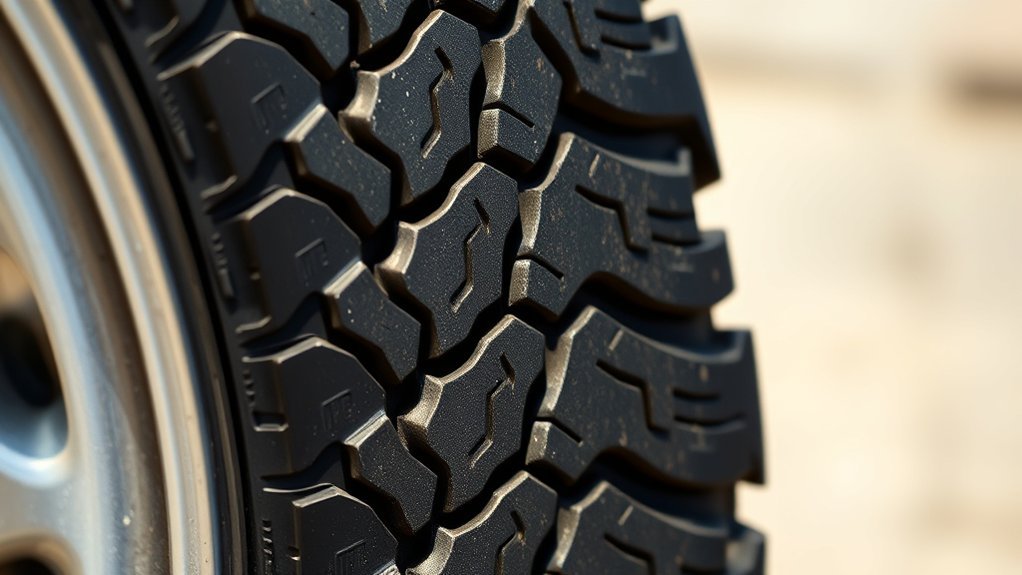
The more accurate answer is this: the Hilux itself does not have one universal tire bead design. The bead is part of the tire, and its construction changes by tire brand, model, size, load rating, and intended use.
The U.S. Tire Manufacturers Association explains that tire bead bundles are usually strands of wire that secure the tire to the wheel. Above the bead, the bead filler helps tune ride and handling. Federal tire safety definitions also describe the bead as the part of the tire made of steel wires, wrapped or reinforced by ply cords, and shaped to fit the rim.
That means a Hilux owner should focus less on marketing terms and more on whether the tire and wheel combination is correct for the truck. A strong Hilux tire setup starts with:
- Correct tire size for the exact model, year, market, and grade.
- Correct load index or load range for payload, towing, and off-road use.
- Compatible rim width and diameter for the tire manufacturer’s approved range.
- Correct offset and center bore so the wheel sits properly and clears suspension and brakes.
- Clean, undamaged bead seats on the wheel so the tire can seal properly.
- Correct cold tire pressure from the vehicle placard or owner’s manual.
Note: Toyota Hilux wheel and tire specifications vary by country, model year, body style, and grade. For example, Toyota Australia’s current HiLux specifications list 17-inch and 18-inch wheel options with 265/65R17 and 265/60R18 tyres on many 4×4 variants, but that does not automatically apply to every Hilux worldwide.
[Products Worth Considering]

Get quick, reliable tire readings with a backlit digital gauge that seals easily to valve stems for accurate 0.1 increments. Switch units on demand and check pressure on cars, trucks, motorcycles, and bicycles using the included Presta-to-Schrader adapter. The gauge powers with AAA batteries and automatically shuts off to help save battery life.

This calibrated digital tire pressure gauge delivers accurate readings within plus-minus 1 PSI for reliable tire maintenance. It features an illuminated nozzle and backlit LCD display to measure easily in dim areas, and offers four selectable units for versatile use. Automatic shutdown after 30 seconds helps conserve battery life for everyday convenience.

AstroAI’s calibrated digital tire pressure gauge delivers precise readings across a 0–150 PSI range, with high clarity from a backlit LCD. Built for everyday road use, it features one-button operation, an anti-slip ergonomic grip, and support for multiple pressure units plus auto shutoff. Powered by AAA batteries, it’s an all-weather essential for checking tire health and TPMS warnings.
How Tire Bead Strength Affects Off-Road Performance
Off-road driving puts extra stress on the bead area because the tire can flex, twist, and push sideways against the rim. This is especially true in sand, mud, ruts, rocks, and corrugations. A properly seated bead helps the tire hold air and stay mounted when the sidewall flexes.
However, the bead is only one part of the system. Off-road durability depends on how the tire bead, rim bead seat, sidewall, tread, carcass, load rating, and air pressure work together. A heavy-duty all-terrain or light-truck tire may offer stronger casing support than a highway-focused tire, but it still needs to be fitted to the correct rim and run at a safe pressure.
Proper tire pressure, load limits, road-hazard avoidance, and regular inspection are some of the most important steps for preventing tire failure.
That point matters for the Hilux because it is often used for towing, carrying tools, camping gear, and trail driving. Extra weight increases heat and stress in the tire. If the pressure is too low for the load, the sidewall flexes more, heat builds faster, and the bead area is more likely to leak or move on the rim.
Warning: Do not use the maximum pressure printed on the tire sidewall as your normal road pressure unless it matches the vehicle manufacturer’s recommendation for your load. The correct cold tire pressure comes from the Hilux tire placard, owner’s manual, or a qualified tire professional.
How the Tire Bead, Rim, and Pressure Work Together
The tire bead sits against the wheel’s bead seat. When the tire is inflated, air pressure pushes the bead outward so it seals against the rim. That seal is what keeps a tubeless tire inflated.
On the road, the bead must handle braking, cornering, payload, heat, and impact loads. Off-road, it also has to cope with lower tire pressures, sidewall flex, and side loads from rocks, ruts, and sand. This is why wheel and tire compatibility matters so much.
Before fitting new Hilux tires or wheels, check these points:
- Tire size: Match the vehicle placard, owner’s manual, or an approved alternative size.
- Load index: Choose a tire that can safely carry the vehicle, passengers, accessories, cargo, and towball load.
- Rim width: Make sure the rim width is approved for the tire size.
- Wheel offset: Avoid offsets that overload bearings, cause guard rubbing, or reduce steering clearance.
- Center bore and wheel nuts: Confirm the wheel centers correctly and uses the correct nut seat type.
- Rim condition: Corrosion, dents, old sealant, and gouges around the bead seat can cause slow leaks.
- Valve stems and TPMS: Replace damaged valves and confirm sensor compatibility where fitted.
The National Highway Traffic Safety Administration advises drivers to use the vehicle’s tire information placard or owner’s manual for tire pressure and load limits. That guidance is especially important when a Hilux is modified with steel bars, winches, canopies, drawers, roof racks, long-range tanks, or towing equipment.
How Weight, Load Rating, and Tire Construction Affect Performance
Weight reduction can help handling and fuel use, but on a Hilux, strength and load rating should come first. A lighter tire is not automatically better if it lacks the load capacity, sidewall protection, or casing strength needed for your use.
For a work ute or touring 4×4, the important questions are practical:
- Will the tire carry the real load? Add passengers, tray load, tools, canopy, accessories, recovery gear, and towball download.
- Is the tire built for the terrain? Highway-terrain, all-terrain, and mud-terrain tires behave differently on pavement, sand, gravel, mud, and rocks.
- Is the rim strong and compatible? A damaged or poorly matched rim can cause vibration, air loss, bead leaks, and uneven wear.
- Will the pressure be managed correctly? Lower pressure can help off-road, but the tire must be reinflated before sustained road speed.
Light-truck tires often use load-range markings or higher load indexes to show higher carrying capacity. Passenger-construction tires may ride more softly, but they may not be the right choice for heavy loads, rough tracks, or towing. The safest approach is to choose a tire that matches the Hilux’s legal load requirements and the type of driving you actually do.
Pro Tip: If your Hilux is fitted with heavy accessories, weigh the vehicle loaded for a normal trip. Front axle, rear axle, and total weight matter more than guessing from accessory brochures.
Why Apex, Bead Filler, and Carcass Design Matter
The original article mentioned apex configuration, but the practical term most owners will see is bead filler. This is a rubber compound placed above the bead bundle. It helps shape how stiff or flexible the lower sidewall feels.
A stiffer bead filler can sharpen steering response and help support load. A more flexible lower sidewall can improve comfort and allow the tire to conform to rough ground. Tire engineers balance these traits with tread design, belt angles, body plies, rubber compound, and intended use.
For a Hilux owner, the takeaway is simple: do not choose a tire based on bead buzzwords alone. Compare the complete tire specification:
- Size, such as 265/65R17 or another approved fitment.
- Load index or load range suitable for the vehicle and payload.
- Speed rating that meets legal and manufacturer requirements.
- Construction type, including passenger, LT, all-terrain, or mud-terrain design.
- Sidewall protection for rocks, ruts, and remote-area driving.
- Wet braking and road manners, because most Hilux vehicles still spend time on pavement.
[Products Worth Considering]

Stay on top of tire pressure with a factory-calibrated digital gauge accurate to ±1 PSI and readable in 0.1 increments. It features a bright backlit LCD plus a illuminated nozzle for easy readings in low light, with auto-off power saving for longer battery life. Switch quickly between PSI, Bar, Kgf/cm², and KPA using a single button, and cover most everyday vehicles with a 0–150 PSI range.

AstroAI’s digital tire pressure gauge inflates and measures with high accuracy, reading within 1% and supporting four pressure units from 3 to 250 PSI. The heavy-duty brass air chuck locks securely on valve stems, while the 19.7-inch stainless braided hose and 360° rotatable dial improve comfort and control for faster single-hand operation. Battery-saver behavior and an integrated flashlight add convenience and safety for everyday roadside and garage use.

This all-in-one digital tire pressure gauge with inflator helps you quickly and accurately set tire pressure for safer, smoother rides. It features an LED backlit display with measurements in PSI, KPA, Bar, and Kg/cm², along with a straight locking chuck, hose, and bleed valve for easy adjustments. Calibrated accuracy within 1% and automatic shutoff after inactivity help reduce guesswork and conserve battery life.
How to Avoid Tire Bead Problems on a Hilux
Most bead problems are caused by poor fitment, damaged rims, incorrect pressure, heavy loads, or impacts. You can reduce the risk by inspecting the wheel and tire as a complete assembly.
Check for bead-seat damage
Look for dents, corrosion, old sealant, sharp burrs, or dirt around the rim where the tire seals. Even a small imperfection can cause a slow leak.
Watch for repeated air loss
If one tire keeps losing pressure, do not keep topping it up without finding the cause. It may be a puncture, valve leak, cracked rim, bead leak, or tire damage.
Use sensible off-road pressures
Airing down can increase the tire’s footprint and improve ride comfort on sand or rough tracks. But if pressure is too low, the bead can unseat, especially during sharp turns, side loads, or impacts. Reinflate before returning to highway speed.
Inspect after impacts
After hitting rocks, potholes, washouts, or kerbs, check for sidewall bulges, cuts, rim bends, vibration, and pressure loss. If you see damage near the bead or sidewall, have the tire inspected by a qualified technician.
Note: The letter “R” in a tire size such as 265/65R17 means radial construction. It does not mean every radial tire has the same bead strength, sidewall stiffness, or off-road durability.
Should You Use Beadlocks on a Toyota Hilux?
Beadlock wheels mechanically clamp the tire bead to the wheel so the tire is less likely to unseat at very low off-road pressures. They can be useful for serious rock crawling, competition use, or extreme low-speed off-road driving.
For most Hilux owners, beadlocks are not the first upgrade to make. They add cost, weight, maintenance, and legal complexity. Many external beadlock wheels are intended for off-road use only, while some internal beadlock systems are marketed as street legal and DOT-approved, such as Hutchinson Rock Monster internal double beadlock wheels. Always check the wheel manufacturer’s documentation and your local road rules before using beadlocks on public roads.
If your Hilux is a daily driver, touring vehicle, or work ute, a quality all-terrain tire on the correct rim is often the better-balanced choice. It keeps the vehicle simpler, easier to service, and more road-friendly.
Frequently Asked Questions
Are all Hilux stud patterns the same?
No. Many late-model Hilux fitments use a 6-stud layout, but you should never buy wheels by stud count alone. Confirm the exact PCD, center bore, offset, rim width, wheel-nut seat type, brake clearance, load rating, and tire size for your model year, grade, and market.
What are the downsides of beadlocks?
Beadlocks can add weight, cost, balancing issues, bolt-torque maintenance, and road-legal uncertainty. They are useful for extreme low-pressure off-road driving, but most Hilux owners are better served by correctly rated tires, compatible wheels, and sensible tire pressures.
Can I air down Hilux tires off-road?
Yes, but do it carefully. Lower pressure can improve comfort and traction on loose or rough terrain, but going too low can overheat the tire, damage the sidewall, or unseat the bead. Use a quality gauge, drive slowly, avoid sharp steering inputs at very low pressure, and reinflate before highway driving.
How do I know if my Hilux has a bead leak?
Common signs include slow pressure loss, bubbles around the rim when checked with soapy water, corrosion on the bead seat, a dented rim, or repeated leaks after puncture repairs. A tire shop should remove the tire and inspect the bead area, rim, valve, and casing.
Is a heavier-duty tire always better for a Hilux?
Not always. A heavier-duty tire may improve puncture resistance and load capacity, but it can also add weight, reduce comfort, affect fuel use, and change handling. Choose the tire that matches your load, road use, off-road terrain, and legal requirements.
Conclusion
The Toyota Hilux tire bead is best understood as part of the tire-and-wheel system, not as a stand-alone Toyota feature. A secure bead helps the tire seal to the rim, but real-world durability depends on correct fitment, load rating, rim condition, tire construction, and pressure management. Before changing Hilux tires or wheels, check the vehicle placard, owner’s manual, and tire manufacturer specifications. For off-road use, air down carefully, reinflate before road speed, and inspect the bead, sidewall, rim, and valve after hard impacts.
Sources
- U.S. Tire Manufacturers Association: Tires 101 — supports definitions of tire bead, bead filler, belts, body ply, sidewall, and tread.
- eCFR 49 CFR § 571.139 — supports federal definitions for bead, carcass, radial ply tire, load rating, and rim.
- NHTSA TireWise — supports tire safety guidance, pressure checks, maintenance, and tire-recall awareness.
- NHTSA Tire Safety Brochure — supports proper tire pressure, load limits, inspection, and use of vehicle placards.
- Toyota Australia HiLux Specifications — supports current model-grade tyre size variation and the need to confirm specifications by vehicle and market.
- Hutchinson Rock Monster Beadlock Technology — supports the distinction between internal street-legal beadlock systems and other beadlock designs.
[Products Worth Considering]

AstroAI’s digital tire pressure gauge with inflator helps you quickly check, inflate, and deflate tires with an easy lock-on chuck and integrated bleed valve. It delivers calibrated accuracy within 1% for a clear PSI readout from 3 to 250 PSI, supporting dependable tire maintenance. Designed for many vehicle types, it connects to common compressor outputs and standard Schrader valves.

This dual power portable tire inflator lets you run from a 12V vehicle cigarette lighter or a 110V/120V wall outlet for flexible roadside and home use. It delivers up to 150 PSI with quick inflation, including a fast fill example from 0 to 36 PSI, and features auto shutoff with pressure memory plus a backlit LCD display with unit switching. Designed for multiple inflations, it includes extra nozzles for cars, motorcycles, bikes, sports equipment, and inflatables, while compact storage and a carry bag make it easy to keep on hand.

AstroAI H2 Pro cordless tire inflator delivers up to 150 PSI for fast inflation and reliable roadside performance with dual power options. Use the rechargeable battery for cordless convenience or connect to your vehicle via 12V DC for longer runtime. It features an auto shut-off system with an accurate digital pressure gauge and a bright LED for easy use in low light.

Related Articles
Toyota Hilux Run-Flat Tires: What You Need to Know
Take control of your safety with Toyota Hilux run-flat tires; discover their benefits and hidden costs that could change your driving experience forever.
Read More
Effects of Underinflated Tires on the Toyota Hilux
Inadequate tire pressure in your Toyota Hilux can lead to serious safety issues and costly repairs; discover how to avoid these pitfalls.
Read More
The Risks of Overinflating Toyota Hilux Tires
Overinflating your Toyota Hilux tires can lead to dangerous blowouts and uneven wear, but understanding the risks is crucial for your safety.
Read More