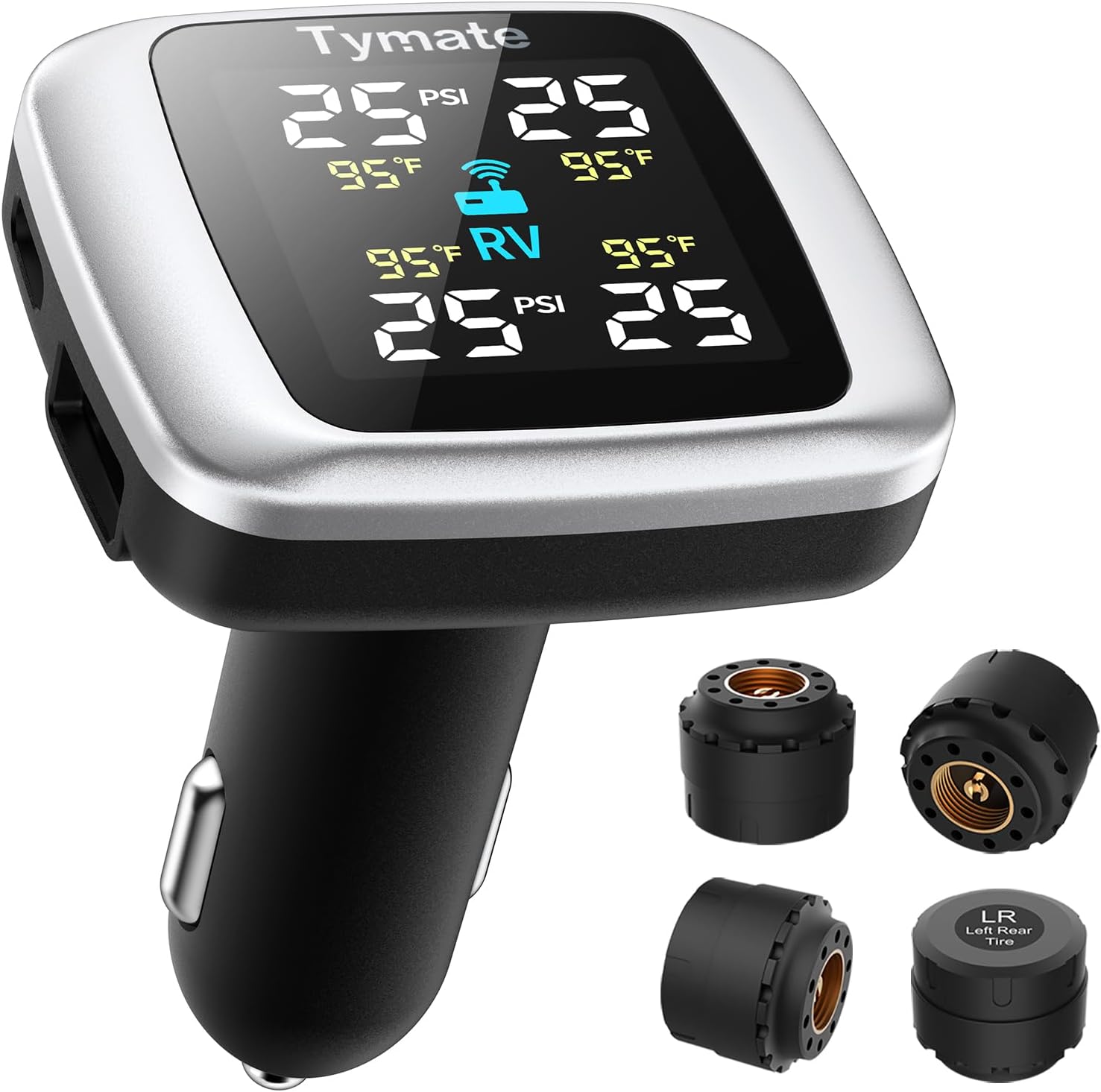
How to Maintain TPMS Sensors During Tire Changes: Avoiding Costly Damage

To maintain TPMS sensors during tire changes, first, inspect the sensors for corrosion and damage. Use specialized tools for safe handling, and guarantee the tire technicians understand the TPMS system. After the service, verify sensor functionality with a monitoring tool. Regularly check battery conditions, as worn batteries can lead to inaccurate readings. Remember to reset and recalibrate the TPMS after changes to avoid warning lights. You’ll find further details on effective maintenance strategies and best practices.
Understanding TPMS: What You Need to Know
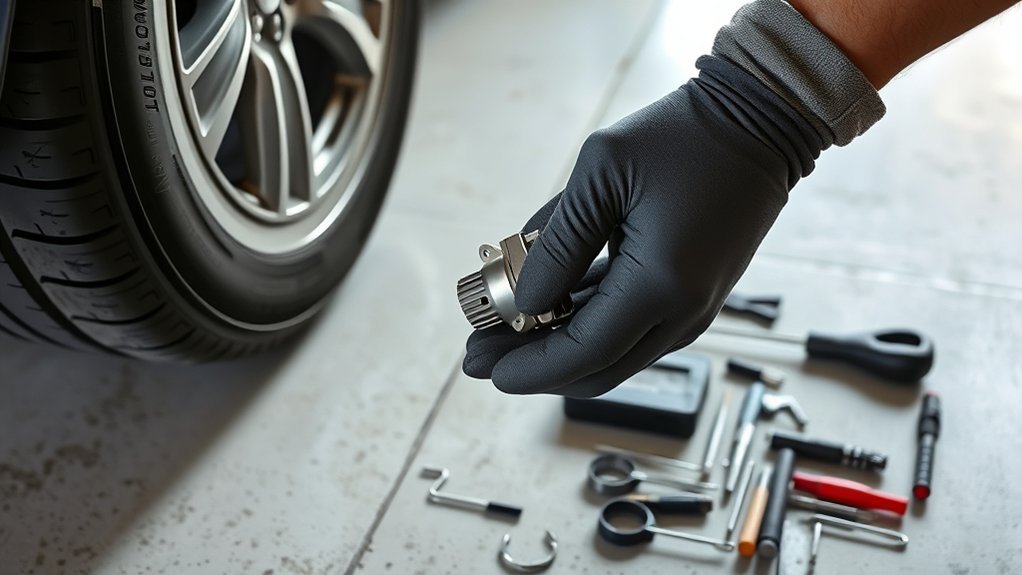
When you drive, having a functioning Tire Pressure Monitoring System (TPMS) is fundamental for your safety. This system utilizes advanced TPMS technologies, including direct and indirect methods, to monitor tire pressure. Direct TPMS incorporates sensors inside the tires, providing real-time pressure readings, while indirect TPMS estimates pressure by analyzing wheel speed data from the ABS system.
For ideal sensor accuracy, it’s essential that you reset the direct TPMS after tire changes to guarantee effective communication with your vehicle’s computer. Remember, the batteries in these sensors typically last between 5 to 10 years, so regular checks during maintenance are important. Proper handling during tire changes can prevent damage to TPMS sensors, avoiding costly replacements and guaranteeing accurate tire inflation monitoring. Staying informed about these aspects empowers you to maintain your vehicle’s safety and performance, liberating you from potential hazards on the road.
How to Inspect TPMS Sensors Before Tire Service
Prior to tire service, a thorough inspection of TPMS sensors is vital for maintaining their functionality. Start by visually checking for any signs of sensor corrosion, especially at the valve stem, as this can indicate potential leaks. Look for any physical damage that might compromise the sensor’s integrity. Next, assess the battery life of the TPMS sensors; they generally last between 5 to 10 years, and a depleted battery could lead to sensor failure during tire changes. Make certain the tire technician is familiar with your TPMS system to prevent accidental damage during tire removal or installation. After tire changes, use a compatible tire pressure monitoring tool to verify each sensor’s functionality and confirm that the technician recalibrates the TPMS system. This step is essential for accurate pressure readings post-service, safeguarding your safety and peak vehicle performance.
What Common TPMS Issues Should You Watch For During Tire Changes?
What common issues should you be aware of during tire changes? First, keep an eye out for battery depletion in your TPMS sensors. These batteries typically last 5 to 10 years, and ignoring them could lead to sensor malfunction. Next, inspect the valve stems carefully for any signs of corrosion or damage. This can cause air leaks, compromising your tire pressure.
Improper handling during tire service can also damage the TPMS sensors, leading to costly replacements. After installation, check for warning lights; seasonal changes can affect sensor readings, so it’s essential to guarantee accurate pressure monitoring. Finally, always reset or recalibrate the TPMS after tire changes. This step guarantees the system recognizes the new tires and maintains peak performance. By being vigilant about these issues, you’ll safeguard your TPMS sensors and enhance your vehicle’s safety.
Best Practices for Handling TPMS Sensors
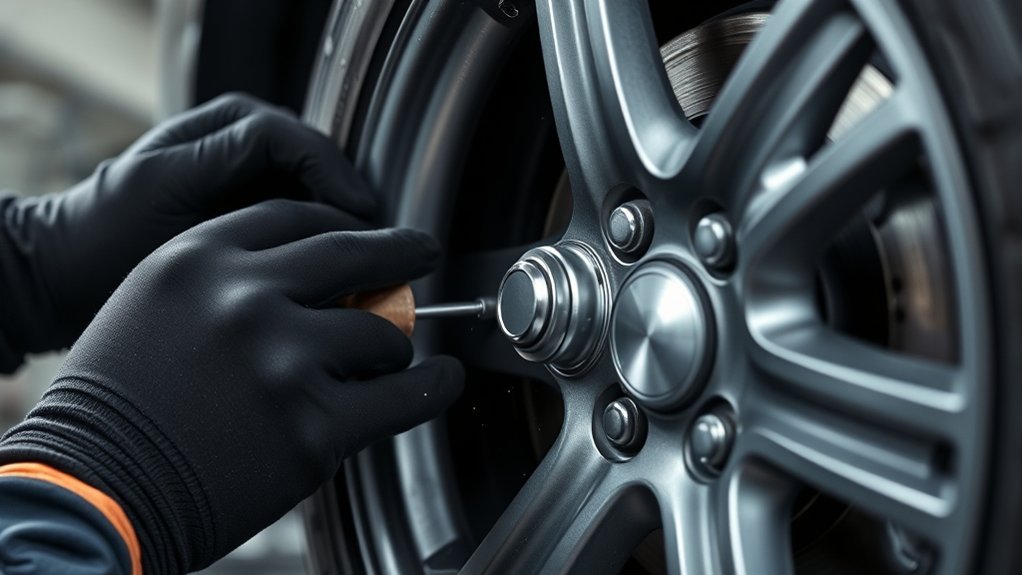
When handling TPMS sensors, it’s essential to employ proper techniques to avoid damage. You’ll want to guarantee regular calibration and be aware of timely sensor replacement to maintain system accuracy. Follow these best practices to keep your TPMS functioning at its best during tire changes.
Proper Sensor Handling Techniques
Inspecting TPMS sensors before tire changes is vital for maintaining their functionality and longevity. Start by checking for any damage and battery life, as sensors typically last 5-10 years. Use specialized tools to carefully detach and reattach sensors from valve stems; this guarantees effective sensor care and prevents breakage. Always avoid using excessive force, as these components are sensitive and can easily be damaged if mishandled. Additionally, verify that new tires are properly seated during installation to prevent undue stress on the sensors. Following manufacturer guidelines for recalibration and programming is essential for accurate system functionality after tire changes. Implementing these handling precautions will help you avoid costly damage and extend the life of your TPMS sensors.
Regular Calibration Procedures
To guarantee the accuracy of your TPMS sensors after tire changes, regular calibration is essential. Follow your vehicle manufacturer’s specifications for recalibrating TPMS sensors, which often involves using specialized calibration tools or specific reset procedures detailed in the manual. Always check and recalibrate your sensors after any tire service, including rotations or pressure adjustments, to maintain peak performance. Seasonal temperature changes can affect tire pressure and sensor accuracy, so recalibrating during these shifts guarantees reliable monitoring year-round. It’s advisable to have professional technicians perform the calibration to prevent miscommunication between the sensors and your vehicle’s computer. This helps avoid unnecessary costs and ensures your TPMS operates effectively, enhancing both safety and efficiency on the road.
Timely Sensor Replacement Tips
After confirming proper calibration of your TPMS sensors, focus on timely replacement to maintain their effectiveness. Inspect your sensors for damage or corrosion before each tire change; this prevents misreading and guarantees functionality. Aim to replace TPMS sensors every 5-10 years, or whenever you change tires, to avoid battery depletion and secure accurate pressure monitoring. Use appropriate tools and techniques during tire removal and installation to protect the valve stems and sensors. After installing new sensors, make sure they’re correctly programmed and paired with your vehicle’s computer system for peak performance. Regular calibration post-installation is essential to maintaining accurate readings and avoiding false warnings, enhancing the overall reliability of your TPMS system.
How Tire Technicians Can Avoid TPMS Damage
Tire technicians can greatly reduce the risk of TPMS sensor damage by following a systematic approach during tire changes. Start with a thorough inspection of TPMS sensors for any corrosion or damage. Utilizing specialized TPMS tools for sensor removal minimizes the chance of breakage and guarantees safe handling. Technician training is essential; you should be well-versed in both direct and indirect TPMS systems, as they have distinct service requirements and vulnerabilities.
After tire changes, always reprogram or pair the TPMS sensors with the vehicle’s computer to maintain accurate communication and prevent warning lights from triggering. Additionally, adhere to maintenance schedules by regularly checking and replacing TPMS sensor batteries, typically every 5-10 years. This proactive approach enhances sensor compatibility and reduces unexpected failures during service, ultimately saving time and costs for both you and your customers.
How to Identify When Your TPMS Needs Maintenance
To guarantee your TPMS is functioning properly, keep an eye on the warning light; a persistent or flashing indicator often signals the need for maintenance. Additionally, monitor any fluctuations in tire pressure, as irregular readings can suggest sensor issues. Finally, be mindful of the battery life in your sensors, replacing them proactively to prevent unexpected failures.
Warning Light Indicators
When you notice a steady TPMS warning light on your dashboard, it usually means one or more of your tires are underinflated, signaling the need for immediate inspection and inflation to the recommended pressure. A flashing TPMS light indicates a malfunction within the TPMS system itself, requiring professional diagnostics. If the warning remains after adjusting tire pressure, it could signify sensor failure or the need for recalibration. Seasonal tire changes can disrupt sensor types; therefore, always check for warning signs after reinstalling tires. Regularly monitoring these indicators can help you avoid costly repairs. Ignoring persistent warnings might lead to further damage, so stay vigilant about your TPMS functionality for ideal safety.
Tire Pressure Fluctuations
As temperature changes can greatly impact tire pressure, it’s essential to monitor your TPMS for any fluctuations. A drop of 10°F can reduce tire pressure by 1-2 PSI, so regular checks are vital for effective tire pressure management. If your TPMS warning light stays on after a tire change, it may signal a sensor malfunction or miscommunication, requiring immediate inspection. Indirect TPMS systems might misinterpret tire pressure during rotations or replacements, leading to false alerts—recalibration is necessary. Regularly using a gauge allows you to identify discrepancies between actual pressure and TPMS readings. Frequent fluctuations might indicate underlying issues with your TPMS sensors or battery, which typically lasts between 5-10 years. Stay proactive to avoid costly damage.
Sensor Battery Life
While it’s easy to overlook, monitoring the battery life of your TPMS sensors is essential for maintaining peak tire performance. Typically, these batteries last between 5 to 10 years, so being proactive can prevent unexpected failures. To identify when your TPMS needs maintenance, keep an eye out for:
- Warning lights on your dashboard
- Inconsistent tire pressure readings
- An illuminated TPMS light after inflating tires
Regular battery maintenance and scheduled tire checks will enhance sensor longevity and guarantee optimal functionality. Additionally, consider using professional diagnostic tools to assess battery life and sensor performance. This way, you can address issues before they escalate, keeping your driving experience safe and efficient.
Why You Should Check Your TPMS Sensor Batteries
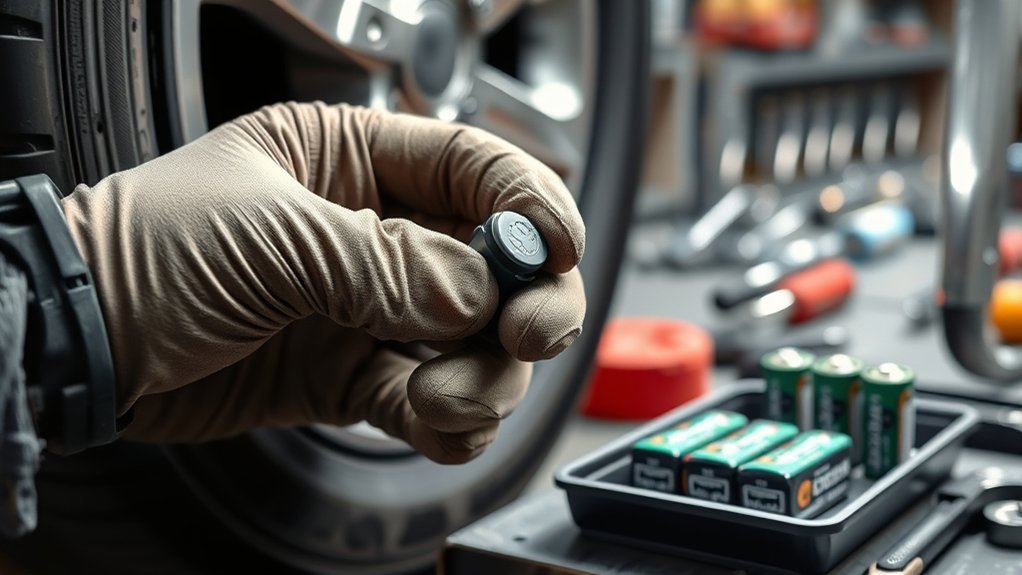
Checking your TPMS sensor batteries during tire changes is vital for maintaining peak vehicle safety and performance. TPMS sensor batteries typically last between 5 to 10 years, so monitoring their condition is important for sensor longevity. A depleted battery can lead to false warnings or total sensor failure, compromising your tire pressure monitoring system.
| Battery Condition | Action Required |
|---|---|
| Good | Continue regular use |
| Low | Schedule replacement soon |
| Depleted | Replace the sensor |
| Non-replaceable | Plan for complete change |
Regular battery maintenance guarantees timely replacements, promoting ideal tire performance and safety. Some sensors have non-replaceable batteries, which means you’ll need to replace the entire sensor if it fails. By checking your TPMS sensor batteries, you can prevent unexpected costs associated with emergency repairs and maintain safe driving conditions.
How to Reset and Recalibrate Your TPMS
After confirming your TPMS sensor batteries are in good condition, it’s time to focus on resetting and recalibrating your TPMS following a tire change or rotation. This step is essential for accurate sensor recognition of tire positions and pressures.
After checking your TPMS sensor batteries, reset and recalibrate the system post-tire change for accurate pressure readings.
You can achieve a reset in a couple of ways:
- Manual Reset: Check your dashboard menu; some vehicles allow for a direct reset.
- Specialized Tools: For others, you’ll need specific equipment to recalibrate the system properly.
- Driving Distance: After adjustments, drive your vehicle for a short distance to help the system recognize the changes.
Neglecting to reset the TPMS can lead to persistent warning lights and inaccurate pressure readings, compromising your safety on the road. If in doubt, consult a professional technician to verify all sensors function correctly.
What Should You Do After a TPMS Warning Light Activates?
When the TPMS warning light activates, your first step is to pull over safely and inspect your tires for any visible damage or signs of deflation. Check for punctures, bulges, or other abnormalities that could indicate a problem. Then, use a tire pressure gauge to measure the air pressure in each tire, comparing it to the manufacturer’s recommended levels, typically found on a sticker inside the driver’s door. If any tires are underinflated, inflate them to the specified pressure, as maintaining proper tire pressure is vital for safety and ideal fuel efficiency. If the warning light remains illuminated after adjusting the tire pressures, consult a professional mechanic to diagnose potential sensor issues. Remember, driving with the TPMS warning light on can lead to further tire damage or unsafe driving conditions, so it’s essential to address the issue promptly.
Frequently Asked Questions
What Is the Average Lifespan of a TPMS Sensor?
A TPMS sensor typically lasts between 5 to 10 years. For peak performance during tire replacement, prioritize sensor maintenance and consider replacing sensors alongside new tires to prevent potential issues and guarantee reliability.
What Tire Sealant Is Sensor Safe?
“An ounce of prevention’s worth a pound of cure.” For sensor-safe tire sealant, choose brands like Slime or Fix-a-Flat. Always check tire sealant compatibility and follow sensor maintenance tips to avoid costly damage.
What Are the Two Most Common Mechanical TPMS Sensor Problems?
The two most common mechanical TPMS sensor problems are battery depletion and valve stem corrosion. For effective sensor maintenance, follow precise installation tips to guarantee longevity and prevent costly replacements caused by improper handling or environmental factors.
Conclusion
Maintaining your TPMS sensors during tire changes can save you from costly repairs down the road. While a simple tire swap might seem straightforward, neglecting sensor care can lead to frustrating malfunctions. By following best practices and staying vigilant, you guarantee your vehicle operates safely and efficiently. Don’t let a minor oversight turn into a major headache—stay proactive. Remember, a little attention now can prevent significant issues later, keeping your journey smooth and worry-free.

Related Articles

How Often to Check Tire Pressure on a Tundra: A Simple Schedule
Discover the essential schedule for checking your Tundra's tire pressure to ensure safety and performance—don’t let improper inflation jeopardize your next adventure!
Read More
How to Prevent Dry Rot on Truck Tires: Storage, UV, and Dressing Tips
Avoid dry rot on truck tires with essential storage, UV protection, and dressing tips to prolong their life—discover the best strategies inside.
Read More
How to Clean White-Letter Tires on a Truck Without Damaging Them
Find out how to effectively clean your white-letter tires without damaging them, and uncover essential tips for maintaining their pristine appearance.
Read More