How Temperature Changes Affect Your 4Runner Tire Pressure

Temperature changes directly impact your 4Runner’s tire pressure, with a 10°F shift causing about a 1 PSI change. In cold conditions, air contracts, leading to lower pressure and potential TPMS alerts. Conversely, warm weather can increase pressure, heightening blowout risks. Maintaining the ideal range of 32-40 PSI is essential for safety, handling, and fuel efficiency. Regular checks help you stay ahead of these fluctuations. There’s more to understand about managing your tire pressure effectively.
Why Tire Pressure Matters for Your 4Runner
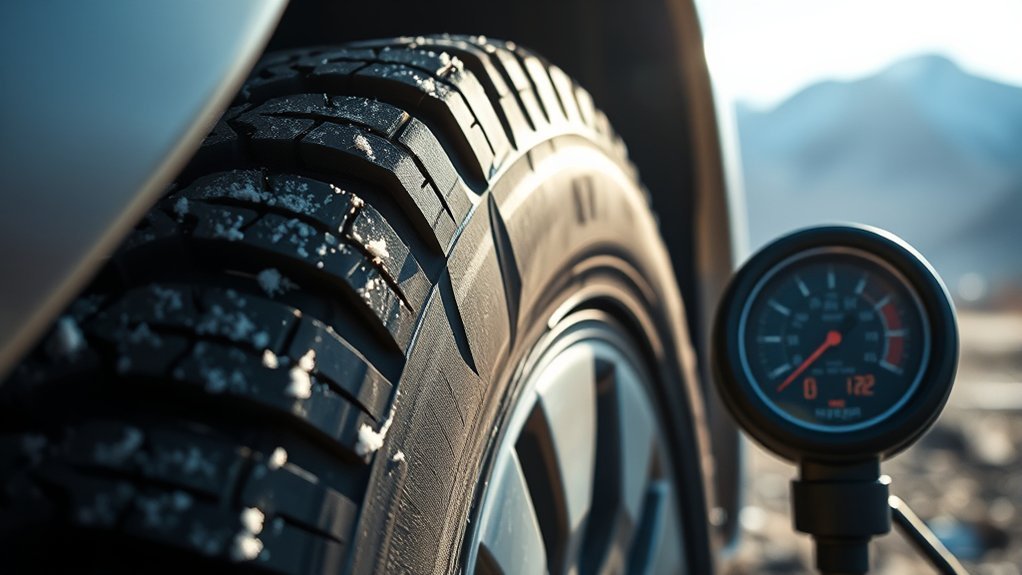
Tire pressure is a crucial factor that directly impacts your 4Runner’s performance and safety. Maintaining the right tire pressure is important for ideal handling, fuel efficiency, and overall safety. Underinflated tires can lead to reduced traction and increased risk of blowouts, while overinflated tires contribute to uneven tread wear and a harsh ride. This tire pressure significance cannot be overstated; it guarantees your vehicle responds accurately during maneuvers and maintains braking efficacy.
Typically, your 4Runner should operate within a PSI range of 32-40. Regular monitoring is essential, especially before long trips or during significant temperature fluctuations, as tire pressure decreases by about 1 PSI for every 10°F drop in temperature. By adhering to these guidelines, you not only enhance your vehicle’s performance but also mitigate safety implications, allowing you to drive with confidence. Prioritize tire health to liberate your driving experience and reduce unnecessary costs.
How Temperature Changes Impact Your Tire Pressure
As temperatures fluctuate, your 4Runner’s tire pressure can experience significant changes that impact its performance. A drop of 10°F can decrease tire pressure by approximately 1 PSI, leading to noticeable pressure fluctuations during seasonal changes. Regular pressure monitoring is crucial to maintain peak performance, as variations of 1–2 PSI can occur with shifting temperatures. Cold weather may trigger TPMS alerts, signaling typical pressure changes rather than tire defects. Conversely, warmer temperatures can cause overinflation, increasing the risk of uneven tread wear and potential blowouts. To obtain accurate readings and maintain proper tire maintenance, adjust your pressure in the morning when tires are cold. By staying vigilant about these factors, you enhance your safety concerns on the road and guarantee your 4Runner runs smoothly, regardless of the temperature changes you encounter.
How Temperature Affects Your TPMS Alerts?
Temperature changes greatly influence your TPMS alerts. As tire pressure drops about 1 PSI for every 10°F decrease, you might find yourself facing more frequent alerts during colder months. Regularly monitoring your tire pressure helps you avoid unnecessary warnings and guarantees peak performance.
Temperature Influence on Alerts
When ambient temperatures drop, you might notice your TPMS alerts becoming more frequent, and this isn’t just a coincidence. Tire pressure decreases by about 1 PSI for every 10°F drop, triggering alerts as pressure dips below safe levels. Cold weather causes air inside tires to contract, leading to significant pressure loss, even without leaks. The TPMS system’s sensitivity to these temperature fluctuations means it can detect minor deviations, resulting in more alerts during seasonal changes. Regularly monitoring your tire pressure in relation to temperature is essential; low pressure can compromise traction and safety. By understanding how temperature influences TPMS alerts, you empower yourself to maintain peak tire performance, enhancing your driving experience in varied conditions.
Monitoring Pressure Fluctuations
Understanding how ambient conditions influence tire pressure is essential for maintaining ideal vehicle performance. Regular tire pressure monitoring is vital, especially during seasonal adjustments, as temperature fluctuations can trigger TPMS alerts that may not indicate actual leaks.
- Tire pressure drops by about 1 PSI for every 10°F decrease in temperature.
- Seasonal changes can cause fluctuations of 1–2 PSI.
- TPMS alerts can activate due to normal temperature changes, affecting safety.
- Checking tire pressure monthly helps prevent unnecessary alerts.
Key Indicators Your 4Runner’s Tire Pressure Is Low in Cold Weather
In cold weather, you should be vigilant for key indicators of low tire pressure in your 4Runner. A TPMS warning light may illuminate, signaling that pressure has dropped considerably. Additionally, you might notice visible tire deflation and increased road noise, which can compromise your vehicle’s handling and safety.
Common Warning Lights
Cold weather can greatly impact your 4Runner’s tire pressure, leading to essential warning lights that indicate low inflation levels. Understanding the warning light importance is vital for safe driving. The Tire Pressure Monitoring System (TPMS) light activates when tire pressure drops below 27 PSI, often due to cold temperatures.
Keep an eye out for these indicators:
- TPMS light activation: Signals pressure below safe levels.
- Visibly flattened tires: A clear sign of deflation.
- Increased road noise: Can indicate low tire pressure.
- Monthly PSI drop: Cold weather can cause a loss of 1 to 2 PSI.
Regularly monitoring your tire pressure will enhance TPMS functionality and guarantee peak performance during winter months.
Noticeable Tire Deflation
As temperatures drop, you might notice your 4Runner’s tire pressure decreasing, and recognizing the key indicators of low inflation is vital for safety. Tire deflation causes include the cold weather effects, where pressure can drop about 1 PSI for every 10°F decrease. If your TPMS light activates during colder months, it likely signals low tire pressure rather than a defect. A visibly flattened tire is an immediate red flag, and you should check the pressure right away. Regular monitoring is important, as tires can lose 1-2 PSI monthly, particularly during seasonal changes. Don’t forget to verify your spare tire is also inflated at around 35 PSI; neglecting this can trigger warning lights too.
Increased Road Noise
When temperatures plummet, you might notice an increase in road noise while driving your 4Runner, signaling potential low tire pressure. This noise arises due to a larger contact patch as the pressure decreases, compromising noise reduction and grip on the road surface. If you experience this, it’s important to check your tire pressure promptly.
Key indicators include:
- A noticeable rise in road noise while driving.
- Difficulty maintaining traction on wet or icy surfaces.
- Increased vibration felt through the steering wheel.
- Reduced handling performance during turns.
Persistent low tire pressure can lead not only to excessive road noise but also to uneven tire wear and reduced fuel efficiency. Regular monitoring can guarantee a smoother, safer driving experience.
Overinflation Risks in Hot Weather

High temperatures can lead to significant increases in tire pressure, which often results in overinflation. For every 10°F rise, you can expect about a 1 PSI increase in pressure. This overinflation causes heightened risks, including blowouts due to increased friction on hot pavement. Your 4Runner’s handling may also suffer from uneven tread wear, often manifesting as excessive wear in the center tread. Such wear compromises tire safety, making it essential to monitor pressure levels. If tire pressure exceeds safe thresholds, your Tire Pressure Monitoring System (TPMS) may activate, alerting you to potential issues. To mitigate these risks, check and adjust your tire pressures when temperatures stabilize—ideally around 70°F. Ignoring these precautions can lead to dangerous driving conditions, so stay proactive about your tire maintenance to guarantee both performance and safety on the road.
The Importance of Regular Tire Pressure Checks
While many drivers overlook tire pressure, regularly checking it is vital for peak vehicle performance and safety. Tires typically lose about 1 PSI for every 10°F drop in temperature, impacting traction and fuel efficiency. Here’s why you should prioritize these safety checks:
- Enhance Fuel Efficiency: Proper tire pressure reduces rolling resistance, saving you money at the pump.
- Improve Handling: Maintaining the recommended 32-40 PSI guarantees optimal vehicle responsiveness.
- Prevent Uneven Wear: Regular checks can help avoid costly tire replacements due to premature wear.
- Maximize Safety: Underinflated tires increase the risk of blowouts and accidents.
Monthly checks are advisable, especially before long trips or during seasonal changes. Relying solely on the Tire Pressure Monitoring System (TPMS) isn’t enough; manual checks are important for maintaining tire health. Proactive monitoring empowers you to drive confidently and safely.
Seasonal Tire Pressure Adjustment Tips
As temperatures fluctuate with the changing seasons, adjusting your 4Runner’s tire pressure becomes essential for maintaining peak performance. Regular checks guarantee your tires remain safe and efficient.
| Season | Recommended PSI | Adjustment Tip |
|---|---|---|
| Winter | 32-40 PSI | Inflate slightly above recommended |
| Spring | 32-40 PSI | Check as temperatures rise |
| Summer | 32-40 PSI | Monitor for heat-induced pressure |
| Fall | 32-40 PSI | Prepare for potential drops |
Choosing the Right Tire Pressure Gauge
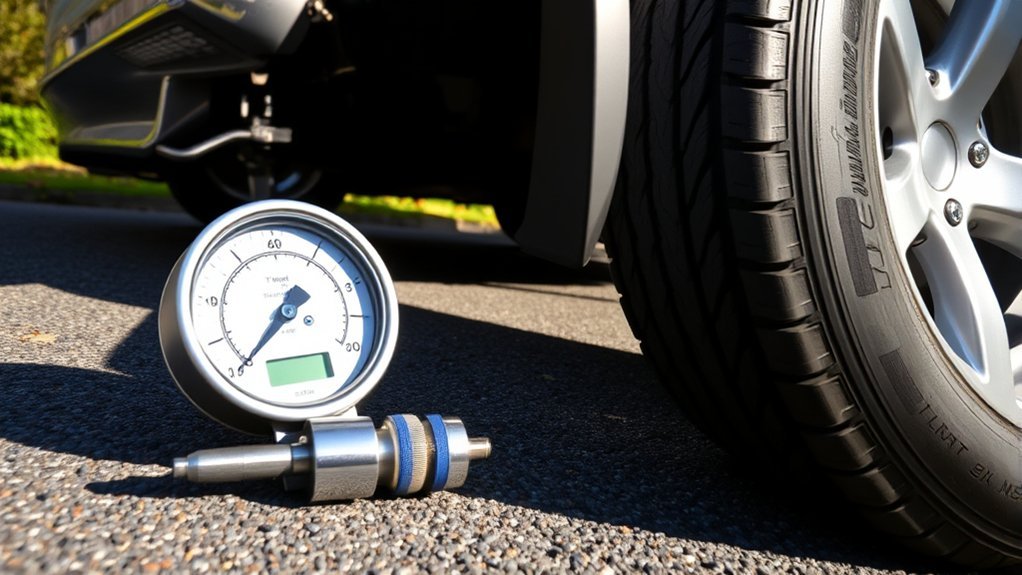
Maintaining proper tire pressure is only effective if you use a reliable gauge to measure it. Selecting the right gauge types is essential for ideal safety and performance. Here’s what to keep in mind:
Maintaining proper tire pressure requires a reliable gauge for optimal safety and performance. Choose wisely.
- Gauge Types: Choose between dial, digital, or pencil gauges based on your needs.
- Accuracy: Confirm your gauge measures within the 32-40 PSI range recommended for your vehicle.
- Calibration Methods: Regularly check and calibrate your gauge to avoid inaccuracies that can impact handling and fuel efficiency.
- Ease of Use: Opt for a gauge with a clear display, like a digital option with a backlit screen for easy reading in low-light conditions.
When to Seek Professional Tire Maintenance Services?
Recognizing when to seek professional tire maintenance services is vital for guaranteeing your 4Runner’s safety and performance. If your Tire Pressure Monitoring System (TPMS) light frequently activates or remains illuminated, it’s important to consult a professional to identify potential issues, such as leaks or pressure fluctuations. A noticeable drop in tire pressure during seasonal temperature changes also warrants immediate tire inspection to confirm proper inflation and driving safety.
Additionally, if you notice uneven tire wear or increased road noise, it’s time to have a professional evaluate your tires and alignment. Persistent pressure fluctuations, despite regular adjustments, could indicate underlying problems like valve leaks or tire damage. Finally, scheduling a tire inspection before long trips or significant seasonal changes can help you avoid unexpected issues and maintain peak performance. Taking these steps guarantees you’re not just driving but liberating your journey on the road.
Frequently Asked Questions
How Often Should I Check My Tire Pressure?
You should check your tire pressure monthly, making seasonal adjustments as temperatures change. Consistent tire maintenance guarantees peak performance and safety, preventing uneven wear and improving fuel efficiency for a liberated driving experience.
Can I Rely Solely on My TPMS for Tire Pressure?
You can’t rely solely on your TPMS for tire pressure accuracy. While it offers convenience, manual checks guarantee you catch discrepancies, maintaining peak performance and safety. Regularly verifying pressure empowers you to drive confidently.
What Is the Ideal Tire Pressure for My 4runner?
The ideal tire pressure for your 4Runner typically ranges from 30 to 35 PSI. Consider factors like load and temperature fluctuations when adjusting, as these can greatly influence your vehicle’s performance and safety.
How Does Altitude Affect Tire Pressure?
Altitude impacts tire pressure due to decreased air density. As you ascend, you may need to adjust pressure accordingly, ensuring peak performance and safety. Regular checks help maintain the ideal balance for your 4Runner’s tires.
What Should I Do if My Tire Pressure Warning Light Comes On?
When your tire pressure warning light flickers, don’t panic. Check your tire pressure immediately, inflate if needed, and inspect for leaks. Regular tire pressure maintenance prevents issues, ensuring safety and peak performance on every journey.
Conclusion
In summary, maintaining the correct tire pressure in your 4Runner is essential for safety and performance. With temperature fluctuations affecting pressure, how prepared are you for those chilly winter mornings or scorching summer days? Regular checks and adjustments can prevent issues like overinflation or underinflation, enhancing your driving experience. Don’t overlook this critical aspect of vehicle maintenance—stay proactive, and guarantee your tires perform at their best regardless of the season. Your safety depends on it.

Related Articles

Why Mismatched Tires Cause Problems on a 4WD 4Runner
Four mismatched tires can destroy your 4Runner's drivetrain in ways you won't notice until it's too expensive to ignore.
Read More
Tire Hydroplaning Prevention: Tips for 4Runner Drivers
Find essential tips for preventing hydroplaning in your 4Runner that could keep you safe on wet roads; your safety depends on it.
Read More
Understanding Tire Date Codes: A 4Runner Owner Guide
Keep your 4Runner safe by decoding tire date codes—because that "new" tire might already be a ticking time bomb.
Read More