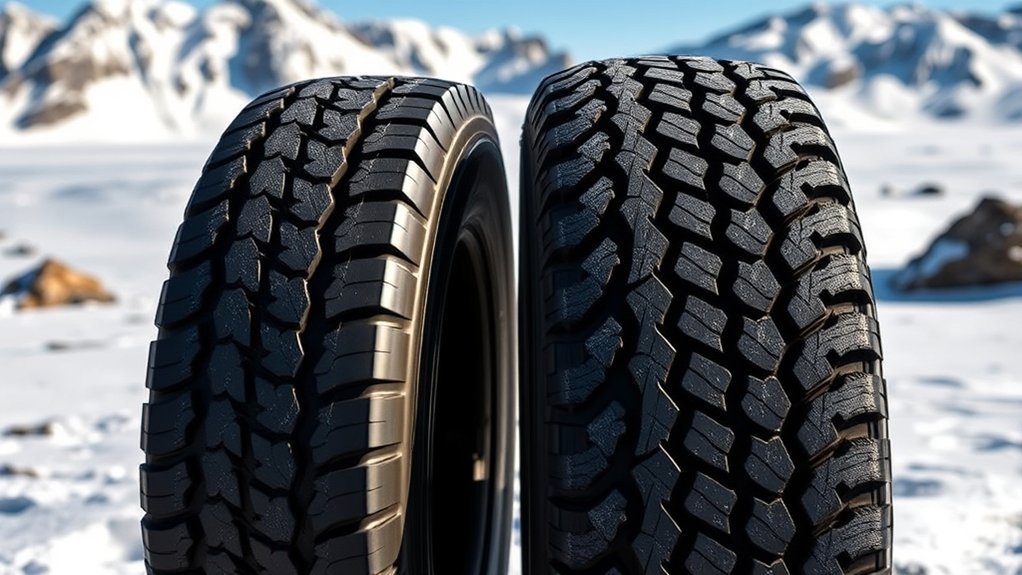
The best tire choice for your Toyota Tundra is not automatically “6-ply” or “10-ply.” Your truck’s model year, trim, factory tire type, axle ratings, payload, towing use, road conditions, and preferred ride quality all matter. Start with the driver-door tire placard and owner’s manual, then choose a tire with the correct size, load capacity, and speed rating.
Quick Answer
A 6-ply-rated tire may be enough for normal driving and lighter loads when it meets Toyota’s required size and load capacity. A 10-ply-rated, Load Range E tire is useful for frequent heavy hauling, towing, or rocky roads, but it can add weight and stiffness. Never choose by ply rating alone.
Key Takeaways
- “6-ply” and “10-ply” are strength categories, not literal counts of modern tire body plies.
- For LT tires, 6-ply-rated usually corresponds to Load Range C, while 10-ply-rated usually corresponds to Load Range E.
- A replacement tire should meet or exceed the required load capacity, size, and speed rating for your exact Tundra.
- Load Range E tires do not increase your truck’s GVWR, GAWR, payload, or trailer rating.
- Do not inflate a Load Range E tire to 80 psi simply because 80 psi appears on its sidewall.
What Ply Ratings Mean for Your Tundra
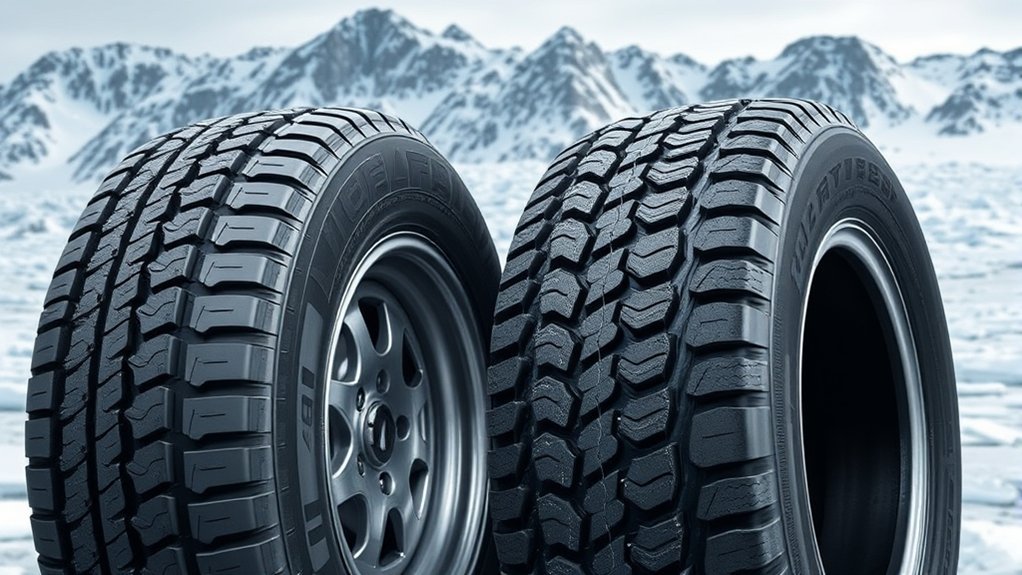
Ply rating is an older way to describe a tire’s strength. Modern radial tires can achieve a given strength with fewer actual fabric or steel layers, so a “10-ply-rated” tire normally does not contain ten physical plies. On light-truck tires, the load-range letter is the more useful label.
| Common term | Typical LT load range | General use |
| 6-ply-rated | Load Range C | Lighter-duty LT use, depending on tire size and load index |
| 10-ply-rated | Load Range E | Heavier loads, towing, work use, and tougher surfaces |
Load range alone does not tell you exactly how many pounds a tire can carry. The maximum capacity depends on the tire’s size, load index, single or dual application, and inflation pressure. Read the complete service description and the maximum-load marking on the sidewall.
Are 6-Ply Tires Enough for Your Tundra?
A 6-ply-rated LT tire can be enough when its size and load capacity meet the requirements for your truck and you mainly drive unloaded or carry moderate cargo. It may also offer a more compliant ride than a heavier LT Load Range E alternative.
However, do not assume that every 6-ply-rated tire is suitable. Compare the proposed tire’s load index and load capacity with the original tire specification, the Tire and Loading Information label, and the front and rear Gross Axle Weight Ratings. Your loaded truck must remain within Toyota’s GVWR and both GAWR limits.
- Good fit: Daily commuting, highway driving, lighter payloads, and occasional mild dirt-road use.
- Possible mismatch: Frequent maximum-payload work, high tongue weight, sharp-rock trails, or repeated heavy towing.
- Required check: Tire size, load index, speed rating, wheel rating, placard pressure, and actual axle weights.
[Products Worth Considering]

This professional wheel and rim cleaning brush set lifts brake dust, grime, and dirt with soft, scratch-free microfiber and synthetic wool fibers. The rim brush bends up to 360 degrees for easy access to hard-to-reach areas around spokes, lips, and faces. Ideal for thorough cleaning of car, truck, motorcycle, bicycle, RV, and more wheel and tire surfaces.
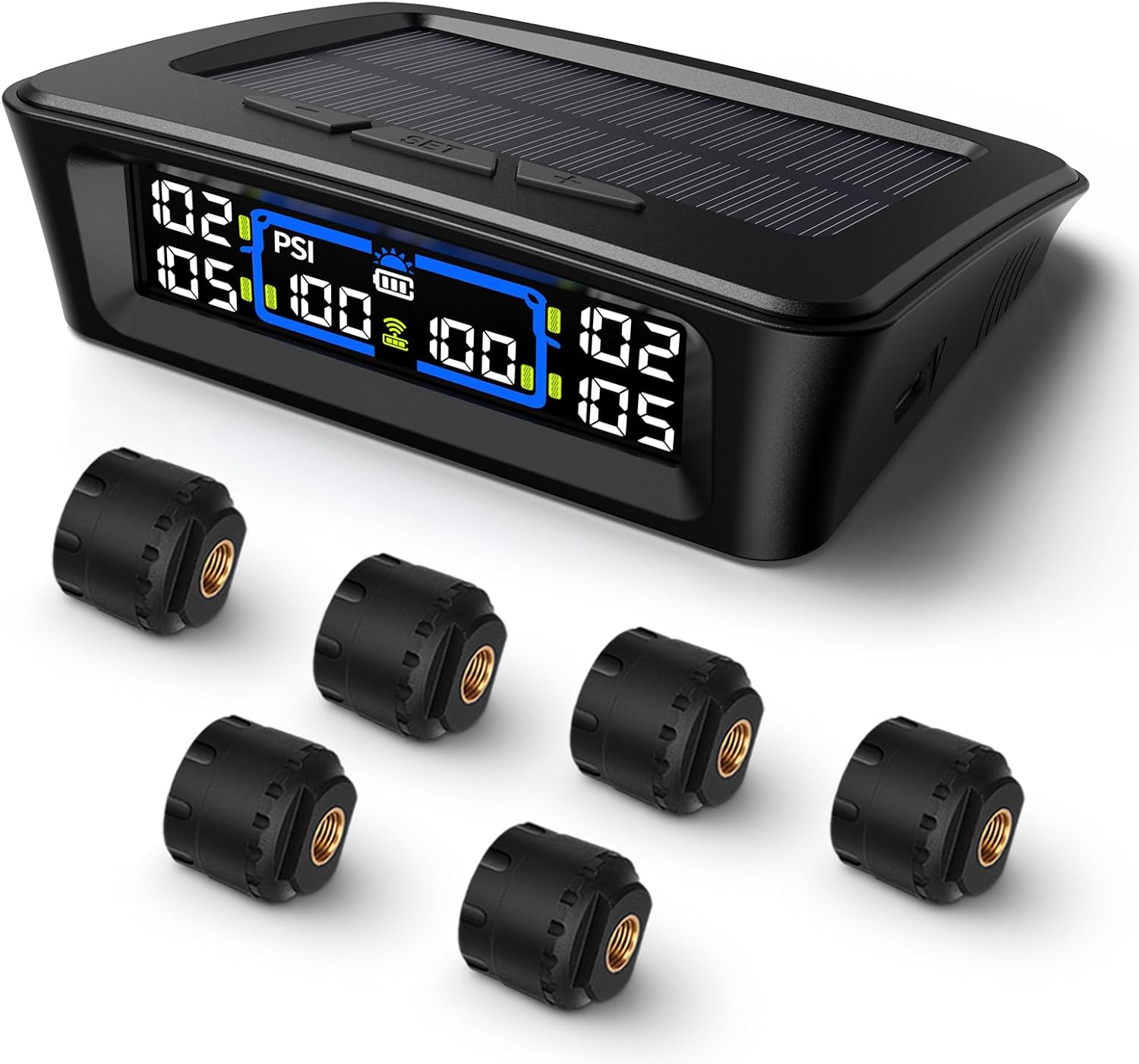
The Tymate TM12 RV TPMS delivers real-time tire pressure and temperature monitoring with a stable 433Hz display for safer long-distance driving. It supports simultaneous monitoring across vehicle and trailer zones, includes six alarm modes for pressure, temperature, leakage, battery, and signal loss, and features easy DIY installation with auto calibration. Power is supplied via USB-C charging or solar recharging, with a wide 0–144 PSI range and up to 50 ft signal coverage for RVs and towable trailers.
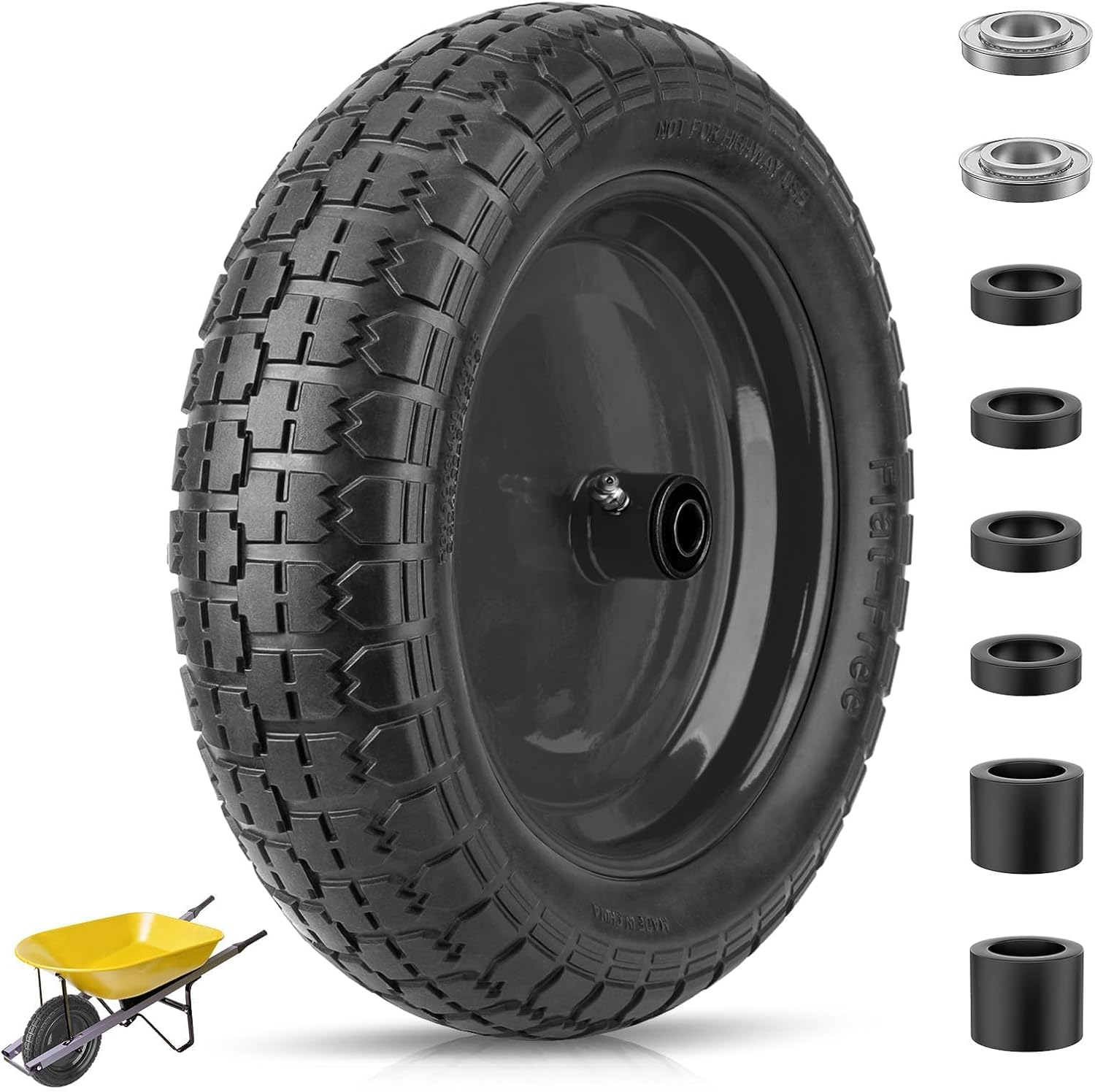
This flat-free TICONN wheelbarrow tire features durable polyurethane foam construction that never needs inflation, helping prevent punctures and reducing maintenance on rough outdoor terrain. With a 300 lb max load capacity and stable steel rim design, it supports safer transport for yard work and hauling tasks. An adapter kit with ball bearings and nylon spacers is included for easier fit and customization across common wheelbarrow and cart axle setups.
When 10-Ply-Rated Tires Make Sense
A 10-ply-rated Load Range E tire can be a practical upgrade when you regularly carry substantial cargo, tow within the truck’s limits, drive on construction sites, or encounter sharp rocks and rough roads. Many LT Load Range E models use stronger casings and offer higher load capacity than comparable lighter-duty options.
That does not make Load Range E the best choice for every Tundra. The tire may be heavier, stiffer, noisier, or less comfortable than the original-equipment tire. The exact tradeoff depends on the tire model, size, tread design, wheel, inflation pressure, and suspension setup.
Warning: A higher tire load rating does not raise the Tundra’s factory payload, axle, gross vehicle, or trailer limits. Those limits are set by the vehicle manufacturer and still apply.
[Products Worth Considering]

The Milton S-693 straight foot dual head air chuck is designed for accurate tire pressure checks and quick, secure valve-core engagement with lock-on threads on both ends. With a 1/4" FNPT connection and a maximum 150 PSI rating, it’s built for use on inner duals and common vehicle tires, including trucks and RVs.

Vigorder rubber cement glue delivers superior adhesion and cures quickly within about 30 seconds for seamless rubber bonding. Once cured, it helps provide a strong, durable, waterproof seal that holds up to vehicle weight, pressure, and heat. Suitable for cars, motorcycles, trucks, bicycles, and off-road tires, it’s designed for emergency patch and maintenance repairs.

Secure your trailer or RV tires with a scissor-style wheel chock stabilizer that applies opposing force to help prevent wheel shift. It fits tight wheel gaps from 3.5 inches up to 12 inches and works for travel trailers, campers, fifth wheels, toy haulers, and heavy-duty trucks. The surface uses new electrophoretic technology to help prevent rust for reliable travel use.
How Do 6-Ply and 10-Ply Tires Compare in Ride Quality?
Ride Comfort Differences
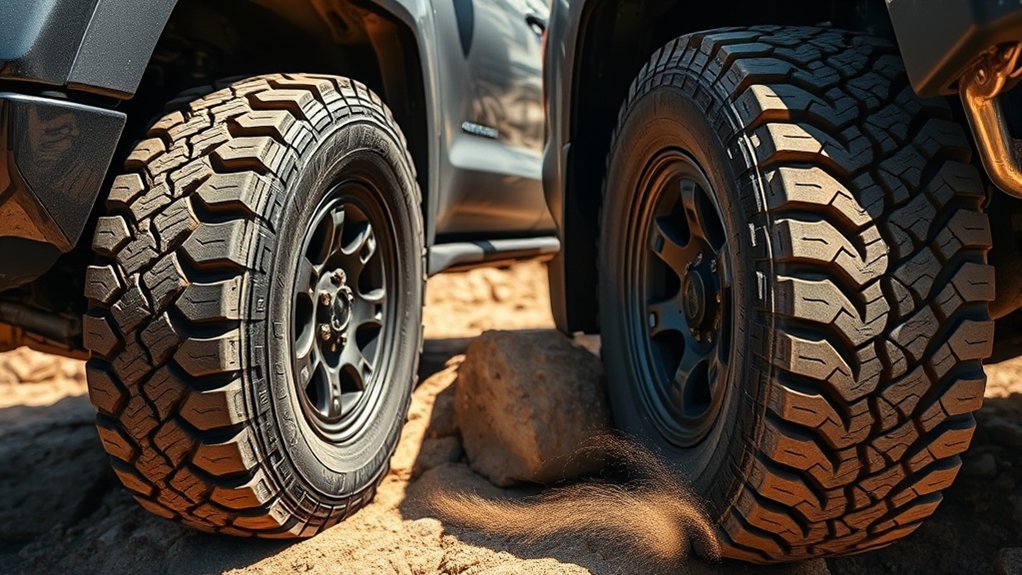
A lighter-duty tire often flexes more over small bumps, which can make an unloaded Tundra feel smoother. A Load Range E LT tire usually has a stronger, stiffer casing, so potholes, expansion joints, and gravel can feel sharper. Tire construction varies, though, so two Load Range E tires can ride very differently.
Highway and Long-Distance Driving
For mostly unloaded highway driving, the extra casing strength of a Load Range E tire may provide little practical benefit while adding weight and firmness. For regular towing, the same tire may feel more controlled because the sidewall deflects less. Select a tire designed for your actual use rather than choosing the highest load range available.
Off-Road Performance Impact
Load range is only one part of off-road performance. Tread pattern, rubber compound, sidewall design, tire diameter, wheel width, and operating pressure can matter just as much. A tougher LT tire may resist cuts and punctures better on rocks, while a lighter tire may flex more comfortably on washboard roads.
Never reduce pressure for off-road use without considering the load, speed, wheel, sidewall, and tire manufacturer’s guidance. Reinflating to the correct road pressure before highway driving is essential.
Towing Capacity and Ply Ratings
Tire capacity and trailer rating are different limits. A tire supports the load placed on its axle. It does not directly support the trailer’s entire weight, and adding the capacities of all four tires is not a valid way to calculate towing capacity.
Tundra towing limits vary by model year, cab, bed, drivetrain, powertrain, equipment, and configuration. Toyota advertises up to 12,000 pounds for certain 2025 Tundra configurations, but your truck’s exact rating may be lower. Use the owner’s manual, certification label, payload label, hitch rating, and configuration-specific towing information for your vehicle.
Trailer tongue weight, passengers, accessories, and cargo all add weight to the truck. They can use up available payload and increase rear-axle load even when the trailer itself remains below its stated maximum.
Pro Tip: Weigh the fully loaded truck and trailer at a certified scale. Record the front axle, rear axle, and combined weights, then compare them with the truck’s GVWR, GAWR, GCWR, payload, tire, wheel, and hitch limits.
Tire Pressure for Load Range E Tires
The maximum pressure molded on a tire sidewall is not an instruction to use that pressure every day. For the original tire size and type, begin with the cold pressure shown on the driver-door placard. The correct pressure supports the vehicle’s load while preserving handling, braking, tread wear, and heat control.
If you change from a passenger-type tire to an LT tire, change size, or install a different load range, the original placard number may not produce equivalent load capacity. A qualified tire professional should use the tire manufacturer’s load-and-inflation data to determine an approved pressure for the new setup.
The correct question is not “How much pressure can this tire hold?” It is “What pressure safely supports this truck’s actual load in this approved tire size?”
Expected Lifespan and Durability of 10-Ply Tires
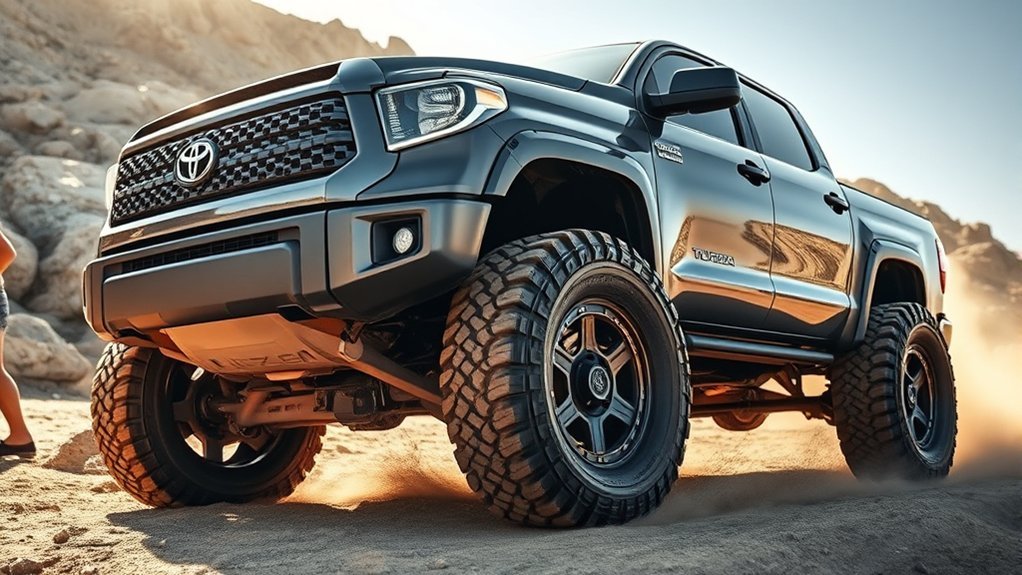
No single mileage figure applies to all 10-ply-rated tires. Tread life depends on the tire model, compound, alignment, rotation, pressure, load, speed, road surface, climate, driving style, and maintenance. A tire with a published treadwear warranty may still wear sooner under towing, gravel, high heat, or poor alignment.
- Check all tire pressures cold at least monthly and before towing or long trips.
- Inspect tread, shoulders, and sidewalls for cuts, bulges, cracking, objects, or uneven wear.
- Rotate tires at the interval listed by Toyota or the tire manufacturer.
- Correct alignment or suspension problems when wear appears uneven.
- Replace tires that are damaged, repeatedly lose pressure, or no longer meet safe tread requirements.
Choose the Best Tires for Your Driving Needs
Use this order when comparing tires for your Tundra:
- Confirm the factory specification. Read the driver-door placard and the owner’s manual for tire size, cold pressure, and vehicle loading information.
- Check the exact tire type. Determine whether your current specification is P-metric, metric, or LT-metric. Do not treat them as interchangeable without checking load capacity.
- Meet the load requirement. Choose a tire with adequate load index and load capacity for the vehicle’s axle ratings and real operating weight.
- Match your use. Consider towing frequency, payload, pavement, snow, mud, gravel, rocks, road noise, and ride comfort.
- Verify wheel compatibility. Confirm wheel width, diameter, pressure rating, and load rating before installing a higher-pressure LT tire.
- Use an approved pressure. Follow the placard for an original-equivalent setup or obtain a manufacturer-based pressure recommendation for a changed setup.
Note: Replace tires as a matched set when practical. Mixing different sizes, constructions, load capacities, or tread designs can change handling and may interfere with four-wheel-drive and safety systems.
[Products Worth Considering]

ETENWOLF T300 is a calibrated digital tire pressure gauge for accurate readings from 3 to 200 PSI across light and heavy-duty vehicles. It includes thermal compensation for reliable performance in extreme cold or heat, with an auto shut-off to extend battery life and an LED for easier reading. The sturdy design supports rugged everyday use, making it ideal for pickups, RVs, and industrial applications.

These aluminum alloy tire valve stem caps with an O-ring seal help protect valve stems from corrosion while adding a clean, stylish look to your vehicle. The universal fit works across cars, trucks, motorcycles, bicycles, and more, making them an easy upgrade for everyday driving and off-road use. Installation is quick, and the included four-pack keeps all your tires dressed and protected.

This tire inflator with pressure gauge delivers long-lasting performance with a durable rubber-protected gauge and sturdy build. The longer hose and 360 swivel air chuck help you seal the valve securely and keep your hands free while measuring, inflating, or deflating. It’s battery-free for reliable use and provides ±2 PSI accuracy in the mid-range for most typical tires, with universal compatibility for 1/4 NPT compressor outputs.
Frequently Asked Questions
What ply rating should I use on a Toyota Tundra?
Use a tire that matches the size, load capacity, speed rating, and operating requirements for your exact truck. A 6-ply-rated LT tire may suit lighter use, while a 10-ply-rated Load Range E tire may suit frequent heavy hauling, towing, or rough-road work. The door placard and owner’s manual come first.
Are 10-ply tires safer for towing?
They can provide useful load capacity and casing strength when properly selected and inflated, but the load-range letter alone does not guarantee safety. The tire must fit the wheel, meet the axle-load requirement, use the correct pressure, and remain within every vehicle and trailer limit.
Should I run Load Range E tires at 80 psi?
Not automatically. Eighty psi may be the tire’s maximum cold pressure in a particular size, not the correct pressure for your truck’s current load. Use the vehicle placard for an original-equivalent setup or an approved load-and-inflation calculation for a changed tire type or size.
Will 10-ply tires increase my Tundra’s towing capacity?
No. Tires with greater capacity do not change Toyota’s GVWR, GAWR, GCWR, payload, or trailer rating. They only provide the capacity shown for that tire when used at an appropriate pressure and within the approved vehicle setup.
Why do Load Range E tires ride harder?
Many use stronger casings and stiffer sidewalls to carry higher loads. That construction can transmit more impact into an unloaded truck. Ride quality still varies by tire model, tread, size, wheel, pressure, and suspension.
Conclusion
Choose 6-ply-rated or 10-ply-rated tires by matching the tire to your exact Toyota Tundra and how you use it. A lighter-duty tire can be the better option for normal unloaded driving, while Load Range E can suit repeated heavy work or harsh roads. Verify the size, load index, axle capacity, wheel compatibility, and pressure instead of relying on the ply label alone.
Sources
- NHTSA TireWise tire safety guidance — tire pressure, loading labels, inspection, and maintenance.
- Toyota Tundra Owner’s Manual portal — vehicle loading, towing, tire, and maintenance requirements.
- Toyota 2025 Tundra specifications — configuration-dependent maximum towing information.
- Goodyear tire load index guide — interpreting tire load-index markings.
- Continental tire sidewall guide — load range, service description, and sidewall markings.
- Toyo Tires safety information — replacement-tire load capacity and P-metric versus LT-metric cautions.