Choosing 4Runner Tires for Snow and Ice Conditions
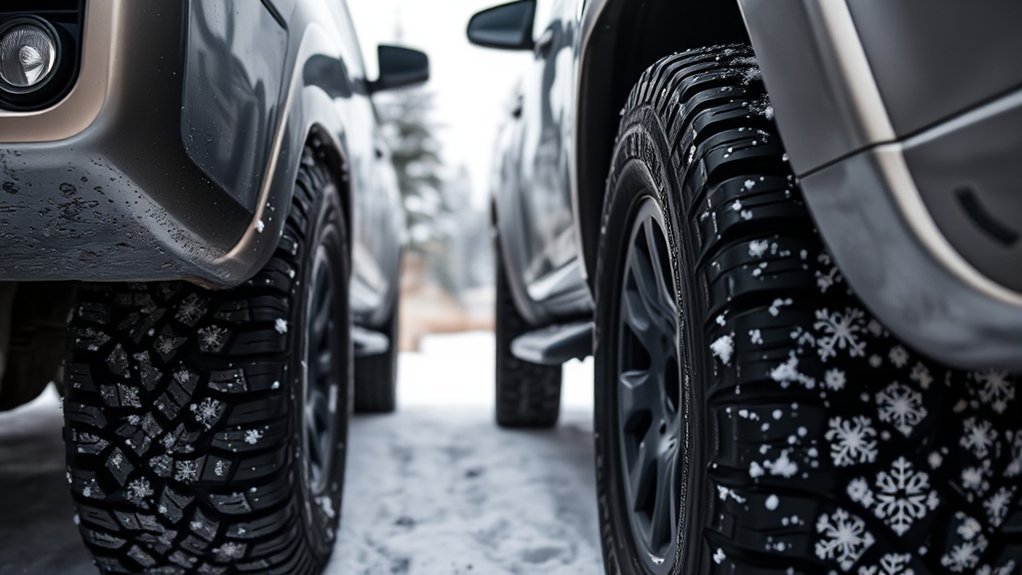
When choosing tires for your 4Runner in snow and ice, look for those with the Three-Peak Mountain Snowflake (3PMSF) symbol, indicating they’re designed for severe winter conditions. Dedicated winter tires offer better grip and performance than all-terrain options, especially on icy roads. Regular tire maintenance and proper pressure are essential for ideal traction. Brands like Bridgestone Blizzak and BFGoodrich All-Terrain T/A KO2 are popular choices. You’ll discover more tips to enhance your winter driving experience.
Understanding 4Runner Tire Ratings for Snow and Ice
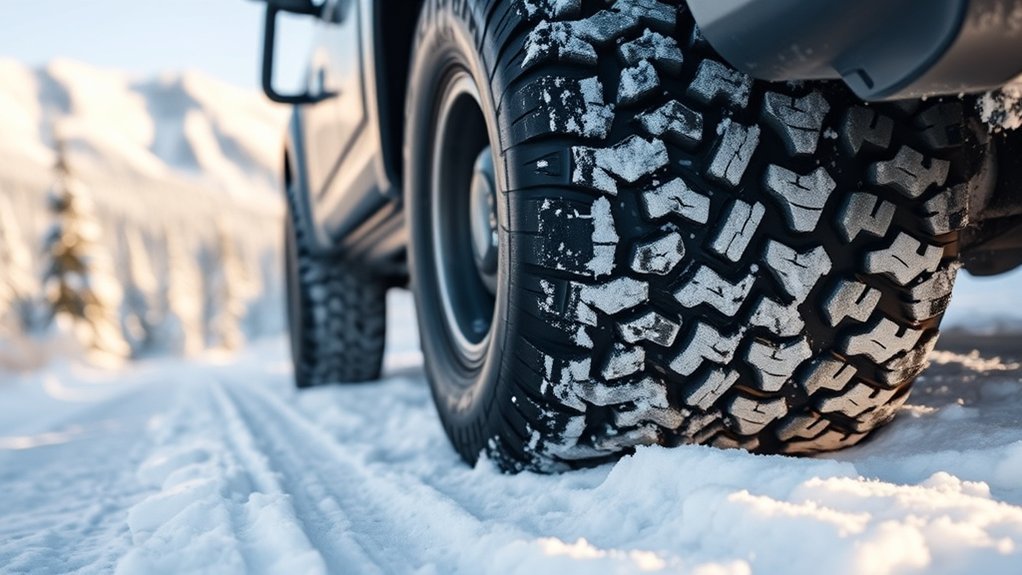
When choosing tires for your 4Runner, understanding the ratings for snow and ice is essential to ensuring your safety and performance in harsh conditions. Focus on tire selection strategies that prioritize the Three-Peak Mountain Snowflake (3PMSF) symbol, which indicates tires rated for severe snow service. Dedicated winter tires, like Blizzaks and Nokian Hakkapeliitta, outperform all-terrain options on icy surfaces due to their specialized tread designs and softer rubber compounds. While all-terrain tires like the BFGoodrich All-Terrain T/A KO2 can handle light snow, they won’t provide the same grip and braking performance as ice-rated tires. By considering snow traction ratings, you’ll make informed choices that enhance your 4Runner’s capability in winter conditions. Always remember to engage your 4WD for better stability on slippery roads, but avoid using it on dry pavement to prevent potential drivetrain damage. Your safety depends on choosing the right tires.
Key Features to Look for in Winter Tires
Choosing the right winter tires for your 4Runner involves knowing the key features that enhance performance in snow and ice. Look for tires marked with the Three-Peak Mountain Snowflake (3PMSF) symbol, which signifies they meet strict criteria for severe snow conditions. Soft rubber compounds in dedicated winter tires improve traction in sub-zero temperatures, ensuring a better grip on icy surfaces. Pay attention to tire tread designs that incorporate siping—thin slits that help the tire flex and adapt to wet and snowy roads, considerably boosting traction. While studded tires can offer superior grip on ice, check local regulations, as they may not be legal everywhere. Ultimately, tires like the Blizzaks, designed specifically for winter use, provide unparalleled snow performance and winter durability compared to all-terrain or all-season options. Your safety and driving experience depend on making the right choice.
Best 4Runner Tires for Snow and Ice: Key Comparisons
How do you guarantee your 4Runner is equipped for the harshest winter conditions? Selecting the right tires can make all the difference in achieving peak snow performance and driving safety. Here’s a comparison of top contenders:
- BFGoodrich All-Terrain T/A KO2: Offers exceptional traction with a 3PMSF rating, perfect for severe winter conditions.
- Falken Wildpeak AT3W: Recognized for durability and reliable grip in light to moderate snow and ice.
- Goodyear Wrangler Duratrac: Excels in deep snow and icy surfaces, especially in mountainous regions.
- Nokian Hakkapelita LT3: Outperforms many all-terrain options with its superior ice resistance and traction control on unplowed roads.
While dedicated winter tires like the Bridgestone Blizzak LT provide excellent winter handling, they may have shorter tire longevity. Choose wisely to balance all-terrain versatility with the need for dependable winter traction.
Comparing All-Terrain vs. Dedicated Snow Tires for 4Runners
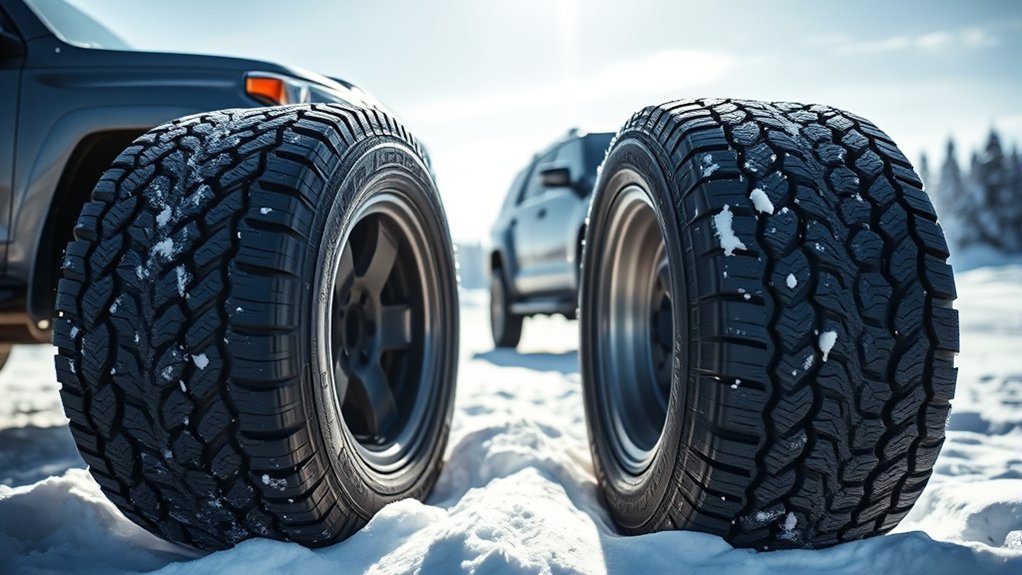
While both all-terrain and dedicated snow tires have their merits, understanding their distinct advantages can help you make an informed choice for your 4Runner during winter months. All-terrain tires, like the BFGoodrich All-Terrain T/A KO2, offer versatility with decent snow performance, ideal for mixed conditions. However, they may struggle on icy surfaces when the weather gets severe.
On the other hand, dedicated snow tires, such as the Bridgestone Blizzak, feature softer rubber compounds and specialized tread patterns, delivering superior traction on ice and packed snow. If you frequently encounter icy roads, studded snow tires can provide extra grip, enhancing safety. While all-terrain tires might suffice for typical winter weather, opting for dedicated snow tires is recommended for extreme conditions, ensuring you maintain control and braking performance when it matters most. Ultimately, knowing the all-terrain advantages and snow tire benefits will lead you to the right choice for your winter adventures.
Tire Maintenance for Winter Performance
To guarantee your 4Runner performs well in winter conditions, you’ve got to stay on top of tire maintenance. Regularly checking your tire tread, keeping proper inflation levels, and rotating your tires will greatly enhance traction and safety on snow and ice. These simple steps can make a big difference when the weather turns harsh.
Regular Tire Rotations
- Improved grip on slippery surfaces
- Extended tire lifespan, especially for winter tires
- Optimized performance by adhering to rotation frequency of every 5,000 to 7,500 miles
- Better assessment of tire health for informed replacement decisions
Following the recommended rotation patterns based on your tire type guarantees you get the most out of your tires. Regularly tracking your tire rotation history empowers you to make proactive choices, freeing you to navigate winter roads with confidence.
2. Proper Inflation Levels
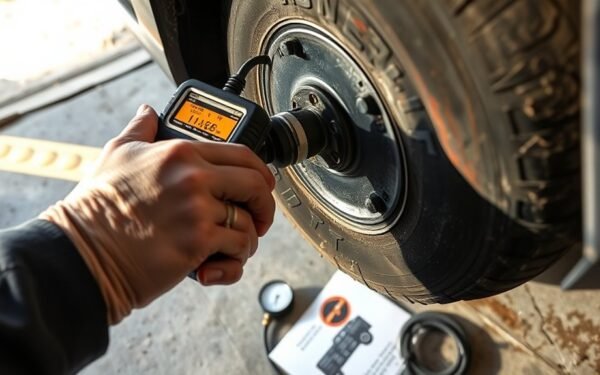
Maintaining proper tire inflation levels is essential for winter driving, especially when temperatures plummet. Cold weather can lower tire pressure by about 1 psi for every 10°F drop, impacting your traction and handling. Keeping your tire pressure at the manufacturer’s recommended levels, usually found on the driver’s door jamb, guarantees you have ideal contact with icy surfaces, enhancing grip. Under-inflated tires not only wear out faster but also struggle to maintain traction, putting you at risk in slick conditions. Regularly check your tire pressure, ideally once a month and before long trips, to counteract pressure loss due to winter conditions. By staying vigilant, you’ll guarantee a safer, more efficient driving experience throughout the chilly months.
3. Seasonal Tread Checks
As winter approaches, keeping an eye on your tire tread is essential for ensuring safe driving on slippery roads. Regular seasonal inspections can help you maintain ideal performance. Here are key points to evaluate:
- Check tread depth, aiming for at least 2/32 inch for effective traction.
- Inspect tire pressure monthly; cold temps can drop it by 1 PSI for every 10°F, impacting grip.
- Rotate tires every 5,000 to 7,000 miles for even wear, vital in winter conditions.
- Look for the Three-Peak Mountain Snowflake (3PMSF) symbol on tires, indicating they meet severe snow performance criteria.
Investing in dedicated winter tires can enhance your vehicle’s grip, giving you the freedom to navigate winter’s challenges confidently.
The Impact of Tire Pressure on Winter Driving
When winter hits, keeping your tire pressure in check is essential for safe driving. Cold temperatures can cause pressure drops, impacting traction and performance on icy roads. By understanding ideal pressure guidelines and making necessary adjustments, you can enhance your 4Runner’s grip and control this season.
Optimal Pressure Guidelines
Ideal tire pressure is essential for winter driving, especially when tackling snow and ice. Maintaining the right pressure enhances traction and stability, vital for your winter readiness. Here are some key points to keep in mind:
- Check the owner’s manual for the recommended tire pressure, usually between 30-35 PSI.
- Monitor temperature changes; tire pressure can drop about 1 PSI for every 10°F decrease.
- Avoid under-inflation; it can lead to reduced traction and increased hydroplaning risk.
- Don’t over-inflate; this can cause uneven wear and diminish grip on slippery surfaces.
2. Cold Weather Adjustments
Proper tire pressure is essential for winter driving, especially as temperatures drop. Each 10°F decrease can lower your tire pressure by about 1 PSI, leading to under-inflation. This not only impacts your vehicle’s handling but also increases tire wear and reduces fuel efficiency. To guarantee safety on icy roads, regularly check your tire pressure and maintain it according to the manufacturer’s specifications. Consider slightly increasing it for enhanced performance in snow and ice conditions. Remember, cold weather tips like monitoring tire pressure can help maintain peak grip, as colder temperatures harden rubber, reducing flexibility. Stay proactive with tire pressure adjustments to keep your 4Runner performing at its best this winter.
3. Impact on Traction
While it might seem like a minor detail, tire pressure plays a pivotal role in your 4Runner’s traction during winter driving. Proper tire pressure guarantees ideal contact with the road, enhancing grip in slippery conditions. Here’s what you need to know:
- Under-inflated tires can lead to sliding, as they reduce grip.
- Cold weather can lower tire pressure by about 1 PSI for every 10°F drop.
- Over-inflated tires create a smaller contact patch, risking skidding.
- Maintaining manufacturer-recommended pressure promotes even tire wear.
User Experiences: 4Runner Tires in Snowy Conditions
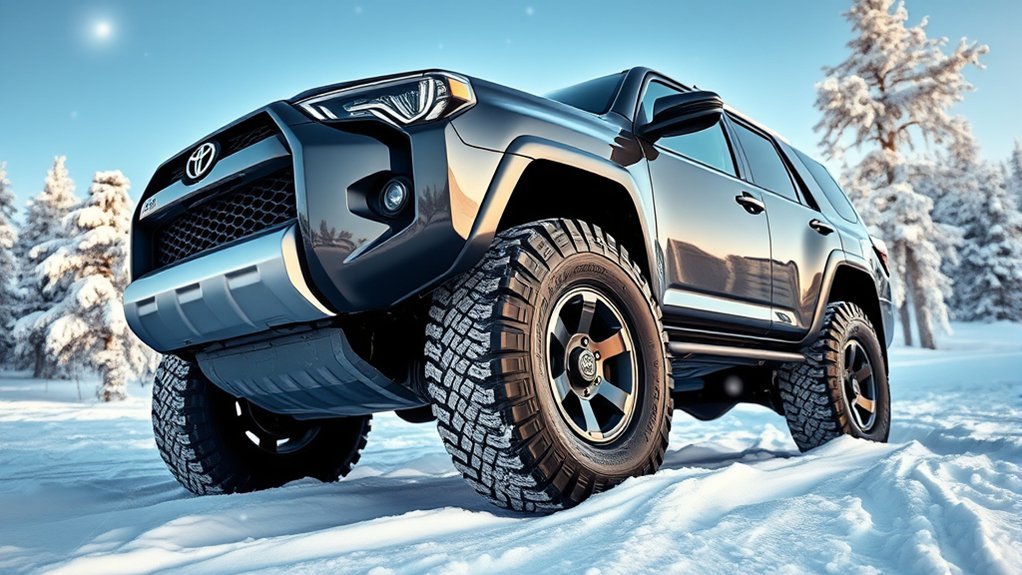
When traversing snowy conditions, many 4Runner owners emphasize the importance of choosing the right tires to enhance safety and performance. User experiences highlight that dedicated winter tires, like the Bridgestone Blizzak, offer superior traction on icy roads compared to all-season options. Experienced drivers recommend the BFGoodrich All-Terrain T/A KO2 for its exceptional grip and 3PMSF rating, making it a reliable winter choice. The Falken Wildpeak AT3W garners praise for balanced performance in both snow and ice, empowering you to navigate tough terrain effectively. Users also note that the Goodyear Wrangler Duratrac instills confidence on packed snow and slush. While drivers find the Toyo Open Country AT III effective in wet, snowy conditions, performance on ice may not match that of dedicated winter tires. Adopting these tire selection strategies can greatly improve your winter driving techniques and overall safety.
Get Your 4Runner Ready for Winter Adventures!
As winter approaches, getting your 4Runner prepped for snowy adventures is essential for safety and performance. Start by choosing the right tires; look for brands with a Three-Peak Mountain Snowflake (3PMSF) rating, like the BFGoodrich All-Terrain T/A KO2 or the Falken Wildpeak AT3W. For icy conditions, dedicated winter tires like the Bridgestone Blizzak offer superior grip.
Here are some key steps to guarantee your 4Runner is winter-ready:
- Engage 4-wheel drive (4H) for better stability on slippery roads.
- Regularly check tire alignment to maintain peak performance.
- Keep tire pressure at recommended levels for better traction.
- Consider versatile options like the Goodyear Wrangler Duratrac for both on-road and off-road adventures.
With these tips, you’ll be ready to tackle winter driving challenges and enjoy the freedom of exploring snowy landscapes!
Frequently Asked Questions
Are 4runners Good in Icy Conditions?
Yes, 4Runners excel in icy conditions, especially with winter tires. Their 4-wheel drive boosts stability, enhancing winter driving safety. With proper tires, you’ll experience improved traction and control, making your journey more secure and enjoyable.
What Is the 7 7 Rule for Snow Tires?
The 7/7 rule suggests switching to winter tires when temperatures drop below 7°C. These tires’ specialized tread enhances winter performance, ensuring better grip and safety on icy roads, even without snow present.
Conclusion
Choosing the right tires for your 4Runner in snow and ice is essential for safety and performance. Just like a good winter coat keeps you warm, the right tires guarantee you grip the road confidently. By understanding tire ratings, features, and maintenance, you can tackle winter conditions with ease. So gear up, keep your pressure in check, and hit the snowy trails knowing you’re well-prepared for whatever winter throws your way!

Related Articles
Troubleshooting the 4Runner Tire Pressure Monitoring System
Navigate 4Runner TPMS resets, sensor failures, and hidden calibration tricks mechanics don't share—your dash light holds darker secrets than low tire pressure.
Read More
4Runner Hub Centric Ring Install: Tips to Avoid Problems
Never install hub centric rings on your 4Runner without checking this critical measurement first—it could destroy your wheels.
Read More
Can You Use Run-Flat Tires on a Toyota 4Runner
Not all run-flat tires are suitable for your Toyota 4Runner; discover essential tips to ensure you make the right choice.
Read More