
Tire Tread Pattern Types: Symmetrical, Directional, and More
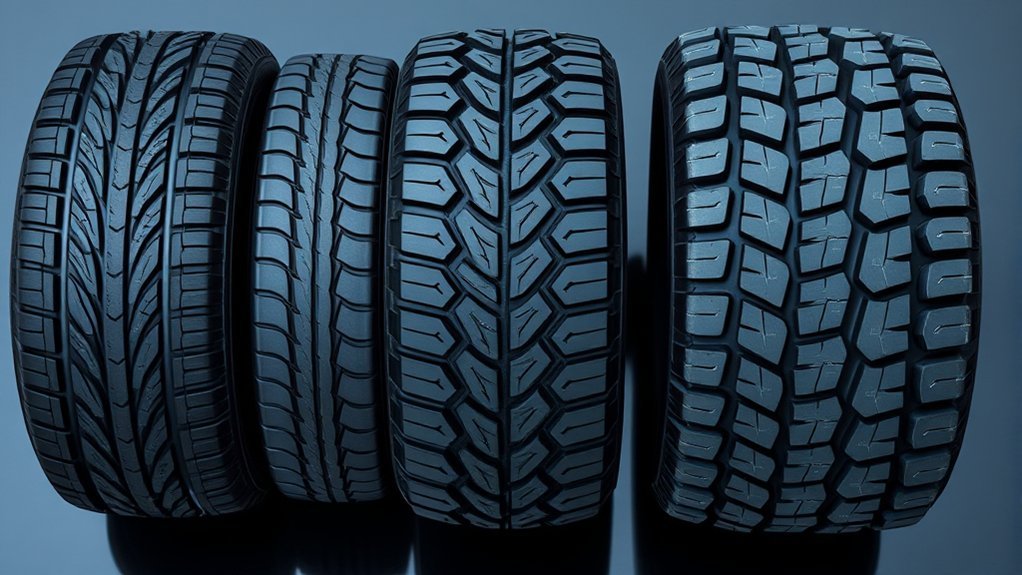
Tire tread patterns influence how a tire moves water, grips during cornering, tracks in a straight line, and wears over time. The three common designs are symmetrical, directional, and asymmetrical. Each has advantages, but the visible pattern is only one part of tire performance. Rubber compound, tread depth, construction, temperature, inflation, and vehicle fitment matter just as much.
Quick Answer
The best tire tread pattern depends on your vehicle, climate, and priorities. Symmetrical treads suit routine commuting and flexible rotation. Directional treads emphasize water and slush evacuation but require correct rotational mounting. Asymmetrical treads combine wet-weather channels with stiffer outer blocks for balanced handling. Always compare the complete tire, not the pattern alone.
Key Takeaways
- Symmetrical tread commonly provides a smooth ride, predictable wear, and flexible rotation.
- Directional tread uses one-way grooves to help move water or slush away from the contact area.
- Asymmetrical tread combines different inner and outer zones for wet evacuation and cornering support.
- A tire’s compound, construction, depth, size, load rating, and test performance matter more than appearance alone.
- Follow the sidewall markings, vehicle placard, owner’s manual, and tire manufacturer’s rotation instructions.
How Tire Tread Patterns Affect Performance
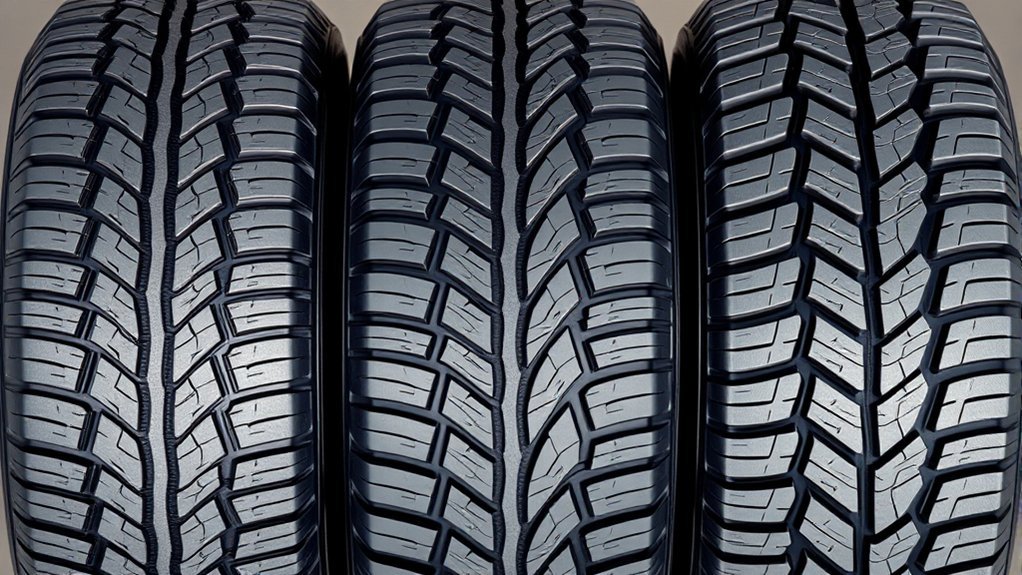
The tread is the rubber surface that meets the road. Its design uses several features that work together:
- Grooves and channels create paths through which water and slush can leave the contact area.
- Sipes are narrow cuts that create additional biting edges for wet, snowy, or icy surfaces.
- Tread blocks provide gripping edges and support acceleration, braking, and cornering forces.
- Ribs are continuous sections that can improve straight-line stability and steering response.
- Shoulders support the tire during turns and help manage heat and lateral forces.
According to Michelin’s explanation of tire construction, groove ratio, groove layout, sipes, tread blocks, and tire profile can all affect water evacuation, grip, and noise. That means two tires with the same general pattern category may perform very differently in independent testing.
Note: “Symmetrical,” “directional,” and “asymmetrical” describe the layout of the tread. They do not tell you whether the tire is a summer, all-season, all-weather, winter, touring, performance, or all-terrain tire.
[Products Worth Considering]

Monitor tire tread wear with a smart, color-coded depth gauge that shows clear condition ranges at a glance. The bar is range marked for fast, easy readings, helping you maintain safer traction and performance. Each gauge is portable with a pocket clip, and the set includes 20 units for daily use and sharing.

Measure tire tread depth quickly and accurately with this LUMITECO dial gauge that reads in 1/32" increments up to 14/32". The color-coded green/yellow/red zones make it easy to judge tire wear and know when replacement is needed. A rugged, compact design with a protective pouch helps keep the gauge ready for use on cars, trucks, motorcycles, and more.

Accurately measure tire tread depth with a calibrated gauge marked from 0 to 1 inch in 1/32 inch increments. The color-coded bar helps you quickly identify tread condition ranges, supporting safe driving for trucks, motorcycles, automobiles, and passenger vehicles.
Symmetrical vs. Directional vs. Asymmetrical Tread
| Pattern | Typical Strengths | Main Limitation | Mounting and Rotation |
|---|---|---|---|
| Symmetrical | Smooth operation, stable tracking, even-wear potential, and flexible rotation | May offer fewer specialized wet- or performance-focused zones than other designs | Usually the most flexible, unless vehicle sizing or fitment limits rotation |
| Directional | Strong water or slush evacuation and clear forward-rotation design | Fewer rotation options while mounted on the wheels | Must follow the Rotation arrow; commonly moved front to rear on the same side |
| Asymmetrical | Combines inner wet-weather features with outer cornering support | Correct Inside and Outside orientation is essential | Pattern depends on whether the tire is also directional and on vehicle guidance |
These are general design tendencies, not performance guarantees. A high-quality symmetrical tire can outperform a poorly matched directional tire in rain, and an all-season asymmetrical tire is not automatically a substitute for a dedicated winter tire.
Symmetrical Tire Tread Patterns
A symmetrical tire uses the same tread layout on both halves of its face. It may have continuous ribs, repeated blocks, or a combination of both. This design is common on passenger-car and touring tires because it can support stable tracking, low rolling resistance, predictable wear, and a quiet ride.
Common advantages include:
- Flexible rotation: The tire can often use several rotation patterns when all four tires have the same size and the vehicle manufacturer allows it.
- Predictable wear: A uniform layout can support even wear when inflation, alignment, and suspension condition are correct.
- Everyday comfort: Many touring tires use symmetrical designs to balance ride comfort, noise, and tread life.
- Simple fitment: Most symmetrical non-directional tires do not have a required rolling direction or Inside/Outside orientation.
The main trade-off is that a basic symmetrical design may not have separate zones optimized for water evacuation and hard cornering. However, you should not assume that all symmetrical tires have weak wet grip. The compound, groove volume, siping, tread depth, and test results determine how a specific tire behaves.
Directional Tire Tread Patterns
A directional tire is engineered to roll forward in one specified direction. Its grooves often form a V, arrowhead, or sweeping pattern that moves water or slush outward as the tire rolls. This layout can support hydroplaning resistance and wet-weather stability when the tire is correctly mounted and has sufficient tread depth.
Directional patterns are commonly used on some performance, winter, and all-weather tires. Their potential benefits include:
- Efficient water and slush evacuation.
- Strong straight-line tracking.
- Numerous gripping edges in directional winter designs.
- A consistent contact pattern at higher road speeds.
Those benefits do not guarantee that every directional tire will brake or corner better than every symmetrical or asymmetrical tire. Rubber compound, temperature range, tread depth, internal construction, vehicle setup, and the exact tire model remain important.
Warning: A directional tire must roll in the direction shown by the arrow on its sidewall. Incorrect mounting can prevent the tread from evacuating water as designed. Have the installation corrected by a qualified tire professional.
If all four tires are the same size, a directional wheel-and-tire assembly is commonly rotated from front to rear on the same side. Moving it to the opposite side may require the tire to be removed from the wheel and remounted so that the arrow still points forward. Follow the vehicle owner’s manual and tire manufacturer’s instructions.
Asymmetrical Tire Tread Patterns
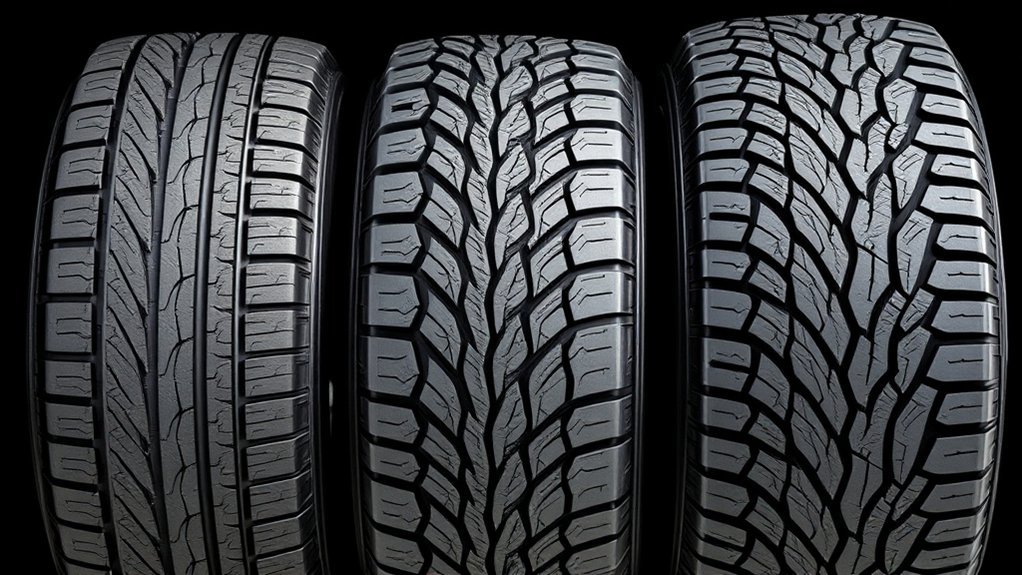
An asymmetrical tire has one tread design on its inner section and another on its outer section. The zones perform different jobs while remaining part of one tire.
- Inner section: Commonly uses grooves and channels designed to move water away from the contact area.
- Outer section: Often uses larger or stiffer blocks to support cornering and dry-road stability.
- Center section: May provide steering response and straight-line stability.
This combination makes asymmetrical tread common on touring, premium, and performance-oriented tires. Some designs can balance wet traction, dry handling, comfort, and noise more effectively than a simple single-zone pattern.
Asymmetrical tires have sidewall markings such as Outside and Inside. The Outside sidewall must face away from the vehicle. Once the tire is correctly mounted on its wheel, a non-directional asymmetrical tire may allow normal vehicle-approved rotation patterns. If the tire is both asymmetrical and directional, it must satisfy both the Inside/Outside markings and the rotation arrow.
Sidewall Markings That Affect Tread Fitment
Before mounting or rotating a tire, check its sidewall for the following labels:
- Rotation arrow: Shows the required forward rolling direction for a directional tire.
- Outside and Inside: Show the correct orientation of an asymmetrical tire.
- Tire size: Identifies width, aspect ratio, construction, and wheel diameter.
- Load index: Indicates the tire’s load-carrying category.
- Speed rating: Identifies the tire’s tested speed category under specified conditions.
- 3PMSF symbol: The three-peak mountain snowflake shows that the tire met a standardized severe-snow performance test.
- M+S marking: Identifies a mud-and-snow design under manufacturer criteria but does not provide the same standardized winter-performance verification as 3PMSF.
Use the vehicle owner’s manual and the Tire and Loading Information label on the driver-side door area to confirm the correct tire size and recommended cold inflation pressure. Do not use the maximum pressure molded on the tire sidewall as the vehicle’s normal inflation target.
[Products Worth Considering]

The SAFELIFE dial tire tread depth gauge measures tread depth in 1/32 inch increments with clear, easy-to-read 2-inch dial face. Color zones using a traffic light system help you quickly judge whether tread is low, marginal, or ample for safer driving. Built with a durable zinc cast body and a metal detect probe for precise, comfortable use across cars, motorcycles, trucks, and buses.

Black Magic Tire Wet delivers a deep wet-look shine that makes tires appear dark, rich, and freshly detailed. Its long-lasting formula helps resist rain, dust, and road grime for weeks of glossy protection, not days. Apply by spraying onto clean, dry tires—no buffing or wiping required—with a low-sling design to reduce splatter on paint and wheels.

Steelman white tire marking crayons provide high-contrast, semi-permanent marks for repairing and inspecting tires and equipment. They write on wet or dry, smooth or coarse surfaces including rubber, metal, glass, and wood, making them ideal for puncture location and damage outlining. The lead- and zinc-free crayons resist weather and fading yet wipe away when you no longer need the marks.
How to Maintain Safe Tire Tread
Tread design cannot work properly when the grooves are worn, the tire is underinflated, or the tread has developed uneven wear. Check all four tires at least monthly and before long trips.
Check Tread Depth Correctly
A tread-depth gauge gives a more precise measurement than a visual estimate. Insert the gauge into the main tread grooves and check several places across and around each tire. Use the lowest valid measurement when assessing the tire.
- In the United States, NHTSA advises replacing tires when tread reaches 2/32 inch.
- Built-in treadwear bars become level with the surrounding tread at the tire’s wear limit.
- A penny test can provide a quick screening check, but a tread-depth gauge is more accurate.
- Wet braking and hydroplaning resistance can deteriorate before a tire reaches the legal minimum.
- Winter tires may have separate winter-wear indicators and may need replacement for winter use before reaching 2/32 inch.
- Regional laws may require greater tread depth, especially for winter operation.
Many new winter tires begin with approximately 9/32 to 12/32 inch of tread, depending on the model. That figure describes original depth, not a universal minimum that must remain throughout the tire’s life.
The legal tread minimum is a final limit, not proof that a worn tire still delivers its original wet- or winter-weather performance.
Use the Correct Tire Rotation Pattern
Regular rotation can reduce irregular wear and help the tires maintain more consistent handling. NHTSA notes that many manufacturers recommend rotation every 5,000 to 8,000 miles, but the correct interval and pattern come from your vehicle manual and tire warranty.
- Symmetrical, non-directional tires: May permit front-to-rear, rearward-cross, forward-cross, or X-pattern rotation, depending on drivetrain and vehicle instructions.
- Directional tires: Usually remain on the same side while being moved between front and rear unless they are professionally dismounted and remounted.
- Asymmetrical, non-directional tires: May use vehicle-approved cross-rotation patterns as long as the Outside sidewall continues to face outward.
- Asymmetrical and directional tires: Must satisfy both orientation requirements and commonly have limited rotation options.
- Staggered fitments: Vehicles with different front and rear tire sizes may not permit front-to-rear rotation.
Consult Michelin’s tire-rotation guidance or the instructions supplied by your tire manufacturer when the correct pattern is unclear.
Watch for Uneven Wear
Measure more than the center groove. Differences between the inner edge, center, and outer edge can reveal a maintenance problem.
- Both shoulders wearing faster: May indicate chronic underinflation.
- Center wearing faster: May indicate excessive inflation for the load and vehicle.
- One edge wearing faster: Can point to an alignment or suspension issue.
- Cupping or scalloped patches: May be related to balancing, worn suspension parts, or alignment problems.
- One tire wearing much faster: Requires inspection rather than rotation alone.
Check cold inflation pressure monthly using the pressure listed on the vehicle placard. Rotation cannot correct an underlying inflation, alignment, suspension, or mechanical fault.
Pro Tip: Record the lowest tread measurement for each tire during every pressure check. A simple four-position record makes uneven wear easier to notice before it becomes severe.
How to Choose the Best Tire Tread Pattern
Start with the vehicle’s requirements, then compare tires designed for your actual weather and driving conditions.
- Confirm the required size. Use the driver-door placard or owner’s manual rather than copying a size from a modified vehicle.
- Match load and speed requirements. Do not install a tire with inadequate load capacity or an unsuitable speed rating.
- Choose the correct tire category. Decide whether you need summer, touring all-season, all-weather, winter, performance, highway-terrain, or all-terrain tires.
- Consider your climate. Frequent heavy rain may favor strong water evacuation, while severe winter conditions require an appropriate winter compound and verified snow performance.
- Review sidewall markings. Decide whether limited directional rotation or an Inside/Outside mounting requirement suits your maintenance needs.
- Check independent testing. Compare wet braking, dry braking, hydroplaning resistance, snow traction, comfort, noise, and treadwear within the same tire category and size.
- Account for the vehicle layout. AWD systems, staggered sizing, performance alignments, and different front-to-rear load demands can affect replacement and rotation decisions.
For Everyday Commuting
A symmetrical touring tire can be a practical choice when comfort, rotation flexibility, predictable wear, and value are priorities. An asymmetrical touring tire may provide a broader wet-and-dry performance balance. Compare the complete tire’s ratings and testing rather than selecting solely by pattern.
For Frequent Heavy Rain
Directional channels or the inner drainage section of an asymmetrical tire can support water evacuation. However, tread depth, compound, speed, standing-water depth, and inflation strongly affect hydroplaning risk. Slow down in heavy rain even when using a rain-focused tire.
For Snow and Winter Conditions
Do not choose a winter tire only because it has a V-shaped pattern. Look for the three-peak mountain snowflake symbol, a cold-weather compound, suitable tread depth, and verified winter testing. Directional patterns are common on winter tires, but asymmetrical and other layouts can also provide strong winter performance.
For Performance Driving
Asymmetrical patterns are common because their outer blocks can support cornering while their inner grooves manage water. Directional performance tires may also provide strong wet evacuation. Use a tire that matches the vehicle manufacturer’s specifications and your temperature range.
Warning: Avoid mixing substantially different tire sizes, constructions, seasonal categories, or performance levels on the same axle. Unequal tires can change braking and handling balance. AWD vehicles may also have strict limits on allowable tread-depth differences.
Frequently Asked Questions
What is a symmetrical tire tread pattern?
A symmetrical tread uses the same design on both sides of the tire’s centerline. It commonly provides stable tracking, predictable wear, quiet operation, and flexible rotation. Actual wet grip and braking depend on the tire’s grooves, sipes, compound, depth, construction, and condition.
What is the difference between directional and symmetrical tires?
A directional tire is designed to roll in one direction and must follow the sidewall arrow. A symmetrical non-directional tire normally has no required rolling direction and permits more rotation options. Directional designs often emphasize water or slush evacuation, while symmetrical designs commonly emphasize versatility and even-wear potential.
What happens if a directional tire is installed backward?
The tread will not move water or slush in its intended direction, which can reduce the design’s wet-weather benefit. Check the Rotation arrow on the sidewall and have an incorrectly mounted tire corrected by a qualified installer.
Can asymmetrical tires be moved from one side to the other?
A non-directional asymmetrical wheel-and-tire assembly can often be cross-rotated when the vehicle manufacturer permits it because the side marked Outside continues to face outward. A tire that is both asymmetrical and directional has additional restrictions. Follow the vehicle and tire instructions.
Which tire tread pattern is best for rain?
Directional and asymmetrical designs often include strong water-evacuation features, but no pattern category is automatically best. Compare wet-braking and hydroplaning tests for the exact tire model, and consider tread depth, compound, inflation, speed, and vehicle fitment.
When should tire tread be replaced?
NHTSA identifies 2/32 inch as the U.S. replacement threshold. Wet- and winter-weather performance can decline before that point, so consider your climate, local laws, tire wear indicators, manufacturer guidance, and the lowest measurement found across the tread.
Sources
- National Highway Traffic Safety Administration: TireWise — tire size, pressure, rotation, inspection, and 2/32-inch tread guidance.
- U.S. Tire Manufacturers Association: Tire Care Essentials — monthly pressure and tread inspection guidance.
- Continental: Tire Tread Patterns and Depth — characteristics of symmetrical, directional, and asymmetrical designs.
- Michelin: How Tires Are Made — effects of grooves, sipes, blocks, and tread layout.
- Michelin: Tire Rotation Guide — rotation patterns, fitment restrictions, and maintenance considerations.
Conclusion
Symmetrical, directional, and asymmetrical tire tread patterns each solve different design problems. Symmetrical patterns commonly support comfort and rotation flexibility. Directional designs emphasize one-way water or slush evacuation. Asymmetrical designs combine separate inner and outer performance zones.
Do not choose a tire from its tread shape alone. Confirm the correct size, load capacity, speed rating, seasonal category, sidewall orientation, and vehicle requirements. Then compare testing for wet braking, dry handling, winter traction, noise, comfort, and tread life. Regular pressure checks, tread measurements, rotation, and alignment inspections will help the chosen pattern perform as intended.
[Products Worth Considering]

Measure tyre tread depth precisely with a digital gauge that reads in both MM and inches, helping you monitor safe driving conditions. The large LCD screen is easy to operate, and the compact tool fits for cars, trucks, and motorcycles. It provides high accuracy with a 0-25.4mm range and includes a 1-year warranty for added peace of mind.

Replace worn tires quickly with this universal 4.80/4.00-8 tire and inner tube set designed for wheelbarrows and outdoor utility carts. The ribbed tread helps reduce turf damage while the natural rubber construction supports longer service life. Compatible with 15.5-inch outer diameter, 4-inch width, and 8-inch rim diameter wheels, it uses a straight TR-13 valve stem for easy installation. For best results, inflate with a manual pump and do not exceed 25 PSI.

The Topeak SmartGauge D2 delivers precise digital tire pressure readings for bikes, motorcycles, and sports equipment up to 250 psi (17 bar). Its rotating SmartHead works with both Presta and Schrader valves, so you can check pressure quickly without adapters. The LCD display makes it easy to read results in psi, bar, or kg/cm² with an included CR2032 battery for immediate use.

Related Articles

When to Switch From All-Season to Winter Tires on a 4Runner
Ineffective all-season tires in cold weather can jeopardize your safety—discover when to make the crucial switch for better traction and handling.
Read More
4Runner Tire Mileage: How Many Miles Should They Last
Curious about how long your 4Runner tires should last? Discover essential tips and factors that influence tire longevity.
Read More
How Long Do Toyota 4Runner Tires Typically Last
How long do Toyota 4Runner tires typically last? Discover the factors that influence tire longevity and essential tips for maintenance.
Read More