
4Runner Tire Losing Air Slowly: How to Diagnose the Cause
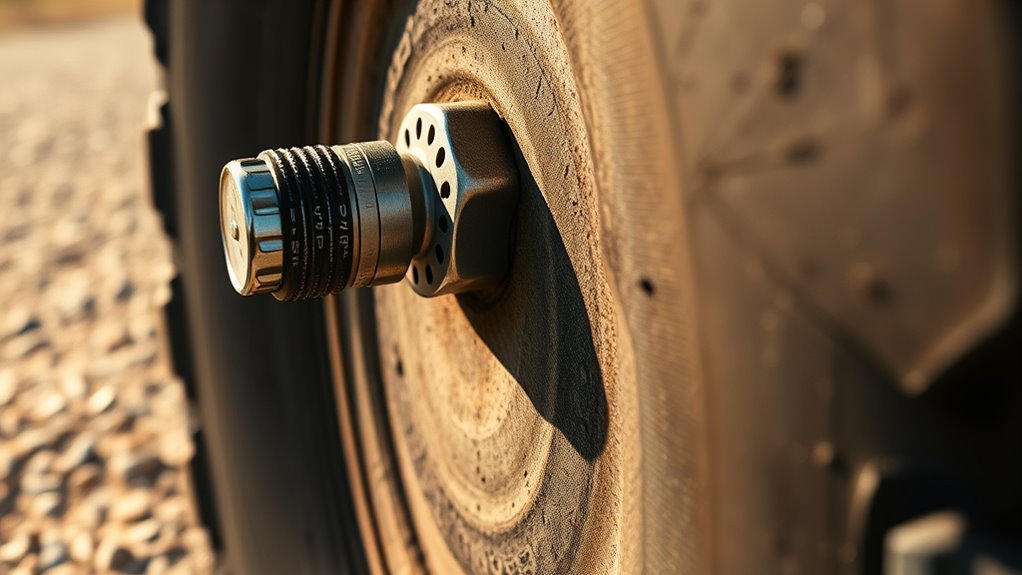
A slow tire leak on a Toyota 4Runner can be frustrating because the tire may look fine but still lose air every few days. Start with a cold pressure reading, compare it with the driver-side tire placard, then check the tread, valve stem, bead, rim, and sidewall before choosing a repair.
Quick Answer
To find a slow tire leak on a 4Runner, check cold tire pressure first, then inspect the tread, valve stem, bead seal, rim, and sidewall. Spray soapy water on each suspect area and watch for bubbles. Use sealant only as an emergency fix, and let a tire shop handle bead leaks, rim damage, sidewall damage, or unsafe punctures.
Key Takeaways
- Check tire pressure when the tires are cold and use the PSI listed on the 4Runner’s driver-side placard or owner’s manual, not the maximum PSI molded on the tire.
- Slow leaks often come from tread punctures, loose valve cores, cracked valve stems, bead leaks, rim corrosion, or small wheel cracks.
- Soapy water is the easiest home test: bubbles show where air is escaping.
- Do not repair sidewall damage, bulges, exposed cords, cracked wheels, or tires that were driven while very low or flat.
- TPMS is helpful, but it is not a substitute for monthly pressure checks with a gauge.
At a Glance
| Time Required | 15-30 minutes for a home leak check; longer if the wheel must be removed for inspection. |
| Difficulty | Easy for inspection and soapy-water testing; moderate to professional for tire removal, bead cleaning, patch-plug repair, or TPMS service. |
| Tools Needed | Tire pressure gauge, spray bottle, dish soap, water, flashlight, chalk or tape, portable inflator, and valve-core tool if you know how to use one. |
| Cost | Low for home testing; shop repair costs vary by region, tire removal, TPMS service, rim cleaning, valve replacement, or tire replacement. |
Start With a Cold Pressure Check Before Looking for Leaks
Before you hunt for a leak, confirm the tire is actually losing air. Use a reliable gauge when the tires are cold, meaning the 4Runner has been parked for at least three hours. The National Highway Traffic Safety Administration recommends checking all tires, including the spare, at least once a month when cold.
Compare your reading with the tire and loading information label on the driver’s side doorjamb or the pressure listed in your Toyota owner’s manual. Do not use the maximum PSI printed on the tire sidewall as your normal target. That number is a tire limit, not the vehicle’s recommended cold inflation pressure.
- Write down the PSI for all four tires and the spare if accessible.
- Recheck the same tire at the same time of day for several days.
- If one tire drops faster than the others, treat it as a leak.
- If all tires drop after a cold snap, temperature may be the reason.
Warning: Do not keep driving on a tire that is visibly low, has a sidewall bulge, shows exposed cords, has a deep cut, or loses air quickly. Install the spare if safe to do so or call roadside assistance.
[Products Worth Considering]

EVOULTES heavy duty tire inflator with an integrated gauge delivers accurate pressure readings from 10–120 PSI, helping you inflate, deflate, and check tires in one tool. The 16.5-inch extended dual-head air chuck with swivel base reaches hard-to-access dual wheel valves on trucks and RVs. A brass trigger core and side-mounted air release valve make operation smooth, with standard 1/4" NPT threading and quick-connect compatibility for easy setup.

This multi-function tire valve stem removal tool set makes it fast to remove, install, bleed, and clean valve cores for easier tire maintenance. It includes valve core removers, a 4-way spool tool, replacement valve caps, and spare cores to handle replacements and repairs with confidence. Universal compatibility suits cars, trucks, motorcycles, bicycles, and more for roadside convenience.

These universal aluminum tire valve stem caps help protect valve cores from corrosion caused by dirt, water, and snow while helping prevent air leaks to maintain steady tire pressure. They’re easy to install with a simple screw-on fit and are suitable for cars, SUVs, trucks, bicycles, motorcycles, and other vehicles. The stylish black caps add a clean, standout look to your wheels while supporting reliable long-term performance.
Start With Visual Checks: Find Slow Tire Air Loss Causes
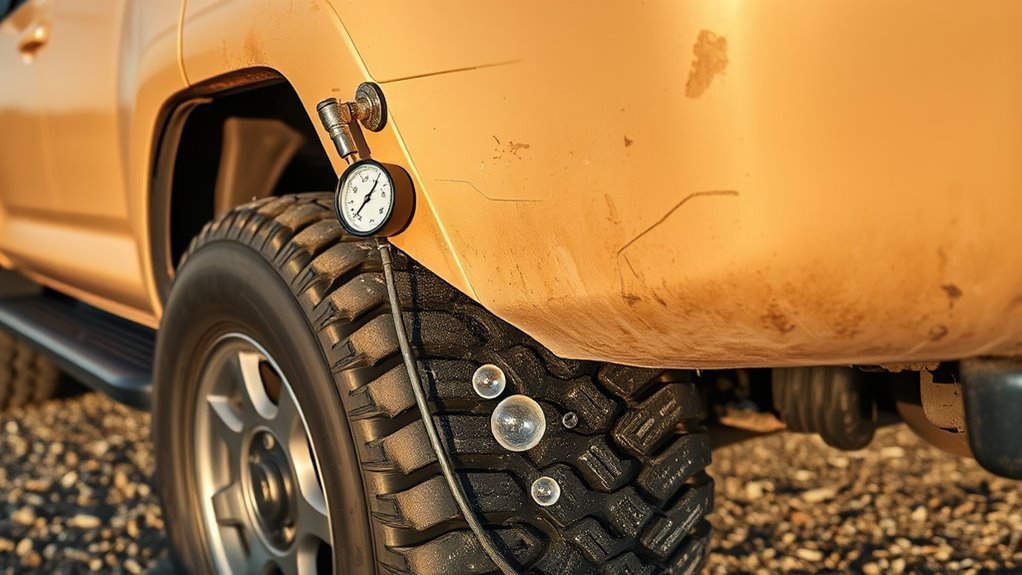
A careful visual inspection gives you the fastest way to narrow down a slow tire leak. Park on level ground, set the parking brake, and turn the steering wheel to improve access to the front tires. Use a flashlight and inspect one section at a time.
- Tread: Look for nails, screws, staples, glass, metal shards, or a previous plug that is leaking.
- Shoulder area: Check where the tread curves into the sidewall. Damage here is often not safely repairable.
- Sidewall: Look for cracks, cuts, bubbles, bulges, scraping, or impact marks from curbs and rocks.
- Valve stem: Check for cracking, looseness, corrosion, missing valve caps, or hissing when the stem is moved gently.
- Bead area: Inspect where the tire meets the rim. Dirt, corrosion, old sealant, or rim damage can break the air seal.
- Wheel: Look for bent rim edges, cracks, heavy corrosion, or fresh impact marks.
Mark anything suspicious with chalk or tape so you can test that exact spot with soapy water. Do not pull out a nail or screw until you are ready to repair the tire or install the spare, because the object may be slowing the leak.
Test for Hidden Leaks: Soapy Water Method for Slow Leaks
The soapy water method works well when the tire looks normal but keeps losing pressure. Mix water with a small amount of dish soap in a spray bottle. Inflate the tire to the correct cold pressure first, then test the likely leak areas.
- Spray the tread slowly, especially around embedded objects and previous repairs.
- Spray the valve cap area, then remove the cap and spray the valve core.
- Spray around the base of the valve stem where it meets the wheel.
- Spray the bead area on both sides of the tire if you can safely access it.
- Spray any rim scratches, bends, corrosion spots, or cracks.
- Watch for growing bubbles for at least two to five minutes.
Small bubbles that keep forming in the same place usually show the leak. Foam that appears once and does not grow may only be leftover soap. If the leak still hides, a tire shop can remove the wheel and use a dunk tank. The tire normally stays mounted on the rim for that test, but the wheel often has to come off the vehicle.
Pro Tip: Test the valve stem with the tire at full recommended pressure. A weak valve stem or loose valve core may only bubble when pressure is high enough.
Check Valve Stems and Beads: Common Sources of Slow Air Loss
Valve and bead leaks are common because they depend on small rubber seals. Age, corrosion, dirt, chemical residue, off-road impacts, and tire changes can all create a slow leak even when the tread has no puncture.
Start with the valve. Spray the valve core and watch for bubbles. If the valve core leaks, a shop or skilled DIYer can tighten or replace the core with the right tool. If the rubber stem is cracked, stiff, loose, or leaking at the base, replace the valve stem. A cracked valve stem should not be patched or sealed.
Next, check the bead. The bead is the sealing area where the tire presses against the rim. If bubbles form around the rim edge, the tire may need to be removed, the rim cleaned, and the bead resealed. This is usually a tire-shop job because the tire must be deflated, broken down from the rim, cleaned, resealed, remounted, and balanced.
Note: A TPMS light does not always tell you which tire has the smallest leak, and it may not warn until pressure is already significantly low. The federal TPMS standard is designed for significant underinflation warnings, so use a gauge for diagnosis.
Know When a 4Runner Tire Must Be Replaced, Not Repaired
Not every slow leak is safe to repair. Replace the tire or have it professionally inspected before driving if you see any of these problems:
- Sidewall puncture, sidewall crack, sidewall bubble, or sidewall bulge.
- Damage in the shoulder area near the edge of the tread.
- Exposed cords, belt material, or deep cuts.
- Tread worn to 2/32 inch or level with the treadwear indicators.
- A tire that was driven while flat or severely underinflated.
- A puncture that is too large, angled, close to another repair, or near a previous failed repair.
- A cracked, bent, or heavily corroded wheel that cannot hold a bead seal.
If the puncture is in the repairable tread area, the safest long-term repair is usually an internal patch-plug style repair done after the tire is removed from the rim and inspected from the inside. A rope plug or canned sealant may help in an emergency, but it should not be treated as a final repair for regular driving.
[Products Worth Considering]
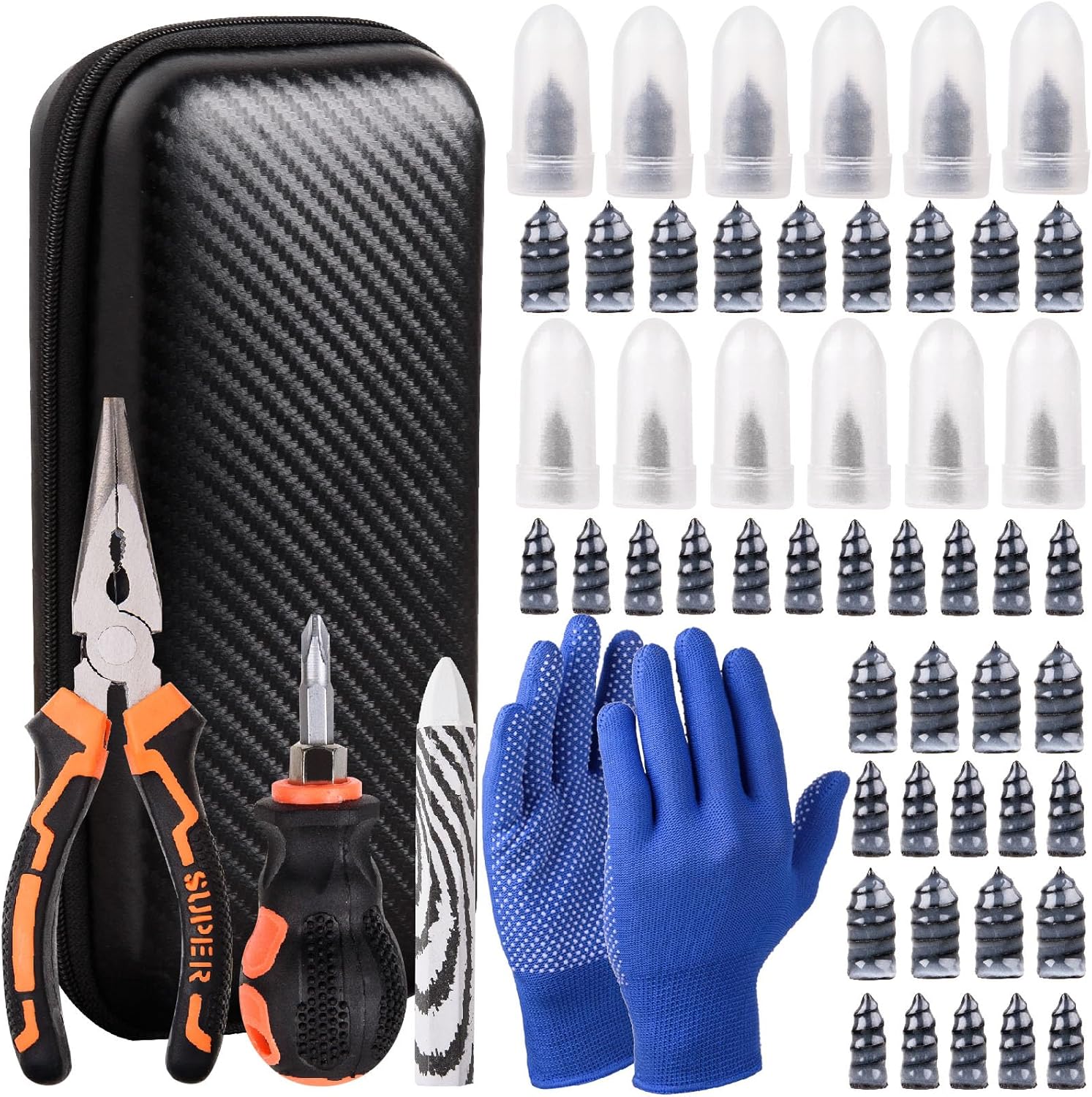
This tire sidewall puncture repair kit fixes flats fast without removing the tire, helping you get back on the road in minutes. It includes self-tapping repair nails,...
Fix Bead and Valve Leaks: DIY Sealants vs. Shop Repair
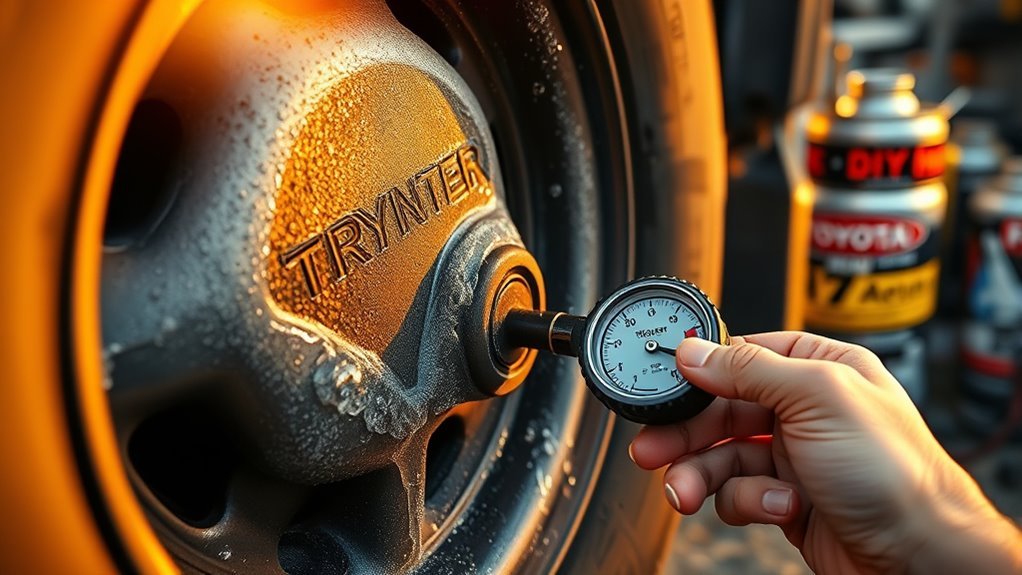
Once you find the leak, choose the repair based on location and safety. A simple loose valve core is different from a bead leak, sidewall injury, or cracked wheel.
| Leak Source | Best Next Step | DIY or Shop? |
|---|---|---|
| Loose valve core | Tighten or replace the valve core, then retest with soapy water. | DIY if you have the correct tool; shop if unsure. |
| Cracked valve stem | Replace the valve stem and inspect TPMS hardware if equipped. | Usually shop. |
| Tread puncture | Have the tire removed and inspected, then repaired internally if the puncture is in a safe repair area. | Shop for a lasting repair. |
| Bead leak or rim corrosion | Demount tire, clean rim bead seat, inspect wheel, apply bead sealer if appropriate, remount, and balance. | Shop. |
| Sidewall leak, bulge, or exposed cords | Do not patch. Replace the tire. | Shop. |
| Liquid sealant used | Use only for emergency mobility, then tell the tire shop so the tire, wheel, and TPMS sensor can be cleaned and inspected. | Emergency only. |
DIY sealant can get you off the shoulder of the road, but it is not the best answer for a slow leak you can schedule for repair. It may leave residue inside the tire, make leak detection harder, and require extra cleaning before a proper internal repair. If your 4Runner has TPMS sensors, use only a product labeled TPMS-safe and only when you truly need an emergency temporary fix.
Rule Out Temperature: Why Tires Lose Air Without Leaks
Temperature can make a healthy tire look like it has a leak. As a rule of thumb, many tires change by about 1 PSI for every 10°F temperature swing. A cold night can drop pressure enough to trigger a warning, then the light may turn off after the tires warm up during driving.
The key is pattern. If all four tires drop by a similar amount after a cold front, temperature is likely the main reason. If one tire drops faster than the others, or loses several PSI in a few days while the weather is stable, keep looking for a leak.
A tire that keeps losing pressure faster than the other three is not just reacting to weather. It is giving you a leak pattern.
Always adjust pressure when the tires are cold if possible. If you add air after driving, recheck the tire later when it is cold so you do not overfill it based on a warm reading.
Frequently Asked Questions
How often should I check my 4Runner tire pressure?
Check tire pressure at least once a month and before long trips. Use a gauge when the tires are cold, and compare the reading with the pressure on the driver-side tire placard or your Toyota owner’s manual.
Can I drive with a slow tire leak?
You can usually drive a short distance to a safe repair location if the tire is only slightly low, holds pressure after inflation, and has no sidewall damage, bulge, exposed cords, or fast pressure loss. Do not drive on a tire that is visibly low or repeatedly drops below the safe pressure range.
Does tire sealant damage TPMS sensors?
Some sealants are labeled TPMS-safe, but liquid sealant can still leave residue inside the tire and may require cleaning around the sensor. Use sealant only as an emergency temporary fix, then tell the tire shop before they remove or repair the tire.
What does it mean if my TPMS light turns on in the morning and turns off later?
That often happens when cold overnight temperatures lower tire pressure enough to trigger the warning. As the tire warms during driving, pressure rises and the light may turn off. Still check all tires with a gauge because one tire may be starting below the correct cold pressure.
What’s the cost of professional tire repair?
Cost depends on your area and the repair type. A simple tread puncture repair is usually less expensive than bead cleaning, valve stem replacement, TPMS service, wheel repair, or tire replacement. Ask whether the shop will remove the tire, inspect the inside, repair it internally, rebalance it, and reset or relearn TPMS if needed.
How long does a patched tire last?
A properly repaired tire can often last for the remaining usable life of the tire, but only if the puncture is in a repairable tread area and the tire is otherwise safe. Age, tread depth, sidewall condition, previous repairs, and whether the tire was driven while low all matter.
Can a bead leak fix itself?
Usually no. A bead leak often comes from rim corrosion, dirt, old sealant, or damage where the tire seals to the wheel. The usual fix is to remove the tire, clean and inspect the bead seat, reseal it if appropriate, remount the tire, and rebalance the wheel.
Conclusion
A 4Runner slow tire leak is easiest to solve when you work in order: check cold pressure, compare it with the placard, inspect the tire and wheel, spray soapy water, then match the repair to the leak location. Small tread punctures, valve issues, and bead leaks are often fixable, but sidewall damage, bulges, exposed cords, cracked wheels, and tires driven flat are replacement-level problems. When in doubt, let a qualified tire shop inspect the tire from the inside before you drive farther.
Sources
- NHTSA TireWise — cold tire pressure checks, tire placard guidance, tread safety, TPMS limitations, and tire maintenance safety.
- 49 CFR 571.110 — federal tire placard and cold tire inflation pressure label requirements.
- 49 CFR 571.138 — federal TPMS requirements and underinflation warning language.
- Toyota Manuals and Warranties — official Toyota owner manual lookup for model-specific tire and TPMS information.

Related Articles

When to Switch From All-Season to Winter Tires on a 4Runner
Ineffective all-season tires in cold weather can jeopardize your safety—discover when to make the crucial switch for better traction and handling.
Read More
4Runner Tire Mileage: How Many Miles Should They Last
Curious about how long your 4Runner tires should last? Discover essential tips and factors that influence tire longevity.
Read More
How Long Do Toyota 4Runner Tires Typically Last
How long do Toyota 4Runner tires typically last? Discover the factors that influence tire longevity and essential tips for maintenance.
Read More